10 CMOs Set To Make Waves in 2026
2025 was a carousel of chief marketing officer (CMO) exits, arrivals, and shake-ups that kept the advertising world on its toes.
While the CMO door keeps revolving, 2026 will once again see marketing bosses challenged by geopolitical upheaval and squeezed consumer spend. There will also be opportunities, including the FIFA 26 World Cup and a buzzy M&A market. AI advancement will be a double-edged sword, making it easier for brands to connect with audiences while also raising questions about the human cost of the tech.
For marketers at some of the world’s most talked-about brands, the next 12 months will test how well they can adapt, innovate, and lead.
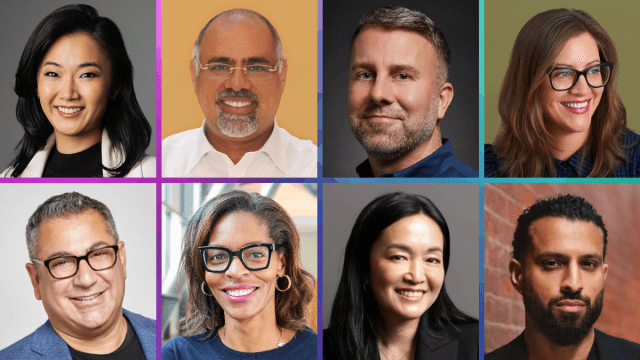
With that in mind, ADWEEK is spotlighting 10 CMOs worth watching in 2026.
Some are setting the tone for challenger brands. Others are steering their teams into unfamiliar territory. Several are tasked with modernizing legacy businesses and a few are defining what leadership looks like in new roles.
Scroll down to see who’s on the list for 2026.
Ahmed Iqbal, CMO, Cadillac F1
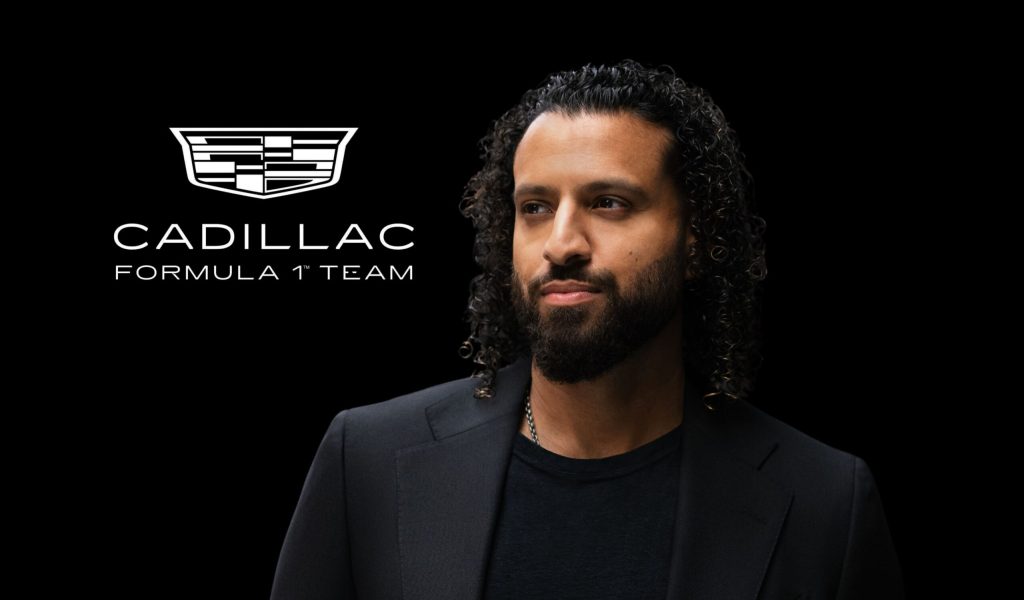
As Cadillac Formula 1’s first-ever CMO, Iqbal arrives at a moment of peak momentum for the sport, with global interest surging thanks to a nail-biting 2025 Grand Prix and Netflix’s fly-on-the-wall documentary series, Drive to Survive.
The CMO joins on the back of McLaren’s dominant run, raising both the stakes and the expectations for the challenger.
In 2026, Iqbal’s task will be to define what Cadillac stands for in a crowded, fast-moving F1 landscape. He’ll need to translate the brand’s American heritage into global relevance while building credibility with fans who are already deeply invested in the sport.
Jill Kramer, CMCO, Mastercard
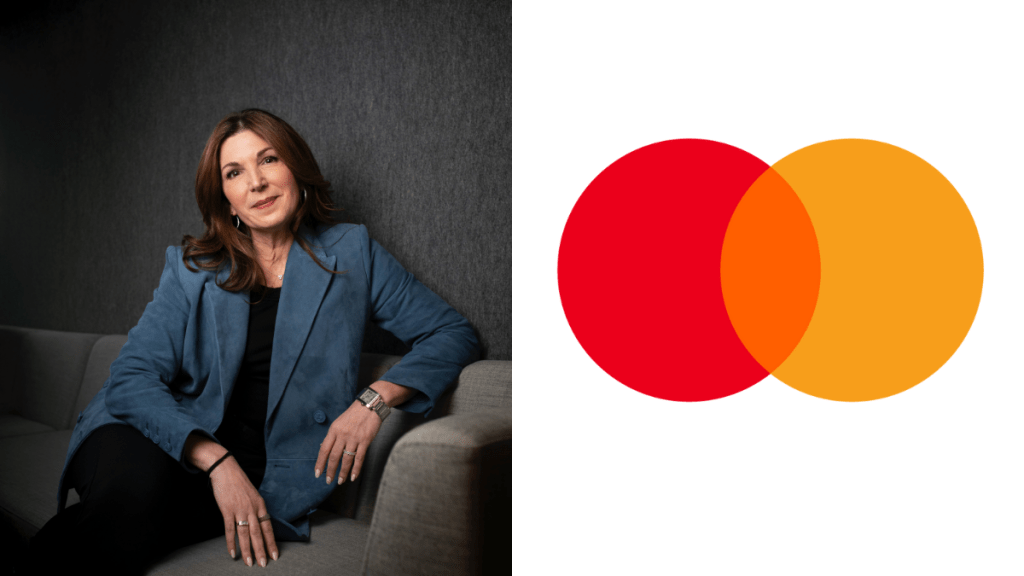
Former Accenture marketing boss Jill Kramer steps into the chief marketing and communications (CMCO) role at Mastercard following one of the longest and most influential CMO tenures in the industry, taking over from Raja Rajamannar.
Her arrival marks a moment of transition for a brand long associated with consistency, cultural credibility, and the enduring power of its “Priceless” platform.
In 2026, Kramer’s challenge will be evolving Rajamannar’s legacy, and keeping Mastercard culturally relevant and innovative while protecting its brand equity.
Per figures from Interbrand, Accenture’s brand value almost doubled from $12 billion to $20.9 billion over the near-decade Kramer was CMCO there. Prior to that, she held senior roles at BBDO and DDB, where she led campaigns for brands such as AT&T and ExxonMobil.
Jon Halvorson, Chief Digital and Marketing Officer, Kenvue
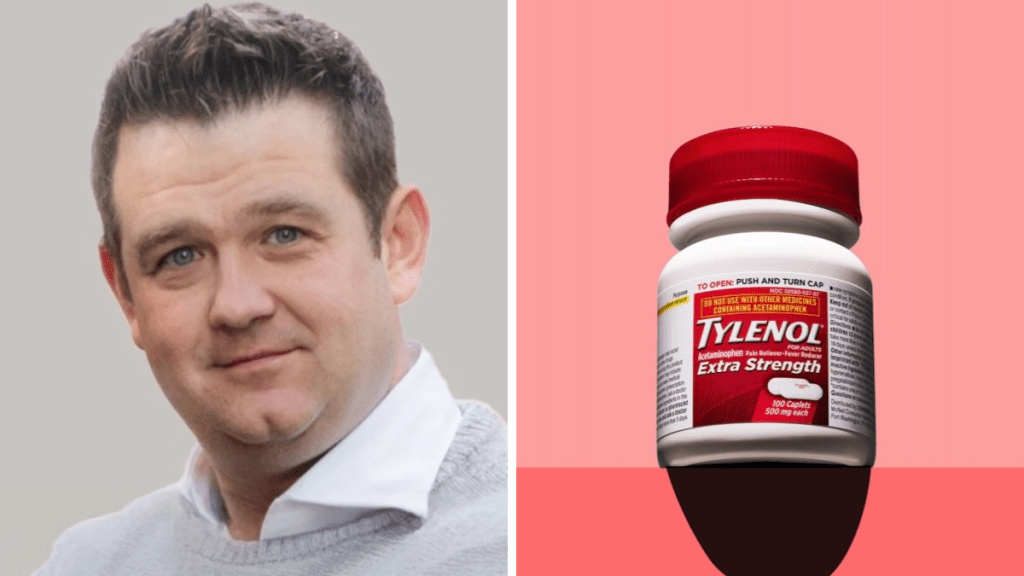
In October, Tylenol maker Kenvue gave Jon Halvorson the call. The business was reeling after a September press conference in which health secretary Robert F. Kennedy, Jr., buttressed by President Trump, implied a link between autism and acetaminophen, the active ingredient in Tylenol.
Despite the medical establishment long discrediting such links, on the same day, Kenvue reported Q3 sales down 3.5%, and a few weeks later, Kimberly-Clark announced it had acquired Kenvue for nearly $49 billion.
Kenvue is betting that with experience spanning Starcom MediaVest, GM, and Mondelez—where he led AI adoption—Halvorson brings the marketing and messaging chops needed to reassure consumers.
As Trump and RFK continue to make major changes to pharma advertising, and a lawsuit from Texas Attorney General Ken Paxton looms, Halvorson has a challenging 2026 ahead.
Kate Rouch, CMO, OpenAI
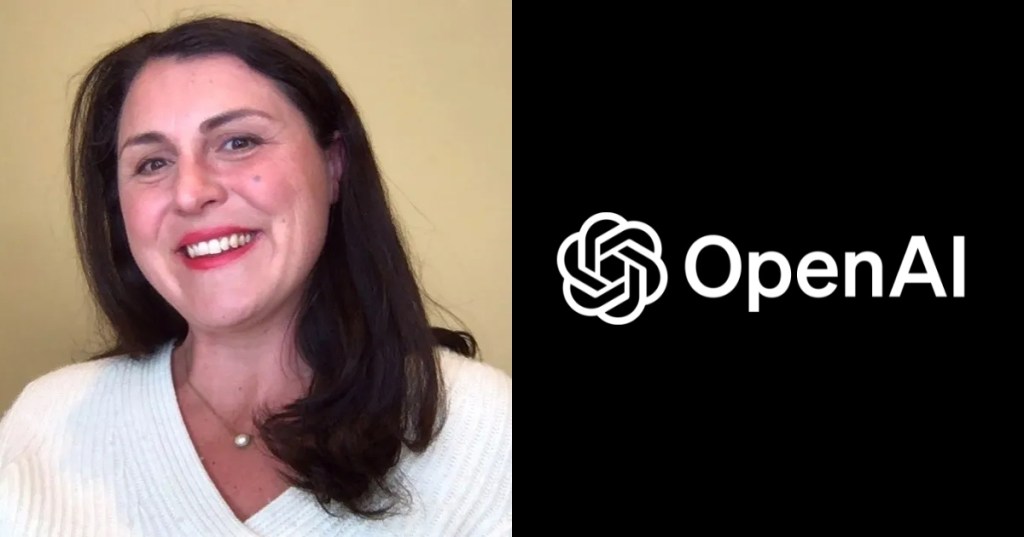
This is Rouch’s second year on ADWEEK’s CMOs to watch list.
In 2025, Rouch’s impact saw the AI challenger dive into mass marketing for ChatGPT and its other products. The company advertised in the Super Bowl earlier this year with a 60-second spot from Droga5 that recounted the history of human innovation, and targeted college students with a smaller campaign during final exam season.
In June, the exec took temporary leave following a breast cancer diagnosis, with former Facebook CMO Gary Briggs taking the marketing reins in the interim. Rouch returned in November, sharing the news that she was cancer-free.
In 2026, the former Coinbase CMO will need to build on the momentum around ChatGPT’s first big emotional ad campaign, which demonstrates how the AI chatbot is useful in relatable, daily moments.
In the coming year, Rouch will also help the business market blockbuster partnerships with Disney and Mattel, and continue to meet the challenge of building brand trust in a world still cautious of AI.
Marian Lee, CMO, Netflix
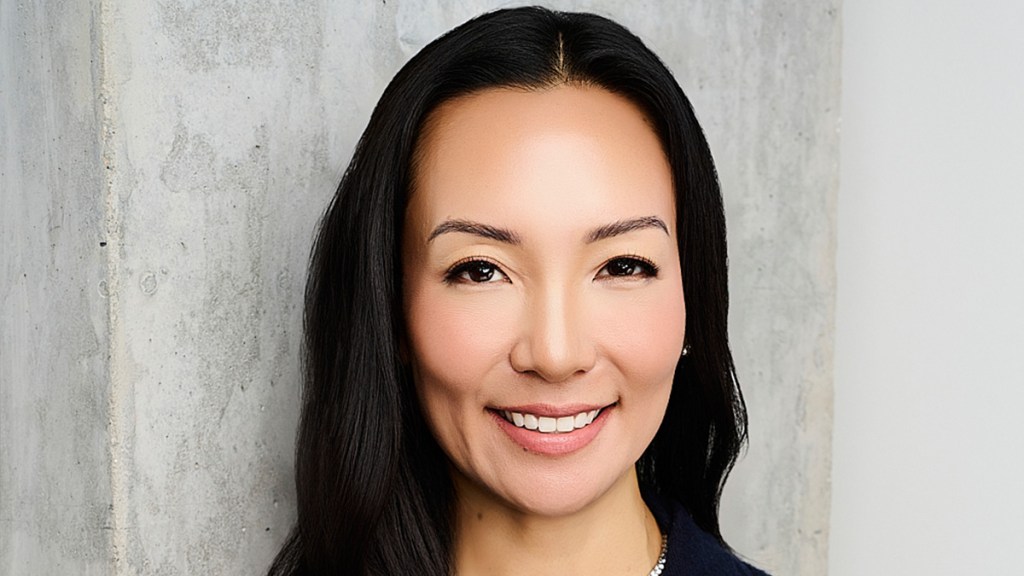
Netflix’s Marian Lee is also marking her second year on this list.
Lee’s marketing ethos, where culture is the “main character,” has put Netflix on the map as one of the buzziest and creative brands of 2025. In the last 12 months, the platform has launched IRL campaigns for surprise hit movie KPop Demon Hunters and brought brands like Gatorade into the Upside Down for the final season of Stranger Things.
It also opened the doors to two Netflix Houses in Dallas and Philadelphia, where fans can explore, taste, play, and shop their favorite shows, from Bridgerton to Money Heist.
Lee will play a key role in 2026 as Netflix cozies up to brands, including AB InBev, for partnerships linked to its growing ad tier, which now counts almost 100 million subscribers. She’ll also continue to help the company expand its audience beyond movies and series into gaming, live sports, and more.
Looming largest on the horizon is Netflix’s push to close its acquisition of Warner Bros Discovery. Slated for late 2026, the move could bring iconic film franchises, including Harry Potter, and vast studio capabilities into the streamer’s fold. If approved, it will reshape not only Netflix’s content arsenal but how Lee positions the streamer in culture and Hollywood.
Marcel Marcondes, Global CMO, AB InBev
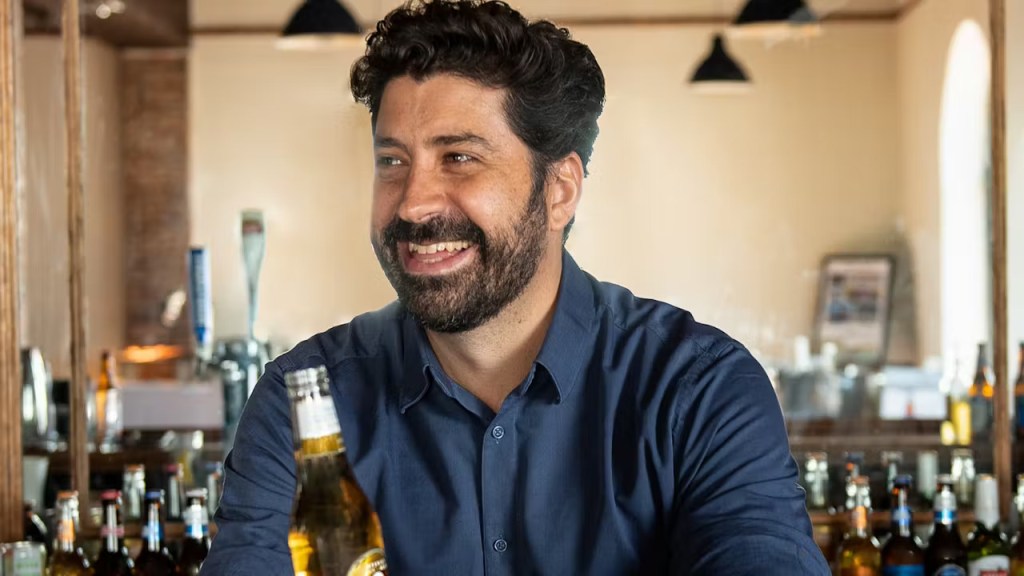
Over the last 18 months, Marcondes has flipped AB InBev’s marketing model to put a “disproportionate” amount of spend behind its master brands and double down on culture-first marketing.
In 2025, that strategy gained momentum. Combined, Budweiser, Corona, Stella Artois, and Michelob Ultra now represent around 57% of the brewer’s revenue and account for 8 of the top 10 most valuable beer brands in the world, per Kantar. Megabrand revenues were up 3% in Q3, driving AB InBev’s overall 0.9% growth.
In 2026, some of the brewer’s brands are poised to go big for Super Bowl 60 (though it has not officially revealed its plans yet). The company is also a FIFA 26 World Cup sponsor and the official beer partner of the Winter Olympics, the VMAs, and the Grammys.
The coming year will also see AB InBev integrate beers such as Bud Light and Stella into Netflix shows like The Gentlemen. This collaboration will extend off-screen to packs, too, as part of a historic multi-year partnership between the two brands designed to reach audiences increasingly resistant to traditional ads.
The next 12 months are shaping up to be spectacularly busy for the business, and Marcondes will be tasked with ensuring AB InBev’s master brands are top of mind in culture and on shelves around the world.
Manu Orssaud, CMO, Duolingo
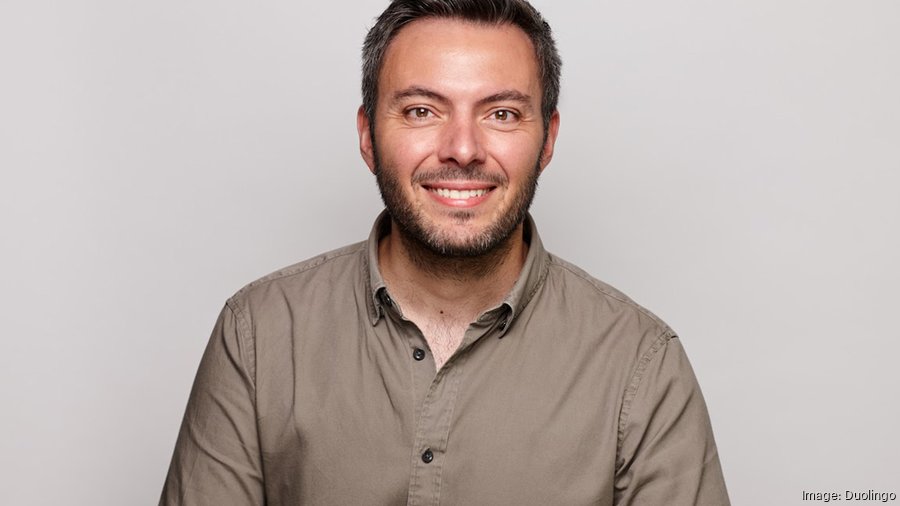
When Duolingo declared itself “AI-first” in April, the move signaled a structural shift in how the company approaches product, content, and marketing. It also invited scrutiny.
A subsequent memo from CEO Luis von Ahn linking hiring to AI capacity sparked backlash and raised questions about humans’ role in the brand’s future.
In September, Duolingo confirmed its AI investments hadn’t led to any full-time employees being laid off. Instead, AI is boosting human productivity, von Ahn said at Fast Company’s Innovation Festival.
As the brand’s CMO Manu Orssaud looks ahead to 2026, his task will be scaling up its AI marketing tools while driving sustained subscriber growth, all while holding on to the brand personality that made Duolingo culturally iconic.
Meghan Imbres, CMO, Peloton
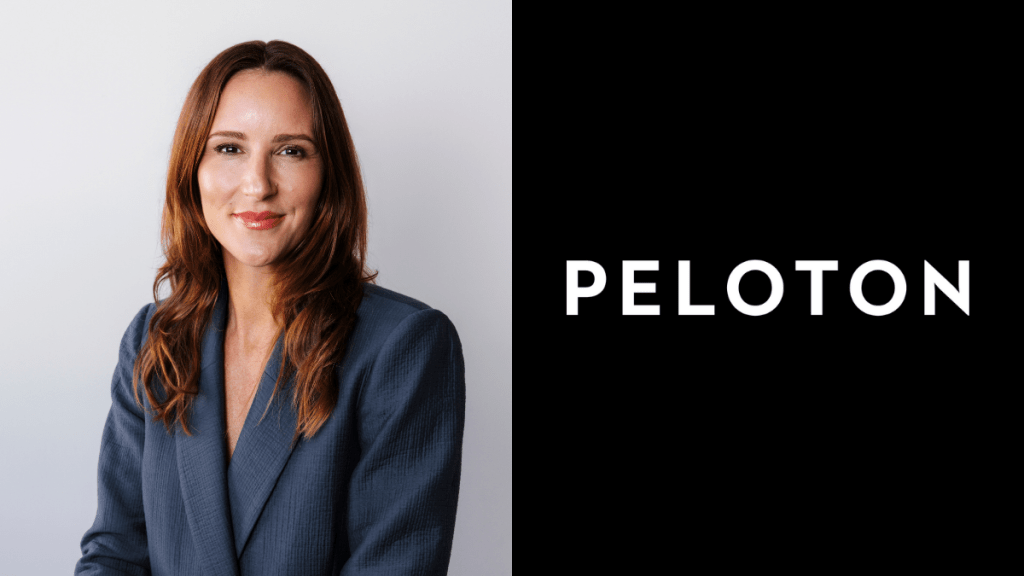
In June 2025, Megan Imbres became Peloton’s fourth CMO since 2020.
The former Apple, Amazon, and Netflix exec replaced Lauren Weinberg, who left in April after the marketing and comms functions were split.
Peloton has had a challenging few years, but in Q3 it surprised Wall Street by posting a profit despite falling subscriber numbers and a 37% cut to its marketing budget.
We’ve not seen a tentpole creative campaign from Imbres yet, but 2026 might be the year, following the brand’s AI-powered September product relaunch, which embedded the tech into its fitness products to customize individual workout programs.
Tamika Young, CMCO, Hinge
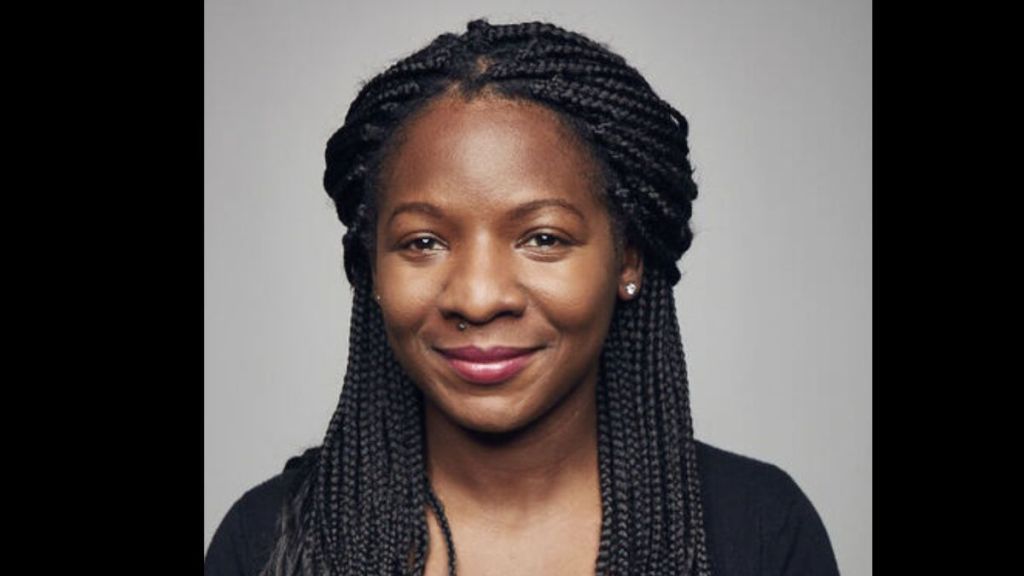
In December, Hinge named a new CMCO in Tamika Young, who joined the business as svp, global communications in 2023 from Netflix. Hinge’s former CMO, Jackie Jantos, was promoted to CEO after founder Justin McLeod left to launch Overtone, an AI-powered dating app.
As she adds marketing to her communications responsibility, Young will be tasked with building on the success of Jantos’ most high-profile campaigns, including Hinge’s global trademarked “Designed to Be Deleted” positioning, which transformed it from a swipe-culture novelty into one defined by more meaningful connections.
She’ll also be working alongside a CEO who understands and champions the value of marketing.
Young’s appointment comes as Hinge’s monthly revenue overtakes its biggest, rival Bumble, and as 78% of U.S. dating app users say they’ve experienced dating app fatigue.
Todd Kaplan, CMO, Kraft Heinz
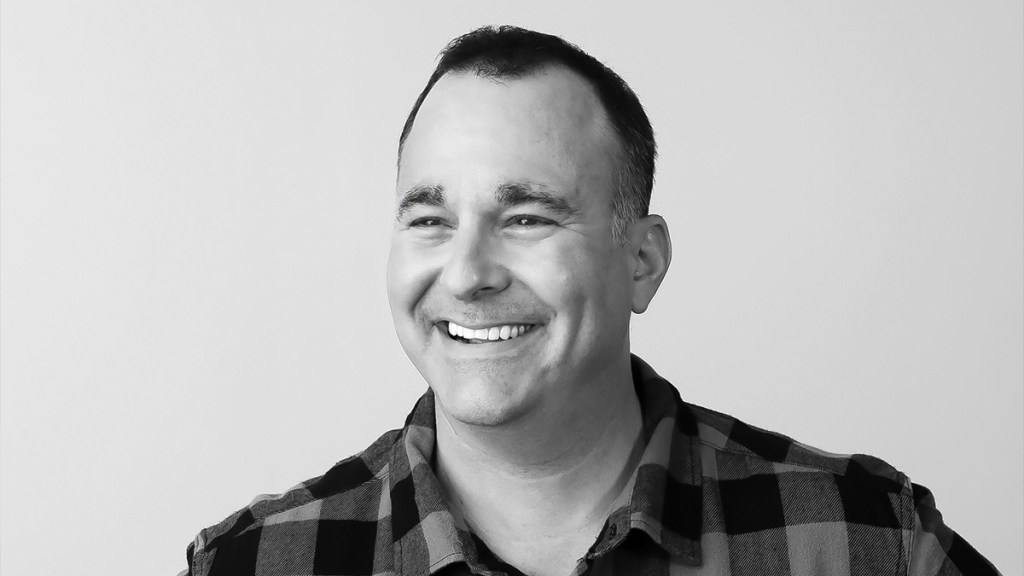
In his first full year leading marketing for Kraft Heinz’s 200-strong portfolio of brands, Todd Kaplan has pushed the legacy CPG beyond its comfort zone with culturally relevant marketing.
First came Heinz’s collaboration with producer Mustard (complete with a 30-second spot during the Grammy Awards and social extensions tied to an IRL, limited-edition mustard product). Heinz also worked with Rethink on its fun “Looks Familiar” ads, which highlighted the uncanny resemblance between the sauce maker’s iconic logo and fry boxes used by restaurants around the world.
In 2026, the $29 billion company will split into two public entities: Global Taste Elevation, which will house sauces and spreads, and North American Grocery Co., encompassing cupboard staples like Oscar Mayer and Lunchables.
Post-split, Kaplan’s future title and portfolio remain unannounced. However, this year he’ll be tasked with defining how Kraft Heinz’s new marketing playbook translates across the two new companies before the reorganization is complete.
https://www.adweek.com/brand-marketing/10-cmos-set-to-make-waves-in-2026/