5 Controversies Cannes Lions Would Rather Forget
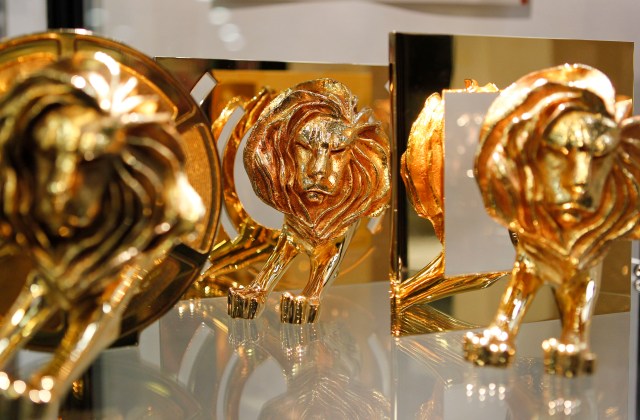
Along with the sun, sea, and overpriced hotel rooms, Cannes Lions has lavished its attendees with an abundance of controversy, starting with the awards themselves. When the program chose Cannes over Venice in 1984, angry Italian officials forbade further use of Venice’s winged lion on the trophy.
Since then, imbroglios have ranged from petty squabbles to far more serious incidences (real and alleged) of collusion, bribery, double dealing, intellectual property theft, and, most recently, fictions conjured by AI.
Last year’s scandal-ridden festival prompted Cannes Lions to introduce new integrity standards. “The industry landscape is changing at lightning speed,” Lions CEO Simon Cook said in a statement. “And, in common with the rest of the industry, Cannes Lions is adapting.”
Accusations of cheating have long beset big awards, but the ongoing constriction of the agency world has increased the temptation to break the rules at Cannes, one longtime attendee told ADWEEK. As holding companies hoover up agencies—and then strip them down—a few lions on the shelf are thought to make a difference when it comes to signing a client, or keeping a job.
Yet even before the disruptions of recent years, the perceived leverage of a Lion has been an article of faith in the agency realm. “A Lion can meaningfully elevate an agency or brand, so the upside has historically outweighed the perceived downside of getting caught—especially for smaller players trying to stand out,” said Michael Priem, CEO and president of ModernImpact.
On the eve of 2026’s awards, ADWEEK took a stroll back in time to find some of the more colorful Cannes controversies, both the fatuous and the serious.
1. Where’d you get that idea?
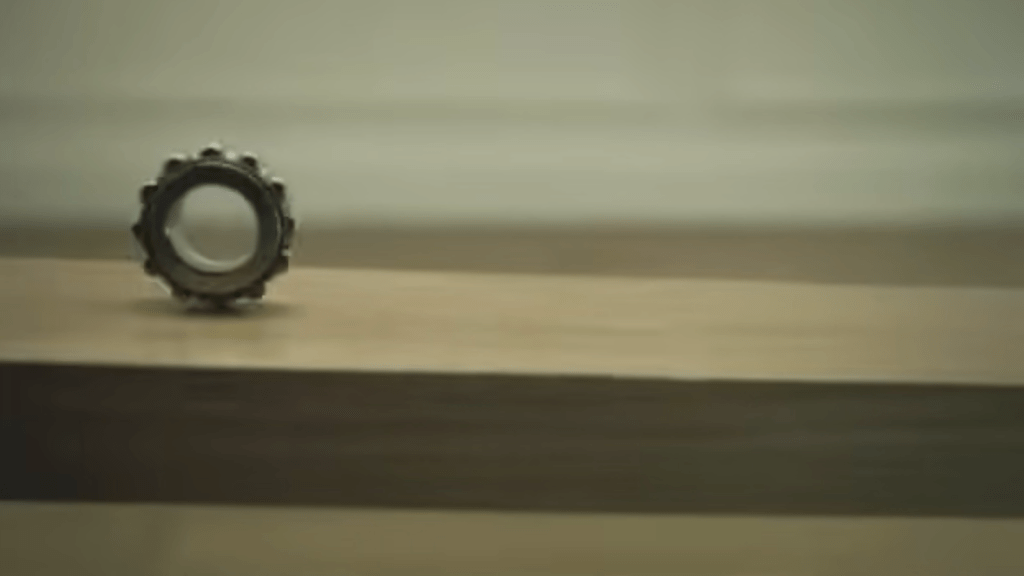
In 2003, Weiden+Kennedy’s inspiring ad for the Honda Accord was perhaps too inspired—by someone else’s work.
In a synchronized mashup worthy of Rube Goldberg, the two-minute spot “Cog” showed a string of detached automotive parts interacting to start the car’s engine.
But the work reminded some of a 1987 art film called The Way Things Go, which also featured the uncanny cooperation of a bunch of automotive gears and wheels. A W+K spokesperson later drew a distinction “between copying and being inspired by.” In any case, Cog didn’t win—which caused a separate controversy.
2. You can’t sea anything
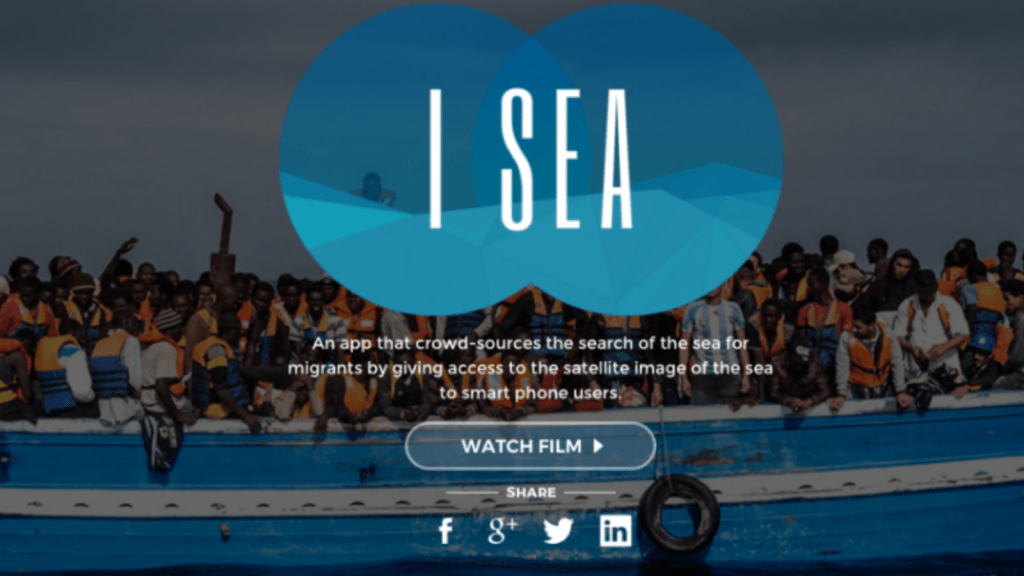
Snaring a bronze in the promotion and activation category in 2016 was the “I Sea” app, which claimed to let users scour the Mediterranean via satellite to spot refugee-laden vessels fleeing wartorn nations, and report them to authorities.
But when whistleblowers revealed that the app did not have live-image satellite capabilities, Apple yanked it from its app store and Singapore-based Grey for Good gave its award back. A Grey spokesperson told the New York Times that the app was legit, but did have “some satellite issues to work out.”
3. Caught double dipping
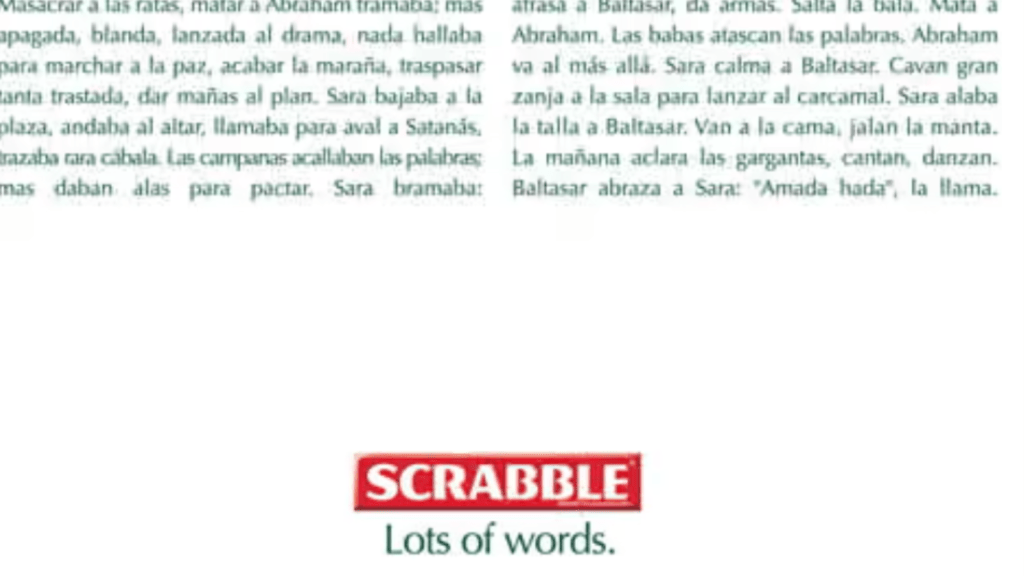
In 2010, a mere hour before the honors kicked off, judges yanked the red carpet out from under Ogilvy Mexico’s Grand Prix-winning entry for Scrabble, when it emerged that the lushly lexical print ad had been submitted—and lost—two years before.
A 6:00 p.m. email from jury chief Marc Tutssel told the tale: “Hi, I have just been informed that the Grand Prix Scrabble campaign was entered in 2008,” the veteran Leo Burnett adman told his fellow voters. “As a result I am upgrading the Billboard [magazine] campaign to Grand Prix, I just wanted to urgently inform you before this evening.”
4. Creepy air conditioning
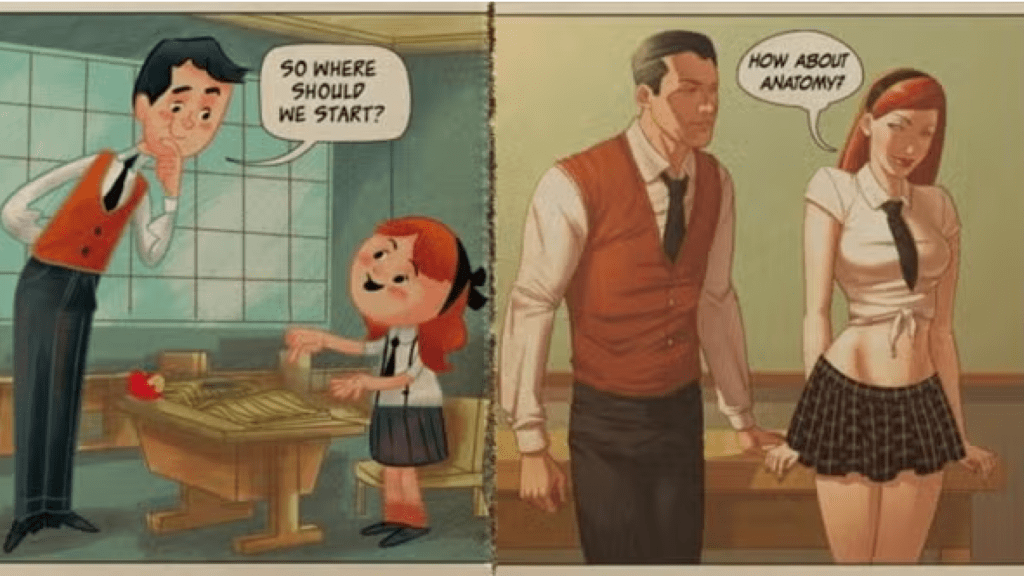
In 2011, Brazilian shop Moma Propaganda touted the AC in the Kia Sportage with a steamy cartoon ad depicting a pubescent female student asking her goatish male teacher for an anatomy lesson. Ostensibly created for Kia Motors Brazil, the ad took two awards at Cannes—until it emerged that they’d never run.
Shortly after, Kia Motors America stated it had “no business relationship” with the agency. “The ad is undoubtedly inappropriate,” the statement continued, “and on behalf of Kia Motors we apologize to those who have been offended by it.”

5. The year of Brazilian blunders
While the 2025 awards would turn heads with the forfeited Bronze-winning campaign from LePub São Paulo for New Balance—one that New Balance didn’t know had been submitted—the notoriety trophy goes to another snafu out of São Paulo.
Agency DM9’s work for appliance brand Consul’s “Efficient Way to Pay” program won a Grand Prix that year—until Cannes officials discovered AI-altered CNN footage in the case study.
DM9 copped to “a series of errors.”
https://www.adweek.com/creativity/5-controversies-cannes-lions-would-rather-forget/