5 Lessons From the World Cup’s Best Marketing Plays—and Those That Missed the Mark
The 2026 FIFA World Cup captured more than $10 billion in global ad spend, according to WARC Media estimates. That’s on top of the $2.8 billion FIFA collected from its 20 official sponsors, and before counting the dozens of non-sponsor brands that piled on for free.
That’s an extraordinary amount of noise fighting for the same six billion potential viewers in the same six weeks.
And that’s the main question the C-suite at these advertisers will be asking of their CMOs: Did their marketing break through and, ultimately, drive commercial success?
Here are five lessons they can learn from the brands who did it right—and a few who missed opportunities along the way.
1. Build for the long-tail, not just the peak
Most World Cup advertisers planned a six week run and stopped there. Adidas did it differently. Starting with its five minute film starring Timothée Chalamet, the campaign was built on a long marketing runway and attached to real commercial goals.
“Backyard Legends” is the latest chapter of “You Got This,” a campaign that’s been running since the 2024 Paris Olympics. It was preceded by successful product drops from Bad Bunny and Messi in early 2026, and followed by nationwide pop-ups inside Nordstrom stores, a Dick’s retail push timed to Messi’s Algeria hat-trick, and fan experiences across five host cities through its app.

The widespread effort paid off. On its April 2026 earnings call, Adidas said it booked roughly $292 million in World Cup product sales before kickoff, driving revenue up 7% to €6.6 billion. CEO Bjørn Gulden tied the campaign to Adidas closing the U.S. gap with Nike and guiding its full year to high-single-digit growth.
In that way, the World Cup became fuel for Adidas’ whole year, not a standalone spike.
Lesson No. 1: Start the drip months before your next tentpole and integrate retail, product, app, and content from the start to keep the campaign working well after the event is done.
2. Find the unclaimed stories
Many brands leaned into similar messages of communal joy, tension, the sheer love of “footie.” But hiding in plain sight, the tournament was telling a sharper story that no brand tapped into: the underdog against Goliath, the comeback from behind, the will to win that defines a champion.
Cabo Verde, a nation of 500,000 ranked 67th, held Spain scoreless and took Messi’s Argentina to extra time before falling 3-2; Spain and Argentina overcame all odds to win against France and England, respectively; and Spain ultimately beat out defending champs Argentina for the World Cup Championship title. This is what the internet talked about.
Brands like Nike missed the opportunity to tap into that conversation. Its “Rip the Script” platform was expansive enough to embrace all the content it developed, but failed to celebrate what the world was discussing as it happened. That dynamism would have given Nike’s campaign even greater relevance.
Lesson No. 2: Find the story not being told. Create a platform that has the flexibility to pivot from pre-produced content to on-the-field surprises so you can stay relevant throughout the tournament and after.
3. Audit your talent
Another familiar playbook this year was using celebrities to make the game accessible to a new audience, honoring both the familiar legends and the new guard.
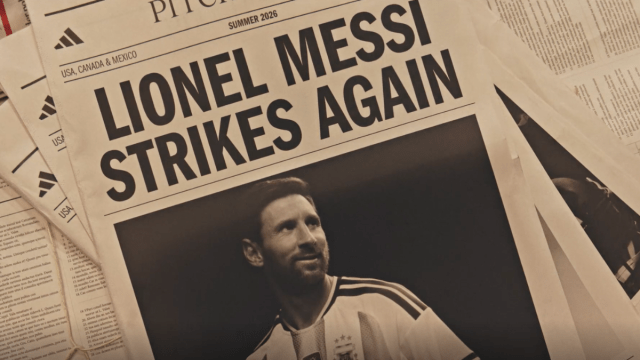
That’s exactly where things went wrong. Suddenly, everyone was casting the same eight celebs. Beckham appeared in ads for more than ten sponsors. Messi showed up in almost 25% of tournament spots. It became hard to know which brand featured which player.
YouGov found roughly 40% of U.S. World Cup followers noticed sponsors, but noticing and attributing are different. Shared casting erodes brand recognition massively.
Lesson No. 3: Brands avoid getting lost in a sea of celeb-sameness by ensuring their category conflict clauses extend to adjacent categories and by standing up social listening tools that track share of voice by talent.
4. Make the brand central to the story
The best work made the product and brand inseparable from the event itself.
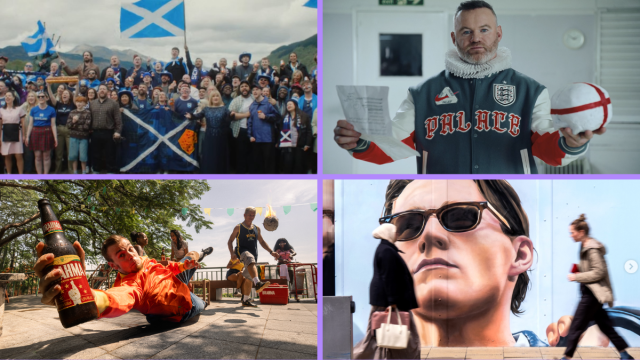
Brahma Beer’s World Cup ad exuded the sheer joy of Brazil, as well as its cultural pride in football and the attendant skepticism about it, while keeping the product central to the storyline. Nike, conversely, could have been any brand’s sports marketing.
Lesson No. 4: Could you swap your product for a rival’s without changing the ad? If so, that’s a prop, not a winning proposition.
5. Don’t broadcast, have a conversation
So many brands missed an opportunity to create the two-way dialogue crucial to reaching Gen Z and Millennials.
Packaging—the most underrated medium in brand-building—had a great highlight in Café Bustelo’s “Game Face” campaign. The brand shipped more than one million cans, designed by hyper-local artists across Mexico, Brazil, Argentina, and Colombia, with temporary face-tattoo kits. The tattoos went viral, as people used them to promote their flag, their country, their teams, themselves, and the product—in one fell swoop.
Lesson No. 5: When trying to reach younger audiences, don’t broadcast your message; make it a conversation they can be a part of.
https://www.adweek.com/brand-marketing/5-lessons-from-the-world-cups-best-marketing-playsand-those-that-missed-the-mark/