5 Ways Brands Can Weather a Tariff Storm as Consumer Spending Shifts Toward Value
The International Monetary Fund has released its World Economic Outlook that, in light of the Trump administration’s 10% tariff on all imports that went into effect April 5, predicts an anemic 1.8% growth rate for the United States. As recently as January, it had been 2.7%.
“For the United States,” research director Pierre-Olivier Gourinchas said, “the tariffs represent a supply shock that reduces productivity and output permanently, and increases prices temporarily.”
Odds are that most Americans weren’t tuned in for that announcement—but they didn’t need to be. In a recent Harris Poll, 72% of Americans, regardless of political affiliation, said they’re already worried about higher prices.
And while President Trump’s April 22 comment that tariffs imposed on Chinese imports “won’t be anywhere near that high”—meaning, not the 145% suggested after China imposed retaliatory tariffs of 125%—they also won’t be zero, and uncertainty persists.
![On March 26, President Donald Trump announced a 25% tariff on imported automobiles and specific automobile parts. Now, with a potential reprieve in sight, brands including Hyundai and Nissan have […]](https://rassegna.lbit-solution.it/wp-content/uploads/2025/04/5-ways-brands-can-weather-a-tariff-storm-as-consumer-spending-shifts-toward-value.png)
Consumers bracing for a hit to their household budgets leave brands and retailers with their own anxieties. How will shoppers behave in the wake of price increases? What retailers will have an edge? And what can brands do to hold onto hitherto loyal customers?
Two recent surveys conducted by consumer and data insights firm Numerator and marketing technology platform Wunderkind suggest several behavioral trends that are likely to result. We’ve parsed a few ways that brands can respond to them.
1. Amazon’s grip might slacken
Wunderkind’s data shows 56% of consumers, regardless of age, are willing to wait longer to receive their purchases if it means money saved. That inclination could shave off some of the edge that Amazon, with its next-day delivery promises, has long lorded over other retailers.
“Not only are [consumers] willing to wait, but they are shopping for discounts—going beyond the marketplace and visiting more brand websites to understand where the best price is,” said Tim Glomb, Wunderkind’s vp of digital, content and AI. “Brands have a huge opportunity to play with price and sell direct[ly] from their websites.”
2. Be prepared to dangle the carrot
According to Numerator, nearly half of consumers (48%) look for sales and use coupons when they shop. In addition, 43% of the Wunderkind survey’s respondents said inflated prices will make them more likely to sign up for emails and texts from a brand if it means they’ll have access to better prices or earlier access to deals. (Coming in at 54%, Gen z shoppers are most open to this option.)
Even though retailers and brands will feel tariff-driven price pressures first, they might still have to furnish incentives in order to hold onto customers.
3. Private label might get its moment
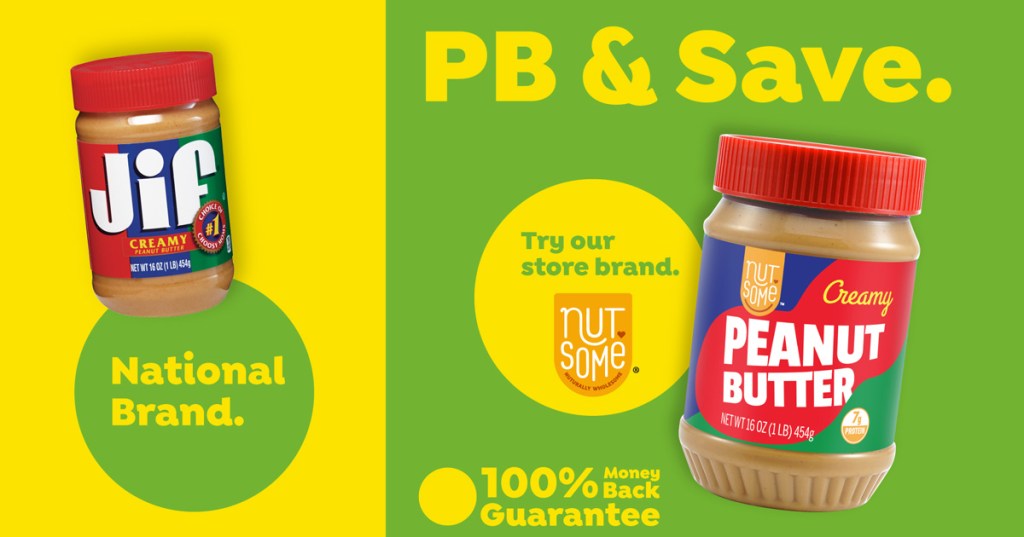
Both firms asked consumers what categories concerned them most if prices were to rise, and groceries led the list for both: 60% in Numerator’s poll and 53% in Wunderkind’s. Since grocery purchases—unlike, say, clothing or a toaster oven—can’t be put off, shoppers in search of lower prices will probably consider private-label brands as an option.
“This is something we’ve seen during other times of economic disruption,” Glomb said. “Consumers seem willing to break from their desired brand simply because of cost savings. Now is the time for white-labeled brands to make the case on why they are just as good as named brands.”
4. Better act sooner than later
The tariff rate that kicked in April 5 is the “baseline” import duty of 10%. Ships already en route to the U.S. that arrive before May 27 will avoid the surcharge. But regardless of the grace period, brands and retailers may want to consider offering shopper incentives now anyway.
Why? Close to a third of shoppers in Numerator’s survey (31%) plan to stock up on items prior to tariffs having an effect on prices. In fact, 32% of respondents to Wunderkind’s survey said they’d started shopping around for deals and 13% are already buying.

5. Brand loyalty may not mean much
According to personal finance app NerdWallet, 65% of a brand’s business comes from returning customers. But tariff-driven inflation might put paid to that idea. Numerator’s survey shows that once prices rise, 40% of all shoppers (and 51% of boomers) will go anywhere they can find the best deal. In Wunderkind’s findings, nearly half of respondents (46%) indicated they’d remain loyal to whatever brand sends them special offers.
“Brands should not sit back and assume that loyalty is going to continue to drive revenue over their competitors,” said Glomb. Companies that historically rely on loyalty will have to think about incentives, he said, and, meanwhile, “challenger brands have a massive opportunity to go for the throat in their category to win new customers.”
https://www.adweek.com/commerce/brands-tariffs-strategy-consumer-spending-shift-value/