8 Lessons Brand Marketers Should Take From Heated Rivalry
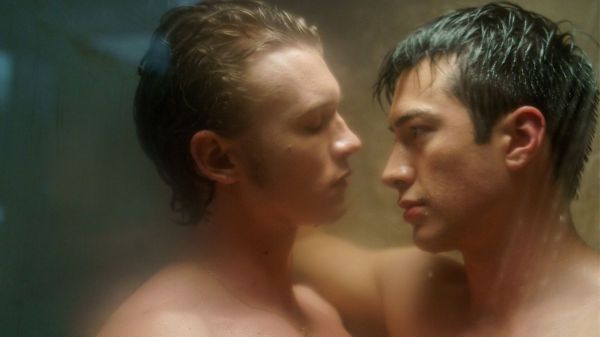
You don’t need to be chronically online to have your social media feeds overtaken by TV’s Heated Rivalry. My 21-year-old niece, multiple work Teams chats, Donatella Versace, hetero hockey podcasters, Helen Hunt, the NYC mayor’s Snow Day counsel, the Olympic torch relay committee and Naomi Fry in The New Yorker have all declared their intention to “come to the cottage.”
As a gay Canadian who never fully got into hockey but has devoured more than two dozen (mainly hockey-based) MM romances (receipts in my Goodreads), my excitement began with the first announcement last year. (Full disclosure: I attended the same Montreal high school as the show’s writer/director, Jacob Tierney, though our paths since our star turns in a senior production of Fiddler on the Roof have diverged significantly.)
The show’s virality is staggering. Across Youtube, TikTok, Instagram, and Facebook, there have been more than 6,000 dedicated videos uploaded between Nov 15 and Jan 12 averaging 80,000 views each, with more than 6,200 engagements, according to research from the Weber Shandwick Analytics & Insights team using Tubular. A New York Times headline calls the “popularity of ‘Heated Rivalry’ a surprise even to TV executives.” Hits like these also often surprise marketers, who are left flat-footed. Case in point: no one at Harlequin Books foresaw the uptick in demand for Rachel Reid’s Game Changers novels, which are still frustratingly backordered on Amazon until the end of January.
It can be tempting to dismiss such cultural phenomena as flukes, but marketers have much to learn from successes like Heated Rivalry. Here are eight key lessons:
1. Community insights over trends
“What is the point of IP if you’re not respecting the people that made the IP valuable, which is the fans?” – Jacob Tierney (Writer/Director)
To say Heated Rivalry came out of nowhere is to ignore its foundation: a devoted fanbase. The six-novel series sold 650,000 copies before the show premiered, bolstered by active message boards, online reviews, and fan fiction. Tierney, who DMed author Rachel Reid directly to acquire the rights, recognized not just the quality of the material but the fervor of its fans. Marketers too often chase trends instead of tapping into communities with deep engagement. Niche stories can ignite mainstream excitement when handled with care. Heated Rivalry fans have been rewarded for their loyalty, creating a cycle of excitement between long-time readers and new viewers.
2. Passions, not demographics
“You’d never think it, but the baked-in audience for this is women. It’s wine moms. They love this stuff.” – Jacob Tierney
Streaming minutes for Heated Rivalry exploded from 30 million at launch to 327 million during its finale. This growth was driven by cisgender heterosexual women, who make up two-thirds of its audience. This shouldn’t be shocking. Female readers have always dominated the male/male (MM) romance book genre, citing its ability to equalize relationship dynamics and remove patriarchal tropes. Marketers often assume audiences must see themselves in characters. Instead, we must focus on connecting with their values, passions, and interests — not just gender or demographics.
3. Take more shots
“It is clearly a word-of-mouth sensation.” – Casey Bloys, chairman and CEO of HBO and HBO Max
Heated Rivalry was made on a modest budget with relatively unknown actors, filmed in Canada, and supported by limited marketing. Its success proves cultural momentum and fan engagement outweigh flashy spending. Marketers often aim for “too big to fail” projects, diluting creativity to “hit every quadrant.” But taking more creative risks on smaller, targeted stories allows for authentic content with universal appeal.
4. Trust your creators
“They clearly know what they’re doing.” – Casey Bloys
Tierney credits Crave’s Canadian executives for funding the series without “death by a thousand studio notes.” And rightfully so. One potential collaborator reportedly suggested adding a female protagonist to broaden appeal. Too often, marketers micromanage creators instead of trusting their expertise. Tierney has proven success with Letterkenny and Shoresy. It’s also a two-way street, and Tierney has confirmed that Heated Rivalry’s Season 2 budget will remain modest, ensuring he can retain creative control.
5. Real, complex inclusion
“Heated Rivalry’s Shane is autistic. If you didn’t notice, that’s the point.” – CBC Headline
Heated Rivalry doesn’t just focus on LGBTQ+ themes—it reflects intersectional stories. It portrays a Russian immigrant’s struggles, the lack of Asian representation in hockey, and includes Black, trans, and Latinx characters. The main character Shane is coded as autistic, but it’s never explicitly stated. For some, it’s deeply resonant; for others, it goes unnoticed. Inclusion feels natural, not performative—a model for marketers looking to connect with wider audiences. And it’s effective: one out of every dozen comments on Twitter/Reddit (via Tubular/WS A&I) includes a mention of “inclusion,” “representation,” and “feeling seen.”
6. Provoke, but follow through
“Come for the hot sex, stay for the warm love.” – Hudson Williams (Actor)
Headlines have underlined the show’s spice and nudity level, but it’s hardly racier than Bridgerton, Industry, or Outlander. It’s just different. Importantly, intimacy is not gratuitous but central to a plot that culminates in a satisfying happily ever after. Similarly, in marketing, you can lead with bold or provocative elements, but meaningful substance and a connection to your story is what drives long-term engagement.
7. The need for — and value of — joy
“This show is queer joy for adults.” – Jacob Tierney
In a bleak world, Heated Rivalry has been a balm for audiences, unabashedly embracing love and joy. Marketers often see value as transactional—solving problems—but joy itself is a value that enriches lives and strengthens emotional connections with brands.
8. Embrace the memes
“It’s very flattering to be on the receiving end of so much copyright infringement.” – Jacob Tierney
Fans have embraced Heated Rivalry with hilarious memes, song remixes, watch parties, fan edits, and homemade merch. Even the Canadian Olympic team is weighing in. Rather than shut it down, its creators are leaning into it, amplifying fandom instead of policing it. For marketers, co-creating with fans and empowering them to evangelize your brand is the way forward.
My genuine fear is that networks and producers are focused on replicating a ‘gay sports-themed show’ rather than uncovering the next underrepresented niche, where not just the quantity of people talking but the quality and intensity of their conversation have the power to fuel mainstream excitement and a viral hit. Marketers too have a similar chance to rethink how we approach culture, creativity, and community. Ignore these lessons, and you risk being frozen out—or stuck in the penalty box.
https://www.adweek.com/brand-marketing/8-lessons-brand-marketers-should-take-from-heated-rivalry/