Achieve Social and Retail Media Symbiosis Using the Strengths of Each Channel
Gain insights and inspiration to propel your business forward alongside CMOs and changemakers from Coca-Cola, WhatsApp, Kraken and more at Brandweek, Sept. 11–14 in Miami. Book now to save.
As the rest of the business world wrings its hands about AI taking jobs, the performance marketing industry has a sharp eye on the potentially deleterious effects of retail media networks (RMNs) on social media platforms’ ad revenue.
When retail media (which McKinsey predicts could amount to $100 billion in ad spend by 2026) first exploded, we the buyers wondered if we’d be gradually reallocating significant portions of our media buying budget away from Google (with its crumbling cookies) and Meta (with its data privacy limitations) toward the first-party consumer data provided by RMNs like Amazon and Instacart. But instead, Google, Meta and Pinterest have gotten out in front of these threats by partnering with retailers to give advertisers the best of both worlds—the wide, diverse audiences of social with the low-funnel conversions of retail. Their approach, in other words: If you can’t beat ‘em, join ‘em.
My team and I have realized the question isn’t “Retail or social?” It’s “How can the two coexist symbiotically?” The most effective way to accomplish this is cross-promotion between RMNs and social, integrating data and executing media strategies both on- and off-site to improve the customer journey and shopping experience.
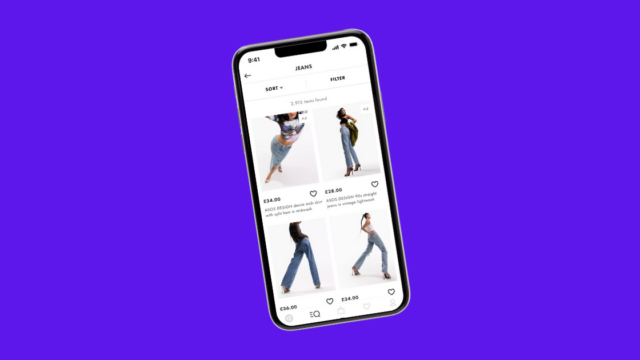
Start with some inspiration from the companies’ partnerships themselves. Pinterest teamed up with LiveRamp back in January to develop clean room solutions to data privacy issues for advertisers, starting with Albertsons Media Collective. Data clean rooms aren’t new; they’ve been around for years, but they’ve been thrust back into the spotlight in recent months as data privacy regulations get stricter in America and Europe.
Then in March, Dollar General’s media network, DGMN, announced a first-mover partnership with Meta to provide “full end-to-end campaign support and creative services while measuring closed-loop, attributable store sales.” Successful early test results from Dollar General indicate Meta will only continue to perfect and expand its Managed Partner Ads program.
The beauty of these collaborations is the unique advantage each side brings to the table: RMNs reach consumers in a low-funnel, ready-to-buy state of mind, but paid social is still best at exposing messages to a wide swath of people of varying demographics and locations. So, when planning your media budget, consider the goals of your campaign. Increased brand awareness? Prioritize social. Conversions and sales? Lean toward retail. Depending on your objectives, the relative cost per acquisition of each channel should calculate into your budget.
Consider, too, your target audience. Younger consumers may be easier to reach on social media, whereas older consumers will be at their trusted retailers. Finally, consider your product’s star qualities: If it’s visually appealing (i.e., clothing, beauty, travel, luxury), then it lends itself well to social media, whereas a less sexy but more essential, everyday category like groceries may perform better in retail media. (RMNs also offer same-day delivery of consumer packaged goods, but social could help with that soon!)
Again, these aren’t binary choices; digital ad tools have long been embedded in social media features (think swipe-up ads in Instagram Stories or Shopify’s integration with TikTok), and new partnerships appear regularly. At NewFronts last week, TikTok launched Pulse Premiere, which allows advertisers to place their brands directly after premium content from top publishers like BuzzFeed and Condé Nast. TikTok also rolled out a paid search ad feature in beta to advertisers this year, directly competing with Google, Bing and Instagram (which also offers search results as ad placements now). I see a huge opportunity for TikTok to partner with Instacart or Walmart for same-day delivery of products bought in shoppable TikTok video ads.

All of these integrations are dissolving the boundaries around what is considered paid search. The remaining question is: Will social develop a keyword-specific targeting approach for advertisers, or will it rely purely on product content like many sponsored product offerings in retail media?
The brands we work with need us to adapt to the ever-changing media landscape as they adapt to changing consumer demands. A proper omnichannel marketing approach integrates social and RMN solutions to leverage the strengths of each platform and effectively reach consumers at different stages of their purchase journey.
https://www.adweek.com/performance-marketing/achieve-social-and-retail-media-symbiosis-using-the-strengths-of-each-channel/