Advertisers Feel ‘Less Powerful’ as Meta Embraces Right-Wing Influences
The stage is set! Advertisers, don’t miss this cultural moment. ADWEEK House The Big Game is headed to New Orleans on February 7. RSVP.
Meta might have opted for a content moderation tactic similar to X, but don’t expect brands to boycott Facebook in the same way they did Elon Musk’s platform.
Meta CEO Mark Zuckerberg announced changes to the company’s content moderation policies this week—specifically ending third-party fact-checking, and lifting restrictions on free speech across Facebook and Instagram.
The announcement was made by Joel Kaplan, Meta’s new Republican policy head, and is one of several recent conservative moves. Meta also donated $1 million to President-elect Donald Trump’s inauguration fund and added added Trump ally and UFC CEO Dana White to the company’s board of directors.
Advertisers aren’t likely to pull back because Meta’s ad products are unmatched in their scale and ability to drive performance. Brands also find themselves in a position where they are “less powerful,” than they were a few years ago during the #StopHateforProfit boycott against then-Facebook, said Courtney Werpy, Collective Measure’s associate director of performance media. In 2020, more than 500 brands including Coca-Cola, Ford, and Starbucks pulled their advertising in protest against Facebook’s handling of hate speech and misinformation.
“Brands feel less powerful. They have less of a say, and with the political polarization of all these social media channels, it’s hard for brands to know if they should speak up or if they shouldn’t,” Werpy added.
Brands that were once vociferous about stronger brand safety measures are now uncertain about how to navigate the evolving political terrain, said Shamsul Chowdhury, evp of paid social at Jellyfish.
“What was once considered unsafe is now viewed with more leniency and is less of a concern,” Chowdhury said. “This shift likely reflects changes in the political climate and brands’ increasing willingness to appear in environments they would have avoided in the past.”
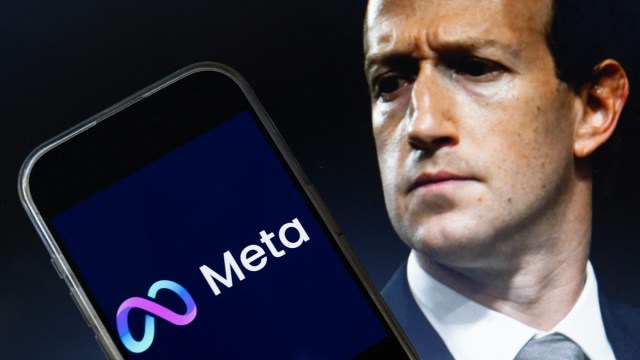
Some advertisers are still thinking about fleeing, however. Roughly 10% of clients at growth marketing agency We Are Rival are considering pausing ad spend on Meta due to these changes. Jenna Cummings, We Are Rival’s co-founder and chief media officer, warned that pausing or pulling ad spend is not practical for most advertisers.
“The vast majority of Meta’s ad spend comes from small and medium-like enterprises,” said Cummings. “They were never boycotting en masse.”
The mask is off at Meta
The concept of brands appearing next to and funding content advertisers deem unsavory is drawing increasing scrutiny. Last year, the Department of Justice and Naval Criminal Investigative Service began investigating ad verification firms Integral Ad Science and DoubleVerify.
For performance advertisers, the issue of brand safety is compounded by the limitations of Meta and Google’s own brand-safety tools that use AI like Advantage+ and Performance Max. These tools offer advertisers limited visibility and control over where their ads appear.

The conversation is shifting towards control and what is actually being sold to advertisers. With the rise of Advantage+ campaigns and Performance Max, traditional brand safety tools and verification providers no longer work in the walled gardens of paid social. This means advertisers have even less control over what they buy.
“Brand safety … has a nebulous economic value that there is very limited opportunity to control,” Cummings said.
How brands can play it smart
Brands can’t afford to ignore Meta. At Wpromote, 65% to 70% of the agency’s social media spend goes to Meta, making it central to most strategies.
“De-prioritizing or boycotting what is arguably their top-performing channel would be a massive decision for advertisers,” said Darren D’Alorio, Wpromote’s vp of paid social.
We Are Rival’s Cummings recommended diversifying social spend but keeping Meta in the mix.
“Get the value, but be realistic about the game that you’re playing,” she said. For instance, Meta’s auto-optimized inventory like Facebook’s right-hand rail ads often leads to poor results. Some campaigns see 10% to 15% of spend directed towards this spend, which is known for fraudulent placements, Cummings said.
Cummings said that Meta’s CPMs, or the cost advertisers pay to reach 1,000 people, for feed-based ads have risen to cost between $30 and $50 since 2023, making it an expensive buy. Instead brands could buy comparable quality inventory through CTV for the same price.
“Many brands have this default position of Google and Meta are all I need. Not necessarily…there’s more than one way to skin a cat” Cummings said.
https://www.adweek.com/media/as-meta-right-wing-brands-less-powerful/