AI Is Outpacing Cyber Defense: Security Must Shift from Reaction to Readiness
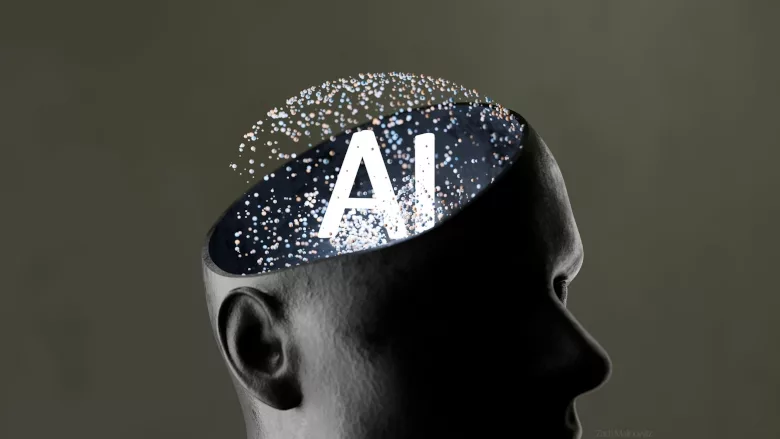
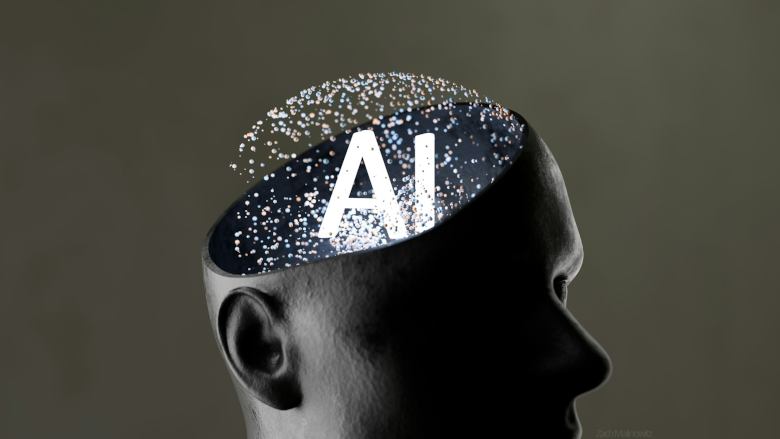
Cybersecurity is entering a phase in which the pace of artificial intelligence advancement is outpacing traditional defense models. Anthropic’s recent Mythos announcement underscored a truth cybersecurity leaders can’t ignore: security models cannot keep pace with the speed of AI acceleration.
The message, echoed across the industry, is stark — AI-enabled vulnerability may soon outpace defenders’ ability to respond in real time. In this environment, AI’s impact on cybersecurity is inevitable, and organizational resilience will depend on how quickly companies can adapt.
This turning point exposes a deeper issue: most enterprises still operate under outdated understandings of how security, AI, and workforce capabilities intersect. As AI systems become more capable and more autonomous, the critical gap between technological advancement and organizational readiness is also widening.
The Emerging Challenges of Speed, Complexity, and Misalignment
Modern AI systems are rapidly improving in their ability to generate code, identify vulnerabilities and simulate adversarial behavior. And AI-driven attack capabilities are evolving faster than traditional defensive controls and benchmark frameworks can accurately measure.
Furthermore, security teams often still rely on models built for earlier generations of technology that assume predictable systems and human-paced threat detection, and AI now undermines those assumptions. Compounding this disconnect, the broader conversation around AI often misrepresents its true impact within an organization. This includes narratives that jump between narrow use cases and speculation, ignoring the fact that individuals are already adopting AI in fast-moving, often poorly governed settings.
The speed of AI adoption is also exposing and amplifying a persistent communication gap between technologists and business leaders. As new functionalities are introduced across an organization, security teams often frame risks in technical terms — firewalls, models, configurations — while executives make decisions based on continuity and risk exposure. The result is a security program that may be technically sound but insufficiently integrated into a broader business strategy.
Addressing these challenges requires a shift in posture across three domains: governance, literacy and integration. Together, these three domains form the foundation of cyber resilience, enabling organizations to move beyond reactive defense and toward sustained readiness in an AI-driven environment.
Building Cyber Resilience in the Age of Rapid AI Deployment
An organization’s readiness to implement AI extends beyond technical capability, requiring clear operational processes, governance structures, and workforce skills necessary to evaluate, deploy, and oversee AI systems across the enterprise.
However, AI systems are already being deployed across enterprises in exploratory and semi-structured ways, often without consistent oversight. It’s critical to incorporate governance into system designs rather than attempting to retrofit it after deployment. Frameworks such as ISO/IEC 42001 provide a structured approach for operationalizing AI management systems, embedding security, ethics, and accountability at the core of AI governance.
Organizations also need to prioritize AI literacy at every level of the enterprise. The goal is to ensure that practitioners and their leaders understand AI’s current capabilities, limitations, and risks without necessarily requiring every employee to become a machine learning engineer. A grounded understanding of “where we are in the AI lifecycle” is essential for making informed decisions regarding AI’s role in the organization’s daily operations.
In addition to establishing these pillars of AI readiness, cybersecurity teams should reframe how they communicate their roles by connecting security initiatives to the organization’s long-term strategy. This alignment between security strategy and enterprise objectives will be critical as novel enterprise AI tools find new ways to compress the executive decision-making process across the board. Instead of focusing solely on vulnerabilities or controls, teams must articulate how security initiatives impact business resilience, regulatory compliance, and operational continuity.
Leaders must also invest in human capability as a core security control. As AI accelerates both offense and defense, the ability of teams to reason critically, adapt quickly, and collaborate effectively with AI systems becomes a primary determinant of security maturation. Organizations that cultivate these capabilities will be better positioned to navigate continuous cycles of experimentation, deployment and refinement that define the current AI landscape.
A New Security Mandate
Across industries, we are transitioning from AI experimentation to continuous adaptation. AI is now an active force reshaping the economics and speed of cybersecurity itself. Similar to the early days of the internet, where availability was prioritized over security, today’s AI systems are evolving faster than the governance structures designed to contain them.
As a result, the mandate for security leaders is clear: resilience must be built into dynamic AI systems through effective governance, elevated organizational AI literacy, and security strategies aligned with business outcomes.
In this era of rapid AI acceleration, competitive advantage will come from organizations that can combine human judgment, AI capabilities, and disciplined governance into a coordinated, resilient security strategy.
https://www.securitymagazine.com/articles/102388-ai-is-outpacing-cyber-defense-security-must-shift-from-reaction-to-readiness