Building Consumer Trust in the Age of Accountability
This post was created in partnership with Chase Media Solutions
Key takeaways
- Building trust among an audience can take years of commitment and effort, and needs to be done with honesty and vulnerability.
- In today’s digital world, being transparent about what will happen with consumer data will help solidify that trust.
- On top of establishing trust, marketers need to recognize what cultural moments it does and doesn’t make sense to get involved in.
What does it mean to build consumer trust in an era of data overload and cultural fragmentation? Today’s brands recognize that resonating across different generations, cultures, and lived experiences can be challenging. Still, earning enduring brand trust is necessary for growth and long-term success.
During an ADWEEK House CES 2026 Group Chat co-hosted with Chase Media Solutions, industry leaders made the case for playing the consumer loyalty long game, along with providing tips on how to avoid burning bridges with brands.
Consumers drive the trust relationship
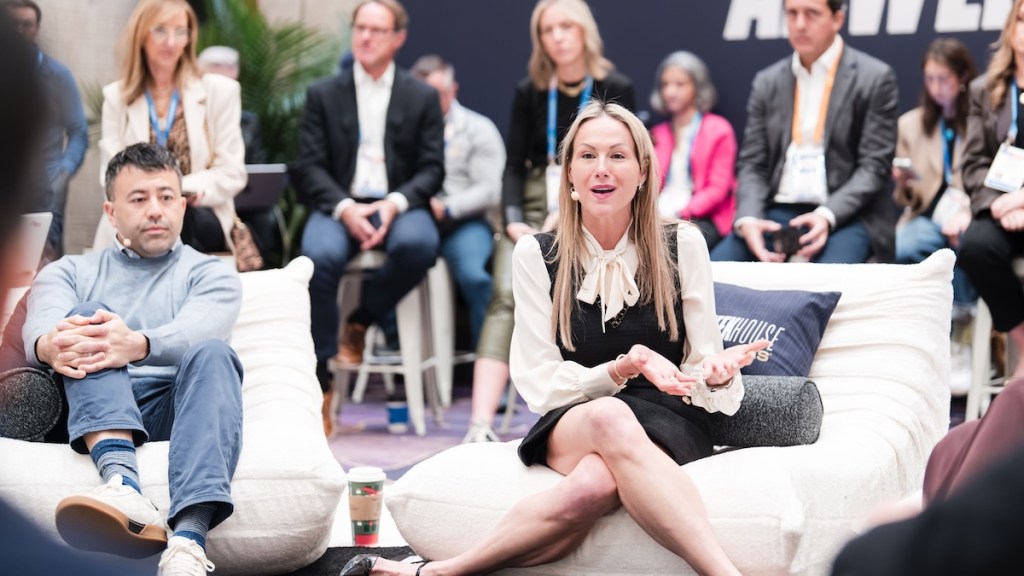
Lauren Griewski, head of Chase Media Solutions, JPMorganChase, kicked off the conversation with a Warren Buffett-ism: “It takes 20 years to build a trusted relationship and 10 seconds to break it.”
Griewski shared that her team thinks about that notion a lot while paying close attention to customer feedback. “We take those signals as guardrails about how different generations, different audience segments are engaging—not just as performance benchmarks—and that informs everything we do.”
Adapting to customer needs and preferences is vital for building trust, especially among younger generations, agreed Todd Lichten, head of entertainment partnerships at Roblox. He explained that when brands show up on an immersive gaming platform like Roblox, they often make the mistake of relying on existing creative instead of working to be an additive to the community.
“I think this audience expects to participate in their marketing,” Lichten said.

Such shortcuts could also lead to missing valuable opportunities to gain audience trust. Gonzalo Del Fa, president of multicultural at WPP Media, listed some of the core attributes of a successful trust-building campaign: consistency, reliability, integrity, honesty, empathy, vulnerability, respect, and accountability.
“If we had this in front of us every time that a brand is running a campaign, campaigns would be amazing. I think the challenge is that we forget about these things,” Del Fa shared.
The other common slip-up is not bringing diverse voices to the campaign creation table, said Keena Grigsby, CMO, VP at Samsung Electronics America. “There are all these headlines of brands not doing something well, but if you actually take a step back, there are these small cultural missteps that happen,” she explained.
And, she added, Gen Z is especially adept at recognizing such shortcomings.
“They hold brands more accountable because you have to check yourself at the door. Are we doing this for clicks? For views? Were you actually investing in communities that we’re borrowing equity from?” Grigsby asked.
Griewski agreed, adding, “We have to treat trust and culture with the same rigor that we treat performance.”

Building trust in the age of AI, data, and personalization
Some of the speakers touched on data privacy concerns as being a potential barrier to establishing brand trust.
“Data is a very shiny object, and to be able to show a consumer that we fully understand them has become sort of the holy grail for many marketers,” acknowledged Preeti Nadgar, chief strategy officer at Starcom.
But what’s more important than maximum data collection, she added, is data integrity and letting customers know exactly what their information is being used for.
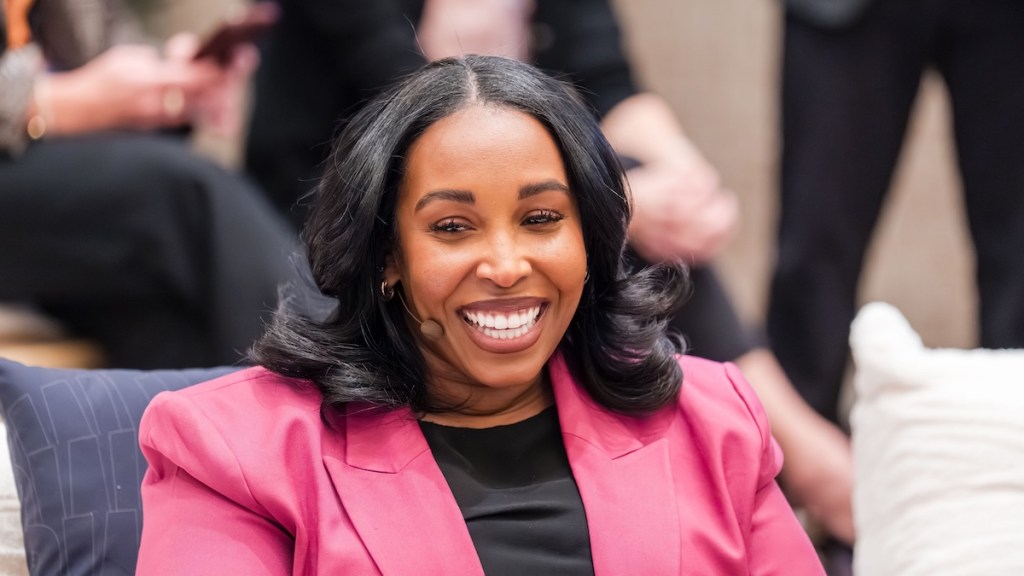
Jessica Stone, head of brand partnerships, hotels, airlines, and QSR for Tripadvisor, pointed out that today’s customers understand that if they want personalization, they have to be willing to give something in return.
“We’re in the business of making you feel like a fully informed traveler. So, we’re going to ask: Did you book this hotel? And if you did, cool, then here are some things to do and here are some restaurants,” Stone said. “They come to our ecosystem seeking that personalization, but it is a little bit of a barter.”
The humans behind the metrics
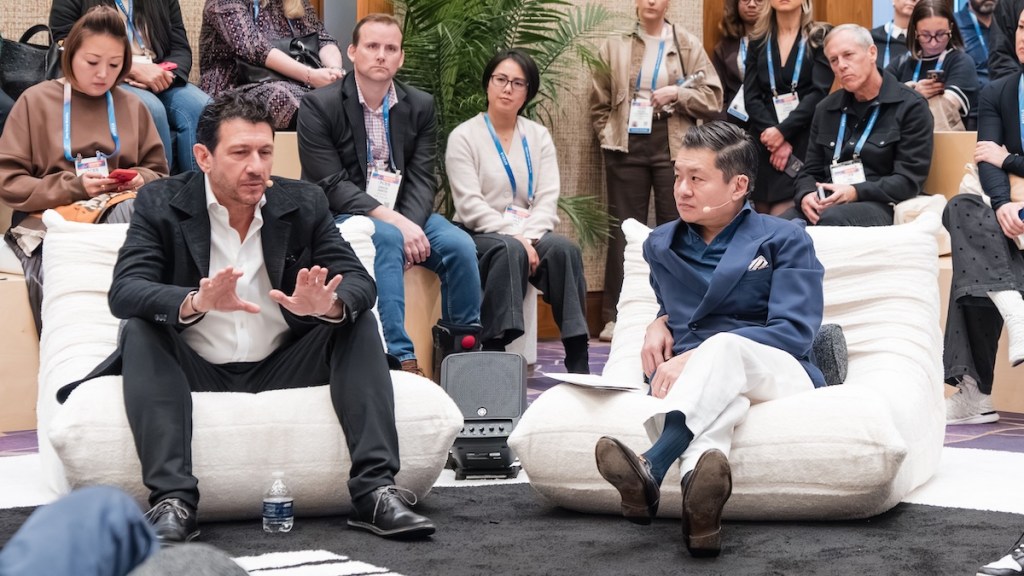
It can be hard—and sometimes inconvenient—to devote energy toward building brand trust since it takes a long period of time to see results, shared Brad Hiranaga, SVP, global brand, experience, and design at Marriott International.
“Stewarding brands and being the culture carrier for them and building that trust and respect for all the different customers you serve is becoming somewhat of a lost art for people because everything is so short-term focused,” Hiranaga said. “I think it’s often easy to jump in on cultural moments that you have no business being on. You might get a shot for a day, but then the downside of that is if you say something inappropriate or insensitive, that is going to stick with you for longer.”
Beyond understanding which conversations you belong in as a brand, it’s also imperative to realize that your customers are multidimensional, explained Del Fa.
“It’s not about age; it’s about where you are in your life stage. It’s not about income; it’s how much money you might spend on something,” said Del Fa.” So I think we need to change the ‘old-fashioned metrics.’”
Featured Conversation Leaders
- Gonzalo Del Fa, President, Multicultural, WPP Media
- Lauren Griewski, Head of Chase Media Solutions, JPMorganChase
- Keena Grigsby, CMO, VP, Samsung Electronics America
- Brad Hiranaga, SVP, Global Experience Design, Marriott International
- Will Lee, CEO, ADWEEK
- Todd Lichten, Head of Entertainment Partnerships, Roblox
- Preeti Nadgar, Chief Strategy Officer, Starcom
- Jessica Stone, Head of Brand Partnerships, Hotels, Airlines, QSR, Tripadvisor
https://www.adweek.com/brand-marketing/building-consumer-trust-in-the-age-of-accountability/