The World Games 2025 logo
In December 2023, the Chengdu 2025 Organising Committee (OC) initiated a national contest to create the logo, mascot and slogan of The World Games 2025.

There were 3,562 logo entries, and in early April 2024 a meeting was convened in Chengdu to narrow the entries down to ten finalists. Following professional refinement, five candidate emblems emerged and were put to a public vote. More than 220,000 “likes” were cast. The logo designed by British designer John Fairley won with 55,679 votes, and on May 17th 2024, after joint review by the OC and the IWGA, The World Games 2025 logo was unveiled.

John Fairley kindly shared details on the variety of ideas within the mark — perhaps the most obvious being the stylised panda face that John replicated and rotated. I didn’t pick up on the panda at first glance, but once noticed it can’t be unseen.

“My logo design draws inspiration from the Chinese peony, the panda, a Chinese knot, arrows, and the world, seamlessly intertwining to represent The World Games in Chengdu’s essence.

“The panda bear, revered as a Chinese national treasure and adored worldwide, encapsulates the host country’s identity and cultural significance. Integrating the panda’s face into the logo establishes a strong connection to Chengdu whilst evoking a sense of familiarity and affection among audiences globally.

“The Chinese knot, symbolising unity, prosperity and luck adds depth and meaning to the design.

“The arrows, expressing internationality, convey the scale and convergence of diverse cultures. They symbolise the shared journey towards athletic excellence and camaraderie.

“This combination effectively represents the spirit of the Games, Chengdu and the rich traditions of China. I hope that it captures the values of unity, diversity, and cultural heritage while also being visually appealing and memorable, making it a fitting representation of the Chengdu World Games in 2025.”

While I’m no fan of open calls for design submissions, because as designers our ideas are our most valuable product, I can certainly appreciate the craft in individual entries. Sincere congratulations to John Fairley for his winning design. Having seen his presentation deck I doubt there were many submissions with same clarity and depth of thought.

As a side-note on the design contest approach, the contest terms are particularly harsh as they seemingly rule-out the ability for contributing designers to showcase their work. Pro bono would always be my preferred way for designers to freely offer their ideas (something I recently commented on in a piece for Readymag about free pitching).

About The World Games 2025

The twelfth edition of the multi-sport event will be held between 7–17 August 2025 in Chengdu and will feature no less than 35 sports, 61 disciplines and a total of 254 medal events. Among others, the sports include korfball, lacrosse, tug of war, billiards, and drone racing.

More from John Fairley.

https://www.logodesignlove.com/the-world-games-2025-logo
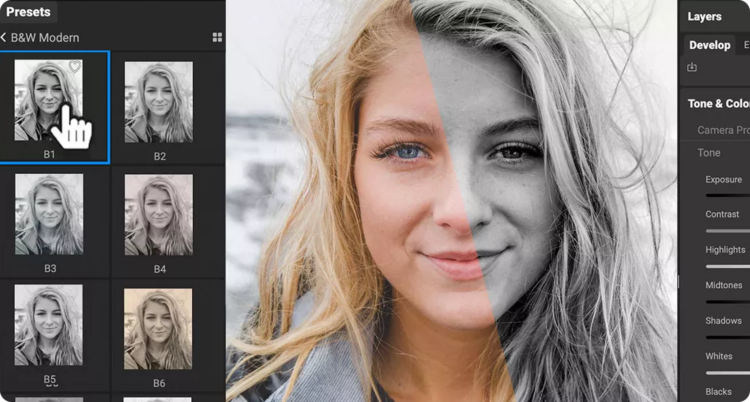


The Best Software for Black & White Editing

Unveiling the Power of Black and White Filter in ON1 Effects and ON1 Photo RAW, the best software for black and white editing

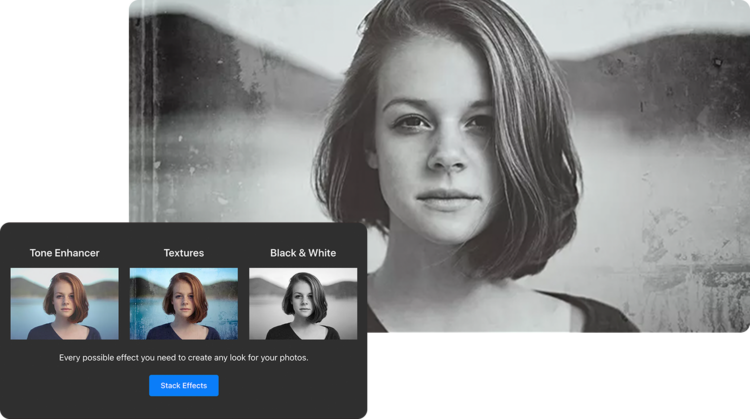
In photography, the allure of black and white imagery remains timeless. It’s a realm where colors fade away, leaving behind a narrative defined by shades of gray. The black and white filter in ON1 Effects and ON1 Photo RAW 2024 stands out as a stealthy powerhouse among the tools for crafting such captivating monochromatic visuals. 

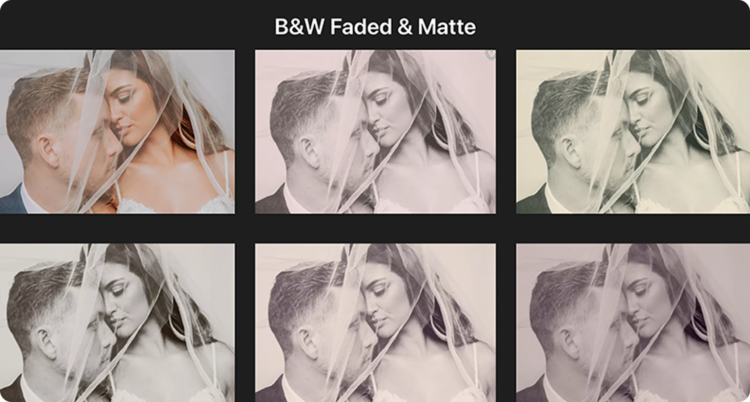
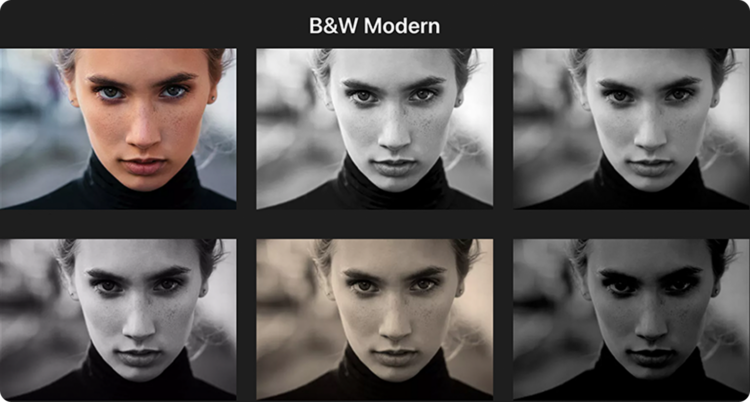
The Black & White filter within ON1 Effects and ON1 Photo RAW quickly transforms color images into monochromatic wonders while offering a range of toning features. At its core are stylistic presets representing various filter types commonly applied to images. For those seeking quick adjustments, the Auto button intelligently selects black and white points, streamlining the conversion process. However, for those who want complete manual control, the color range sliders provide precise adjustments, allowing for subtle adjustments in brightness. 

Mastering Tones with Precision 

Users are presented with a range of controls within the Tone section of the Black & White filter pane. All tonal adjustments are there, from fine-tuning brightness and contrast to adjusting highlights, shadows, whites, blacks, and details. This level of control allows photographers to edit their images with excellent precision. 

Unveiling the Art of Toning 

Delving deeper, the Toner section of the filter includes an array of traditional and contemporary darkroom-inspired options. From the warm sepia tones reminiscent of bygone eras to the cool elegance of platinum and selenium, over 20 toning options await. The creative possibilities are unlimited, with the ability to adjust hues and amounts and the option to swap highlights and shadow colors. Moreover, the Preserve Whites and Blacks feature ensures that the purity of whites and blacks remains untainted by the chosen toner, maintaining a sense of neutrality amidst the tonal modifications. 

Adding a Touch of Film Nostalgia 

The Film Grain section of the Black & White pane will emerge for those yearning for the classic appeal of film grain. Drawing inspiration from renowned black and white films, users can infuse their digital creations with the timeless allure of analog photography. With controls over the strength and scale of the grain effect, each image can be edited with a distinct cinematic texture reminiscent of bygone eras. 

Harnessing the Power of Masking 

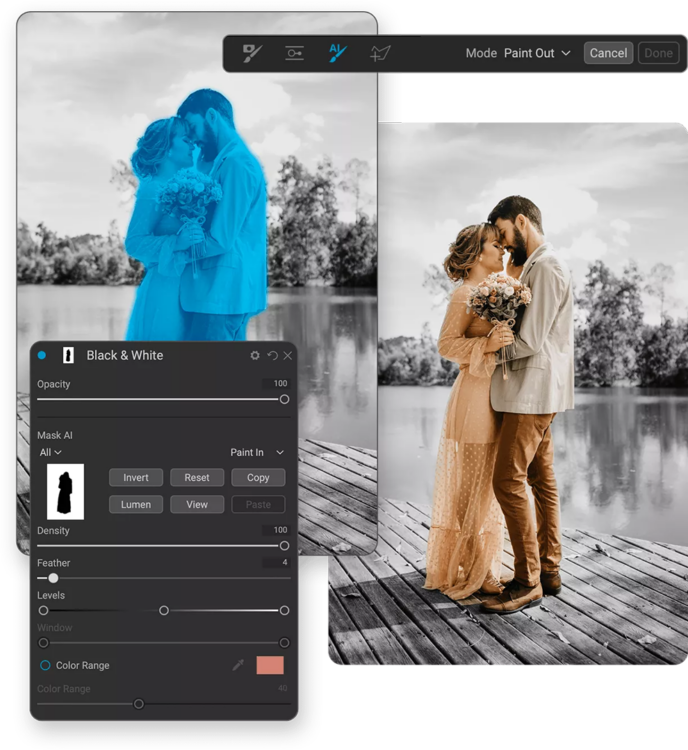
The true power of the Black & White filter in ON1 Effects and ON1 Photo RAW 2024 extends beyond the built-in controls. With the powerful photo masking options in ON1 Effects and ON1 Photo RAW, your images can reach new heights. Masking, a fundamental feature, allows users to selectively apply or withhold the effects and other adjustments. 

Imagine seamlessly blending a black and white conversion with a color accent, or selectively toning different elements within the same image. With masking, the possibilities are limitless. Moreover, ON1’s innovative masking features, including luminosity masks and intuitive AI-powered masking tools, streamline the process, allowing for effortless refinement of black and white compositions. 

In conclusion, the Black & White filter in ON1 Effects and ON1 Photo RAW 2024 transcends mere conversion, evolving into a dynamic tool for visual storytelling. When coupled with the masking capabilities, its potential becomes truly boundless. So, why not embark on a journey through the realm of black and white imagery, where creativity knows no bounds, and every shade of gray tells a story? 

https://layersmagazine.com/the-best-software-for-black-white-editing.html


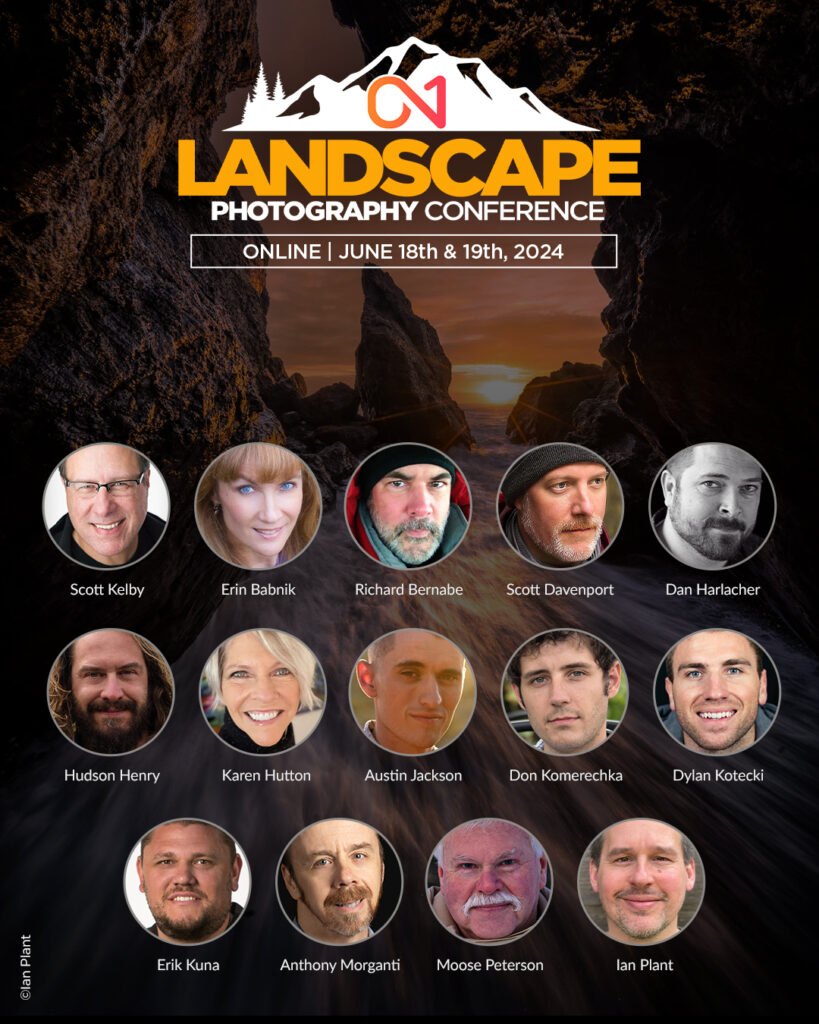
Presenting the ON1 Landscape Photography Conference June 18-19

Embark on a journey to elevate your landscape photography. This June, KelbyOne Live presents the ON1 Landscape Photography Conference, June 18th and 19th. Join us online for over 20 sessions designed to help photographers of all levels discover the art and craft of capturing breathtaking vistas and transforming them into stunning works of art. Get ready for two days packed with learning, focused on mastering the editing process harnessing the powerful tools and features of ON1 software. You’ll gain the knowledge and skills you need bring your creative vision to life.

Insights and Expertise from Masters of ON1

During the ON1 Landscape Photography Conference you’ll have the opportunity to learn from a team of knowledgeable instructors. From planning your photographic experiences, to the fine points of shooting and composition, through all steps of post-processing, they’ll guide you through every step of the journey.

These experts are not only seasoned photographers but also masters of leveraging ON1’s cutting-edge tools and software to streamline and enhance the landscape editing process. Their insights will empower you to capture breathtaking images like never before, and transform your raw captures into stunning, gallery-worthy masterpieces.

Immersive Learning and More

Dive into the beauty of nature and learn how to conquer the complexities of landscape editing with the most robust software available. Visit the conference website to view the schedule for the conference sessions and bonus events. You can also join our Pre-Conference day on June 17th for an orientation and intro sessions, and get to know the other attendees before the conference starts. Discover ways to get the most out of the conference, network with other photographers, share your work, and make new friends.

Pricing and Special Bonus

Register now at the Early Bird price of $149 and save $150. Plus, as a special bonus All Early Bird* registrants will receive a complimentary copy of ON1 Effects 2024.5, valued at $69.99! Don’t miss this chance to not only save big but also enhance your editing toolkit with this powerful software. Learn more about ON1 Effects 2024.5.

*EARLYBIRD PRICE EXPIRES JUNE 18, 2024, 11:00 AM EDT

https://layersmagazine.com/presenting-the-on1-landscape-photography-conference-june-18-19.html


Unlock Creative Effectiveness and C-Suite Buy-In With Neurodesign


.article-native-ad { border-bottom: 1px solid #ddd; margin: 0 45px; padding-bottom: 20px; margin-bottom: 20px; } .article-native-ad svg { color: #ddd; font-size: 34px; margin-top: 10px; } .article-native-ad p { line-height:1.5; padding:0!important; padding-left: 10px!important; } .article-native-ad strong { font-weight:500; color:rgb(46,179,178); }

Inspiration meets innovation at Brandweek, the ultimate marketing experience. Join industry luminaries, rising talent and strategic experts in Phoenix, Arizona this September 23–26 to assess challenges, develop solutions and create new pathways for growth. Register early to save.

Selling creativity in large multinational companies can often be a laborious challenge. There is always pressure from the C-suite to maximize return on investment. And that’s before we even get to the age-old subjectivity challenge—everyone in the business feels entitled to an opinion when it comes to a piece of creative work, whereas they’d rarely question their lawyer or accountant’s judgment. There is always the risk of a piece of work being rejected or watered down to the extent that the original idea is entirely lost.

We always look at how best to mitigate against subjectivity in matrix decision-making organizations, moving closer to objectivity. Australia’s Ehrenberg-Bass Institute for Marketing Science, as well as the work of Byron Sharp and Jenni Romaniuk, have led the charge to help remove some of this subjectivity by focusing on the power of distinctive brand assets that businesses need to leverage for brand recognition.

But there’s another powerful tool we can add into the mix to further sharpen brand communication—neurodesign, the application of neuroaesthetics. While there are some elements of neuroscience used within advertising already, this emerging field can add a potent layer in the realm of creativity, amplifying those brand assets and their effectiveness by reaching consumers on a more powerful nonconscious level.

Neuroaesthetics is a subfield of cognitive neuroscience and is traditionally defined as the scientific study of the biological mechanisms involved in our experiences with beauty. By understanding and using neural pathways, neurotransmitters, cognitive processes, memory, perception and emotions, neurodesign can create experiences that resonate instinctively at a nonconscious level with audiences and deliver tangible value.

It removes subjectivity from the equation by grounding decisions in human behavioral science, enabling us to push beyond personal preferences and gut instincts to create work that is not only visually appealing but also strategically sound. This allows us to develop a vocabulary that helps us eloquently articulate the power of our work and compellingly argue for solutions that are not just beautiful on the surface but also effective in achieving brand and commercial objectives. 

Leveraging the subconscious 

Neurodesign needs to reflect five basic human truths: that the brain craves ease and order, that humans have a limited attention span, are visually driven, respond to emotion and are attracted to beauty. There are 16 neuroaesthetic “triggers,” including Cusps & Curves, Orientation, Color, Agitation & Calm, and Anticipation & Tease.

Using neurodesign doesn’t offer a paint-by-numbers template or form a creative straitjacket, which seems to be a common misconception. Looking at a piece of creativity with these sensory triggers in mind allows you to calibrate design assets to resonate with people’s subconscious, convey desired brand attributes and drive desired behaviors and actions. Understanding the principles of visual perception, for example, using Orientation allows us to create communication layouts that are easier to decode, guide the audience’s attention and highlight key messages effectively. 

Some of the neurodesign triggers feel quite logical. Color is one of the most obvious ones, as we have an instinctive sense of what various colors tell us. Take yellow and black, a combination that signals danger in nature (such as on wasps and hornets) and we therefore translate these innate learnings into the world around us on things like high voltage warning signs. 

The Cusps & Curves trigger espouses that sharp and pointy cusps evoke fear, something edgy and dangerous—hence their use in the automotive design of the sharp and angry Lamborghini—while curves are softer, making us feel safe, secure and encourage interaction. Curves are inherently soothing, so we see curves being used in categories like personal care and baby products.

A more abstract trigger, meanwhile, is Error. Our brains are easily hijacked and we are trained to spot things that are out of the ordinary (we get a nice dopamine reward for spotting an error). So, Error can be used to great effect across your communication. U.K. opticians Specsavers, for example, uses it in its communications to underscore its tagline, “Should’ve gone to Specsavers.” Take the brand’s very smart billboards where the poster has been deliberately misapplied to a site—a simple idea, executed brilliantly. The obvious error draws you in, making the message that much more memorable. 

The true litmus test for the success of a CPG design is ultimately on the supermarket shelf or online storefront. The fight for relevance is harder than it’s ever been, and that small piece of packaging or brand communication has to deliver commercial success against ever-increasing competition. If you understand the range of neurodesign triggers and how they can be applied, then your creative work will test better in research and impact more on consumers’ lives.

Professionalizing design 

It feels like a no-brainer (pun intended) to say that knowing how the human mind works and thinks should inform the decisions that creatives and marketing decision-makers take. But one of the most powerful aspects of neurodesign is its ability to bridge the gap between creativity and commercial success.

The advertising industry is increasingly looking to behavioral science and neuroscience to remove the subjectivity and ensure that comms work tests better—System1 is doing a good job leading this market and promoting it with clients as a new business tool. Procter & Gamble and other multinational corporations have also invested in neuroscience to drive more certainty into commercial effectiveness. But there is still a way to go within wider creative roles. 

Creatives and marketers, both agency-side and in-house, should start thinking about integrating neurodesign and how it can make the creative product more commercially effective. The best way is to turn to experts to help embed the principles of neurodesign into your teams’ everyday psyche and practice—but you can start by just being more aware of potential triggers that may be inadvertently built into visual output. You can move gradually toward more deliberate employment of these principles to enhance your work.

Each of the 16 neuroaesthetic triggers help in isolation, though are more often used together when reviewing creative work. They’re sticky and become part of your everyday parlance, helping you focus on objectivity—how the brain reviews and reads the creative stimulus placed in front of it. By aligning creative vision with underlying principles of human psychology, we move a step further to professionalizing the perception of creativity at the highest level—so those sell-ins at C-level become that much easier. 

https://www.adweek.com/creativity/unlock-creative-effectiveness-and-c-suite-buy-in-with-neurodesign/


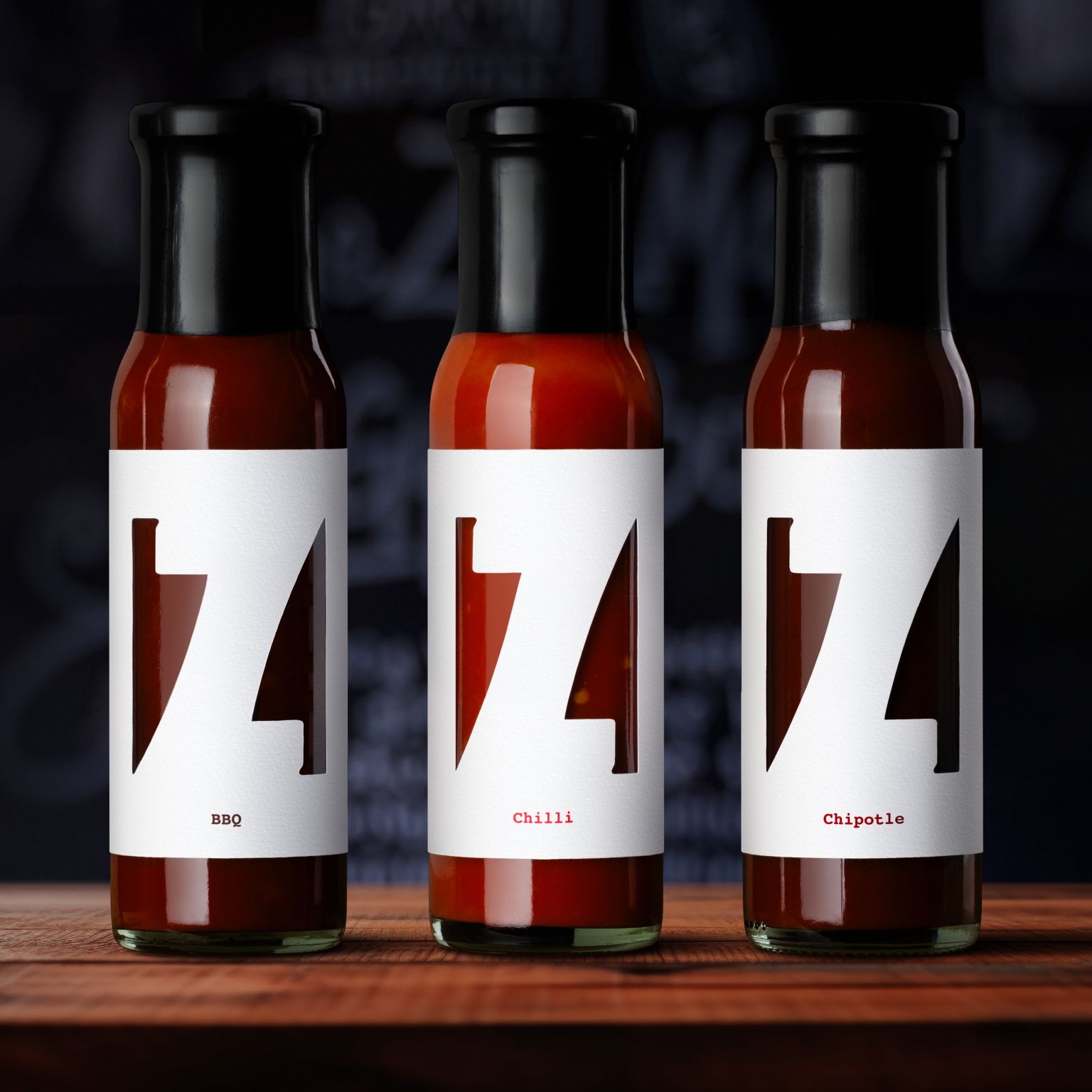
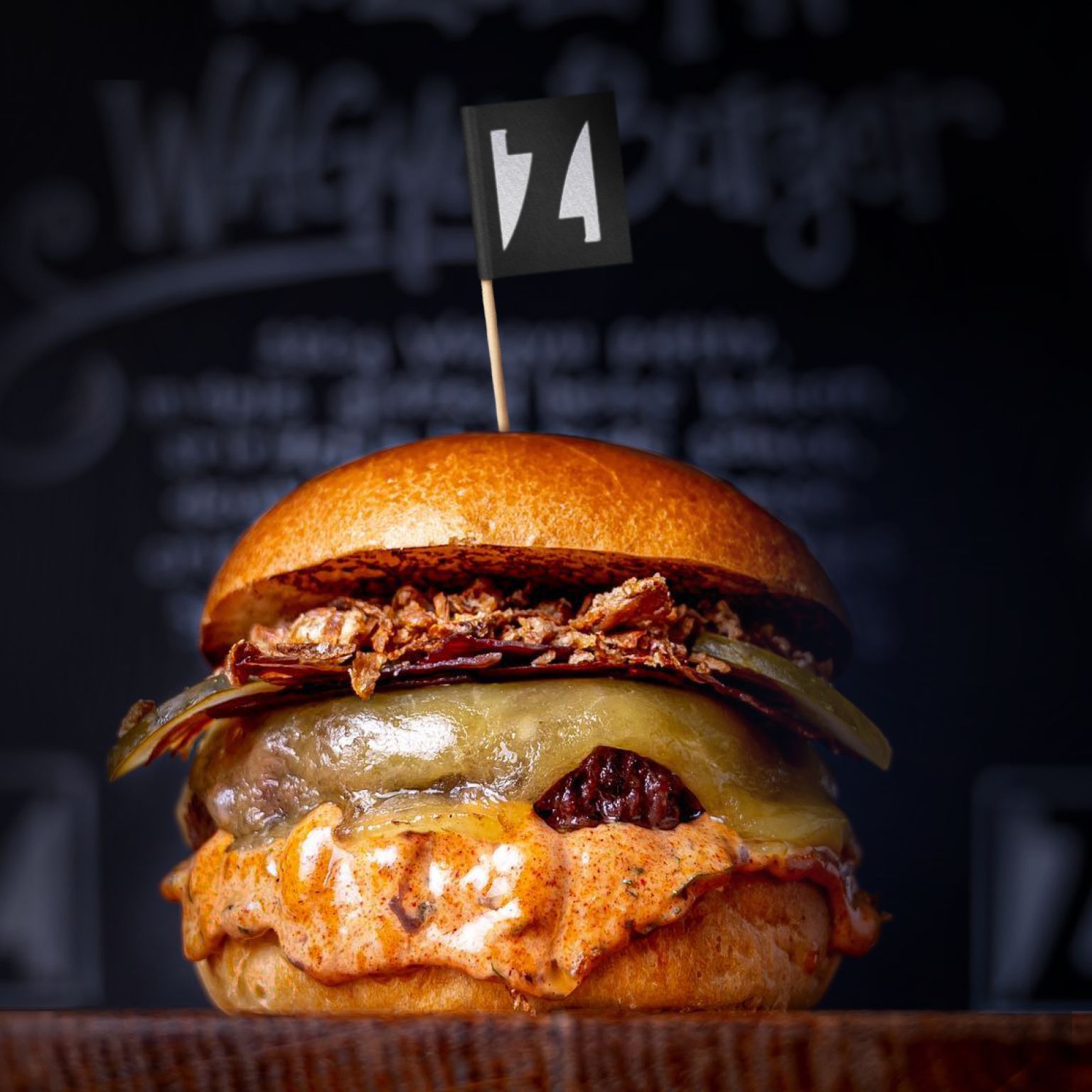
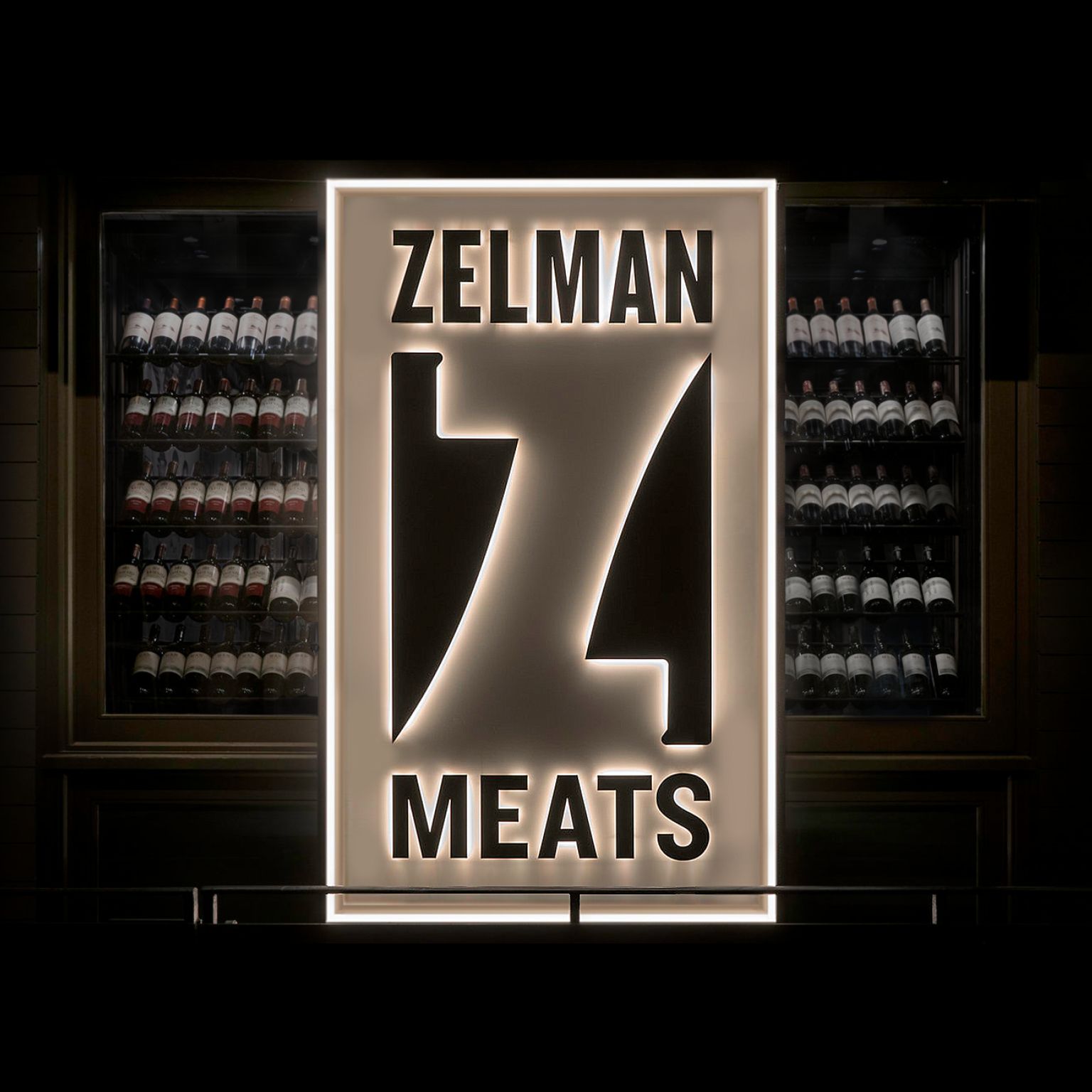
Zelman Meats

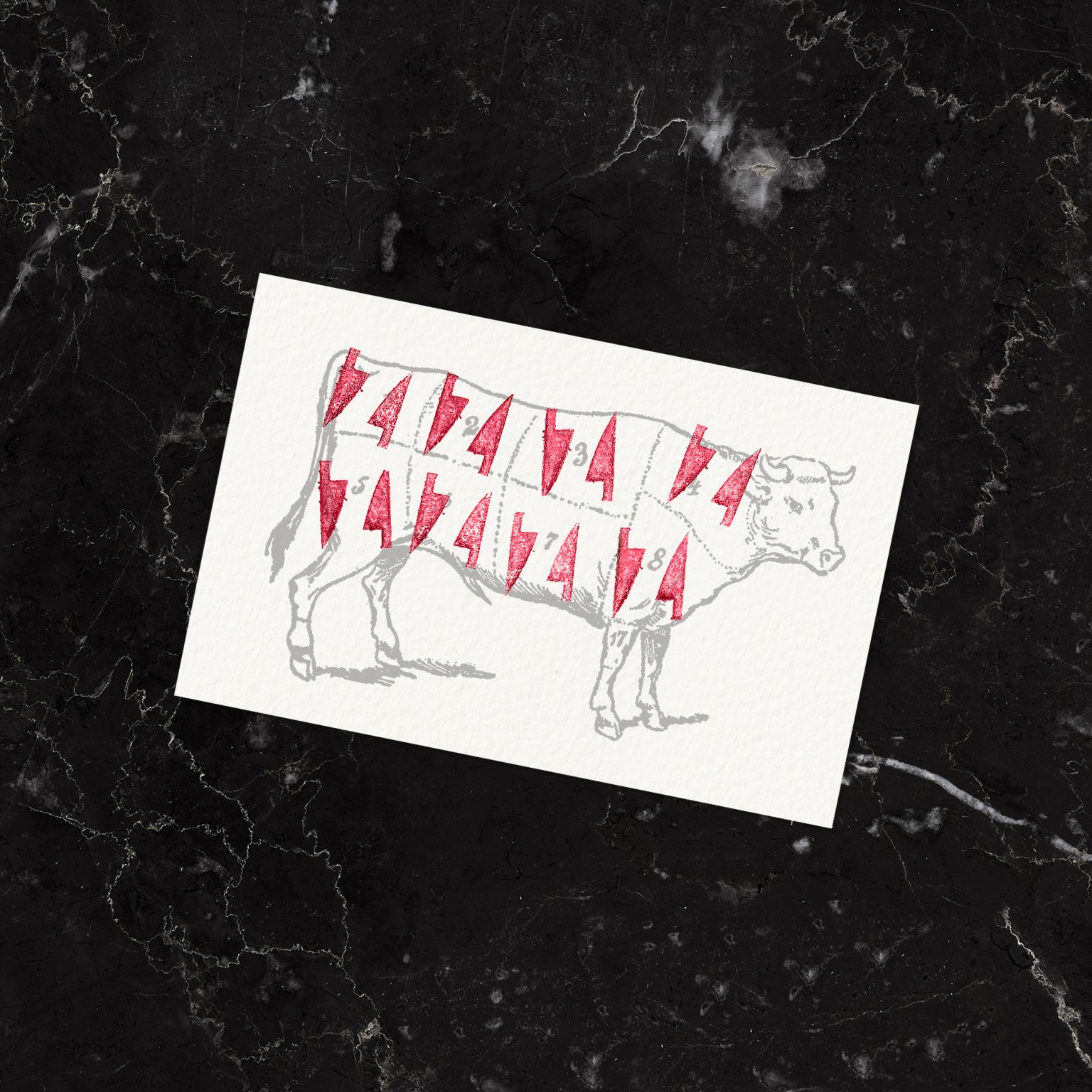
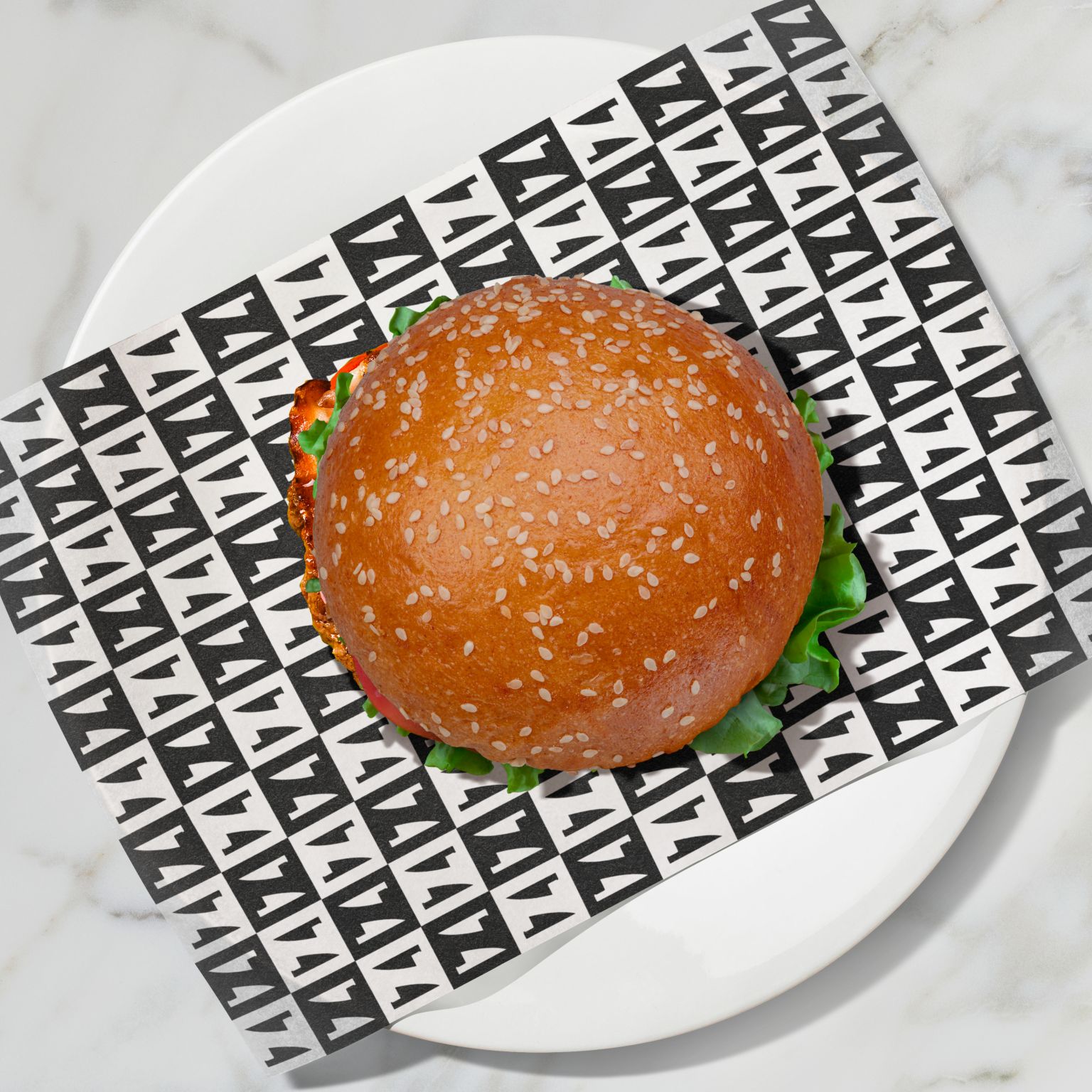
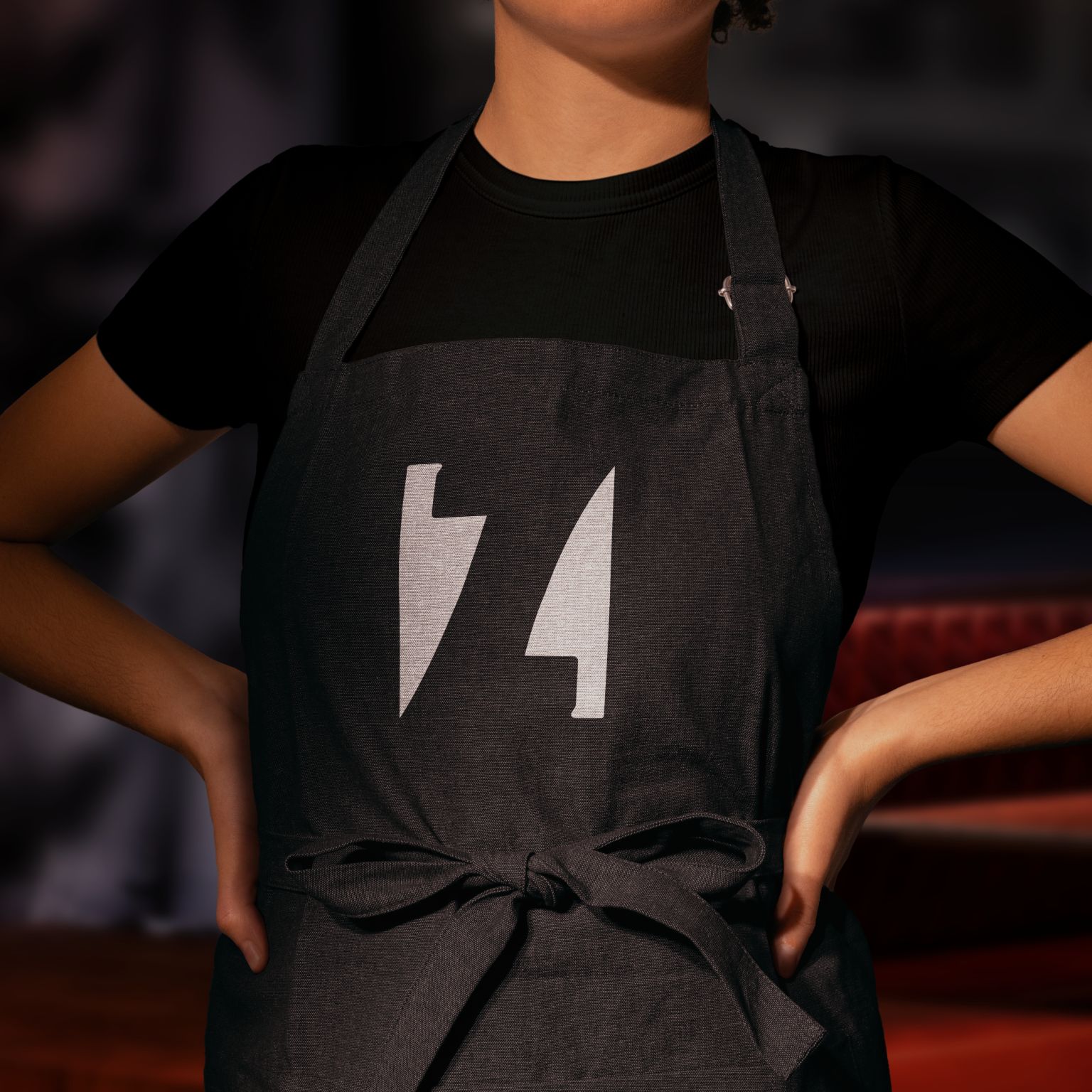
The Zelman Meats logo, designed by Red Dot Studio, identifies Misha Zelman’s steakhouse in Knightsbridge, London.

Speaks for itself.

Red Dot Studio elsewhere on Logo Design Love with their work for Flipper Taps.

https://www.logodesignlove.com/zelman-meats


Diesel Living with Lodes Unveils Two Striking Additions for Milan Design Week

As Milan Design Week approaches, anticipation mounts as Diesel Living with Lodes prepares to introduce two new additions to its acclaimed lineup: Megaphone and Cross. These innovative designs epitomize the intersection of timeless elegance and modern functionality, offering captivating options for both residential and hospitality spaces.

Megaphone, a table lamp inspired by the iconic shape of 1950s megaphones, seamlessly blends vintage charm with contemporary flair. Its conical silhouette widens upwards, reminiscent of a poised instrument ready to emit sounds, yet instead, it bathes surroundings in soft, enveloping light. Crafted with meticulous attention to detail, Megaphone features a blown glass lampshade in gradient metallic finishes, exuding an air of mystery and sophistication. The lamp rests atop a sleek black steel base, housing an E27 filament bulb and boasting an adjustable dimmer switch for customizable lighting experiences. With its bold shapes and clean lines, Megaphone serves as a stunning accent piece, whether gracing a living room sideboard or illuminating a hospitality setting with its modern allure.

Meanwhile, the Cross pendant lamp embodies simplicity and elegance, reimagining pure triangular shapes into a functional design masterpiece. Its conical fabric diffuser is adorned with a distinctive ‘X’ detail at the top, not only lending visual interest but also providing structural support for stability. The lamp’s ivory-colored fabric shade exudes warmth, enhanced by subtle seams aligned with the cross detail. Like its counterpart, Cross features an E27 bulb connection and an adjustable dimmer switch, offering versatility in lighting intensity. Whether hung alone or in clusters, this pendant lamp infuses spaces with a soft, inviting glow, making it equally suitable for intimate residential settings or dynamic hospitality environments.

Both Megaphone and Cross will take center stage at Diesel Living’s Fuorisalone space in Brera from April 15 to 30, 2024, inviting visitors to experience firsthand the marriage of exquisite craftsmanship and contemporary design. With their striking aesthetics and functional versatility, these new additions are poised to captivate audiences and redefine the boundaries of modern lighting. As Milan Design Week unfolds, Diesel Living with Lodes continues to reaffirm its commitment to innovation, offering inspired solutions for discerning clientele seeking both style and substance in their interiors.

https://www.positive-magazine.com/diesel-living-with-lodes-unveils-two-striking-additions-for-milan-design-week/?utm_source=rss&utm_medium=rss&utm_campaign=diesel-living-with-lodes-unveils-two-striking-additions-for-milan-design-week


Meet Dan Harlacher: VP of Products at ON1 & Passionate Photographer | Discover ON1 Photo RAW 2024

Fellow Photographers,

I want to introduce myself. I’m Dan Harlacher, the VP of Products at ON1. You may recognize me from some ON1 announcement videos if you have been with us for a few years. My role at ON1 is guiding the design and development of ON1 Photo RAW and the rest of the photo editing software product line. I’ve been with ON1 since the beginning, eighteen years now. Only a few people in technology get to work most of their careers for the same company these days. For me, ON1 is more than my employer or company; it’s my team and family. Many of the original team members are still with us, and we have grown up and raised our kids together. It’s a fantastic place to work because of our passion for photography.  

I started photography in middle school, shooting film on a Canon FTb. I was the photo editor for my high school newspaper and yearbook. I went to college, quickly changed my major to photography, and started assisting a well-known commercial photographer to build my skills. In college, I was an early adopter of digital photography and was the first student to use ink prints for assignments. Remember, this was in 1996. After college, I started my portrait and wedding studio with a friend. However, the call for digital photography pulled me to the big city, where I integrated systems and trained professional photographers transitioning from film to digital in the early 2000s. Then, on a chance meeting on an airline flight, I made the move into software product management, and well, here I am. 

When it comes to photography, I have shot just about everything: Portraits, weddings, boudoir, pets, babies, special events, racing, airshows, sports, commercials, and even a live nuclear reactor core while standing on top of it. However, when it comes to what I love, it has always been landscapes and fine art. Photography is a great excuse for a hike, and I will take it whenever possible. 

What I love the most about my job is that I can combine my love and deep knowledge of all things photography with my problem-solving skills. I know first-hand where photographers struggle in post-processing. I know and use every tool out there, and it’s part of my job to understand the competition. Even though I have access to every app under the sun, I use Photo RAW daily for my photography. That’s as it should be; I designed it for photographers like me, so I know it can do everything I need well. If you have ever heard the old expression “eat your own dog food,” I firmly believe in using what you make. Sure, it isn’t perfect; no app is, but there are dedicated people like me listening to users like you to make it faster and better all the time. 

If you haven’t heard of ON1 or Photo RAW 2024, please give it a try. You can use it for a full 30 days without limitation, and it won’t watermark your photos in trial mode. We have made it a ton faster, and I know even more dramatic improvements are coming soon. The new user interface is much cleaner and easier to use. The new Brilliance AI is my new starting point whenever I open a photo to edit it. It gets me 90% done just by turning it on. I spend that last 10% using Super Select AI to fine-tune and mask the subject matter and apply the new on-trend presets with today’s styles.  

As the guy who designs it, we have some fantastic stuff up our sleeves that we are already working on. We will continue on our usability, performance, and stability mission and bring you new and improved features in the coming months and years. I hope to see you in the ON1 community soon! We have a ton of free training on using our apps, just like our friends here at KelbyOne. We appreciate your support and trust. 

https://layersmagazine.com/meet-dan-harlacher-vp-of-products-at-on1-passionate-photographer-discover-on1-photo-raw-2024.html


Train Your Design Team with This Adobe Creative Cloud Course Bundle, Only $24.97

Disclosure: Our goal is to feature products and services that we think you’ll find interesting and useful. If you purchase them, Entrepreneur may get a small share of the revenue from the sale from our commerce partners.

You could be crafting a new logo for your revamped business or trying to optimize the layout for your website, but either way, the odds are you’ll use one of the tools in the Adobe Creative Cloud Suite to do it. Or if you don’t, the high-priced pro you hired will — considering 33 million creatives use it, according to ProDesignTools.
Whether you’re trying to cut costs or keep all your design work in-house, if you want to familiarize yourself with the Creative Cloud Suite, there’s a much easier method than trial and error. The All-in-One Adobe Creative Cloud Suite comes with ten courses and 73 hours of material showing you the ins and outs of apps like Photoshop, Premiere Pro, Animate, and Affect Effects, and it’s only $24.97 this week.

Train on industry standard design software.

This bundle gives you the chance to train yourself or give your creative team the tools to learn some of the most common apps in the creative field. Courses are not linear, so you can join any you want or need and study video lectures led by real design professionals.

This bundle does not come with the apps themselves, but anyone enrolled can join courses to learn about Premiere Pro, Lightroom, After Effects, Animate, Illustrator, Photoshop, and XD. You don’t need any prior experience to start this bundle, and several courses even go into advanced topics to help you quickly get the hang of complex software.

Become an Adobe Creative Cloud aficionado.

Train yourself or your team on the design software behind the creative industry.

For this week only, you can get the All-in-One Adobe Creative Cloud Suite Certification Course Bundle for $24.97.

StackSocial prices subject to change.

https://www.entrepreneur.com/growing-a-business/train-your-design-team-with-this-adobe-creative-cloud/471331


Shoop

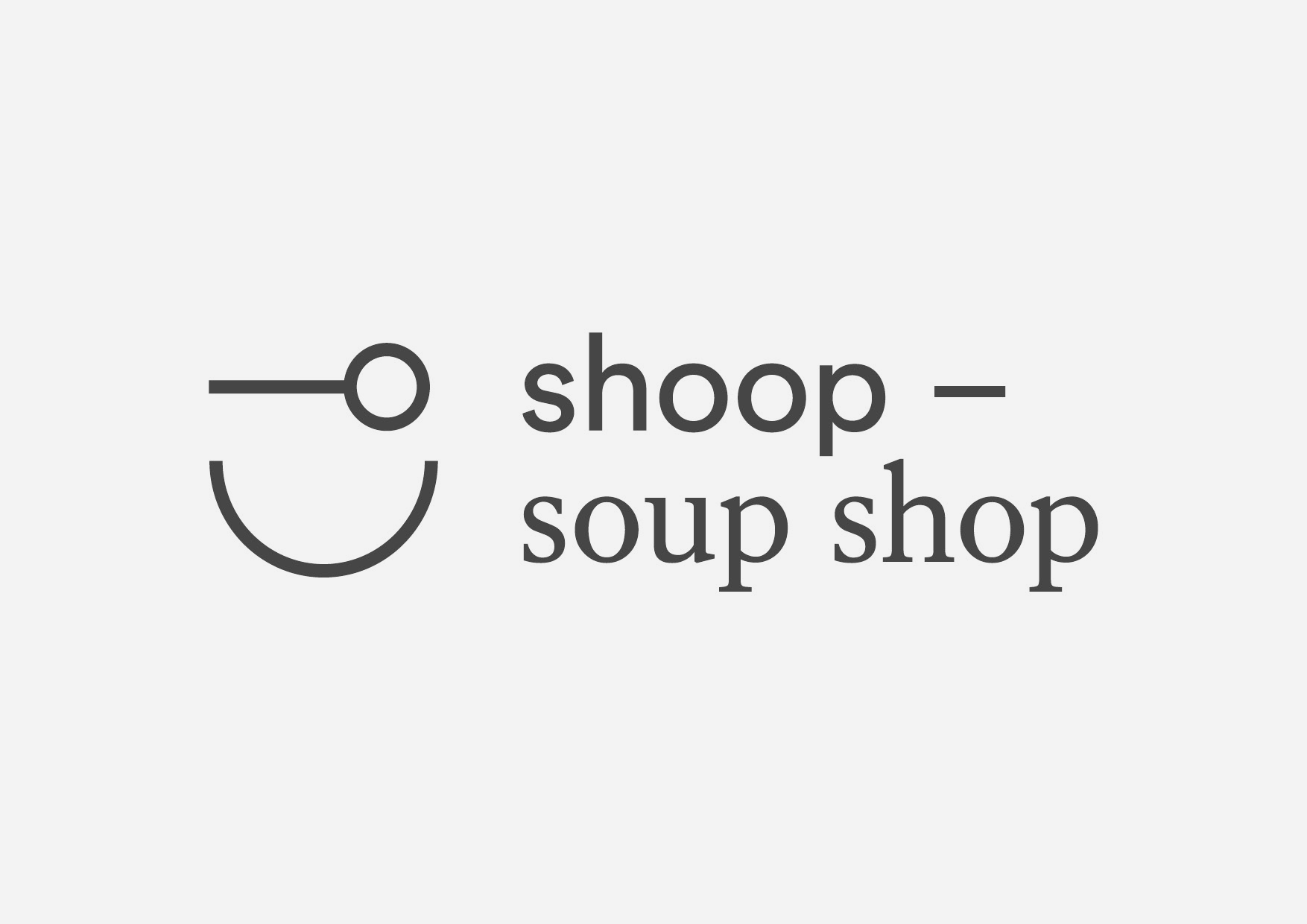
Shoop is the brainchild of Noam Oppenheimer, an Israeli architect with a burning passion to bring hot soup to the people of central London. Alongside chef Brem Gil, their mission is to serve up delicious soups (and sandwiches and salads) freshly made every day from seasonal ingredients.

With a site secured in Fitzrovia, the biggest challenge was to attract attention in an already saturated “casual dining” market, and attempt to lure office workers and tourists alike away from the multitude of tried and tested lunchtime chains.

With this in mind, Lizzie Frost wanted to create a logo that felt as warm and inviting as Shoop’s signature dish, and reflected Noam’s irreverent sense of humour – without becoming too cheesy or childish.

In Lizzie’s words, “The winking spoon and bowl felt perfect. Just crazy enough – or maybe I mean just subtle enough – to work. I kept the logo grounded by pairing it with clean modern typography; a carefully balanced combination of sans (Circular Std) and serif (Kings Caslon Typo).”
A lovely example of how the logo can be the star of the show (after the soup of course), and that not every business needs an elaborate design system.
Unfortunately the design shown on the website (pictured below) doesn’t have the visual balance seen in Lizzie’s work.

Shoop logo
As seen on shoop-soup.com

Still, the original’s great.

More from Madrid-based graphic designer Lizzie Frost.

https://www.logodesignlove.com/shoop


The Hidden Factor

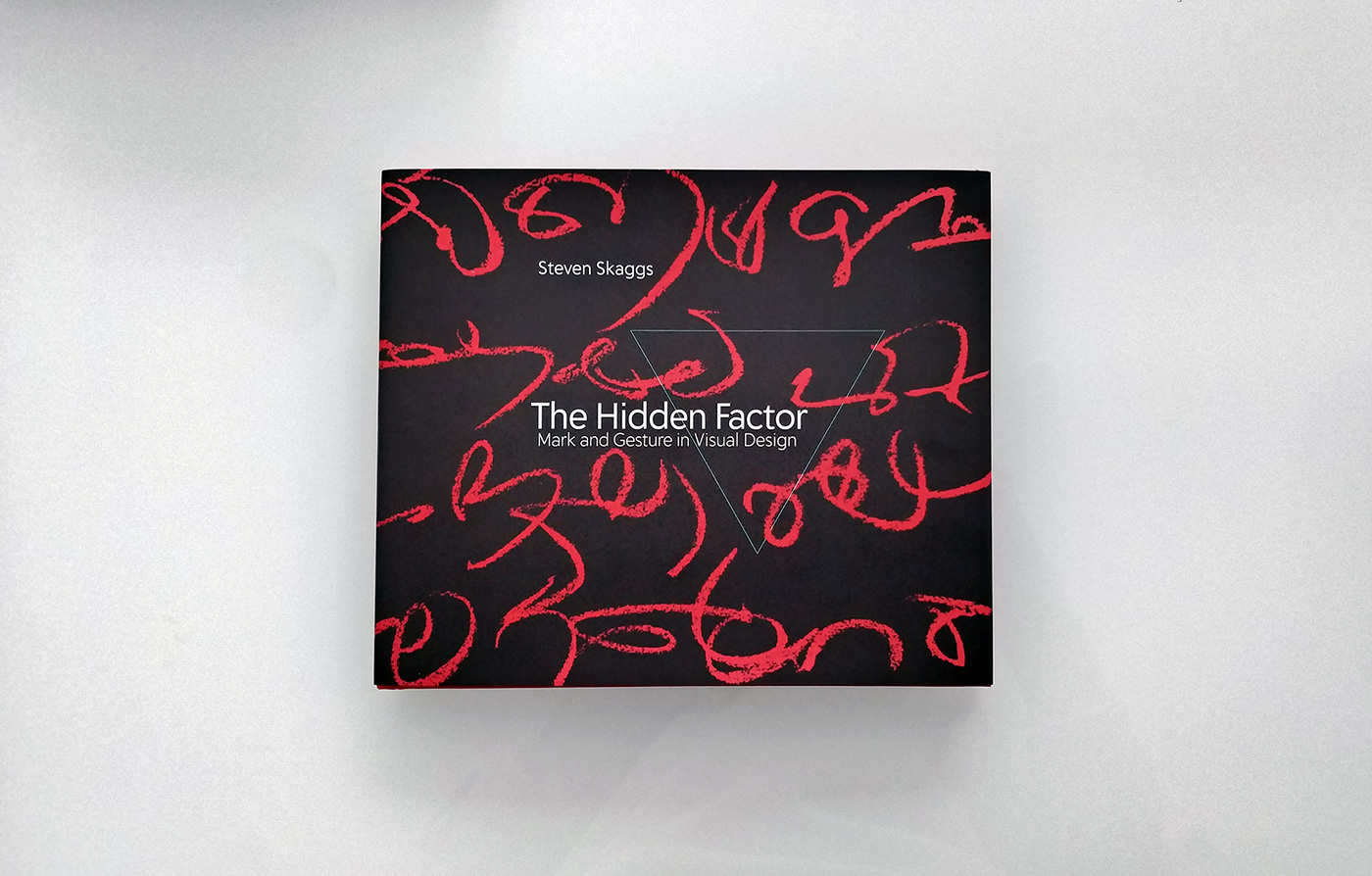
A new book by Steven Skaggs dropped through the letterbox, titled The Hidden Factor: Mark and Gesture in Visual Design (2023). It’s by no means logo-focused, but that’s good, because logos are, after all, pieced together using the same marks that make up all our visual surroundings, and it’s useful to step back once in a while and recognise that.

From the preface, “Artists usually think of their work as the making of an image; graphic designers think of design as communication through image and type. This book suggests that there is a third, hidden, factor at play in every visual work and image: the mark. When they are isolated by themselves, independent of pictures or words, we notice them, but when the three ingredients are combined, marks have a funny way of disappearing from our awareness.”

Steven kindly let me share the first of the book’s nine sections with you (excerpted below).

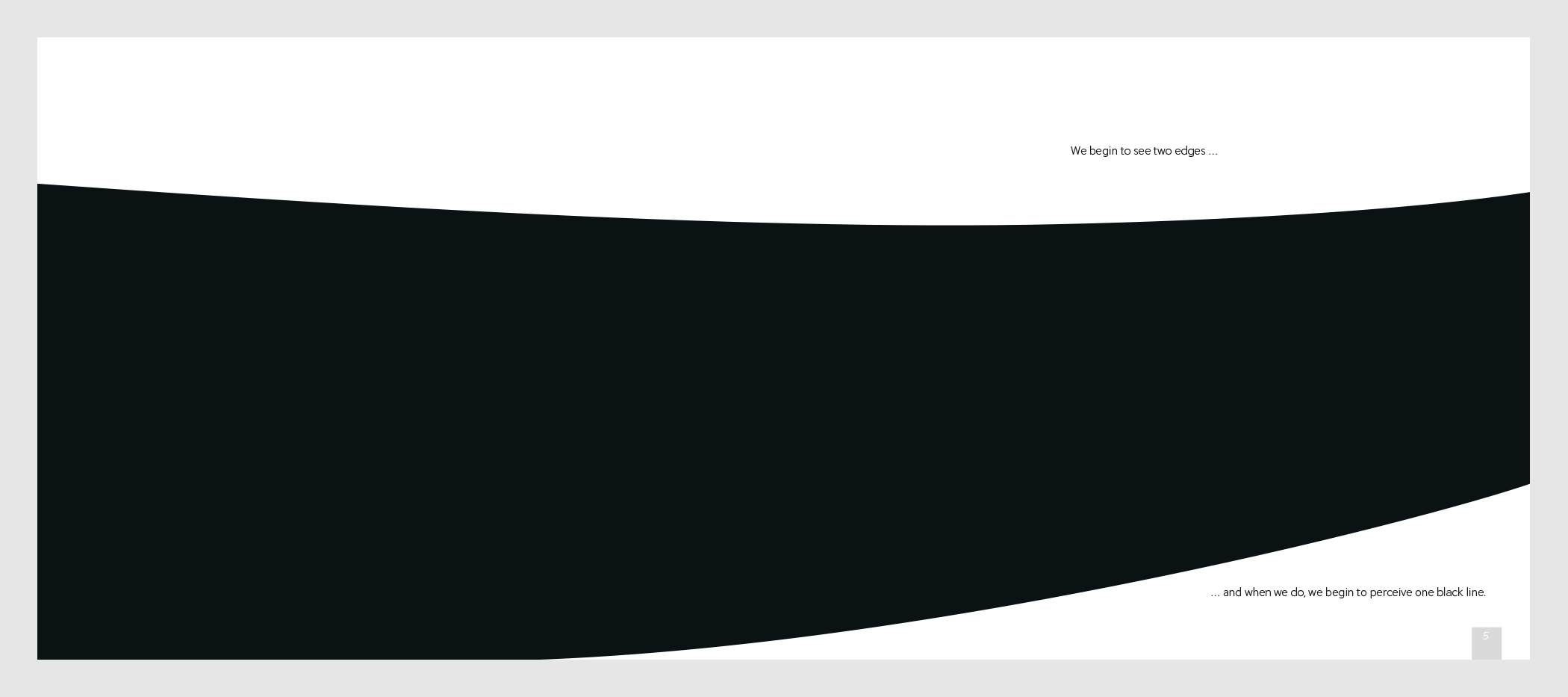
There is no visual entity without an edge.

We begin to see two edges, and when we do we begin to perceive one black line.

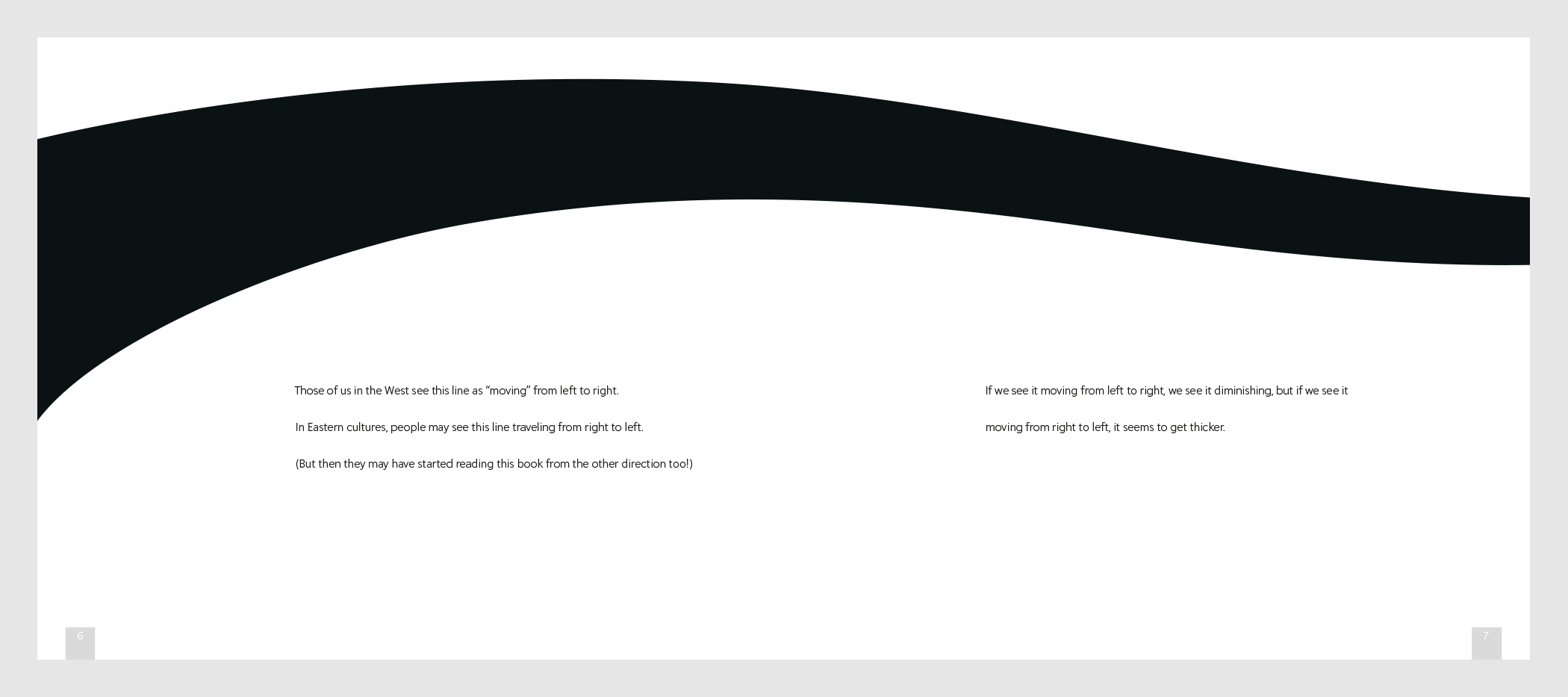
Those of us in the West see this line as “moving” from left to right. In Eastern cultures, people may see this line travelling from right to left. (But then they may have started reading this book from the other direction too!) If we see it moving from left to right, we see it diminishing, but if we see it moving from right to left, it seems to get thicker.

As the line gets thinner it eventually disappears. This place is called the “threshold of resolution.” The threshold is not a place that can be objectively pinpointed. In each viewing situation, the threshold will depend on a convergence of particular conditions, such as the precision of the reproduction process, viewing distance from the page, level of illumination, and a viewer’s eyesight.

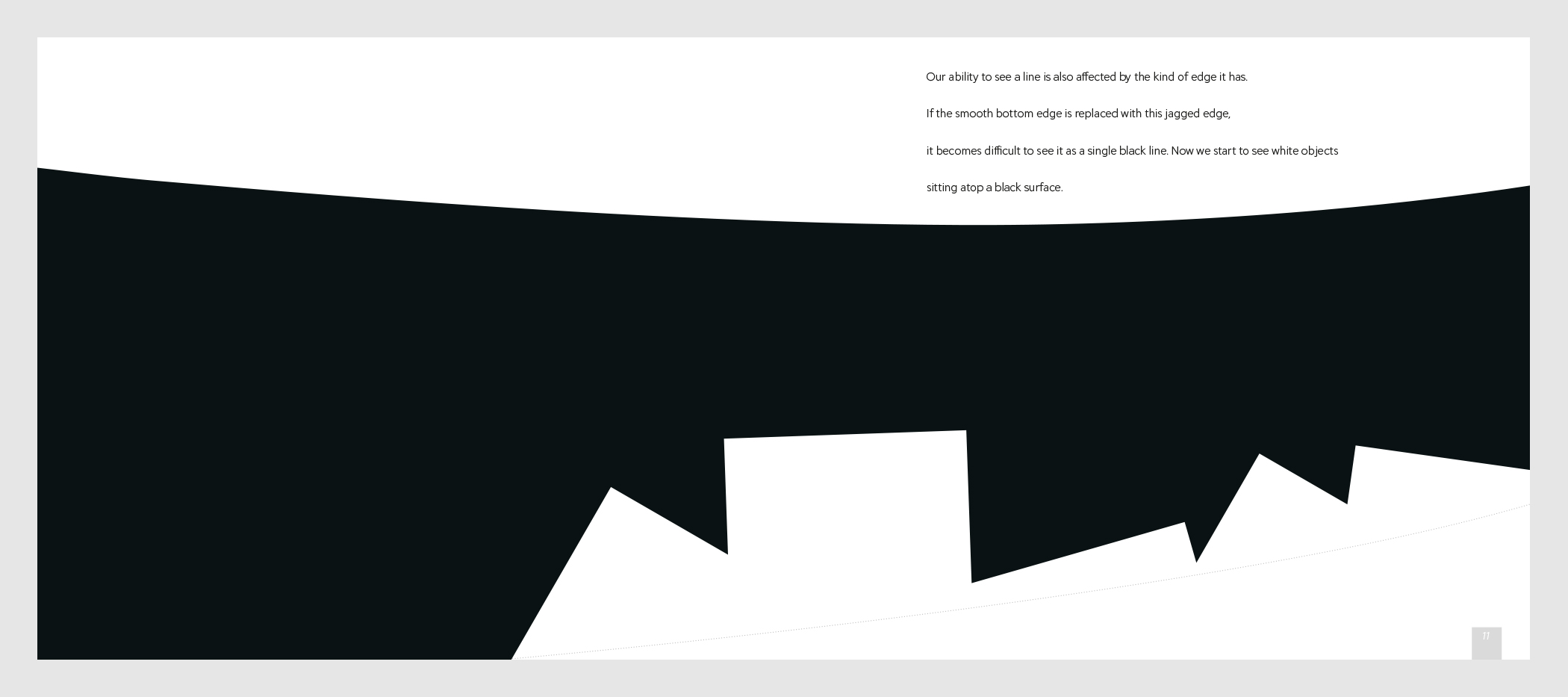
Our ability to see a line is also affected by the kind of edge it has. If the smooth bottom edge is replaced with this jagged edge it becomes difficult to see it as a single black line. Now we start to see white objects sitting atop a black surface.

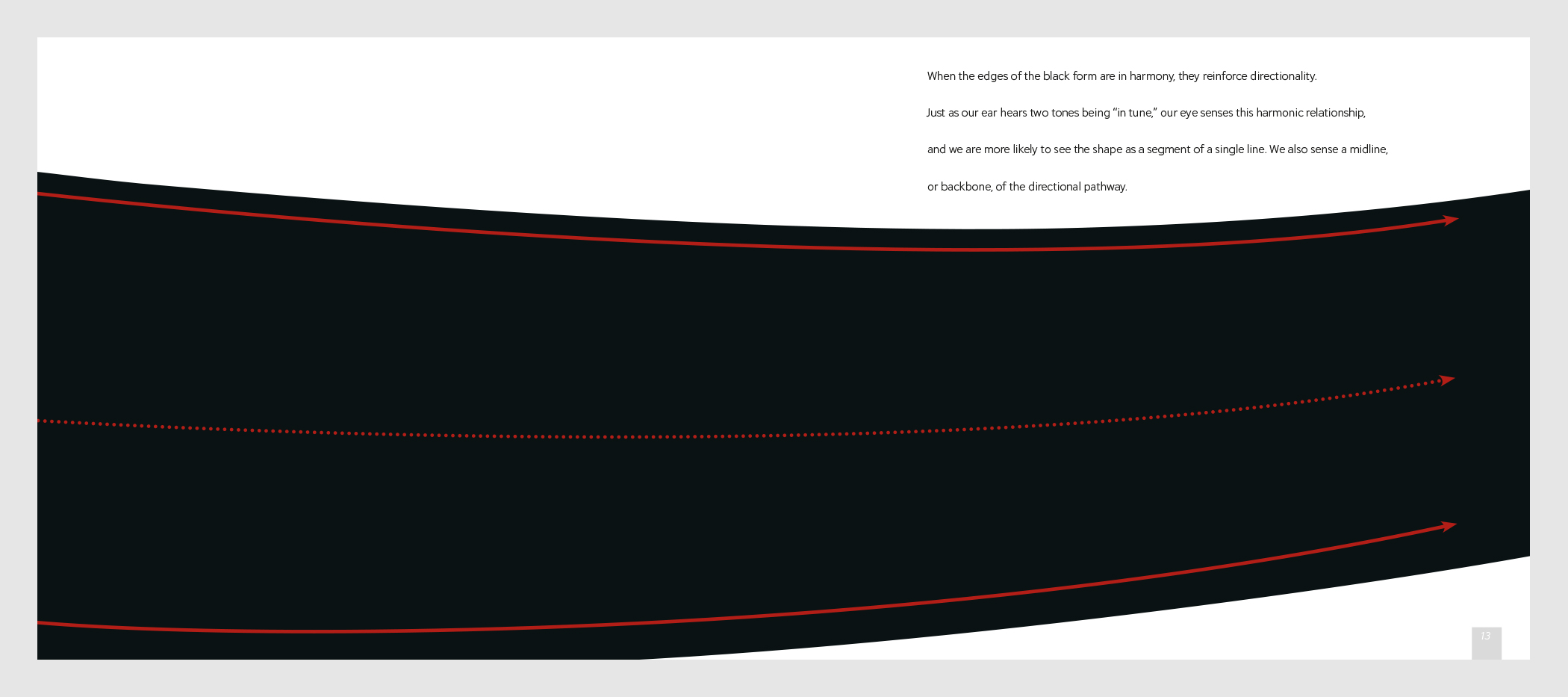
When the edges of the black form are in harmony, they reinforce directionality. Just as our ears hear two tones being “in tune,” our eye senses this harmonic relationship, and we are more likely to see the shape as a segment of a single line. We also sense a midline, or backbone, of the directional pathway.

(The graphic devices on these pages suffer discontinuities that are unavoidable in the making of a book. While our vision compensates for the slight bend of the paper, the breaking of continuity at the spine, where the book’s pages are bound together, is more disrupting.)

Meanwhile, although we’ve added just one more edge, this page looks much more complex than the preceding page. And it remains ambiguous as we struggle to settle on a single holistic object. Is this a white page with a black diagonal wedge above a curved black shape below? Or is it a white shape on a black background with a little bit of a white area “left over” at the top left?

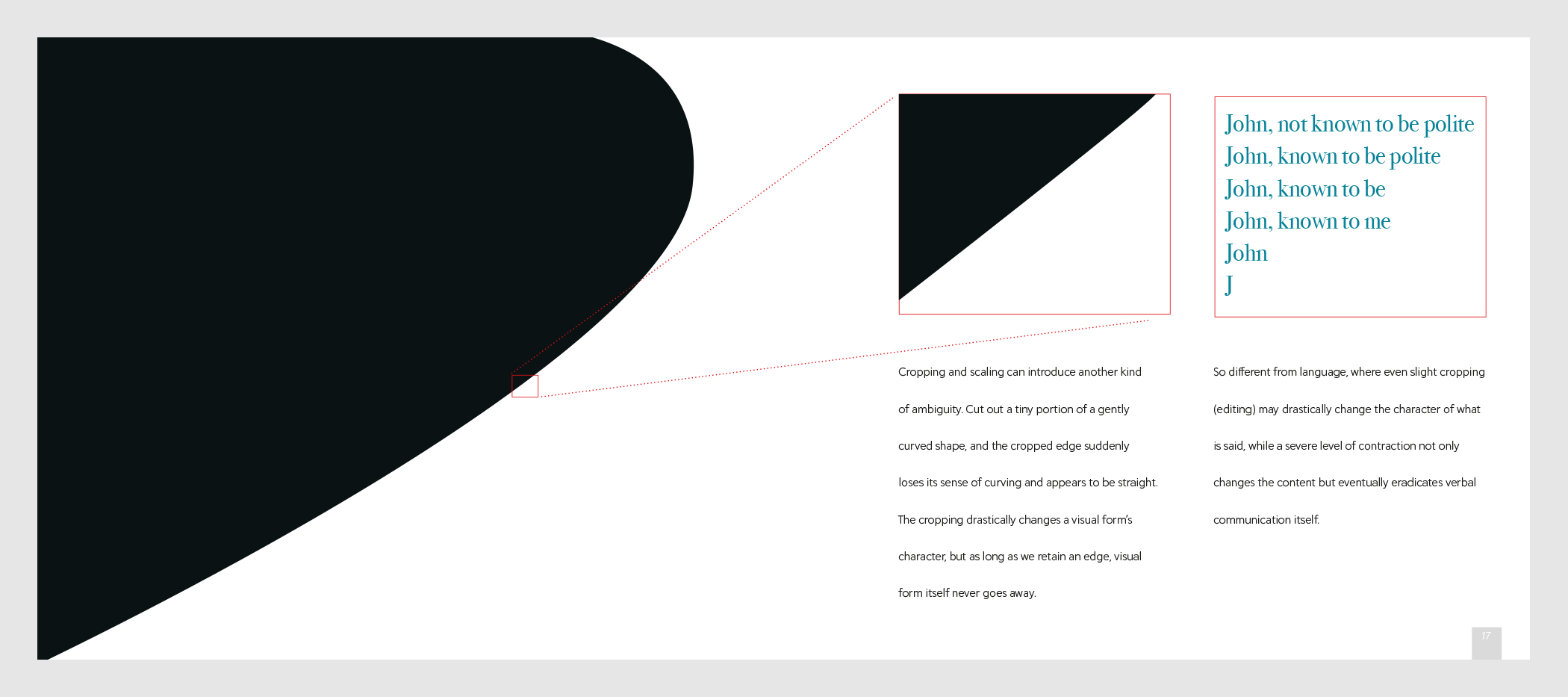
Cropping and scaling can introduce another kind of ambiguity. Cut out a tiny portion of a gently curved shape, and the cropped edge suddenly loses its sense of curving and appears to be straight. The cropping drastically changes a visual form’s character, but as long as we retain an edge, visual form itself never goes away.

So different from language, where even slight cropping (editing) may drastically change the character of what is said, while a severe level of contraction not only changes the content but eventually eradicates verbal communication itself.

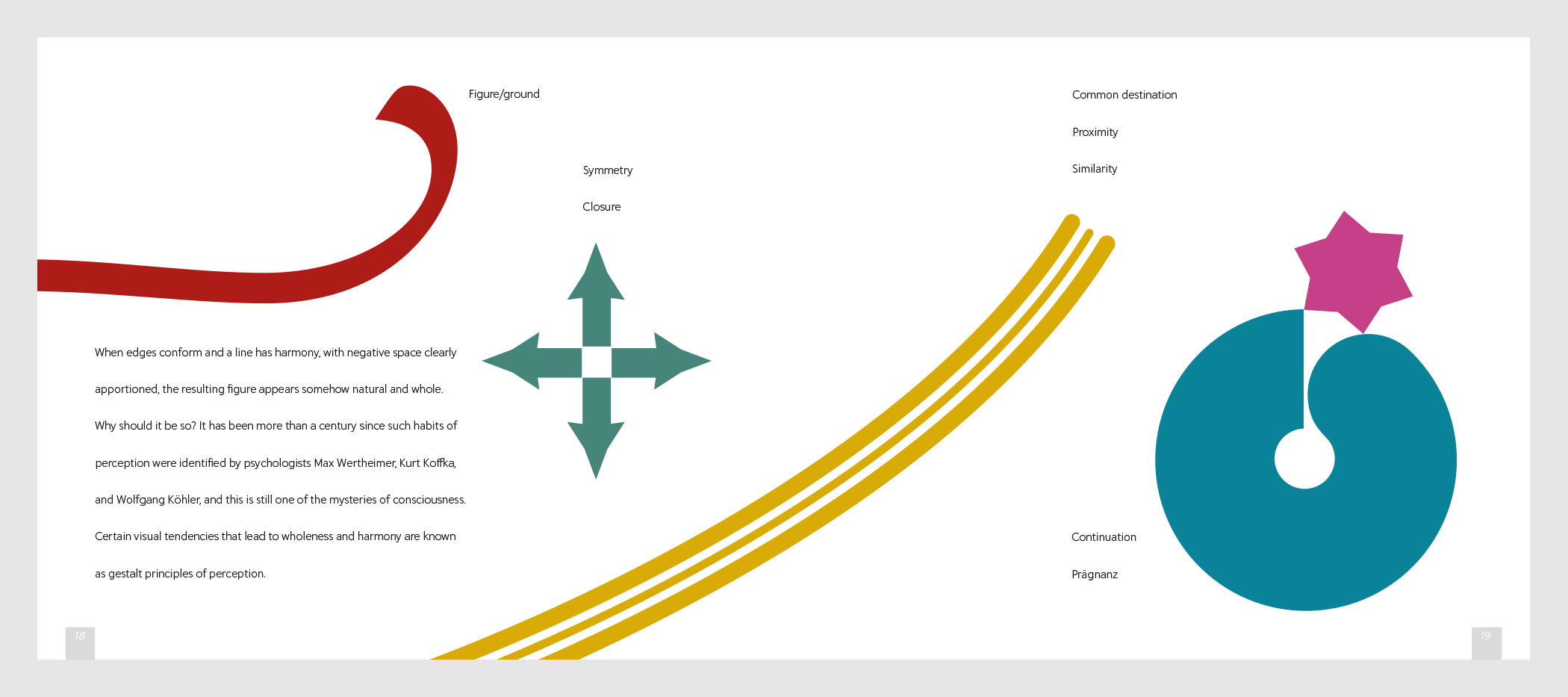
When edges conform and a line has harmony, with negative space clearly apportioned, the resulting figure appears somehow natural and whole. Why should it be so? It has been more than a century since such habits of perception were identified by psychologists Max Wertheimer, Kurt Koffka, and Wolfgang Köhler, and this is still one of the mysteries of consciousness. Certain visual tendencies that lead to wholeness and harmony are known as gestalt principles of perception.

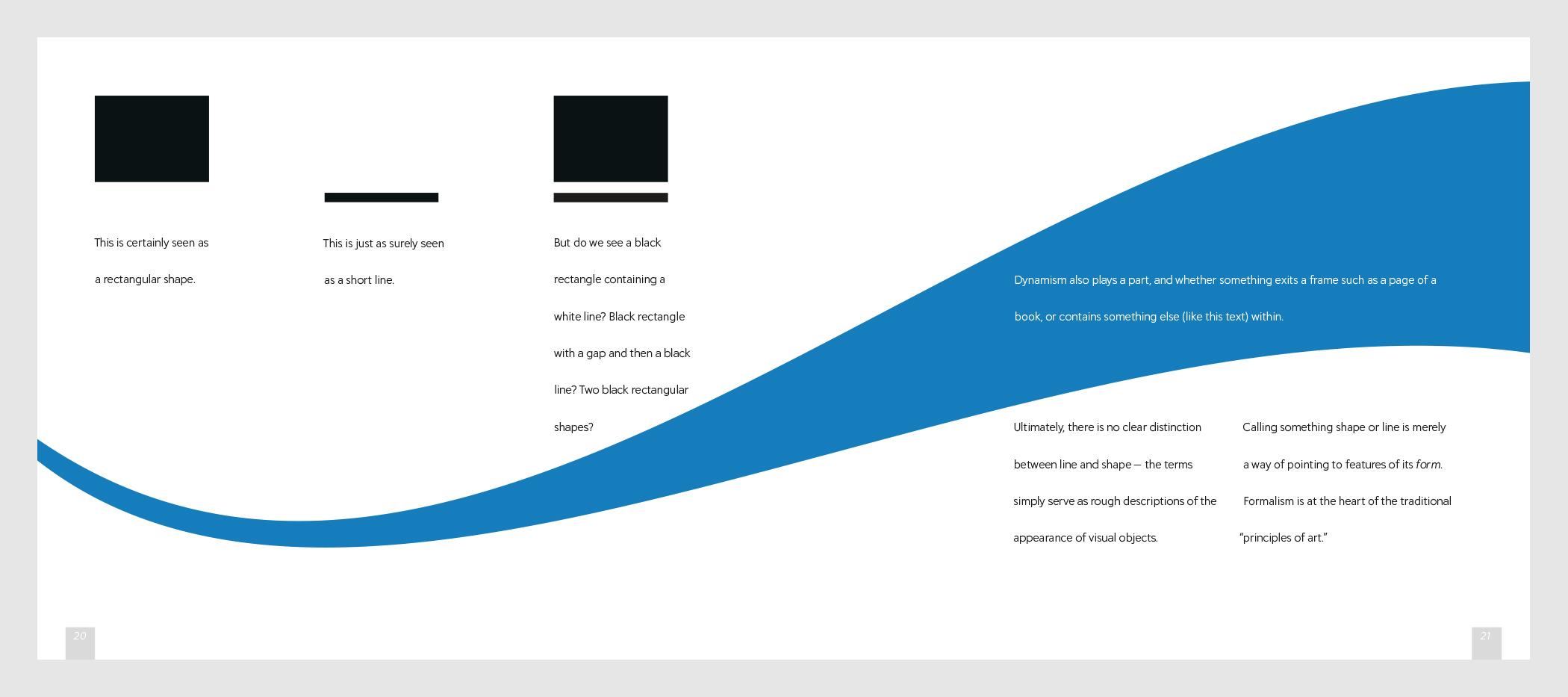
This is certainly seen as a rectangular shape. This is just as surely seen as a short line. But do we see a black rectangle containing a white line? Black rectangle with a gap and then a black line? Two black rectangular shapes?

Dynamism also plays a part, and whether something exits a frame such as a page of a book, or contains something else (like this text) within.

Ultimately, there is no clear distinction between line and shape — the terms simply serve as rough descriptions of the appearance of visual objects. Calling something shape or line is merely a way of pointing to features of its form. Formalism is at the heart of the traditional “principles of art.”

“Skaggs explains the quotidian process of creating letters and images in the most enticing and inspiring ways. It is a must read primer for neophyte and veteran mark makers.”
Steven Heller

“Steven Skaggs unearths the tactile joy buried in the formalizations of design. Bodies in motion make tangible marks on materials. Typefaces, logos, images, and patterns freeze gestures into crisp, coherent signifiers. Use this book to experience the haptic origins of communication.”
Ellen Lupton

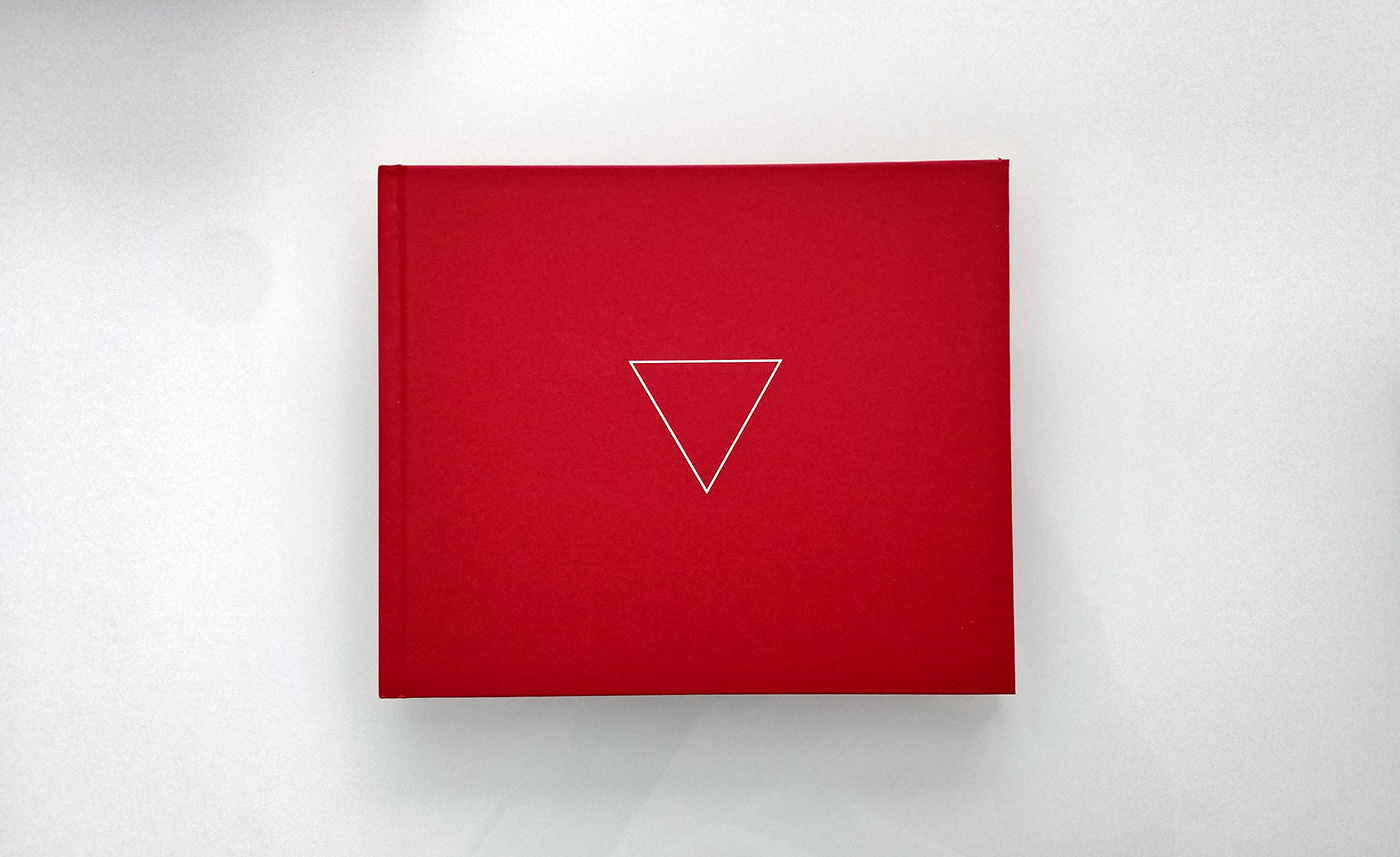
Quick mention for the minimal cover design that’s hidden behind the dust jacket (below).

Published by MIT Press, The Hidden Factor can also be picked up on Amazon.com, Amazon.co.uk.

Previously featured is one of Steven’s earlier books, FireSigns.

https://www.logodesignlove.com/the-hidden-factor