Lindo – Send Money to Cuba

Brand Book / Brand Designer / Freelance / Paid
Mountain View, CA US

http://www.trylindo.com

Design brandbooks (and/or logos) for a new startup that helps people send money to Cuba in a sanctions compliant manner and more broadly, empower individuals living in sanctions-affected countries to conduct sanctions-compliant transactions.

Role Details

Lindo – Send Money to Cuba is the leading independent remittance app for Cubans sending money to their loved ones in Cuba. We are preparing to undergo a period of rapid expansion and are looking for mission-aligned designers and engineers with excellent technical ability to contribute.

We are looking for someone to produce our brandbook for two brands:

– Lindo – Send Money to Cuba
– Isomorphic, the parent group for Lindo

There is a basic logo + font selection that has already been made, open to change, which the CEO will walk you through to fill you in before starting. Should include font, logo review, color palette selection, templates we can easily use, organized and aesthetically pleasing work product in line with company values and culture… we really respect good and thoughtful design, and hope to have a two-way conversation with you to see if it is a mutually-beneficial fit and during the work critique as well.

Please let us know what else you need or how you prefer to engage.

We will be open to hiring for a full-time and more expansive position (including UI/UX, website design etc) as well upon further development of our relationship.

We are happy to support emerging designers in their career as well as open to experienced designers who have a large body of work to bring to the table.

Thanks for your interest!

Skill/Attributes Required

Creative Design, Ability to synthesize ideas from a brief, Works Quickly, Initiative and Communication, Respectful while Communicating Honestly and Proactively

Ability to code a plus

Prior brand book and/or logo design experience

Apply/Respond by:
10/06/2023

Send: CV/Resume

Take a brief look at our website and app before applying. Please send an email to design@trylindo.com with prior brandbooks, work, and/or a short description of why you are interested in working with us, as well as why you think you are the one to design our brandbooks!

design@trylindo.com

https://blog.shillingtoneducation.com/lindo-send-money-cuba/


The Hatchery

Graphic Designer / Full Time / Paid
Sydney NSW AU

https://the-hatchery.co/

Join as a Graphic Designer and work for a company with an electric culture, who has recently been accredited as a Great Place to Work.

Competitive remuneration and fantastic employee benefits
Hybrid working arrangements – time in the office and time from home
Be part of a collaborative, supportive and fun team

Role Details

Would you like to join a fast-growing, values driven company with an electric culture, who has recently been accredited as a Great Place to Work?

Look no further as we are on the hunt for a creative, high-energy and driven Graphic Designer to join our Marketing team!

Who are we?

The Hatchery is a hybrid conference and events company with a purpose to connect people with knowledge to inspire change. We curate, produce and run timely, well researched conferences across a range of industry verticals, mainly within publicly funded organisations.

We are a dedicated team of professionals with years of experience and a wealth of industry knowledge. We work at a fast pace and collaborate to deliver high quality events that make a positive change in the community.

The role

The Hatchery is seeking a junior Graphic Designer to create visually appealing designs and accelerate our brand recognition across each of our marketing assets. You will be responsible for conceptualising and managing the design workflow through to final production, while adhering to brand guidelines, industry trends and brand governance across all assets.

This role is best suited for a self-starting individual with a proactive attitude and a passion for graphic design who is keen to learn and grow. You’ll be part of an excellent, fun and dynamic marketing team where you’ll play a critical role in the success of our business.

You will be responsible for

Collaborating with the Marketing team to develop visually appealing and effective designs for various events such as conferences, seminars and other projects
Create visual assets for marketing materials such as brochures, banners, marketing emails, social media and other brand assets
Manage design projects from conception to final production, including print and digital
Stay up-to-date with industry trends and tools to continually improve and innovate design solutions
Ensure all designs adhere to the company’s brand guidelines and standards
Develop and design visual aids for presentations and other materials
Act as a brand ambassador and champion across the business to promote and endorse our growing brand

What’s in it for you?

We work hard, play hard and our people are at the centre of our success! We offer a hybrid work arrangement, quarterly wellness day off, annual recreational/fitness reimbursement, paid parental leave and plenty of social activities. Our energy in the office is vibrant with a fantastic space in the heart of the CBD. We thrive on positivity, love trivia and take fancy dress way too seriously!

What do you need to join the team?

At least 1 -2 years’ experience in all things graphic design
Bachelors degree in Graphic Design or related field
Proficiency in Adobe Creative Suite, including Photoshop, Illustrator and InDesign, as well as Canva and Motion Graphics
Strong communication skills and ability to collaborate effectively with cross-functional teams
Strong prioritisation, project and time management skills required to meet deadlines
Ability to take creative direction and constructive feedback
Attention to detail and a commitment to producing high-quality work
Familiarity with digital design tools and web design best practices
Driven, a team player and one who thrives working in a fast-paced environment

If you are looking for an opportunity where you can be rewarded for your efforts and make a difference through your contribution then The Hatchery is the place for you to take your career to the next level. Click apply now!

As part of your application, please submit your design portfolio or links to examples of your work.

Skill/Attributes Required

At least 1 -2 years’ experience in all things graphic design
Bachelors degree in Graphic Design or related field
Proficiency in Adobe Creative Suite, including Photoshop, Illustrator and InDesign, as well as Canva and Motion Graphics
Strong communication skills and ability to collaborate effectively with cross-functional teams
Strong prioritisation, project and time management skills required to meet deadlines
Ability to take creative direction and constructive feedback
Attention to detail and a commitment to producing high-quality work
Familiarity with digital design tools and web design best practices
Driven, a team player and one who thrives working in a fast-paced environment

Apply/Respond by:
16/06/2023

Send: CV/Resume

Applicants must have full working rights in Australia

jennifer.bogias@the-hatchery.co

https://blog.shillingtoneducation.com/the-hatchery/


Whering

Brand Designer / Full Time / Paid
London UK

https://whering.co.uk/

This job offers the opportunity to own brand design, the development of the brand guidelines, be the guardian of the brand across all touchpoints and produce creatives for web, socials, campaigns (online and offline), CRM and work alongside the UX/UI team and creative product development.

Role Details

Reporting to the Head of Creative Marketing, you will:

● Work with the Head of Creative Marketing & CGO to refine the brand strategy and brand direction

● Lead the overall design direction of brand identity and campaign projects to ensure consistency across all touchpoints

● Collaborate with cross-functional teams, including social, performance marketing, tech, and UX/UI, to ensure designs are implemented successfully & on-brand

● Stay up to date with digital and market trends to adapt ways of working and influence design and digital direction

● Understand best practices in Design Thinking and User Experience approaches and how to apply them

● A solid understanding and passion for detailed interaction and information design

Note – we are a 4-day week employer so we enjoy every Friday off!

Skill/Attributes Required

What You’ll Bring

● 4-6 years experience in creative/branding studios, in-house or freelance

● Strong experience with Adobe Creative Suite (Photoshop, Illustrator, InDesign, and After Effects/Premiere Pro) and Figma. Desirable experience using Braze or other CRM programs

● A strong portfolio showcasing a variety of design work across multiple media channels, in particular brand, campaign, social and email

Apply/Respond by:
09/06/2023

Send: CV/Resume, Folio

callum@whering.co.uk

https://blog.shillingtoneducation.com/whering/


Diversity in Design: Previous Scholarship Students Share their Insights and Advice

Diversity in design is an important topic to us at Shillington and we aim to support and strengthen equity by cultivating diverse and inclusive representation in the design industry—within our classrooms and beyond.

For the last two years, we’ve been running full Diversity in Design scholarships and industry mentorships, a collaborative commitment between Shillington and industry partners to cultivate diverse and inclusive representation in the design industry—open to aspiring designers from underrepresented groups.

This year’s scholarships open on 7 June. So, in the meantime, have a read through some insights and advice from three of previous Diversity in Design scholarship recipients: Url Grant, Sam Fraser, Georgina Charles and Dia.

First of all, can you tell us what diversity in design means to you?

Url: As a Black, queer, non-binary designer, Diversity in Design means representation.

I should not be selected for a project with the intent to create diversity. I should be one of multiple different identities that make up a team.

Sam: Diversity in design leads to much more interesting, creative, empathetic and innovative design that just hits different. From my experience of working in a creative field, it’s always so exciting when other people bring themselves into a project and a small idea becomes something much bigger and more meaningful.

Georgina: Diversity in Design is giving a chance to a whole new section of people who want to be designers. Shillington gives technical and industry knowledge that you just can’t learn from Youtube tutorials, and then you’re ready to step into a new career in a matter of months. My hope is that it specifically leads to more visibility for non-binary and female people of colour in the industry.

Dia: Diversity in Design is important to me because as a woman of South Asian descent, growing up, I never felt that a design career was even possible because I never saw people who looked like me in the field. Increasing diversity will lead to greater representation which will inspire people—“if this person who looks like me can do it, then so can I”. It’s so important for younger generations. This is crucial for the design industry too because design is limitless and having people from diverse backgrounds brings unique experiences, values and cultures to the industry. 

What impact has this scholarship had on your life and career?

Sam: Studying at Shillington has had a huge impact on my life and career! I have gained a ridiculous amount of skills from the course. As I had a job during during the course, being able to work across Adobe Suite and Figma meant I could do more design work in my job and confidently put myself forward for more creative opportunities. It was also quite empowering to receive advice and support from our teachers, and meet super talented and creative people.

Dia: It has been life changing for sure. It provided me access to such a great design education which allowed me to explore various avenues of design and find what I enjoyed the most. For example, I never thought I’d be the kind of girl who enjoyed typesetting or UX but they are two of my most favourite areas and I’m currently further pursuing UX design. From this opportunity, I’ve also built up confidence in my designs and in myself as a designer. I used to take on passion projects but always doubted my ability as a designer because I was never formally trained. I now know what makes good design and I’m confident in my process from start to finish. I’m very excited and grateful to have been able to change my career into design—something I wouldn’t have been able to do without the network I built from my time at Shillington.

Georgina: Well, I can apply to all those demanding entry-level roles with confidence now. Fluency in Adobe achieved! But my eyes have been opened to whole other paths now and turns out, a creative writing degree can be really useful in design! It brought me out of my comfort zone creatively and socially.

I’ve gained a lot of confidence in my abilities, my taste and my future. I’ve met some amazing people and don’t feel like such an imposter anymore.

Url: This scholarship has given me the confidence to consider work beyond NYC. I have always wanted to travel abroad and take my talents on the road and learn the styles of different cities and landscapes. With a portfolio under my belt, I feel like I can explore this opportunity to its greatest potential.

Why did you want to study design and what made you decide on Shillington?

Georgina: I love making art, I would design book covers for stories I wrote and tried to make good-looking social media posts, but I didn’t take myself seriously and was just bumbling through it. When I saw the post for this scholarship, I’d applied for and been rejected by every creative entry-level job that I could see myself being happy in. This was the perfect chance for me to change my luck.

Url: I had been trying to study design for a few years. When I first decided to make that transition, Shillington was the first school I looked at but it was unfortunately out of my price range. When I got the email notification for the Diversity in Design scholarship, I figured I would apply because there wasn’t much to lose and I ended up gaining so much.

Sam: I chose to study design because I really wanted a career change where I could be challenged and flex my creative muscles!

Shillington is such an invaluable opportunity to be taught by industry professionals in a small class setting. And leaving with technical skills, an understanding of design theory and creative principles AND an industry-standard portfolio—how good!?

Dia: Prior to Shillington, I had graduated with a brain imaging degree. I was working part-time in a supermarket and trying to get work when the pandemic hit and everything shut down. This definitely influenced my career change and pushed me to pursue something I actually enjoyed. Growing up, I was always very creative and would spend hours glued to the computer making Myspace graphics for my friends but I never had the opportunity to study design at school. Coming from a South Asian background, I was always told that design wasn’t a “real” career and that I should go down a more traditional route, so I did. I initially found Shillington in 2016 after looking into graphic design schools because that passion never went away. Fast forward to a year ago, I got an email about the Diversity in Design Scholarship, I applied and somehow, everything worked out—I’m so beyond grateful!

Tell us about your creative scholarship submission.

Url: When I started working on my creative submission, I was having trouble trying to decide what to do. I was unsure how vulnerable I was going to be. I am currently in recovery for an eating disorder and breakfast is more of a task for me. While stressing about my creative submission, I realized I had not made breakfast yet. So I decided to record myself making breakfast—I believe it was a bacon egg and cheese.

I had never made a video before but I grew up watching YouTubers, so I had an idea of the format I could use. I wanted to be raw, and decided to do a voice over just explaining the significance of making breakfast for me and what being a designer would mean for me overall. Breakfast is still hard, but being at Shillington gave me a routine that has made it a little easier. I’m regularly snacking in class and look forward to it.

Sam: I wanted to create a short video, but do something a little different to a face-to-camera video—mainly because I’m too awkward for that. I still wanted to show my creativity and personality, so I made a video of a text exchange between me and a friend from their point of view. The messages were essentially my panicked stream of consciousness about whether or not I should apply for the scholarship, how it will impact my life, what I could do for the creative submission, etc.

Georgina: My entry was a comic about a wizard in a grey world who goes to Shillington and learns how to put colour into everything around them. It’s cringe dialled up to 11, but I kind of love it. I looked through the past entries that won scholarships and everything was very intimidating. I saw some really impressive videos and zines and handmade projects and thought that there was no way I could measure up. But I like to draw, and I didn’t see any comics amongst the winners. I was like, hey, I can do that.

What was your most valuable takeaway from this experience?

The whole experience was challenging and pushed me grow so much as a designer but the most valuable thing is that I feel like I’ve finally found my place in this world.

As a creative who was so used to working in science labs and corporate environments, I never felt like I fit in. Being at Shillington and meeting so many wonderful like-minded individuals, I feel like design is what I’m supposed to be doing. I’ll never forget the first time I went to Bulletproof HQ and I couldn’t believe workplaces like theirs’ existed! Just wow. The founders even named the meeting rooms after hip-hop legends and, as a huge hip-hop fan, I just couldn’t believe it.  

We’re opening up our scholarships again this year what advice would you say to someone working on their scholarship application?

Url: Do not be afraid to be vulnerable. Graphic designers are artists who show sides of themselves that cannot otherwise be described verbally or in written form.

Sam: You can learn the skills when you start classes, so focus on showing how passionate you are about design and your ‘why.’

As for the creative submission, I think the best pieces of design feel that there is a human behind it. Don’t be shy, show some personality.

Georgina: Get a little crazy with it. Don’t put too much pressure on yourself and just do what you do best.

I don’t think what you submit has to be particularly beautiful, but it should tell a story and show your personality.

Let the judges get to know who you are!

Tell us why you think accessibility to top design education is important.

Dia: It’s so important because there’s a lot of talented people who might be facing barriers to a design education. Breaking down these barriers will provide opportunity and bring diversity to the design industry.

The quality of the education is so important too. There are a lot of design courses out there which won’t teach you both design theory and the practical skills needed for industry. If you’re going to commit your time and money to an education, you want it to lead to a career. The quality of education at Shillington is top tier. The teachers have a wealth of knowledge and experience. They teach you how to use the software, (Adobe + Figma), work in a collaborative studio environment and help you to build a portfolio which you can show to employers when you graduate.

What would you say to someone who’s thinking about studying at Shillington?

Sam: Do. It. You really have nothing to lose and everything to gain. It’s a rare opportunity to do such an intensive, fast-tracked course, learn from the best of the best, and work on exciting briefs. I’ve been so surprised to see how the conceptual and technical creative skills I’ve gained at Shillington have enhanced both my work and life as a whole outside of design.

Dia: If someone didn’t have the confidence to study design I would say just do it! Don’t overthink it, try things and everything will work out how it’s supposed to. The three months at Shillington were amongst the best things I’ve ever done. 

Url: If you have the time and are looking for an artistic outlook, this is definitely the place to be.

Take a chance, you never know unless you take a chance and try.

Then keep trying because this program is no joke.

Georgina: If you want a challenge and you want to change up your life, this is it. If you could give one piece of advice to someone starting at Shillington, what would it be? Brace yourself! It’s such a whirlwind of learning and creating, make sure you make time to catch your breath.

I would say definitely socialise with your classmates, take good care of all your notes, and don’t struggle in silence! I had a lot of mental health struggles while I was studying and the teachers were amazing. They made accommodations that I needed and assured me that no one gets left behind. You’ll be in good hands, don’t let that keep you from applying or asking for help when you need it.

What is one word you would use to sum up the Shillington experience?

Empowering. Shillington really set you up with the skills, knowledge and tools you need to go into the industry.

Want to apply for this year’s Diversity in Design scholarship and mentorship scheme? Read all about the application process—applications open 7 June 2023, 9:00am BST.

https://blog.shillingtoneducation.com/diversity-in-design-scholarship-students/


Diversity in Design: Shillington Teachers Reflect on Diversity in the Design Classroom

Diversity in design is an important topic to us at Shillington and we aim to support and strengthen equity by cultivating diverse and inclusive representation in the design industry—within our classrooms and beyond.

To help further understand Shillington’s commitment to diversity in design, we spoke to five of our graphic design teachers—Online teachers Thiago Eichner and Dan Wilson, New York teacher Justin Carey and London teacher Mags Straatman—about how they consider diversity in design in their own teaching practices.

Want to learn more? Read our teachers reflections on diversity in the design industry.

As a teacher, what obstacles to diversity in design do you observe?

Dan: The most obvious is the financial barrier as computers, software subscriptions and other equipment all cost money.

That’s why Shillington’s Diversity in Design scholarship is so important—it can literally change someone’s life and give them access to a new career.

Mags: I have had students where I saw an opportunity to try and open up their thinking and have them avoid harmful stereotypes. There has been students who at the end of the day realise their design outcome might include something that could cause harm to certain communities and are willing to admit this and discuss it with me as a teacher, asking me how to avoid these aspects.

Has the level of diversity within student classes impacted the class environment and quality of work?

Dan: Diversity in design studios and classrooms always has a positive impact on the quality of work and the ideas that are generated. Broader representation has the direct result of more authentic stories being told within design—and that is so important.

What significance can a teacher promoting diversity in design make?

Thiago: By highlighting behavioural and ideological patterns, including white privilege, teachers can create awareness and encourage self-reflection among students. I recognize the importance of constantly deconstructing white privilege and promoting inclusivity.

Additionally, by creating space for diverse forms of expression, teachers can empower students to find their unique voices and perspectives.

As Dr. Dori Tunstall, the first Black Dean of a Faculty of Design anywhere, has stated, “we must take injustice personally and counter it with truth and action based on truth. By promoting diversity and inclusion in the classroom, teachers can help equip students with the skills and knowledge needed to make a positive impact on the world.”

Mags: Shillington is very focused on training teachers to be inclusive within their student briefs and to tackle stereotypes. This is not training every graphic designer gets and, as a Shillington teacher, I am very happy and proud of being a part of this—providing our students with knowledge on how to design for diverse backgrounds and have them realise our own biases while designing and how to leave those at the door and understand your audience from their point of view, whatever background or community this might be.

How can an increase in accessibility to top design educators diversify the industry?

Dan: Accessibility means that people can create their own design networks not only within the industry but by connecting with peers on the course at Shillington. I also believe that accessibility gives you confidence that helps you grow as a designer, a communicator and as a person.

This accessibility means that you can talk to educators, guest lecturers and other students about their process and how they arrived at certain solutions, and this demystification of processes and skills is so empowering.

Scholarship Application

What are you looking for in an application?/ Advice you’d give for an application

Justin: Overall, applying for a diversity scholarship is an excellent opportunity to showcase your talents and make a positive impact in the design industry.

  1. Don’t be afraid to share your unique perspective and experiences in your application.
  2. Demonstrate your passion for design through your portfolio, personal projects, or even life events that inspired you to pursue this path.
  3. Explain why diversity in design is important to you. Show that you understand the value of diversity and how you plan to contribute to the industry in this area.
  4. Be authentic. Don’t try to be someone you’re not, or create work that doesn’t reflect your values or interests.

In addition to these tips, it’s always a good idea to do your research. Understand the values and mission of the organization to which you are applying and tailor your application accordingly. And don’t be afraid to reach out to current or past scholarship recipients for advice or mentorship. They can provide valuable insights into what the committee is looking for and how to stand out.

Good luck with your application!

Thiago: When reviewing applications, I value authenticity and passion, and I encourage applicants to be true to themselves and to showcase their unique perspectives and experiences.

My advice for applicants is to focus on highlighting their strengths, experiences and contributions, while also demonstrating their commitment to ongoing learning and growth.

Read more about Shillington’s Diversity in Design program, full scholarships and our commitment to cultivating diverse and inclusive representation within the design industry. Scholarship applications open on 7 June 2023, 9:00am BST.

https://blog.shillingtoneducation.com/diversity-in-design-interviews-classroom/


Diversity in Design: Shillington Teachers Reflect on Diversity in the Design Industry

Diversity in design is an important topic to us at Shillington and we aim to support and strengthen equity by cultivating diverse and inclusive representation in the design industry—within our classrooms and beyond.

To help further understand Shillington’s commitment to diversity in design, we spoke to five of our graphic design teachers—Online teachers Thiago Eichner and Dan Wilson, New York teacher Justin Carey and London teacher Mags Straatman—about diversity and inclusion within the design industry that we are part of, and how they consider diversity in design in their own teaching practices.

Want to learn more? Read our teachers reflections on diversity in the design classroom.

What does diversity in design mean to you?

Dan: Graphic design is all about communication and it’s vital that we have a diverse range of ideas, experiences and voices being heard. Graphic design is such a broad and dynamic platform that touches every aspect of our daily lives and, as a commercial or creative outlet, it can only continue to evolve if we create a broader platform that empowers more and more people to be heard.

Thiago: Diversity is critical to the design industry.

By bringing together individuals with diverse backgrounds and perspectives, design teams can achieve more comprehensive solutions to complex design challenges.

Designing for a diverse audience requires a deep understanding of the different perspectives and experiences that make up that audience. By fostering diverse design teams, the industry can better reflect the diversity of the world it seeks to serve.

Mags: Graphic designers have a certain responsibility to the world when creating communication outputs; now, more important than ever, we need to create visual communications that represent a diverse range of people and opinions. This is how we support and show empathy to anyone who is from any background.

Justin: Diversity in design goes beyond just checking off boxes of inclusivity. It’s about recognizing the value that each person brings to the design process.

It also means considering the needs and desires of a wide audience, conducting research, and gathering feedback from folks with varying backgrounds to create products and experiences that are truly inclusive, functional and culturally mindful.

At the beginning of your career, what barriers did you face coming into the design industry?

Justin: As a queer person, I encountered several barriers when entering the design industry—one of the most significant obstacles was the lack of representation and role models in the field. Seeing people who share your experiences is vital, and the absence of it can be disheartening. There are implicit biases and assumptions in the industry that make it challenging for queer individuals to feel welcome or included.

Thiago: As a Brazilian immigrant in the US, I encountered challenges related to misconceptions about my cultural background and preconceived notions of how I might behave or adapt to the work environment. Additionally, as a proud member of the LGBTQ+ community, I faced visible pushback from conservative male higher-ups who were bothered by my initiatives and desire for structural change, despite never having worked with me.

And, recently, have you seen any change?

Justin: In recent years, I have seen some positive changes in the design industry in terms of diversity and inclusion.

There is more awareness of the need to create inclusive products and experiences, and more efforts to promote underrepresented voices and perspectives— but there is still a long way to go, and it’s important for the industry to continue pushing for progress in this area.

It is important to update outdated language and promote progressive design practices, while also being open to listening and setting aside any assumptions or egos. Collaboration is always necessary, as it takes many individuals with different life experiences to identify and eliminate a multitude of barriers

Thiago: I have noticed positive developments in recent years. Notably, both companies and individuals have become increasingly committed to promoting diversity and inclusion. This has resulted in a growing number of initiatives aimed at challenging the status quo and promoting greater representation and equity in the design industry.

What’s the number one barrier you’ve encountered or observed to diversity in design as a graphic designer?

Mags: The biggest observation I have had is the lack of diversity in the industry, especially in leadership positions and creative team leads. I feel this can narrow people’s thinking;

The more people from different cultures and communities in a team, the more interesting the outcome—both aesthetically and conceptually.

As a designer have you experienced the level of creative diversity in a team/studio affect creative quality?

Justin:

Diverse teams often lead to better outcomes, but diversity alone doesn’t always help—there has to be respect, empathy and a desire to listen and learn from each other.

I have worked in spaces that appeared and promoted its diversity, but deep-seated underlying issues persisted.

A diverse team brings together a variety of perspectives and experiences, which can help to identify blind spots and biases that might otherwise go unnoticed. By incorporating a range of viewpoints, a team can come up with more innovative solutions and create products that are more inclusive and accessible to a wider range of people.

Thiago: As a designer, I have had the opportunity to work with a diverse range of teams and studios throughout my career. In my experience, teams that prioritize inclusivity and equality tend to foster more supportive and collaborative work environments, resulting in higher quality work and more innovative problem-solving. Additionally, fostering an inclusive work environment allows team members to feel valued and heard, which can lead to increased motivation, creativity and job satisfaction.

What are the dangers of having a lack of diversity in design?

Dan: The dangers of a lack of diversity are that we have an increasingly narrow set of values and ideas shaping the graphic design industry and the visual world around us.

Outside of commercial work, graphic design can also be a creative tool of self-expression that empowers people and shines a light on subjects that may be marginalised.

I strongly believe that everyone should have access to design and a platform to let their voice be heard.

Can you think of any steps the industry needs to make to champion diversity in design?

Justin: One effective step the industry could take is to actively seek and promote underrepresented voices. The industry should create opportunities, grants and mentorship programs to support individuals from diverse backgrounds. It is also essential to create a culture of inclusivity within design teams and organizations. To ensure that everyone can access and benefit from design, the industry must prioritize creating accessible and inclusive products and experiences for all users.

One buzzword that is often used in design is “human-centered design.” However, this approach prioritizes anthropocentrism and does not account for the impact of design on the environment and other living beings. Instead, let us shift towards “eco-centered design,” which is a nature-centered approach to life. As creatives and problem-solvers, we must account for all life on Earth in our design process to ensure that our work contributes to a sustainable and equitable future for all.

Scholarship Application

What are you looking for in an application?/ Advice you’d give for an application

Justin: Overall, applying for a diversity scholarship is an excellent opportunity to showcase your talents and make a positive impact in the design industry.

  1. Don’t be afraid to share your unique perspective and experiences in your application.
  2. Demonstrate your passion for design through your portfolio, personal projects, or even life events that inspired you to pursue this path.
  3. Explain why diversity in design is important to you. Show that you understand the value of diversity and how you plan to contribute to the industry in this area.
  4. Be authentic. Don’t try to be someone you’re not, or create work that doesn’t reflect your values or interests.

In addition to these tips, it’s always a good idea to do your research. Understand the values and mission of the organization to which you are applying and tailor your application accordingly. And don’t be afraid to reach out to current or past scholarship recipients for advice or mentorship. They can provide valuable insights into what the committee is looking for and how to stand out.

Good luck with your application!

Thiago: When reviewing applications, I value authenticity and passion, and I encourage applicants to be true to themselves and to showcase their unique perspectives and experiences.

My advice for applicants is to focus on highlighting their strengths, experiences and contributions, while also demonstrating their commitment to ongoing learning and growth

Read more about Shillington’s Diversity in Design program, full scholarships and our commitment to cultivating diverse and inclusive representation within the design industry. Scholarship applications open on 7 June 2023, 9:00am BST.

https://blog.shillingtoneducation.com/diversity-in-design-industry-interviews/


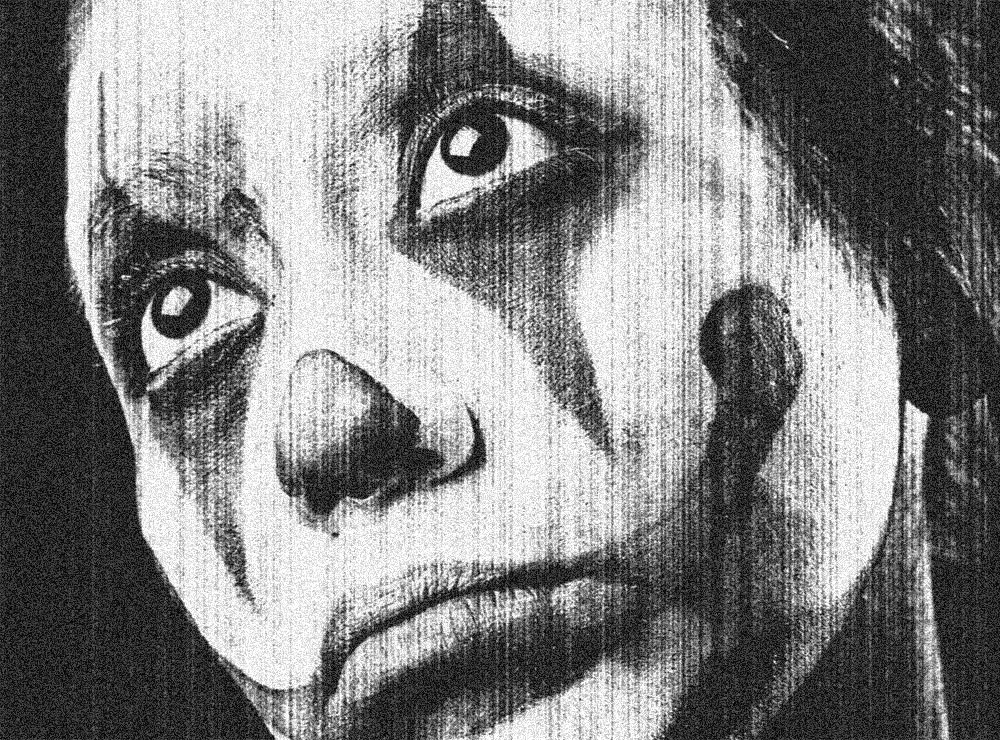
Grainy Photocopy Effect Photoshop Tutorial

Join my mailing list and
receive a free design
resources bundle!

Stay up to date with Spoon Graphics by having new content delivered to your email inbox. As a way to say thanks, you’ll also gain instant access to my free bundle of design resources.

Download the FREE bundle I’m already subscribed

https://blog.spoongraphics.co.uk/videos/grainy-photocopy-effect-photoshop-tutorial


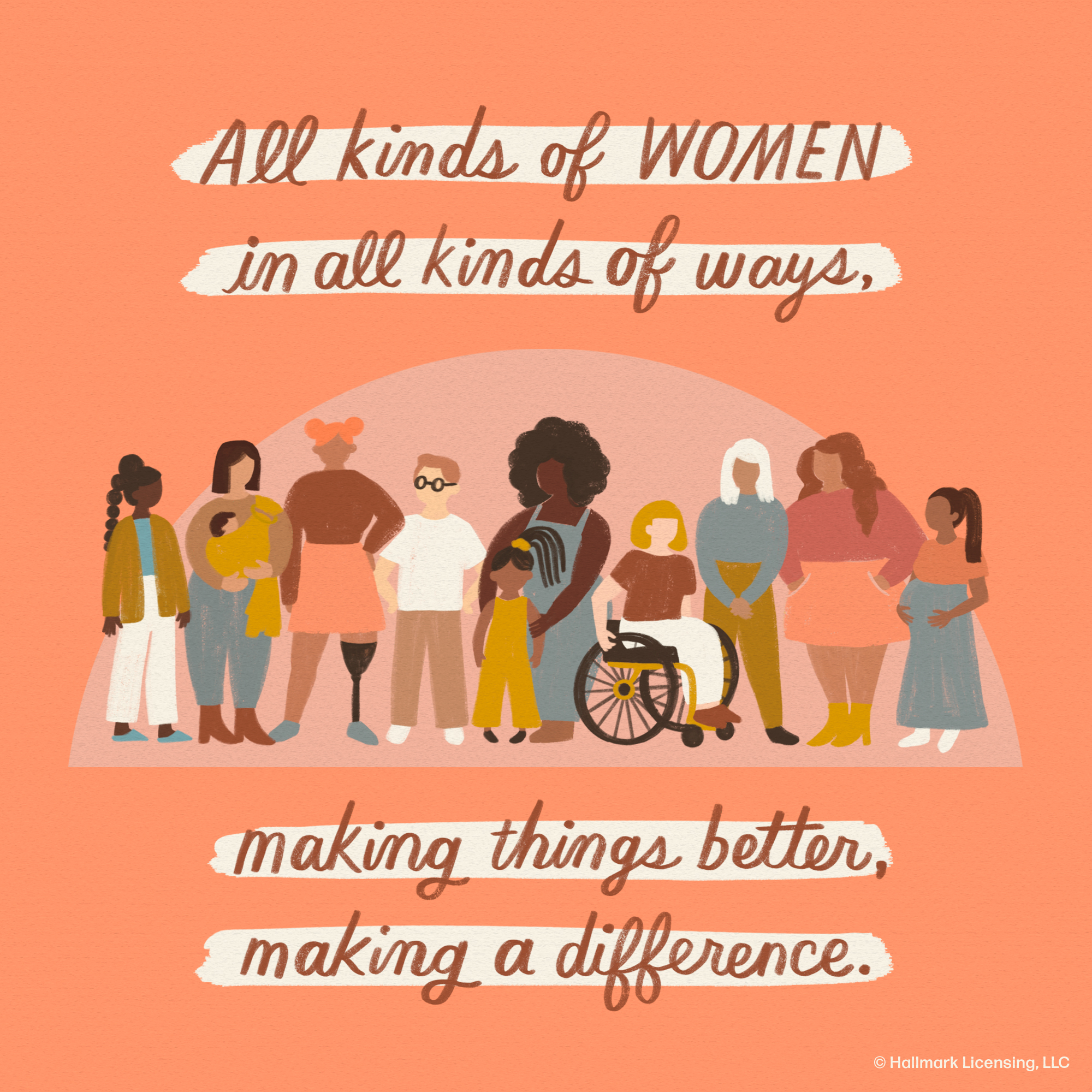
Tessa Canon meets Kelly Castor, Illustrator and Senior Designer for Hallmark Cards

In our Industry Interviews, we ask one of our Shillington Teachers to interview a creative they admire—this can be a friend or someone new from across the creative spectrum. This month, Shillington New York Teacher Tessa Canon chats to Kelly Castor, an artist and illustrator based in Kansas City, Tessa’s hometown.

Tessa is a graphic designer and illustrator based in New York City, originally from Kansas City but has also lived and worked in Dublin, Ireland. She started her career with a fellowship at the Frank Lloyd Wright Foundation, in an office in the middle of the Arizona desert. Her passions in design lie in branding and illustration.

Kelly, likewise, is a graphic designer and illustrator based in Kansas City. For her day job, she works as a Senior Designer on the Creative Marketing team for Hallmark Cards. She is also a freelance artist on the side, creating beautiful illustrations for both clients and for herself.

Can you introduce yourself and tell us a bit about your current role?

Hello! My name is Kelly Castor, and I’m a Senior Designer for Hallmark Cards. I’m currently on the Creative Marketing team, creating social and blog content for multiple channels—our blog Ideas & Inspiration, and Hallmark’s Instagram, Pinterest and Tiktok.

Tell us about your design/illustration journey—how did you get to where you are now?

I earned a degree in Graphic Design with a minor in Art History from Missouri State University. During my senior year, I discovered a passion for illustration while taking an illustration class, which led me to incorporate my lettering and illustration into my work.

After graduation, I struggled to find a job that aligned with my interests and portfolio. I eventually landed a job at an agency where I was surrounded by talented coworkers who became mentors. This experience led me to a position at Hallmark, where I first was designing cards, then found my way to the social media team. On the social team, I plan blog content, create DIY projects, direct photoshoots and craft illustrations and lettering for social posts. It allows me to lean into my hybrid set of skills and experiment with trend-forward ideas and content.

While the corporate world is fun and keeps a roof over my head, I’ve always had to create outside of it. I think this is what made me grow and learn the most, and led to some really fun freelance projects, like a book cover!

What’s your process like for a typical illustration project at Hallmark?

With Hallmark, illustrations can be applied to so many different products—we have cards, stationary, home and gift products, and then there is social media. Most of what I’ve made in the past 5 years has been for social media, so I always think in that frame-set. The concept has to be read fast on a phone while someone is scrolling, the colors have to stand out in the noise and most often it will incorporate some sort of editorial.

When I go to start an illustration, there is a brief or a request form from the designer and it will have things like color palette, editorial with suggested line breaks, research examples and size requirements. Because these projects have a fast turnaround, I rely on using the Procreate app on my iPad. Things are sketched out first for general composition and concept, and I keep that brief pulled up on the side to make sure I’m hitting the right tone and style, as well as making sure everything is spelled right. I’m always worried I misspelled something!

From there, I really have to dig in and focus. In a lot of my work, I rely on color blocking general shapes first to figure out the right shape for things. There’s usually 20 layers of things and I’m constantly tweaking color to get the right amount of contrast. After I feel good about the composition, I start to add my details and textures. Sometimes this means redrawing something with a different brush or adding in a masked texture file, and maybe I’ll redraw the lettering a few times. It’s a lot of tinkering! I tend to overthink everything. For Hallmark, having clean layers with well defined parts and pieces is very important. We upload art to an internal database and it’s free for other designers to use. If your file doesn’t have clean and usable layers, it will be frustrating on their end to apply the artwork to the product. It’s also helpful as an illustrator to keep things organized so that moving things around if needed can quickly be done.

After I’m done drawing in procreate, I typically move things around a few pixels or so in Photoshop and make sure I’m happy with color. Then it’s sent to the designer!

Tell us about any personal projects—how they came about and if/how they influence your day job’s work.

Balancing my day job with personal projects has never been my strong suit, but when I look back, I can see how they’ve helped me grow and shape my illustration style.
I get inspired for personal projects through exploring new mediums, buying new tools, or traveling out into the world to see new things. In 2018, after a long vacation in Japan, I was inspired to create artwork about my experience, which made me more comfortable painting with acrylic gouache and experimenting with different color combinations. This timing also paired with my access to Procreate, so I was very motivated by new tools and new mediums. The growth from that time was so helpful for my work at Hallmark. It gave me more confidence to call myself an illustrator and motivated me to seek out mentorship opportunities with experienced artists. Additionally, I started infusing more of my lettering and illustration skills into Hallmark’s social media posts.

Lately, I’ve been feeling the need to shake things up and try new things. I took a couple of beginning wheel classes at a local ceramics studio and felt the excitement of learning something new again. It was refreshing to be bad at something and to challenge myself to improve. It’s been a great way to take a break from my day job and avoid burnout. I’m not sure how this will influence my work, but it’s been a nice break and has given me a renewed excitement for creating.

I have realized that personal projects should be worth my time and make me feel excited about creating, and this ceramics class does exactly that.

I LOVED your Japan series by the way! How do you fight feelings of discouragement when you can’t seem to make something good (if that ever happens!)?

It happens all the time! When I feel discouraged about my work, I find it helpful to seek out feedback and support from my creative friends and coworkers. I will show them what I’m working on (rough sketches and all) and ask for honest feedback. When you don’t have a teacher to critique your work, you don’t always see where you need to improve! Additionally, I love to ask about their work. It’s so helpful to see how others make, how they paint, what their process looks like and see that journey from start to finish. I often ask peers and mentors about their work process or to even see their files—that can lead to new inspiration.

Another tactic I use to fight discouragement is to step away from my work and take a break. Whether it’s going for a walk or getting a good night’s sleep, coming back to a project with fresh eyes can help me identify what needs to be changed and find creative solutions.

Finally, I try to avoid looking at social media. I have gotten really down on myself in the past with comparing my skills to others. Instead, I remind myself of my own past work and that I’ve solved problems before. I can do it again, and I’ll keep getting better!

What advice would you offer to recent grads starting out in the industry?

There really is time to get to “your destination”. It may feel like if you don’t get this job or that job right out of the gate, you’re not on the best path for your future. But, you have the time now to explore and make mistakes and grow. And there’s truly room for everyone. You may experience other designers and illustrators getting opportunities you’re not, but there’s always room for you too. Also, keep a sketchbook.

Finally, give us five words that describe you and your creative style.

Bright, playful, graphic, fun and colorful.

Huge thanks to Tessa for chatting to Kelly! Make sure to follow Kelly on Instagram to keep an eye on her latest work (and follow her dogs Fern and Suki too, they’re the best). If Tessa and Kelly’s conversation has left you feeling inspired, take a look at Shillington’s graphic design course—you could become a graphic designer in as little as three months.

https://blog.shillingtoneducation.com/tessa-canon-kelly-castor-interview/


How to Become a Graphic Designer with No Experience

Are you interested in becoming a graphic designer but don’t know where to start? You may be wondering if it’s possible to become a self-taught graphic designer with no experience. The answer is yes! At Shillington, we know a thing or two about graphic design education so we’re going to show you, with the right resources, guidance and dedication, anyone can learn how to start a new creative career.

If you’re looking to make your mark in the world of design without spending the time and money on college, there are several routes available that will help you gain valuable skills and knowledge. From exploring free online tutorials and taking advantage of helpful video courses to signing up for comprehensive training programs like Shillington’s Graphic Design Course—there are plenty of ways for aspiring designers to sharpen their creative skillsets. In this article, we’ll discuss seven key steps on how to become a successful graphic designer with no experience.

1. Understand the Role of a Graphic Designer

Graphic design is a fascinating career that has grown in popularity and importance over the years. Put simply, it refers to the art of visual communication that combines images, typography and other design elements to convey a message or create a visual identity for a brand or product. At its core, graphic design is all about problem-solving through creativity and innovation. But its benefits go far beyond just aesthetics.

Effective graphic design can help businesses establish a strong brand identity, differentiate themselves from competitors, and ultimately, drive sales. It also has the power to evoke emotions, inspire action, and even change perceptions. As such, it’s no wonder that graphic design is such an essential tool for businesses and organizations across industries.

2. Learn the Fundamentals of Graphic Design

Graphic design is an incredibly versatile field that requires both creativity and technical skills. Many people find themselves drawn to graphic design because they have a natural creativity or a passion for design. As a self-taught graphic designer, understanding the fundamentals of this field is crucial. While graphic design encompasses a broad range of styles and techniques, there are certain key principles that underpin all good design.

From color theory and typography to layout and composition, mastering these fundamentals will help you to create visually compelling and effective designs that stand out from the crowd. So whether you are just starting out in graphic design or looking to brush up on your skills, taking the time to understand the fundamentals is an investment that will pay off in spades.

3. Consider Taking a Course

Graphic design is a fascinating field that can be both rewarding and challenging. If you are looking to become a graphic designer, either improving your existing design skills or embarking on a totally new creative career path, you might want to consider taking a certified course.

One option to explore is the Shillington online graphic design course. Shillington’s teachers, who are practicing graphic designers, teach a comprehensive curriculum that covers everything from the basics of design theory to the all important graphic design portfolio. Best of all? You don’t need any design experience to study at Shillington so it’s perfect for people who want to learn graphic design with no experience. With a graphic design certificate from Shillington, you could open up exciting new opportunities in a dynamic and growing industry.

4. Learn Graphic Design Software and Programs

Are you interested in becoming a graphic designer with no experience? If you want to learn graphic design, you’ll have to make sure you’re learning graphic design software and programs. Start with Adobe, one of the most popular software companies for design programs, and look into essential graphic design tools Photoshop, Illustrator and InDesign. Another essential tool to learn is Figma, a great program for digital design and collaboration. When you’re just starting out and have no experience, taking the time to learn graphic design software and programs is a good way to open up a world of creative opportunities.

Shillington’s graphic design course is the perfect way to learn these programs—yes, all four of InDesign, Photoshop, Illustrator and Figma—even if you’re a complete beginner and haven’t even opened them before.

5. Network with Other Graphic Designers

If you’re new to the world of graphic design and feeling a little overwhelmed, take a deep breath and remind yourself that everyone starts somewhere. One of the best ways to jumpstart your creativity and get inspired is to look to other designers for guidance. Look for designers who have a style that speaks to you and start following them on social media.

Don’t be afraid to reach out to them for advice or feedback—many designers are more than happy to offer support to newcomers in the field. You can also attend design seminars and conferences to connect with other designers in person. The design industry is a close knit community, so if you’re thinking of becoming a graphic designer with no experience, it’s well worth meeting and chatting with some of your peers, who will also be able to help you throughout your career.

6. Start Practicing with Simple Projects

If you’ve always wanted to get into graphic design but feel intimidated by the lack of experience, it’s time to start practicing with some simple projects and briefs. The good news is, you don’t need a degree or expensive software to start. With a computer and an internet connection, you can find a variety of free resources to start practicing. Look for tutorial videos and articles that break down different techniques and tools.

Another great way to get started is by taking on briefs or design challenges from websites like Briefbox or 99designs. These projects can give you a taste of real-world design problems and help build up your portfolio. Don’t be afraid to make mistakes and experiment—the more you practice, the more confident you’ll become in your design skills. Though, if you want to get a real taste of what it’s like to work on briefs in the design industry then Shillington’s graphic design course is the number one choice—throughout the course you’ll work on over 25 briefs, including packaging design, digital design and more.

7. Build Your Graphic Design Portfolio

Now you’ve got some graphic design experience under your belt, you’ll need a portfolio. Your graphic design portfolio is your key to the industry. It’s a place to showcase not only your work, but also show what you can do and all the skills and knowledge you have learnt—no matter how you have learnt them. It’s also the first glimpse that potential employers or clients will have of your work so it’s important that it reflects not only you as a designer, but also you as a person.

The best way to build your portfolio? Shillington’s graphic design course! All Shillington graduates leave the course with a polished, professional portfolio that they can start using to apply as soon as they finish the course—so you can start earning as soon as possible.

Becoming a graphic designer with no experience is possible, and there are plenty of ways to get started. Taking the time to learn essential design software like Figma, networking with other designers in your field and taking on simple projects can help you build up your portfolio quickly. For those who want an immersive learning experience that will give them real-world client briefs and industry knowledge, Shillington’s graphic design course offers students everything they need for success. Learn more.

https://blog.shillingtoneducation.com/graphic-designer-no-experience/


Fridays

Strategy + Digital Design Intern / Internship / Paid
New York New York US

https://www.fridays.app/

We are seeking a talented and creative Digital Design Intern to join our team for the summer. As a Digital Design Intern, you will work closely with our design team to create visually compelling and user-friendly digital assets.

Role Details

Responsibilities:

Collaborate with the design team to create digital assets, including website graphics, social media content, email templates, and more.

Assist in the development and execution of digital marketing campaigns.

Ensure all designs align with brand guidelines and maintain a consistent visual identity.

Optimize designs for various digital platforms and screen sizes.
Stay up-to-date with industry trends and incorporate innovative design techniques.

Contribute ideas and concepts to design brainstorming sessions.

Support the team with ad hoc design tasks as needed.

Requirements:

Currently pursuing a degree in graphic design, digital design, or a related field.

Proficiency in design software such as Adobe Creative Suite (Photoshop, Illustrator, InDesign).

Basic understanding of web design principles and user experience (UX) concepts.

Strong attention to detail and a keen eye for aesthetics.

Ability to work independently and meet deadlines.

Excellent communication and teamwork skills.

A portfolio showcasing your digital design work (if available) is a plus.

Skill/Attributes Required

Figma + Adobe Suite

Apply/Respond by:
31/05/2023

Send: CV/Resume

rayhan@longgame.club

https://blog.shillingtoneducation.com/fridays/