L’amore delle donne palestinesi al World Press Photo

Una donna stanca, nel cui sguardo si legge tutta la forza ostinata di chi non può né vuole arrendersi. Poi due, tre, dieci, venti donne come lei. Sono le madri che il fotografo romano Antonio Faccilongo, poco più di quarant’anni, ha incontrato nel corso dei suoi viaggi in Palestina e raccontato nel reportage Habibi, in arabo “amore”, tra speranze, attese e dolore. Lavoro che recentemente gli è valso il prestigioso World Press Photo, come “Story of the Year”, ed il primo premio nella categoria dedicata ai progetti a lungo termine.

Nablus, Palestina: Remah Bauod con sua figlia Racha (© Antonio Faccilongo, Habibi, Getty Reportage)

Nel corso di quest’intervista, Faccilongo – che nella sua carriera si è occupato di documentare le conseguenze del conflitto tra Israele e Palestina nella Striscia di Gaza e in Cisgiordania – ci spiega come è nato il suo progetto, dedicato alla vita delle famiglie e delle mogli di detenuti palestinesi nelle carceri israeliane, che ricorrono alla fecondazione in vitro per dare alla luce i propri figli. Parla anche dei progetti in corso: uno incentrato sull’ambiente e lo sfruttamento delle foreste; un altro, ancora una volta, sul tema della maternità, con la mortalità perinatale che nel periodo della pandemia Covid-19 è tragicamente aumentata in varie parti del mondo.

Quando sei stato in Palestina per la prima volta?
Nel 2008 e mentre atterravo a Tel Aviv è scoppiata la prima guerra dopo la seconda Intifada, chiamata Operation Cast Lead (Operazione Piombo Fuso). Ho passato lì circa un mese: un periodo in cui ho visto scene molto forti, che mi hanno colpito e convinto di quanto fosse importante documentare la sofferenza del popolo palestinese. Sono poi tornato a casa, continuando a seguire ciò che succedeva e, tra le cose varie cose lette, c’era un’informazione che parlava di un largo numero di uomini arrestati in un campo profughi. Mi sono chiesto come sarebbero andate avanti le loro famiglie, sia da un punto di vista economico, dato che solitamente a svolgere lavori retribuiti sono gli uomini, sia da un punto di vista emotivo. Dal 2010 ho quindi iniziato a seguire storie che parlavano del vissuto delle famiglie palestinesi: racconti più piccoli rispetto all’immensità della guerra, ma che fanno capire cosa significhi vivere in quei luoghi. E nel 2014 il collega fotografo Pietro Masturzo mi ha contattato per sottoporre alla mia attenzione una storia, riguardante la modalità grazie alla quale stavano nascendo alcuni bambini.

Gaza, Palestina: Un bambino nato da fecondazione in vitro in un incubatore (© Antonio Faccilongo, Habibi, Getty Reportage)

Come è nata l’idea di Habibi?
Dopo le feste di Natale, a gennaio 2015 sono tornato in Palestina e ho iniziato a raccontare quella storia: bambini che nascevano tramite inseminazione in vitro. Inizialmente non è stato facile, c’era tanta diffidenza dovuta al fatto che ero un uomo occidentale, fisicamente diverso dagli uomini del posto. Le donne temevano, tra l’altro, le opinioni del vicinato. Ho intuito che bisognava conquistare la loro fiducia, facendo capire le buone intenzioni del mio lavoro. In quei posti passano ogni giorno moltissime persone, la gente è abituata a un’interazione più rapida con la stampa locale, di un’ora o al massimo un paio d’ore. Fanno un video, scattano una foto e se ne vanno. Io invece mi recavo da quelle famiglie quotidianamente, per dire che ero interessato alle loro vicende. Un giorno scattavo un ritratto, per rompere il ghiaccio, poi tornavo per chiedere di documentare quello che gli stava accadendo, e per dire che avrei passato del tempo con loro. È stato difficile.

In che modo sei riuscito a ottenere la fiducia delle famiglie?
Dopo aver capito quali erano le donne che erano ricorse all’inseminazione in vitro, rivolgendomi all’associazione Prisoners’ Club che si occupa di assistere le famiglie dei detenuti, economicamente e legalmente, facendo addirittura da tramite per quelli che non hanno diritto alle visite, sono entrato in contatto con le prime. La lista iniziale conteneva una decina di nomi, a cui man mano se ne sono aggiunti altri dieci. Da alcune ho ottenuto subito fiducia, da altre invece no. Allora ho realizzato che era necessario conquistare la fiducia di uno dei membri adulti della famiglia, il fratello del detenuto o quello della moglie. Questo mi ha consentito di diventare confidente della famiglia Rimawi, con cui ho instaurato un rapporto più profondo. La moglie si chiama Lydia, il marito Abdul Karim ed è stato condannato a una pena abbastanza lunga (ndr. per il coinvolgimento nell’omicidio del ministro del turismo israeliano nel 2001). Non ad un ergastolo, perciò tra qualche anno tornerà a casa.

Il primo incontro con Lydia?
L’ho conosciuta condividendo un viaggio, il giorno della visita in carcere, insieme a un gruppo di donne con cui mi aveva messo in contatto la Croce Rossa Internazionale. Si tratta di viaggi lunghissimi che possono arrivare a durare ventiquattro ore, tra andata e ritorno, per fare magari 15 km di strada. Avevo chiesto la possibilità di documentare il tragitto, ma non ho avuto modo di farlo interamente in territorio israeliano. Tuttavia, ho potuto condividere con loro il viaggio tra Ramallah e il confine. Lydia era con suo figlio e ho scattato delle fotografie. Vedere lei da sola con il bambino in braccio, in un territorio così difficile, mentre affrontava un viaggio faticoso, con diversi controlli, per far visita a suo marito… L’immagine che ho scattato voleva dimostrare quanto lei fosse fragile e, allo stesso tempo, forte. Quanto quell’abbraccio fosse protettivo verso il suo bambino. La guardavo e mi sono emozionato, ho sentito nascere un affetto nei suoi confronti. Dopo ho pensato che mi sarebbe piaciuto continuare a documentare la sua vita e quella del bimbo.

Beit Rima, Palestina: Lydia Rimawi (© Antonio Faccilongo, Habibi, Getty Reportage)

È stato semplice interagire con lei?
Probabilmente stanchi di alcune attenzioni che la stampa aveva dato loro e che erano state abbandonate, Lydia e il marito non volevano incontrare più nessun giornalista. Quando gli ho chiesto di vederci per la seconda volta, con l’obiettivo di spiegare meglio il mio progetto, mi ha rifiutato. Le emozioni che avevo sentito e quella scena di dolcezza e protezione a cui avevo assistito mi hanno però spinto a insistere. Ho utilizzato un interprete, un mediatore che conosceva la cultura locale e il limite giusto da non superare. Lei ha continuato a ringraziarmi e a dirmi che non voleva vedere più nessuno. Majd era il secondo bambino nato tramite fecondazione in vitro, oltretutto nella West Bank. Per conquistare la fiducia di Lydia ho cercato di entrare in contatto col fratello Mazen e gli ho fatto capire la bontà di quello che stavo facendo. Stavo investendo soldi miei per realizzare il reportage, non avevo fini di comunicazione o profitto. Dopo tre giorni di caffè e sigarette, è nata un’amicizia. Così ho avuto modo di costruire un rapporto con Lydia, e da quel momento sono diventato un membro della loro famiglia.

In che rapporti siete ora?
Li sento tutti i giorni e li tengo aggiornati sul progetto. Sono state le prime persone che ho contattato per il World Press Photo. Sono riuscito ad essere la voce che ha permesso loro di non sentirsi dimenticati. Questo è molto importante secondo me. Interagendo con le famiglie palestinesi, infatti, ho avuto la sensazione che il loro pensiero sia che il mondo voglia un po’ lavarsene le mani, che lo sguardo della gente sia rivolto verso altri luoghi, dove ci sono più interessi geopolitici ed economici. È di conseguenza fondamentale per loro avere la sensazione di non essere ignorati e mantenere viva la speranza.

In che momento della tua vita hai deciso di diventare un fotografo?
È stata un’idea graduale, anche se la fotografia ha sempre fatto parte della mia vita. Ciò che mi ha più avvicinato a questo lavoro, intorno ai venticinque anni, è stata la consapevolezza che il viaggio e l’avventura, le mie più grandi passioni, potessero coincidere con la fotografia. L’anno successivo ho deciso di iniziare un percorso di studi, essendo fino a quel momento un autodidatta. Volevo di più per me, pur non potendomi permettere i corsi che alcune scuole all’epoca proponevano. Pertanto ho seguito vari corsi di formazione e nel frattempo lavoravo per pagarmi gli studi e le prime attrezzature. Ho fatto l’assistente fotografo ai matrimoni; sapevo che non era quello che volevo davvero e che, in realtà, desideravo fare il fotoreporter, ma era un modo per iniziare. Senza conoscere nessuno, successivamente mi sono buttato nella cronaca locale. Non sapevo come fare, come vendere e a chi mandare le foto che scattavo. Le inviavo a tutte le agenzie italiane e un giorno una di queste mi ha proposto una collaborazione. Ho lavorato poi per il Messaggero, un’esperienza che mi ha insegnato a prevedere cosa sta per succedere, a cogliere l’attimo prima di uno scatto in contesti complicati con molti fotografi, reporter, giornalisti. E alla fine, ho deciso di lanciarmi nei reportage internazionali.

Tulkarem, Palestina: Amma Elian e i suoi gemelli (© Antonio Faccilongo, Habibi, Getty Reportage)

A cosa stai lavorando?
Ho due progetti in corso. Uno è sullo sfruttamento e sulla conservazione delle foreste, un lavoro delicato che non finirò in tempi brevi, poiché vanno individuate le situazioni giuste che permettano di far comprendere al meglio il contenuto. Parallelamente ho ricevuto da National Geographic una sovvenzione per portare avanti un progetto che riguarda in parte la pandemia. Ovvero la mortalità perinatale, quella di bambini durante gli ultimi mesi di gestazione. Creature che le madri devono comunque partorire. L’obiettivo è documentare il problema, cercando di prevenirlo, anche perché con la pandemia è aumentato il numero dei casi. Non per colpa del virus, bensì per via delle conseguenze dovute allo stress. Sto dunque lavorando con psicologi,  un’associazione non governativa e alcuni ospedali italiani.

http://ilkim.it/lamore-delle-donne-palestinesi-al-world-press-photo/?utm_source=rss&utm_medium=rss&utm_campaign=lamore-delle-donne-palestinesi-al-world-press-photo



How to Give Your Living Room a Makeover

Your living should be comfortable, stylish, and welcoming. If you would rather spend more time outside the room than in it, it’s a sign you need to update your décor, furniture, and accessories.

To breathe new life into your interior design, check out the below advice on how to give your living room a makeover. It could help you fall back in love with your property.

Start with the Sofa

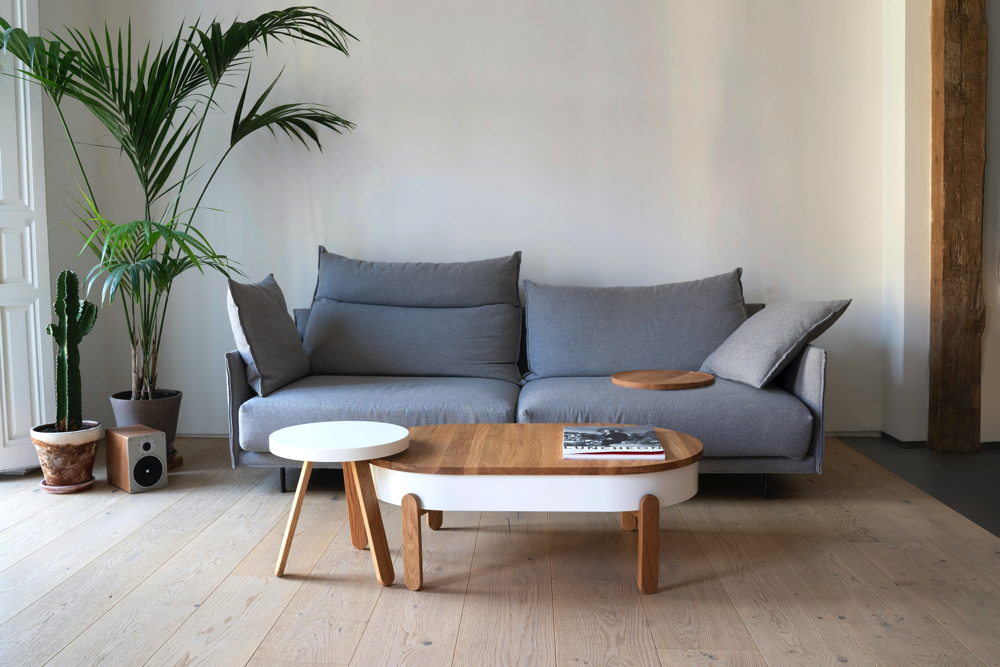
As the sofa will take up a substantial amount of space in your living room, you would be smart to find the perfect sofa before you choose a color scheme, wallpaper, or new furniture. After all, the seating you choose will determine the room’s style, comfort, and space.

If you want to create a flexible, cozy, and stylish interior design, don’t rule out a modular sofa. You can add, remove, or rotate its pieces to create a more versatile, social, and relaxed environment. Plus, a high-quality sofa can add a touch of luxury and sophistication to your living room.

Draw a Rough Layout

Create the living room of your dreams by drawing a rough layout of the space. It can help you identify where you can position your new furniture and accessories. Of course, you must include the correct measurements for each item, which will ensure you don’t add an oversized credenza or a tiny coffee table that doesn’t match a room’s size.

Lay Down an Area Rug

Once you have drafted a rough layout and picked the perfect sofa for your needs, you should browse different area rugs to complement the size of your living room. In addition to considering the design, choose a rug that’s big enough to sit furniture. Interior designers follow the rule of thumb that there is at least 0.25m of floor between a wall and an area rug’s edge.

Hang Beautiful Artwork

Bare walls can make a room appear incomplete and cold. Prove you have an eye for detail by hanging beautiful works of art onto your living room walls. Also, hang artwork that will tie your primary, secondary, and accent shades together, which will impress every guest who enters your living room.

Play with Textures

Develop a cozy, fashionable living room by adding a mix of plush and harder textures. For example, you could add soft throw pillows, metal sculptures, leather armchairs, wood ornaments, and glass vases. The items will contrast well together and add character and balance to your interior design. Don’t forget to play with scale, proportions, and patterns to create different textures, which will draw the eye to different corners of the room.

Choose Your Paint Last

Don’t follow in the footsteps of many homeowners by buying your paint first. Instead, choose your sofa, complementary furniture, and accessories before you make any décor decisions. It will ensure you pick a shade that works in harmony with your furnishings.

If your living room appears a little unloved and unstylish, the above top tips can help you create a space you are proud to call your own.

Follow @positive_mag on twitter for the last updates https://www.positive-magazine.com/how-to-give-your-living-room-a-makeover/?utm_source=rss&utm_medium=rss&utm_campaign=how-to-give-your-living-room-a-makeover


The advantages of buying a used car

Buying and selling cars has become big business in recent years. The global pandemic has created a demand for used cars due to the financial crisis as well as a reluctance to use public transport. Many people enjoy the freedom of owning their vehicle, but with vehicles being the second-highest priced asset consumers purchase, it isn’t surprising that buying a used car has taken precedence over the newest models. New cars depreciate fast and lose a lot of value in the first few years, so what deals can you get when comparing used cars?

  1. Car Cost

If you are after a bargain, then it’s well worth shopping around and comparing car dealers. Don’t be put off by venturing further afield as prices differ substantially between states, and you could bag a great deal if you don’t mind the distance. If you do decide to purchase a vehicle outside your place of residence, you will need to think about how to transport a car that was purchased out of state and how you want it to be moved. There are several options, such as enclosed or open auto transport. If you want to keep costs down, open transport is safe, efficient, and fast, so you will be whizzing about with your new wheels in no time.

  1. More choice

There are hundreds of used cars on the markets, and unless you want the latest model, there will be a lot more choices than brand new cars. Many additional features are available at a much lower cost as they are replaced but the latest innovations. If you are looking for a super reliable used car, choose a Japanese model. They are famous for building strong and reliable cars due to their superior production processes meaning they will last well if looked after and will be good options for road trips. 

  1. Cheaper insurance and running costs

When you purchase a new car, insurance can be high, especially if it’s a brand new model. The higher the value of the car, the more your insurance will be. If you are young, you could make a significant saving by buying used.

It’s a known fact that getting parts and the labor required to fix new cars are expensive. The more unique features a car has, the harder it is to source reasonably priced parts. When you buy used, the parts are automatically cheaper, making maintaining your car a requirement that doesn’t break the bank.

If you require a car that is fuel-efficient and used for short journeys, you can usually find the perfect fit with low emissions and small engines. Cars such as the Honda Jazz are low in insurance with small engines and low repair costs.

Buying Your Car: A Summary

Cars can be expensive, but buying a used one can help lower the cost. However, to ensure you get to enjoy all of the above benefits, you need to carry out thorough research before going ahead with the purchase. Make sure to understand the car’s full history and consider your best options. Ask for recommendations of models, and don’t be afraid to ask the seller for as many details as possible. 


Follow @positive_mag on twitter for the last updates https://www.positive-magazine.com/the-advantages-of-buying-a-used-car/?utm_source=rss&utm_medium=rss&utm_campaign=the-advantages-of-buying-a-used-car


Istanbul: A City of Strange and Curious Moments

Istanbul: “A City of Strange and Curious Moments”, striking in black and white with their restrained and brilliantly effective play of light and shade images and existential moments of the city are both a reflection of the human spirit and the spirit of Istanbul today.

Artists offer their heightened perception of a chosen subject and when depicted from many angles our appreciation of that subject can be deepened.

Amongst their other great works Monet painted the Cathedral of Rheims on different occasions with the changing light, Cezanne the mountains in Provence and in particular Mont Sainte-Victoire and Van Gogh the landscape in Arles.

The perception, the conceptual outlook and the feeling, ‘the inspiration’, behind and in the creating of that artwork along with how it is executed is what defines great art.

This inspired collection of photographs of Istanbul with its ‘strange and curious moments’ is for those who know and love this historic metropolis or for those who are not so fortunate and unfamiliar with it, this is Istanbul today.

The highly evocative frontis piece taken at the historic Golden Horn with the water and the figure as one and similarly in adjacent photograph the water and the people flow impressionistically together and beautifully illustrate the central role that the Bosphorus and The Sea of Marmara play in the life of the city.

This is the artery, its life-blood, its defining feature in which all inhabits and throughout its history partake in its life. It is also the divide between Europe and Asia.

But this is a divide constantly melting with the flow of boats, people and vehicles over its bridges. The early pages to the collection follow this theme capturing these ‘strange and curious moments’ that are characteristic of this constant interaction.

The boats, the people, the water and the sky provide a central stage through which the life of the city moves. All this is so perceptively caught on camera within the pages of this wonderful collection.

Istanbul is the meeting of Europe and Asia and contemporary Istanbul offers, as it has throughout its entire history, an extraordinary range of the human condition: race, ethnicity and religion; the very rich to the very poor; the palaces and mansions, the simple dwellings and the dilapidated buildings, the homeless, the old and the young.

This collection is not a focus on the familiar architectural treasures of Istanbul but Istanbul pulsing with life at times oddly and with such variety.

It is an inspirational work of passion and as always in his work there is the loving appreciation of life, all life, human or other, birds, dogs and cats; life in all its many forms played out not only in the context of the familiar beautifies of the city but also within those other parts both contemporary and of another time: the force of life and the passage of life.

This is the story of Istanbul today.

Words by David Cregeen MA. M. Phil (Edinburgh) Sculptor

About the author of the book:

Timurtas Onan was born and brought up in Istanbul, becoming involved in photography in the 1980’s. During this period, he took part in, organized and attended many photographic events with exhibitions of his work both at home in Turkey and abroad. He is involved in international photographic projects, created documentary films on socially relevant issues and he is particularly well known for his distinctive projects on Istanbul. His work as an artist can be seen in many public and private collections in Turkey and abroad. He is currently holding photographic workshops, curating various exhibitions and working on new photographic projects.

İnstagram: www.instagram.com/timurtasonan


Follow @positive_mag on twitter for the last updates https://www.positive-magazine.com/istanbul-a-city-of-strange-and-curious-moments/?utm_source=rss&utm_medium=rss&utm_campaign=istanbul-a-city-of-strange-and-curious-moments


The soldiers of the Colombian National Army.

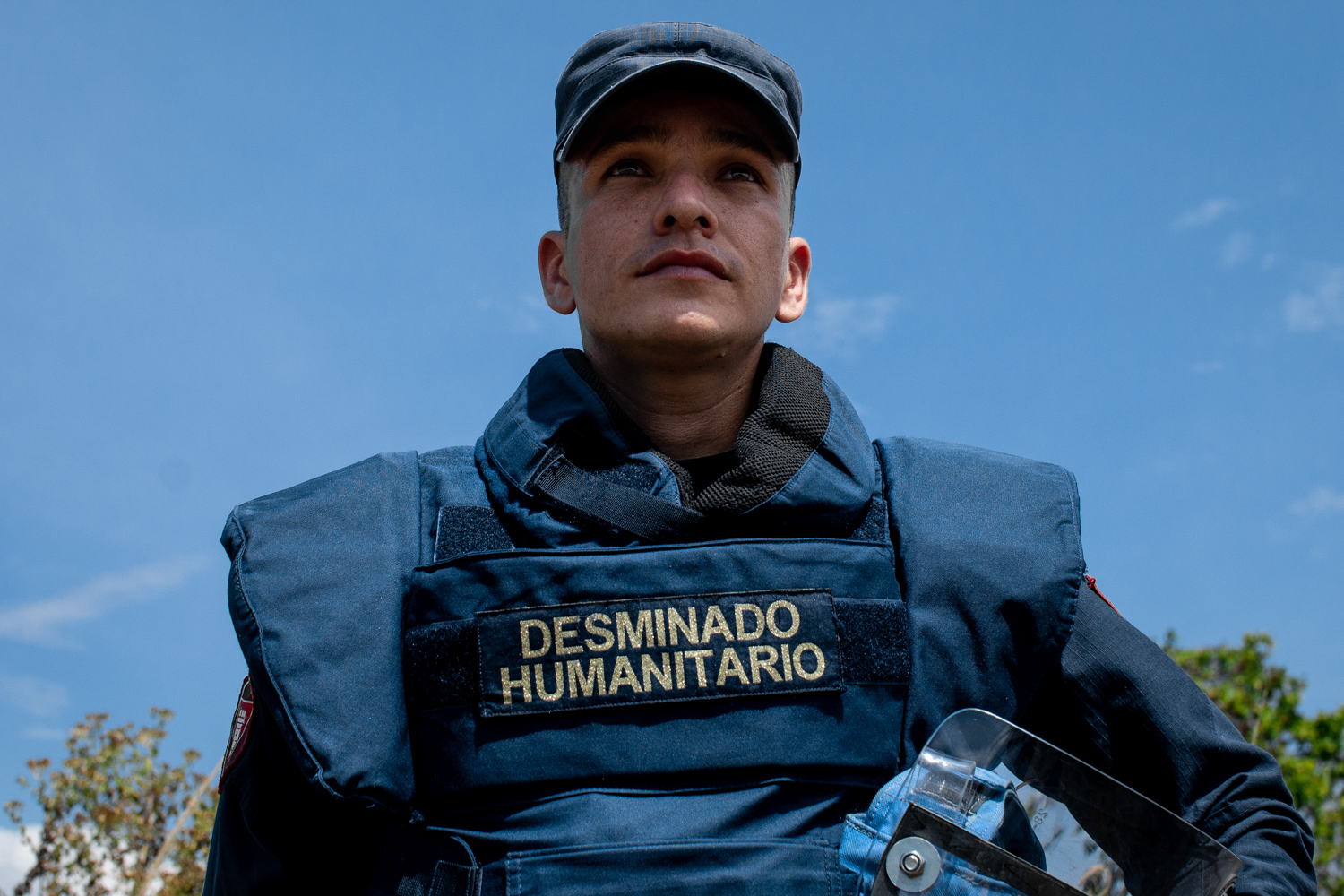
Colombia is one of the countries with the highest number of antipersonnel mines in the world. According to the report prepared in April 2020 by the International Committee of the Red Cross, it is identified that at least 118 people were victims of antipersonnel mines (MAP) and other explosive devices in Colombia during the first quarter of the year.

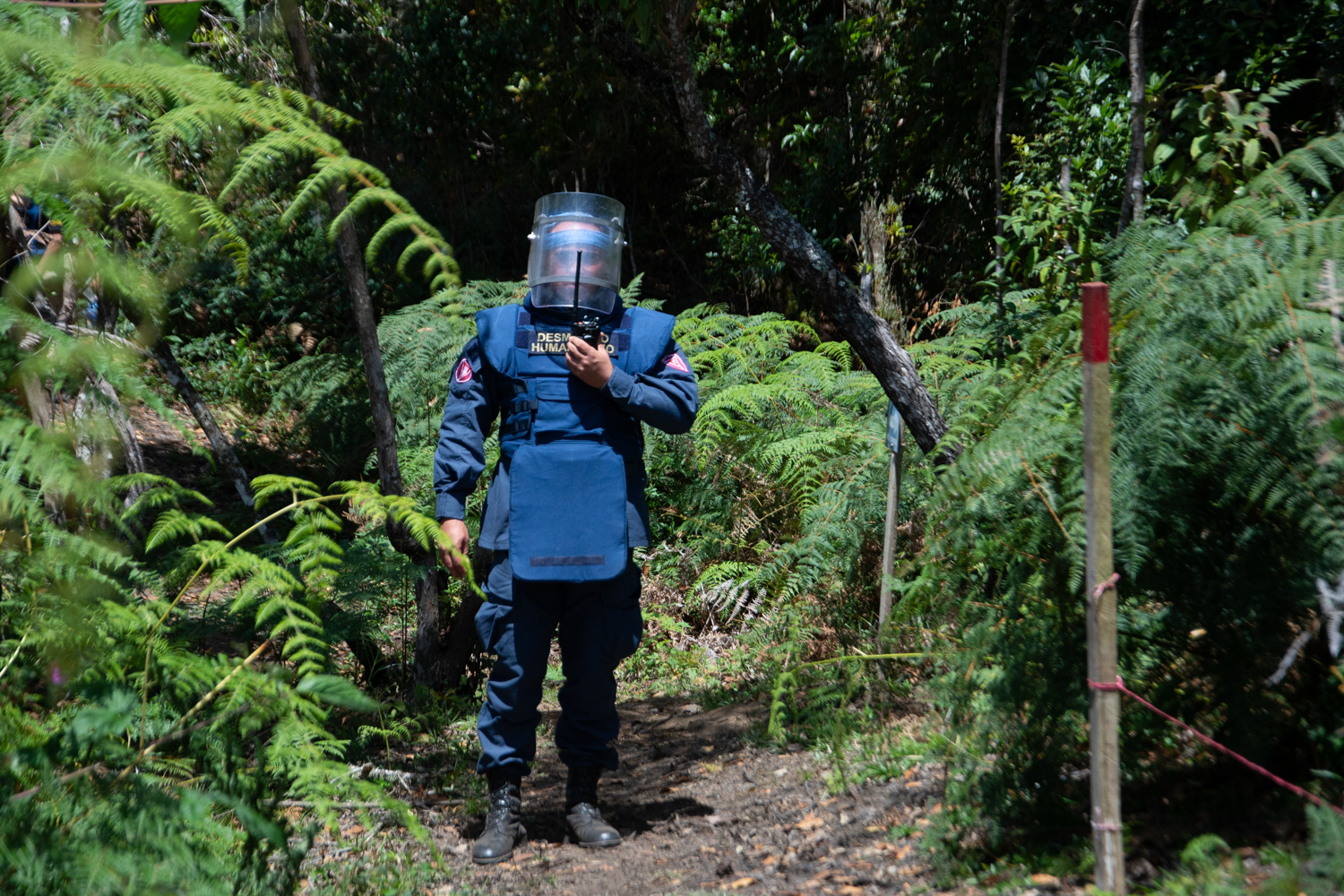
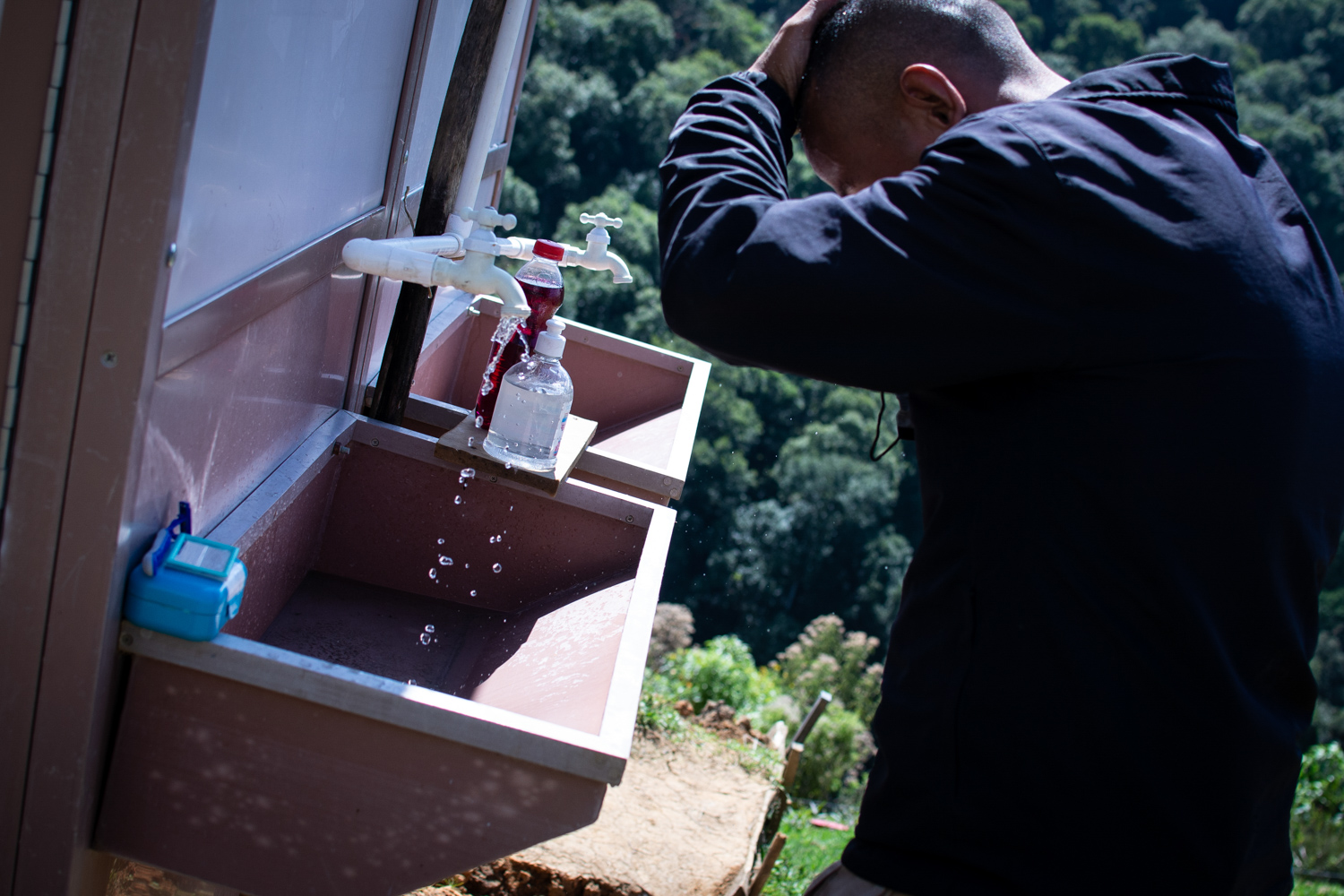
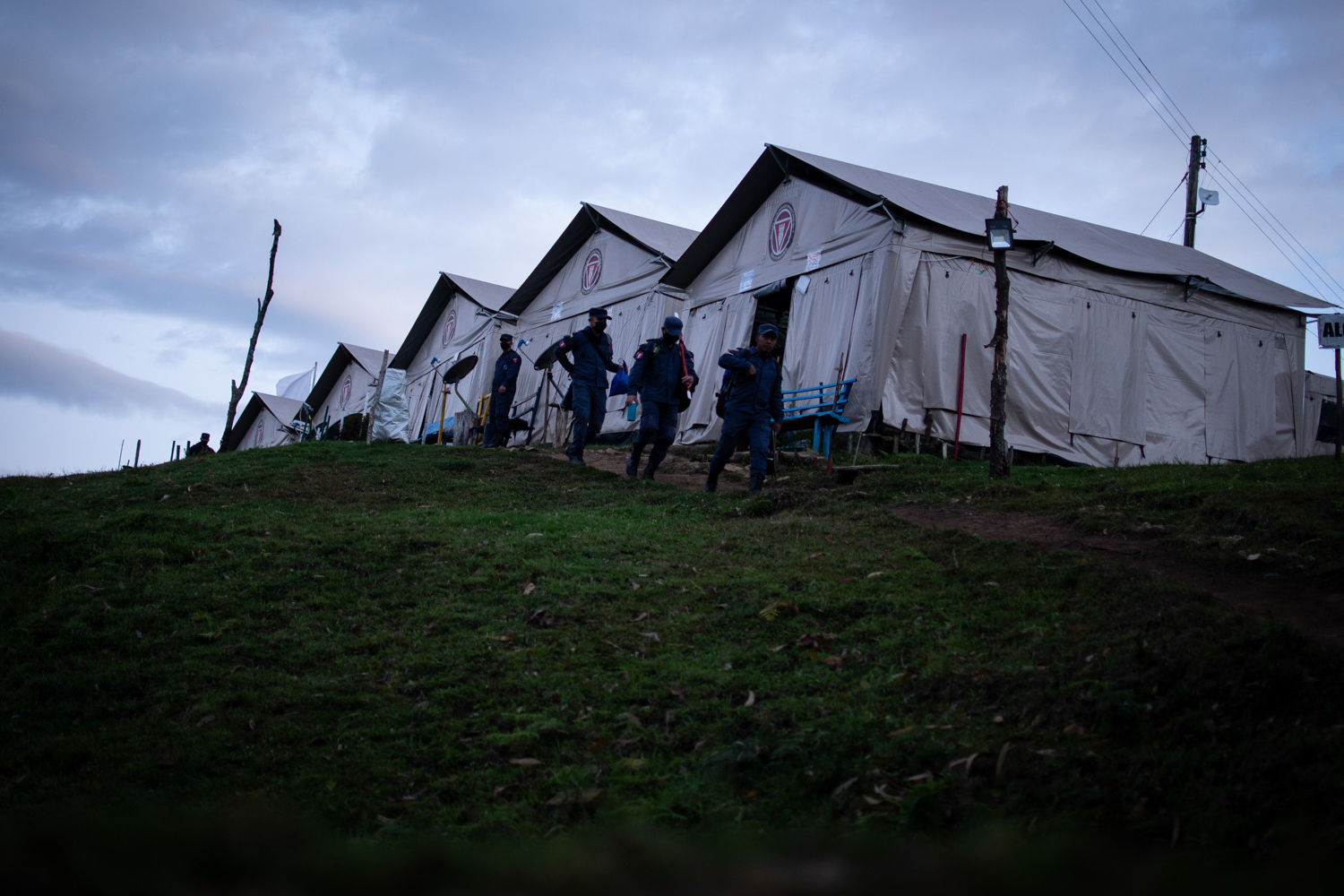
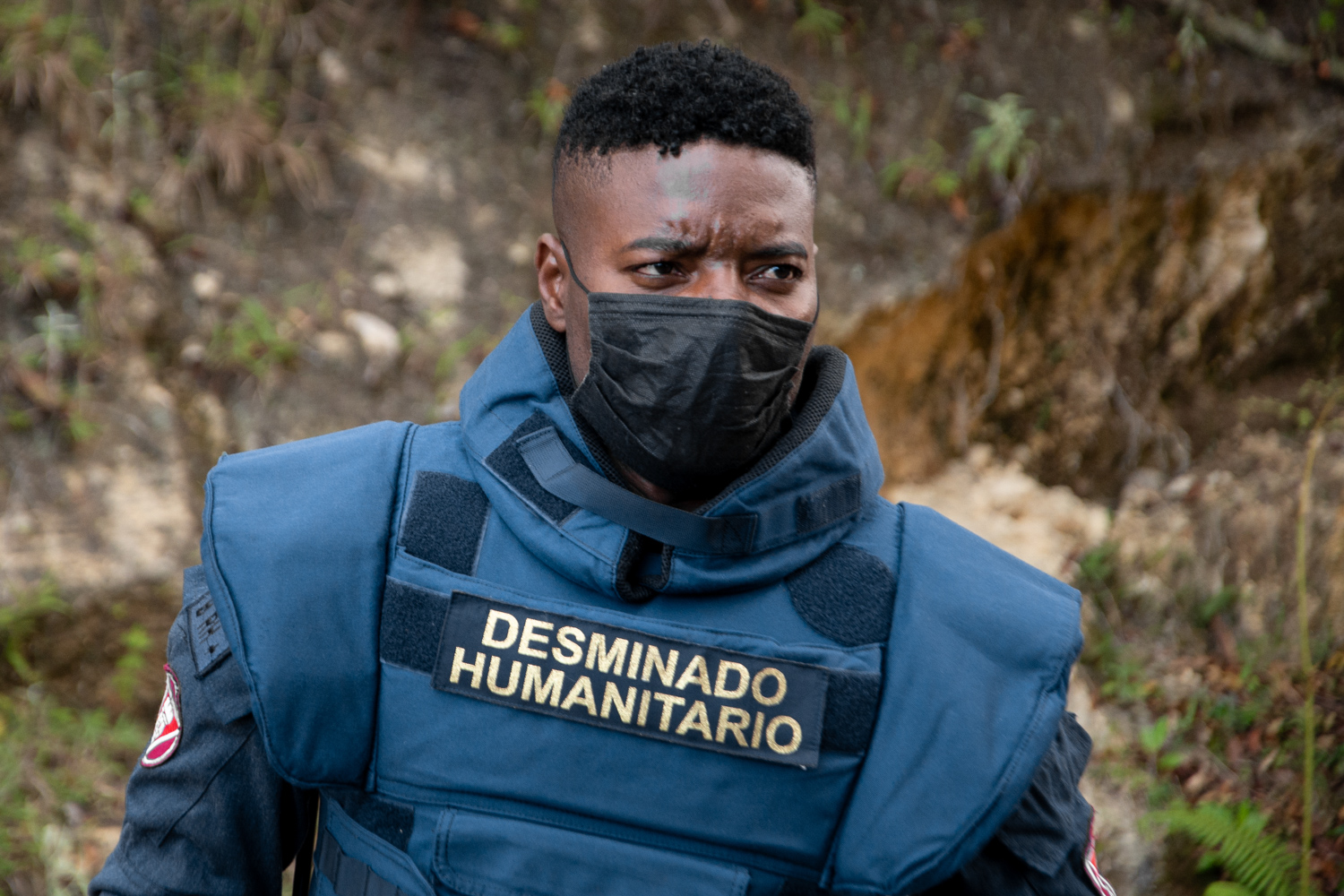
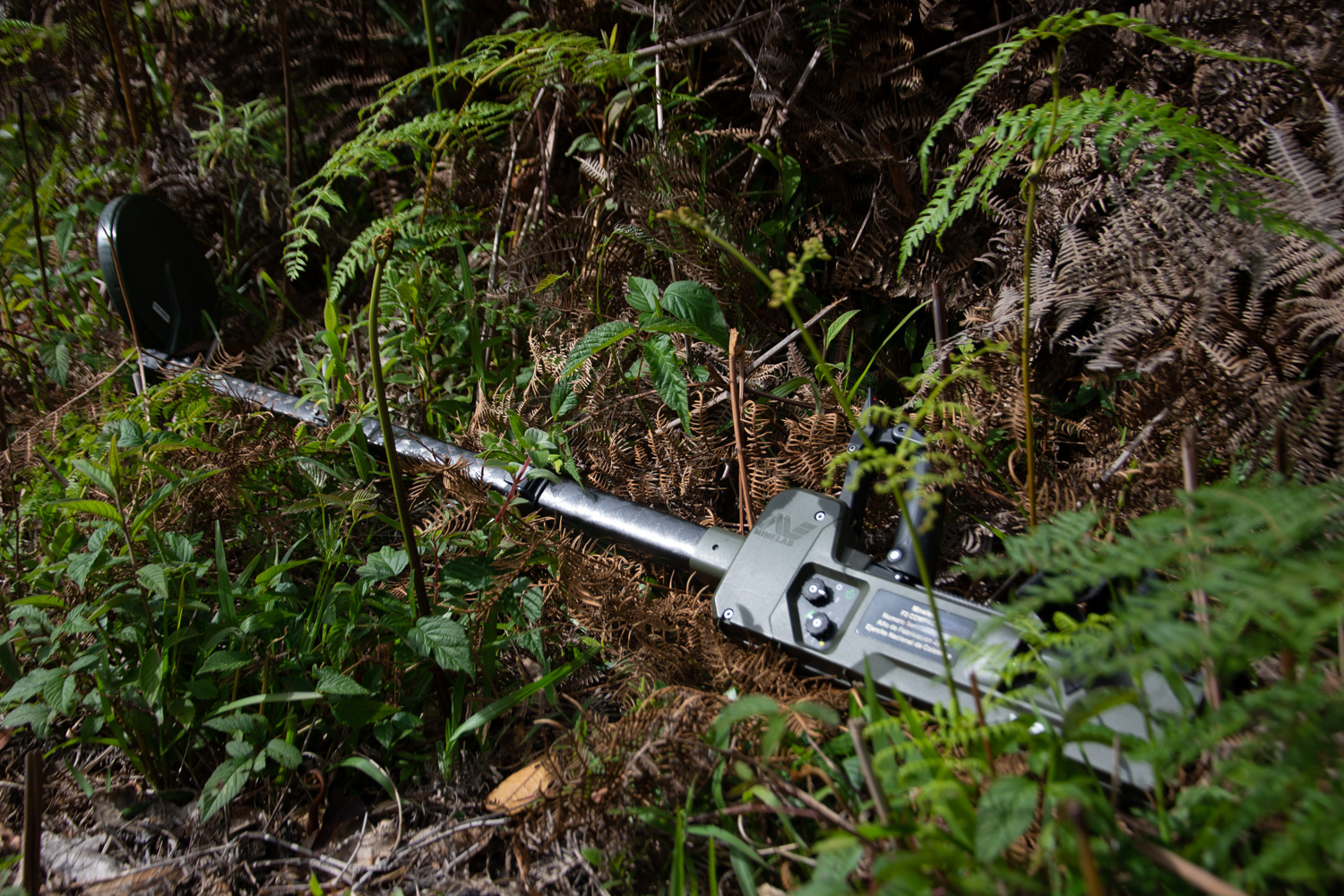
HUILA, COLOMBIA-FEBRUARY 8, 2021. A man belonging to the humanitarian demining group, carries out detection and signaling of exploitive devices. The Río Blanco village, belonging to the municipality of Baraya, in the department of Huila, was a strategic corridor of mobility of armed groups before the signing of the Peace Agreement in 2016, and it is in this place where the Battalion of Engineers of Humanitarian Demining No. 5 has deployed a group of its best men to carry out work in the area of ​​greatest danger confirmed area in terms of land area, with 140,000 m2 (square meter), where eleven explosive devices have been neutralized since 2017 to date. In Huila, Colombia, by Vannessa Jiménez G

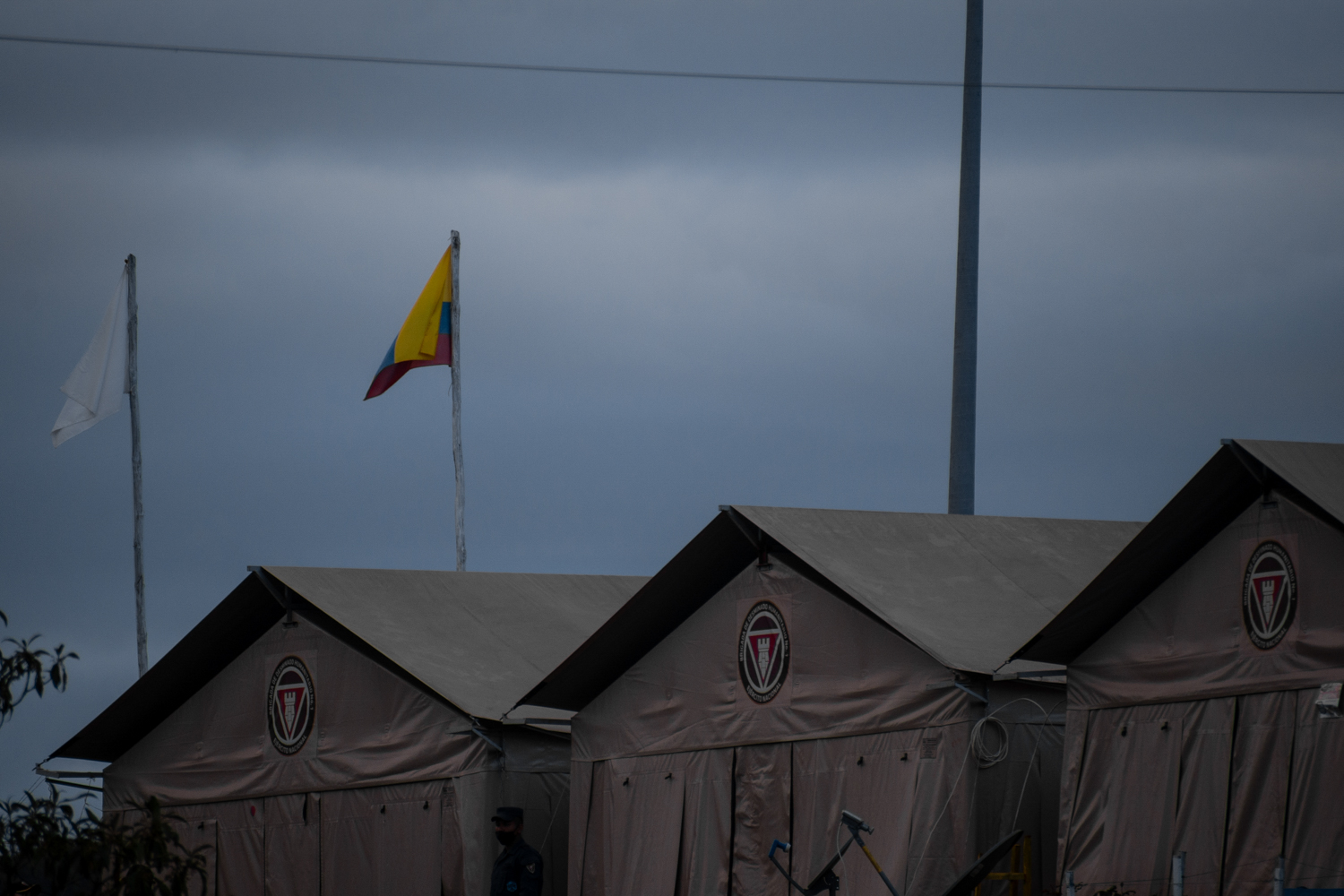
One of the entities in charge of carrying out Humanitarian Demining in Colombia is the Brigade of Humanitarian Demining Engineers of the National Army, which has carried out this work in the country since 2005, when the demining process began thanks to the Ottawa Convention. As of 2007, they began to carry out Humanitarian Demining work in communities affected by MAP in different areas of the national territory.

HUILA, COLOMBIA-FEBRUARY 8, 2021. A man belonging to the humanitarian demining group, carries out detection and signaling of exploitive devices. The Río Blanco village, belonging to the municipality of Baraya, in the department of Huila, was a strategic corridor of mobility of armed groups before the signing of the Peace Agreement in 2016, and it is in this place where the Battalion of Engineers of Humanitarian Demining No. 5 has deployed a group of its best men to carry out work in the area of ​​greatest danger confirmed area in terms of land area, with 140,000 m2 (square meter), where eleven explosive devices have been neutralized since 2017 to date. In Huila, Colombia, by Vannessa Jiménez G
HUILA, COLOMBIA-FEBRUARY 8, 2021. The Detector is important in the Humanitarian Demining tools in the manual mode. The Río Blanco village, belonging to the municipality of Baraya, in the department of Huila, was a strategic corridor for the mobility of armed groups before the signing of the Peace Agreement in 2016, and it is in this place where the Battalion of Engineers of Demining Humanitarian No. 5 has deployed a group of his best men to carry out work in the area of ​​greatest confirmed danger in the area in terms of territorial area, with 140,000 m2 (square meter), where eleven explosive devices have been neutralized since then . 2017 to date. In Tolemaida, Colombia, by Vannessa Jiménez G

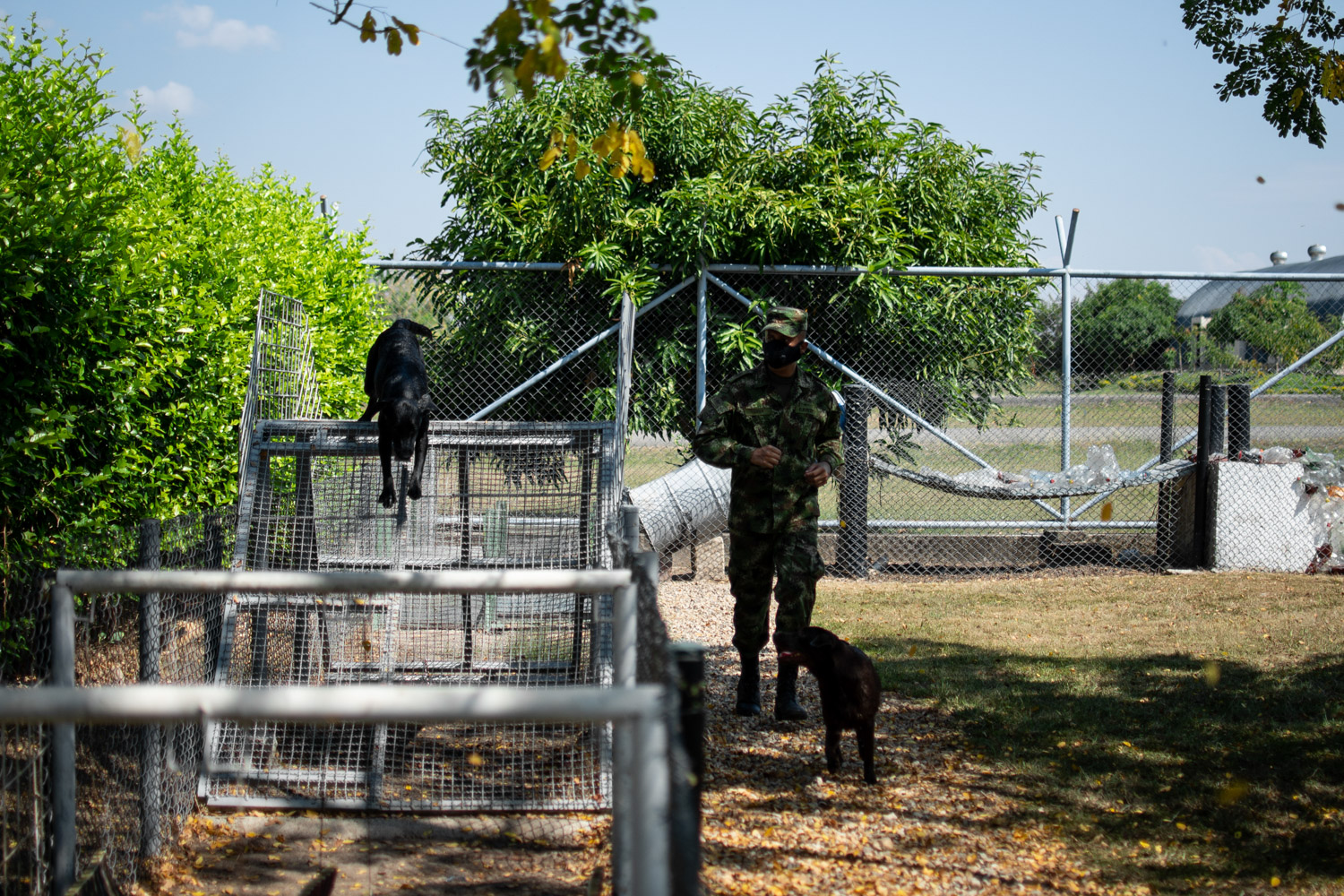
Colombia has the Tolemaida Military Fort, located in the department of Cundinamarca where the National Army trains hundreds of men who receive classes, physical training, and instructions in the management of manual, mechanical and canine demining.

HUILA, COLOMBIA-FEBRUARY 8, 2021. A man belonging to the humanitarian demining group, carries out detection and signaling of exploitive devices. The Río Blanco village, belonging to the municipality of Baraya, in the department of Huila, was a strategic corridor of mobility of armed groups before the signing of the Peace Agreement in 2016, and it is in this place where the Battalion of Engineers of Humanitarian Demining No. 5 has deployed a group of its best men to carry out work in the area of ​​greatest danger confirmed area in terms of land area, with 140,000 m2 (square meter), where eleven explosive devices have been neutralized since 2017 to date. In Huila, Colombia, by Vannessa Jiménez G

The Río Blanco village, belonging to the municipality of Baraya, in the department of Huila, was a strategic corridor for the mobility of armed groups before the signing of the Peace Agreement in 2016, and it is in this place where the Battalion of Engineers of Humanitarian Demining No. 5 has deployed a group of its best men to carry out work in the largest confirmed dangerous area in terms of land area, with 140,000 square meters, where eleven explosive devices have been neutralized since 2017 to date.

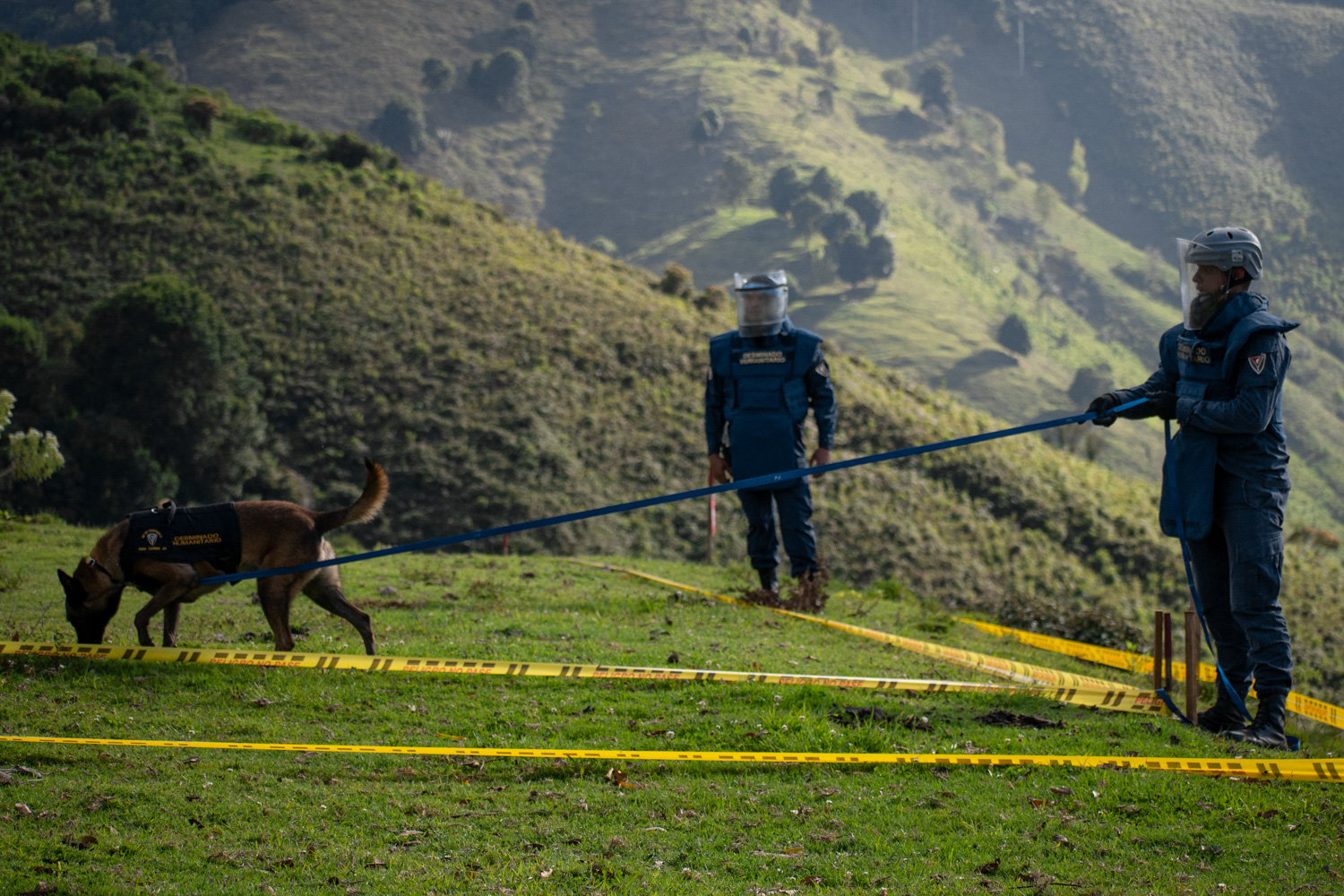
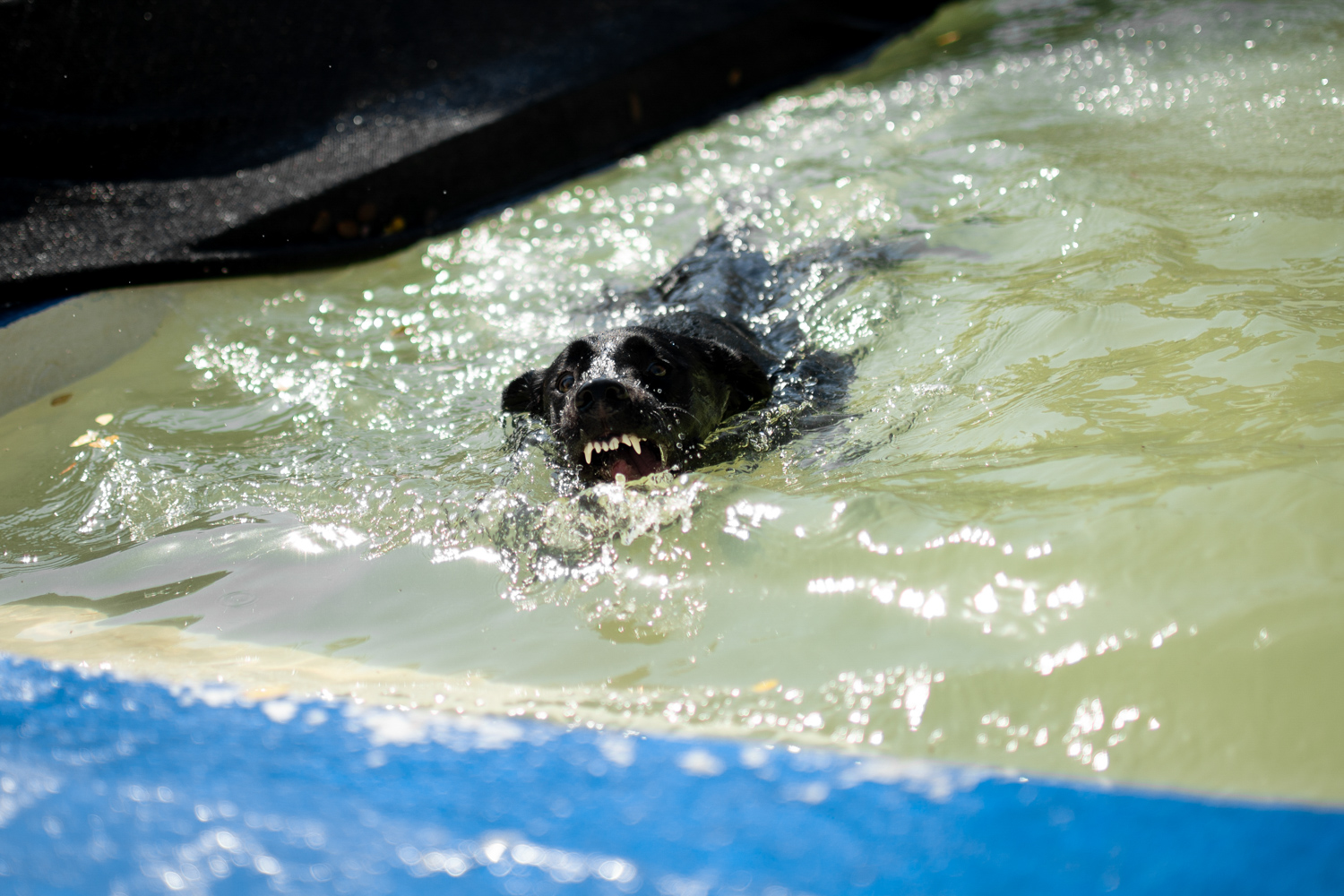
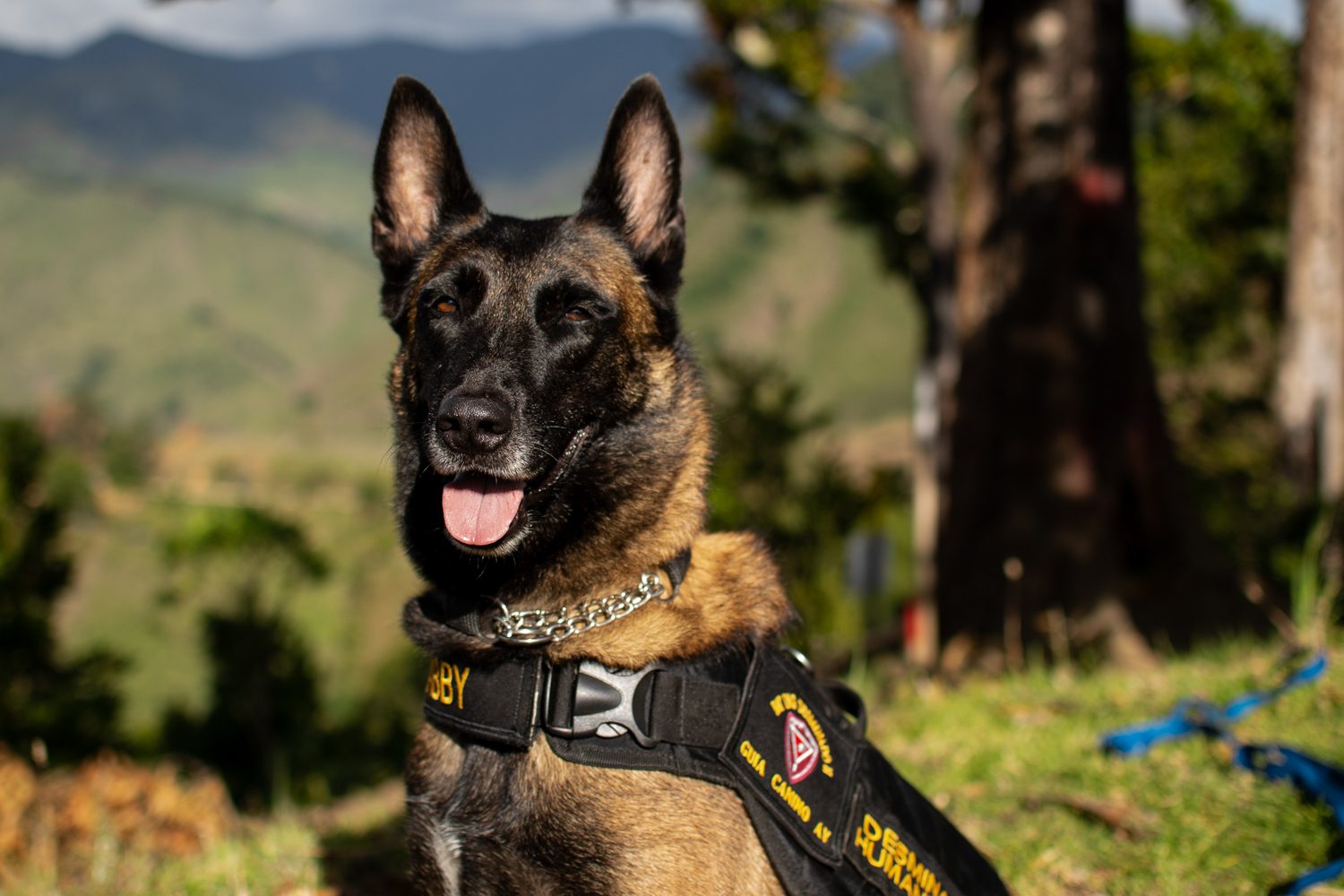
TOLEMAIDA, COLOMBIA – FEBRUARY 03, 2021, A soldier member of the Canine Reproduction and Training Center in the military fort of Tolemaida, carries out a training day for a Labrador dog that is submerged in a pond to develop, among others, its skills hunting, prey and collection. These specimens are between four and twelve months old. The Labradors and Belgian Malinois canines are part, together with a soldier who has previously been physically and psychologically evaluated, of a canine-binomial, who carry out work in the canine demining technique. In Tolemaida, Colombia, by Vannessa Jiménez G
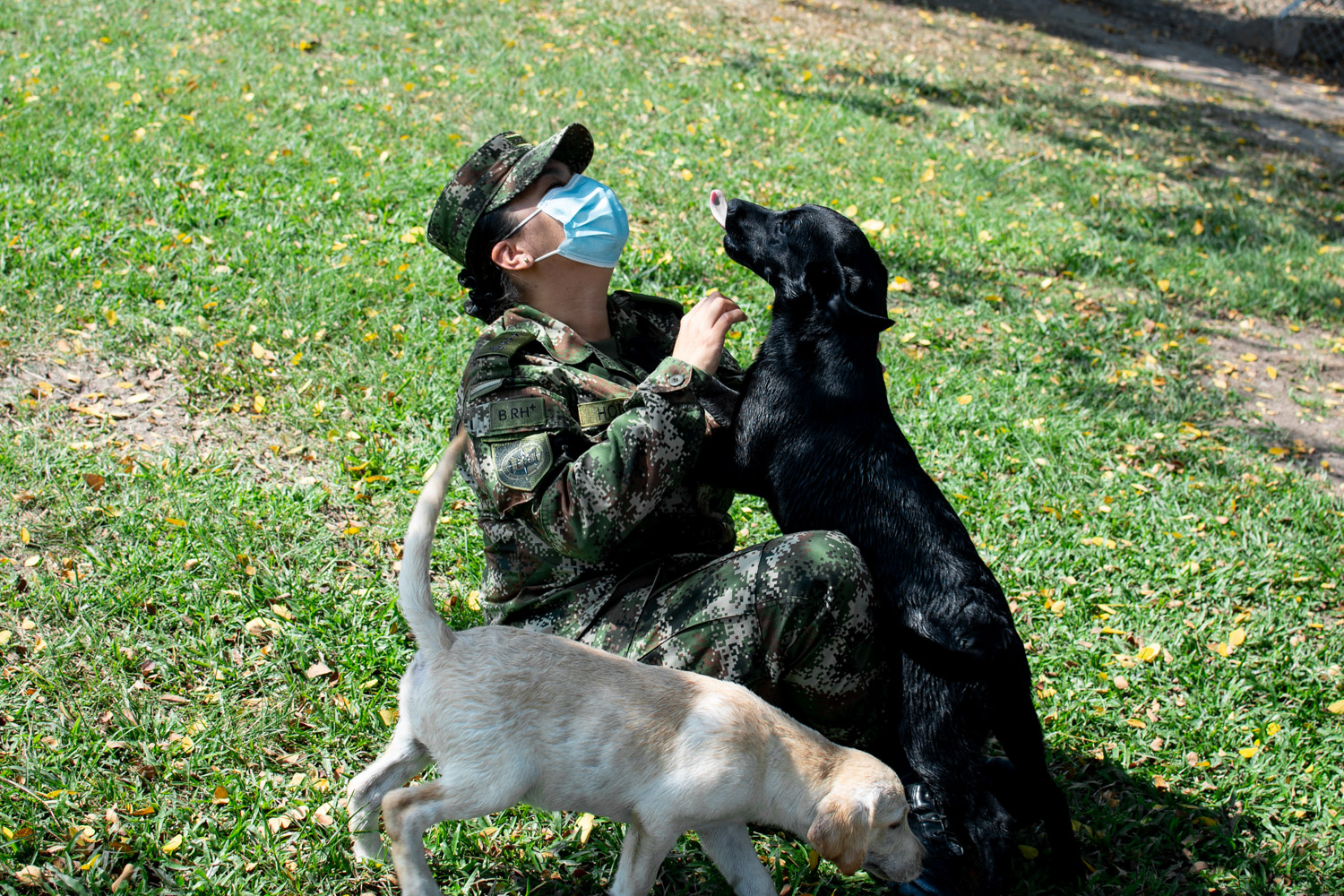
TOLEMAIDA, COLOMBIA-FEBRUARY 8, 2021, La Capitan Medico Veterinaria Horta at the Canine Reproduction and Training Center in the military fort of Tolemaida, accompanies the training of canines between four and twelve months , in the Humanitarian Demining exercise. The Río Blanco village, belonging to the municipality of Baraya, in the department of Huila, was a strategic corridor for the mobility of armed groups before the signing of the Peace Agreement in 2016, and it is in this place where the Battalion of Engineers of Humanitarian Demining No. 5 has deployed a group of its best men to carry out work in the area of ​​greatest confirmed danger in the area in terms of territorial area, with 140,000 m2 (square meter), where eleven explosive devices have been neutralized. . 2017 to date. In Tolemaida, Colombia, by Vannessa Jiménez G
TOLEMAIDA, COLOMBIA – FEBRUARY 03, 2021, A soldier member of the Canine Reproduction and Training Center in the military fort of Tolemaida, carries out a training day for a Labrador dog that is submerged in a pond to develop, among others, its skills hunting, prey and collection. These specimens are between four and twelve months old. The Labradors and Belgian Malinois canines are part, together with a soldier who has previously been physically and psychologically evaluated, of a canine-binomial, who carry out work in the canine demining technique. In Tolemaida, Colombia, by Vannessa Jiménez G

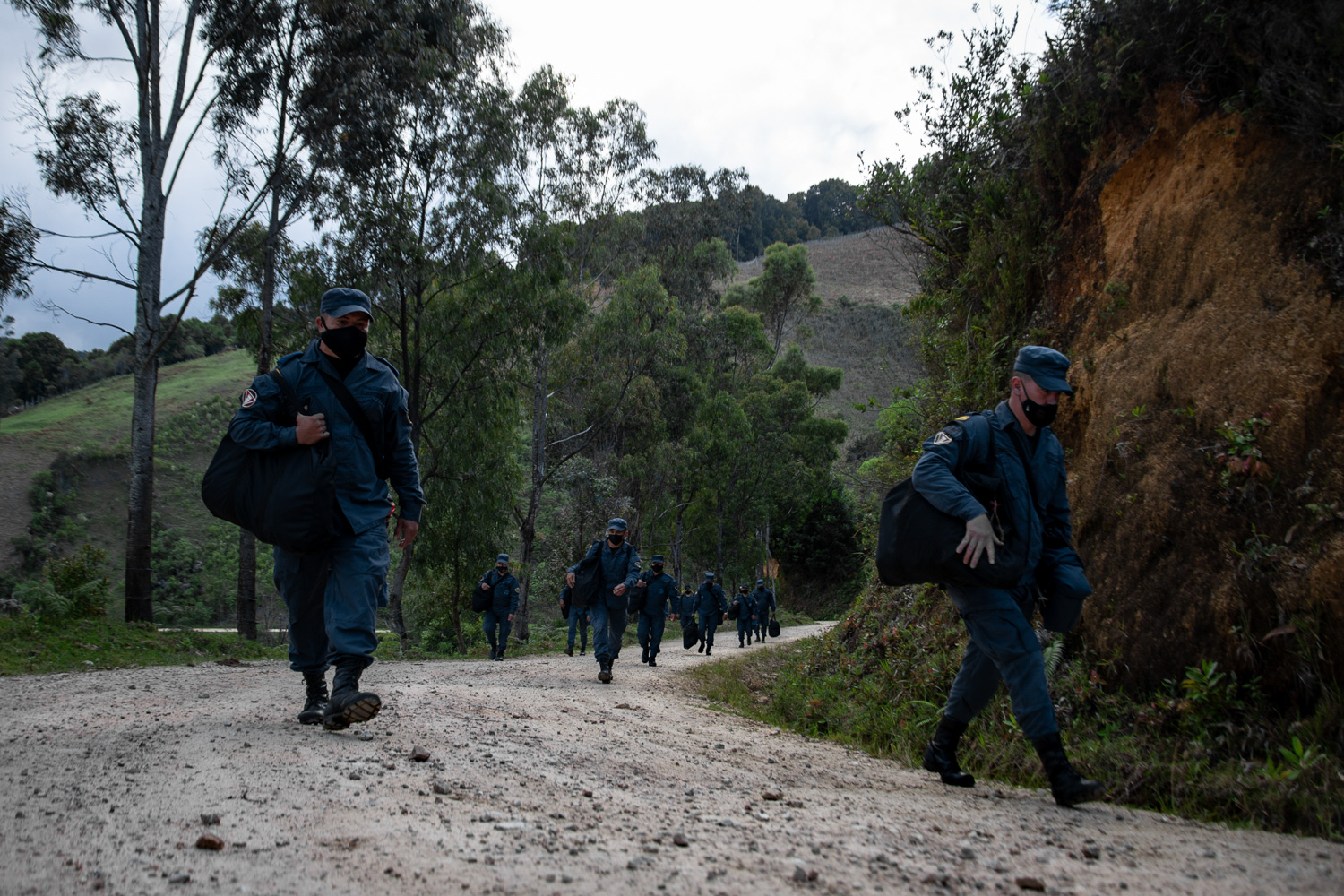
These soldiers work every day to be able to return to the peasants the lands that one day was taken from them or that they had to leave for fear of being victims of a war that they hope to end soon.

TOLEMAIDA, COLOMBIA-FEBRUARY 8, 2021. A group of men is trained in the Military Fort of Tolemaida, in the work for Humanitarian Demining. The Río Blanco village, belonging to the municipality of Baraya, in the department of Huila, was a strategic corridor for the mobility of armed groups before the signing of the Peace Agreement in 2016, and it is in this place where the Battalion of Engineers of Humanitarian Demining No. 5 has deployed a group of its best men to carry out work in the area of ​​greatest confirmed danger in the area in terms of land area, with 140,000 m2 (square meter), where eleven explosive devices have been neutralized from 2017 to date. In Tolemaida, Colombia, by Vannessa Jiménez G
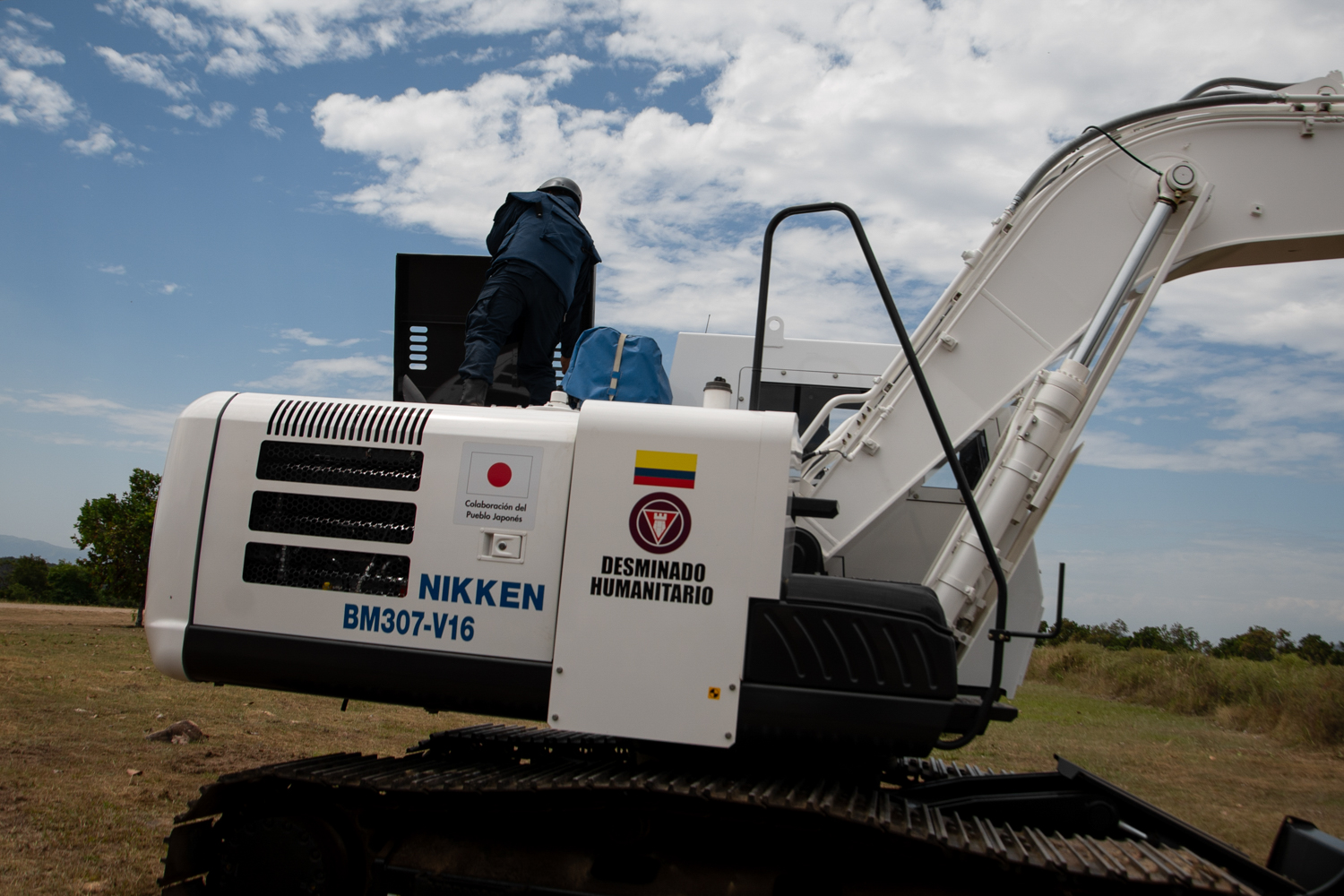
TOLEMAIDA, COLOMBIA – February 3, 2021, A land machine created to find mines, is manned by a soldier highly trained in humanitarian demining in the technique of mechanical demining at the Tolemaida Military Fort. In Cundinamarca, Colombia, by Vannessa Jiménez G.
HUILA, COLOMBIA-FEBRUARY 8, 2021. The Río Blanco village, belonging to the municipality of Baraya, in the department of Huila, was a strategic corridor of mobility of armed groups before the signing of the Peace Agreement in 2016, and it is in this place where the Battalion of Engineers of Humanitarian Demining No. 5 has deployed a group of its best men to carry out work in the area of ​​greatest danger confirmed area in terms of land area, with 140,000 m2 (square meter), where eleven explosive devices have been neutralized since 2017 to date. In Tolemaida, Colombia, by Vannessa Jiménez G
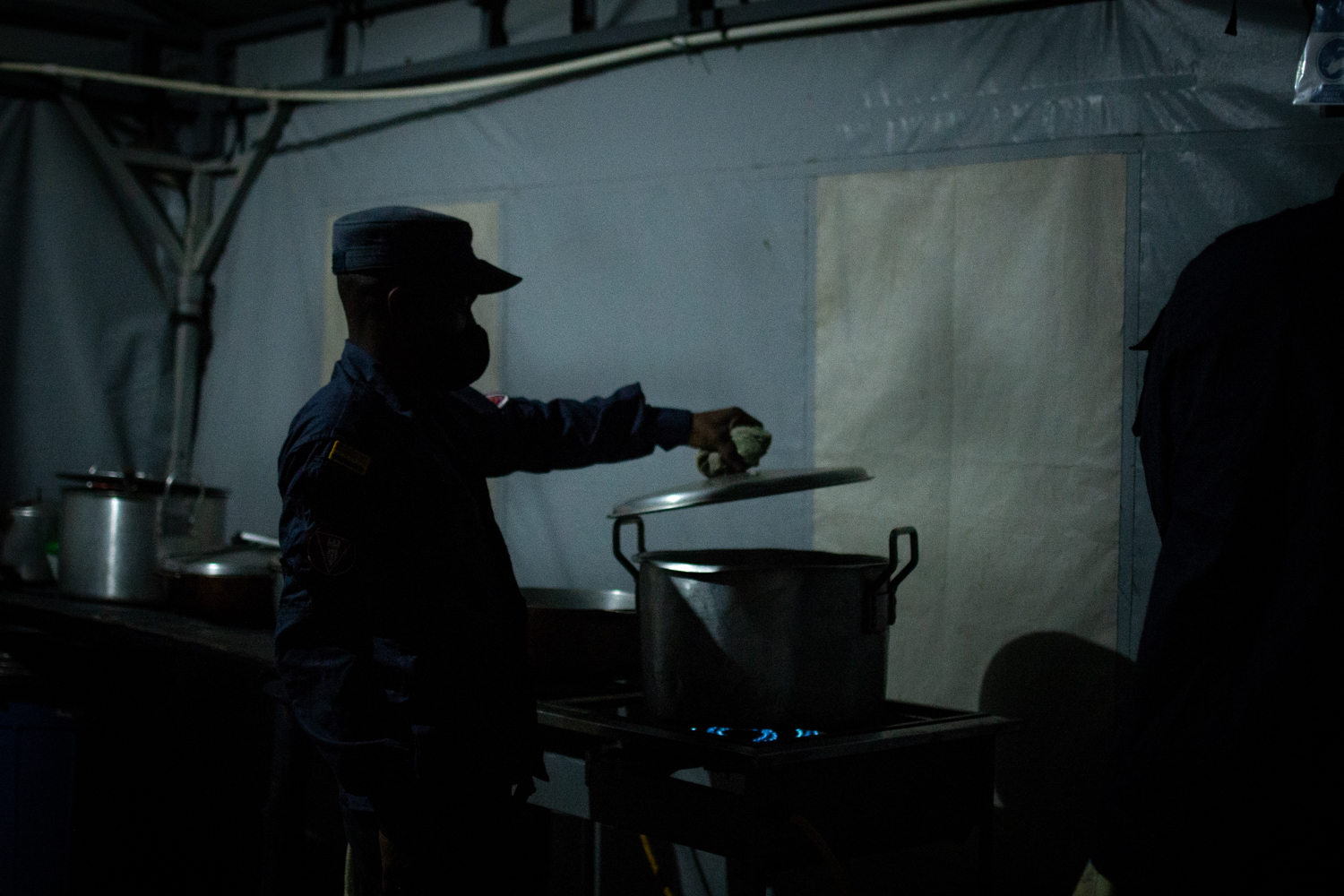
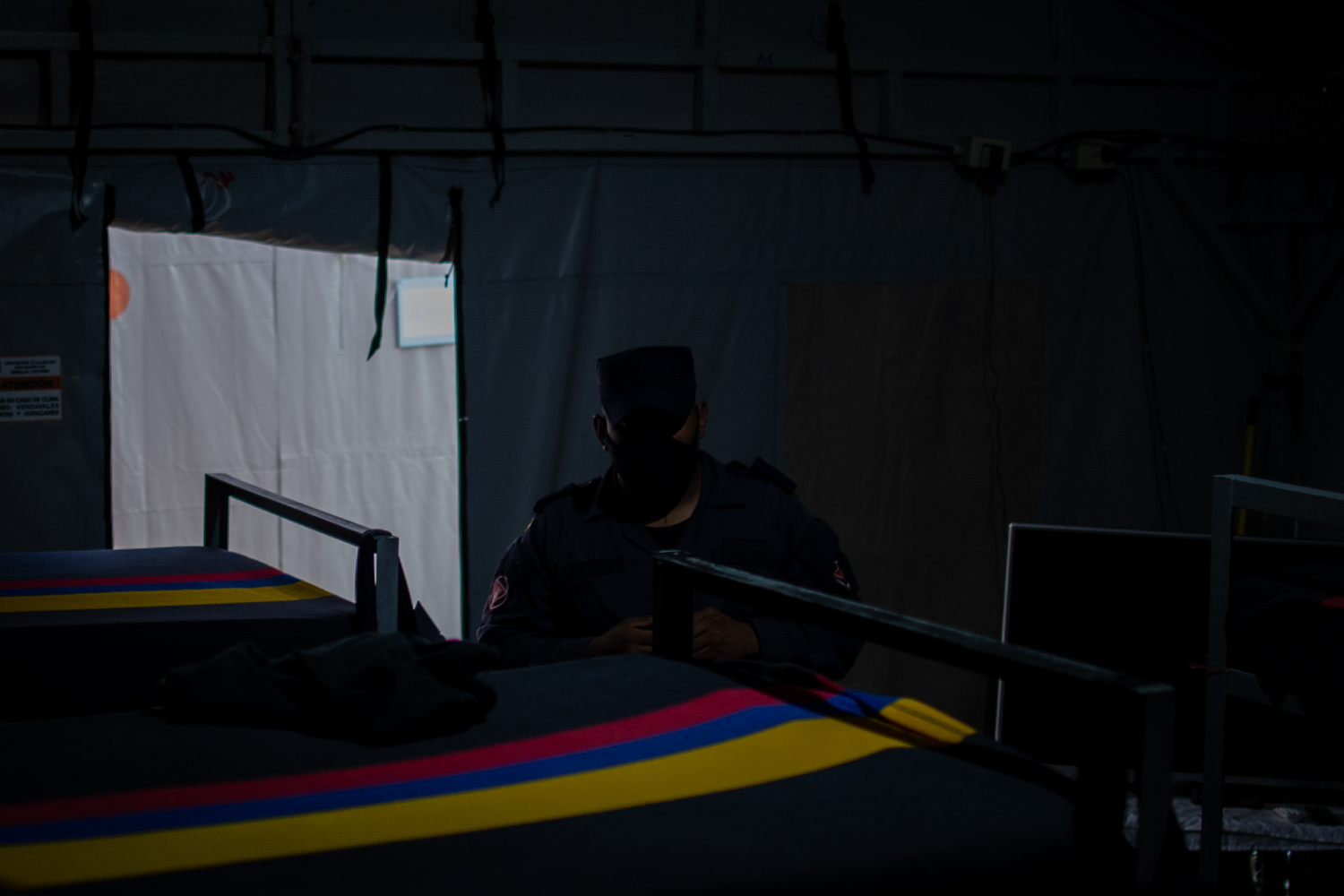
TOLEMAIDA, COLOMBIA – February 8, 2021, A group of soldiers receives night training at the Tolemaida Military Fort. In Cundinamarca, Colombia, by Vannessa Jiménez
HUILA, COLOMBIA-FEBRUARY 8, 2021. The Río Blanco village, belonging to the municipality of Baraya, in the department of Huila, was a strategic corridor of mobility of armed groups before the signing of the Peace Agreement in 2016, and it is in this place where the Battalion of Engineers of Humanitarian Demining No. 5 has deployed a group of its best men to carry out work in the area of ​​greatest danger confirmed area in terms of land area, with 140,000 m2 (square meter), where eleven explosive devices have been neutralized since 2017 to date. In Huila, Colombia, by Vannessa Jiménez G
HUILA, COLOMBIA-FEBRUARY 8, 2021.The Río Blanco village, belonging to the municipality of Baraya, in the department of Huila, was a strategic corridor of mobility of armed groups before the signing of the Peace Agreement in 2016, and it is in this place where the Battalion of Engineers of Humanitarian Demining No. 5 has deployed a group of its best men to carry out work in the area of ​​greatest danger confirmed area in terms of land area, with 140,000 m2 (square meter), where eleven explosive devices have been neutralized since 2017 to date. In Huila, Colombia, by Vannessa Jiménez G
HUILA, COLOMBIA-FEBRUARY 8, 2021. The Río Blanco village, belonging to the municipality of Baraya, in the department of Huila, was a strategic corridor of mobility of armed groups before the signing of the Peace Agreement in 2016, and it is in this place where the Battalion of Engineers of Humanitarian Demining No. 5 has deployed a group of its best men to carry out work in the area of ​​greatest danger confirmed area in terms of land area, with 140,000 m2 (square meter), where eleven explosive devices have been neutralized since 2017 to date. In Huila, Colombia, by Vannessa Jiménez G
HUILA, COLOMBIA-FEBRUARY 8, 2021 Lieutenant Guido is the only woman in the middle of this Humanitarian Demining Battalion. The Río Blanco village, belonging to the municipality of Baraya, in the department of Huila, was a strategic corridor for the mobility of armed groups before the signing of the Peace Agreement in 2016, and it is in this place where the Battalion of Engineers of Humanitarian Demining No. 5 has deployed a group of its best men to carry out work in the area of ​​greatest confirmed danger in the area in terms of territorial area, with 140,000 m2 (square meter), where eleven explosive devices have been neutralized 2017 to date. In Huila, Colombia, by Vannessa Jiménez G
HUILA, COLOMBIA-FEBRUARY 8, 2021. The first aid stretcher is essential in the team of the nurse who assists each demining mission. The Río Blanco village, belonging to the municipality of Baraya, in the department of Huila, was a strategic corridor for the mobility of armed groups before the signing of the Peace Agreement in 2016, and it is in this place where the Humanitarian Demining Engineers Battalion N.5 has deployed a group of his best men to carry out work in the area of ​​greatest confirmed danger in the area in terms of land area, with 140,000 m2 (square meter), where eleven explosive devices have been neutralized since 2017 To the date. In Huila, Colombia, by Vannessa Jiménez G
HUILA, COLOMBIA-FEBRUARY 8, 2021. A man belonging to the humanitarian demining group, carries out detection and signaling of exploitive devices. The Río Blanco village, belonging to the municipality of Baraya, in the department of Huila, was a strategic corridor of mobility of armed groups before the signing of the Peace Agreement in 2016, and it is in this place where the Battalion of Engineers of Humanitarian Demining No. 5 has deployed a group of its best men to carry out work in the area of ​​greatest danger confirmed area in terms of land area, with 140,000 m2 (square meter), where eleven explosive devices have been neutralized since 2017 to date. In Huila, Colombia, by Vannessa Jiménez G
HUILA, COLOMBIA-FEBRUARY 8, 2021 A Belgian Malinois is trained and is part of the canine team for Humanitarian Demining. The Río Blanco village, belonging to the municipality of Baraya, in the department of Huila, was a strategic corridor for the mobility of armed groups before the signing of the Peace Agreement in 2016, and it is in this place where the Battalion of Engineers of Humanitarian Demining No. 5 has deployed a group of its best men to carry out work in the area of ​​greatest confirmed danger in the area in terms of territorial area, with 140,000 m2 (square meter), where eleven explosive devices have been neutralized. . 2017 to date. In Huila, Colombia, by Vannessa Jiménez G
HUILA, COLOMBIA-FEBRUARY 8, 2021 Lieutenant Guido is the only woman in the middle of this Humanitarian Demining Battalion. The Río Blanco village, belonging to the municipality of Baraya, in the department of Huila, was a strategic corridor for the mobility of armed groups before the signing of the Peace Agreement in 2016, and it is in this place where the Battalion of Engineers of Humanitarian Demining No. 5 has deployed a group of its best men to carry out work in the area of ​​greatest confirmed danger in the area in terms of territorial area, with 140,000 m2 (square meter), where eleven explosive devices have been neutralized 2017 to date. In Huila, Colombia, by Vannessa Jiménez G
HUILA, COLOMBIA-FEBRUARY 8, 2021. The Río Blanco village, belonging to the municipality of Baraya, in the department of Huila, was a strategic corridor of mobility of armed groups before the signing of the Peace Agreement in 2016, and it is in this place where the Battalion of Engineers of Humanitarian Demining No. 5 has deployed a group of its best men to carry out work in the area of ​​greatest danger confirmed area in terms of land area, with 140,000 m2 (square meter), where eleven explosive devices have been neutralized since 2017 to date. In Huila, Colombia, by Vannessa Jiménez G

Vannessa Jiménez is a Colombian photojournalist and documentary photographer, she studied photojournalism at the Association of Graphic Journalists of Argentina where she became involved with the feminist movement and its militancy, upon returning to her country of origin she continues to develop personal documentary projects with a gender focus, while her Working as a photojournalist allows him to represent the struggles and social and political manifestations of Colombia.

Follow @positive_mag on twitter for the last updates https://www.positive-magazine.com/soldiers-colombia-national-army/?utm_source=rss&utm_medium=rss&utm_campaign=soldiers-colombia-national-army


Portrait of a boy by Serafino Giacone

Photography by Serafino Giacone


Follow @positive_mag on twitter for the last updates https://www.positive-magazine.com/serafino-giacone/?utm_source=rss&utm_medium=rss&utm_campaign=serafino-giacone


Bad Trips and Broken Promises

I made a bunch of promises and thought I would be able to keep them, but my vices are the ones keeping me sane, safe. If I quit, I’m not myself. At night I scavenge. With my camera at hand, I have no feelings. I know no boundaries. I’m an addict, a convict to my process.

The photos are not the end, they are the means. I don’t do it to please, neither to bother. I photograph to feel the rush even though depression is likely the outcome.

I come across too much shit, but I can’t not see it. I’m not seeking to represent anyone. I click because I cannot do otherwise. Always trying to develop a voice to interact with the world I see around me. It is not pretty.

Noisy, grainy, edgy. As Louis Aragon once wrote, “when it’s time to close the book, I’ll have no regrets. I’ve seen so many people live so badly, and so many die so well.”

Thiago Dezan is a photographer and filmmaker from Brazil who lives in Washington DC. His work has been published by The Washington Post, The New York Times and The Intercept.

Follow @positive_mag on twitter for the last updates https://www.positive-magazine.com/bad-trips-and-broken-promises/?utm_source=rss&utm_medium=rss&utm_campaign=bad-trips-and-broken-promises


Different Routes to Success After High School 

When you leave high school, for the first time since before you started your school journey, you are free from obligations to attend full-time education. This can leave you feeling a little bit overwhelmed and questioning what it is you want to do in life, and that’s perfectly normal. Take some time before you finish high school to decide where you want to be in five years, as this will give you an indication of what you need to do next to reach your goal. Whether you want to start your own business, be a professional sports player, or just go to college for fun – this article will take a look at some common routes to take after high school.

Head to College

If you choose to head out to college, there are thousands of courses to choose from, and you get the chance to leave home and start your adventure (a win all around). The college route will require hard work and dedication but there are options to suit everybody. If you are clear on your five-year plan then consider enrolling in a 4-year course, or if you need more time then take the 2-year route. Whichever you decide, it’s good to know what colleges could be a good fit for you – you can research this through College Data.

 Trade Certifications

No everybody will be wanting to carry on traditional learning as not everybody finds it easy. Don’t worry as there are a large range of trade and vocational courses, in areas like web design, electronics, and medical nursing, that often provide a direct route into employment. Although not necessary, you can still enjoy the benefits of moving away from home as some colleges offer vocational courses.

We Need You!

Luckily, gone are the days of conscription, but for some high school graduates out there, joining the military could be ideal. Training involves discipline, routine, and can often lead to college-level education. The only thing you need to consider is whether you have any barriers to learning – some parts of the military aren’t covered by the 504 plan of the Rehabilitation Act.

Why Don’t You Get a Job?

Some of you out there might just be done with education and authority altogether after high school, and that’s fine. You can always look into getting a job. Although, this does come with its own challenges because, without further education, the job market can be extremely tough, and you may end up doing some voluntary work to prove yourself. This being said, it comes with perks as well as you earn a living and don’t have to pay expensive college fees. 

STOP!

Instead of getting a job or going to college, you might feel as though you need some more time to explore the world and decide what you want to do. Taking a gap year can be invaluable, the world is your oyster so spend the year doing something worthwhile like traveling or trying your hand at different job interests. Your school guidance counselors can help you find voluntary work. You might want to consider talking to your older family members and friends about what to do next – the chances are they’ve all been where you are at some point.

No matter what you decide to do after high school, you’re venturing into unchartered territory where nothing is set in stone and you can go at your own pace to make a life you can call your own. Although school and education are really important – life has a lot more to offer so make it count.

Follow @positive_mag on twitter for the last updates https://www.positive-magazine.com/different-routes-to-success-after-high-school/?utm_source=rss&utm_medium=rss&utm_campaign=different-routes-to-success-after-high-school


Beauty Tips for Women Over 50

Most people have something they feel insecure about when it comes to their looks, but as you get older you might find more and more that you do not like to see in the mirror. It can be hard to see yourself ageing, particularly if you still feel young at heart! This is why it is important to remember that you can look great at any age, especially if you apply some simple but effective beauty tricks to your daily routine. Below are a few tips for women over 50 so you can continue to feel like the beautiful, confident woman you truly are.

Skincare

Ageing will affect your skin’s elasticity and soon you will start to see wrinkles form. It might even appear to lose that youthful glow. However, with a good skincare routine, you can help to reduce these issues and keep your skin looking vibrant in your later years. Moisturising both morning and night is always a good place to start, especially your face and hands. There are anti-ageing skincare products that can help to keep more mature skin a boost by providing deep hydration, particularly night creams. Make sure you are washing your face every morning before you apply any makeup, and again at night to remove any residual dirt and keep your pores clear and your skin fresh.

Hair

Thinning or brittle hair is another unfortunate factor about growing older that many women and men have to deal with. If this is a problem you are facing, there are specialist shampoos that are designed specifically to help thicken your locks for a more lustrous look. Alternatively, if your hairline is receding dramatically, you could look into having a hair transplant if this is something you are worried about. This can make a big difference and has helped many people of all ages who are dealing with thinning hair. You can find out more about this procedure at hshairclinic.co.uk. Try to avoid applying too much heat to your hair every day as well; If you do this for styling purposes, use hair serums to protect it from the heat or use hydrating conditioning treatments once every week or two to replenish it.

Eyes

Crows feet and tired eyes can also be a problem you encounter as you mature. Clever eye-makeup can bring a sparkle back to your eyes and frame them well, but you should also look at using revitalizing eye creams to help reduce puffiness and dark circles. You can put this on each morning and evening if you want, or as and when you feel you need it. These creams will help to keep the sensitive skin around your eyes hydrated and replenished. 

Warmer Foundation Tones

When choosing a foundation, it is important to find the tone that matches your skin, but if you want to add a more youthful glow, consider going for a foundation that is one or two toners warmer than your exact match. You will have to apply this to your neck as well as face to make it look more natural, but a slightly warmer shade can help to make you look less washed out and more vibrant. Do not go more than two shades lighter, though, otherwise it will be obvious and look all wrong.

You can indeed look drop-dead gorgeous at any age, and using some or all of these beauty tips can help you feel confident every day.


Follow @positive_mag on twitter for the last updates https://www.positive-magazine.com/beauty-tips-for-women-over-50/?utm_source=rss&utm_medium=rss&utm_campaign=beauty-tips-for-women-over-50


Is Perfectionism Causing Your Mental Health Struggles?

Is Perfectionism Causing Your Mental Health Struggles?

Do you consider yourself to be a high-achiever? If yes, then you are highly likely to be a dedicated and determined individual who strives to succeed in all areas of life.

So far, so good, However, did you know that there is a very fine line between being a high-achiever and being a perfectionist? 

The latter of which can have a seriously detrimental effect on your overall mental health. 

Not sure which one you are? Keep reading to find out the main attributes of a perfectionist, plus learn the tell-tale signs that indicate your perfectionism is causing your mental health struggles.

What is a perfectionist?

The main difference between someone being a high-achiever and being a perfectionist is what drives them to succeed. A high-achiever is typically driven by the thought of success, whereas a perfectionist is powered by the worry of failure. 

During today’s uncertain times, a perfectionist is highly likely to be struggling even more with their mental wellbeing due to a lack of control surrounding not only their daily life but also their future. 

“The pursuit of perfection can exacerbate existing mental health disorders as well as lead to the development of new ones. Establishing a consistent routine and adopting self-care practices is the best way to keep unhealthy feelings at bay.” Mark Hayes, Head of Marketing, at Kintell, Personal Development Experts. 

5 Signs that you are a perfectionist  

If you are worried that your desire for perfection could be impacting your mental health, then it can be a good idea to look out for the below signs that may put you at a greater risk of health issues such as anxiety and depression.

  1. Nothing is ever good enough

If you feel that no matter what you do or what you achieve, it is still not good enough, then this is a strong indication that you are a perfectionist. 

  1. You don’t celebrate your successes

Even when you achieve one of your goals, you still sit and think about what you could have done better. 

  1. Mistakes are unforgivable 

Rather than view mistakes as an opportunity for personal growth, a perfectionist will only criticize themselves.

  1. You stay inside your comfort zone

You are so terrified of failure that you only accept challenges within your area of expertise and avoid stepping out of your comfort zone at all costs. 

  1. You feel under constant pressure

A perfectionist will be in a constant battle with themselves over their decisions and their motivations, with this pressure often becoming overwhelming. 

How to overcome perfectionism?

Although perfectionism is not a mental illness, it is a risk factor for other psychological disorders such as anxiety and depression. 

If your never-ending pursuit for perfection is having a negative effect on your mental health, there are several techniques that you can adopt to help you to overcome this affliction:

  • Set realistic goals and expectations 
  • Challenge negative thoughts
  • Say no more often 
  • Imagine the worst-case scenario 
  • Adjust your standards
  • Engage in positive self-talk 


Follow @positive_mag on twitter for the last updates https://www.positive-magazine.com/is-perfectionism-causing-your-mental-health-struggles/?utm_source=rss&utm_medium=rss&utm_campaign=is-perfectionism-causing-your-mental-health-struggles