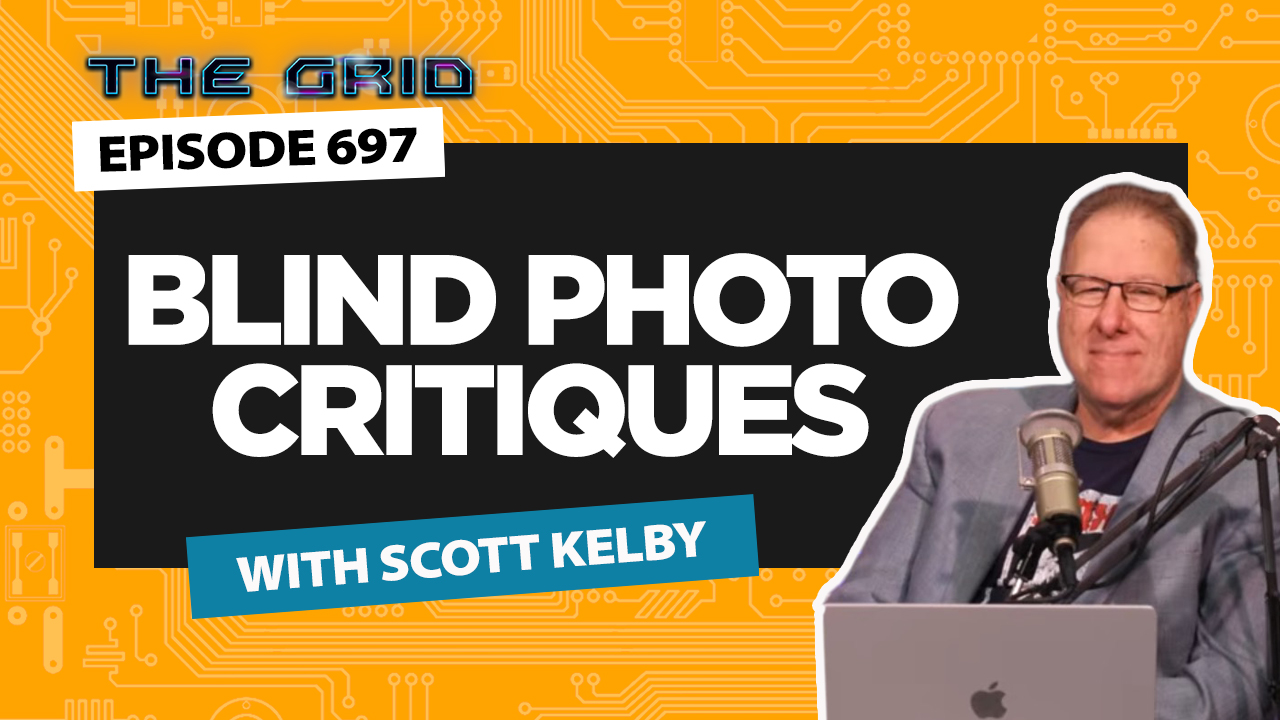
This week on The Grid, Scott Kelby took the reins for another entertaining round of Blind Photo Critiques, reviewing a diverse collection of viewer-submitted images from nearly every genre imaginable.
The lineup included creative portraits, travel photography, automotive detail shots, street scenes, wildlife, macro, underwater, and even astrophotography. As always, Scott offered straightforward feedback on what worked, what could be improved, and how a few thoughtful edits could take an image even further.
He demonstrated practical techniques in Lightroom, Camera Raw, and Photoshop, including using the People Masking tool to recover overexposed skin, creating the look of a long exposure with Motion Blur, expanding compositions with Generative Expand, and experimenting with Generative Fill—with results that were… let’s just say not always successful.
Scott also shared updates on upcoming travel photography workshops, talked about his new iPhone photography book, and gave a preview of the upcoming Photographing People Conference. Although technical issues kept Erik Kuna off camera, he still joined the conversation from California via the live chat to add a few comments along the way.
If you enjoy learning through real-world critiques and practical editing demonstrations, this episode is packed with ideas you can use on your own photos. Watch the replay below and follow along.
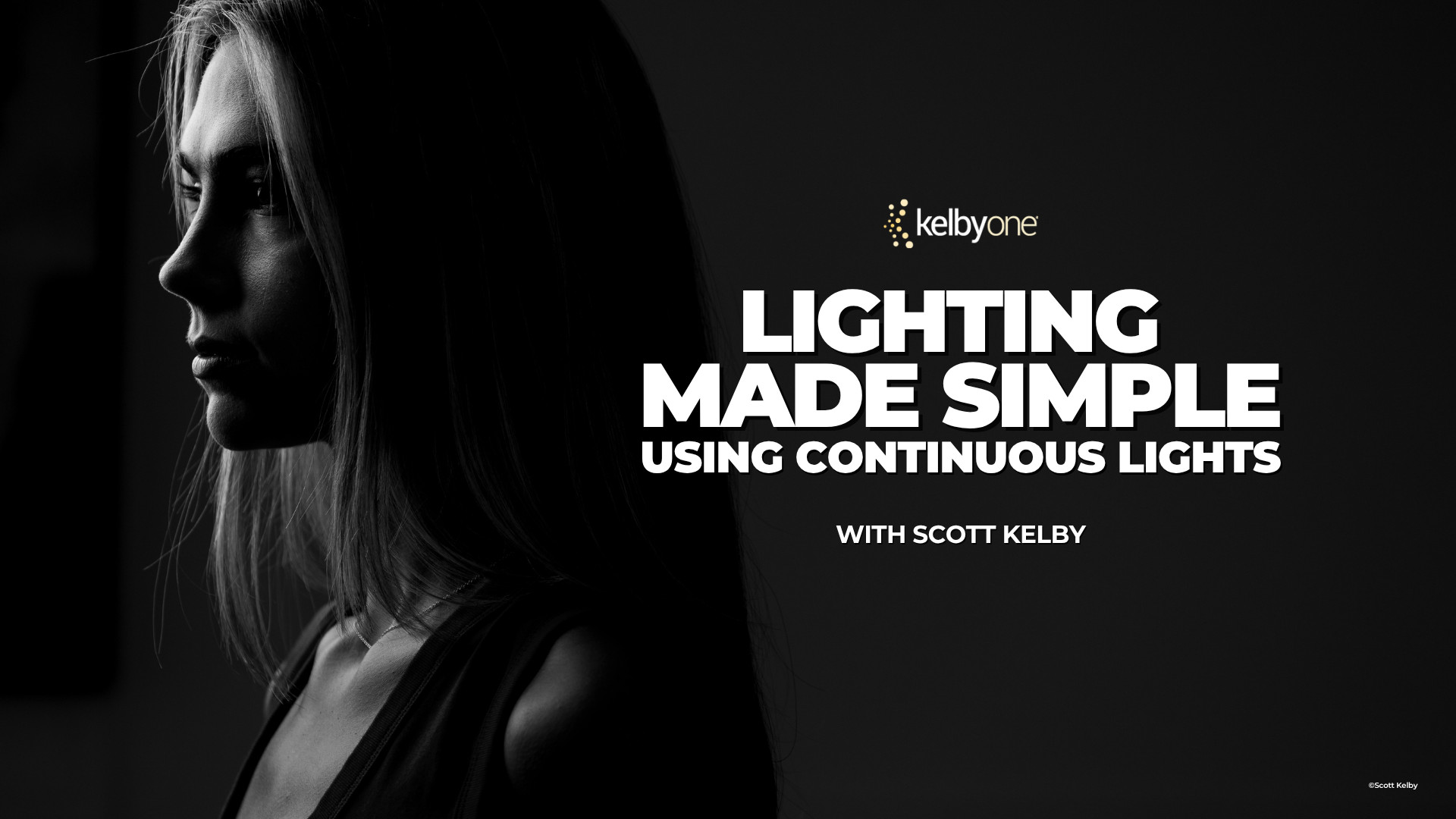
Lighting Made Simple Using Continuous Lights with Scott Kelby
If lighting has ever felt intimidating, you’re definitely not alone.
For many photographers, lighting is where things get complicated. Flash triggers, power settings, test shots, and technical jargon can make it feel harder than it needs to be.
Using continuous lights, Scott demonstrates a simple “what you see is what you get” workflow that makes it easier to understand exactly how light affects your subject. You’ll see how to build a setup in just a few minutes, work through a live portrait session, and create a variety of popular lighting styles, including split lighting, Rembrandt lighting, rim lighting, and more.
The class also covers shooting tethered directly into Lightroom, making it easy to evaluate your images and make adjustments as you work.
Whether you’re brand new to lighting or simply looking for a more straightforward approach, this class offers a practical path to better portraits. Watch Scott tell you more about it below.
Enter the Photographing People Conference Photography Contest
One of our favorite parts of every conference is seeing what attendees create, and the Photographing People Conference Photography Contest is your chance to share your work with the community.
If you’re a paid registered attendee, you’re eligible to enter. Just submit your best people photos, and you’re in. Portraits, family moments, street photography, travel photos, candid moments, posed portraits—whatever your thing is, we want to see it.
Not only will your image be featured in the conference gallery for fellow attendees to enjoy, but you’ll also be entered for a chance to win prizes from our sponsors and be featured on KelbyOne’s social channels.
More Than a Contest
The gallery is one of the most fun parts of the conference experience.
As submissions start rolling in, you’ll be able to browse images from photographers around the world and see the many different ways people approach photographing people. You’ll find everything from creative portraits and family photography to street scenes, travel images, candid moments, and more.
It’s inspiring, educational, and a great reminder that there are countless ways to tell stories with people in front of your camera.
How to Enter
If you’re registered for the Photographing People Conference, simply submit your favorite image using the button below. We can’t wait to see what you’ve been creating!
Submission Deadline: July 21, 2026 at 11:59 PM EDT
There’s something irresistible about photographing waterfalls.
The movement, the sound, the changing light, and the challenge of capturing it all in a single frame keep photographers coming back again and again.
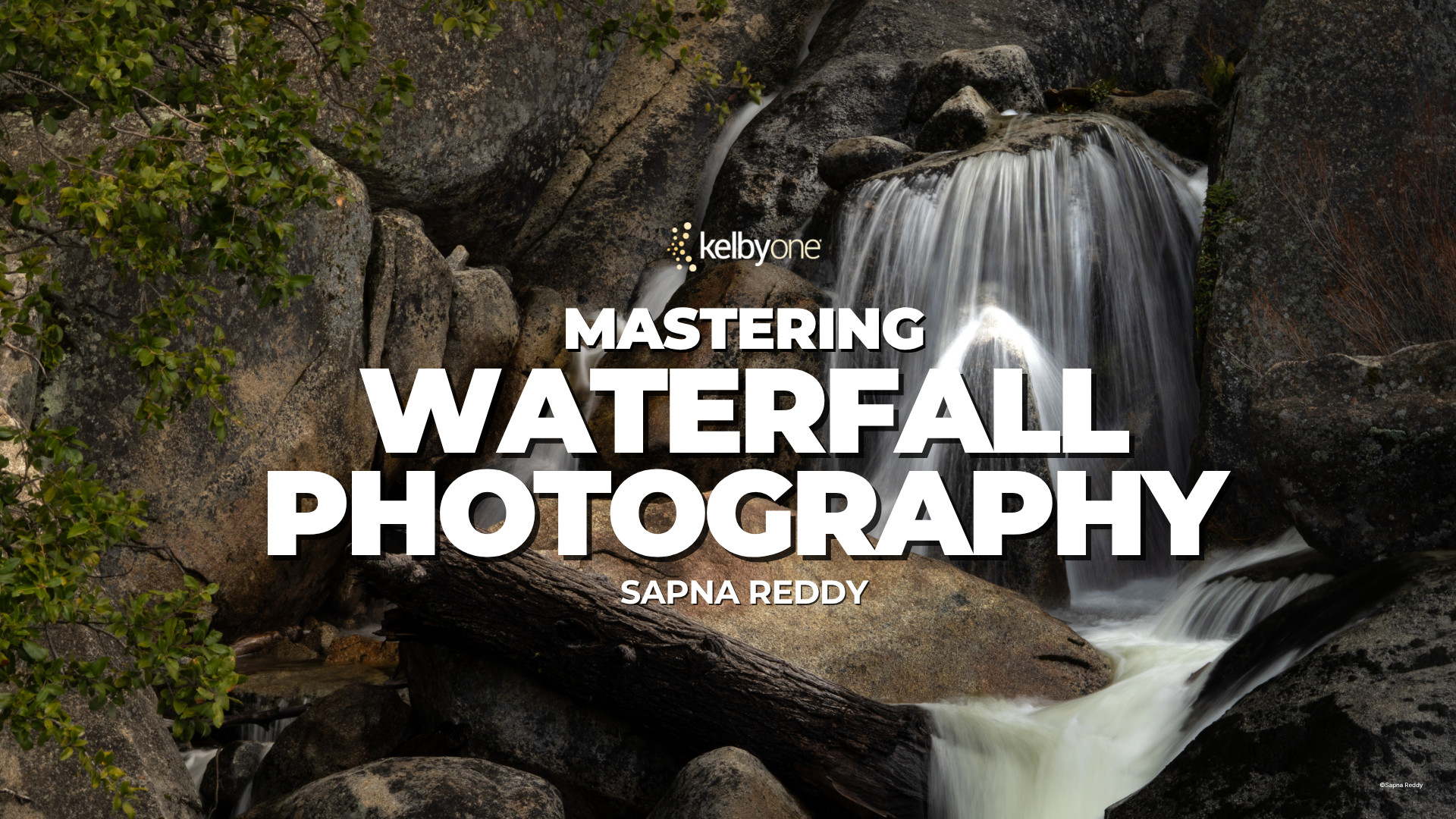
In Mastering Waterfall Photography, Sapna Reddy shares her complete approach to photographing waterfalls in Yosemite, one of the most spectacular locations for moving water photography.
From choosing the right gear and filters to capturing reflections and blending exposures, she walks through the techniques that help create stronger images in the field. She also covers practical considerations like protecting your camera from spray and understanding how changing conditions affect your results.
One of the highlights of the class is Sapna’s discussion of timing, including tips for photographing Bridalveil Fall rainbows and Yosemite’s famous February Firefall.
Whether you’re photographing a world-famous waterfall or a hidden local gem, the lessons in this class will help you approach the scene with greater confidence and creativity.
This Week on The Grid: How Would I Edit Your Photo?
This week’s episode of The Grid was all about editing. Scott Kelby and Erik Kuna walked through a collection of viewer-submitted images and showed how they would approach each one using Lightroom, Camera Raw, and Photoshop.
The images covered a wide range of subjects, from a studio motorcycle portrait and an Outer Banks lighthouse to a challenging church interior and a beautifully captured Milky Way scene. Along the way, Scott and Erik demonstrated techniques for masking, perspective correction, color balancing, distraction removal, noise reduction, and image blending. One standout segment featured a Milky Way composite, where Erik explained how to blend a tracked night sky with a twilight foreground while maintaining natural color and detail. The episode also included several quick edits that highlighted how small changes can make a big difference.
As a bonus, viewers got a preview of an upcoming Lightroom Update webcast featuring Adobe’s Terry White.
Whether you’re looking to improve your editing workflow or simply enjoy seeing how experienced photographers solve problems, this episode offers plenty of useful takeaways. Catch the replay below and see how the edits came together.
Don’t Miss Our Live Webcast: A Look at the June Lightroom Updates
Adobe is releasing its June Lightroom updates this week, and we know you’re probably wondering, “What’s new, and should I be using it?”
That’s exactly what Scott Kelby will be covering in a FREE live webcast tomorrow, Thursday, June 18 at 3:00 pm ET.
Instead of digging through release notes or trying to figure everything out on your own, join Scott as he highlights the newest additions to Lightroom, shares some of his favorite features, and shows how they can fit into your everyday editing and organizing experience. Whether you use Lightroom every day or just occasionally, this is a fun and easy way to catch up on what’s new.
If you’ve been busy making photos instead of keeping up with updates, we’ve got you covered!
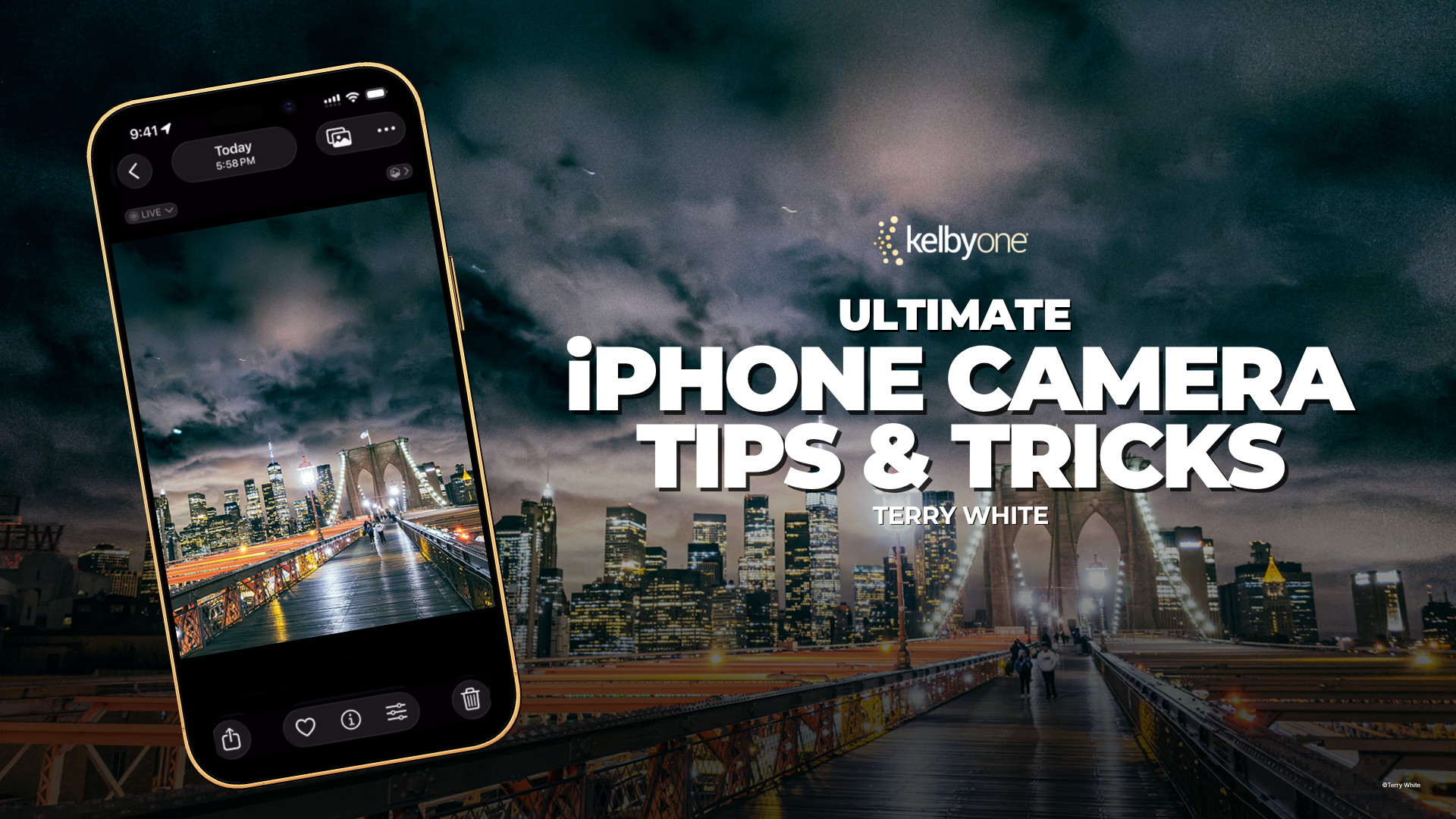
Ultimate iPhone Camera Tips and Tricks with Terry White
Your iPhone camera is packed with features that most people never use.
In his latest class, Terry White walks through the settings and tools that can make an immediate difference in your photography, showing not just where they are, but when to use them.
From customizing the Camera Button and choosing the right file format to mastering Night mode, long exposures, focus and exposure lock, and action photography, Terry covers the features that matter most on the iPhone 17 Pro running iOS 26. The result is a practical guide that helps you move beyond point-and-shoot photography and start making intentional creative choices with the device you already carry every day.
Whether you’re photographing family, travel, landscapes, or everyday moments, these tips can help you get more from every shot. Watch the class here.
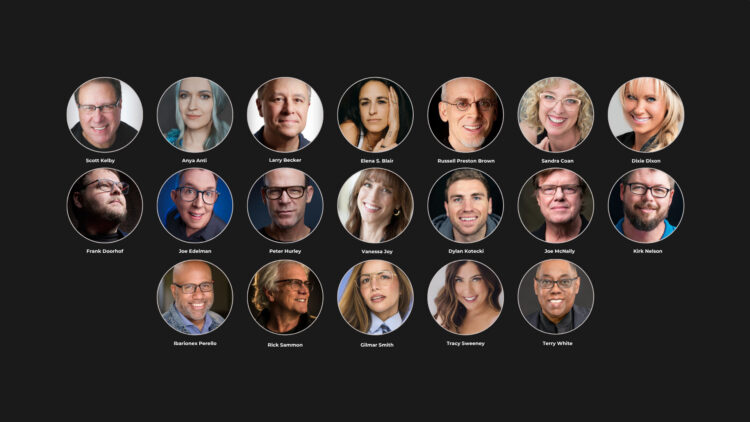
Meet Your Instructors for the Photographing People Conference
One of the best parts of every KelbyOne conference is the people who make it happen.
The Photographing People Conference brings together 19 instructors with different backgrounds, specialties, and creative approaches, all united by one goal: helping you create stronger photos of people.
And we’re not just talking about traditional portraits.
Throughout three days of live online training, you’ll learn from photographers who specialize in family photography, headshots, street photography, travel, sports portraits, weddings, self-portraits, mobile photography, creative illustration, lighting, editing, and more. Some sessions focus on technical skills like posing and flash. Others explore storytelling, connection, creativity, and finding your own style.
That variety is what makes this conference so special. Every instructor brings a unique perspective, and chances are you’ll discover techniques you never expected to use until you see them in action.
You’ll also be learning alongside an incredible community of photographers from around the world. Ask questions during live sessions, share ideas with fellow attendees, and leave inspired by what others are creating.
Whether you’re photographing clients, family, friends, or strangers on the street, these instructors are ready to help you build confidence behind the camera.
Join us online July 20–22 and learn live, or watch on your own schedule with replay access available for a full year.
The World Press Photo Contest 2026 once again confirms its role as one of the most important platforms for contemporary visual storytelling, unveiling an edition deeply rooted in urgency, humanity, and political reality.
At the center of this year’s announcement is the Photo of the Year, awarded to Carol Guzy for her image “Separated by ICE”, produced for the Miami Herald. It’s a photograph that doesn’t attempt to aestheticize suffering, but rather confronts it head-on — raw, immediate, and impossible to ignore.
Captured inside the Jacob K. Javits Federal Building in New York, one of the few US federal spaces where photographers were granted access, the image shows a devastating moment: a family torn apart by immigration enforcement. Luis, an Ecuadorian migrant with no criminal record according to his family, is detained by Immigration and Customs Enforcement agents immediately after a court hearing. Behind him, his wife and children collapse into a moment of shock that feels suspended in time.
Caption: Distraught girls cling to their father, Luis, as ICE detains him following an immigration hearing. Luis served as the sole breadwinner for his family. New York City, New York, United States, 26 August 2025.
Story: In 2025, shifts in US immigration policy transformed courthouses into focal points for mass deportation efforts by US Immigration and Customs Enforcement (ICE). Masked ICE agents detained undocumented migrants immediately following their hearings, often leading to deeply traumatic family separations. These aggressive tactics, coupled with severely overcrowded and unsanitary conditions at the 10th-floor holding facility in the Jacob K. Javits Federal Building in New York, prompted fierce public protests, class-action lawsuits, and the arrest of local elected officials demanding accountability.
This is not just a single story. It’s a visual testimony of a systemic policy — one that targets individuals complying with legal procedures. Guzy’s work transforms a bureaucratic corridor into a stage of human fracture, where justice and trauma collide.
In her own words, the recognition highlights “the suffering of countless families, but also their dignity and resilience.” It’s a reminder that photojournalism, at its core, is not about spectacle — it’s about witnessing.
Alongside the winning image, two finalists expand the narrative geography of this year’s contest.
The first, by Saber Nuraldin for EPA Images, brings us into the heart of Gaza. His photograph shows civilians climbing onto a humanitarian aid truck entering through the Zikim crossing, desperately reaching for flour. The composition is stark, almost confrontational, forcing the viewer into proximity with hunger.
Taken during what the Israeli military described as a “tactical pause,” the image reflects a broader humanitarian collapse. According to UN data, thousands of Palestinians seeking food were killed near aid distribution points in 2025 alone. Whether framed as war, crisis, or something more contested, the photograph refuses abstraction. It is direct evidence.
The second finalist, by Victor J. Blue for The New York Times Magazine, shifts the focus to Guatemala and a long-delayed reckoning with history. His portrait of Doña Paulina Ixpatá Alvarado and other Maya Achi women stands in quiet contrast to the chaos of the other images.
These women, survivors of sexual violence during the Guatemalan civil war, spent over four decades living alongside their perpetrators. In 2011, 36 of them broke the silence, initiating a legal battle that culminated in 2025 with convictions for crimes against humanity.
Blue’s photograph doesn’t dramatize. Instead, it restores presence. The women are not depicted as victims, but as figures of authority — composed, grounded, and undeniably powerful. It’s a deliberate shift away from historical representations that often stripped survivors of agency.
What emerges from the World Press Photo Contest 2026 is a clear editorial direction: photography as evidence, as resistance, as memory.
With over 57,000 images submitted by nearly 3,800 photographers across 141 countries, this year’s selection reflects a world marked by fracture, but also by persistence. The winning works don’t offer resolution — they demand attention.
As jury president Kira Pollack noted, photojournalists continue to go where stories unfold without witnesses: courtrooms, conflict zones, and overlooked spaces where history quietly takes shape. Not because it’s easy, or safe, or profitable — but because seeing still matters.
The awarded images will now travel globally as part of the World Press Photo Exhibition 2026, opening in Amsterdam at De Nieuwe Kerk on April 24 before touring more than 60 locations worldwide, including Rome, Berlin, Zurich, and Sydney.
At a time when images are consumed faster than ever, these photographs ask for something different: time, reflection, and accountability.
The Fondation Beyeler unveils a compelling 2026 programme, bringing together modern masters and cutting-edge contemporary artists. Located in Riehen near Basel, the museum continues to position itself as one of Europe’s leading institutions for modern and contemporary art, combining historical depth with forward-thinking exhibitions.
The 2026 calendar is structured around three major exhibitions—dedicated to Paul Cézanne, Pierre Huyghe, and Ruth Asawa—alongside a thematic collection display titled Sensations. Together, these shows create a dialogue between modern art heritage and experimental contemporary practices.
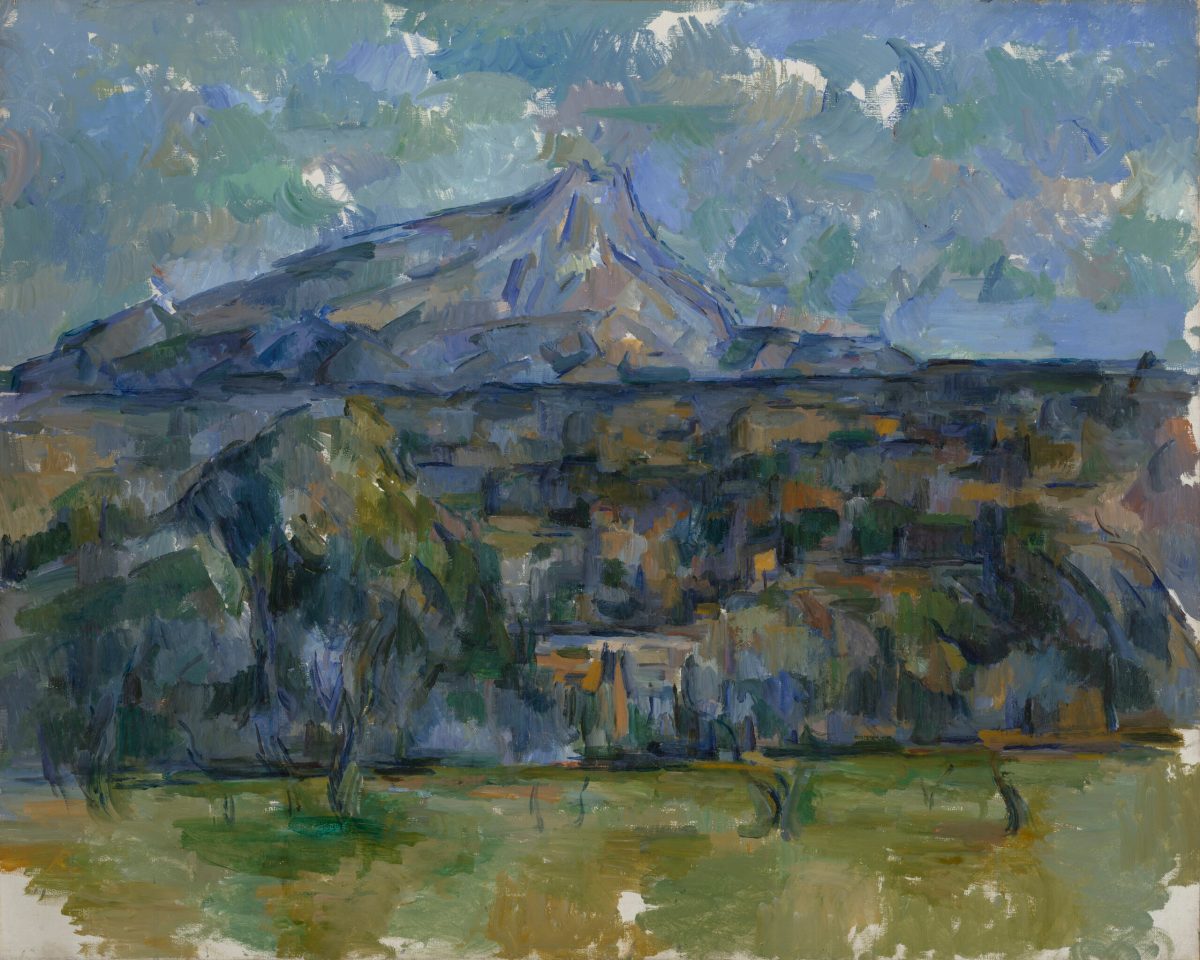
The year opens with a major monographic exhibition dedicated to Paul Cézanne, running from 25 January to 25 May 2026.
For the first time in its history, the Fondation Beyeler devotes a full exhibition to Cézanne, focusing on the final and most influential phase of his career. Around 80 paintings and watercolours are brought together from international collections, highlighting key subjects such as landscapes, portraits, still lifes and bathers.
The exhibition emphasizes Cézanne’s revolutionary exploration of form, light and colour, which laid the foundation for modern art and influenced generations of artists.
“Sensations” Collection Display (February – April 2026)
Running from 21 February to 26 April 2026, Sensations offers a thematic journey through highlights of the Fondation Beyeler’s collection.
Inspired by Cézanne’s concept of “colour sensations,” the exhibition reflects on perception and visual experience, linking historical works with contemporary interpretations.
This exhibition acts as a conceptual bridge between the Cézanne retrospective and the rest of the programme, reinforcing the museum’s curatorial coherence.
Pierre Huyghe Exhibition (May – September 2026)
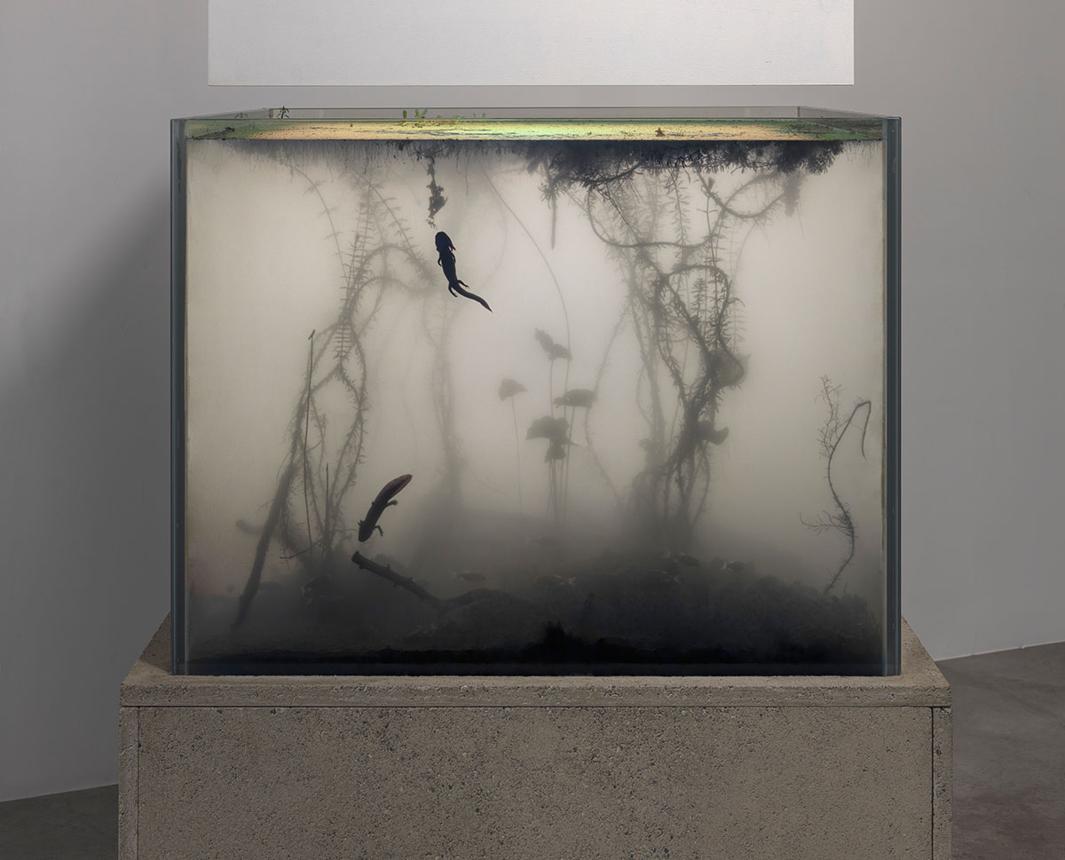
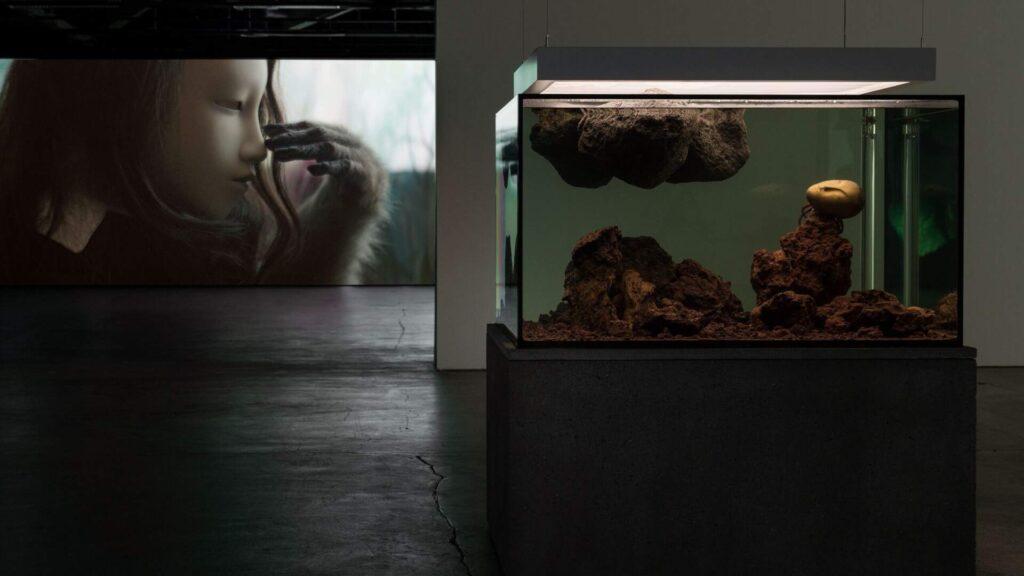
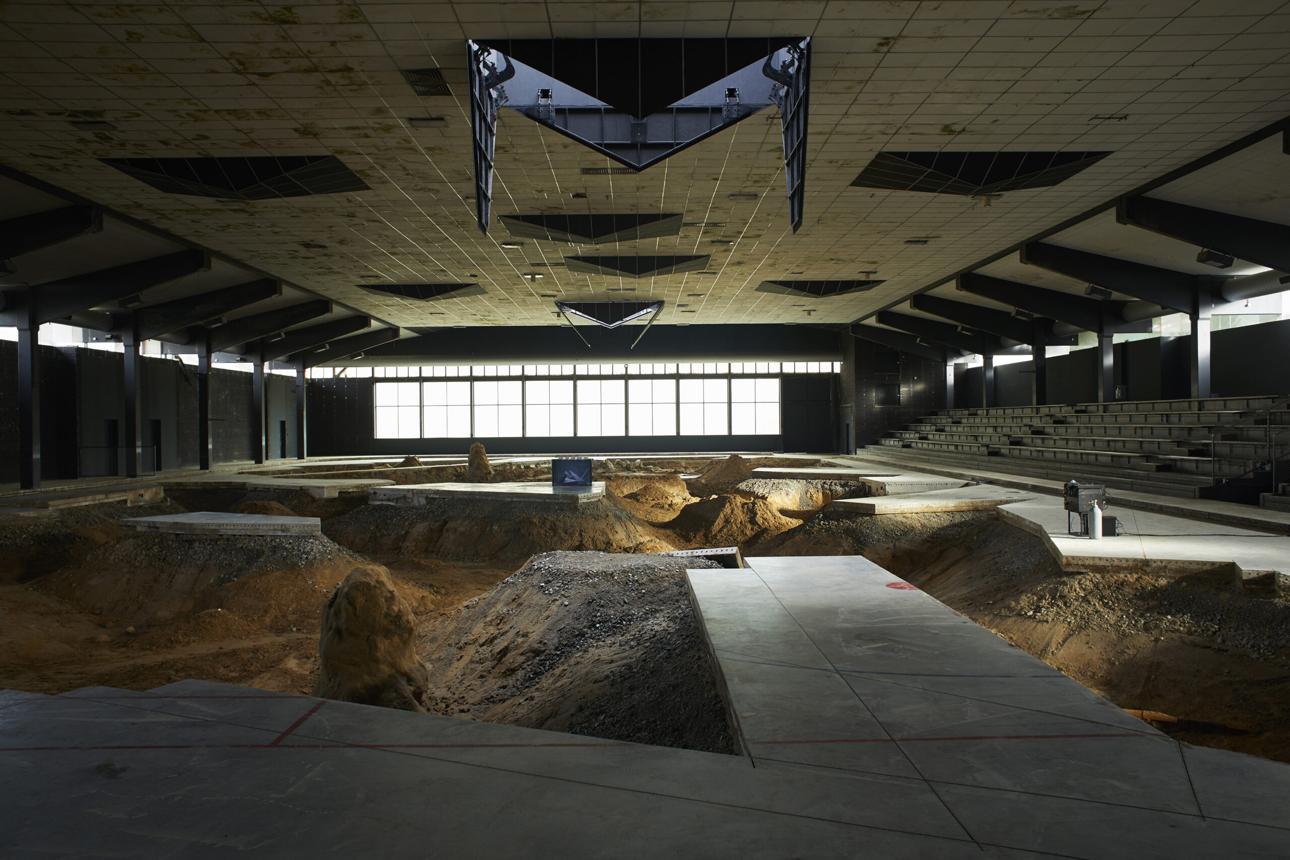
From 24 May to 13 September 2026, the Fondation Beyeler presents a major exhibition by Pierre Huyghe.
Known for his immersive and often unpredictable environments, Huyghe is one of the most influential figures in contemporary art. The exhibition is conceived specifically for the Fondation Beyeler and will include newly created works alongside key pieces from recent years.
Huyghe’s practice blurs the boundaries between art, biology and technology, transforming exhibition spaces into evolving ecosystems that challenge traditional museum experiences.
Ruth Asawa Retrospective (October 2026 – January 2027)
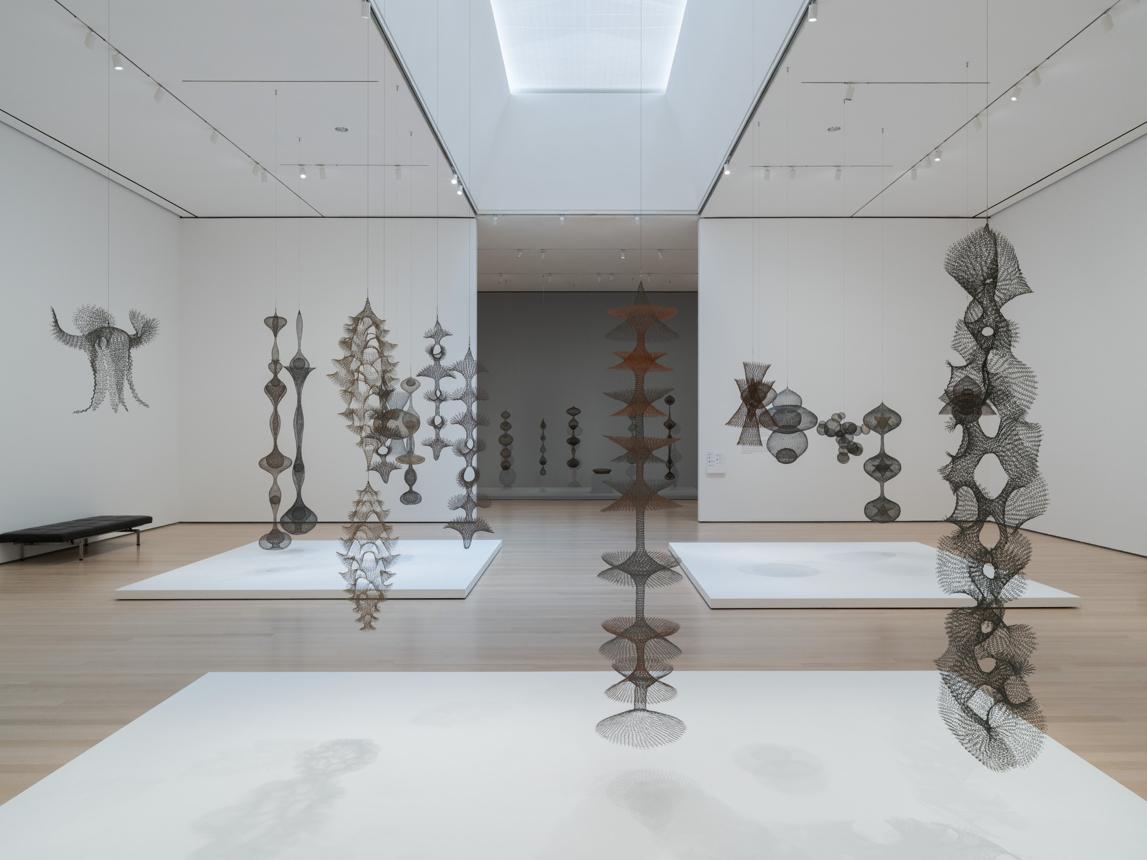
The programme concludes with a landmark retrospective of Ruth Asawa, on view from 18 October 2026 to 10 January 2027.
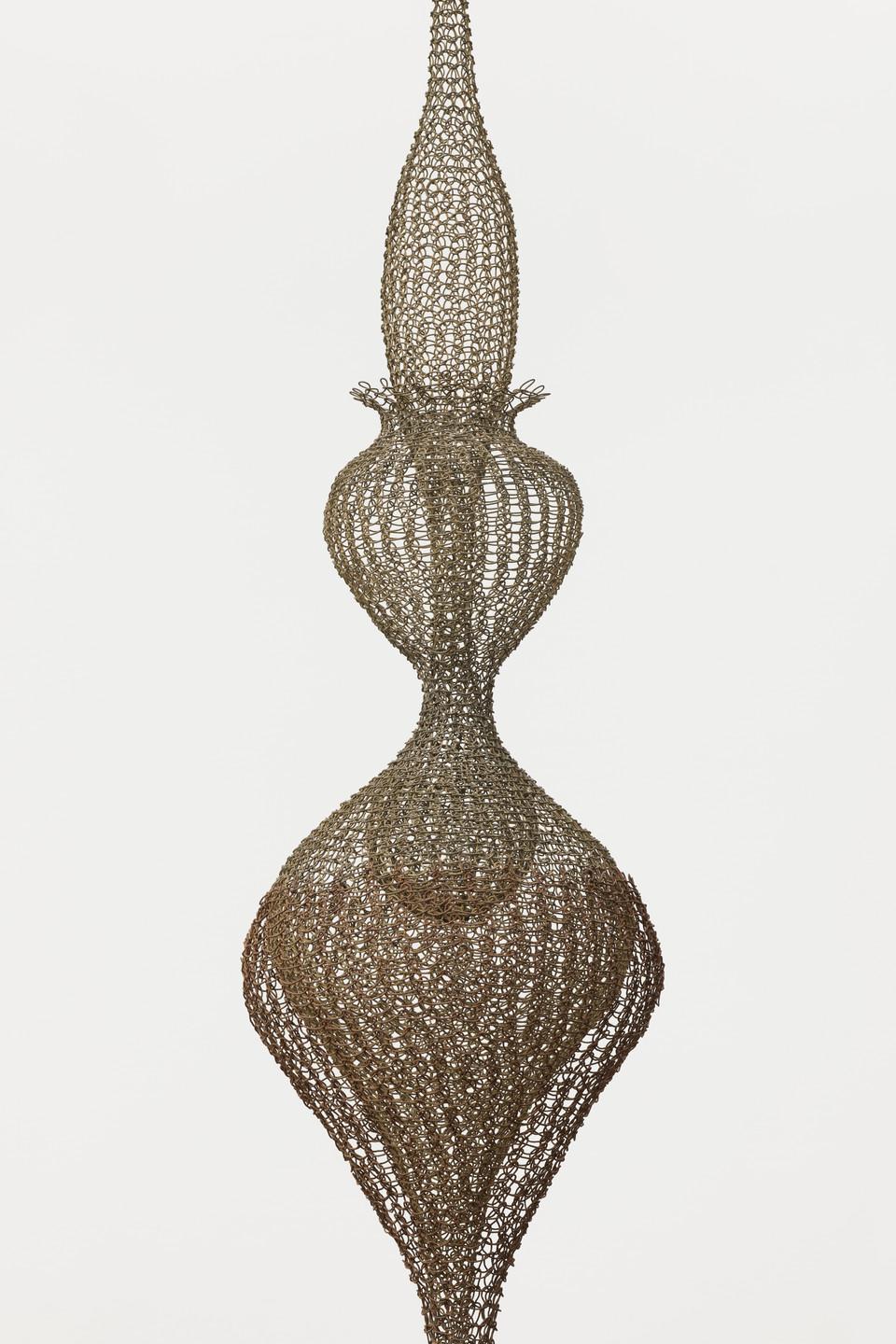
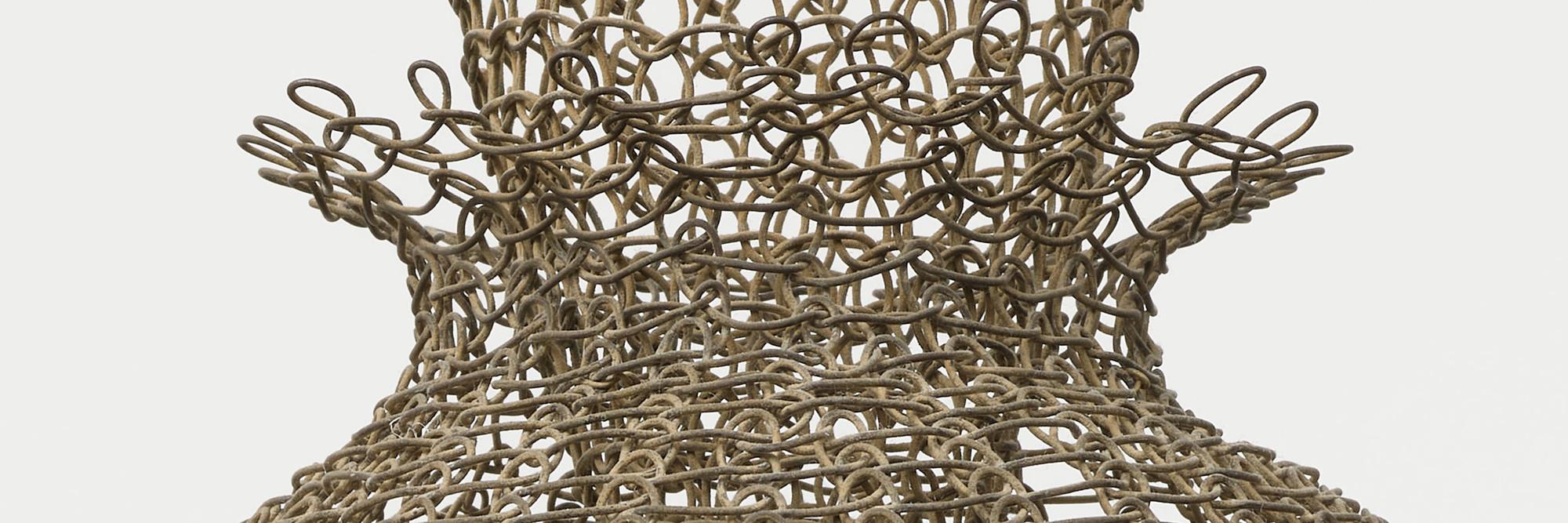
This is the first European retrospective dedicated to the artist, offering a comprehensive insight into her pioneering work. Asawa transformed simple materials—particularly wire—into intricate, floating sculptures that dissolve the boundaries between abstraction and figuration, art and craft.
The exhibition highlights her unique ability to merge technical precision with poetic spatial forms.
A Year Bridging Modern and Contemporary Art
The 2026 programme at the Fondation Beyeler demonstrates a clear curatorial vision: connecting the legacy of modern art with contemporary experimentation. From Cézanne’s foundational innovations to Huyghe’s immersive environments and Asawa’s sculptural poetry, the museum offers a multi-layered exploration of artistic perception and form.
This balance between historical depth and contemporary relevance reinforces the Fondation Beyeler’s position as one of Europe’s most important cultural destinations.
With its carefully curated exhibitions and strong thematic coherence, the Fondation Beyeler’s 2026 programme stands out as a must-see for art lovers, curators, and photographers alike. Whether exploring Cézanne’s influence, experiencing Huyghe’s evolving installations, or discovering Asawa’s delicate structures, visitors are offered a rich and immersive journey through art history and its future.