Control Resonant is a great game — it’s even better when you read everything


Jesse and Dylan Faden, the protagonists of the Control series, reaching out toward the viewer.

In Control Resonant, the entire world is at stake. But that didn’t stop the diligent employees of the Federal Bureau of Control from filing reams of paperwork, and it didn’t stop me from reading everything I could find, either. Reading is often optional in Resonant, but it’s where some of the game’s best details – and even love stories! – can be found.

In the world of Control Resonant and its predecessor, 2019’s Control, the FBC deals with mysterious, otherworldly objects and entities that defy explanation. But the FBC itself is still an old-school bureaucratic agency, and that means tons of (often heavily redacted) reports and memos and mi …

Read the full story at The Verge.

https://www.theverge.com/games/1000818/control-resonant-reading-collectibles-documents-logs


New x47.c Windows Botnet Weaponizes xAI Grok, AI API Draining

A threat actor has been selling access to a new Windows botnet that relies on AI to maintain persistence on infected hosts, Qrator reports.

Dubbed x47.c, it is advertised by a threat actor named WraithTools as providing distributed denial-of-service (DDoS) and credential theft capabilities, SOCKS5 proxies, and an AI API drain method.

In early August, the threat actor offered the botnet’s base package for $200 and asked $150 for the DDoS add-on. The entire x47.c package, containing the full botnet capabilities, was priced at $950. 

Users are provided with a command-and-control (C&C) panel that provides access to bot management, fast-flux configuration options, information stealer logs, proxies, concealment capabilities, and DDoS attack options.

The panel’s DDoS tab provides access to 18 attack methods, including HTTP floods, AI API draining, slow HTTP, TCP and UDP floods, TLS stresser, and various reflection and amplification techniques.

While the HTTP, TCP, and UDP methods are meant to exhaust resources and bandwidth, the AI drain mode is meant to consume a victim’s paid AI credits.

Advertisement. Scroll to continue reading.

The operator supplies a model name and a valid API key for the targeted account on OpenAI, xAI, and compatible chat APIs to consume credits or incur charges.

“Because those requests go straight to the provider, they do not need to pass through the victim’s application. The website can remain reachable while the account behind its AI features runs out of credits,” Qrator notes.

According to the botnet’s administrator, a fast flux configuration is used for maintaining control over the infected machines, offering six domains and eight IP addresses in the specific management tab, along with preferred hostname and IP options for individual hosts.

Additionally, x47.c has an “AI stealth” module for maintaining persistence on the infected systems. It is advertised as using xAI Grok to choose from a predefined list of actions, including startup entries and scheduled tasks. Optional process hollowing and privilege escalation capabilities are also available.

“The operator enables those calls by including an xAI key in the build. The supplied status messages report startup changes, persistence repair, and Windows Defender exclusions. They also show local fallback actions when a model call fails, allowing host maintenance to continue without a successful AI response,” Qrator explains.

The operator can select the bot’s DDoS targets and can download, update, and remove software from the host. x47.c’s administrator also promotes a rootkit module for removing rival artifacts from the infected systems.

Operators can use the botnet to collect credentials from the infected machines or to relay traffic through them. x47.c can harvest passwords and cookies from the victim’s browsers, and can collect Discord tokens, wallet data, and AI-site tokens.

Traffic is relayed through a SOCKS5 module, and the operator can monitor multiple proxy connections and check their health status and timeouts.

Related: AI-Powered Campaign Targets Hundreds of Online Retailers

Related: 23-Year-Old Sality P2P Botnet Disrupted

Related: Ukrainian Extradited to US Faces Charges in Jabber Zeus Cybercrime Case

Related: First Malware Built Specifically for Car Head Units Fuels Botnet

https://www.securityweek.com/new-x47-c-windows-botnet-weaponizes-xai-grok-ai-api-draining/


Pokémon card resellers have turned collecting into an online blood sport


A digital illustration of hands holding two 30th Celebration Pokémon cards.

Earlier this month, Pokémon card content creator Natalie Roush posted a video to her YouTube and Instagram pages that enraged the larger collection community. In the now-deleted video, Roush shows off two premium boxes of cards that had not yet been officially released, and implores viewers not to be mad. But they were; other creators claimed that cards Roush had purchased were stolen from the manufacturer and mocked her for trying to sell them at exorbitant prices. The Roush situation was a high-profile example of the way Pokémon card collecting culture has been upended by the influencer economy and people trying to profit off the hobby. Th …

Read the full story at The Verge.

https://www.theverge.com/games/1001002/pokemon-30th-celebration-scalping-resellers


OpenAI Says Its Models Engaged With US Government Websites in New Model Misbehavior Disclosure

OpenAI disclosed Friday that its artificial intelligence agents had interacted with several U.S. government websites in unexpected ways, discovered as part of an ongoing review into the company’s models’ unanticipated behavior.

The AI giant’s models accessed publicly available information on two websites operated by the Securities and Exchange Commission as well as U.S. Census Bureau data, the company revealed Friday. OpenAI did not find any use of SEC credentials, access to accounts or nonpublic information, changes to SEC data or systems, or evidence of a compromise or vulnerability, the company said.

The disclosure comes at a time of heightened global concerns about AI systems escaping human control and hacking into external websites, as well as industry calls for a slowdown on AI development, which OpenAI has said it supports.

OpenAI spokesperson Liz Bourgeois said in a statement that the lab is continuing to conduct a review of “misaligned model activity” — meaning when AI systems behave in undesired ways — and is notifying organizations when it identifies potential impacts to their systems.

OpenAI’s CEO Sam Altman said on social media Friday that there is an “extensive and ongoing review related to our agents’ use of internet access during training and evaluation.”

AI evaluator and research lab Transluce said Friday that through an independent investigation it also found that agents appearing to originate from OpenAI attempted a rudimentary hack on a Department of Education website for the department’s civil rights office, which did not succeed.

Advertisement. Scroll to continue reading.

The Department of Education’s “system operations reviews” found “no evidence of any impact to our website or databases,” a department spokesperson said Friday.

A Transluce spokesperson said as part of its investigation, it came across data on the open web that revealed fresh details about some previously identified OpenAI agents’ activities on U.S. government websites and brought it to OpenAI’s attention.

Transluce found “additional rogue activity, some of which is not clearly attributable to OpenAI,” targeting other government agencies, including the Justice Department and the Commerce Department, as well as some state government websites in California, Maryland, Illinois, Texas and New York. The models were “using sites in unintended ways and sometimes violating explicit usage policies,” Transluce said in a statement.

OpenAI said it is reviewing Transluce’s report.

Related: OpenAI Agents Probed Websites for Vulnerabilities While Fetching Public Data

Related: OpenAI Says Its Models Searched GitHub for Leaked API Keys During Training

https://www.securityweek.com/openai-says-its-models-engaged-with-us-government-websites-in-new-model-misbehavior-disclosure/


Come togliere il pannolino: segnali di prontezza e passaggi senza forzature

Il momento giusto per togliere il pannolino si riconosce osservando ciò che il bambino sa già fare. Non esiste un’età precisa valida per tutti: il controllo di vescica e intestino dipende dalla maturazione individuale, quindi le fasce d’età possono servire come riferimento, non come scadenza.

Prima di iniziare conviene verificare la presenza contemporanea di alcuni segnali, preparare un ambiente semplice e introdurre il vasino con gradualità. L’obiettivo non è ottenere un risultato rapido, ma accompagnare una nuova autonomia senza trasformarla in una prova da superare.

Riconoscere i segnali di prontezza

I segnali utili riguardano il controllo del corpo, la capacità di comunicare e le autonomie quotidiane. Presi singolarmente non garantiscono che il bambino sia subito pronto; osservati insieme, però, aiutano a capire se è il momento di fare una proposta.

  • Rimane asciutto per periodi più lunghi.
  • Si accorge dello stimolo prima di fare pipì o evacuare.
  • Comunica il bisogno con parole, gesti o comportamenti riconoscibili.
  • Mostra fastidio quando il pannolino è bagnato o sporco.
  • Cammina stabilmente e riesce a raggiungere il bagno.
  • Prova ad alzare e abbassare i pantaloni.
  • È incuriosito dal bagno o vuole imitare gli adulti.

Non è necessario aspettare che ogni competenza sia perfetta. È più importante che il bambino mostri una combinazione di consapevolezza, interesse e capacità pratica. Se manca del tutto la percezione dello stimolo o il vasino provoca un rifiuto netto, può essere preferibile aspettare.

Preparare il bagno e scegliere la seduta

Vasino e riduttore per WC sono strumenti diversi, ma la scelta segue lo stesso criterio: il bambino deve potersi sedere comodamente e usare la soluzione proposta senza sentirsi instabile. Il vasino può risultare più accessibile perché è alla sua altezza; il riduttore permette invece di utilizzare direttamente il WC. Non serve presentarli entrambi se questo crea confusione: si può partire dall’opzione che il bambino accetta più facilmente.

Il vasino va collocato in bagno, così entra a far parte dell’ambiente in cui si svolge la routine. È utile anche scegliere pantaloni e biancheria semplici da abbassare e rialzare. Bottoni difficili, cinture e indumenti complicati possono ostacolare un bambino che ha percepito lo stimolo ma dispone ancora di poco tempo per agire.

La preparazione pratica riguarda anche ciò che avviene fuori casa. Quando il percorso è iniziato, può essere utile organizzare con la stessa gradualità le prime uscite senza pannolino, tenendo conto che un ambiente nuovo può richiedere più assistenza.

Proporre il vasino per gradi

La familiarizzazione può cominciare senza chiedere subito al bambino di fare pipì o cacca. Una sequenza graduale riduce la pressione e rende prevedibili i diversi passaggi.

  1. Lasciare che il bambino conosca l’oggetto. Il vasino può essere mostrato e collocato in bagno senza pretendere che venga utilizzato immediatamente.
  2. Invitarlo a sedersi vestito. All’inizio basta una breve prova una volta al giorno, inserita in un momento tranquillo.
  3. Creare un appuntamento riconoscibile. Si può proporre il vasino dopo colazione oppure prima del bagnetto, mantenendo una routine semplice e regolare.
  4. Provare senza pannolino. Questo passaggio arriva quando la seduta è diventata familiare e non provoca disagio.

La routine offre occasioni prevedibili, ma non deve diventare un’attesa obbligatoria fino all’evacuazione. Se non succede nulla, il bambino può alzarsi e continuare la giornata. Trattenerlo a lungo sul vasino rischia di associare il bagno a una situazione sgradevole anziché a una competenza da acquisire.

Quando il bambino comunica lo stimolo, è utile accompagnarlo con calma e lasciargli compiere le azioni che sa già gestire, come abbassare i pantaloni o sedersi. L’aiuto dell’adulto può diminuire gradualmente, seguendo l’autonomia effettiva e non quella attesa.

Gestire incidenti e giornate difficili

Durante il percorso possono alternarsi giornate asciutte e incidenti. Anche dopo i primi progressi possono comparire regressioni temporanee. Non indicano necessariamente che tutto il lavoro sia andato perso: mostrano piuttosto che la competenza non è ancora stabile in ogni situazione.

Quando accade un incidente, conviene occuparsi del cambio senza rimproveri, umiliazioni o commenti insistenti. Il bambino può essere coinvolto nelle semplici operazioni necessarie, ma senza trasformare la pulizia in una punizione. L’incoraggiamento va rivolto ai tentativi, alla comunicazione del bisogno e ai piccoli gesti di autonomia, non soltanto al risultato finale.

Anche i confronti con fratelli, compagni o altri bambini sono poco utili: i tempi di maturazione possono essere molto diversi. Una routine efficace per un bambino può richiedere adattamenti o una pausa per un altro.

Che cosa fare davanti a un rifiuto

Se il bambino appare turbato, piange, si irrigidisce o rifiuta con continuità di sedersi, non va costretto. Si può sospendere la proposta e riprovare dopo alcune settimane, lasciando il vasino disponibile senza richiamarlo di continuo. La pausa non è un fallimento: evita che il bagno diventi il terreno di uno scontro quotidiano.

Come comportarsi in caso di stitichezza o forte disagio

Se durante il percorso compare stitichezza, il bambino trattiene le feci oppure l’evacuazione diventa fonte di marcato disagio, non è opportuno aumentare la pressione o prolungare le sedute. In questi casi è prudente chiedere consiglio al pediatra, che potrà valutare la situazione e indicare come procedere.

Quando confrontarsi con il pediatra

Un confronto pediatrico è indicato quando la paura del bagno è intensa, il rifiuto persiste nonostante una pausa, compaiono difficoltà rilevanti o i genitori hanno dubbi sulla maturazione e sul controllo degli stimoli. Chiedere un parere non significa accelerare il percorso, ma evitare che una difficoltà fisica o un disagio consolidato vengano trattati soltanto come un problema di comportamento.

Per riferimenti sul percorso sono disponibili le indicazioni dell’Ospedale Pediatrico Bambino Gesù e l’approfondimento di UPPA.

Lasciare che il risultato maturi

Togliere il pannolino è un processo fatto di osservazione, prove, pause e aggiustamenti. Un ambiente accessibile e una routine coerente facilitano il bambino, ma non sostituiscono la sua maturazione. La rapidità conta meno della possibilità di imparare senza paura: il risultato più importante è un’autonomia costruita con serenità.

L’articolo Come togliere il pannolino: segnali di prontezza e passaggi senza forzature proviene da Il Kim Magazine.

https://www.ilkim.it/come-togliere-il-pannolino-segnali-di-prontezza-e-passaggi-senza-forzature/





Can ‘eSUV’ e-bikes really go from trail to town?


Have you ever wanted an electric bike that easily transitions from the drudgery of urban asphalt to adventures in gravel and dirt? That’s what a subclass of so-called “electric SUV” (eSUV) e-bikes claims to do, with their wide, all-terrain tires and front and rear suspension, plus practical accessories like fenders and racks.

So, that’s what I set out to test on a new TL Carbon e-bike from Amflow, the DJI offshoot that upended the mountain bike industry a few years ago with its incredibly small and powerful Avinox motors.

After a month of testing in the heart of Amsterdam – including a three day bikepacking trip along coastal bicycle super …

Read the full story at The Verge.

https://www.theverge.com/transportation/999785/amflow-tl-review-avinox-esuv-e-bike-avinox


Roku’s first OLED TVs are up to $400 off, starting at $699


Roku’s new OLED TVs are already marked down. | Image: The Verge

Roku recently launched its first-ever OLED TVs. The $999 starting price was already impressive for the 55-inch Pro Series model that has a 120Hz refresh rate OLED panel (with four HDMI 2.1 ports and support for Dolby Vision and HDR 10 Plus). The price is even lower right now at Amazon when you enter the code ROKUOLED300 at checkout. It knocks a clean $300 off, as the code indicates, making this the most affordable modern 55-inch OLED you can get right now.

If you’re more of a 65-inch TV kind of person, you’re in luck, as there’s a code that knocks $400 off that model to make it just $799 at checkout. Enter the code ROKUOLED400 to bring the $1,299 65-inch Pro Series down to $799. We haven’t had a chance to test either model, but they seem respectable if you want great picture quality without breaking the bank.

Given that these are Roku TVs, the company’s software is built-in, negating the need to stick a streaming device into one of its HDMI ports, unless you prefer hardware from other brands. The Pro Series includes a backlit Roku remote, and it supports auto low latency mode, and has variable refresh rate (AMD FreeSync Premium) for gaming. There’s a pricier Pro Series LX coming in October starting at $1,299 that claims to be twice as bright as the Pro Series, with a reflection-reducing polarizer and 144Hz refresh rate.

window.HYPE_DESK_CONFIG = { productImageUrl: “https://platform.theverge.com/wp-content/uploads/sites/2/2026/09/Corsair_Xeneon_Edge_Hype_Desk_16x9.jpg”, productImageAlt: “CORSAIR Xeneon Edge 14.5-inch LCD Touchscreen”, productTitle: “CORSAIR Xeneon Edge 14.5-inch LCD Touchscreen”, shortDescription: “The sidekick your battlestation has been waiting for.”, longDescription: “Your main monitor does the heavy lifting. The Xeneon Edge handles everything else. CORSAIR’s 14.5-inch ultrawide touchscreen sticks magnetically to any metal surface — the side of your case, a PSU shroud, a monitor arm, or your desk — and instantly becomes a live dashboard for system stats, Twitch chat, weather, calendars, and more. The 2560×720 AHVA panel looks sharp from every angle, and 5-point capacitive touch makes flipping between widgets effortless. With CORSAIR iCUE, you can build out fully custom widget layouts — and the library just keeps growing. 20+ new widgets recently dropped, and the community can now create and share their own. It even runs as a Virtual Stream Deck via Elgato, turning it into an unlimited key layout for your most-used shortcuts and apps. Use code EDGE10 at checkout for 10% off at corsair.com through the end of the month.”, purchaseUrl: “https://go.corsair.com/c/482924/490888/8513?subId1=CorsairHypeDesk&subId2=Article92826&u=https%3A%2F%2Fwww.corsair.com%2Fus%2Fen%2Fp%2Fmonitors%2Fcc-9011306-ww%2Fxeneon-edge-14-5-lcd-touchscreen-cc-9011306-ww&partnerpropertyid=7032191”, purchaseLinkText: “SHOP AT CORSAIR” };


Other deals to consider

  • The Nothing Phone 4A Pro got its first big discount at Amazon. The base model with 8GB of memory and 128GB of storage is $449 (usually $499), and the upgraded model with 12GB of memory and 256GB of storage is $509 (usually $599). The Phone 4A Pro borrows the high-end version’s signature feature, its Glyph Matrix, which displays the time, battery life, or notification icons. My colleague Dominic Preston reviewed the 4A Pro, and appreciated its fun and unique design, slim build, and excellent display.
  • Amazon has a variety of DJI Osmo Nano video camera bundles on sale. The most basic option for $349 includes the camera, which has 64GB of internal storage, the Vision Dock with a built-in screen, a magnetic ball joint mount, a protective case, USB-C cable, and two magnetic mounting options. This tiny video camera has earned a reputation for offering surprisingly rich video quality despite its tiny size and affordable price point.
  • You can grab an Ember Warming Mug for just $34.99 at Woot, a significant discount from its list price of $129.99. This six ounce mug can keep your coffee or tea toasty for up to 90 minutes on a single charge, with an adjustable temperature range of 120 to 140 degrees Fahrenheit.

https://www.theverge.com/gadgets/1000859/roku-pro-series-oled-nothing-phone-4a-pro-deal-sale


Phones don’t have lights


Mark Zuckerberg has a new defense of the Ray-Ban Meta glasses: They’re actually doing more to signal they’re taking a photo than phones do. He’s brought this up in at least two recent interviews, noting that the glasses have a light that comes on to signal when a photo is being taken, while phones do not. In one of the interviews, Joanna Stern notes that, while phones do not always emit a light, someone does have to hold a phone up in the air, which is itself pretty noticeable.

On today’s Vergecast, we’re talking about Meta Connect, the Muse AI assistant, all the new smart glasses hardware, and Zuckerberg’s response to the privacy uproar ar …

Read the full story at The Verge.

https://www.theverge.com/podcast/1000751/vergecast-meta-connect-muse-googlebooks


These camera apps give you more control over the iPhone 18 Pro’s aperture


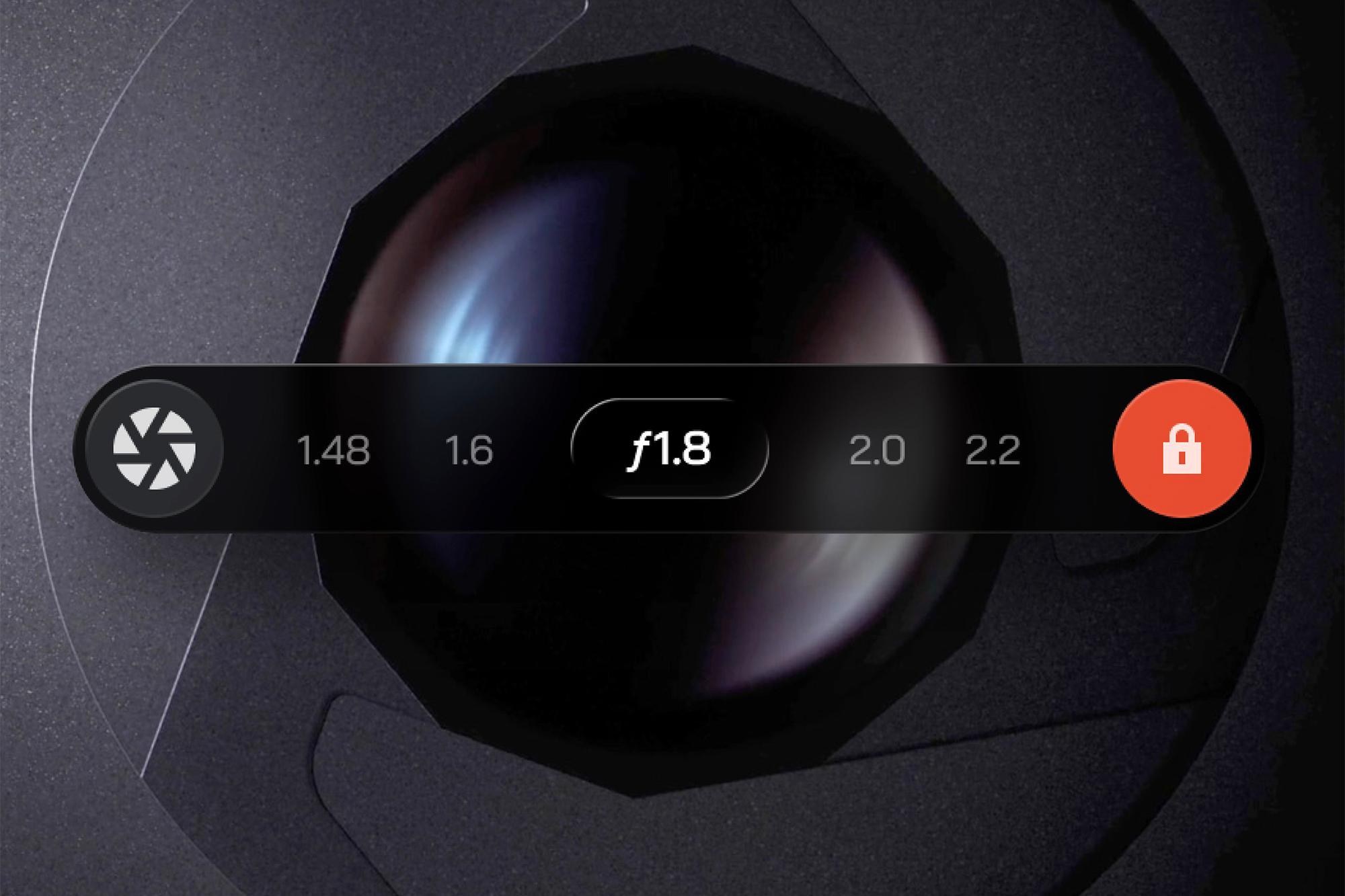
Aperture controls superimposed over a close-up of a camera iris.

One of the questionable limitations of the iPhone 18 Pro’s new main camera with a variable aperture is that you’re limited to just four settings in the native iOS’ camera app in manual mode: f/1.48, f/1.8, f/2.8, and f/4. Those same limitations are also in place when the app is adjusting the iris itself in Auto aperture mode, but it turns out that’s not a strict limitation of the iPhone’s camera hardware. Apple’s SDK allows third-party camera apps to implement more granular control of the aperture.

BlackMagic Design’s well-featured and still completely free BlackMagic Camera app for iOS was one of the first third-party options to introduce …

Read the full story at The Verge.

https://www.theverge.com/tech/1000729/moment-pro-blackmagic-camera-ii-ios-app-iphone-18-pro-max-aperature-camera


Ticker: Kara Swisher Confirms CNN Exit After Paramount-WBD Merger Is Complete

Dateline celebrates the premiere of its 35th season by lighting up the Empire State Building. https://www.adweek.com/tvnewser/ticker-kara-swisher-confirms-cnn-exit-after-paramount-wbd-merger-is-complete/