25-Year-Old Vulnerability Patched in Curl

The open source data transfer tool and library curl has been updated this week with patches for 18 vulnerabilities, including one introduced 25 years ago.

The flaws, four medium and 14 low-severity, were discovered as part of a community effort after Anthropic’s Mythos discovered a single curl bug in early May.

This release resolves the highest number of CVEs patched with a single curl update, including an issue that was introduced in version 7.7, shipped on March 22, 2001.

Tracked as CVE-2026-8932, it is described as an mTLS connection reuse and could lead to authentication bypass. It affects libcurl applications and not the curl command-line tool.

The CVE exists because “libcurl could reuse an existing connection even after client certificate or private key settings had changed,” vulnerability management firm Aisle says.

Aisle used its AI platform to identify multiple weaknesses across curl and libcurl, six of which were issued a CVE this year, CVE-2026-8932 included.

Advertisement. Scroll to continue reading.

The other identified flaws include credential confusion (CVE-2026-8926), double-free (CVE-2026-8925), use-after-free (CVE-2026-9080 and CVE-2026-10536), and improper host validation (CVE-2026-9547).

As the company suggests, it’s no surprise that Mythos found a single curl bug and that few security issues are being surfaced in the popular tool and library.

“Curl is of particular interest to security researchers: the easy bugs are long gone, and what remains is difficult to find: old protocol paths, state reuse, callback behavior, credential selection, and code paths that are easily forgotten about,” Aisle says.

Over 30 billion devices use curl today for data transfer, including servers, phones, and cars, and vulnerabilities in it could prove highly valuable to attackers. However, there have been no public reports of successful in-the-wild exploitation of any security defect in curl.

Related: Chrome 149 Update Resolves 18 Severe Vulnerabilities

Related: Cisco SD-WAN Zero-Day Exploited Months Before Patching

Related: Anthropic’s Mythos Model Found Vulnerabilities in Classified US Government Systems, Official Says

Related: Data Exposure Flaws Threaten Dify AI Platform Used by 1 Million Apps

https://www.securityweek.com/25-year-old-vulnerability-patched-in-curl/


Ai, Mentana al Wmf: “Senza un’idea di Paese, rischia di essere subita e non governata”

(Adnkronos) – Enrico Mentana è tornato sul Mainstage del ‘Wmf – We Make Future 2026, Il Più Grande Evento sull’Innovazione: AI Tech e Digital’, con un intervento dedicato al rapporto tra comunicazione, politica, democrazia e trasformazioni globali. Al centro della sua analisi, il ruolo degli algoritmi e dei social nella costruzione di ambienti sempre più chiusi e autoreferenziali. Secondo Mentana, il sistema informativo contemporaneo tende a spingere ciascuno verso contenuti, profili e posizioni già affini alle proprie idee, generando una realtà di contrapposizione permanente. In questo scenario, l’avversario non viene ascoltato per comprenderne le ragioni, ma per cercare l’errore e rilanciare l’attacco. Il giornalista ha descritto questa dinamica come uno dei cortocircuiti centrali del presente: un dibattito pubblico sempre più orientato alla polarizzazione, alla ridicolizzazione dell’altro e a forme di bullismo verbale, online e non solo. Una contrapposizione che diventa ancora più evidente proprio in un tempo in cui sono venute meno le grandi ideologie del passato, lasciando spazio a scontri più tattici, occasionali e strumentali. 

L’intervento si è poi allargato allo scenario internazionale, con un passaggio sulla fragilità dell’Europa. Mentana ha richiamato la dipendenza militare del continente dagli Stati Uniti e la difficoltà dell’Unione Europea a trasformarsi in una vera realtà politica condivisa. Senza l’Europa, ha sottolineato, i singoli Paesi non sono nulla nello scenario globale, ma l’Europa resta una costruzione debole se non riesce a produrre una visione comune, anche oltre la sola dimensione economica e commerciale. La chiusura dell’intervento ha riportato il discorso al futuro e all’Intelligenza Artificiale. Per Mentana, l’AI non può essere affrontata come una semplice innovazione tecnologica o come uno strumento da utilizzare in modo superficiale: è un futuro che va costruito dalle nuove generazioni e che richiede, prima di tutto, un’idea di Paese. Da qui il richiamo alla necessità di guardare almeno ai prossimi dieci anni, al 2036, costruendo alfabetizzazione, competenze e una visione strutturale capace di accompagnare la trasformazione. 

In questo senso, Mentana ha rivolto una critica trasversale alla politica italiana, sottolineando l’assenza di progetti di lungo periodo e di riforme capaci di cambiare davvero il Paese. Il punto, nel suo ragionamento, non è la contrapposizione tra schieramenti, ma la mancanza di una visione condivisa sulle grandi sfide del futuro: dall’AI all’immigrazione, dalle competenze alla capacità del sistema Paese di prepararsi alle trasformazioni che stanno già ridefinendo società, lavoro e democrazia. 

—

economia

webinfo@adnkronos.com (Web Info)

Novità su Google, per aggiungere Key4Biz tra le tue fonti preferite, clicca qui

Aggiungi Key4Biz tra le tue fonti preferite

Leggi le altre notizie sull’home page di Key4biz

https://www.key4biz.it/ai-mentana-al-wmf-senza-unidea-di-paese-rischia-di-essere-subita-e-non-governata/577196/


Sostenibilità, progetto ‘A Scuola di Acqua-Sete di Futuro’ promosso da Sanpellegrino e ScuolAttiva Ets

(Adnkronos) – Il cambiamento climatico è ormai entrato anche nelle aule scolastiche. Non solo come tema di educazione civica o scientifica, ma come questione che riguarda emozioni, abitudini quotidiane, salute e partecipazione. Per molti insegnanti, parlare di ambiente significa oggi aiutare bambine e bambini a capire cosa sta accadendo intorno a loro, ma anche come reagire senza sentirsi impotenti. È il quadro che emerge dai nuovi dati del progetto ‘A Scuola di Acqua – Sete di Futuro’, promosso da Sanpellegrino e ScuolAttiva Ets con la supervisione scientifica dell’Università di Pavia. La prima indagine dedicata all’eco-ansia nei bambini , condotta nel 2024 dall’Università di Pavia, nell’ambito del progetto A scuola di Acqua, aveva evidenziato una preoccupazione molto diffusa per il futuro dell’ambiente da parte del 95% degli alunni, accompagnata da segnali di impatto emotivo per il 40% di loro, ma anche da un forte senso di responsabilità (95,6% del campione) e dalla fiducia di poter contribuire al cambiamento (97,2% dei bambini). Con la nuova ricerca condotta durante l’anno scolastico appena concluso, il progetto ha approfondito il punto di vista degli insegnanti grazie ad un corso di formazione accreditato dal Ministero dell’Istruzione e del Merito e attraverso l’esperienza d’uso di un toolkit didattico su natura, sostenibilità, emozioni e cura dell’ambiente sviluppato ad hoc. 

“Con ‘A Scuola di Acqua – Sete di futuro’ Sanpellegrino porta avanti da anni un percorso educativo pensato per aiutare le nuove generazioni a maturare una maggiore sensibilità e consapevolezza rispetto al valore e alla tutela dell’acqua, dell’ambiente e delle risorse naturali, – commenta Fabiana Marchini, Head of Corporate Affairs & Sustainability del Gruppo Sanpellegrino – La nuova indagine conferma quanto sia importante offrire alla scuola strumenti capaci di trasformare la preoccupazione per il futuro del Pianeta in conoscenza, partecipazione e capacità di azione. Per noi questo significa contribuire a un’educazione alla sostenibilità che non si limiti a informare, ma aiuti bambine e bambini a sentirsi parte attiva del cambiamento, con il supporto degli adulti – docenti in primis- e di percorsi costruiti su solide basi scientifiche”. Dopo aver indagato la preoccupazione dei bambini per il futuro dell’ambiente, la nuova indagine sposta l’attenzione sulla risposta educativa. Secondo il report preliminare A Scuola di Acqua 2026, l’89% degli insegnanti considera prioritario aiutare i bambini a comprendere il legame tra ambiente e benessere personale; per il 78% dei docenti, inoltre, le attività pratiche sulla natura e sulla cura dell’ambiente dovrebbero entrare nella routine scolastica. Il dato suggerisce che, per molti insegnanti, l’educazione ambientale non è più percepita come un contenuto aggiuntivo. È piuttosto un’area in cui si intrecciano conoscenze scientifiche, competenze emotive, comportamenti quotidiani e cittadinanza. 

“Oggi non basta parlare di sostenibilità: servono nuovi linguaggi e strumenti educativi per affrontare temi complessi come il cambiamento climatico senza generare paura o senso di impotenza, – afferma Simona Frassone, Direttrice Generale e Presidentessa del Comitato Educational di ScuolAttiva Ets. – Con ‘A Scuola di Acqua – Sete di Futuro’ abbiamo scelto un approccio narrativo positivo capace di trasformare la consapevolezza in azione. Il percorso formativo dimostra che gli insegnanti sono pronti a integrare educazione ambientale ed educazione emotiva, aiutando i bambini a comprendere le sfide del nostro tempo senza alimentare ecoansia. Perché educare alla sostenibilità significa anche educare alla fiducia e alla capacità di immaginare il futuro”.  

Il campione preso in esame è composto in larga parte da insegnanti con elevata esperienza professionale: circa 3 intervistati su 4 dichiarano più di dieci anni di attività. Questo elemento è importante perché le valutazioni raccolte arrivano da professionisti abituati a confrontarsi quotidianamente con la complessa la realtà della scuola. Nell’ambito del progetto, sono stati proposti dei webinar formativi per gli insegnanti, giudicati ‘molto positivi’ o ‘positivi’ da quasi l’85% dei partecipanti, che ne hanno apprezzato il contributo nel fornire idee concrete per portare natura e sostenibilità nella routine scolastica. Il dato più significativo riguarda la motivazione, da parte degli insegnanti, a promuovere pratiche di educazione ambientale e sostenibile (con una media di 6,18 su 7) e l’acquisizione di strategie per parlarne in modo positivo. “Parlare di eco-ansia non significa patologizzare la preoccupazione dei bambini, – osserva Livio Provenzi, responsabile scientifico del progetto per l’Università di Pavia. – Significa riconoscere che l’informazione sul cambiamento climatico può avere un impatto emotivo e che gli adulti hanno un ruolo nel modo in cui questa informazione viene accompagnata. Il passaggio dall’ecoansia all’eco-care non riguarda solo il singolo bambino: richiede un’azione di sistema, collaborativa, che coinvolga scuola, famiglie, istituzioni e comunità”. 

Il toolkit sperimentale utilizzato nelle classi ha ricevuto una buona accoglienza. Secondo gli insegnanti, il risultato più evidente riguarda la partecipazione dei bambini: l’84,9% rileva un grande entusiasmo nelle attività sulla consapevolezza ambientale. Il 78,8% osserva una maggiore empatia verso animali, piante e paesaggi; il 75,8% segnala una maggiore collaborazione nei lavori di gruppo a tema ambientale; il 72,8% riferisce una crescita della curiosità verso la natura e la connessione con la salute personale. Questi dati indicano che le attività non agiscono soltanto sul piano delle conoscenze. Gli insegnanti riferiscono cambiamenti anche nel modo in cui i bambini partecipano, collaborano, osservano l’ambiente e ne parlano. In questo senso, la sostenibilità viene trattata come esperienza concreta, non solo come argomento teorico. Anche per questo il progetto risulta anche altamente raccomandabile: il 97% degli insegnanti consiglierebbe il progetto e l’utilizzo del kit ad altri docenti.  

Più che misurare un fenomeno, la ricerca ha permesso di comprendere come la scuola possa accompagnare le emozioni dei bambini di fronte alla crisi climatica. Se la prima indagine aveva mostrato quanto la preoccupazione per il futuro dell’ambiente fosse diffusa tra i più piccoli, i dati raccolti quest’anno confermano che questa sensibilità non è destinata a trasformarsi necessariamente in paura o senso di impotenza e la scuola è pronta a raccogliere questa sfida. Gli insegnanti riconoscono sempre più il legame tra sostenibilità, benessere e sviluppo dei bambini e chiedono strumenti concreti per affrontare questi temi nella quotidianità delle classi. Un segnale che rafforza l’impegno di Sanpellegrino, ScuolAttiva Ets e Università di Pavia nel proseguire un percorso comune a sostegno delle nuove generazioni. Perché educare alla sostenibilità non significa soltanto prendersi cura del Pianeta, ma anche aiutare i bambini a trasformare la preoccupazione in fiducia, responsabilità e capacità di immaginare il futuro. Un passaggio dall’eco-ansia all’eco-care che rappresenta forse il risultato più importante emerso dal progetto. 

—

economia

webinfo@adnkronos.com (Web Info)

Novità su Google, per aggiungere Key4Biz tra le tue fonti preferite, clicca qui

Aggiungi Key4Biz tra le tue fonti preferite

Leggi le altre notizie sull’home page di Key4biz

https://www.key4biz.it/sostenibilita-progetto-a-scuola-di-acqua-sete-di-futuro-promosso-da-sanpellegrino-e-scuolattiva-ets/577198/


Secondo giorno World Tech Conference, gli appuntamenti

(Adnkronos) – Prosegue la World Tech Conference con la seconda giornata dal titolo “La trasformazione in corso – Industria, Scienza, Sistemi Reali”, dedicata all’analisi delle profonde trasformazioni che stanno ridefinendo i modelli industriali, i sistemi produttivi e le infrastrutture strategiche a livello globale. La giornata del 25 giugno riunirà rappresentanti delle istituzioni europee e nazionali, leader industriali, ricercatori e accademici internazionali per discutere il ruolo delle tecnologie emergenti nello sviluppo economico, nella sicurezza e nella competitività dei sistemi Paese. 

I lavori si sono aperti con la sessione plenaria “Technological Convergence in Complex Systems”, moderata dalla giornalista Barbara Carfagna, che vede il confronto tra istituzioni e industria sul tema della sovranità tecnologica e della gestione dei sistemi complessi. Interverranno Henna Virkkunen (Vice presidente della commissione Europea per la tecnologia) , Alessio Butti (Sotto segretario per la tecnologia e l’innovazione) e Pietro Labriola (Presidente ASSTEL). Alle ore 10:15, la riflessione proseguirà con “Humanity in the Loop: Trust, Ethics and Control”, affidata a Enrico Giovannini (Direttore scientifico ASviS), che approfondirà il rapporto tra innovazione tecnologica, fiducia, etica e controllo umano nell’era dell’intelligenza artificiale. Seguirà, alle ore 10:35, la sessione “Industry Meets Science – Energy, Nuclear and Critical Infrastructures”, dedicata alle sinergie tra ricerca scientifica e industria nei settori dell’energia, del nucleare e delle infrastrutture critiche. Sul palco saranno presenti Joanna Drake (Deputy Director-General) e Ilijc Albanese (Ingegnere quantistico TELUS). 

Tra i momenti centrali della mattinata, la tavola rotonda “European Center for AI and Huge Infrastructures – Round Table 1P” riunirà esperti provenienti dal mondo accademico, della ricerca e delle istituzioni per discutere la creazione di infrastrutture europee strategiche dedicate all’intelligenza artificiale e ai grandi sistemi computazionali. Interverranno, tra gli altri, Michele Benini (Head of Energy System development), Paolo Branchini (Direttore INFN), Giuseppe Calabrò (Advisor for Energy Security Minister), Pierluigi Contucci (Professore di fisica e matematica a Bologna), Nicola Ippolito (Direttore della Nuclear Division Ministry), Stefano Leonardi (Professore La Sapienza).  

Nel pomeriggio, alle ore 14:00, il matematico di fama mondiale Alain Connes sarà protagonista dell’intervista “Is AI Intelligent?”, condotta da Paola Catapano, offrendo una riflessione sul significato stesso di intelligenza nell’epoca delle macchine intelligenti. 

La giornata si concluderà con il panel “Quantum and National Security: The Next Frontier”, moderato da Alessio Jacona, dedicato alle implicazioni strategiche delle tecnologie quantistiche per la sicurezza nazionale, la diplomazia, le infrastrutture digitali e la competitività internazionale. Al dibattito prenderanno parte Alessandra Michelini, Sergio Strozzi, Kim Jungsang, Livio Romano, Giuseppe Italiano, Marco Orlandi ed Emanuele Iannetti. La seconda giornata della World Tech Conference conferma il ruolo della manifestazione quale piattaforma internazionale di dialogo tra istituzioni, ricerca e industria, chiamate oggi a collaborare per governare la trasformazione tecnologica che sta cambiando il mondo. 

—

economia

webinfo@adnkronos.com (Web Info)

Novità su Google, per aggiungere Key4Biz tra le tue fonti preferite, clicca qui

Aggiungi Key4Biz tra le tue fonti preferite

Leggi le altre notizie sull’home page di Key4biz

https://www.key4biz.it/secondo-giorno-world-tech-conference-gli-appuntamenti/577200/


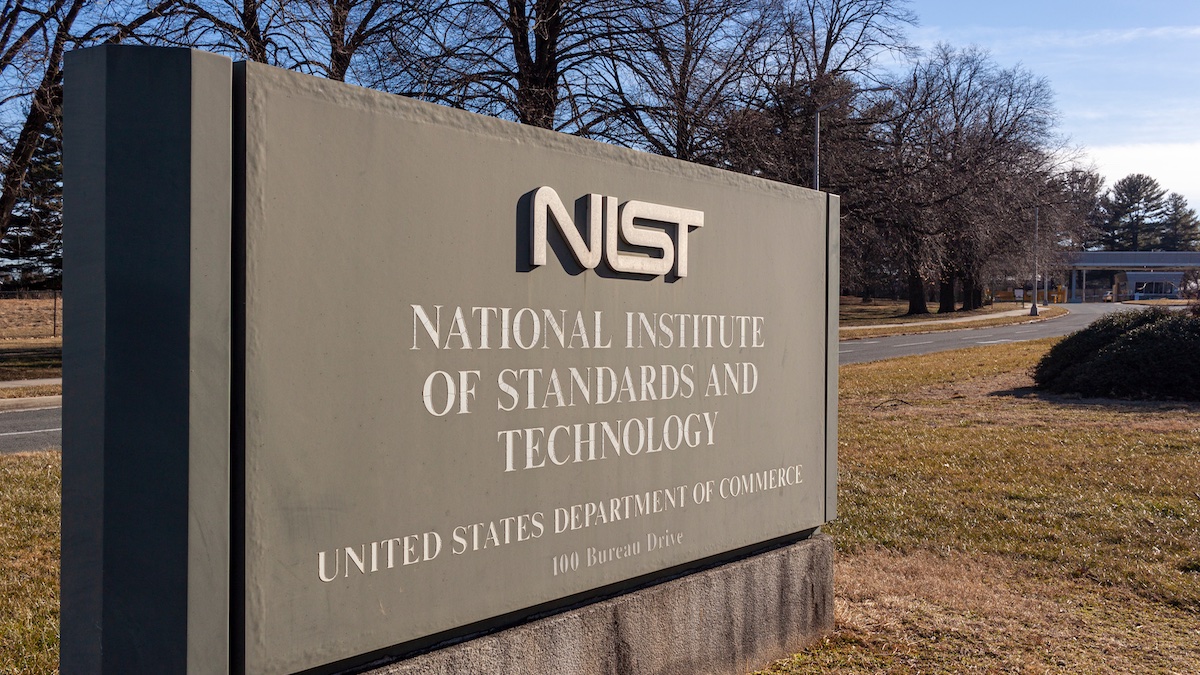
NIST Opens Updated IoT Security Guidance to Public Review

The National Institute of Standards and Technology (NIST) announced Wednesday that it’s seeking public feedback on updated Internet of Things (IoT) security guidelines.

Updated to reflect current security needs, the guidance provides general considerations on the impact of IoT products on risk assessments and aims to establish cybersecurity requirements to support security controls.

The initial public draft (IPD) of SP 800-213 Revision 1, titled ‘IoT Product Cybersecurity Guidelines for the Federal Government: Establishing IoT Product Cybersecurity Requirements’, is available for download on NIST’s website (PDF), with the public comment period ending August 24.

As organizations increasingly rely on IoT products, they need to understand that these products are system elements and must be taken into account in the risk management process, NIST argues.

The updated guidelines build on SP 800-213A, which provides a catalog of IoT product cybersecurity capabilities and non-technical capabilities for both manufacturers and consumers.

“Just as not every Federal Information Technology (IT) system uses every control, not every capability in the catalog is needed in every IoT product. Ultimately, the goal is to enable organizations to securely incorporate IoT products into their systems and meet their security requirements,” NIST notes.

Advertisement. Scroll to continue reading.

Given the evolution of the technical, operational, and risk landscape over the past five years, SP 800-213 required an update to cover current challenges.

The updated guidelines focus on IoT products rather than IoT devices, “to clarify the difference between the ‘product’ and the system it is deployed within, ensure organizations consider all IoT product components, and provide organizations clarity and flexibility related to applying cybersecurity to IoT products.”

With the IPD focusing on new IoT products, NIST is asking for public feedback on the changes included in the update, and on whether the terms are clearly defined and relate to the intended outcomes.

In addition to reviewing the updated guidelines, organizations are also encouraged to reference SP 800-30, Revision 1 (Guide for Conducting Risk Assessments), SP 800-53 Rev. 5 (Security and Privacy Controls for Information Systems and Organizations), and other publications related to risk assessment due to the integration of IoT products into information systems.

“The IPD reflects current needs, with lessons learned from stakeholders who use these guidelines. Particularly, it’s focused on providing clearer guidance, more relevant content, and better alignment to today’s environment,” NIST notes.

Related: CISA Directs Federal Agencies to Prioritize Security Patches Based on Risk

Related: NIST Prioritizes NVD Enrichment for CVEs in CISA KEV, Critical Software

Related: NIST Publishes Guide for Protecting ICS Against USB-Borne Threats

Related: CISA Launches ‘CI Fortify’ to Prepare Critical Infrastructure for Geopolitical Cyber Conflict

https://www.securityweek.com/nist-opens-updated-iot-security-guidance-to-public-review/


Chrome 149 Update Resolves 18 Severe Vulnerabilities

Google on Wednesday rolled out a new Chrome 149 update that resolves 18 vulnerabilities, including four critical and 14 high-severity security defects.

More than half of the addressed issues, including three critical and seven high-severity, are use-after-free flaws, a type of memory corruption bug that could lead to remote code execution (RCE).

In Chrome, use-after-free vulnerabilities can be combined with security holes in the underlying operating system or in a privileged browser process to escape the sandbox.

The remaining eight issues patched in this update are out-of-bounds read, inappropriate implementation, uninitialized use, and insufficient validation of untrusted input bugs.

Per Google’s advisory, the most severe of the flaws was reported by an anonymous researcher. The company has yet to disclose the bug bounty amount to be rewarded for the report.

The remaining 17 security defects were discovered by Google, a trend that has been ongoing for the past couple of months, likely fueled by the use of AI.

Advertisement. Scroll to continue reading.

Also notable is the fact that, following a spike in new vulnerability discoveries in April and May, which culminated in a massive batch of 429 patches in early June, the number of fresh security weaknesses addressed with each new Chrome release has dropped into the lower two digits.

Google makes no mention of any of the newly resolved vulnerabilities being exploited in the wild.

The latest Chrome iteration is now rolling out as versions 149.0.7827.196/197 for Windows and macOS and as version 149.0.7827.196 for Linux.

Related: Exclusive: Meet AIVEX, a New Triage Model Built to Reduce Supply Chain Threat and Risk

Related: Chrome and Firefox Updated to Patch Critical, High-Severity Vulnerabilities

Related: Critical Ubiquiti Vulnerabilities in Attackers’ Crosshairs

Related: Exploitable CI/CD Vulnerabilities Expose Millions of Repositories to Hijacking

https://www.securityweek.com/chrome-149-update-resolves-18-severe-vulnerabilities/


Cisco SD-WAN Zero-Day Exploited Months Before Patching

Google’s Mandiant team has detailed the exploitation of a Cisco Catalyst SD-WAN vulnerability that was exploited as a zero-day months prior to its disclosure.

The vulnerability, tracked as CVE-2026-20245, is the 7th Cisco SD-WAN product flaw whose exploitation came to light in 2026. 

CVE-2026-20245 affects the CLI of Cisco Catalyst SD-WAN Manager and allows an authenticated local attacker to execute arbitrary commands with root privileges using specially crafted files.

The security hole was disclosed by Cisco in early June, and patches were released roughly one week later. 

Mandiant’s investigation began in early 2026 after observing an unidentified threat actor targeting SD-WAN infrastructure at a service provider. 

The attacker established initial access to an SD-WAN Manager instance via SSH in March 2026. They then exploited CVE-2026-20245 to escalate privileges to root.

Advertisement. Scroll to continue reading.

According to Mandiant, the same victim’s SD-WAN Manager systems were previously targeted — either by the same or a different threat actor — possibly through the exploitation of other vulnerabilities, CVE-2026-20127 or CVE-2026-20182, which at the time were also zero-days. 

In the March attack, the hackers authenticated to the SD-WAN Manager instance via SSH using the ‘vmanage-admin’ account and then used that access to change the default admin account’s password. 

“The threat actor subsequently used their active vmanage-admin session to change the password of the admin account back to its original state before terminating their active session. This activity was likely performed to reduce the probability of detection by an administrator trying to log into the device during day-to-day operations,” Mandiant explained.

It added, “The vmanage-admin and admin accounts are default accounts on Cisco Catalyst SD-WAN controllers that have different privileges, but neither possesses root shell access.”

Once they had admin privileges to the targeted system, the attacker exploited CVE-2026-20245 to escalate privileges and achieve full root-level access. 

In an effort to evade detection, the threat actor deleted all files created during the attack, restored altered system configurations, and ran a script to ensure no evidence remained. 

“This campaign underscores the living off the edge paradigm, where threat actors prioritize the compromise of network appliances to bypass traditional security perimeters. As organizations increasingly adopt software-defined networking, the orchestrators managing these environments become primary targets.” Mandiant said.

Additional technical details and IoCs are available in Mandiant’s blog post.

Separately, a cybersecurity firm has reported seeing attacks exploiting CVE-2026-20230, a Cisco Unified CM vulnerability patched in early June. However, Cisco told SecurityWeek that it cannot confirm in-the-wild exploitation as of June 24. 

Related: Cisco Patches Another SD-WAN Zero-Day, the Sixth Exploited in 2026

Related: Critical Ubiquiti Vulnerabilities in Attackers’ Crosshairs

Related: FFmpeg PixelSmash Flaw Allows RCE on Video Players, Media Servers, NAS Appliances

https://www.securityweek.com/cisco-sd-wan-zero-day-exploited-months-before-patching/


When Information Becomes the Attack Surface – Understanding AI Agent Traps

AI agents go beyond answering questions. They can autonomously browse websites, read emails, search company files, query software tools, and more. AI models producing incorrect answers is hardly a threat, until agents encounter information that’s maliciously designed to influence what it sees, believes, remembers, or executes.

An agent leverages webpages, document stores, wikis, images, emails, or tools to produce intended outputs. But what happens when these sources mask malicious instructions? These trap AI agents into making a wrong interpretation or taking unintended action. Scientists from Google DeepMind categorized these “traps” into six categories, including content injection, semantic manipulation, cognitive state, behavioral control, systemic, and human-in-the-loop traps. The last two are more theoretical and expected to become more relevant as AI agent use grows. It helps to understand these traps to determine the necessary mitigations.

Content Injection: When Instructions Hide in Plain Sight

Content injections exploit the difference between what a human sees and what an agent parses, as well as the system’s difficulty in keeping trusted instructions separate from untrusted external data.

A webpage might appear harmless, but its underlying code, metadata, hidden text, or image can contain malicious instructions for an AI system. An AI model accepts attacker-controlled data from an external source, such as a website or file. If this system fails to distinguish between data and instructions, the model may start processing instructions within that content. The objective behind such injection of malicious content is to alter the AI’s response, disclose sensitive information or enable an unauthorized action. In NIST evaluations of agent hijacking, malicious instructions succeeded across five tested injection tasks, on average, 57% of the time.

A support ticket with underlying malicious instructions can manipulate an AI agent into retrieving customer data from the CRM and sending it to an attacker-controlled address. If the agent has excessive permission, this exfiltration becomes all the easier.

Semantic Manipulation: Shapeshifting the Information

Semantic manipulation need not explicitly tell the agent what to do; it feeds repetition, emotional language, selective context, a false sense of authority, and coordinated claims to the agent to skew context and guide the agent towards the ‘attacker preferred’ conclusion.

Advertisement. Scroll to continue reading.

Imagine a scenario where you have tasked an agent to zero in on a supplier. It comes across search results that repeatedly extol the virtues of a specific supplier, describe a specific company as the gold standard, highlight its strengths and amplify doubts about competitors. This increases the chances of the agent recommending this supplier. Conventional signature-based security tools may not flag anything malicious, as the attacks leverage ‘reasoning’ to influence rather than rely on malicious code.

Here, manipulation of the surrounding information environment becomes the manipulation of the decision itself.

Cognitive State Traps: Poisoning Agent Knowledge

Some agent systems use retrieval databases, interaction histories, or persistent memory stores to maintain context and continuity across tasks. This creates an opportunity for poisoned information to influence later outputs or actions. E.g., a poisoned document in a shared repository that an agent refers to and trusts as evidence, or a manipulated exchange that becomes an agent’s memory, only to rear its head during future tasks.

Research presented at the USENIX conference found that, in controlled tests, inserting five specially crafted texts per target question caused a RAG system to produce the attacker’s chosen answer in about 90% of cases, even when its knowledge base contained millions of legitimate texts.

With information governance becoming an integral component of AI security, organizations must be aware of which sources agents retrieve information from, who can modify those sources, how claims can be verified, and whether stored memories can be reviewed or removed.

Behavioral Control: Turning Influence into Action

Behavioral control operates at the juncture where interpretation is translated into action. Malicious content may attempt to make the AI agent send data, approve a transaction, execute code, invoke another tool or trigger a myriad of other actions. Here, the extent of the consequence depends on the extent of the agent’s access. Grant the agent only the data access and tool permissions required for the specific task. This could be the difference between an agent delivering a misleading summary and the same agent reading confidential files and communicating this information externally, resulting in data loss.

The More Theoretical Frontier

Systemic traps and human-in-the-loop traps remain less developed, but they deserve attention. Systemic traps could induce many similar agents to behave in correlated ways, causing congestion, market disruption, or cascading failures. Human-in-the-loop traps could use a compromised agent to mislead the person expected to approve its actions.

These risks may become more plausible as agent populations grow and users become accustomed to trusting agent-generated summaries.

Control for Agent Traps

A single control won’t alleviate the agent trap threat. A defensive framework must have aspects like source verification, content screening, memory governance, restricted permissions, isolated execution, monitoring, and an independent approval framework with a human in the loop for high-impact actions. Security must follow authority, and there should be clear lines of separation between the ability to interpret and the authority to act.

The future of agentic AI use will depend not only on what these agents can do but also on how they decide what to trust. The fact that they can complete a task is not up to doubt, but they must be able to recognize when the environment they are operating in and harnessing is trying to manipulate them.

Related: Agentic AI Security: Wrong Context, Wrong Decisions at Machine Speed

Learn More at the AI Risk Summit | Ritz-Carlton, Half Moon Bay

https://www.securityweek.com/when-information-becomes-the-attack-surface-understanding-ai-agent-traps/


Google Begins Rolling Out The June 2026 Spam Update via @sejournal, @MattGSouthern

  • Google began rolling out the June 2026 spam update, applying globally and to all languages.
  • It’s the second spam update of 2026, and Google announced no new spam policies with it.
  • Ranking or traffic changes over the next few days could trace to the rollout, so watch your Search Console data.

Google has begun rolling out the June 2026 spam update globally and across all languages. It’s the second spam update of the year.

https://www.searchenginejournal.com/google-begins-rolling-out-the-june-2026-spam-update/580424/


Google Tests ‘Strongest Match’ Labels On Search Ads via @sejournal, @brookeosmundson

Google is testing a new Search ads label that could give certain advertisers a visible endorsement directly within search results.

In a LinkedIn post, Google Ads Liaison Ginny Marvin announced a limited U.S. experiment that adds a “Strongest match” or “Strong match” label to select Search ads.

According to Marvin, the labels are intended to help users quickly identify the most relevant information for their query while helping advertisers connect with high-intent audiences.

The experiment is currently rolling out to a small percentage of users in the United States.

Marvin said the designation relies on existing ad quality and relevance signals that Google already uses to evaluate Search ads.

While the announcement itself was relatively brief, it immediately sparked questions from advertisers about how the label is determined, whether it could influence click behavior, and what it might signal about the future direction of Search.

Google Hasn’t Explained What Qualifies As A “Strongest Match”

Google’s announcement answered what the label is intended to do, but not how advertisers qualify for it.

According to Marvin, the designation is based on existing quality and relevance signals. Beyond that, Google has not shared any details about how the label is determined.

As a result, advertisers still don’t know:

  • Which signals are used to determine the label
  • How those signals are weighted
  • Whether the designation is based on the query, keyword, ad, landing page, or a combination of factors
  • Whether multiple advertisers can receive the label in the same auction
  • Whether the label is tied to ad position

The lack of detail quickly became one of the main discussion points following the announcement.

Several advertisers questioned whether the designation reflects the same systems Google already uses to evaluate ad relevance or whether the experiment introduces an additional layer of evaluation.

Others questioned whether bid strength plays any role.

Google’s description suggests the label is intended to reflect relevance rather than spend. However, the company has not explained how those determinations are made.

Until Google shares more information, advertisers are left with a label that appears meaningful but lacks a clear definition.

Advertisers Are Asking For More Transparency

Advertisers quickly focused on a different question: how Google determines which ads receive the label.

Several commenters asked whether “Strongest match” reflects the same relevance systems Google already uses or whether additional factors are involved.

Terry Hogan questioned whether the designation is truly based on relevance or whether bid strength contributes to the decision.

Kristen Kelleher asked a popular question, based on the amount of likes she got:

What components make up the scoring underneath the match label? Is this based on the keyword based quality score, ad relevance, landing page exp or is it only based on the ad itself?

So far, Google has not provided additional detail.

Other comments asked measurement questions around the label testing.

Craig Graham asked: “Are there plans for any kind of advertiser-side reporting for this if the experiment rolls out more broadly?”

That visibility could become important if the designation influences click behavior. Advertisers will likely want to know when their ads receive the label and whether it impacts performance.

Questions also accumulated in Marvin’s LinkedIn post about how the label will appear within search results.

Bernt Muurling asked whether the strongest match will always be the first result shown.

If the label only appears on the top-ranked ad, it reinforces Google’s existing ranking decisions. If it can appear elsewhere on the page, it introduces a new signal that users may evaluate alongside ad position.

Justin Windschitl pointed to what may be the biggest challenge for the experiment:

Interested what the criteria are for labeling “match types” and if there can be flaws with the labeling, hurting businesses. On the flip side, if it’s buttoned up, it could be very beneficial for filtering best matches and more effective ad spend!

If the designation is occasionally inaccurate, advertisers may question whether Google is effectively endorsing one business over another.

Could This Become A Public Relevance Signal?

The experiment stands out because it could make Google’s assessment of relevance visible to users.

Advertisers have always known that Google evaluates factors such as ad relevance, landing page experience, expected click-through rate, and other quality signals when determining which ads appear and where they rank. Those evaluations largely happen behind the scenes.

A “Strongest match” label would move part of Google’s relevance evaluation from Google Ads into the user experience itself.

That may seem like a small change, but it introduces a new dynamic into the search experience.

Users already see ad position. A visible label gives them another signal to evaluate.

That is one reason several advertisers immediately questioned how the designation is determined and whether it could influence click behavior.

It also raises questions about whether the label becomes a competitive advantage of its own.

If users begin viewing the designation as a recommendation from Google, advertisers who receive the label could benefit beyond the visibility that comes with ranking well in the auction.

Whether that happens will likely depend on how often the label appears and whether users respond to it.

For now, Google has positioned the experiment as a way to help users identify relevant information more quickly. The broader question is whether advertisers and users eventually view the designation as a relevance signal, a recommendation, or something in between.

Why Google May Be Testing This Now

While Google hasn’t shared the reasoning behind the experiment, the test arrives as Search continues to evolve beyond a traditional list of links.

Google already makes relevance decisions every time an auction takes place. The difference is that those decisions typically remain behind the scenes.

This experiment tests what happens when part of that evaluation becomes visible to users.

Google already makes relevance decisions every time an auction takes place. This experiment tests whether those assessments should be visible to users.

Like many Search tests, the feature may never move beyond experimentation. If it does, it could mark another step toward Google making more of its relevance decisions visible within the Search experience itself.

What This Means For Advertisers

At this point, advertisers should view the label as an experiment rather than a new optimization opportunity.

Google hasn’t introduced any controls, reporting, or guidance around how advertisers qualify for the designation.

For now, the announcement is getting a lot of attention because it introduces a new user-facing signal in Search ads. Whether that signal influences click behavior or campaign performance is unclear until Google provides more information.

We’ll continue watching the rollout and update this story if Google shares additional details about qualification criteria, reporting, or broader availability.

Featured image: Kues / Shutterstock, Phone image courtesy of Google 

https://www.searchenginejournal.com/google-strongest-match-search-ad-labels-test/580378/