Anthropic’s elaborate plan to keep Wall Street at bay

Anthropic wants to have it both ways. With its impending IPO, it wants to tap the vast riches of the public markets and insists it doesn’t want to compromise its core mission of developing AI safely and for the benefit of humanity. But greater model capabilities bring greater risks, and shareholders eager for returns may have little patience for costly safety measures that slow products on their way to market.

Sam Altman, the CEO of Anthropic’s archrival, OpenAI, has cited investor pressures as one reason the company is not pursuing an IPO this year. Anthropic hopes it can resist investor pressures with a mind-boggling governance structure.

A “unique and complicated governance structure that has not been used before…creatively designed for this founder-led and mission-driven company.”

University of Pennsylvania law professor Elizabeth Pollman told The Verge that Anthropic has proposed going public with a “unique and complicated governance structure that has not been used before” and that has been “creatively designed for this founder-led and mission-driven company.” Experts say it should give Anthropic freedom to pursue profits without letting shareholders force it to cut corners on safety or rush systems out before they’re adequately tested. But even the strongest legal protections can only go so far, and no corporate structure, no matter how well designed, can completely insulate a public company from the demands of the market.

Foremost, Anthropic is a public benefit corporation. Simply put, it is legally required to focus on more than just maximizing shareholder returns, balancing these with its stated social mission and the interests of stakeholders, such as employees and specific communities. Patagonia and Kickstarter are among the better-known examples, with missions centered on environmental conservation and supporting creative communities, respectively.

Another key safeguard aims to protect Anthropic’s mission by limiting shareholder influence over one of the biggest levers of corporate power: the company’s board of directors. Directors oversee the company and appoint its leadership, including the CEO. Directors can also hold executive roles, as is the case with Anthropic, with CEO Dario Amodei and president Daniela Amodei both sitting on the board.

Shareholders typically have considerable sway over who sits on the board, giving them a means to replace directors or push for changes if they are unhappy with how the company is being run. For example, if shareholders are unhappy at what they perceive as unnecessary delays to market for optional safety testing, they may remove directors and replace them with ones more aligned with their interests, such as making money and being less cautious.

“Anthropic is entirely insulated from profit seeking pressures, in the sense that ordinary shareholders have no ability to select the board or make business decisions.”

Under Anthropic’s proposed governance structure, ordinary shareholders won’t have much of a say over who is on the board at all. Instead, four of the board’s seven directors will be chosen by a special body called the long-term benefit trust, explains Jens Dammann, a professor in business and commercial law at the University of Texas School of Law. It is a highly unusual setup for a major technology company.

The trust is made up of “five financially disinterested voting trustees” with expertise in “AI safety, national security, public policy, and social enterprise.” Through a special class of share called Class T stock, the trustees can appoint or remove directors in pursuit of their stated purpose: ensuring “that Anthropic responsibly balances the financial interests of stockholders with the interests of those affected by Anthropic’s conduct and our public benefit purpose.” The trust is designed to operate independently of the company’s commercial pressures, allowing it, in theory, to put Anthropic’s mission first.

Ordinary shareholders technically have a say in the board’s three remaining seats. However, Anthropic has created another safeguard that keeps power firmly in the hands of its founders, called “Founder LLC,” which will control 50.1 percent of the voting power on shareholder matters. Given that many shareholder votes are decided by a simple majority, Founder LLC basically gives Anthropic’s founders the ability to block or force through decisions, regardless of how other shareholders vote. This means that they will effectively choose the remaining three directors, Columbia Law School professor Dorothy Lund told The Verge.

The prospectus says Founder LLC will “initially” be seven of Anthropic’s founders: Dario Amodei, Daniela Amodei, Tom Brown, Jack Clark, Jared Kaplan, Sam McCandlish, and Christopher Olah. “Our seven co-founders will initially be the sole members.” Notably absent is another cofounder, Ben Mann, who co-leads the company’s experimental Anthropic Labs arm, as reported by The San Francisco Standard.

All in all, the arrangements would give Anthropic’s founders and the trust “tremendous power” over the company’s direction, shielding it from many of “the pressures associated with being a public company,” Dammann told The Verge. “Given the unusual governance structure Anthropic has chosen, I don’t see how going public, by itself, would undermine its ability to prioritize safety over commercial interests.”

Ann Lipton, a professor at the University of Colorado Law School, agreed, telling The Verge that, legally speaking, “Anthropic is entirely insulated from profit seeking pressures, in the sense that ordinary shareholders have no ability to select the board or make business decisions.” But Lipton cautioned that the founders themselves have financial stakes in the company, which could influence their decisions.

“Investors may not mind their lack of voice as long as things go well. But if things go sour, they may become quite frustrated.”

And there’s a big difference between legal protections and immunity from market pressures. Anthropic, like all AI companies, “desperately needs capital,” Lipton said. “It’s not clear to me that any governance structure will protect against the market reality that unless Anthropic takes advantage of profit making opportunities at a faster pace than its competitors, it will not be able to fund its operations.” Lund expressed similar concerns. Anthropic will still “need to stay in the good graces of their investors,” she said, adding that “competitive pressure and capital needs can erode safety commitments over time.” Anthropic did not respond to The Verge’s request for comment on whether it felt the company could actually resist shareholder pressure to massively accelerate AI at the cost of safety.

Another potential vulnerability emerges if Anthropic’s founders start leaving. In its prospectus, the company says its success is “highly dependent on the continued service” of its senior team, particularly its founders. Dario and Daniela are singled out as being especially “critical” to advancing the company’s research and mission. But beyond the loss of leadership, their departure could trigger significant changes in how the company is structured, potentially stripping away some of the safeguards preventing Anthropic from pursuing profit over safety.

Under the proposed structure, Founder LLC would “sunset” if a majority of its members leave or the group chooses to dissolve it. Once that happens, ordinary shareholders could gain the power to weaken the trust’s protections, even against the wishes of the trustees, and without the support of the founders or employees, who hold different classes of stock, Dammann told The Verge. Other means of subverting the trust also exist, he explained, including coordinated action by the public shareholders, employee stockholders, and founders.

For now, it seems, Anthropic can probably have it both ways. But the protections designed to preserve its commitment to AI safety are far from ironclad, and much depends on market pressures, whether its founders stick around, and directions of the trust. Dammann said he sees a “fundamental dilemma that cannot be resolved in a fully satisfactory way” between Anthropic’s mission and investor demands. As long as things are going well, this tension may be manageable. “Investors may not mind their lack of voice as long as things go well,” Dammann said. “But if things go sour, they may become quite frustrated.”

Follow topics and authors from this story to see more like this in your personalized homepage feed and to receive email updates.


https://www.theverge.com/ai-artificial-intelligence/1019470/anthropic-ipo-resist-investor-pressure-cut-corners-safety


Meta’s $25 billion legal loss just put blood in the water

When attorneys general from across the US announced a $17 billion settlement with Meta this summer, the sum was unprecedented. But a ruling last week by a New Mexico judge blew that number out of the water. The judge ordered Meta to pay $25 billion to resolve claims that Meta misled users around the 2018 Cambridge Analytica scandal and related incidents. Similar claims were resolved by the settlement with most other states. The outcome raised an obvious question: Should these states have asked for more?

The answer depends on a mix of factors, including whether the $25 billion order stands up to Meta’s legal challenges. Meta’s chief legal officer C.J. Mahoney said in a statement that the company is “confident we will prevail on appeal” and called New Mexico’s lawsuit an attempt to impose “a tax on speech.” If the fine sticks, however, it could create a new appetite for Big Tech’s opponents to stick it out in court — or ask for bigger payouts to settle.

“For the settling AGs, they’re going to look at this and maybe experience some regret for all the claims that they waived, and start looking around and trying to figure out what’s left that they didn’t waive, if they can try to get some money like this too,” says Daphne Keller, director of platform regulation at the Stanford Program in Law, Science & Technology. For the many individuals, school districts, and tribes with outstanding claims, “this is very encouraging and will make them hopeful that continuing to litigate aggressively will lead to a big payout,” Keller says.

The $25 billion court order covered millions of violations of New Mexico’s unfair practices law, after a jury found Meta had misled users about how it protected their data and policed misinformation and hate speech – claims stemming from the 2018 Cambridge Analytica scandal. In most states, such claims were covered by a section of the kids online safety settlement, resolved with a $459 million payment.

While that number looks comparatively puny, there were upsides to taking it. A settlement provided more certainty and an expedited payout for states even though Meta will be making the payments over 10 years. It also secured product commitments from Meta, like restrictions on teen usage, that might have been more difficult to get from a court ruling. And it allowed those to be implemented soon after the settlement was approved, which advocates say is important to prevent further harm to kids. Other state attorneys general also may have been working with different laws or evidence that could result in outcomes different from those obtained in New Mexico.

“Assuming that even a fraction of this award gets upheld, then they clearly took pennies on the dollar compared to New Mexico”

But New Mexico’s win, combined with other recent legal victories for AGs and private plaintiffs — including a separate judgment of nearly $1 billion against Meta in New Mexico — may embolden anyone still litigating privacy and kids online safety cases. “Assuming that even a fraction of this award gets upheld, then they clearly took pennies on the dollar compared to New Mexico,” Keller says of the settling states. Imagining she’s an AG with similar claims — like public false statements about privacy or content moderation — “I become less willing to settle in those cases,” Keller adds. “Or if I do settle, I ask for more.”

Florida Attorney General James Uthmeier, whose state avoided joining the Meta settlement, seemed to take the latest New Mexico ruling as a validation. “As I said at the time, the multi-state settlement with Meta was a slap on the wrist,” Utheimer wrote on X. “Florida isn’t going to sell out to Meta. We’re going to hold them accountable.” The District of Columbia could be the next place to test whether New Mexico’s win can be replicated since it did not settle its Cambridge Analytica claims and has continued pursuing its lawsuit in court.

“Any one, or 10, or 50 of them could hit the jackpot”

While the AGs who joined the settlement can’t pursue covered claims against Meta anymore, they could still push for more in cases against other social media defendants, including TikTok, YouTube, and Snap. And those who weren’t part of the Meta settlement, including school districts and individuals, may be encouraged to continue pushing ahead. “Realistically, there’s so many cases, it’s not feasible that every single case can have an outcome like this,” says Keller. “Meta actually would go broke because the multipliers are so large. But any one, or 10, or 50 of them could hit the jackpot.”

States have stepped in to pursue tech policy and competition cases where the federal government has declined to, but the wide range of potential outcomes for each state presents its own challenges. As Congress has stalled on major tech policy bills and the Trump administration has often favored lighter regulation on tech, Colorado Law associate professor Blake Reid sees recent cases as a “move toward state-level tech policy.”

“The trick of that is, now you have 50 states that all have different sets of resources, and different sets of politics, and different sets of incentives, and frankly just different skill levels in terms of the sophistication that it takes to do litigation at this scale,” Reid says. “And it’s the same Meta, but now it’s up to 50 small opponents that are going to break in different ways.”

As for whether the $25 billion ruling makes other states rethink their strategy, Reid says there could be a range of approaches, depending partly on whether the figure is upheld on appeal and whether Meta loses yet more cases. “Is that a game that every state attorney general wants to play?” he asks. “And I think the settlement in the other case suggests maybe not.” Still, the new figure may change what AGs think they can achieve in court. And the more losses Meta and other tech companies rack up, the more ambitious they might get.

Follow topics and authors from this story to see more like this in your personalized homepage feed and to receive email updates.


https://www.theverge.com/policy/1019604/new-mexico-meta-cambridge-analytica-kids-safety-settlement


Firefox’s Smart Window adds AI form filling and webpage monitoring

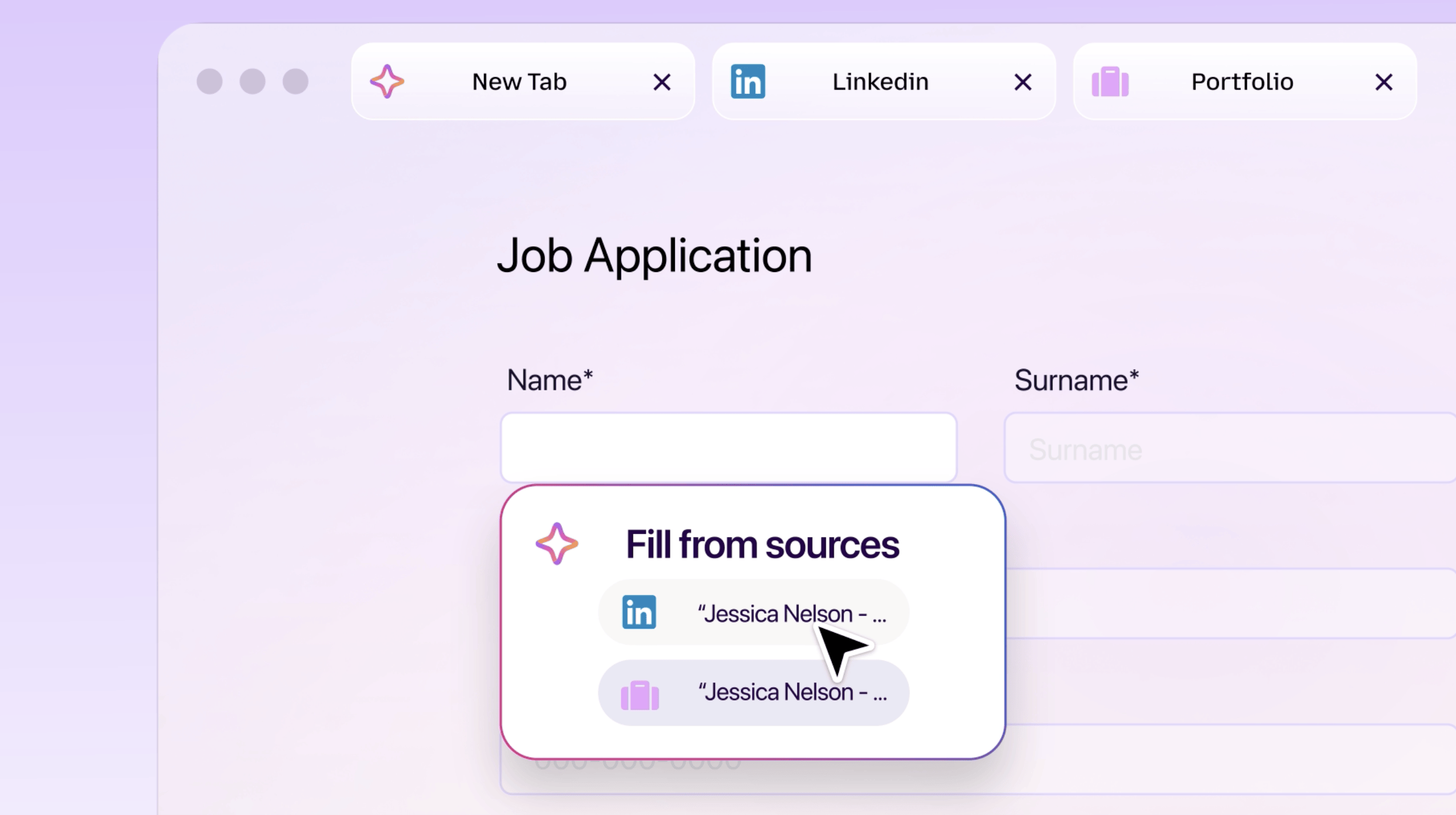
Mozilla is updating Smart Window — Firefox’s AI-powered browsing experience — with a new feature that can help you fill out online forms based on your open tabs. As an example, Mozilla says Smart Window can pull information from your online portfolio or LinkedIn page to paste your work history into a job application.

You can try out this feature by clicking into a form with at least four text fields. From there, you’ll see an option to “Fill from sources,” which will show all of the tabs Firefox will draw from. You can then select or deselect tabs that you want Firefox to use, and the browser will generate suggestions based on the information in them. This feature currently supports text fields on web forms, but Mozilla is working to add support for dropdown menus and PDFs. Mozilla notes that data from your source pages is shared with Google’s Gemini 3.1 Flash Lite, the AI model that generates the text suggestions.

Along with this update, you can now ask Firefox’s Smart Window to watch a certain webpage for sales, new job listings, and other updates. You can set up a task by typing “/watch” in the Smart Window chat, describing what you’re looking for, and adding the webpages you want to watch. Firefox can then check for updates on a daily or weekly basis, but only when the browser is open.

When Firefox detects the change you’re looking for, it will send you a notification through the Tasks button on the toolbar, or on your desktop (if you have desktop notifications enabled). Firefox will pause watching for updates if it doesn’t detect a change after 60 days, before stopping them completely after 90 days.

These two features are rolling out to the Smart Window beta on desktop in the US and Canada. They’ll be available in other countries in the “coming months.”

https://www.theverge.com/ai-artificial-intelligence/1019551/firefox-smart-window-ai-fill-forms


Major League Baseball is looking for a new kind of fan

On October 2nd, just as Major League Baseball’s Division Series was kicking off, the main MLB Instagram and TikTok accounts posted a video hyping up the teams still in the running for the World Series. It featured clips of players from the Milwaukee Brewers, Los Angeles Dodgers, Chicago White Sox, and more sliding into home plate, hitting homers, and celebrating hits — standard fare for a highlight reel. What really makes the montage, though, is that it’s set to an Olivia Rodrigo song.

The song, “My Way,” is an album track — not even a single — from Rodrigo’s latest record. It’s not exactly the soundtrack one might expect from an MLB-produced video. (“And here is the part where the girl gets pissed / And the girl is me, did you get that hint?” she sings.) But as evidenced by the comments, it hit exactly the right people: “I see I’m part of a very niche part of MLB fans,” one person said. “Target audience reached,” another responded. The clip has over 2.1 million views on Instagram and 615,000 views on TikTok.

“One of our favorite things is when a community says, ‘Oh, MLB knows ball,’ or, ‘Oh, I can’t believe my interests [are] converging,’” says Cameron Gidari, MLB’s vice president of social media and innovation. The social team is a fan of Rodrigo’s to begin with and loves the song, Gidari says, “but then also we thought we could make a really interesting edit with it, and we thought that community would appreciate being seen.”

Acknowledging the combination of baseball–Olivia Rodrigo fans is smart. It also might be essential for the survival of the sport. People love baseball, of course, but it often feels like it’s trailing other sports, not just in viewership but also culturally. Baseball is famously stats heavy — there are thousands of games every season across the league, and teams play almost every day. What happens on the field today is often contextualized through what happened in games in the past, making it hard to jump in without a history of watching (or learning about) the sport. Go back a few years, and you’d find MLB social channels were more “editorially focused,” Gidari says, focusing on facts of the game or highlights. Speaking to fans who have other interests — or who are simply more casual — has been a deliberate choice, he says.

“Our tone overall on social is the tone of fandom,” Gidari says. “We think there is something really inviting and magnetic about that, and it was a conscious shift.”

Here’s a post of Dua Lipa and Callum Turner at a Yankees game, the night the team was eliminated from the postseason. Here’s an edit spliced together with shots of athletes looking shocked and in awe, as if they were reacting to a song by the K-pop group Stray Kids. Here’s a highlight reel of White Sox first baseman Munetaka Murakami being funny.

The nature of social media algorithms all but requires MLB to branch out. Recommendation-based social feeds mean that following an account doesn’t necessarily mean followers will see the content — feeds have become reorganized into content niches, topics, and trends, and Gidari says “really aggressive algorithm changes” meant the league had to rethink what it posts. Content from the MLB in English- and Spanish-language social accounts racked up 19.1 billion views during the 2026 regular season, Gidari says, a record.

A significant part of that shift has been MLB’s embrace of influencers and content creators. So far this year, the league has tapped 400 creators who posted a combined 3,800 pieces of content, and in the postseason, MLB has had content creators at every single game. The league expects to have 100 content creators at the World Series, depending on how many games it runs.

The openness and collaboration with content creators is relatively new for MLB. As recently as 2024, content creators (including Jimmy “Jomboy” O’Brien, who does viral lip-reading breakdowns) complained of getting wide-ranging copyright takedowns on their content. In 2025, Commissioner Rob Manfred acknowledged the league fumbled this slice of the fanbase and that changing its tune had been “a really good thing” for MLB. (The league even acquired a stake in O’Brien’s media company last year.) More recently, a TikTok partnership gave select creators access to the league’s archives to use in their content.

For the first time, MLB has expanded beyond having influencers only at big events. The league now brings content creators to regular season games, too, and has broadened its reach to include more than just baseball and sports creators. Rachel Richter, director of influencer strategy, says MLB works with food, fashion, lifestyle, gaming, and family influencers, too.

“There are casual fans or [people] that aren’t even fans yet, that maybe they’re going to go to a game just because they get to put on a cute outfit, or they want to try this new food item,” Richter says. The idea is to get those creators to a game and let them incorporate baseball into their usual content.

The league is building on momentum, especially coming off a successful season last year: Game 7 of the 2025 World Series between the Dodgers and the Toronto Blue Jays was the most-watched World Series game since 2017, and more international viewers watched last year’s matchup than ever before. But as other sports have found, it can be a learning curve to balance longtime fans and the culture of the sport with an insurgent, at times unpredictable, class of promotional power brokers: The biggest story out of this year’s US Open, for example, was not the tennis itself but the many complaints and debates about the influencers who attended.

MLB is working to expand what constitutes a fan, reaching into corners of the internet and culture that previously were ignored or, at the very least, untapped. At the same time, it’s hurtling toward an uncertain 2027 season as the collective bargaining agreement between team owners and the MLB Players Association is set to expire in December. If the union and owners don’t reach a deal in time, players likely would be locked out, and the 2027 season could be shortened. Messaging that conflict would be a challenge in itself for the league — especially after adopting the voice of new, casual, and eager fans who are looking for a reason to tune in.

Correction, October 27th: Corrected a misspelling of Gidari’s name.

Follow topics and authors from this story to see more like this in your personalized homepage feed and to receive email updates.


https://www.theverge.com/report/1019478/major-league-baseball-fandom-social-media-world-series-influencers


TLC, le Tower Company fanno gola a Starlink

Per leggere la dailyletter del 27 ottobre 2026 clicca qui.

The post TLC, le Tower Company fanno gola a Starlink appeared first on Key4biz.

https://www.key4biz.it/tlc-le-tower-company-fanno-gola-a-starlink/592022/


Frequenze TLC, Protto (Cellnex Italia): “Agli operatori servono certezze per investire dopo il 2029”

“Servono certezze sul rinnovo delle frequenze in scadenza nel 2029 per consentire gli investimenti necessari allo sviluppo delle infrastrutture TLC fondamentali per lo sviluppo di nuove tecnologie come il Quantum e l’AI”. Lo ha detto Federico Protto, Presidente & Ceo di Cellnex Italy in occasione della 4^ edizione di Digital Innovation Forum – la Cernobbio del Digitale – che si è tenuta a Villa Erba, sul lago di Como, dal 14 al 16 ottobre su iniziativa della Fondazione Innovazione Digitale ETS ed organizzata da NOW Italia e da Triumph Group.

The post Frequenze TLC, Protto (Cellnex Italia): “Agli operatori servono certezze per investire dopo il 2029” appeared first on Key4biz.

https://www.key4biz.it/frequenze-tlc-protto-cellnex-italia-agli-operatori-servono-certezze-per-investire-dopo-il-2029/591996/


Gli USA guardano alla bolla tech in Cina. Mentre per Musk spariranno almeno 200 aziende AI

Che succede ai titoli tech cinesi? Bruciati 380 miliardi di dollari di capitalizzazione in meno di quattro mesi

Il crollo dei titoli tecnologici cinesi legati all’intelligenza artificiale (AI) porta in primo piano una domanda che riguarda anche Wall Street: gli investimenti nell’AI produrranno ricavi sufficienti a giustificare le valutazioni e il costo delle infrastrutture? In Cina la correzione è già evidente. Negli Stati Uniti, invece, le tensioni emergono soprattutto nel finanziamento dei data center e delle società che affittano capacità di calcolo.

In meno di quattro mesi l’indice STAR50, che raccoglie alcuni dei principali titoli cinesi di semiconduttori e AI, ha perso circa il 40%, cancellando 480 miliardi di dollari di capitalizzazione. Anche l’indice delle blue chip cinesi ha ceduto circa il 20% dai massimi di giugno, dopo un rally durato due anni e sostenuto dalle aspettative di stimolo economico e dalla spinta di Pechino a indirizzare più risparmio verso il mercato azionario.

Crollo dei titoli AI cinesi: valutazioni ancora elevate

La correzione non dimostra, da sola, che la domanda di AI in Cina sia in caduta o che l’industria tecnologica del Paese sia entrata in crisi. Questo è quello che ‘vedono’ gli Stati Uniti. Per ora, ciò che si evince dalle analisi internazionali e che si è sgonfiato in conreto è la valutazione azionaria. Secondo i dati citati da Reuters, lo STAR50 tratta ancora intorno a cento volte gli utili degli ultimi dodici mesi, contro circa trenta volte per il Nasdaq 100.

Il mercato cinese era diventato particolarmente esposto alla narrativa pompata dell’AI (anche quello americnao ovviamente). Secondo Goldman Sachs, i titoli AI rappresentavano il 42% della capitalizzazione e il 57% degli scambi tra le azioni cinesi quotate sul continente e a Hong Kong. La corsa aveva coinvolto produttori di chip, robotica, componenti ottici e infrastrutture per i data center, attirando molti piccoli investitori.

I ribassi mostrano quanto sia stata rapida l’inversione. C’è il caso Unitree, società di robotica le cui azioni erano state richieste in misura eccezionale al debutto, che ha perso circa metà del valore. Il produttore di chip CXMT ha ceduto oltre un quarto in un mese. Zhongji Innolight ed Eoptolink, attive nei componenti ottici, sono scese di circa il 60% dai massimi estivi, anche per il rischio di restrizioni statunitensi alle forniture per i data center americani.

Non c’è un singolo evento che spieghi il crollo dei titoli tech cinesi. Alle valutazioni elevate si sommano l’incertezza sui controlli all’export, la possibilità di nuove restrizioni internazionali e il dubbio che alcune società riescano a trasformare le promesse di crescita in profitti. La correzione, tuttavia, non coinvolge necessariamente tutte le imprese allo stesso modo: gli investitori guardano alla solidità dei ricavi, ai clienti e alla capacità di mantenere margini.

In Cina il mercato può assorbire la correzione?

La profondità del mercato cinese e la sua base industriale possono offrire risorse per assorbire lo shock, ma non garantiscono la tenuta dei titoli tecnologici, propone come riflessione l’articolo pubblicato dalla Reuters. La capacità di Pechino di sostenere il settore non coincide automaticamente con la redditività delle singole aziende. Inoltre, le perdite subite dai risparmiatori possono indebolire la fiducia proprio nei titoli associati alle priorità strategiche del governo.

In Cina la fragilità è emersa soprattutto nella concentrazione degli scambi e nella rapida rivalutazione di società esposte al tema AI. Negli Usa il nodo riguarda anche il capitale necessario per costruire data center e acquistare chip.

USA, Musk avverte: “A rischio oltre 200 società neocloud”

Meta ha registrato un flusso di cassa libero negativo per 2,1 miliardi di dollari, mentre aumentava la spesa per chip e data center. Elon Musk ha avvertito in un messaggio su X che oltre 200 società neocloud (imprese che acquistano chip e affittano capacità di calcolo) potrebbero affrontare fallimenti. La previsione non si basa su elementi di certezza, ma mette a fuoco la dipendenza di questi operatori dalla domanda di AI e dal credito.

CoreWeave offre un esempio delle tensioni finanziarie del settore: a fine giugno dichiarava 35,6 miliardi di dollari di debito e 5,5 miliardi di liquidità; il portafoglio di ricavi contrattualizzati ammontava però a 104 miliardi. Gli impegni dei clienti indicano una domanda consistente, ma non eliminano i rischi legati al costo del capitale e alla capacità di trasformare quei contratti in flussi di cassa.

Gartner stima che l’80% delle neocloud possa cessare l’attività entro il 2030. La società di ricerca confronta 8.600 miliardi di dollari necessari a coprire spesa e finanziamenti con 3.600 miliardi di ricavi attesi dai servizi AI aziendali e consumer collegati ai data center. Sono stime, va sempre ricordato, non certezze, ma un eventuale irrigidimento del credito potrebbe favorire i grandi hyperscaler, che dispongono di attività diversificate e maggiori risorse finanziarie (a danno di tutte le altre aziende).

Il possibile crollo della Borsa cinese anticipa così una domanda sulla bocca di tutti: quanta parte degli investimenti nell’intelligenza artificiale genererà ricavi sufficienti a sostenere valutazioni e infrastrutture? La bolla azionaria cinese potrebbe essersi sgonfiata in parte, mentre capire se la correzione diventerà una crisi industriale dipenderà da domanda, margini e accesso ai capitali. Una verifica che riguarda anche il mercato americano, dove si sta iniziando a distinguere tra aziende tech con ricavi diversificati e infrastrutture AI finanziate a debito.

The post Gli USA guardano alla bolla tech in Cina. Mentre per Musk spariranno almeno 200 aziende AI appeared first on Key4biz.

https://www.key4biz.it/gli-usa-guardano-alla-bolla-tech-in-cina-mentre-per-musk-spariranno-almeno-200-aziende-ai/591971/


TLC, cambio di paradigma. Le Tower Company fanno gola a Starlink (che punta a 80mila torri negli Usa)

SpaceX, l’operatore spaziale di Elon Musk che controlla Starlink, sarebbe interessata ad accaparrarsi 80mila torri cellulari per entrare direttamente nell’arena del mobile negli Usa. L’indiscrezione lanciata da Bloomberg fa saltare le telco Usa sulla sedia ma in realtà non fa dormire sonni tranquilli nemmeno alle tower company a stelle e strisce.

Starlink, obiettivo quarto operatore negli Usa

Dopo il recente annuncio dell’acquisto di frequenze in banda 800 MHz, le stesse usate dagli operatori Tlc per le comunicazioni wireless 4G e volendo 5G, Starlink è pronta a fare un ulteriore salto in avanti per entrare a buon diritto nell’arena del mobile negli Usa come quarto operatore e sfidare i tre storici Verizon, A&T e T-Mobile. Il salto di qualità sarebbe appunto l’acquisizione di una rete di proprietà di antenne terrestri.

Nel mirino di Musk 80mila torri negli Usa

Secondo Bloomberg, Elon Musk avrebbe già intavolato delle discussioni con una tower company: l’obiettivo è assicurarsi un’infrastruttura di 80mila siti di telefonia negli Usa per avere così una copertura cellulare nazionale su tutto il territorio.

Almeno un player Usa sarebbe coinvolto nelle discussioni esplorative di Starlink, che in questo modo si potrebbe assicurare i tralicci e le torri dove posizionare apparati di proprietà dive veicolare il suo segnale in banda 800 MHz.

Fantascienza?

Non sembra fantascienza, anche perché non più tardi di due settimane fa Starlink ha acquisito frequenze mobili in banda 800 MHz per 8 miliardi di dollari. Un’operazione che ha fatto crollare i titoli in borsa delle telco tradizionali negli Usa ma anche in Europa.

Crown Castle tower company papabile

Sul fronte delle tower company Usa, un partner papabile potrebbe essere Crown Castle, una delle principali tower company americane insieme a American Tower e Vertical Bridge Holdings. Secondo stime di Bernstein, riportate da Les Echos, per realizzare da zero una sua rete di proprietà negli Usa, SpaceX dovrebbe spendere non meno di 70 miliardi di dollari ma ci vorrebbero almeno 8 anni.

Nuovo servizio mobile entro il 2028

Certo, a quanto pare l’obiettivo di Elon Musk sembra quello di entrare anche nel mercato del mobile, unendo la sua costellazione LEO ad orbita bassa di più di 10mila satelliti, con 13,6 milioni di clienti che pagano in media 69 dollari al mese, con una rete classica di telecomunicazioni terrestri. In questo modo, Starlink Mobile non sarebbe più limitato esclusivamente alle aree bianche.

Perché ad oggi Starlink si limita a fornire connettività internet fissa ultrabroadband e mobile D2D tramite altri operatori, come ad esempio T-Mobile negli Usa e Kyivstar in Ucraina.

SpaceX punta all’inizio del 2028 per l’attivazione del suo nuovo servizio mobile.

Otto anni per una rete

Queste ambizioni, tuttavia, non fanno affatto sorridere gli operatori già presenti sul mercato, che stanno stringendo alleanze per far fronte a questo colossale elemento di disturbo. Il 1° ottobre, AT&T, Verizon e T-Mobile hanno lanciato una joint venture per estendere la copertura satellitare. In Europa, il 19 ottobre, Orange, Deutsche Telekom, Telefónica e Vodafone hanno firmato una lettera d’intenti per concorrere congiuntamente all’assegnazione di frequenze satellitari in banda 2 GHz.

Un’ulteriore prova del fatto che si sta organizzando un fronte comune: i tre operatori statunitensi hanno espresso le proprie preoccupazioni all’autorità di regolamentazione delle comunicazioni (la FCC, il cui vertice è peraltro considerato vicino a Elon Musk). In una lettera del 22 ottobre, la loro associazione di categoria (CTIA) ha chiesto di escludere due bande di frequenza 5G dall’accesso ai satelliti, al fine di preservare il controllo sullo spettro radio. Gli operatori richiedono l’imposizione di obblighi analoghi sia per gli attori terrestri che per quelli satellitari.

Secondo gli analisti di BNP Paribas e New Street, SpaceX starebbe bluffando, puntando in realtà a un accordo con un operatore già affermato – sulla falsariga del modello MVNO (operatore virtuale) – il che eviterebbe la necessità di implementare una rete estremamente costosa. “Anche in Francia, quando Free è entrata nel mercato della telefonia mobile, lo ha fatto appoggiandosi alla rete di Orange”, ricorda Stéphane Beyazian. A suo avviso, partire da zero richiederebbe almeno otto anni.

Ma con Musk di mezzo alle telco non conviene abbassare la guardia.

The post TLC, cambio di paradigma. Le Tower Company fanno gola a Starlink (che punta a 80mila torri negli Usa) appeared first on Key4biz.

https://www.key4biz.it/tlc-cambio-di-paradigma-le-tower-company-fanno-gola-a-starlink-che-punta-a-80mila-torri-negli-usa/591961/


In Brasile Lula vince anche grazie a Janones: ha creato il canale WhatsApp con 10 milioni di iscritti

Dietro la vittoria di Luiz Inácio Lula da Silva c’e lui: André Janones, 42 anni, è deputato federale eletto nel Minas Gerais con REDE ed è diventato uno dei volti della campagna digitale che ha accompagnato la rimonta di Lula secondo turno delle presidenziali brasiliane.

Il suo principale strumento è stato “Exército do Lula”, il canale WhatsApp trasformato in una sorta di quartier generale digitale della campagna. Dopo il primo turno contava circa 50mila iscritti; alla vigilia del ballottaggio aveva superato quota 10 milioni. Da lì Janones distribuiva indicazioni e “missioni” ai sostenitori per amplificare contenuti e temi della campagna sulle diverse piattaforme.

Il 25 ottobre Lula ha completato la rimonta battendo Flávio Bolsonaro con oltre 64 milioni di voti contro poco meno di 60 milioni. È stata la prima volta dal 1989 che un candidato arrivato secondo al primo turno è riuscito a vincere il ballottaggio. L’aumento dell’affluenza è stato determinante, ma anche la nuova offensiva sui social ha avuto un ruolo nella mobilitazione degli elettori.

Durante i festeggiamenti Lula ha ringraziato pubblicamente Janones e ha annunciato che la comunicazione digitale avrà uno spazio molto maggiore nel suo quarto mandato.

Da una famiglia povera alla Camera dei Deputati

André Luís Gaspar Janones è nato il 5 maggio 1984 a Ituiutaba, nello Stato di Minas Gerais, ed è cresciuto in una famiglia con poche risorse economiche. Figlio di una collaboratrice domestica e di un padre con disabilità, ha frequentato scuole pubbliche e ottenuto una borsa di studio per laurearsi in legge. Durante gli studi ha lavorato anche come bigliettaio sugli autobus.

Si è laureato nel 2008 e ha aperto uno studio legale nella sua città. Secondo quanto raccontato dallo stesso Janones, per anni ha assistito gratuitamente famiglie che cercavano di ottenere attraverso la giustizia interventi chirurgici, esami e farmaci dal sistema sanitario pubblico brasiliano.

La notorietà politica arriva soprattutto nel 2018, quando i suoi video durante lo sciopero nazionale degli autotrasportatori iniziano a circolare massicciamente sui social. Nello stesso anno viene eletto per la prima volta alla Camera con Avante. Nel 2022 lancia una candidatura alla presidenza, poi ritirata per sostenere Lula, entrando nella macchina della comunicazione digitale della campagna. Nel 2026 è passato a REDE ed è stato nuovamente eletto deputato federale.

La strategia: utilizzare le tecniche della destra sui social

Dopo che Lula aveva chiuso il primo turno dietro Flávio Bolsonaro, Janones ha intensificato l’attività dell’“Exército do Lula”, applicando alla mobilitazione della sinistra alcune delle tecniche che negli anni precedenti avevano caratterizzato soprattutto la comunicazione digitale della destra brasiliana.

Messaggi continui, video brevi, parole d’ordine semplici, chiamate all’azione e una rete di sostenitori incaricati di rilanciare rapidamente i contenuti. Lo stesso Janones ha spiegato di voler costruire una capacità di mobilitazione digitale simile a quella sviluppata dalla destra. Il canale è diventato così uno degli strumenti principali della controffensiva online di Lula tra primo e secondo turno.

La strategia è stata anche al centro di una battaglia davanti al Tribunale Superiore Elettorale. Il canale è stato sospeso e successivamente riattivato nel corso della campagna, mentre la squadra di Flávio Bolsonaro ne contestava l’attività. Meta ha poi comunicato di non aver individuato, in un’analisi preliminare, indizi di “comportamento inautentico coordinato” o violazioni delle proprie regole da parte dell’“Exército do Lula”.

Dalle piazze alla rete

Janones ha cercato anche di collegare mobilitazione digitale e presenza fisica nelle piazze. Uno dei messaggi utilizzati durante la campagna sintetizzava la strategia: prima conquistare strade e piazze, poi riprendere spazio sui social e infine vincere le elezioni.

Anche l’utilizzo dei simboli nazionali ha avuto un peso. Janones ha più volte indossato la maglia gialloverde della nazionale brasiliana, diventata negli anni precedenti uno dei simboli più riconoscibili delle manifestazioni bolsonariste, cercando di sottrarre alla destra il monopolio politico dei colori nazionali. Lula stesso, dopo la vittoria, ha indicato la comunicazione diretta e digitale come una delle lezioni della campagna: “La comunicazione digitale avrà uno spazio molto grande”, ha dichiarato annunciando una maggiore interlocuzione quotidiana con i cittadini.

Janones verso il governo?

Secondo quanto riportato dalla stampa brasiliana, esponenti del PT vorrebbero invitarlo a entrare nel partito e all’interno della maggioranza si discute della possibilità di affidargli nel prossimo governo un incarico legato proprio alla comunicazione digitale, eventualmente con uno status di particolare rilievo. Al momento, però, non è stata formalizzata alcuna nomina.

La sua ascesa racconta comunque un cambiamento più ampio nella politica brasiliana. La campagna del 2026 ha mostrato che la capacità di organizzare milioni di persone attraverso WhatsApp e i social può diventare parte integrante della macchina elettorale, accanto ai partiti, ai comizi e alle tradizionali strutture territoriali.

The post In Brasile Lula vince anche grazie a Janones: ha creato il canale WhatsApp con 10 milioni di iscritti appeared first on Key4biz.

https://www.key4biz.it/in-brasile-lula-vince-anche-grazie-a-janones-ha-creato-il-canale-whatsapp-con-10-milioni-di-iscritti/591947/


Sparkle, la cessione si fa attendere. Giornata clou il 20 novembre. I possibili scenari

Tim rinvia di nuovo la vendita dei cavi sottomarini

Nell’ambito del processo di cessione di Sparkle, TIM rende noto che Boost BidCo, veicolo societario controllato dal Ministero dell’Economia e delle Finanze (MEF) e partecipato da Retelit (controllato a sua volta dal fondo spagnolo Asterion), ha confermato il proprio impegno a completare l’acquisizione della società. A tal fine, le parti stanno proseguendo il confronto in modo costruttivo, con l’obiettivo di pervenire al perfezionamento dell’operazione.

Le parti hanno convenuto di aggiornarsi al 20 novembre. Il via libera dell’antitrust europeo c’è già, dall’aprile scorso; manca quello delle autorità statunitensi.

Nel frattempo, si parla di un cambio al vertice di Sparkle. Il nome che circola e che è dato per fatto è quello di Alessandro Ercolani, in predicato di prendere il posto di Enrico Maria Bagnasco, che ha lasciato l’incarico. Ma per ora l’avvicendamento non è ancora ufficiale, bisognerà attendere il Cda di Tim ai primi di novembre.

Un manager che viene dalla difesa

Ercolani guida Rheinmetall Italia dal 2020. Ha costruito la sua carriera nella difesa e nelle tecnologie per la sicurezza, e con Sparkle si sposterebbe su un fronte diverso ma vicino: le telecomunicazioni internazionali, un comparto strategico per la sicurezza nazionale.

Perché Sparkle è un asset strategico

Sparkle gestisce una rete internazionale di fibra ottica, con collegamenti sottomarini che attraversano il Mediterraneo e l’Atlantico e toccano altre aree chiave per il traffico mondiale di dati. Con il passaggio al controllo pubblico, l’Italia punta a presidiare in modo diretto un’infrastruttura importante per la sicurezza delle comunicazioni e per la sovranità digitale.

La rete di Sparkle

Sparkle dispone di una rete internazionale di oltre 600 mila chilometri di fibra ottica, con infrastrutture e collegamenti sottomarini che attraversano il Mediterraneo, l’Atlantico e altre aree strategiche per il traffico mondiale dei dati.

Accordo raggiunto a dicembre 2024

Tim aveva raggiunto lo scorso anno un accordo per la vendita dell’unità che si occupa di cavi sottomarini al Ministero delle Finanze italiano (70%) e a Retelit (30%) per 700 milioni di euro, inclusi i debiti. L’offerta vincolante risale a dicembre 2024. Inizialmente, l’operazione avrebbe dovuto concludersi nel quarto trimestre del 2025. Tuttavia, la sua esecuzione è stata rinviata a causa dei protratti controlli dell’agenzia Usa responsabile di dare il via libera alle acquisizioni estere.

Ad aprile, Tim ha annunciato di aver raggiunto un accordo con gli offerenti per prorogare la scadenza per la chiusura dell’attività fino al 15 ottobre. Scadenza ancora una volta sforata per tornare a incontrarsi il 20 novembre.

Per la cessione di Sparkle bisogna attendere il via libera degli Stati Uniti perché la società gestisce cavi sottomarini e traffico di dati internazionali che toccano il territorio e la sicurezza degli Usa. Le autorità coinvolte sono la FCC (Federal Communications Commission) e il Team Telecom (l’organismo di controllo Usa sulla sicurezza nazionale per le telecomunicazioni).

Perché le autorità USA c’entrano

  • Infrastrutture critiche: Sparkle possiede reti in fibra e cavi sottomarini che collegano vari continenti, inclusi gli Stati Uniti.
  • Sicurezza nazionale: Ogni passaggio di proprietà che coinvolge licenze di telecomunicazione americane viene esaminato per evitare rischi di spionaggio o intercettazione dei dati.

Perché l’operazione ha ancora senso, la logica del Governo e dei mercati

Per l’amministratore delegato di TIM, Pietro Labriola, vendere Sparkle significa incassare circa 700 milioni di euro puliti. Questo permette a TIM di alleggerire ulteriormente il debito residuo dopo la vendita della rete fissa (NetCo) a KKR, completando la metamorfosi in una Service Company pura e snella.

La nascita del Polo Nazionale delle Infrastrutture B2B: L’unione tra la rete internazionale di Sparkle e le infrastrutture in fibra italiane di Retelit (che possiede già una solida rete B2B e data center) creerebbe un campione nazionale integrato dell’ICT. Il MEF, mantenendo il 70% delle quote, assicurerebbe la massima tutela strategica dello Stato (tramite il controllo diretto e i poteri di Golden Power).

Perché molti si chiedono se abbia senso (dubbi sull’indipendenza digitale)

C’è da dire che da dicembre 2024 molte cose sono cambiate dal punto di vista economico e geopolitico. Il quadro è radicalmente mutato. In primo luogo, ormai TIM a trazione Poste gode di una posizione finanziaria molto più solida e garantita. Se TIM è già controllata dallo Stato tramite Poste, la necessità di “estrarre” Sparkle per metterla in sicurezza sotto il controllo del MEF viene meno, poiché l’asset rimarrebbe comunque all’interno di un perimetro nazionale protetto.

Peraltro, un asset strategico come i cavi sottomarini che attraversano l’Atlantico e il Mediterraneo sono assolutamente strategici dal punto di vista geopolitico. I rapporti fra Usa e Italia da dicembre 2024 non sono più gli stessi dopo la rottura fra Trump e Meloni. Mantenere i cavi sottomarini nel perimetro di Poste sarebbe una risposta diretta dal punto di vista geopolitico a questa nuova postura di indipendenza digitale europea più volte richiamata dalla presidente della Commissione Ue Ursula von der Leyen.

Alcuni analisti della sicurezza ritengono che separare Sparkle dal resto dei servizi di telecomunicazione di TIM possa frammentare la catena di comando e di intelligence tecnologica del Paese, proprio in un momento storico in cui la centralizzazione della cybersecurity è fondamentale.

Conclusione

La recente conferma dell’impegno tra le parti dimostra che il Governo e TIM considerano ormai il binario della vendita “politicamente tracciato” e irreversibile. Tuttavia, il ritardo accumulato potrebbe portare ad una ridefinizione dei dettagli economici: le parti dovranno rinegoziare i prezzi finali in base all’EBITDA e al debito reale accumulato da Sparkle nell’ultimo anno.

Vedremo se dall’incontro cruciale del 20 novembre usciranno delle novità in questo senso. Secondo alcune fonti, il 20 novembre dovrebbe arrivare il via libera al closing dell’operazione con MEF-Asterion, che si dovrebbe configurare come un acquisto dell’asset e non come una fusione per il momento, con una compagine azionaria che potrebbe essere al 50% del MEF, con un 20% a CDP e il 30% in mano ad Asterion.

The post Sparkle, la cessione si fa attendere. Giornata clou il 20 novembre. I possibili scenari appeared first on Key4biz.

https://www.key4biz.it/sparkle-la-cessione-si-fa-attendere-giornata-clou-il-20-novembre-i-possibili-scenari/591931/