Ex rete TIM, Ue contesta a KKR informazioni fuorvianti su acquisizione
La Commissione europea contesta a KKR di aver fornito informazioni errate o fuorvianti in merito all’acquisizione da 22 miliardi di euro della rete fissa di TIM di due anni fa, confluita in FiberCop. La Commissione aveva approvato l’operazione nel 2024 senza condizioni, ma nel 2025 ha avviato un’indagine a seguito dei reclami presentati da altri operatori concorrenti, che sostenevano che i prezzi per l’accesso alla rete fissa a banda larga di Tim fossero stati aumentati unilateralmente dopo l’operazione, nonostante KKR avesse convinto la Commissione di non avere il potere di peggiorare le condizioni di accesso all’ingrosso.
Conclusione preliminare
La Commissione ha comunicato che la nuova indagine ha portato alla conclusione preliminare che KKR “quantomeno per negligenza, abbia fornito informazioni errate e/o fuorvianti sui termini dei propri accordi a lungo termine esistenti per l’accesso all’ingrosso, anche riguardo al fatto che i termini vigenti avrebbero continuato ad applicarsi”.
La Commissione ha precisato di aver inviato tali obiezioni a KKR, che avrà ora la possibilità di rispondere.
KKR nega ogni addebito da parte della Commissione. Il 19 aprile 2024 Kkr aveva notificato alla Commissione un progetto di operazione consistente nell’acquisizione del controllo esclusivo di NetCo.
KKR pronta a difendersi
“Confermiamo l’accuratezza delle informazioni fornite durante l’esame condotto dalla Commissione nel 2024 sull’acquisizione di NetCo. Contesteremo con fermezza queste accuse preliminari nella nostra risposta allo Statement of Objections, continuando al contempo a collaborare in modo costruttivo con la Commissione”, ha dichiarato un portavoce di Kkr.
“Lo Statement of Objections non costituisce una decisione definitiva che accerti una violazione e l’autorizzazione dell’operazione già concessa dalla Commissione resta valida”, ha aggiunto.
Rischio sanzione
Se questa impostazione venisse confermata, ci può essere una sanzione ai sensi del regolamento sulle concentrazioni. La Commissione può, mediante decisione, infliggere ammende non superiori all’1 % del fatturato complessivo dell’impresa.
Ribera: “KKR potrebbe aver aumentato i prezzi di accesso all’ingrosso”
“Un controllo efficace delle concentrazioni dipende dal fatto che le imprese forniscano alla Commissione informazioni corrette. Sembra che KKR abbia fornito informazioni inesatte o fuorvianti sul mantenimento dei vigenti accordi di accesso a lungo termine alle stesse condizioni, salvo diverso accordo con gli operatori terzi. I dati di cui disponiamo indicano che, dopo la concentrazione, KKR potrebbe aver aumentato i prezzi per gli attuali clienti all’ingrosso della banda larga, in alcuni casi in modo significativo. La Commissione si è basata su queste informazioni per approvare l’acquisizione di NetCo del 2024. KKR ha ora la possibilità di rispondere”. Così Teresa Ribera, Vicepresidente esecutiva per una Transizione pulita, giusta e competitiva.
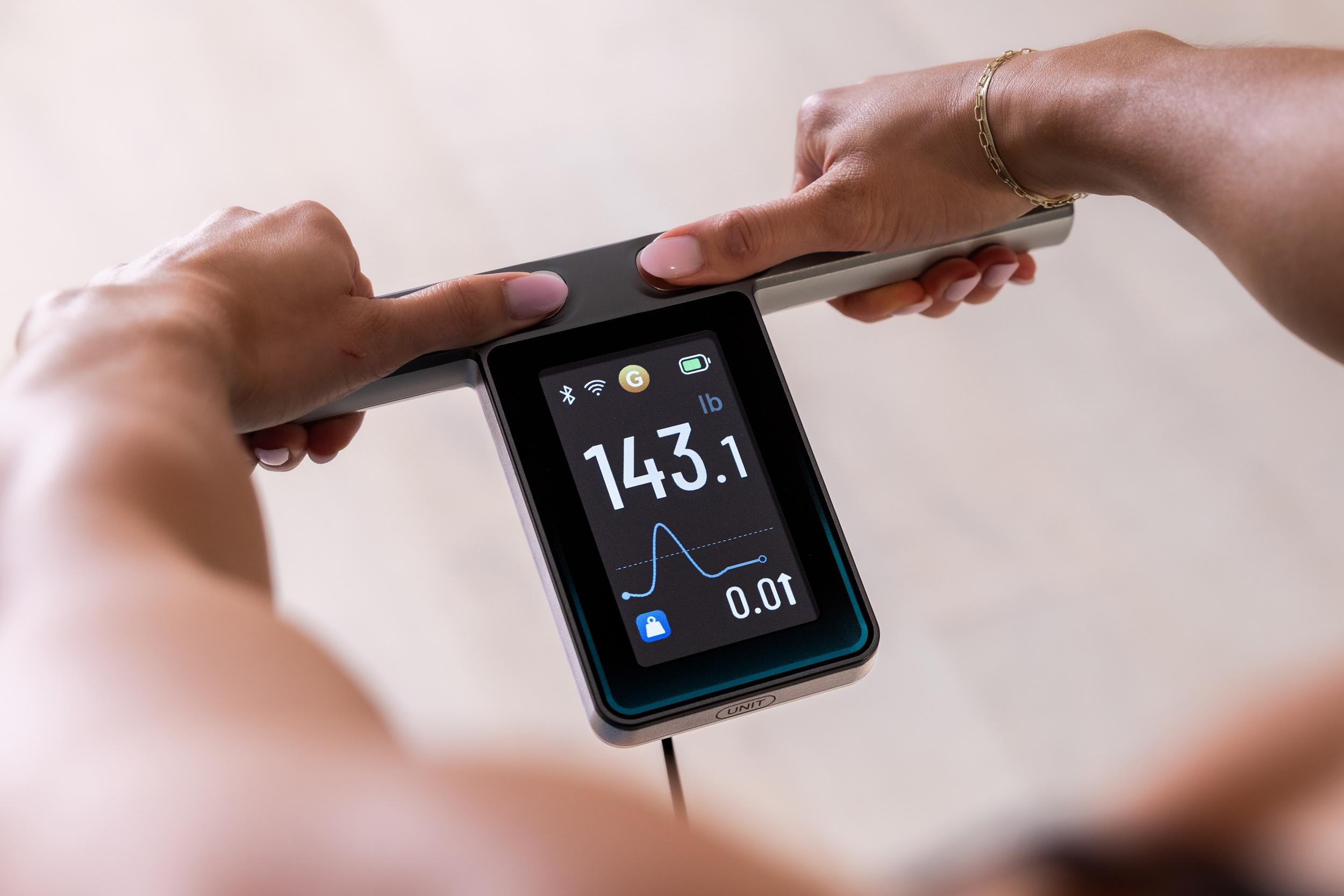
Wyze moved the screen on its new smart scale to the handle so it’s easier to read at eye level
The scale features a conductive indium tin oxide (ITO) coated glass surface so it can take BIA measurements no matter where your feet are positioned. | Image: Wyze
Wyze announced a new version of its Ultra BodyScan smart scale that debuted nearly a year ago with additional electrodes on a retractable handle, allowing it to provide a breakdown of various health metrics across your arms, legs, and torso. With the new Ultra BodyScan Plus, Wyze is introducing a redesign that moves the scale’s 4.3-inch customizable color screen to the retractable handle so all the measurements are now displayed closer to eye level.
The Wyze Scale Ultra BodyScan Plus is available starting today for $149 through Wyze’s online store in black or white color options. That makes it about $30 more expensive than the $119.98 Ultra …
Vibe coding is turning the music gear world upside down
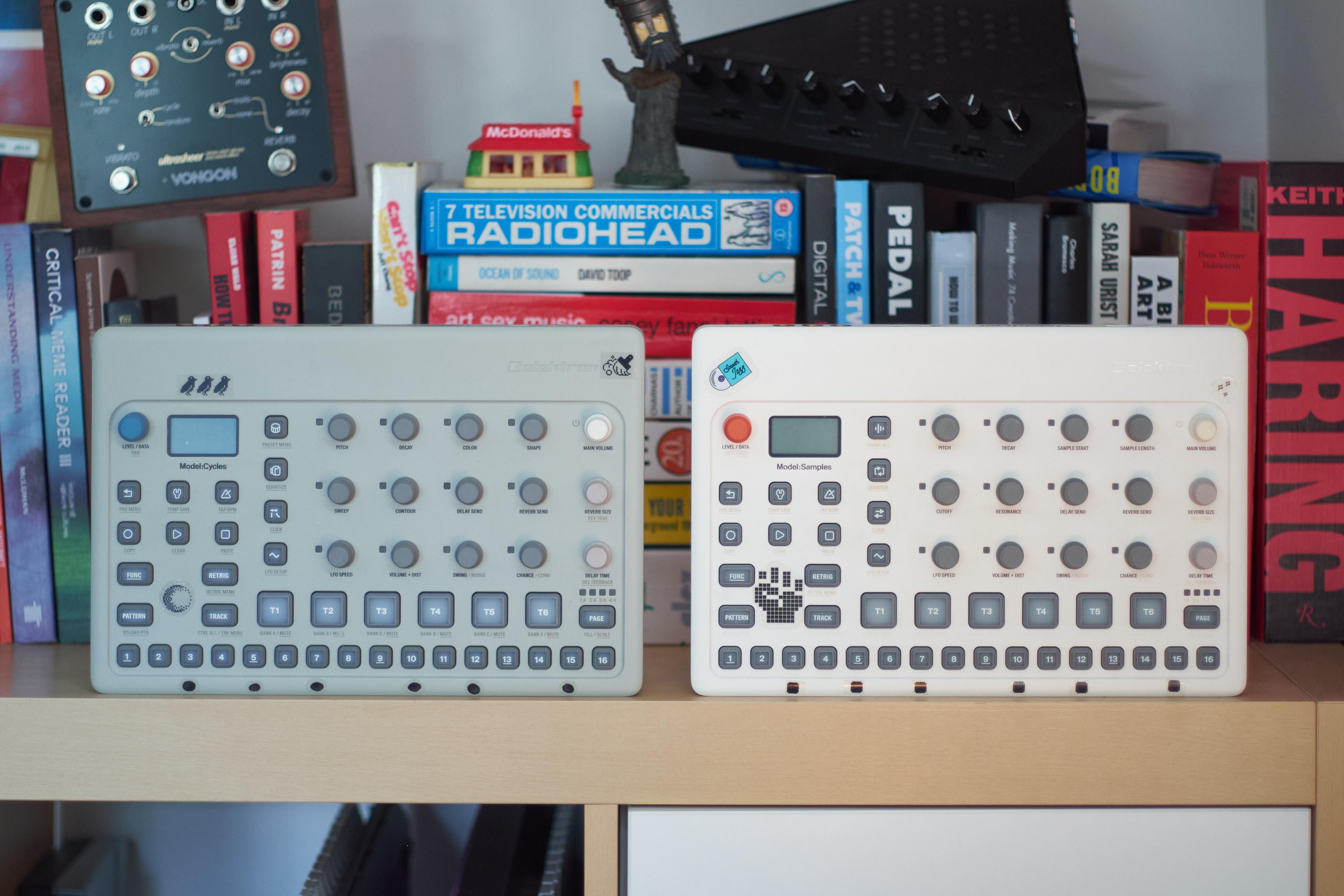
They’re far more powerful and fun than their bargain price suggests. | Photo: Terrence O’Brien / The Verge
If you spend any time on r/synthesizers or watch a lot of synth videos on YouTube, you’ve probably noticed the explosion of custom firmware for hardware synthesizers, samplers, and grooveboxes. What unites almost all of them is that they were made possible by increasingly sophisticated vibe coding tools.
These sorts of custom firmware were exceedingly rare in the pre-LLM days, and required both deep expertise and an incredible investment of time. It could take weeks or months to add a simple feature like velocity sensitivity to a Korg Volca. Now, hobbyist hackers are able to turn Temu synths into full-fledged grooveboxes in a matter of days …
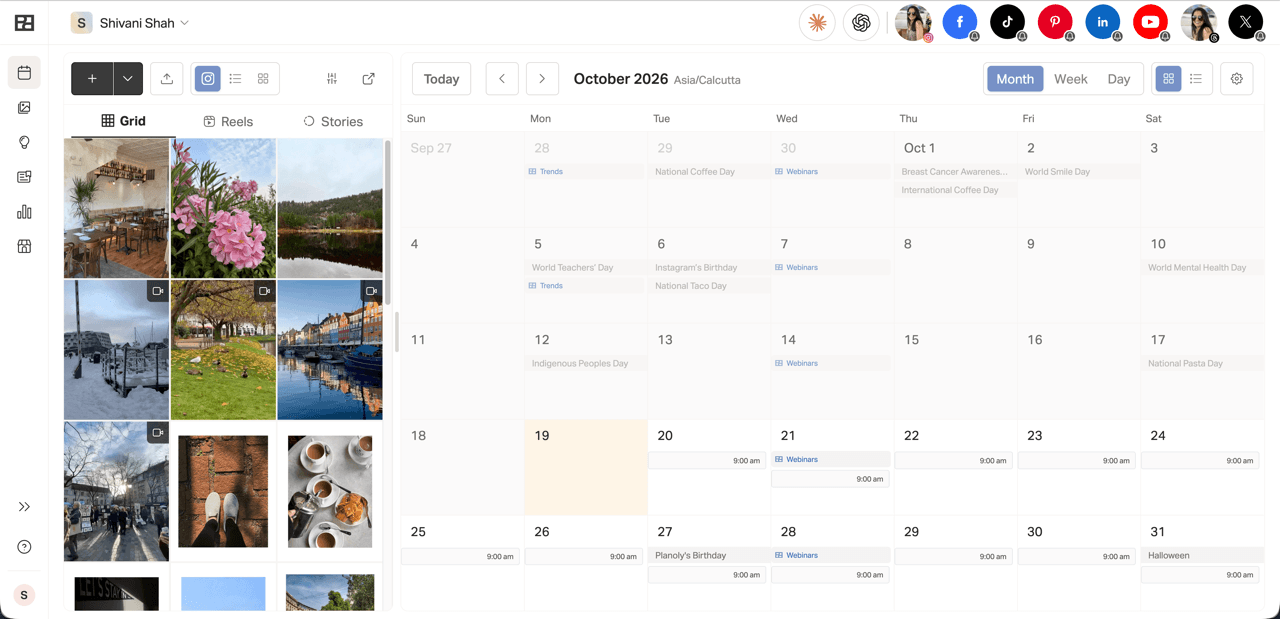
Later is a strong tool for visual-first creators and social media managers. It supports a whole bunch of social channels, but where it really shines is with Instagram.
You get a polished grid preview and plenty of Instagram-specific features (think: tag products and scheduling collab posts), plus a creator marketplace to monetize your social media presence. If your content is heavily Instagram-driven, Later could be a great choice for you.
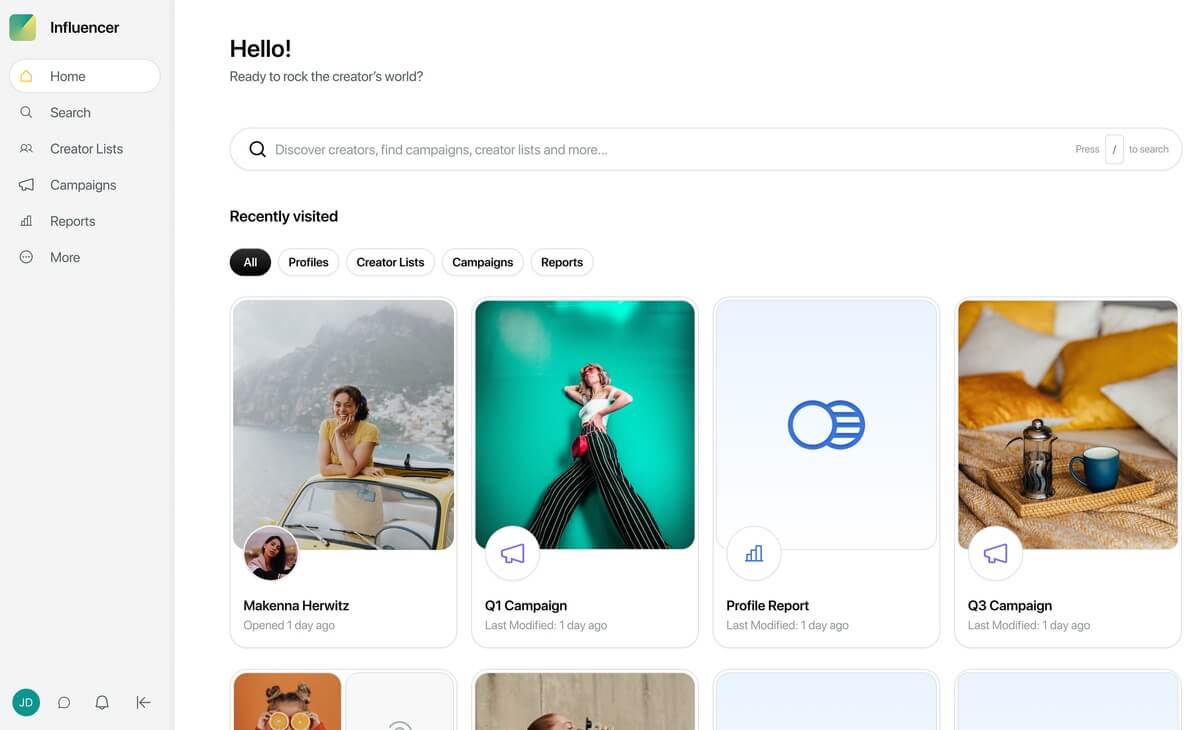
Brands also get an influencer platform for finding creators and running campaigns.
But it comes with some constraints that start to matter as you grow:
Post volume: monthly caps per social media channel that bite for high-output creators or anyone managing several active channels
AI access: capped credits per month on every plan, with paid top-ups available once you hit the ceiling
Analytics history: limited data going back on lower tiers, and no analytics for LinkedIn company pages
Add-on costs: extra social sets come at a notable premium per month
Bulk upload: no CSV bulk upload, which makes scheduling large campaigns a manual affair
No X/Twitter support: if X is part of your social strategy, you need a way to schedule tweets outside Later
Limited free plan: limited to 12 posts per channel, the link in bio page, plus access to the media library and creator marketplace with no unified inbox or analytics and reporting (you may not realize the free plan exists because it’s not listed on the pricing page, but it does.)
If any of those feel familiar, the seven Later alternatives below may help.
Key takeaways
Best overall swap: Buffer removes the posting caps, AI credit limits for publishing, and bulk upload restrictions that push most Later users to upgrade — and it has a real free plan.
Best free option: Meta Business Suite covers Instagram, Facebook, and Threads scheduling at no cost, and it’s strong for users already managing paid ads there.
Best for influencer-driven brands: Sprout Social’s influencer marketing platform is the closest match to Later’s for creator partnerships.
Best for enterprise teams: Hootsuite brings social listening, industry benchmarking, and 100+ integrations to large marketing teams.
Best for social and paid ads teams: Agorapulse pulls ad comments into the same inbox as organic posts, making it the standout for teams running both channels side by side.
Best for creator monetization: Planoly’s Creator Store lets creators sell products, digital downloads, and services directly through a link in bio tool.
Best for video content: RecurPost provides an Instagram feature set that rivals Later’s and goes deep on publishing controls for TikTok and YouTube.
Later alternatives at a glance
Tool
Best for
Free option
Paid plans from
Buffer
Creators and teams that want a flexible, affordable social media management tool
Free plan (3 channels, 10 scheduled posts per channel)
$6/channel/month
Meta Business Suite
Businesses and creators who live entirely on Instagram + Facebook
Entirely free (no paid tier)
None
Sprout Social
Brands running influencer campaigns
30-day free trial
$99/month
Hootsuite
Enterprise teams that need social listening and industry benchmarking
14-day free trial
$149/user/month
Agorapulse
Marketing teams that need a strong social inbox with ad comments
30-day free trial
$99/user/month
Planoly
Creators who want to sell products or services directly through their social media platforms
Free plan (1 social set, 10 media uploads per month)
$16/month
RecurPost
Best for video creators who want deep per-platform publishing controls
14-day free trial
$9/month
Paid plan prices reflect each tool’s entry-level plan, billed monthly. See each tool’s section for detail. Last reviewed and pricing verified: October 2026
Jump to a section:
1. Buffer
Best for creators and teams who want a flexible, affordable social media management tool.
Pricing information
Details
Free plan
✅
Paid plans
Starting at $6/channel per month (billed monthly)
Annual billing
20% off on all paid plans
Free trial
✅ 14 days
I’ll be upfront: I’ve tested a lot of scheduling tools both as a creator and someone who works in marketing. There are some solid social media tools out there that handle everything from publishing posts to analyzing your social presence. And I always find myself using Buffer.
Why? It’s an easy to use, affordable tool that helps me manage and grow my social media presence across many platforms, Instagram included.
Buffer offers creators two options — the Free and Essentials plans — for social media management, and a solid set of tools for creators and teams that focus on Instagram:
Add music to your Instagram Reels: Search and preview music from Instagram and attach it directly to your reel while scheduling in Buffer.
Tag collaborators on your posts: You can add up to three Instagram accounts to share a collab post, reel, or carousel.
Schedule Trial Reels: Test your content — and reach new Instagram accounts — by posting a reel to accounts that don’t follow you before it reaches your followers.
Post several stories in one go: Add multiple photos or videos (or both) to one Instagram Story post, and Buffer will schedule it as a sequence.
Use your Instagram bio link to sell things: Shop Grid turns your Instagram bio into a shoppable landing page where every scheduled post links out to a custom URL, with UTM tracking. Grid Preview shows you how your feed will look before anything goes live.
That’s just Instagram. Here’s everything you can do with the Free plan across multiple channels:
Schedule across three platforms with no monthly posting cap: There’s no ceiling on how many posts you can publish. You keep up to 10 posts queued per channel at a time, and slots open up again when posts are published. If you’re posting the same content to multiple platforms, you can write once and adapt the copy for each from the same composer, rather than building each post separately.
Use Buffer’s AI Assistant as much as you want: There’s no credit limit on any plan, including free. You can draft posts, repurpose old content, generate ideas, write alt text, or test hooks without watching a counter or being nudged to upgrade.
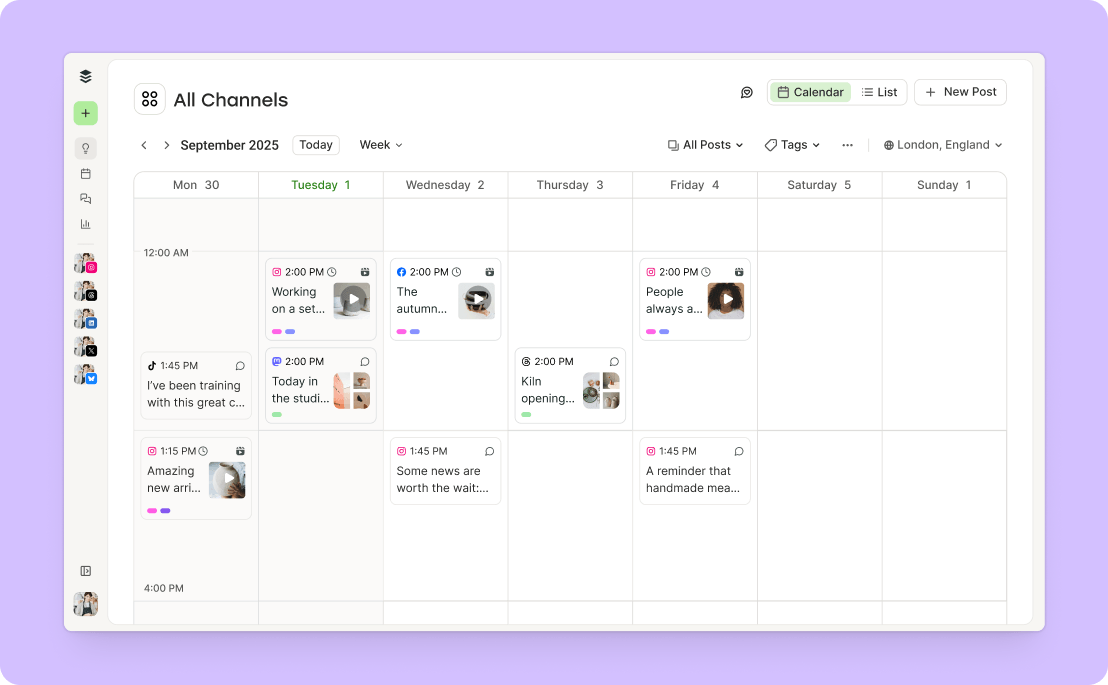
See everything in one calendar: All your scheduled posts and drafts across every connected channel show up in one view. You can drag things around to reschedule without having to open each post individually.
Get data that comes with recommendations:Insights tracks your metrics, and the AI-powered takeaways tell you what to do with them, so you’re not staring at a graph trying to figure out what it means.
Engage with your audience without switching apps: The Community inbox brings comments and mentions into one place. You don’t have to check Instagram, then LinkedIn, then Facebook… it’s all here, with AI-suggested replies if you want them (five per week on free, unlimited on paid).
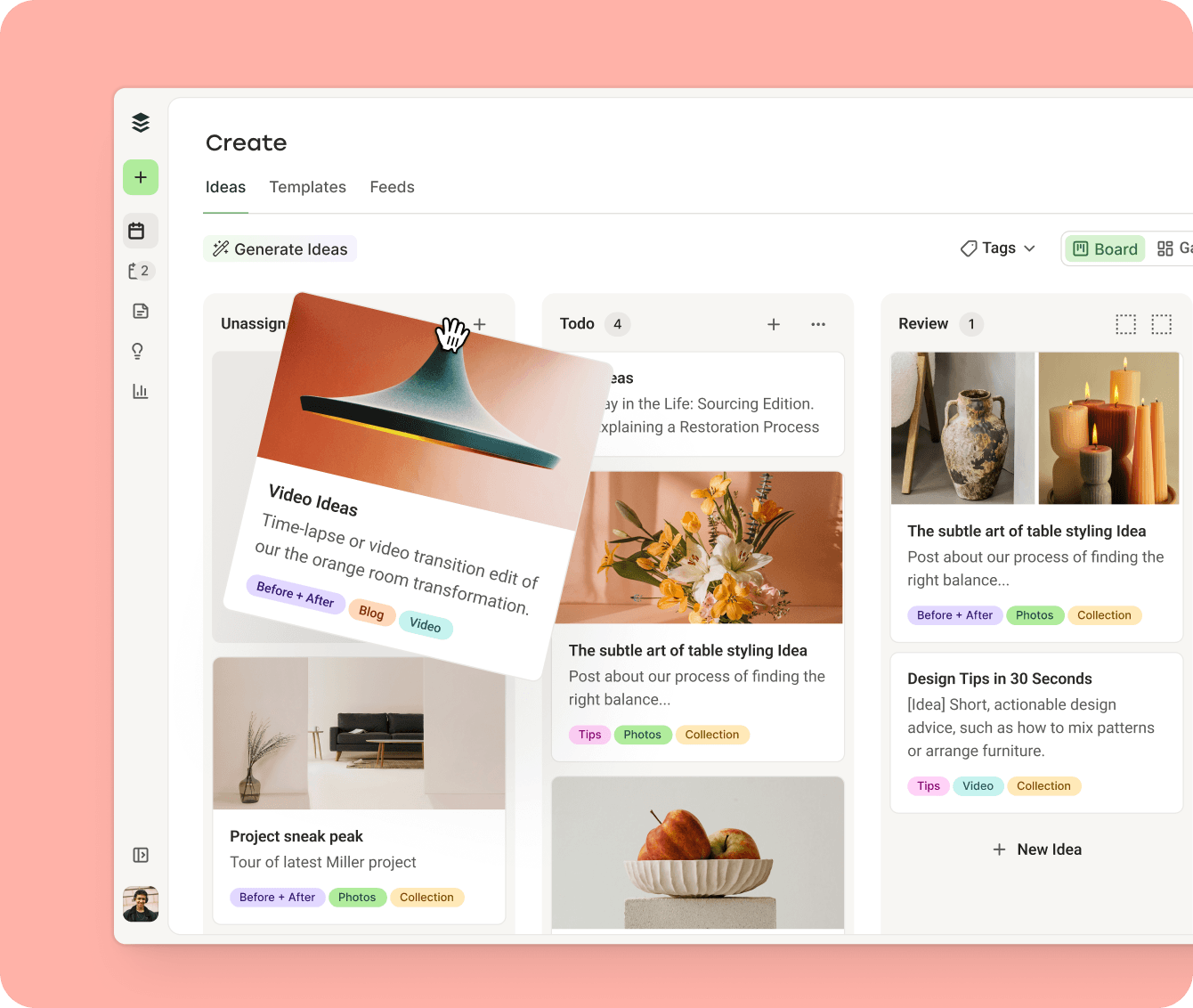
Save ideas before they get lost: Create Space holds up to 100 ideas that you can tag, organize in Kanban view, and develop into drafted posts without leaving Buffer. There’s also a template library, pre-made and custom, for when you need a starting point.
Connect Buffer to other tools, or build on top of it: You get a read-write API on every plan, including free, plus an MCP that connects to Claude, ChatGPT, Perplexity, Cursor, and Raycast, among other tools.
If you need more than three channels or want features like analytics exports, advanced analytics, unlimited post scheduling, and CSV upload, the Essentials plan starts at $6/channel per month for one user.
If you’re not ready to commit, Buffer offers a 14-day free trial on all paid plans. You can test every part of the publishing workflow and see for yourself how it feels to use.
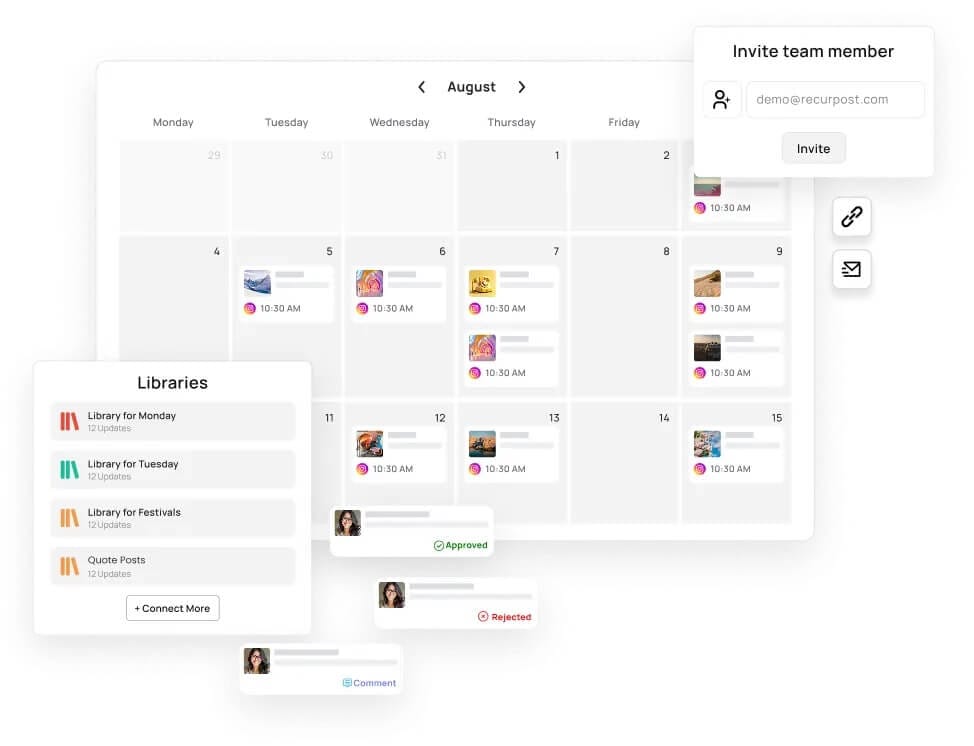
Buffer’s team collaboration features are designed to help small to medium marketing teams and growing agencies work smoothly together.
The Team plan starts at $12/channel per month. Here’s what it adds:
Unlimited users at no extra cost: There’s no extra charge whether you have three team members or 30. You can add as many clients or new teammates as you like without boosting your monthly bill.
Set permission levels by channel: Each team member can have full publishing access, a needs-approval status, or no access at all — set independently for every connected channel.
Run an approval workflow: Team members who need sign-off submit posts before they publish. Nothing goes out without the right person seeing it first.
Collaborate on content ideas: Create Space is shared across the whole team, so you can develop, tag, and refine up to 5,000 ideas together before anything hits the schedule. That can comfortably cover as many social accounts, campaigns, and clients as you need.
Leave notes directly on posts: Add comments to drafts and pending posts — anyone with publishing access can read and reply, keeping feedback in Buffer rather than a separate thread or DM.
🔎
Curious howBuffer and Later compare across the board? We tested both tools to see how they work for publishing, engagement, analytics, and team collaboration.
Best for businesses and creators who work entirely within Facebook and Instagram.
Pricing information
Details
Free plan
✅ (entirely free — no paid tier exists)
Paid plans
None
Free trial
None – there’s nothing to buy
Meta Business Suite is the most direct option if you’re looking for a free Later alternative. It covers Instagram, Facebook, and Threads (to a limited extent), and it’s built specifically around that scope.
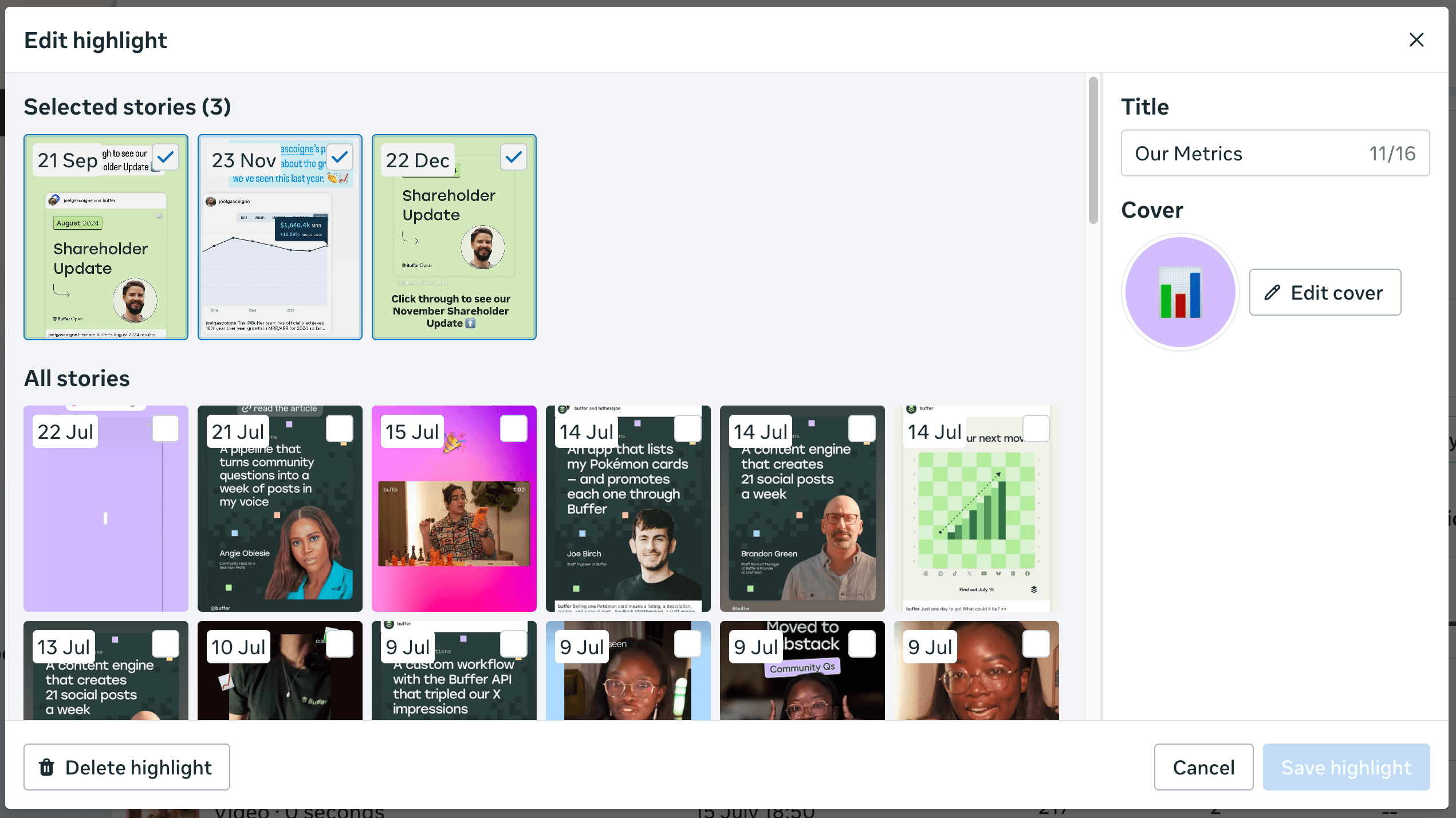
You’ll get publishing workflows of course, and perks like being able to add a story directly to Instagram Highlights without opening the Instagram app — a small thing, but one of those details that adds up over time.
Meta Business Suite also connects directly to Ads Manager, so you can create and boost posts, run AI-optimized ad campaigns, and see organic vs. paid performance in the same dashboard. If you’re running Meta ads alongside your organic calendar, having them both in one native interface saves meaningful context-switching every week.
It sounds like a no-brainer because it’s a Meta-owned platform — like Instagram, Facebook, and Threads — and it’s free. And if your focus is on just these platforms, it’s a solid option for creators and teams alike.
If you’re active on LinkedIn, TikTok, Pinterest, or anywhere that isn’t a Meta platform, you’d either need another social media management tool to complement or have to post on those platforms directly.
3. Sprout Social
Best for brands that run influencer campaigns alongside their organic social content.
Pricing information
Details
Free plan
❌
Paid plans
Starting at $99/month
Annual billing
Between 20 and 25% off, depending on your plan
Free trial
✅ 30 days
If influencer marketing is a big part of your social strategy, Sprout Social is the most natural Later alternative from this list.
With Sprout Social’s influencer marketing features, you get discovery, campaign management, and performance tracking in one place, not as a third-party plugin or integration.
Like Later, Sprout Social offers influencer marketing tools at a cost that’s separate from its social media management tools. And at $249/user per month for teams, or $99/month for solopreneurs, Sprout is already a meaningful investment.
It’s also one of the best-known social media management tools on this list. It earns its place for brands where influencer campaigns, advanced social listening, unified social inbox, and advanced analytics and reporting are core to the strategy — not peripheral features being explored for the first time.
4. Hootsuite
Best for enterprise teams that need advanced features like social listening and industry benchmarking.
Pricing information
Details
Free plan
❌
Paid plans
Starting at $149/user per month (billed monthly)
Annual billing
20 to 34% off depending on your plan
Free trial
✅ 14 days with some features restricted
Hootsuite shares some ground with Later on social listening — both tools offer brand monitoring and trend tracking — so it’s a logical move for teams that want to keep that capability while gaining a more enterprise-grade platform underneath.
Beyond listening, Hootsuite brings bulk scheduling, industry benchmarking, customizable reports, employee advocacy, and a library of over 100 app integrations.
At $149/user per month, it’s a significant jump in price compared to many tools here and closest to Sprout Social. That cost makes sense for teams with enterprise needs, and it’s worth the steep learning curve for all the power it brings.
5. Agorapulse
Best for teams that want social inbox management for organic and paid post comments.
Pricing information
Details
Free plan
❌
Paid plans
Starting at $99/user per month (billed monthly) for up to 10 social channels
Annual billing
20% off on all paid plans
Free trial
✅ 30 days
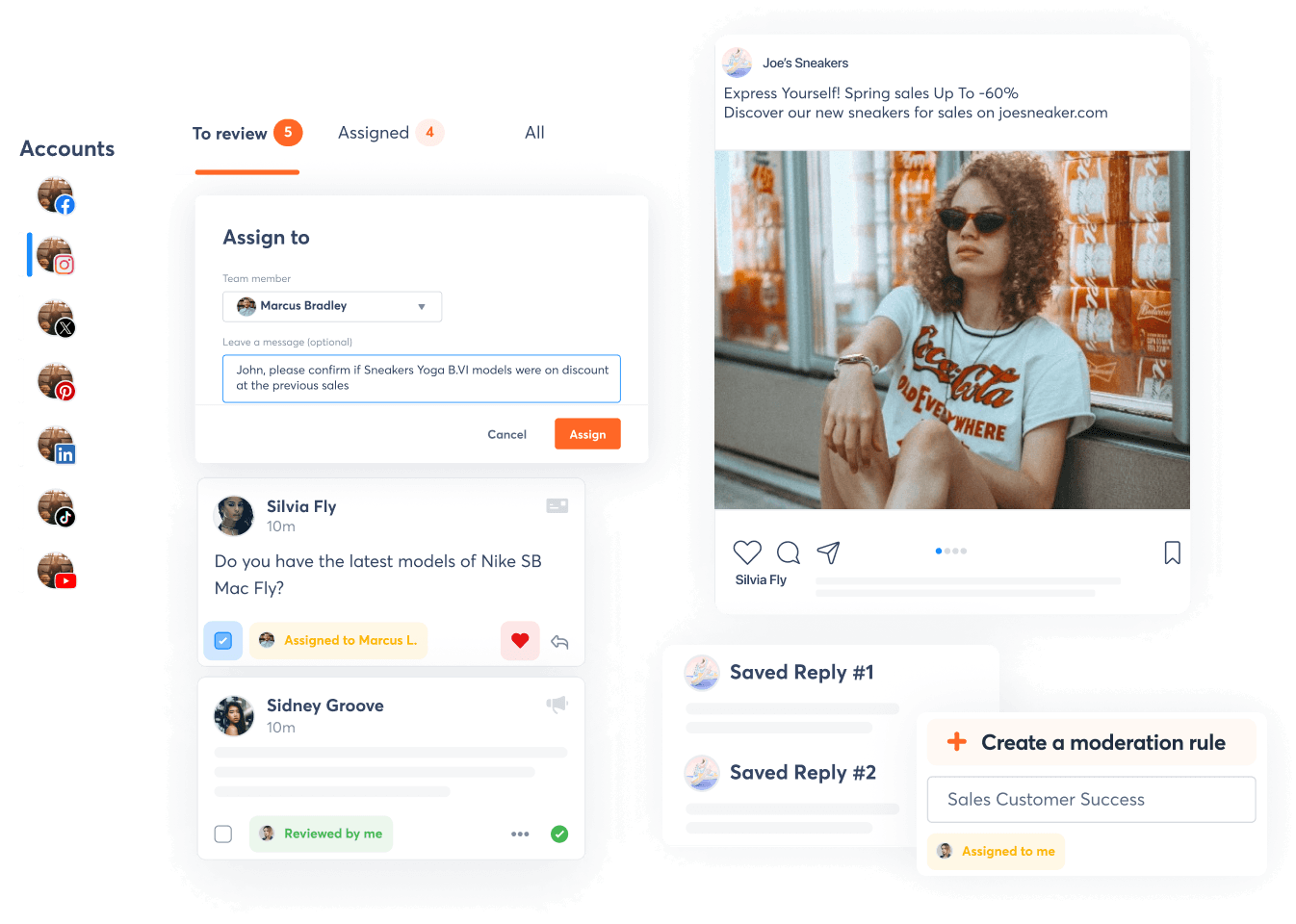
Agorapulse is a good option for teams that want to manage comments, DMs, mentions, and ad comments in a unified inbox.
Where Later’s Social Inbox supports Instagram, Facebook, and TikTok, Agorapulse supports eight social channels — plus comments on boosted posts as well. If you’re running paid social alongside organic, Agorapulse closes a gap that tools like Later leave open.
It also includes comment assignment, inbox moderation, message sentiment, collision detection (so two team members don’t accidentally respond to the same message), and CRM integrations with HubSpot and Salesforce. That’s a really solid toolkit for teams where audience engagement takes place across a wide range of platforms and ways to interact.
Agorapulse also goes deep on bulk scheduling via a CSV file — something Later doesn’t offer — and offers advanced analytics and reporting, including for your Meta and LinkedIn ad campaigns.
📈
Buffer vs. Agorapulse: a side-by-side look at how the two tools compare across scheduling, inbox, and reporting.
6. Planoly
Best for creators who want to sell products or services directly through their social profiles.
Pricing information
Details
Free plan
✅ (1 social set, 10 media uploads per month)
Paid plans
Starting at $16/month (billed monthly)
Annual billing
Up to 15% off
Free trial
✅ 14 days
Planoly is a Later alternative that takes a different approach to creator monetization: it gives creators the tools to sell directly to their audience.
The Creator Store is Planoly’s standout feature, and it goes further than a standard link-in-bio tool. You get a URL to add to any platform’s bio, which functions as a full storefront: physical products like merch (which you can also design through the store) and digital products like courses, ebooks, memberships, and consultations.
Hook up your Stripe or PayPal account, and you’re ready to make money on Instagram, TikTok, or wherever you live on socials. There’s a dashboard to track your products, orders, customers, and earnings.
For creators just getting started, Planoly offers free Canva-integrated templates you fully customize instead of starting from scratch. You can also set up automated DMs to send the right products to your followers when they comment on your posts.
One caveat to know before you sign up: although Planoly covers Instagram, Facebook, X/Twitter, Pinterest, LinkedIn, YouTube, Threads, and TikTok for scheduling, it doesn’t have a social inbox for replying to comments or DMs across your channels.
If actively responding to your audience is a regular part of how you work, you’d want to pair Planoly with another tool for that. Buffer covers it if you’re on multiple platforms; Meta Business Suite works if you’re primarily Facebook and Instagram.
7. RecurPost
Best for video creators who want deep per-platform publishing controls.
Pricing information
Details
Free plan
❌
Paid plans
Starting at $9 per month (billed monthly)
Annual billing
Two months free
Free trial
✅ 14 days
If you post heavily to Instagram, YouTube, or TikTok, RecurPost‘s per-platform publishing controls are worth exploring.
The Instagram feature set here is more complete than you’d expect for $9/month. From the composer, you can post trial reels, add licensed audio, tag products and collaborators, boost posts, and set up automated DMs that trigger the moment a specific post goes live.
On YouTube, RecurPost lets you add custom thumbnails, set the video’s privacy, add it to a playlist, and tag it as made for kids. For TikTok, you can set privacy per post, turn off comments, and enable duets and stitches right from the scheduling flow.
These video platforms aren’t the only ones RecurPost supports. Like most of the tools on this list, it also supports Facebook, Pinterest, X/Twitter, Bluesky, LinkedIn, and Google Business Profile.
Which is the best Later alternative?
There’s no single “best” alternative to Later. Which one is best — and right for you — depends on how you work, what you’re managing, and what you actually need from a tool.
Most tools on this list have a free tier or trial. Narrow it down to a few that piqued your interest, then sign up and use them for yourself to see which one suits you best.
Here are a few questions worth thinking through to help you make a shortlist:
What’s your budget? Buffer’s affordable, flexible pricing (plans from $6/channel/month, with a free plan to start) and Meta Business Suite (free, Facebook and Instagram only) are the two lowest-cost entry points.
How many channels are you managing, and which ones? If you’re entirely on Instagram and Facebook, Meta Business Suite covers that natively. If you have multiple social media accounts on platforms that aren’t Meta-owned, you’ll need one of the other options.
Are you managing a team? Buffer’s Team plan includes unlimited users, approval workflows, and per-channel permissions. Agorapulse adds collision detection and CRM sync for teams where inbox management is the priority.
Do you run paid ads alongside organic? Agorapulse pulls ad comments into the same inbox as your organic social posts, and lets you track LinkedIn ad performance. Meta Business Suite connects directly to Ads Manager.
Is influencer marketing central to your strategy? Sprout Social’s influencer platform handles discovery, campaign management, and performance tracking in one place.
Do you want to sell directly through your social profiles? Planoly’s Creator Store lets you sell products, digital downloads, and services through a link-in-bio storefront.
Do you post heavily to Instagram, YouTube, and TikTok? RecurPost’s per-platform publishing controls — trial reels, licensed audio, TikTok privacy settings, full YouTube uploads — are worth a look.
If Buffer ends up being the right fit, we’d love to have you. And if it’s not, I hope this helped you find the one that is.
FAQs about Later alternatives
Is there a free version of Later Social?
Yes, Later does have a free plan, although it isn’t listed on the pricing page or promoted anywhere on the website. The most reliable way to end up on it is for your trial to expire and your account to downgrade automatically. The free tier gives you 12 posts per channel and the link-in-bio page, plus access to the creator marketplace and media library, but there’s no social inbox or basic analytics available.
What is the best alternative to Later?
The best Later alternative depends on your goals, budget, and which platforms you’re active on. There’s no single right answer. The tools in this list cover a range of use cases, from flexible, multi-platform publishing to creator monetization to enterprise-level inbox management, so the right pick will come down to how you work and what you need from a switch.
Is there a free alternative to Later?
Yes. Buffer’s free tier includes three channels, 10 social posts per channel queued at a time (refillable as they publish), unlimited AI Assistant, Create Space, and a Community inbox. It’s a genuine free plan with no strings attached. Meta Business Suite is entirely free with no paid tier, though it covers Instagram, Facebook, and Threads only.
Which is better, Later or Buffer?
It depends on how you work. Later is a strong tool for visual-first creators — particularly those whose content is heavily Instagram-driven — with a polished grid preview, Instagram-specific publishing features, an influencer marketing platform, and a creator marketplace. Buffer is a better fit if you’re managing multiple channels (including X/Twitter, Bluesky, or Mastodon, which Later doesn’t support), want unlimited AI on every plan, or need to scale a team without per-seat fees. Our full Buffer vs. Later comparison goes deeper if you want to see how the two tools stack up across pricing, features, and use cases.
Can I switch from Later without losing my content?
Your published posts and social accounts live on the platforms themselves, so you won’t lose them. What you’ll need to rebuild are any scheduled posts queued inside Later. Most tools here let you reconnect your social accounts in a few minutes and start scheduling right away. If historical analytics matter to you, some tools (including Buffer) can pull in past post data on connection, though how far back they sync depends on what each platform’s API makes available.
Broadband Map di Agcom, investiti 1,15 milioni per l’interoperabilità con le mappature dei civici e di Infratel
Prende il via il piano di interoperabilità e potenziamento della Broadband Map, la banca dati nazionale realizzata e gestita dall’AGCOM ai sensi del Codice delle comunicazioni elettroniche, che mappa le infrastrutture e le reti di accesso a Internet presenti in Italia e rende disponibili informazioni sulla copertura e sui servizi di connettività.
Collaborazione DTD – AGCOM
L’iniziativa per il suo potenziamento e l’interoperabilità è frutto della collaborazione tra il Dipartimento per la trasformazione digitale della Presidenza del Consiglio dei ministri e l’Autorità per le Garanzie nelle Comunicazioni (AGCOM).
L’accordo, della durata di 18 mesi e sostenuto dal Dipartimento con un investimento di oltre 1,15 milioni di euro a valere sul Fondo per l’innovazione tecnologica e la digitalizzazione, è stato firmato il 1° ottobre dal Capo Dipartimento per la trasformazione digitale della Presidenza del Consiglio dei ministri, Angelo Borrelli, e dal Segretario Generale AGCOM, Giovanni Santella.
L’iniziativa punta a rafforzare il ruolo della Broadband Map come strumento di riferimento per il monitoraggio delle infrastrutture di telecomunicazioni in Italia e a supporto delle politiche pubbliche in materia di trasformazione digitale, attraverso la sua integrazione nella Piattaforma Digitale Nazionale Dati (PDND).
L’obiettivo in generale è di rendere il più uniforme e completo possibile la mappatura dei civici coperti e la situazione delle tecnologie di connessione presenti sul territorio.
Strumento a disposizione di PA ed enti autorizzati
Grazie all’integrazione, le pubbliche amministrazioni e gli enti autorizzati potranno accedere a dati e informazioni della Broadband Map in modalità interoperabile, sicura e standardizzata.
Sulla PDND saranno messi a disposizione nuovi servizi digitali e interfacce applicative (API) per la consultazione dei dati di copertura delle reti fisse, mobili e FWA, sia a livello puntuale che attraverso indicatori aggregati territoriali. Saranno inoltre disponibili nuovi dataset geografici e cartografici per favorire analisi avanzate e attività di pianificazione da parte delle amministrazioni pubbliche.
Tramite la PDND, la Broadband Map potrà inoltre integrare le informazioni derivanti dalle attività di mappatura delle reti realizzate da Infratel Italia e la banca dati dell’Archivio Nazionale dei Numeri Civici e delle Strade Urbane (ANNCSU), migliorando la qualità e la precisione della georeferenziazione degli indirizzi.
L’accordo prevede, infine, lo sviluppo di nuovi indicatori relativi alla qualità dei servizi di connettività (Quality of Service – QoS) e ai livelli di adozione delle reti ultraveloci (take-up). Saranno inoltre predisposti componenti e specifiche tecniche per consentire l’utilizzo dei servizi della Broadband Map da parte di applicazioni e sistemi esterni, compresi quelli basati su tecnologie di intelligenza artificiale.
Il potenziamento della Broadband Map consentirà così di mettere a disposizione delle amministrazioni un patrimonio informativo sempre più completo e aggiornato sulla connettività del Paese, a supporto della programmazione e delle politiche pubbliche.
Anthropic crea fondo per ‘il bene pubblico’, il 5% delle azioni per coprire l’impatto dell’AI sul lavoro
Anthropic destinerà il 5% delle proprie azioni in circolazione al nuovo Anthropic Public Benefit Fund, subordinatamente all’approvazione degli azionisti. La quota potrà crescere: il consiglio di amministrazione potrà aggiungere un ulteriore 2% per ogni aumento del 50% del valore della società rispetto a una soglia di riferimento. L’annuncio dà forma a un fondo che, nelle intenzioni dell’azienda, dovrebbe offrire nuovi strumenti per perseguire obiettivi di utilità pubblica.
Tra gli esempi citati da Anthropic c’è l’impatto dell’intelligenza artificiale (AI) sul lavoro. Una tecnologia che può generare un’enorme quantità di valore economico, ma anche alimentare instabilità e dislocazione occupazionale. Il fondo potrebbe quindi finanziare donazioni a organizzazioni non profit o trasferimenti diretti a specifiche fasce della popolazione. Una possibilità che porta al centro il tema della disoccupazione tecnologica, ma che non equivale a un indennizzo per chi perde il lavoro a causa dell’automazione.
Un rapporto del Pew Research Center pubblicato ad agosto ha rilevato che il 71% degli adulti americani ritiene che l’intelligenza artificiale porterà a una riduzione dei posti di lavoro negli Stati Uniti nei prossimi due anni.
Un fondo, non (ancora) risarcimenti
Anthropic non ha annunciato un meccanismo che colleghi l’accesso agli aiuti alla perdita di un posto di lavoro, né ha definito importi, requisiti o modalità di erogazione. Non esiste, almeno per ora, una promessa del tipo: chi subisce gli effetti dell’automazione riceverà una compensazione. Il fondo rappresenta piuttosto una capacità finanziaria potenziale, da tradurre in interventi ancora da decidere, in poche parole: è un mettere le mani avanti da parte del gigante fondato da Dario Amodei.
La distinzione è importante. Un risarcimento presuppone di individuare un danno, i soggetti che lo hanno subito e un criterio per stabilire l’importo dovuto. Anthropic non ha specificato nessuno di questi elementi. La società indica invece un ventaglio di possibili iniziative, che comprende il sostegno a enti impegnati su disoccupazione, povertà e riqualificazione, oltre a eventuali trasferimenti diretti.
La tempistica dell’annuncio del fondo pubblico di Anthropic è sia obbligatoria, per prepararsi all’offerta pubblica iniziale (l’IPO è attesa per novembre), sia “vantaggiosa dal punto di vista dell’immagine”, soprattutto considerando che l’intelligenza artificiale sta rimodellando il mercato del lavoro, ha dichiarato a Cnbc Lise Buyer, partner della società di consulenza per le IPO Class V Group.
Quanto vale quel 5%?
Anche il peso economico dell’annuncio resta difficile da valutare. Anthropic ha comunicato che il fondo riceverà il 5% delle azioni in circolazione, ma non ha reso pubblico il numero complessivo di azioni emesse né quante ne rappresenti esattamente quella quota. Senza questi dati e senza una valutazione economica del conferimento, non è possibile quantificare con precisione le risorse a disposizione del fondo.
La quota aggiuntiva rende l’impegno potenzialmente crescente, ma dipenderà dalle decisioni del consiglio e dall’aumento del valore dell’azienda rispetto a una baseline che non è stata precisata nei dettagli. Anche il valore delle azioni non coincide automaticamente con denaro immediatamente spendibile: la capacità del fondo di sostenere interventi dipenderà da come e quando potrà disporre delle risorse.
Solo per avere un’idea del potenziale economico di quest’iniziativa, con una valutazione di 965 miliardi di dollari, quel 5% equivale oggi a circa 48 miliardi di dollari di valore teorico.
La responsabilità sociale nell’era dell’automazione
Anthropic spiega che molte attività con ricadute pubbliche (dalla ricerca sulla sicurezza e l’interpretabilità dell’AI alla ricerca biomedica e agli sconti per organizzazioni non profit) resteranno all’interno dell’azienda, perché hanno anche un valore commerciale. Il fondo dovrebbe invece offrire maggiore flessibilità per sostenere iniziative esterne. La società afferma inoltre che le azioni destinate al fondo non saranno usate per attività di lobbying o donazioni politiche.
La scelta può essere letta come un riconoscimento preventivo dei rischi sociali dell’AI e della necessità di redistribuire parte del valore prodotto. È anche un modo per prepararsi alle critiche che accompagnano una tecnologia destinata a trasformare mansioni e professioni: se l’automazione genera ricchezza per le imprese, chi sostiene i costi della transizione non può restarne escluso.
La distanza tra riconoscere il rischio e compensarne gli effetti è ancora ampia. Per capire se il Public Benefit Fund sarà uno strumento concreto per ammortizzare l’eventuale “effetto” disoccupazione tecnologica, serviranno regole pubbliche sui beneficiari, sulle risorse disponibili e sui criteri di intervento. Per ora, Anthropic ha annunciato una struttura e una quota azionaria, non un sistema di tutela per i lavoratori, anche perché: quanto vale in termini economici il possibile impatto negativo dell’AI sul mondo del lavoro? Lo decide una big tech?
Tim, cambi nei manager: Mischiatti alla guida dell’Enterprise, Ongaro nuovo CTO. Il messaggio di Del Fante e Labriola
Cambi nella prima linea di manager di Tim dopo l’OPAS di Poste. Elio Schiavo e Leonardo de Carvalho Capdeville lasceranno “volontariamente il gruppo per nuove sfide professionali” entro il 2026. Tim ha subito predisposto nuovi assetti organizzativi per le divisioni Enterprise and innovative solutions e Technology office a partire dal 19 ottobre.
Come Chief Enterprise & Innovative Solutions Officer arriva Mirko Mischiatti, responsabile della funzione digital, technology & operations di Poste dal 2020. Mischiatti lascerà il suo ruolo in Poste. Claudio Ongaro, invece, passa da Chief strategy, business development & wholebuy office a Chief technology officer, con le vecchie deleghe Strategy che passano ad interim all’ad Pietro Labriola.
Mirko Mischiatti, Poste
Mischiatti, da Poste alla guida dell’Enterprise
Mirko Mischiatti, nato ad Asti nel 1974, vanta oltre 25 anni di esperienza nella trasformazione tecnologica e digitale di grandi organizzazioni, con competenze maturate nei settori delle telecomunicazioni, della finanza, delle assicurazioni e della logistica.
Laureato in Scienze dell’Informazione presso l’Università del Piemonte Orientale, ha iniziato la carriera come ricercatore allo CSELT di Telecom, per poi lavorare in Hewlett Packard e Accenture, dove ha ricoperto incarichi manageriali nell’innovazione tecnologica e nel cloud computing.
Entrato in Poste Italiane nel 2012, ha assunto responsabilità crescenti nell’area informatica e digitale, fino alla guida, nel maggio 2020, della funzione Digital, Technology & Operations. Da maggio 2026 il suo incarico si è esteso anche al Marketing Strategico di Gruppo, con responsabilità sulla pianificazione industriale e sul coordinamento delle strategie delle business unit.
Nel corso della sua esperienza ha contribuito alla trasformazione tecnologica di Poste Italiane verso un modello di Platform Company, basato su un’infrastruttura digitale integrata al servizio di 46 milioni di clienti, capace di gestire oltre 25 milioni di interazioni quotidiane. Un percorso di innovazione che costituisce uno degli elementi centrali del suo profilo professionale e che porterà ora alla guida delle attività Enterprise e Innovative Solutions di TIM.
Ongaro, una carriera nelle telecomunicazioni tra tecnologia e strategia
Claudio Ongaro, nato a Milano nel 1968, è laureato in Ingegneria Elettronica al Politecnico di Milano e ha conseguito un master in Information Technology presso il Cefriel. Ha sviluppato la propria carriera nel settore delle telecomunicazioni, ricoprendo incarichi manageriali in Italia e all’estero, con esperienze nel Regno Unito, in Sud America, Grecia e Medio Oriente.
Il suo percorso professionale inizia nel 1995 in Omnitel Pronto Italia, dove partecipa alla fase di avvio dell’operatore assumendo responsabilità crescenti nell’ambito delle reti. Nel 2003 passa a Cable & Wireless, prima come Group Technical Director of Mobile e successivamente come Senior Director of Strategy.
Dal 2007 prosegue la carriera nel gruppo Orascom, occupandosi inizialmente di broadband wireless e assumendo poi, nella controllata Wind Hellas, gli incarichi di Chief Strategy Officer e Chief of Fixed Business.
Nel 2010 entra in Wind Telecomunicazioni come responsabile Strategy and M&A. Dopo la fusione con H3G, nel 2016, prosegue in WindTre come direttore del CEO Office, con il compito di coordinare i principali progetti strategici dell’operatore.
Dalla strategia di TIM alla responsabilità tecnologica
Ongaro entra in TIM nel novembre 2019 come responsabile delle operazioni di M&A, occupandosi del coordinamento delle operazioni straordinarie del gruppo. Nell’aprile 2021 assume la responsabilità del Wholesale Market, ampliando il proprio perimetro operativo alle attività rivolte agli operatori di telecomunicazioni.
Nel dicembre dello stesso anno gli viene affidata ad interim la funzione Chief Strategy & Business Development Office, incarico confermato nel febbraio 2022, nell’ambito della riorganizzazione avviata da Pietro Labriola.
Il nuovo incarico di Chief Technology Officer segna quindi il passaggio dalla responsabilità delle strategie e dello sviluppo del business alla guida della funzione tecnologica del gruppo. Una nomina che valorizza un percorso professionale costruito sia nelle attività di rete e infrastruttura sia nella pianificazione strategica e nelle operazioni societarie.
Labriola assume ad interim la funzione Strategy
Con la nomina di Ongaro alla guida del Technology Office, TIM affida temporaneamente a Pietro Labriola la responsabilità della funzione Chief Strategy, Business Development & Wholebuy Office, assicurando la continuità nella gestione delle attività strategiche.
Il riassetto sarà operativo da lunedì 19 ottobre 2026 e completa l’avvicendamento nelle due funzioni interessate dalle uscite di Elio Schiavo e Leonardo de Carvalho Capdeville.
Le nuove nomine ridefiniscono così le responsabilità ai vertici delle attività Enterprise e tecnologiche, due ambiti centrali per lo sviluppo dei servizi digitali, delle infrastrutture e dell’offerta rivolta a imprese e pubbliche amministrazioni.
TIM in Poste Italiane, l’AD Del Fante: “Due identità diverranno un cuore che batte all’unisono”
Nei giorni scorsi, a seguito del primo incontro tra i vertici di Poste Italiane e TIM dopo l’OPAS, gli AD dei due Gruppi, Matteo Del Fante e Pietro Labriola, hanno rivolto un video messaggio congiunto ai propri dipendenti, precisando che i due marchi storici verranno mantenuti all’interno di un unico Gruppo industriale.
In questo modo, già dal 30 Settembre 2026, TIM è soggetta alla direzione e al coordinamento da parte del Gruppo Poste Italiane, in quanto TIM e le sue controllate sono diventate società appartenenti al Gruppo facente capo a Poste Italiane.
Pertanto, si è aperta la fase di integrazione con cui TIM è destinata a sbarcare nel perimetro del Gruppo Poste Italiane, con l’obiettivo di mettere a fattor comune infrastrutture, tecnologie e competenze e sviluppare le nuove sinergie industriali tra i due gruppi.
Inoltre, come illustrato nei mesi scorsi da Poste Italiane, TIM diventerebbe la nuova Business Unit “Connectivity & Technology” di Poste, destinata a riunire le attività legate alla connettività e all’innovazione tecnologica, e in cui potrebbero essere eventualmente conferite le attuali attività telco ed Energia di Poste, in seguito alla fusione di PostePay e BancoPosta.
L’analisi di ASviS. Comprendere i megatrend, le leve strategiche per governare le sfide del futuro
Il concetto di megatrend, introdotto da John Naisbitt nel 1982, identifica profondi cambiamenti globali a lungo termine — con un orizzonte temporale superiore ai dieci anni — che investono le strutture individuali, sociali e tecnologiche, delineando impatti significativi per il futuro. Come analizzato nel Future brief“I megatrend, strumento per comprendere i cambiamenti della società”, redatto da Roberto Paura della Fondazione Italian Institute for the Future nell’ambito del progetto Ecosistema Futuro, queste macro-tendenze si distinguono per la loro natura multidimensionale, la vasta ampiezza, la lunga durata e una forte capacità trasformativa e dirompente. L’analisi dei megatrend non è un semplice esercizio di predizione, ma uno strumento strategico cruciale per la cosiddetta “governance anticipante“.
Comprendere la differenza tra i megatrend “strutturali“, già consolidati e determinati da fattori demografici, tecnologici, ambientali ed economici, e quelli “emergenti”, ancora incerti e aperti, permette a decisori politici, organizzazioni e imprese di mitigare i rischi e cogliere preziose opportunità sistemiche. Le Nazioni Unite stesse hanno evidenziato il legame tra queste dinamiche e l’Agenda 2030, identificando cinque megatrend chiave da monitorare strettamente: il cambiamento climatico, la transizione demografica, l’urbanizzazione, le tecnologie digitali e le disuguaglianze.
A livello internazionale, centri di ricerca e istituzioni hanno sviluppato metodologie avanzate. Il Joint Research Centre della Commissione europea, ad esempio, ha strutturato il Megatrends Assessment Tool, un metodo partecipativo per valutare la rilevanza delle singole tendenze, mapparne le interconnessioni e definire piani d’azione strategici. Tuttavia, nel panorama italiano permane una sostanziale debolezza: a eccezione di alcuni casi specifici — come l’analisi “Concetto Scenari Futuri” condotta dallo Stato Maggiore della Difesa — l’impiego sistematico dell’analisi dei megatrend nei processi di governance anticipante a livello nazionale risulta ancora scarso.
Per colmare questo ritardo strategico e orientare il Paese verso una reale transizione sostenibile, il documento indica tre direttrici fondamentali:
integrare il foresight nelle politiche pubbliche: è necessario utilizzare strumenti strutturati di horizon scanning per tracciare i cosiddetti “segnali deboli” e anticipare l’impatto di grandi eventi sistemici prima che si manifestino in tutta la loro forza;
combinare rigore quantitativo e visione qualitativa: scomporre i megatrend nelle loro serie storiche fondanti deve accompagnarsi alla valutazione di scenari alternativi tramite metodologie partecipative;
potenziare le capacità decisionali: occorre sviluppare quadri interpretativi che permettano di comprendere a fondo le interazioni reciproche tra le macro-tendenze e l’insorgere di cambiamenti improvvisi e dirompenti (le cosiddette wild card) tipici dell’attuale epoca di incertezza.
In uno scenario globale così instabile, adottare il pensiero sistemico per decifrare i megatrend costituisce una base imprescindibile per comprendere, orientare e gestire i grandi processi di mutamento della società di oggi e di domani.
Per evitare grovigli e trovare subito ciò che ti serve, raccogli cavi e adattatori in una custodia dedicata. Arrotola i cavi senza stringerli, tieni separati gli accessori e riponi il kit in una tasca facile da raggiungere.
Scegli una custodia adatta
Controlla che la custodia abbia spazio per i cavi, i caricabatterie e gli adattatori che porterai. Scomparti o tasche interne aiutano a tenerli divisi; una struttura semirigida può essere comoda se vuoi che mantenga la forma, mentre una morbida si adatta più facilmente agli spazi liberi. Prima di partire, verifica che si chiuda senza comprimere gli accessori e che entri nello zaino nel punto in cui vuoi riporla.
Arrotola e identifica i cavi
Avvolgi ogni cavo in spire ampie, senza tirarlo né piegarlo con forza. Fermalo con una fascetta riutilizzabile o un fermacavo in velcro, senza stringere. Se ne porti diversi simili, usa etichette o colori per riconoscere a colpo d’occhio quello del telefono o del portatile.
Separa gli accessori e tienili a portata
Metti gli adattatori in uno scomparto distinto dai cavi, così non restano sparsi tra vestiti e documenti. Evita di appoggiare oggetti pesanti sui connettori. Riponi la custodia in una tasca superiore o in un vano interno facile da raggiungere; se scegli una tasca laterale, assicurati che sia chiusa e che gli accessori non possano uscire.
Prima di partire, prepara solo i cavi e gli alimentatori necessari per i dispositivi che porterai. Aggiungi un adattatore da viaggio se ti serve per la destinazione.