Microsoft Reduces Israel’s Access to Cloud and AI Products Over Reports of Mass Surveillance in Gaza

Microsoft said Thursday it had disabled services to a unit within the Israeli military after a company review had determined its artificial intelligence and cloud computing products were being used to help carry out mass surveillance of Palestinians.

The action comes after The Associated Press and The Guardian published reports earlier this year revealing how the Israeli Ministry of Defense had been using Microsoft’s Azure platform to aid in the war in Gaza and occupation of the West Bank. Brad Smith, Microsoft’s vice chair and president, wrote in a blog post that the company was taking steps to enforce compliance with its terms of service.

An AP investigation in February showed that the Israeli military’s use of Microsoft products skyrocketed after a deadly surprise attack by Hamas militants on Oct. 7, 2023. The AP’s report cited internal Microsoft data showing the Israelis were using gigabytes of cloud storage and massive amounts of AI-enabled language translation services.

The AP also reported that Israel’s military used Microsoft Azure to compile information gathered through mass surveillance, which it transcribes and translates, including phone calls and text messages. That intelligence is then cross-checked with Israel’s in-house AI systems for targeting airstrikes.

AP reported that internal Microsoft data showed multiple Azure subscriptions were tied to Unit 8200, an elite cyber warfare unit within the Israeli Army responsible for clandestine operations, collecting signal intelligence and surveillance.

Following AP’s report, Microsoft acknowledged in May that it had sold advanced AI and cloud computing services to the Israeli military during the Gaza war and aided in efforts to locate and rescue Israeli hostages. But the company said an internal review found “no evidence” its Azure platform was used to target or harm people.

The Guardian, working in partnership with the Israeli-Palestinian publication +972 Magazine and the Hebrew-language outlet Local Call, reported in August that the commander of Unit 8200 had met directly with Microsoft chairman and CEO Satya Nadella in 2021. The Israeli unit then used Microsoft products to aid in the development of an AI-powered mass surveillance system that was sweeping up, translating and analyzing millions of telephone calls per day made by Palestinian civilians. The report also revealed that data from the Israeli surveillance system was being stored at Microsoft cloud data centers in Europe.

Following The Guardian’s report, Microsoft commissioned a second review, this time by an outside law firm. While that review is still ongoing, Smith said Thursday the probe had uncovered evidence that its products were being used in violation of its terms of service. However, Smith did not name the specific Israeli unit losing access to Microsoft services.

Advertisement. Scroll to continue reading.

Microsoft declined to answer detailed questions from the AP on Thursday, including whether Unit 8200 was involved. The company would also not answer how it would ensure the Israeli military wouldn’t simply shift its mass surveillance operations to any of the hundreds of other Azure subscriptions under its control.

An Israeli security official told the AP Microsoft’s move would produce “no damage to the operational capabilities” of the Israel Defense Forces. The official spoke on condition of anonymity, consistent with military protocol in Israel.

Hossam Nasr, one of more than a dozen Microsoft employees fired or arrested after protests over the company’s involvement in the war in Gaza, called Thursday’s announcement a “significant and unprecedented win.” But, he said, it was not enough.

“Microsoft has only disabled a small subset of services to only one unit in the Israeli military,” said Nasr, an organizer with the group No Azure for Apartheid. “The vast majority of Microsoft’s contract with the Israeli military remains intact.”

Related: Google Ships Android ‘Advanced Protection’ Mode to Thwart Surveillance Spyware

Related: Surveillance Firm Bypasses SS7 Protections to Retrieve User Location

https://www.securityweek.com/microsoft-reduces-israels-access-to-cloud-and-ai-products-over-reports-of-mass-surveillance-in-gaza/


North Korea’s Fake Recruiters Feed Stolen Data to IT Workers

The North Korean threat actor behind the DeceptiveDevelopment campaign is supplying stolen developer information to the country’s horde of fraudulent IT workers, ESET reports.

Initially detailed in February but ongoing since at least 2023, the DeceptiveDevelopment campaign targets developers associated with cryptocurrency and decentralized finance projects with fake job offers aimed at information theft and malware infection.

Similar to Operation Dream Job, Contagious Interview, and ClickFake Interview, DeceptiveDevelopment relies on fake announcements on popular platforms such as LinkedIn, Upwork, Freelancer.com, and others to lure developers.

As part of these attacks, after the intended victim engages with the fake recruiter, they are invited to an interview during which they are tricked into executing malware on their systems.

With most of these attacks targeting cryptocurrency developers, previous research suspected that the purpose of these attacks was financial gain, either through stealing the victim’s cryptocurrency assets or through infiltrating the organizations they were working for.

According to ESET, these campaigns serve a secondary purpose as well: the fake recruiters harvest developer identities and hand them over to groups associated with fraudulent North Korean IT workers, which use the information to pose as job seekers and land remote work at unsuspecting companies.

“To secure a real job position, they may employ several tactics, including proxy interviewing, using stolen identities, and fabricating synthetic identities with AI-driven tools,” ESET notes.

Using social engineering and fake recruiter profiles, the threat actor behind DeceptiveDevelopment offers fake lucrative job opportunities, aimed at infecting victims’ systems with malware such as BeaverTail, InvisibleFerret, and OtterCookie.

Advertisement. Scroll to continue reading.

Last year, the attackers were seen using WeaselStore (an infostealer and backdoor also known as GolangGhost and FlexibleFerret), its Python variant PylangGhost, and TsunamiKit, a complex .NET spyware that also drops cryptocurrency miners.

In April this year, the threat actor was seen deploying Tropidoor, which shares significant code with Lazarus’ PostNapTea RAT. In August, AkdoorTea, a variant of Akdoor, was seen.

ESET’s investigation into DeceptiveDevelopment revealed a tight collaboration with North Korea’s network of fraudulent IT workers, which the cybersecurity firm tracks as WageMole.

“Although these activities are conducted by two different groups, they are most likely connected and collaborating,” the cybersecurity firm notes in a research paper (PDF).

Operating in teams, the IT workers focus on obtaining work in western countries, mainly in the US. In Europe, they target France, Poland, Ukraine, and Albania.

“Each team has a dedicated ‘boss’ – a leader who oversees the team’s operation, sets quotas for the team members, and coordinates their work. The members have a number of responsibilities: acquiring work, completing work tasks, and self-education to improve their skillsets,” ESET notes.

The North Korean IT workers, the cybersecurity firm says, do not focus solely on finding programming jobs. Some of them venture into civil engineering and architecture, impersonating real companies and engineers and producing engineering drawings with falsified approval stamps.

“They also focus on self-education and report studying freely available online materials and tutorial sites, mostly focusing on web programming, blockchain, the English language and, in recent years, the integration of AI into various web applications,” ESET says.

Related: US Sanctions Russian National, Chinese Firm Aiding North Korean IT Workers

Related: RaccoonO365 Phishing Service Disrupted, Leader Identified

Related: Applying the OODA Loop to Solve the Shadow AI Problem

Related: Burn and Churn: CISOs and the Role of Cybersecurity Automation

https://www.securityweek.com/north-koreas-fake-recruiters-feed-stolen-data-to-it-workers/


No Patches for Vulnerabilities Allowing Cognex Industrial Camera Hacking

Some of the industrial cameras made by Cognex are affected by potentially serious vulnerabilities, but they will not receive a patch.

The cybersecurity agency CISA informed organizations about the vulnerabilities, which impact In-Sight products, with an advisory published on September 18. 

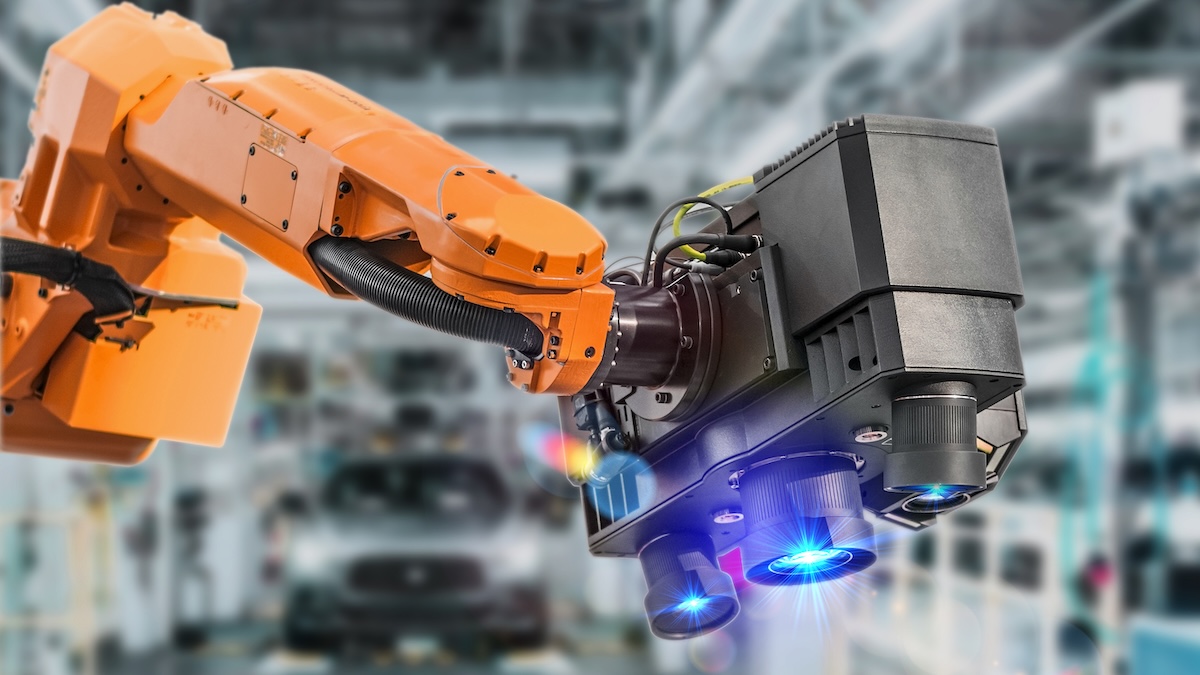
Cognex, a company based in the United States, designs and manufactures machine vision and barcode scanner solutions for industrial facilities. The industrial cameras made by the company are used to guide robots on production lines, inspect items for quality issues, and track items.

CISA noted that the company’s solutions are used worldwide, including in critical manufacturing, which is designated as a critical infrastructure sector. 

Industrial cybersecurity firm Nozomi Networks, whose researchers discovered the vulnerabilities, has disclosed additional details this week. 

Nine vulnerabilities have been found to affect In-Sight 2000, 7000, 8000, and 9000 vision systems and the In-Sight Explorer client software that provides the interface for accessing devices. Nozomi has conducted its tests on a Cognex IS2000M-120 camera.

The list of flaws includes hardcoded password, cleartext transmission of sensitive information, incorrect default permission, DoS, privilege escalation, and authentication bypass weaknesses. A majority have been assigned a ‘high severity’ rating. 

Since the vulnerable cameras are typically used in closed environments, the vulnerabilities cannot be exploited directly from the internet. However, an attacker who has gained access to the network housing Cognex cameras can exploit the vulnerabilities to hack cameras and associated systems.

Advertisement. Scroll to continue reading.

Nozomi has described three theoretical attack scenarios involving these vulnerabilities. In one scenario, an unauthenticated attack with access to the network segment housing the camera can conduct a man-in-the-middle (MitM) attack and exploit two of the vulnerabilities to intercept a user’s credentials and decrypt them. The attacker can then use the credentials to gain access to the system.

In the second scenario described by the security firm, an attacker with low privileges can exploit one of the vulnerabilities to gain admin permissions.

In the third attack scenario, a low-privileged attacker with access to the engineering workstation hosting In-Sight Explorer exploits one of the vulnerabilities to cause significant disruptions.

CISA and Nozomi indicated that Cognex will not be releasing patches, arguing that the vulnerabilities impact legacy products that are not meant to be used for new applications. The vendor recommends migrating to the newer In-Sight 2800, 3800, and 8900 series cameras.

Nozomi pointed out that the impacted cameras are still widely used. Organizations that cannot immediately replace vulnerable products — replacing systems in industrial environments is in many cases not an easy task — can implement a series of mitigations to reduce risks.

Mitigations recommended by Nozomi and CISA include limiting network exposure, segmenting control networks and isolating them from business networks, and using VPNs when remote access is required. In addition, organizations can use specialized cybersecurity products that can detect and block such attacks. 

Related: Unpatched Vulnerabilities Expose Novakon HMIs to Remote Hacking

Related: DELMIA Factory Software Vulnerability Exploited in Attacks

Related: ICS Patch Tuesday: Rockwell Automation Leads With 8 Security Advisories

https://www.securityweek.com/no-patches-for-vulnerabilities-allowing-cognex-industrial-camera-hacking/


Sorveglianza digitale: Cina vs Occidente, le differenze sono un’illusione?

Sorveglianza digitale e controllo sociale stanno trasformando il rapporto tra cittadini e istituzioni. Questo articolo analizza il confronto tra Cina e Occidente, dai sistemi di social credit alla raccolta dati delle piattaforme digitali, evidenziando come privacy, tecnologia e democrazia siano sempre più interconnesse in un mondo digitalizzato.

Il mito del sistema di credito sociale cinese

Per anni, l’immaginario occidentale ha dipinto la Cina come un distopico stato orwelliano dotato di un sistema di credito sociale onnipresente. Tuttavia, ricerche recenti del Mercator Institute for China Studies (MERICS) dimostrano che “un punteggio che determina il posto dei cittadini nella società” è sostanzialmente “un mito”.

La realtà è più frammentaria: non esisterà un “Social Credit Score” unificato che valuti il comportamento individuale. Un sistema di punteggio onnicomprensivo non faceva parte del piano originale. I progetti pilota che utilizzavano sistemi basati su punti per influenzare comportamenti al di là di quanto legalmente richiesto sono stati discontinuati o limitati alla partecipazione volontaria.

Il sistema cinese attuale consiste principalmente in un aggregato di database separati gestiti da diverse agenzie governative, focalizzato prevalentemente sulla compliance delle aziende piuttosto che sul controllo individuale dei cittadini. Il sistema ha messo in blacklist circa 10 milioni di cittadini e aziende, ma il suo obiettivo principale rimane il miglioramento dell’applicazione delle regole legali e amministrative.

La sorveglianza corporativa occidentale

Mentre l’attenzione mediatica si concentra sui sistemi cinesi, l’Occidente ha sviluppato proprie forme pervasive di sorveglianza. Un rapporto della Federal Trade Commission del settembre 2024 ha rivelato che le principali piattaforme social e di streaming video si sono impegnate in una “vasta sorveglianza dei consumatori” per monetizzare le informazioni personali.

Le aziende raccolgono e possono trattenere indefinitamente enormi quantità di dati, incluse informazioni provenienti da broker di dati e informazioni su utenti e non-utenti delle loro piattaforme. Queste aziende non raccolgono solo dati dalle proprie piattaforme, ma raccolgono informazioni sui non utenti e dall’attività degli utenti attraverso il web.

La studiosa di Harvard Shoshana Zuboff ha definito questo sistema “capitalismo della sorveglianza”: un modello economico che “rivendica unilateralmente l’esperienza umana come materia prima gratuita per la traduzione in dati comportamentali”, che vengono poi “fabbricati in prodotti predittivi che anticipano cosa farai ora, presto e dopo”.

L’espansione del riconoscimento facciale

Il Dipartimento di Sicurezza Interna degli Stati Uniti ha pubblicato nel gennaio 2025 un rapporto dettagliato sull’utilizzo delle tecnologie di riconoscimento e cattura facciale, evidenziando come queste vengano impiegate per migliorare le interazioni del pubblico con l’amministrazione e supportare indagini critiche delle forze dell’ordine.

I test condotti hanno dimostrato che sia gli aspetti di cattura che di riconoscimento facciale dei sistemi funzionano per oltre il 99% delle volte, con risultati che non variano significativamente in base a età, genere, razza o tono della pelle.

Il mercato globale del riconoscimento facciale è valutato tra 7-8,6 miliardi di dollari nel 2025 e dovrebbe raggiungere tra 18-32 miliardi di dollari entro il 2030-2032, con tassi di crescita annui del 15-17%.

Il declino democratico globale

L’Democracy Index 2024 dell’Economist Intelligence Unit registra un declino del punteggio globale da 5.23 nel 2023 a 5.17, un minimo storico dal 2006. Più di un terzo (39,2%) della popolazione mondiale vive sotto regimi autoritari.

Il rapporto evidenzia che “disfunzioni, corruzione, trasparenza insufficiente e mancanza di responsabilità hanno minato la fiducia pubblica nei governi, nei partiti politici e nei politici”. In molti paesi del 2024, questo malcontento popolare si è espresso in una reazione anti-establishment e un crescente supporto per movimenti populisti.

Il paradosso del consenso digitale

Nel modello occidentale, la raccolta dati avviene teoricamente su base volontaria attraverso l’accettazione dei termini di servizio. Tuttavia, la partecipazione alla sorveglianza è diventata il prezzo d’ingresso alla società contemporanea, rendendo quasi impossibile per gli individui evitare di essere inclusi in queste vaste reti di sorveglianza digitale.

Il rapporto FTC ha evidenziato che molte aziende non riescono nemmeno a cancellare completamente i dati degli utenti quando questi ne fanno richiesta, violando le loro stesse politiche sulla privacy.

Inoltre, molte aziende affermano che non ci sono bambini sulle loro piattaforme perché i loro servizi non sono diretti ai bambini o non permettono ufficialmente ai minori di creare account. Questo rappresenta un tentativo di aggirare il Children’s Online Privacy Protection Act (COPPA).

Verso una convergenza sistemica?

La distinzione tradizionale tra modelli “orientali” e “occidentali” di controllo sociale sta diventando sempre più sfumata. La globalizzazione del mercato della sorveglianza evidenzia come le stesse tecnologie, spesso sviluppate dalle stesse aziende, vengano implementate in contesti politici diversi ma con risultati convergenti.

Come osserva Zuboff, “è molto difficile partecipare efficacemente alla società senza interfacciarsi con questi stessi canali che sono catene di approvvigionamento per i flussi di dati del capitalismo della sorveglianza”.

Conclusioni: ripensare la libertà digitale

La vera sfida del XXI secolo non è proteggere un’astratta “libertà occidentale” da una minaccia “orientale”, ma ripensare il rapporto tra tecnologia, privacy e democrazia in un mondo sempre più digitalizzato. Con il declino democratico globale e l’espansione dei sistemi di sorveglianza sia pubblici che privati, diventa cruciale sviluppare nuovi framework normativi e tecnologici che servano l’umanità piuttosto che controllarla.

Il rapporto FTC raccomanda che il Congresso approvi una legislazione federale sulla privacy per limitare la sorveglianza, affrontare le protezioni di base e garantire i diritti sui dati dei consumatori. Solo attraverso un approccio globale e coordinato sarà possibile costruire alternative reali a sistemi che, pur attraverso percorsi diversi, convergono verso forme simili di controllo sociale.

Fonti:

Brussee, V. (2022, February). China’s social credit score – untangling myth from reality. Mercator Institute for China Studies (MERICS).

Economist Intelligence Unit. (2025, February 27). Democracy Index 2024: What’s wrong with representative democracy? The Economist Group.

Federal Trade Commission. (2024, September 19). A Look Behind the Screens: Examining the Data Practices of Social Media and Video Streaming Services [Staff Report].

Hmaidi, A. (2022, May). China’s Social Credit System in 2021: From fragmentation towards integration. Mercator Institute for China Studies (MERICS).

Mordor Intelligence. (2025, July 9). Facial Recognition Market Size, Trends, Growth & Share Analysis 2025-2030.

S. Department of Homeland Security. (2025, January 16). 2024 Update on DHS’s Use of Face Recognition & Face Capture Technologies.

Zuboff, S. (2019). The Age of Surveillance Capitalism: The Fight for a Human Future at the New Frontier of Power. PublicAffairs.

Condividi sui Social Network:

https://www.ictsecuritymagazine.com/notizie/sorveglianza-cina/


New XCSSET macOS Malware Variant Hijacks Cryptocurrency Transactions

An updated variant of the sophisticated XCSSET macOS malware is monitoring the system clipboard to hijack cryptocurrency transactions, Microsoft warns.

First observed in the wild half a decade ago, XCSSET spreads via malicious Xcode projects, abusing Apple’s integrated development environment for macOS.

The malware was designed to steal information from various chat applications, steal files, inject code in websites, and drop ransom notes, and has received several updates over time.

The most recent variant, Microsoft says, includes an additional persistence mechanism and brings changes to browser targeting and clipboard hijacking.

The threat employs a four-stage infection chain, with changes to its boot function, which now includes additional checks for Firefox and a modified check for Telegram.

At the fourth stage of the chain, the malware fetches a run-only compiled AppleScript that defines functions related to data validation, encryption, decryption, and for obtaining additional data from the command-and-control (C&C) server.

The script also contains functions associated with clipboard monitoring, which allows it to identify cryptocurrency addresses and replace them with content defined in a list of attacker-controlled addresses.

The malware was also seen fetching from the C&C another script with file exfiltration capabilities, and setting up LaunchDaemon persistence by creating a file containing the payload in the user’s home directory.

Advertisement. Scroll to continue reading.

It was also seen modifying system configurations to execute commands that disabled the macOS security configuration updates and Rapid Security Response mechanism.

XCSSET also creates a fake system settings application and then calls a function that waits for the legitimate System Settings application to be launched before executing the fake app, to pose as legitimate.

The new malware variant also includes an info-stealer module targeting the Firefox browser. A modified version of the HackBrowserData open source project, the module steals browser history, cookies, and stored passwords and credit card information.

Microsoft reported its findings to Apple and worked with GitHub to remove the malicious repositories distributing the malware.

“While we’re only seeing this new XCSSET variant in limited attacks as of this writing, we’re publishing our comprehensive analysis to increase awareness of this evolving threat,” the company notes.

Related: PyPI Warns Users of Fresh Phishing Campaign

Related: Widespread Infostealer Campaign Targeting macOS Users

Related: Microsoft Warns of Improved XCSSET macOS Malware

Related: North Korean Hackers Target macOS Users

https://www.securityweek.com/new-xcsset-macos-malware-variant-hijacks-cryptocurrency-transactions/


Recent Fortra GoAnywhere MFT Vulnerability Exploited as Zero-Day

Exploitation of a recently disclosed Fortra GoAnywhere MFT vulnerability started at least one week before patches were released, cybersecurity firm watchTowr reports.

Fortra fixed the security defect, tracked as CVE-2025-10035 (CVSS score of 10/10), on September 18, making no mention of its in-the-wild exploitation, but sharing indicators-of-compromise (IoCs) to help organizations hunt for potential attacks.

The flaw is described as a deserialization vulnerability in the secure file transfer application’s license servlet, which could allow an attacker with a forged license response signature to deserialize a crafted object and achieve command injection.

“Immediately ensure that access to the GoAnywhere Admin Console is not open to the public. Exploitation of this vulnerability is highly dependent upon systems being externally exposed to the internet,” Fortra warned.

According to watchTowr, Fortra was eight days late with its patches for CVE-2025-10035, as the issue had been exploited as a zero-day when discovered on September 11.

“We have been given credible evidence of in-the-wild exploitation of Fortra GoAnywhere CVE-2025-10035 dating back to September 10, 2025. That is eight days before Fortra’s public advisory,” watchTowr notes.

As part of the observed attacks, hackers triggered the vulnerability for remote code execution (RCE), without authentication, to create a backdoor admin account on vulnerable instances.

Then, they leveraged the account to create a web user that provided them with access to the MFT service, and used it to upload and execute various additional payloads.

Advertisement. Scroll to continue reading.

In a technical analysis of the CVE, watchTowr pointed out that there are over 20,000 GoAnywhere MFT instances accessible from the internet, including deployments pertaining to Fortune 500 companies.

Cybersecurity outfit Rapid7, which performed its own in-depth analysis of the security defect, explains that it is not a simple deserialization issue, but a chain of three separate bugs.

“This includes an access control bypass that has been known since 2023, the unsafe deserialization vulnerability CVE-2025-10035, and an as-yet unknown issue pertaining to how the attackers can know a specific private key,” Rapid7 explains.

The company flagged the access control bypass in February 2023, when Fortra patched a pre-authentication remote code execution bug in GoAnywhere MFT that had been exploited as a zero-day.

Both watchTowr and Rapid7 underline that they could not find the private key ‘serverkey1’ required to forge the license response signature, which is required for the successful exploitation of CVE-2025-10035.

The two companies note that the security defect’s exploitation is possible if the private key was leaked and attackers got hold of it, if the attackers trick a license server into signing the malicious signature, or the attackers have access to serverkey1 by unknown means.

Related: Cisco Firewall Zero-Days Exploited in China-Linked ArcaneDoor Attacks

Related: Chinese Cyberspies Hacked US Defense Contractors

Related: GeoServer Flaw Exploited in US Federal Agency Hack

Related: ChamelGang Hackers Target Energy, Aviation, and Government Sectors

https://www.securityweek.com/recent-fortra-goanywhere-mft-vulnerability-exploited-as-zero-day/


Cisco Firewall Zero-Days Exploited in China-Linked ArcaneDoor Attacks

Cisco on Thursday released emergency patches for two firewall vulnerabilities exploited as zero-days in attacks linked to the ArcaneDoor espionage campaign.

Tracked as CVE-2025-20333 (CVSS score of 9.9) and CVE-2025-20362 (CVSS score of 6.5), the bugs impact the VPN web server of Cisco Secure Firewall Adaptive Security Appliance (ASA) and Secure Firewall Threat Defense (FTD) software.

The issues, Cisco explains, exist because user-supplied input in HTTP(S) requests is not properly validated, allowing a remote attacker to send crafted requests and execute arbitrary code with root privileges or access a restricted URL without authentication.

The attacker needs valid VPN user credentials to exploit the critical-severity defect, but can exploit the medium-severity one without authentication.

Both vulnerabilities, Cisco notes in a fresh alert, were discovered after it was called in May 2025 to assist with investigating attacks targeting government organizations, in which ASA 5500-X series devices with VPN web services enabled were compromised.

As part of the attacks, which Cisco linked to the ArcaneDoor espionage campaign flagged last year, the zero-days allowed hackers to deploy malware, run commands, and likely exfiltrate data from the compromised devices.

“Attackers were observed to have exploited multiple zero-day vulnerabilities and employed advanced evasion techniques such as disabling logging, intercepting CLI commands, and intentionally crashing devices to prevent diagnostic analysis,” Cisco explains.

While it has yet to be confirmed by the wider cybersecurity community, there is some evidence suggesting that the hackers behind the ArcaneDoor campaign are based in China. 

Advertisement. Scroll to continue reading.

The threat actor was seen tampering with the devices’ read-only memory (ROM) to ensure persistence across reboots and software updates. These modifications were possible because the compromised devices do not support Secure Boot and Trust Anchor.

According to Cisco, the hackers successfully compromised 5512-X, 5515-X, and 5585-X devices, which have been discontinued, as well as 5525-X, 5545-X, and 5555-X models, which will be discontinued on September 30, 2025.

The vulnerable ASA software runs on ASA 5505-X, 5506H-X, 5506W-X, 5508-X, and 5516-X devices, and on all Firepower and Secure Firewall models, but these products support Secure Boot and Trust Anchors and Cisco has not observed their successful compromise.

Users are advised to update their devices as soon as possible, as the fixed release will automatically check the ROM and remove the attackers’ persistence mechanism. Users are also advised to rotate all passwords, certificates, and keys following the update.

“In cases of suspected or confirmed compromise on any Cisco firewall device, all configuration elements of the device should be considered untrusted,” Cisco notes. The company also released a detection guide to help organizations hunt for potential compromise associated with the ArcaneDoor campaign.

The UK’s National Cyber Security Centre (NCSC) published a technical analysis (PDF) of the malware identified in the observed attacks, recommending that the vulnerable ASA 5500-X series models that have been or will soon be discontinued be replaced as soon as possible.

“The NCSC is calling on network defenders using affected products to urgently investigate this activity and has published new analysis of the malware components – dubbed RayInitiator and LINE VIPER – to assist with detection and mitigation,” NCSC notes.

On Thursday, the US cybersecurity agency CISA added both CVE-2025-20333 and CVE-2025-20362 to its Known Exploited Vulnerabilities (KEV) catalog, urging federal agencies to address them within one day.

CISA also issued Emergency Directive ED 25-03, mandating that federal agencies identify all Cisco ASA and Firepower devices in their environments, collect memory files, and send them to CISA for forensic analysis by the end of the day on September 26.

“CISA is directing agencies to account for all Cisco ASA and Firepower devices, collect forensics and assess compromise via CISA-provided procedures and tools, disconnect end-of-support devices, and upgrade devices that will remain in service. These actions are directed to address the immediate risk, assess compromise, and inform analysis of the ongoing threat actor campaign,” CISA notes.

On Thursday, Cisco also released patches for CVE-2025-20363 (CVSS score of 9.0), a remote code execution bug that can be exploited without authentication on devices running ASA and FTD software, but requires authentication on products running IOS, IOS XE, and IOS XR software.

“An attacker could exploit this vulnerability by sending crafted HTTP requests to a targeted web service on an affected device after obtaining additional information about the system, overcoming exploit mitigations, or both. A successful exploit could allow the attacker to execute arbitrary code as root, which may lead to the complete compromise of the affected device,” the company notes.

CVE-2025-20363 does not appear to have been exploited in the wild, although Cisco mentions it in the alert detailing the observed compromise.

Related: Cisco Patches Zero-Day Flaw Affecting Routers and Switches

Related: Cisco Patches High-Severity IOS XR Vulnerabilities

Related: Chinese Hackers Lurked Nearly 400 Days in Networks With Stealthy BrickStorm Malware

Related: Bridging the Gap Between Training and Behavior

https://www.securityweek.com/cisco-firewall-zero-days-exploited-in-china-linked-arcanedoor-attacks/


Cybersecurity e AI Act: come l’UE regolamenta l’intelligenza artificiale sul lavoro

L’adozione dell’AI Act europeo ha ridefinito il panorama normativo sulla gestione dei dati dei dipendenti, introducendo nuove sfide e opportunità per le aziende. Questo articolo analizza come l’Unione Europea stia consolidando il suo ruolo di “polo regolatore” nell’ambito dell’intelligenza artificiale, ponendo particolare attenzione alla tutela dei lavoratori come portatori di interesse strategici nell’ecosistema digitale. L’approccio europeo, caratterizzato dall’integrazione tra AI Act e GDPR, riflette una strategia geopolitica volta a coniugare innovazione tecnologica e protezione dei diritti fondamentali, con particolare focus sulla cybersecurity e sulla gestione algoritmica del lavoro.

Quadro normativo AI Act: obiettivi e metodologia della ricerca

Lo scopo di questo lavoro è di sintetizzare il quadro normativo sulla gestione dei dati dei dipendenti dopo l’adozione dell’AI ACT. I dipendenti sono dei portatori di interesse interni alle aziende la cui tutela ha ricadute su tutta la popolazione, rendendoli un punto di vista strategico, nonostante siano stati spesso trascurati dal legislatore europeo. Il punto di partenza è quello della strategia europea in materia di intelligenza artificiale, dove emerge un’attenzione su due punti: il primo quello del diventare un “polo regolatore”, il secondo quello di tutelare la propria sicurezza informatica.

Questo approccio viene calato nell’ordinamento italiano, già ampiamente normato da statuto dei lavoratori e decreto trasparenza, che negli anni è stato arricchito dal legislatore europeo e l’IA Act rappresenta l’ultimo passo; in particolare, ci si sofferma sulle interazioni con il GDPR – l’altro regolamento in materia – e sulle procedure di monitoraggio introdotte nel capo IX.

Le criticità che l’ultimo regolamento va a toccare sono anche oggetto di diverse certificazioni ISO, che possono fornire un modello per risolvere il problema dell’affidabilità degli algoritmi e delle intelligenze artificiali, una sorta di “problema zero” dell’automazione. Nelle conclusioni si propone proprio la soluzione a questo problema come prospettiva per analizzare le attuali normative – e anche le prossime – facendo emergere proprio le tutele dei lavoratori e il coinvolgimento delle loro organizzazioni nel processo di costruzione della fiducia verso le nuove tecnologie.

Intelligenza Artificiale e Geopolitica: Unione Europea come polo regolatore?

Negli ultimi anni il tema dell’Intelligenza Artificiale (IA) ha preso sempre più importanza nel dibattito politico ordinario, seppur con alti e bassi, uscendo dalla zona di quegli argomenti che interessa a pochi addetti ai lavori. Sicuramente una causa dietro questo fenomeno è da trovarsi nel potenziale impressionante che questa tecnologia sta dimostrando di avere, ne sono un esempio gli ultimi sviluppi delle IA “generaliste” – cioè in grado di fare più compiti superando la necessità di una iper specializzazione – ma non è l’unica. Infatti, ci sono diverse tecnologie che nell’ultimo decennio hanno visto passi in avanti significativi come le reti blockchain, la realtà aumentata legata al metaverso o anche il settore della produzione energetica sostenibile.

Quello che ha coltivato l’interesse nella rivoluzione IA è il suo ruolo strategico sia nella possibilità di portare i livelli di produttività ad un nuovo balzo, grazie alla capacità di concepire soluzioni e tattiche fuori dalla portata di una mente umana, e l’integrazione che questa tecnologia ha con la data economy che è senza dubbio diventata uno dei motori portanti delle economie dei paesi più avanzati, inclusa l’Italia.

Al fine di comprendere gli scopi e le preoccupazioni degli attori coinvolti è necessario analizzare questo sviluppo tecnologico contestualizzandolo all’interno della realtà in cui è emerso. In questa partita non giocano un ruolo solo grandi e piccole aziende di sviluppo informativo, ma operano anche gli attori statali. Non c’è da stupirsi; è da dopo la pandemia gli interessi pubblici sono tornati a pesare sempre di più, portando gli stati a intervenire direttamente nell’economia e nei vari livelli di governance – intesa proprio come gestione degli interessi vivi della società.

Il punto di vista privilegiato dell’analisi condotta in questa tesi è quello europeo. Il motivo è da trovarsi nel fatto che in una partita di queste proporzioni, in cui gli attori in gioco sono Stati Uniti, Cina e Russia, gli stati europei sarebbero destinati all’irrilevanza se non si coordinassero tramite l’Unione Europea.

Questo è diventato particolarmente evidente nello sviluppo geopolitico degli ultimi anni, caratterizzato dallo scoppio di nuovi conflitti, tensioni, rotture e in generale dal declino di quel clima di collaborazione globale che aveva caratterizzato gli anni successivi alla fine della guerra fredda. La vicinanza con la Russia e la Cina, e dall’elezione di Donald Trump anche quella con gli Stati Uniti, inizia a far emergere delle conseguenze negative che quindi vanno soppesate rispetto ai benefici; in altre parole, è necessaria una rivalutazione della strategia internazionale europea.

È possibile vedere come questo nuovo contesto si rifletta anche nella partita per lo sviluppo delle IA. L’ultimo esempio è stato quando in Cina il fondo finanziario High-Flyer ha rilasciato il suo modello di ChatBot “DeepSeek[1]” in aperta competizione con l’americano ChatGPT rilasciato da OpenAI. Il semplice ingresso della Cina su questo mercato con un modello paragonabile a quello statunitense ha fatto impazzire i mercati portando a centinaia di miliardi di dollari di perdite.

Si prepara una lunga stagione di dazi, restrizioni d’accesso ed altre forme di protezionismo. Questa tesi non è il luogo per confrontare i vari modelli di IA, svelare la speculazione finanziaria alle spalle di queste aziende o approfondire altri temi affascinanti che girano attorno a questa tecnologia; invece, è fondamentale delineare quale sia la posizione che l’UE si stia ritagliando in questa competizione storica che è effettivamente unica nello scenario globale.

La cybersecurity, una componente fondamentale

L’UE si presenta come una sorta di “polo regolatore” che non promuove semplicemente lo sviluppo di modelli in competizione con gli altri, ma un intero approccio alternativo che possa andare a misurarsi non solo sull’efficacia di queste tecnologie ma sul loro impatto positivo. Proprio come per tutte le regolamentazioni attorno al mercato unico, la strategia europea consiste nel fare leva sulla propria superiorità in tema di valori etici e sociali.

In materia di IA si parla proprio di “Intelligenze Sociali per il bene comune”[2] e negli ultimi anni il legislatore comunitario si è concentrato sul far emergere un regolamento che andasse subito a chiarire i limiti per questa tecnologia tenendo a mente anche la necessità di innovazione. Questo iter si è tradotto nella pubblicazione del regolamento europeo sull’intelligenza artificiale, anche noto come AI Act, nell’estate del 2024.

Abbiamo già detto come le IA si vadano a integrare in un ecosistema economico informatico, digitale e basato sui dati, ma all’interno di un sistema conflittuale va tenuto a mente anche la necessità di proteggere questa infrastruttura da parte di attacchi di guerra ibrida e digitale – di cui il nostro paese è già stato soggetto in passato. All’interno di questa competizione non ci si può aspettare uno spirito sportivo e leale – forse nemmeno gli stati europei possono fregiarsi di averlo – e quindi diventa necessario inserire nella strategia europea una terza componente fondamentale, quella della cybersecurity.

Come vedremo nel corso della tesi, la sicurezza informatica o cybersicurezza rappresenta un vero e proprio approccio paradigmatico fondamentale per la regolamentazione. Questo perché si tratta di un metodo complesso volto a costruire interventi specifici per ogni singola organizzazione, partendo dai rischi e dalle opportunità particolari.

Questa prassi traspare non solo all’interno dell’AI Act, ma anche in tutti gli interventi normativi europei precedenti riguardo il mercato digitale. In particolare, si fa attenzione sia alle minacce esterne che emergono dal contesto internazionale sia a quelle interne dovute alla oggettiva novità e difficoltà tecnica. Il principio fondamentale, in ultima analisi, non è quello di tutelare la tecnologia in sè per sè, ma quello di tutelare il primato come mercato sicuro che tutela i propri cittadini. Non si parla solo della cybersecurity nel senso di protezione da attacchi hacker, ma come costruzione di un’infrastruttura sicura. Un approccio già presente con il regolamento sulla gestione dei dati personali, l’ormai celebre GDPR.

Ed è proprio il concetto di tutela che diventa il filo conduttore di questa ricerca, il cui fine è quello di studiare e sintetizzare quale sia il quadro complessivo che è emerso a seguito dell’ultimo regolamento in materia di IA. La lente specifica con cui è stata fatta questa analisi è quella del rapporto di lavoro e della base giuslavorista. Il motivo è che il ruolo dei lavoratori in queste dinamiche sociali non è secondario. Sono i lavoratori che fanno materialmente funzionare le aziende, le pubbliche amministrazioni e ogni altro aspetto della nostra economia, incluso lo sviluppo delle IA.

Gestione algoritmica e tutela dei lavoratori nell’AI Act

Una delle applicazioni con più alto potenziale per questa tecnologia prende forma all’interno della gestione algoritmica, o algorithmic management, in cui il processo automatizzato è quello di organizzazione del lavoro, stadardizzazione e valutazione dei processi produttivi. Non si tratta di una prospettiva futura, ma della realtà già presente per aziende colossali e critiche nell’economia nazionale e globale.

I lavoratori sono dei portatori di interesse che nella tutela del diritto alla privacy e dei dati personali tendono a non emergere quanto altre figure, come per esempio i consumatori. Questo è un’opportunità persa, che questa tesi cerca di cogliere. Le tutele dei lavoratori sono un aspetto altrettanto strategico che ha un impatto quotidiano sulla vita di tutti.

L’analisi condotta evidenzia come l’AI Act rappresenti un tassello fondamentale nella strategia europea di regolamentazione dell’intelligenza artificiale, con particolare riferimento alla gestione dei dati dei dipendenti. L’approccio dell’Unione Europea come “polo regolatore” si distingue per l’integrazione tra innovazione tecnologica e tutela dei diritti fondamentali, creando un framework normativo che coniuga GDPR e nuove disposizioni sull’IA.

Il prossimo capitolo approfondirà l’implementazione di queste normative nel contesto nazionale, analizzando il principio della limitazione delle finalità, gli obblighi informativi per il datore di lavoro e il quadro complessivo post-AI Act.

Per una comprensione completa e operativa di questi temi, è disponibile il white paper gratuito di Biagio Poliseno “Standard di gestione dei dati dei dipendenti dopo l’AI ACT”, una risorsa essenziale per professionisti e aziende che devono navigare il nuovo panorama normativo europeo.

Fonti:

[1] In cinese: 深度求索, shēn dù qiú suǒ
[2]“Artificial Intelligence For Social Good” abbreviato in AI4SG. L. FLORIDI, Etica dell’intelligenza artificiale. Sviluppi, opportunità, sfide, Raffaello Cortina Editore, 2022, p. 300. Citato in Tebano L. (2023) “Poteri datoriali e dati biometrici nel contesto dell’AI Act”.

Profilo Autore

Biagio Poliseno è nato a Bari il 21 agosto 2000. Dopo essersi trasferito a Roma, ha intrapreso un percorso accademico internazionale, conseguendo con lode una laurea triennale in Affari Internazionali presso la John Cabot University nel dicembre 2021. A marzo 2024 ha completato con il massimo dei voti la laurea magistrale in Scienze dell’amministrazione e della politica pubblica presso Sapienza – Università di Roma, con una tesi sul algorithmic management e il ruolo del sindacato nella regolazione dell’intelligenza artificiale nei contesti lavorativi.

Parallelamente alla formazione accademica, ha maturato esperienze in ambito amministrativo, redazionale e universitario, con tirocini in contesti di ONG e aziende. Durante la pandemia ha ricoperto il ruolo di Covid Manager, coordinando l’applicazione dei protocolli di sicurezza durante eventi sportivi organizzati da l’ACI.

Nel 2025 ha concluso con lode il master di II livello in Informatica giuridica, diritto delle nuove tecnologie alla Sapienza, presentando una tesi dedicata agli standard di gestione dei dati dei dipendenti alla luce del Regolamento europeo sull’intelligenza artificiale (AI Act).

Condividi sui Social Network:

https://www.ictsecuritymagazine.com/articoli/ai-act/


The BCP Proving Ground: A Blueprint for a Successful Test

@import url(‘https://fonts.googleapis.com/css2?family=Handlee&display=swap’); h3 { font-weight: bold; font-size: 18px; color: #C72026; } .pqFull { display: block; border-width: 2px 0; border-style: solid; border-color: #404144; padding: 1.5em 0 0.5em; margin: 1.5em 0; position: relative; Handlee”, Arial, sans-serif; font-size: 20px; text-align: center; color: #0067A6; } .pqFull:before { content: ‘\275D’; position: absolute; top: -.10em; left: 50%; transform: translate(-50%, -50%); background: #fff; width: 4rem; height: 2rem; color: #666; text-align: center; } .pqFull:after { content: attr(cite); display: block; text-align: center; font-size: 18px; color: #404144; }

In our last article, we issued a mid-year wake-up call to review and strengthen your Business Continuity Plan (BCP), but a BCP isn’t proven until it’s tested. A paper plan is just theory — its value emerges only under pressure. Now it’s time to move from planning to proving by testing your plan under controlled conditions.

A poorly prepared test can be worse than no test at all — it creates chaos, demoralizes your team, and fosters a false sense of security. This article is your blueprint for preparing to test your BCP, ensuring the process is organized, insightful, and ultimately strengthens your crisis response capabilities.

Why Meticulous Preparation is Non-Negotiable

A full-scale BCP test is a dress rehearsal for disruption. Without clear roles, objectives and logistics, a test can create more risk than insight. Poor preparation can waste time, disrupt live systems, yield vague data or damage team morale.

  • Without proper groundwork, you risk:
  • Wasting Resources: A disorganized test burns time and focus without yielding valuable insights.
  • Disrupting Operations: An uncontrolled test can accidentally impact live systems, creating a real incident.
  • Generating Flawed Data: Vague objectives lead to vague, unactionable lessons.
  • Damaging Team Confidence: A chaotic test can leave participants feeling less prepared and more anxious.

From Tabletop to Full-Scale: Setting the Stage

This progression follows the “crawl-walk-run” model of readiness. Your BCP review process should start with a tabletop exercise — the “crawl” phase. This discussion-based session allows your team to walk through a hypothetical scenario to identify procedural gaps and communication flaws in a low-stakes environment.

Once you’ve addressed the findings from your tabletop, you are ready for a functional or full-scale test — the “walk” or “run” phase. This is an action-based simulation where teams use their actual tools and procedures to respond to a mock disruption, which requires far greater preparation.

Blueprint for Testing: Scope, Objectives and Scenarios

A successful test starts with a detailed plan developed by coordinators and approved by leadership

1. Define the Scope: You can’t test everything at once. Decide exactly what is “in play,” whether it’s recovering a single application, testing a department’s response, or simulating a data center failover.

  • Good Example: “This test will simulate a ransomware attack, encrypting our primary CRM database. Scope includes the IT infrastructure and Sales Operations teams. Goals are to validate the data restoration process and confirm sales can use manual workarounds.”
  • Bad Example: “We’re testing our response to a cyberattack.”

2. Set SMART Objectives: Your objectives must be Specific, Measurable, Achievable, Relevant, and Time-bound (SMART). They provide clarity on what success looks like and are the basis for your post-test evaluation.

  • Objective 1: Validate IT can restore the CRM database to the recovery server within the four-hour Recovery Time Objective (RTO).
  • Objective 2: Confirm 95% of the Sales team can be notified and assembled on the emergency communication channel within 30 minutes of incident declaration.
  • Objective 3: Ensure the Sales team can process at least 10 manual orders per hour using documented workaround procedures.

A well-run test doesn’t just validate your plan — it builds confidence, sharpens response, and strengthens organizational resilience.

3. Develop a Realistic Scenario: The scenario should be based on high-priority risks from your assessment. Include a timeline of events and “injects” — pieces of information or challenges introduced to simulate a developing crisis.

Scenario Example: Ransomware Attack

  • 09:00 a.m.: Test begins. IT help desk receives reports that users cannot access the CRM and are seeing strange file extensions.
  • 09:30 a.m.: An inject from the “CISO” confirms a ransomware infection, activating the BCP.
  • 10:30 a.m.: A new inject reveals primary backups have also been compromised, forcing teams to use off-site backups.

Assembling Teams and Defining Roles

  • A structured test team ensures smooth execution:
  • Players/Participants: Actively respond to the mock disruption (e.g., IT staff, department managers).
  • Controllers: Manage the test from behind the scenes, introducing injects and ensuring the exercise stays on track.
  • Evaluators/Observers: Impartial individuals who assess performance against objectives without intervening.
  • It’s vital to emphasize that the goal is to test the plan, not the people. A no-blame environment where mistakes are seen as learning opportunities is crucial for an honest and effective test.

Risk Mitigation During Testing

Testing involves inherent risk, but careful preparation minimizes it:

  • Safe Test Environment: Use a sandbox environment for technical recovery tasks. Never test on live systems unless it is a fully planned and isolated failover.
  • Strategic Scheduling: Schedule tests to minimize operational impact and inform non-participating employees to prevent confusion.
  • Clear Communication Protocols: All verbal and written communication during the exercise must start and end with “THIS IS AN EXERCISE” to avoid triggering a real-world panic.

Pre-Test Checklist

  • Test Plan Approved: Scope, objectives and scenario signed off by leadership.
  • Roles Assigned: Players, controllers and evaluators briefed on responsibilities.
  • Logistics Confirmed: Test time, location and technical environments scheduled.
  • Evaluation Criteria Ready: SMART objectives translated into evaluator checklists.
  • Communication Protocols Set: The “THIS IS AN EXERCISE” rule is understood by all.
  • Pre-Test Briefing Held: All participants understand the rules of engagement.

Next Steps: Executing the Test

With your test plan in place, it’s time to move from planning to performance. In the final article of this series, we’ll guide you through executing the test — managing it in real time, leading a focused debrief, and turning lessons learned into concrete improvements.

A well-run test doesn’t just validate your plan — it builds confidence, sharpens response, and strengthens organizational resilience.

Stay tuned for the next article on turning preparation into action.

https://www.securitymagazine.com/articles/101929-the-bcp-proving-ground-a-blueprint-for-a-successful-test


L’importanza delle coperture assicurative cyber per ridurre i costi degli attacchi informatici


Tra le conseguenze più impattanti degli attacchi informatici ci sono quelle economiche: per un’azienda essere vittima di un incidente di sicurezza può voler dire dover spendere decine di migliaia di euro per il ripristino dei sistemi, se non adeguatamente protetti.

Gli ultimi numeri confermano la necessità di rafforzare i sistemi di sicurezza: secondo un recente report di Howden, negli ultimi cinque anni gli attacchi informatici in Italia, Spagna, Germania e Francia hanno causato perdite complessive stimate di 307 miliardi di euro; di questi, 204 miliardi si sarebbero potuti risparmiare con l’adozione di misure di sicurezza di base e coperture assicurative adeguate. Ad oggi, però, il 70% delle aziende dei quattro Paesi presi in esame non dispone di una polizza contro i rischi cyber. 

“Il rapporto di Howden conferma il ruolo fondamentale che l’assicurazione cyber svolge nel mitigare una delle minacce più critiche che le aziende devono affrontare oggi. L’assicurazione cyber non è solo una misura protettiva, ma un fattore strategico di resilienza che accelera il recupero, rafforza la gestione del rischio e riduce le perdite finanziarie” ha affermato Jean Bayon de La Tour, responsabile Cyber, International, Howden.

attacchi informatici

Howden evidenza un forte ritorno sull’investimento derivante dalle assicurazioni contro i rischi informatici e sottolinea l’importanza di far tornare a crescere il mercato delle coperture assicurative per proteggersi dai cyber-rischi.

Al momento il 31% delle aziende intervistate con fatturato annuo superiore a 1 milione di euro si dice intenzionato ad acquistare per la prima volta un’assicurazione contro i rischi informatici entro i prossimi cinque anni. Sebbene questa volontà sia positiva, è comunque ancora troppo alta la percentuale degli indecisi; ciò, sottolinea la ricerca di Howden, è un chiaro invito al mercato delle assicurazioni per coinvolgere le aziende e aumentare l’adesione.

Secondo il report, un’azienda con un fatturato annuo di 500 milioni di euro potrebbe risparmiare 16 milioni di euro in dieci anni grazie a una polizza cyber, il che equivale a un ritorno sull’investimento del 19%.

“Con una diffusione ancora bassa e una domanda in aumento, l’Europa e altri mercati internazionali offrono significative opportunità di crescita. Tuttavia, il mercato deve fare di più per comunicare questo valore e semplificare la sua offerta. Migliorare l’accessibilità sarà fondamentale per realizzare l’enorme potenziale in Europa e in altri mercati poco sviluppati” ha concluso Bayon.

Condividi l’articolo


Articoli correlati

Altro in questa categoria


https://www.securityinfo.it/2025/09/25/limportanza-delle-coperture-assicurative-cyber-per-ridurre-i-costi-degli-attacchi-informatici/?utm_source=rss&utm_medium=rss&utm_campaign=limportanza-delle-coperture-assicurative-cyber-per-ridurre-i-costi-degli-attacchi-informatici