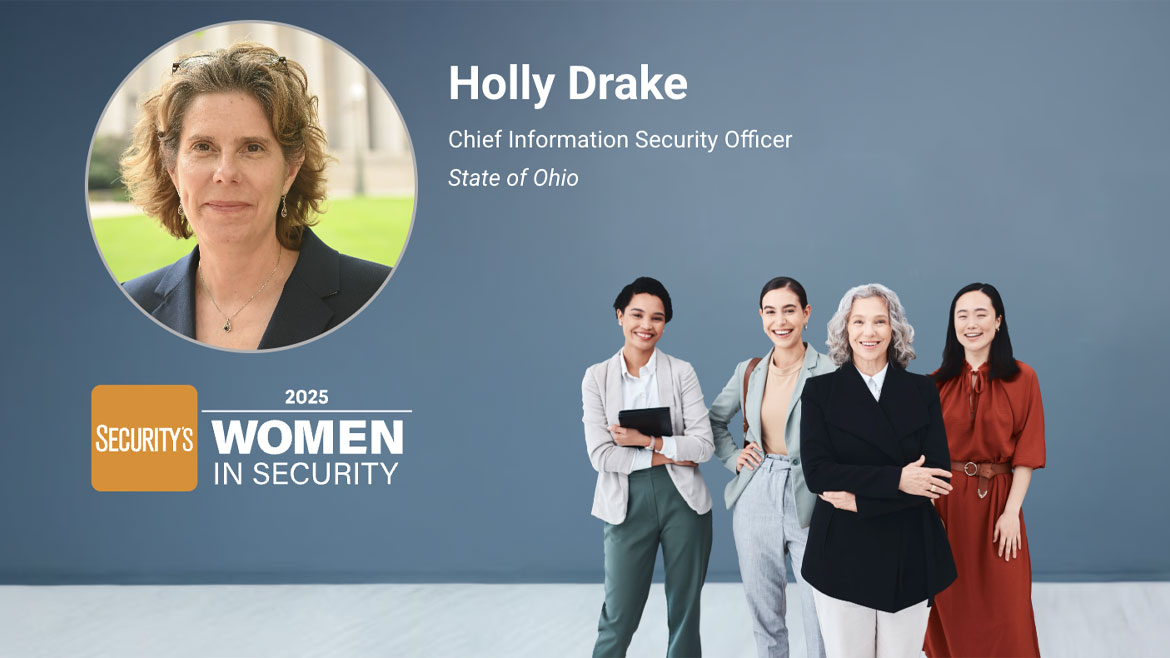
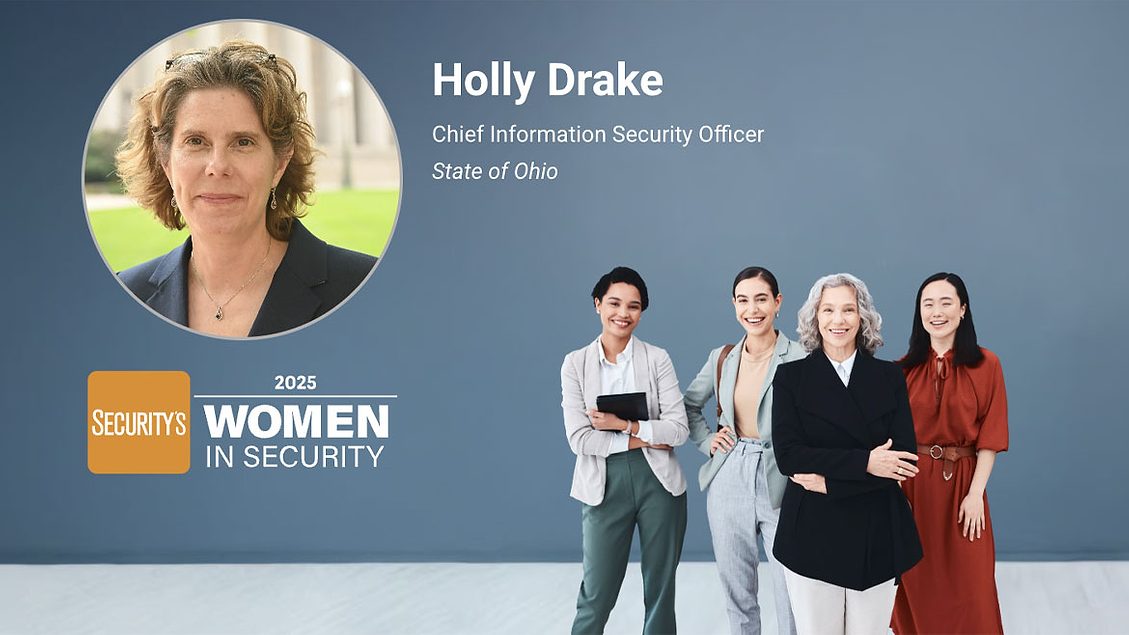
Holly Drake: Non-Traditional Career Paths Are Assets in Cybersecurity
@import url(‘https://fonts.googleapis.com/css2?family=Architects+Daughter&family=Roboto:ital,wght@0,100;0,300;0,400;0,500;0,700;0,900;1,100;1,300;1,400;1,500;1,700;1,900&display=swap’); h3 { font-weight: bold; font-size: 18px; color: #C72026; } .pqFull { display: block; border-width: 2px 0; border-style: solid; border-color: #404144; padding: 1.5em 0 0.5em; margin: 1.5em 0; position: relative; Architects Daughter’, Arial, sans-serif; font-size: 21px; text-align: center; color: #0067A6; } .pqFull:before { content: ‘\201C’; position: absolute; top: 0em; left: 50%; transform: translate(-50%, -50%); background: #fff; width: 3rem; height: 2rem; color: #666; text-align: center; } .pqFull:after { content:; display: block; text-align: center; font-size: 18px; color: #404144; } .w3-black { color: #fff!important; background-color: #000!important } .w3-button { width: 100%; text-align: center; padding: 8px 16px } .w3-bar { width: 100%; overflow: hidden; display: inline-block; width: auto } .w3-bar .w3-bar-item { padding: 8px 16px; float: left; width: auto; border: none; display: block; outline: 0 } .w3-bar .w3-button { white-space: normal } .w3-bar-item { width: 100%; display: block; padding: 4px 8px; text-align: center; border: none; white-space: normal; float: none; outline: 0 } .w3-bar-item { text-align: center } .w3-bar:before,.w3-bar:after { content: “”; display: table; clear: both } .w3-button { border: none; display: inline-block; padding: 4px 8px; vertical-align: middle; overflow: hidden; text-decoration: none; color: inherit; background-color: inherit; text-align: center; cursor: pointer; white-space: nowrap } .w3-button { -webkit-touch-callout: none; -webkit-user-select: none; -khtml-user-select: none; -moz-user-select: none; -ms-user-select: none; user-select: none } .w3-button:hover { color: #fff!important; background-color: #C72026!important } .w3-text { Nunito Sans’,Arial,sans-serif; font-size: 14px; }

Holly Drake, Chief Information Security Officer for the State of Ohio, didn’t take a traditional career path. She began her career at Nationwide Insurance, working in the privacy team. There, she spent 14 years of her career and had the opportunity to tackle new responsibilities and projects — like cyber regulations.

“There were a lot of regulations coming out, affecting Nationwide and other financial institutions at that time,” Drake reflects.

As the cyber regulations grew, they also became more specific. Drake worked to keep the organization up to date on these compliance requirements, solidifying her experience and expertise in the area and eventually becoming the Director of Cybersecurity and Privacy Assurance. She remained in this role with Nationwide for nearly six years before accepting a role with State Auto Insurance as the Director of Privacy and Personal Lines Compliance.

With most of her career spent with Nationwide, Drake acknowledges that leaving was not an easy decision. “It was very hard to leave Nationwide, but it ended up being a good path for me to go because I got to push my expertise and experience,” she says.

Then, a dream opportunity came across her path.

“A position for the first Chief Privacy Officer at Ohio State University, was posted,” Drake recalls. “And I thought, ‘Wow, that’s my dream job, to go back to my alma mater and help them navigate privacy with all of the different constituents that come across campus.’ You have students, faculty, staff, patients, visitors, learners — it’s just a really dynamic environment.”

Drake applied for the job, which she referred to as “one of the hardest positions to earn” in her career. Nevertheless, she was offered the job, and she spent four years there before being offered another remarkable opportunity.

“My first boss and mentor at Nationwide had been tapped by Ohio Governor Mike DeWine to bring together all of the cyber activities that the state was driving and lead them from a central function,” Drake says. “And he asked me to join him and bring my experience and expertise to the state level.”

Be open to joining this profession, even if you may think that you don’t have the ‘right’ background.

Once again, Drake was confronted with a challenging career decision.

“I loved my job at Ohio State University,” Drake states. “But in the end, this opportunity to go think about cybersecurity so broadly — in a way that would affect so many Ohioans — was just really enticing and exciting.”

Unique Educational Background

Drake’s career path isn’t the only unique aspect of her journey — her educational background also sets her apart. Drake first pursued a Bachelor’s of Arts in Russian Language and Literature from Ohio State University, citing an interest in relations between the United States and the Soviet Union (now Russia).

Drake reflects on how this unique educational background has influenced her career in cybersecurity, stating, “I adore seeing humanities majors in cybersecurity. I think they bring experience in being able to empathize with others.” Drake elaborates further, explaining, “A lot of cybersecurity is about persuading people to do something, such as persuading someone not to share their password or persuading them to follow a secure process. Humanities majors have a skill of flexing their style to connect with others.”

Drake also earned a master’s in social work, which she believes is another asset to her cybersecurity career.

“The social workers you see working in your community might be driving change within one person they’re doing therapy with, or it could be a whole group,” Drake says. “They drive change in a community or in society.”

By applying this skillset to cybersecurity, Drake is able to identify the ways that she can help drive cyber change within her community

“I can buy every tool recommended. But if I can’t persuade someone to follow the process, use the tool, or respond to the alert, then the tool doesn’t matter,” Drake points out. “Cybersecurity is really about the person — getting them to change their methods or their perspective so they can drive better cybersecurity across the organization.”

For those looking to start or grow their career in cybersecurity, Drake encourages them to take risks, be comfortable with being uncomfortable, and not sell themselves short if their educational or professional background isn’t directly linked to cybersecurity.

“Cybersecurity welcomes a broad array of skills,” Drake asserts. “Be open to joining this profession, even if you may think that you don’t have the ‘right’ background. It’s a broad profession. Lots of skillsets are needed for cybersecurity to be successful — so bring your skills.”


Women in Security 2025 [Main Article]

https://www.securitymagazine.com/articles/101743-holly-drake-non-traditional-career-paths-are-assets-in-cybersecurity

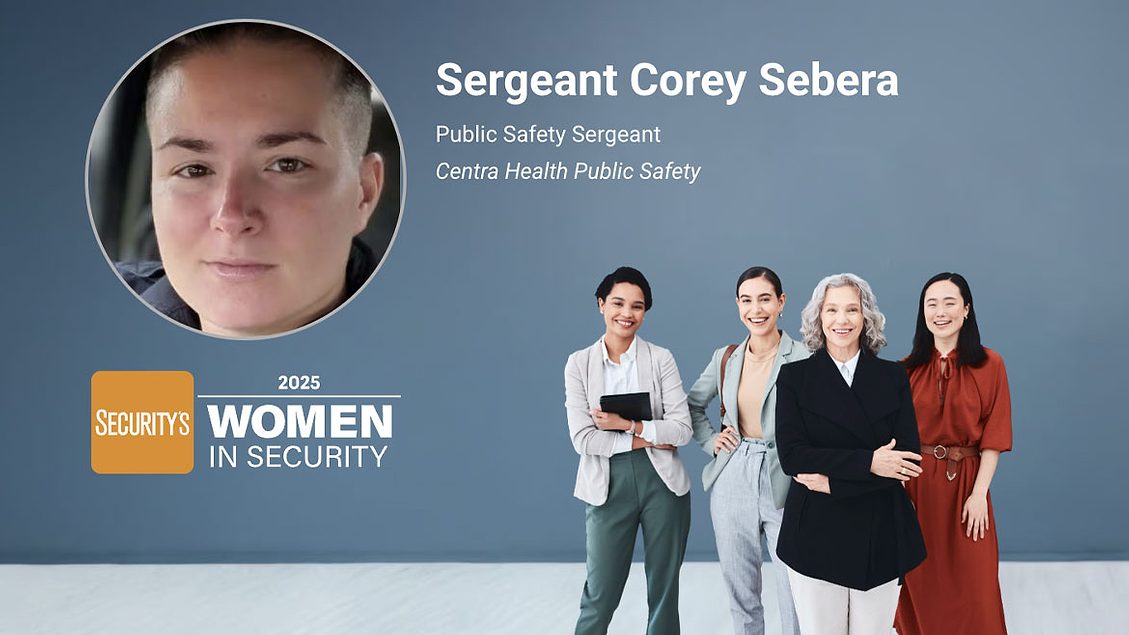


Corey Sebera: Career Challenges Become Career Accomplishments

@import url(‘https://fonts.googleapis.com/css2?family=Architects+Daughter&family=Roboto:ital,wght@0,100;0,300;0,400;0,500;0,700;0,900;1,100;1,300;1,400;1,500;1,700;1,900&display=swap’); h3 { font-weight: bold; font-size: 18px; color: #C72026; } .pqFull { display: block; border-width: 2px 0; border-style: solid; border-color: #404144; padding: 1.5em 0 0.5em; margin: 1.5em 0; position: relative; Architects Daughter’, Arial, sans-serif; font-size: 21px; text-align: center; color: #0067A6; } .pqFull:before { content: ‘\201C’; position: absolute; top: 0em; left: 50%; transform: translate(-50%, -50%); background: #fff; width: 3rem; height: 2rem; color: #666; text-align: center; } .pqFull:after { content:; display: block; text-align: center; font-size: 18px; color: #404144; } .w3-black { color: #fff!important; background-color: #000!important } .w3-button { width: 100%; text-align: center; padding: 8px 16px } .w3-bar { width: 100%; overflow: hidden; display: inline-block; width: auto } .w3-bar .w3-bar-item { padding: 8px 16px; float: left; width: auto; border: none; display: block; outline: 0 } .w3-bar .w3-button { white-space: normal } .w3-bar-item { width: 100%; display: block; padding: 4px 8px; text-align: center; border: none; white-space: normal; float: none; outline: 0 } .w3-bar-item { text-align: center } .w3-bar:before,.w3-bar:after { content: “”; display: table; clear: both } .w3-button { border: none; display: inline-block; padding: 4px 8px; vertical-align: middle; overflow: hidden; text-decoration: none; color: inherit; background-color: inherit; text-align: center; cursor: pointer; white-space: nowrap } .w3-button { -webkit-touch-callout: none; -webkit-user-select: none; -khtml-user-select: none; -moz-user-select: none; -ms-user-select: none; user-select: none } .w3-button:hover { color: #fff!important; background-color: #C72026!important } .w3-text { Nunito Sans’,Arial,sans-serif; font-size: 14px; }

Describing herself in one sentence, Sergeant Corey Sebera states, “I’m a wife, a mom and a public safety sergeant.”

Sgt. Sebera started her career in law enforcement as a corrections officer before joining Centra Health Public Safety as a security officer. She soon delved deeper into the world of law enforcement by taking on the role of deputy and finishing police academy training at the Central Virginia Criminal Justice Academy (CVCJA). Sgt. Sebera then rejoined Centra Health Public Safety as a Public Safety Sergeant and Special Conservator of Peace, which permits her police authority on private property.

Sgt. Sebera is Virginia Gang Investigators Association (VGIA) certified, Crisis Intervention Training (CIT) certified, and a certified Glock Armorer.

In her current role, Sgt. Sebera leads public safety operations at Lynchburg General Hospital and Virginia Baptist Hospital, where she directs a team of six officers. As her department moves forward with more advanced training, shifting from a security department to a public safety department with certified officers possessing police authority, she has been working with other ranking members to construct a curriculum and create standard operating procedures in order to move forward with department-wide change.

“I’ve also held classes for officers and created curriculum in the subjects of narcotics, gangs, court and arrest processes, and Fourth amendment/search and seizure processes,” Sgt. Sebera says.

Creating and delivering these instructional training materials has allowed Sgt. Sebera to engage in a form of mentorship, which she considers a fulfilling experience.

“I’ve enjoyed being able to mentor and train new officers to help them advance in their careers.” She reflects, “I think remembering where you came from is always important so that you can advocate for your officers.”

I love what I do, who I lead, and how far I have come in this career. I have support, encouragement, confidence and heart. And those are the things that matter.

Challenges Lead To Accomplishments

Every career has its moments of difficulty and triumph. For Sgt. Sebera, these moments are deeply personal.

“There have been many times in my career where I’ve become doubtful of myself and my leadership abilities,” Sgt. Sebera remarks. “As a sergeant, I have asked myself, ‘Am I able to lead well in a male-dominated field? Am I doing what’s best for my team? Am I doing what’s best for my family?’”

Confronting these challenges isn’t easy, but Sgt. Sebera rose to the challenge. It required her to look inward, build her self-esteem and remember why she joined in this line of work.

She states, “Being in this dangerous line of work, there have been times where I’ve had to pick my boots up and hold my head up high. I’ve had to remember who I am, what I have accomplished, and what my abilities are. I also know that you must do what you love in life, or you will be miserable. I love what I do, who I lead, and how far I have come in this career. I have support, encouragement, confidence and heart. And those are the things that matter.”

While career challenges may be emotionally-taxing to overcome, many can result in the greatest career accomplishments. Sgt. Sebera reflects on her greatest professional accomplishment thus far: her promotion to Sergeant.

“I hit a low in my law enforcement career back in 2022,” Sgt. Sebera remembers. “My wife had health problems and my career as a Deputy took its toll on our family during that year. I left my role as a Deputy Sheriff to become a public safety officer again. I felt that I went back several steps after progressing my career earlier that year.”

Although Sgt. Sebera had felt her career path was knocked backward, she didn’t allow that setback to be the end of the story. After a mere nine months into her return to Centra Health Public Safety, Sgt. Sebera was promoted to Sergeant.

“Everything that I worked hard on in my career came back full circle with being promoted to Sergeant, being able to lead, and providing even better for my family going back to the private sector,” she recalls. “I am thankful for this career opportunity and am looking forward to our department’s future and my career path.”

Advice for Aspiring Officers

“I would encourage new officers to be teachable and engage in any possible training or certification you can find. Always move forward and up when you can,” Sgt. Sebera advises. “Security careers can be limited depending on the agency. Do not be afraid to explore better training and opportunities as an individual to help build your career, confidence and make you a well-rounded asset to your department. Also, hold your head up and maintain professionalism in every incident and encounter so that you can build a great reputation among your department and other agencies. You would be surprised at how many people and other agencies are watching you and your demeanor as an officer. Professionalism, confidence and being well-rounded are keys to being successful in this line of work.”


Women in Security 2025 [Main Article]

https://www.securitymagazine.com/articles/101742-corey-sebera-career-challenges-become-career-accomplishments


Security’s 2025 Women in Security

h3 { font-weight: bold; font-size: 18px; Nunito Sans’, Arial, sans-serif; color: #3d596e; } .w3-container:after,.w3-container:before,.w3-row-padding:after,.w3-row-padding:before { content: “”; display: table; clear: both } .w3-container { padding: 0.01em 16px } .w3-row-padding,.w3-row-padding>.w3-half,.w3-row-padding>.w3-third,.w3-row-padding>.w3-twothird,.w3-row-padding>.w3-threequarter,.w3-row-padding>.w3-quarter,.w3-row-padding>.w3-col { padding: 0 8px } .w3-margin-top { margin-top: 16px!important } .w3-third { float: left; width: 100% } @media (min-width:601px) { .w3-col.m1 { width: 8.33333% } .w3-col.m2 { width: 16.66666% } .w3-col.m3,.w3-quarter { width: 24.99999% } .w3-col.m4,.w3-third { width: 33.33333% } .w3-col.m5 { width: 41.66666% } .w3-col.m6,.w3-half { width: 49.99999% } .w3-col.m7 { width: 58.33333% } .w3-col.m8,.w3-twothird { width: 66.66666% } .w3-col.m9,.w3-threequarter { width: 74.99999% } .w3-col.m10 { width: 83.33333% } .w3-col.m11 { width: 91.66666% } .w3-col.m12 { width: 99.99999% }} .w3-card,.w3-card-2 { box-shadow: 0 2px 5px 0 rgba(0,0,0,0.16),0 2px 10px 0 rgba(0,0,0,0.12) } .w3-blue,.w3-hover-blue:hover { color: #fff!important; background-color: #3d596e!important }

Security Magazine is once again proud to unveil the honorees of our 2025 Women in Security program — a recognition of exceptional leadership, unwavering dedication and outstanding contributions to the security industry.

This year, we celebrate nine remarkable women whose impact reaches far beyond their job titles. These leaders have shaped their organizations, advanced the field of security, and enriched the communities they serve. Their stories are a testament to the power of resilience, innovation and purpose in an ever-evolving industry.

Each year, we are inspired by the growing number of women making a difference across every corner of the security landscape. From cybersecurity to risk management to physical security, these professionals bring diverse backgrounds and bold perspectives to the challenges they face.

In this issue, we share these women’s journeys — the challenges they’ve overcome, the achievements they’ve earned, and the insights they offer to the next generation of security leaders. We’re honored to spotlight these women who continue to impact their organizations, their specialties, the security industry and the future in a positive way.

For more of Security’s Women in Security program, visit:

https://www.securitymagazine.com/articles/101739-securitys-2025-women-in-security


Mary Carmichael: Building City-Wide Cybersecurity

@import url(‘https://fonts.googleapis.com/css2?family=Architects+Daughter&family=Roboto:ital,wght@0,100;0,300;0,400;0,500;0,700;0,900;1,100;1,300;1,400;1,500;1,700;1,900&display=swap’); h3 { font-weight: bold; font-size: 18px; color: #C72026; } .pqFull { display: block; border-width: 2px 0; border-style: solid; border-color: #404144; padding: 1.5em 0 0.5em; margin: 1.5em 0; position: relative; Architects Daughter’, Arial, sans-serif; font-size: 21px; text-align: center; color: #0067A6; } .pqFull:before { content: ‘\201C’; position: absolute; top: 0em; left: 50%; transform: translate(-50%, -50%); background: #fff; width: 3rem; height: 2rem; color: #666; text-align: center; } .pqFull:after { content:; display: block; text-align: center; font-size: 18px; color: #404144; } .w3-black { color: #fff!important; background-color: #000!important } .w3-button { width: 100%; text-align: center; padding: 8px 16px } .w3-bar { width: 100%; overflow: hidden; display: inline-block; width: auto } .w3-bar .w3-bar-item { padding: 8px 16px; float: left; width: auto; border: none; display: block; outline: 0 } .w3-bar .w3-button { white-space: normal } .w3-bar-item { width: 100%; display: block; padding: 4px 8px; text-align: center; border: none; white-space: normal; float: none; outline: 0 } .w3-bar-item { text-align: center } .w3-bar:before,.w3-bar:after { content: “”; display: table; clear: both } .w3-button { border: none; display: inline-block; padding: 4px 8px; vertical-align: middle; overflow: hidden; text-decoration: none; color: inherit; background-color: inherit; text-align: center; cursor: pointer; white-space: nowrap } .w3-button { -webkit-touch-callout: none; -webkit-user-select: none; -khtml-user-select: none; -moz-user-select: none; -ms-user-select: none; user-select: none } .w3-button:hover { color: #fff!important; background-color: #C72026!important } .w3-text { Nunito Sans’,Arial,sans-serif; font-size: 14px; }

Mary Carmichael began her career as a certified public accountant (CPA), working on financial services implementation projects.

“[This is] where I saw how deeply intertwined technology and business operations had become. These projects weren’t just about systems, they were about transforming how organizations delivered services and managed risk,” Carmichael says.

Carmichael additionally led initiatives like PCI DSS and cloud migration projects. The combination of cybersecurity and risk management work led her to pursue several ISACA certifications, including CISA, CRISC and CISM.

“What drew me to cybersecurity was the realization that CPAs and cybersecurity professionals are working toward the same goal, we both focus on protecting critical assets, whether they’re financial, operational, or digital. As a CPA, I was trained in risk assessment, scenario planning, and building risk registers, all of which are just as relevant in cybersecurity as they are in finance,” Carmichael says.

Carmichael also spent time working for the City of Vancouver during the 2010 Winter Olympics.

“The Olympics were a catalyst for cybersecurity maturity. They initiated new and essential responsibilities around business continuity planning, incident response readiness, and protecting critical systems from potential disruptions. It was the first time I saw cybersecurity not just as a technical function, but as an enabler of public trust and operational resilience,” Carmichael says.

Carmichael assisted in digital transformation projects to help increase citizen access to city services.

“More than anything, I loved the energy of working on big, meaningful goals with collaborative team,” Carmichael says.

Currently, Carmichael serves as the Managing Director of Risk Advisory at Momentum Technology. Her work has shifted recently to focus on artificial intelligence (AI) risk and governance.

What I’m most proud of is how we’ve built a chapter that supports professionals through every stage of their career, from high school students participating in hackathons, to mentorship, scholarships, networking, and advanced training.

“My background as a CPA gives me a unique perspective, I bring a solid foundation in governance and assurance, which complements the technical and strategic work we do. My goal is to help organizations move forward with confidence, clarity, and control in an increasingly dynamic risk landscape,” Carmichael says.

In addition to her work responsibilities, Carmichael serves as the President of the ISACA Vancouver Chapter.

“It’s especially meaningful to me because ISACA has played such a key role in my own professional journey, and I love being able to give back and help others grow,” Carmichael says. She serves on a number of committees, including the CRISC Working Group to help maintain the certification and ensure the exam remains aligned with current standards. As Chapter Leader, Carmichael leads over 1,000 members in cybersecurity, risk management and emerging technologies.

“What I’m most proud of is how we’ve built a chapter that supports professionals through every stage of their career, from high school students participating in hackathons, to mentorship, scholarships, networking, and advanced training. We’re intentional about offering lifelong learning and support. Also, we’ve introduced specialized programming, including our AI Mastery Series, which helps members deepen their understanding of AI governance, ethics, and risk,” Carmichael says.

Carmichael’s work includes partnering with local businesses to host industry events. Recently, she sponsored a cyber incident response exercise to provide hand-on crisis management experience. Carmichael has also worked to partner with the Province of British Columbia to boost cybersecurity, including sponsoring the BC Cyber Directory.

Carmichael also serves as a SheLeadsTech Ambassador for ISACA. SheLeadsTech works to advance women in tech leadership and close the gender gap by building inclusive communities.

“Personally, being part of SheLeadsTech has reminded me of the power of storytelling, mentorship, and visibility. It’s also reinforced that we can’t make progress alone, we need to work collectively to drive change. Whether you’re early in your career or in a leadership role, we all benefit when we create space for others to grow, lead, and be heard. SheLeadsTech has helped me become a more intentional leader, and it continues to inspire me every day,” Carmichael says.


Women in Security 2025 [Main Article]

https://www.securitymagazine.com/articles/101748-mary-carmichael-building-city-wide-cybersecurity


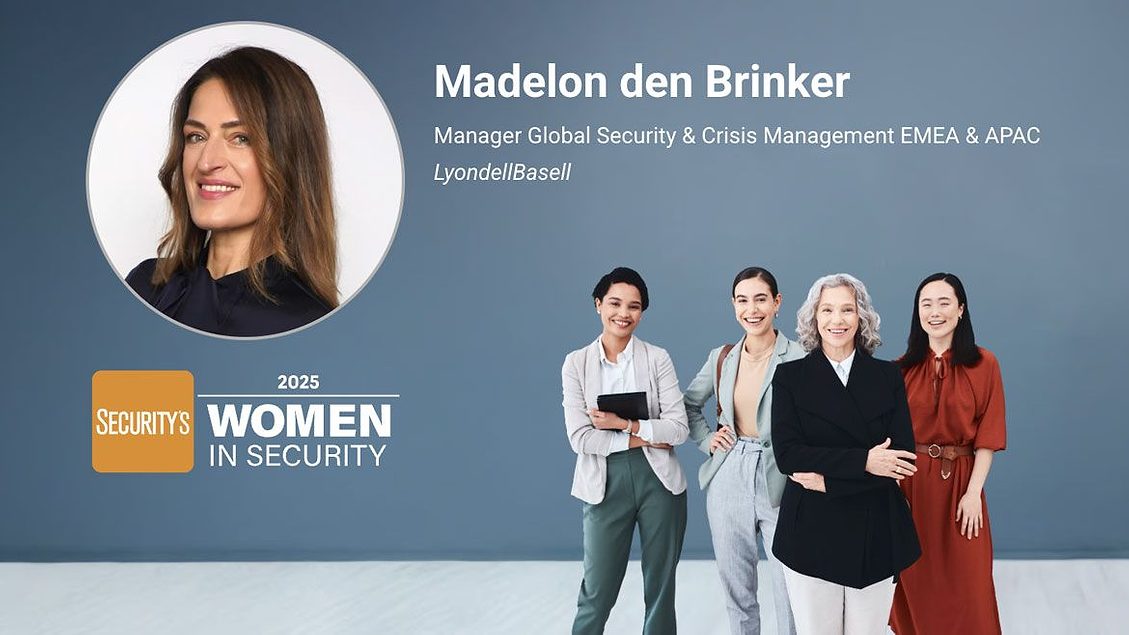
Madelon den Brinker: Bringing Calm to the Chaos

@import url(‘https://fonts.googleapis.com/css2?family=Architects+Daughter&family=Roboto:ital,wght@0,100;0,300;0,400;0,500;0,700;0,900;1,100;1,300;1,400;1,500;1,700;1,900&display=swap’); h3 { font-weight: bold; font-size: 18px; color: #C72026; } .pqFull { display: block; border-width: 2px 0; border-style: solid; border-color: #404144; padding: 1.5em 0 0.5em; margin: 1.5em 0; position: relative; Architects Daughter’, Arial, sans-serif; font-size: 21px; text-align: center; color: #0067A6; } .pqFull:before { content: ‘\201C’; position: absolute; top: 0em; left: 50%; transform: translate(-50%, -50%); background: #fff; width: 3rem; height: 2rem; color: #666; text-align: center; } .pqFull:after { content:; display: block; text-align: center; font-size: 18px; color: #404144; } .w3-black { color: #fff!important; background-color: #000!important } .w3-button { width: 100%; text-align: center; padding: 8px 16px } .w3-bar { width: 100%; overflow: hidden; display: inline-block; width: auto } .w3-bar .w3-bar-item { padding: 8px 16px; float: left; width: auto; border: none; display: block; outline: 0 } .w3-bar .w3-button { white-space: normal } .w3-bar-item { width: 100%; display: block; padding: 4px 8px; text-align: center; border: none; white-space: normal; float: none; outline: 0 } .w3-bar-item { text-align: center } .w3-bar:before,.w3-bar:after { content: “”; display: table; clear: both } .w3-button { border: none; display: inline-block; padding: 4px 8px; vertical-align: middle; overflow: hidden; text-decoration: none; color: inherit; background-color: inherit; text-align: center; cursor: pointer; white-space: nowrap } .w3-button { -webkit-touch-callout: none; -webkit-user-select: none; -khtml-user-select: none; -moz-user-select: none; -ms-user-select: none; user-select: none } .w3-button:hover { color: #fff!important; background-color: #C72026!important } .w3-text { Nunito Sans’,Arial,sans-serif; font-size: 14px; }

Madelon den Brinker’s career has taken her all over the world – from Kenya, Tanzania, Toronto, and Netherlands – just to name a few. Beginning her security career as a Constable for The Dutch Federal Police, den Brinker quickly moved into different detective roles at the department and joined specialized units including narcotics teams, organized crime investigation, missing person specialist and political intelligence analyst.

Then in 2006, she moved to Canada where she found the security field job market lacking.

“I had to do something else for a while,” she says. “I was a property manager and real estate investor for a bit then, at some point, I circled back to consulting which led to a job offer in Kenya”

There, den Brinker worked in fraud investigations and security operations, and then eventually landed as Operations Manager for the United Nations in 2017. A strong proponent of life-long learning and continuing education, den Brinker earned a master’s degree in international risk and security management before eventually settling into her current role as Manager Global Security & Crisis Management EMEA & APAC at LyondellBasell.

“Everything I’ve done before has allowed me to grow and build me into the person that I’m now,” she says. “In this role, I manage an interesting portfolio, because I work with the manufacturing sites, do physical security, training development and risk management. I do a lot of employee engagement, manage teams, work on travel and executive security, incident investigation, and the security and the crisis management team. I’m always collaborating with business partners or teams on manufacturing sites. It’s really a wonderful role.”

You have to lead by example. Particularly security professionals, need to know how to think under pressure and as a mentor you bring the calm to the chaos.

A Career of Service

“I have consistently positioned myself as a driving pillar in the strategic objectives of projects, investigations, and organizations by fully immersing myself in their needs and challenges, identifying solutions and developing lessons learned from each experience,” den Brinker says. “This has defined my roles as an investigator in syndicated crime investigations, a consultant initiating operational changes in East Africa, initiating technology projects to mitigate guarding manpower shortage for example, and as a key member and trainer of a highly effective and confident Crisis Management Team.”

With more than 20 years of working in the industry under her belt, den Brinker is proud of the work she’s done, the people she’s mentored, the teams she’s helped grow, and always rising to the next challenge.

“One specific achievement that I am proud of, and which is close to my heart; in my law enforcement career I successfully uncovered a human trafficking network while investigating a missing person’s case,” she recalls. “It led to multiple arrests and my early promotion to the organized crime unit without the standard five year experience requirement. More importantly the investigation contributed to the recognition of human trafficking patterns, the identification and response to similar cases by authorities.”

Leading by Example

Mentorship is an important part of success within the security industry and den Brinker thanks every one of the leaders that took the time to give her guidance throughout her career. Within her own leadership roles, den Brinker continually looks for ways to hone and improve her skills – whether through education and certifications – but also guides and encourages growth within her team.

“A mentor has to be encouraging of lifelong learning, particularly in security because the field is changing so fast. There are constantly new threats and new solutions,” she says. “When it comes to a good mentor, what worked for me and is also how I mentor, is that it’s mostly show and not so much tell. You have to lead by example. Particularly for security professionals, we need to know how to think under pressure and as a mentor you bring the calm to the chaos. What I learned from my mentors – be pragmatic, cut through the noise, filter out the distractions, and get to the core of the issue. That’s very essential.”

Throughout her career, den Brinker has sought to become the best security professional possible by seeking out new opportunities and by doing so she encourages her team’s growth and remains a leader who consistently dedicates herself to the safety and security of both personnel and assets.

“I don’t lead as a woman, I lead as a professional,” den Brinker says. “I focus on where I can make a difference. I develop myself and I help others to do the same. I believe that when you know your subjects, know your audience, and you’re a reliable pillar in an organization it holds up more than any label.”


Women in Security 2025 [Main Article]

https://www.securitymagazine.com/articles/101747-madelon-den-brinker-bringing-calm-to-the-chaos


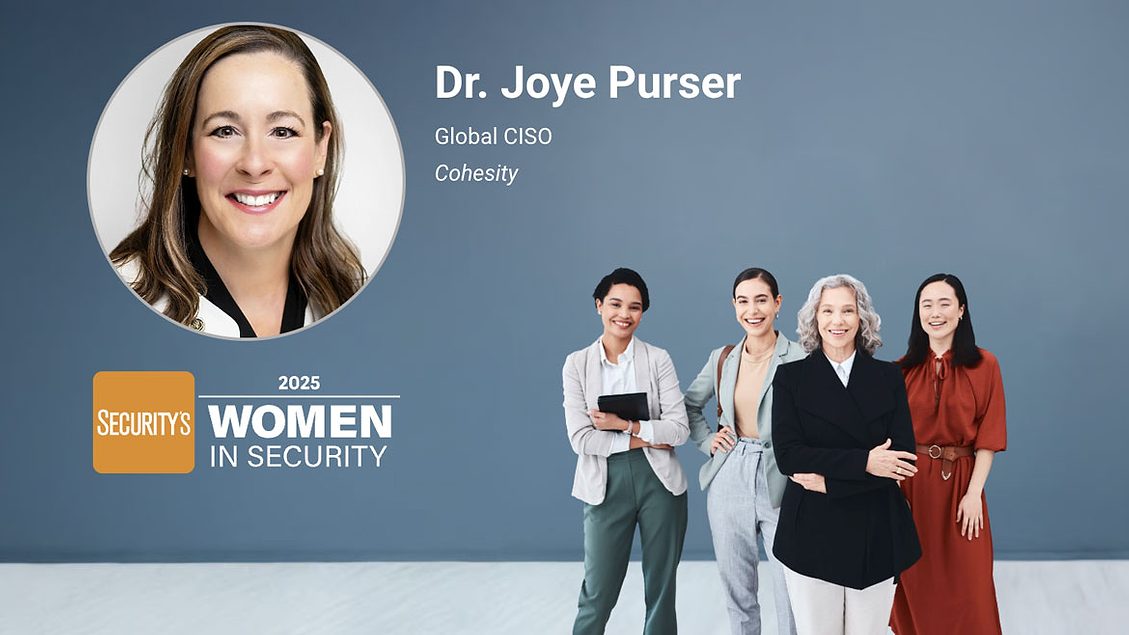
Dr. Joye Purser: Safeguard Against Shifting Risks

@import url(‘https://fonts.googleapis.com/css2?family=Architects+Daughter&family=Roboto:ital,wght@0,100;0,300;0,400;0,500;0,700;0,900;1,100;1,300;1,400;1,500;1,700;1,900&display=swap’); h3 { font-weight: bold; font-size: 18px; color: #C72026; } .pqFull { display: block; border-width: 2px 0; border-style: solid; border-color: #404144; padding: 1.5em 0 0.5em; margin: 1.5em 0; position: relative; Architects Daughter’, Arial, sans-serif; font-size: 21px; text-align: center; color: #0067A6; } .pqFull:before { content: ‘\201C’; position: absolute; top: 0em; left: 50%; transform: translate(-50%, -50%); background: #fff; width: 3rem; height: 2rem; color: #666; text-align: center; } .pqFull:after { content:; display: block; text-align: center; font-size: 18px; color: #404144; } .w3-black { color: #fff!important; background-color: #000!important } .w3-button { width: 100%; text-align: center; padding: 8px 16px } .w3-bar { width: 100%; overflow: hidden; display: inline-block; width: auto } .w3-bar .w3-bar-item { padding: 8px 16px; float: left; width: auto; border: none; display: block; outline: 0 } .w3-bar .w3-button { white-space: normal } .w3-bar-item { width: 100%; display: block; padding: 4px 8px; text-align: center; border: none; white-space: normal; float: none; outline: 0 } .w3-bar-item { text-align: center } .w3-bar:before,.w3-bar:after { content: “”; display: table; clear: both } .w3-button { border: none; display: inline-block; padding: 4px 8px; vertical-align: middle; overflow: hidden; text-decoration: none; color: inherit; background-color: inherit; text-align: center; cursor: pointer; white-space: nowrap } .w3-button { -webkit-touch-callout: none; -webkit-user-select: none; -khtml-user-select: none; -moz-user-select: none; -ms-user-select: none; user-select: none } .w3-button:hover { color: #fff!important; background-color: #C72026!important } .w3-text { Nunito Sans’,Arial,sans-serif; font-size: 14px; }

Dr. Joye Purser, PhD, spent 20 years working in Washington D.C., shaping national technology policy. First, Dr. Purser worked as a legislative assistant in the U.S. House of Representatives, working on the policy agenda for the Chair of the House Committee on Science and Technology. Hired by the Pentagon, Dr. Purser audited programs such as financial management to military communication systems.

“I realized that my knowledge and skills could help drive efficient operations as well as technical eminence, ultimately safeguarding the freedoms we hold dear,” Dr. Purser says.

Dr. Purser then moved to work for the Office of Management and Budget, serving as the subject matter expert for Defense Technology. She examined the defense research portfolio to ensure it was aligned with Presidential and other government priorities.

“In response to growing risks in microelectronics, I brought together a multi-agency group of technology leaders to build consensus and coordinate government-wide investments aimed at securing and strengthening the semiconductor supply chain,” Dr. Purser says.

In addition, Dr. Purser led high-impact communications with both legislative and executive branch leaders. She consulted on national strategies for military technology, research and sensitive communications. Dr. Purser describes working for the government as “heart work”, as everyone involved is driven by the same central mission for their organization.

Silicon Valley has increasingly turned to security professionals like me, those with military or defense backgrounds, because tech companies are under attack and need to strengthen security.

From here, Dr. Purser transitioned to the private sector. She worked on enterprise risk management before an unexpected shift during the pandemic. Dr. Purser helped the CDC with the Continuity of Operations plan at the height of the pandemic, and also helped with post-pandemic recovery.

“I was selected to lead Region 4 at the Cybersecurity and Infrastructure Security Agency (CISA) within the Department of Homeland Security. I served as the first senior executive in that position, doubling the field operations force and guiding the government response to the Colonial Pipeline attack,” Dr. Purser says.

Currently, Dr. Purser serves the Global Field Chief Information Security Officer (CISO) at Cohesity. Dr. Purser’s work includes international travel to work with critical infrastructure owners and manage various security risks.

“Silicon Valley has increasingly turned to security professionals like me, those with military or defense backgrounds, because tech companies are under attack and need to strengthen security,” Dr. Purser says.

During her time here, Dr. Purser has witnessed the trend of the technology and business sectors are strengthening their security efforts to protect their assets and customers.

Dr. Purser describes transitioning from the public to private sector as “exciting, meaningful and rewarding”. She’s been able to challenge herself with each new problem to solve, especially with how drastically the world has changed since she entered the security field. Dr. Purser learned to adapt to different priorities and risk levels, gaining additional perspectives from each role.

“Having worked in these settings has imparted a giant advantage in terms of the advice that I am able to communicate to my teams,” Dr. Purser says.

In addition, Dr. Purser works with a number of nonprofit organizations. She coaches YearUp apprentices in research and presentation skills to better develop their careers. Dr. Purser also works with Mahima Home, an organization and foster care community that helps survivors of human trafficking.

Dr. Purser’s leadership style is the perfect blend of warmth and assertiveness.

“My approach is rooted in the idea that every organization, no matter its size or sector, needs a security culture to protect its people and operations,” Dr. Purser says. The increasing sophistication of cyber threats meant that security leaders need to expand their skillsets. “I’m especially passionate about showing other women in cybersecurity that leadership doesn’t have to be loud to be powerful — and that vision, when clearly communicated, can shape real change,” Dr. Purser says.


Women in Security 2025 [Main Article]

https://www.securitymagazine.com/articles/101746-dr-joye-purser-safeguard-against-shifting-risks


Joella Dunn-Bernstein: Embracing Empowerment in Security

@import url(‘https://fonts.googleapis.com/css2?family=Architects+Daughter&family=Roboto:ital,wght@0,100;0,300;0,400;0,500;0,700;0,900;1,100;1,300;1,400;1,500;1,700;1,900&display=swap’); h3 { font-weight: bold; font-size: 18px; color: #C72026; } .pqFull { display: block; border-width: 2px 0; border-style: solid; border-color: #404144; padding: 1.5em 0 0.5em; margin: 1.5em 0; position: relative; Architects Daughter’, Arial, sans-serif; font-size: 21px; text-align: center; color: #0067A6; } .pqFull:before { content: ‘\201C’; position: absolute; top: 0em; left: 50%; transform: translate(-50%, -50%); background: #fff; width: 3rem; height: 2rem; color: #666; text-align: center; } .pqFull:after { content:; display: block; text-align: center; font-size: 18px; color: #404144; } .w3-black { color: #fff!important; background-color: #000!important } .w3-button { width: 100%; text-align: center; padding: 8px 16px } .w3-bar { width: 100%; overflow: hidden; display: inline-block; width: auto } .w3-bar .w3-bar-item { padding: 8px 16px; float: left; width: auto; border: none; display: block; outline: 0 } .w3-bar .w3-button { white-space: normal } .w3-bar-item { width: 100%; display: block; padding: 4px 8px; text-align: center; border: none; white-space: normal; float: none; outline: 0 } .w3-bar-item { text-align: center } .w3-bar:before,.w3-bar:after { content: “”; display: table; clear: both } .w3-button { border: none; display: inline-block; padding: 4px 8px; vertical-align: middle; overflow: hidden; text-decoration: none; color: inherit; background-color: inherit; text-align: center; cursor: pointer; white-space: nowrap } .w3-button { -webkit-touch-callout: none; -webkit-user-select: none; -khtml-user-select: none; -moz-user-select: none; -ms-user-select: none; user-select: none } .w3-button:hover { color: #fff!important; background-color: #C72026!important } .w3-text { Nunito Sans’,Arial,sans-serif; font-size: 14px; }

The tragic events of September 11, 2001 was a life changing moment for Americans and for Joella Dunn-Bernstein things were no different. As a 12-year-old living in New Jersey, Dunn-Bernstein witnessed first-hand the impact on her community and that experience informed the direction her life would take.

“I saw a lot of people suffering and I wanted to prevent that from happening again,” she recalls.

With that goal in mind, Dunn-Bernstein completed a Master’s Degree in Counterterrorism and Homeland Security from Reichman University. Many of her professors encouraged Dunn-Bernstein to pursue a career in government, however despite the strong advice, she preferred more flexibility and different career dynamics.

When she was first introduced to the world of corporate security — by her now-husband — Dunn-Bernstein knew it was the right fit.

“There are so many interesting things to do in that sphere,” she says.

Growing Career

Dunn-Bernstein officially started her security career as a watch officer in The World Bank’s Global Security Operations Center (GSOC), where she became fascinated in the emergency management and intelligence portions of the job. From there, she moved from D.C. to Los Angeles after accepting a position as an intelligence analyst doing contract work for Fortune 50 companies. In 2019, Dunn-Bernstein joined The Jewish Federation of Los Angeles as an Intelligence Analyst and then the Head of Intelligence. There she had the opportunity to not only develop and hone her intelligence skills, but also learn about the physical security side of things that empower communities to keep themselves safe.

During her time with The Jewish Federation of Los Angeles, Dunn-Bernstein was tasked to help protect and prepare the LA Jewish community through intelligence gathering, security training and coordination with law enforcement. She led active shooter, situational awareness, and digital footprint training.

“An important aspect of the job was empowering the community to really understand the threats that might be presented to them,” Dunn-Bernstein said.

In 2024 Dunn-Berstein joined JetZero — an aerospace startup based in Long Beach, California — as the Head of Security. There she blends her experience in the intelligence, executive protection, and corporate security functions with real-world experience on a global scale.

“With The Jewish Federation, there are some very real threats in the physical space, and at JetZero industrial espionage is the primary concern here. But in either case, you’re taking the necessary steps to protect the incredible things and people.”

People will always be the weakest link, so strengthening folks through education and awareness to help them understand that security is a shared responsibility is important.

The Secret to Success

When thinking back on her success in the security industry, Dunn-Bernstein gives credit to knowing what she wanted and going for it.

“I’ve always told people what I wanted. I couldn’t expect someone to read my mind,” she says. “For instance, I loved being an analyst, especially at the Jewish Federation, but I expressed to a director that I wanted to learn more about the rest of the security world. I didn’t want to be pigeonholed my entire career. I loved it, but I knew that I wanted more, and I asked for more opportunities.”

She recalls that director making a conscious effort to push her out of her comfort zone and pull her into meetings, projects, training and different events that she may not have been a part of otherwise.

Another key part of a successful security career, Dunn-Bernstein continues, is knowing what you don’t know and when to ask for help.

“I’m really fortunate to have mentors and friends in different parts of the security industry who have decades of experience,” she says. “If I can’t find an effective and creative solution to a problem, I have a very small handful of trusted people who have likely encountered a similar issue and we help each other figure things out.”

Dunn-Bernstein says she likes the information and intelligence gathering and analysis portion of Security, citing the innovation of the private sector.

“Law enforcement agencies don’t carry that burden alone,” she says. “I find that the intel in the private sector is much more nimble and able to pivot to address the immediate concerns that we have, whereas my friends or acquaintances in the government sector have a harder time.”

Encouraging Empowerment

The security field is ever-evolving with each day bringing new challenges. It is that constant progression that keeps many security leaders in the profession. In addition to rising to new and interesting challenges, Dunn-Bernstein embraces the opportunity to encourage empowerment in individuals and communities.

“People will always be the weakest link, so strengthening folks through education and awareness to help them understand that security is a shared responsibility is important,” she says. “You get better results and information from a population that is educated about security and risk.”

When she first got into the security field, Dunn-Bernstein says she thought a lot of things in the industry were black and white.

“As I grew in my career, I have learned that there’s so much more nuance to those things, and engaging with groups of people who aren’t traditionally enmeshed in security and finding approachable ways for them to empower themselves and keep themselves safe was something that really helped to shape the way that I look at things, the way that I understand where someone is coming from,” she says. “That’s something that really resonated with me, and something I take to heart.”


Women in Security 2025 [Main Article]

https://www.securitymagazine.com/articles/101745-joella-dunn-bernstein-embracing-empowerment-in-security


Jewel Singh: Protecting Women At All Levels of an Organization

@import url(‘https://fonts.googleapis.com/css2?family=Architects+Daughter&family=Roboto:ital,wght@0,100;0,300;0,400;0,500;0,700;0,900;1,100;1,300;1,400;1,500;1,700;1,900&display=swap’); h3 { font-weight: bold; font-size: 18px; color: #C72026; } .pqFull { display: block; border-width: 2px 0; border-style: solid; border-color: #404144; padding: 1.5em 0 0.5em; margin: 1.5em 0; position: relative; Architects Daughter’, Arial, sans-serif; font-size: 21px; text-align: center; color: #0067A6; } .pqFull:before { content: ‘\201C’; position: absolute; top: 0em; left: 50%; transform: translate(-50%, -50%); background: #fff; width: 3rem; height: 2rem; color: #666; text-align: center; } .pqFull:after { content:; display: block; text-align: center; font-size: 18px; color: #404144; } .w3-black { color: #fff!important; background-color: #000!important } .w3-button { width: 100%; text-align: center; padding: 8px 16px } .w3-bar { width: 100%; overflow: hidden; display: inline-block; width: auto } .w3-bar .w3-bar-item { padding: 8px 16px; float: left; width: auto; border: none; display: block; outline: 0 } .w3-bar .w3-button { white-space: normal } .w3-bar-item { width: 100%; display: block; padding: 4px 8px; text-align: center; border: none; white-space: normal; float: none; outline: 0 } .w3-bar-item { text-align: center } .w3-bar:before,.w3-bar:after { content: “”; display: table; clear: both } .w3-button { border: none; display: inline-block; padding: 4px 8px; vertical-align: middle; overflow: hidden; text-decoration: none; color: inherit; background-color: inherit; text-align: center; cursor: pointer; white-space: nowrap } .w3-button { -webkit-touch-callout: none; -webkit-user-select: none; -khtml-user-select: none; -moz-user-select: none; -ms-user-select: none; user-select: none } .w3-button:hover { color: #fff!important; background-color: #C72026!important } .w3-text { Nunito Sans’,Arial,sans-serif; font-size: 14px; }

Jewel Singh’s security career began at IBM, moving from sales to IT and data analytics. In 2015, Singh assumed the role as the India/South Asia CIO IT Business Operations Manager by leading the IT and analytics departments. Under Singh’s guidance, CIO ThinkDesks were set up across India for walk-in IT support. Singh was instrumental to building IT infrastructure across the region.

In 2019, Singh took a position to lead the India Employee Transport Safety & Operations department.

“The constant challenge, risks and uncertainties associated with Security made the role appealing. I see challenges as opportunities for growth, calculated risk-taking and a way to demonstrate our duty of care purpose, which I am passionate about,” Singh says.

Singh’s role involved ensuring a safe and secure nightly commute for women utilizing the transportation system, as required by India’s transport regulations. This included improving operations through software as a service (SaaS), strengthening regulatory compliance such as vehicle and driver safety regulations. In addition, Singh has worked to build up 24/7 control centers, panic alarms, incident reporting and response.

“We provide a safe, secure and compliant commute for thousands of employees across multiple cities across India, exceeding industry best on-time arrivals, on-time departures, employee trip feedback rating and other metrics,” Singh says.

With the rise in workplace violence and social unrest, it’s more important than ever for security leaders to place protections for their employees. This is especially true for night shift workers, who often work with a reduced staff and a unique set of security risks. Navigating densely populated cities creates its own challenges, as it can be difficult to thoroughly cover all of a building’s access points.

Singh’s role expanded to include corporate security operations, where she works to improve security risk culture, scaling access management and developing stronger crisis management.

“A typical workday begins with acute focus on the previous night’s employee transport operations, and any new or in progress critical events/crisis being tracked across APAC-J region and globally before getting down to prioritize tasks for the day,” Singh says. The scope of Singh’s coverage means a busy schedule, as there’s almost always something that requires her immediate attention. Singh also works with leaders across the area to coordinate system maintenance and ensure everyone is aligned with the current milestones and regulations.

“Technology and IT was never in my career plan,” Singh says, but that didn’t stop her from excelling with each position she held. Throughout her career, Singh learned to lead even when her team was scattered around the world. She worked to not only meet current regulations but to go above and beyond to protect her employees. Singh has led her team to win several awards for their service, safety compliance, and sustainable transportation methods. Her career has blended physical and cyber security to strengthen her organization and keep people safe.


Women in Security 2025 [Main Article]

https://www.securitymagazine.com/articles/101744-jewel-singh-protecting-women-at-all-levels-of-an-organization


Crittografia post-quantistica PQC: la transizione verso algoritmi resistenti al quantum computing

La crittografia post-quantistica (PQC) rappresenta uno dei pilastri fondamentali per la sicurezza informatica del futuro, configurandosi come risposta strategica all’imminente minaccia rappresentata dai computer quantistici crittograficamente rilevanti (CRQC). Con l’accelerazione della ricerca nel campo del quantum computing, la comunità della cybersecurity si trova di fronte alla necessità di ripensare radicalmente i paradigmi crittografici consolidati, implementando algoritmi resistenti alle capacità computazionali quantistiche.

Standard NIST crittografia post-quantistica: Il quadro normativo 2024

Il National Institute of Standards and Technology (NIST) ha finalizzato il suo principale set di algoritmi di crittografia progettati per resistere agli attacchi informatici di un computer quantistico, pubblicando nell’agosto 2024 i primi tre standard FIPS (Federal Information Processing Standards) per la crittografia post-quantistica.

Gli standard pubblicati comprendono:

FIPS 203 – Module-Lattice-Based Key-Encapsulation Mechanism Standard (ML-KEM)

FIPS 203 specifica uno schema crittografico chiamato Module-Lattice-Based Key-Encapsulation Mechanism Standard, derivato dalla submission CRYSTALS-KYBER. Questo meccanismo di incapsulamento delle chiavi rappresenta la soluzione primaria per la crittografia generale, caratterizzato da chiavi di crittografia relativamente piccole e velocità operativa ottimizzata.

Il ML-KEM supporta tre varianti parametriche:

  • ML-KEM-512: livello di sicurezza 1 (equivalente ad AES-128)
  • ML-KEM-768: livello di sicurezza 3 (equivalente ad AES-192)
  • ML-KEM-1024: livello di sicurezza 5 (equivalente ad AES-256)

FIPS 204 – Module-Lattice-Based Digital Signature Standard (ML-DSA)

FIPS 204 specifica il Module-Lattice-Based Digital Signature Standard, derivato dalla submission CRYSTALS-Dilithium. Questo algoritmo, originariamente noto come CRYSTALS-Dilithium, costituisce lo standard primario per la protezione delle firme digitali, utilizzando un approccio basato su reticoli modulari.

FIPS 205 – Stateless Hash-Based Digital Signature Standard (SLH-DSA)

FIPS 205 specifica il Stateless Hash-Based Digital Signature Standard, derivato dalla submission SPHINCS+. Questo standard implementa un algoritmo di firma digitale basato su funzioni hash, progettato come metodo di backup nel caso in cui ML-DSA dovesse rivelarsi vulnerabile.

L’algoritmo HQC come standard di backup

HQC è stato selezionato per la standardizzazione l’11 marzo 2025, rappresentando il quinto algoritmo per la crittografia asimmetrica post-quantistica. “Le organizzazioni dovrebbero continuare a migrare i loro sistemi di crittografia agli standard che abbiamo finalizzato nel 2024. Stiamo annunciando la selezione di HQC perché vogliamo avere uno standard di backup basato su un approccio matematico diverso da ML-KEM”, ha dichiarato Dustin Moody, matematico del NIST.

La minaccia “Harvest Now, Decrypt Later” e la sua rilevanza strategica

La strategia “harvest now, decrypt later” è una strategia di sorveglianza che si basa sull’acquisizione e conservazione a lungo termine di dati crittografati attualmente illeggibili in attesa di possibili sviluppi nella tecnologia di decrittazione che li renderebbero leggibili in futuro.

Caratteristiche degli attacchi HNDL

Gli attacchi HNDL presentano caratteristiche distintive che li rendono particolarmente insidiosi:

  1. Stealth operativo: Uno degli aspetti più insidiosi degli attacchi HNDL è che non saprai quando i tuoi dati sono stati rubati. Gli attori delle minacce possono catturare dati crittografati ora e decrittarli anni dopo una volta che i computer quantistici lo permettono.
  2. Targeting strategico: La strategia centrale di “harvest now, decrypt later” è semplice: raccogliere quanti più dati possibile e prepararsi a decrittarli in futuro. Questa è una strategia orientata agli obiettivi, e i cybercriminali sono tutt’altro che casuali nei loro sforzi.
  3. Valore temporale dei dati: Attualmente, i segreti commerciali, l’intelligence aziendale e le tecnologie emergenti sono i dati più a rischio.

L’urgenza della transizione

Alcuni segreti rimangono preziosi per molti anni. Anche se un avversario non può craccare la crittografia che protegge i nostri segreti al momento, potrebbe comunque essere vantaggioso catturare dati crittografati e conservarli, nella speranza che un computer quantistico riesca a violare la crittografia in futuro.

La finestra di vulnerabilità è già aperta, considerando che i dati sensibili crittografati oggi potrebbero essere compromessi quando i computer quantistici raggiungeranno una potenza sufficiente.

Algoritmi di Shor e l’impatto sui sistemi crittografici attuali

L’algoritmo di Shor, sviluppato nel 1994, rappresenta la minaccia principale per i sistemi crittografici attuali. L’algoritmo di Shor permette a un computer quantistico di fattorizzare grandi numeri interi esponenzialmente più velocemente di qualsiasi algoritmo classico conosciuto, un attacco diretto alla sicurezza di RSA, DSA e ECC.

Questa capacità computazionale quantistica renderebbe vulnerabili tutti i sistemi che dipendono dalla difficoltà computazionale della fattorizzazione di numeri primi grandi o del logaritmo discreto, fondamenta della crittografia asimmetrica contemporanea.

Strategie di migrazione e crypto-agility

Principi di crypto-agility

L’agilità crittografica come soluzione per le transizioni crittografiche attraverso protocolli, applicazioni e infrastrutture rappresenta un approccio strategico fondamentale. I principi chiave includono:

  1. Implementazione modulare della crittografia: I sistemi dovrebbero essere progettati per permettere la sostituzione degli algoritmi crittografici facilmente, evitando scelte crittografiche hard-coded nel software.
  2. Approcci crittografici ibridi: Una strategia per la transizione alla PQC prevede l’uso di algoritmi crittografici ibridi, che combinano algoritmi classici e quantum-resistenti.
  3. Monitoraggio continuo: Monitorare continuamente le prestazioni PQC, la compatibilità e gli aggiornamenti algoritmici emergenti.

Fasi della migrazione

La migrazione verso la crittografia post-quantistica richiede un approccio sistematico articolato in fasi specifiche:

Fase 1: Assessment e inventario crittografico

Una volta identificati i componenti di crittografia a chiave pubblica e gli asset associati nell’enterprise, l’elemento successivo dello scope del progetto è dare priorità a quei componenti che devono essere considerati per primi nella migrazione utilizzando una metodologia di gestione del rischio.

Fase 2: Implementazione di soluzioni ibride

Testare algoritmi ibridi nel proprio ambiente Windows, simulare lo scambio di chiavi con ML-KEM e RSA insieme, utilizzare API per costruire app pilota con forward secrecy.

Fase 3: Transizione completa e monitoraggio

Una volta distribuita, la PQC non è “imposta e dimentica”. Il monitoraggio continuo e l’adattamento sono essenziali.

Sfide tecniche e considerazioni implementative

Caratteristiche prestazionali degli algoritmi PQC

Gli algoritmi basati su reticoli quando progettati correttamente sono in realtà più efficienti degli algoritmi utilizzati oggi. Anche se potrebbero essere più grandi della crittografia classica, il loro tempo di esecuzione è più veloce degli algoritmi classici basati su RSA discreto più grande o curve ellittiche.

Compatibilità e interoperabilità

La transizione richiede considerazioni specifiche per:

  • Dimensioni delle chiavi e delle firme: Gli algoritmi PQC utilizzano tipicamente chiavi e firme di dimensioni maggiori rispetto agli algoritmi classici
  • Requisiti computazionali: Necessità di valutare l’impatto sulle prestazioni dei sistemi esistenti
  • Protocolli di comunicazione: Adattamento di TLS, SSH e altri protocolli standard

Raccomandazioni strategiche per i professionisti della cybersecurity

Immediate

  1. Avvio della pianificazione strategica: “Non c’è bisogno di aspettare standard futuri. Procedete e iniziate a usare questi tre. Dobbiamo essere preparati nel caso di un attacco che sconfigga gli algoritmi in questi tre standard”.
  2. Inventario crittografico: Identificazione sistematica di tutti i componenti crittografici nell’infrastruttura organizzativa.
  3. Valutazione del rischio: Classificazione dei dati in base alla loro sensibilità temporale e valore strategico.

A medio termine

  1. Implementazione di prototipi: Sviluppo di ambienti di test per gli algoritmi NIST-standardizzati.
  2. Formazione del personale: Aggiornamento delle competenze tecniche per gestire le nuove implementazioni crittografiche.
  3. Aggiornamento delle policy: Revisione e aggiornamento delle politiche di sicurezza per incorporare i requisiti PQC.

A lungo termine

  1. Migrazione scalabile: Implementazione graduale della crittografia post-quantistica attraverso l’intera infrastruttura.
  2. Monitoraggio continuo: Estabellimento di sistemi di monitoraggio per rilevare vulnerabilità emergenti e aggiornamenti algoritmici.
  3. Preparazione per futuri standard: Mantenimento dell’agilità crittografica per incorporare eventuali nuovi algoritmi o standard di backup.

Conclusioni e prospettive future

La crittografia post-quantistica non rappresenta semplicemente un aggiornamento tecnologico, ma una trasformazione paradigmatica dell’approccio alla sicurezza informatica. La tecnologia del quantum computing si sta sviluppando rapidamente, e alcuni esperti prevedono che un dispositivo con la capacità di violare i metodi di crittografia attuali potrebbe apparire entro un decennio.

La pubblicazione degli standard NIST FIPS 203, 204 e 205 segna un momento decisivo per l’industria della cybersecurity. Le organizzazioni che adotteranno proattivamente questi standard otterranno un vantaggio competitivo significativo, mentre quelle che ritarderanno la transizione si troveranno esposte a rischi crittografici crescenti.

L’implementazione della crittografia post-quantistica richiede un approccio olistico che integri considerazioni tecniche, strategiche e operative. La crypto-agility emerge come competenza fondamentale, permettendo alle organizzazioni di adattarsi rapidamente all’evoluzione del panorama delle minacce quantistiche.

Il futuro della cybersecurity dipenderà dalla capacità delle organizzazioni di anticipare, pianificare e implementare efficacemente questi nuovi paradigmi crittografici, garantendo la continuità della protezione dei dati sensibili nell’era quantistica imminente.

Fonti

NIST. (2024). NIST Releases First 3 Finalized Post-Quantum Encryption Standards

NIST Computer Security Resource Center. Post-Quantum Cryptography FIPS Approved

NIST. (2025). NIST Selects HQC as Fifth Algorithm for Post-Quantum Encryption

Wikipedia. Harvest now, decrypt later

Encryption Consulting. Harvest Now, Decrypt Later: Preparing for the Quantum Threat

The Quantum Insider. (2025). NIST Outlines Strategies for Crypto Agility as PQC Migration Stalls

IBM Research. (2024). NIST’s post-quantum cryptography standards are here

Condividi sui Social Network:

https://www.ictsecuritymagazine.com/articoli/pqc/


Un cartello messicano ha spiato l’FBI hackerando i suoi dispositivi


Il Sinaloa, un cartello messicano, è riuscito ad hackerare alcuni dispositivi dell’FBI per identificare potenziali testimoni e ucciderli. Stando a quanto si legge sul blog dei MalwareBytes Labs, il gruppo ha compromesso alcune videocamere per poi ascoltare le conversazioni del personale per individuare i testimoni.

In riferimento all’accaduto, in un report pubblicato lo scorso giugno il Dipartimento di Giustizia statunitense ha dettagliato la cosiddetta “Ubiquitous Technical Surveillance” (UTS), un tipo di minaccia che si riferisce alla raccolta e alla memorizzazione a lungo termine di informazioni usate poi per analizzare specifiche persone e collegarle con altre figure, attività od organizzazioni.

cartello FBI

Gli attaccanti che adottano questo tipo di comportamento possono fare uso di foto e immagini di persone o intercettare chiamate per ricostruire la rete di conoscenze di un obiettivo. Gli hacker sono inoltre in grado di analizzare le transazioni finanziarie, entrare in possesso delle eventuali prenotazioni delle vittime e monitorare la loro presenza online.

Nel caso di Sinaloa, il gruppo ha assunto un hacker che aveva spiato le persone che entravano e uscivano dall’Ambasciata degli Stati Uniti a Città del Messico per identificare le “persone di interesse”. Il cybercriminale assoldato dal cartello ha preso di mira in particolare un’assistente del Legal Attache dell’FBI ed è riuscito ad accedere alle chiamate ricevute e inviate dal suo dispositivo, così come i dati di geolocalizzazione.

Secondo l’FBI, l’hacker avrebbe inoltre sfruttato il sistema di telecamere di Città del Messico per identificare le persone con cui l’agente si incontrava; l’obiettivo era appunto di usare queste informazioni per intimidire o uccidere testimoni che collaboravano con le forze dell’ordine per smantellare il cartello.

L’attività di spionaggio si è verificata nel 2018, ma è stata resa nota solo adesso. Attualmente i cartelli messicani continuano a eseguire campagne di spionaggio di questo genere. Nel report, il Dipartimento di Giustizia ha analizzato la strategia di risposta dell’FBI alla minaccia dell’UTS, ritenendola non adeguata e affermando che “la strategia non definirà linee di azione chiare per quando l’FBI dovrà rispondere a incidenti di sicurezza legati all’UTS“.

Condividi l’articolo


Articoli correlati

Altro in questa categoria


https://www.securityinfo.it/2025/07/04/un-cartello-messicano-ha-spiato-l-fbi-hackerando-i-suoi-dispositivi/?utm_source=rss&utm_medium=rss&utm_campaign=un-cartello-messicano-ha-spiato-l-fbi-hackerando-i-suoi-dispositivi