Okta rileva un importante aumento di attacchi di credential stuffing


Nell’ultimo mese Okta ha osservato un preoccupante aumento nella frequenza e nella scala di attacchi di credential stuffing diretti ai propri servizi.

La notizia arriva dopo che Cisco Talos aveva rilevato un aumento degli attacchi brute force su larga scala nel periodo 18 marzo – 16 aprile contro numerosi modelli di dispositivi VPN; in seguito, Okta ha scoperto un importante incremento di attività di credential stuffing dal 19 al 26 aprile.

Gli attaccanti sono riusciti a effettuare il login ai servizi sfruttando username e password ottenuti da precedenti breach che hanno coinvolto altre entità e da campagne phishing e malware.

I ricercatori della compagnia hanno spiegato che gli attacchi sono stati facilitati anche dall’enorme diffusione di servizi proxy residenziali, in particolare NSOCKS, Luminati e DataImpulse, e dalla disponibilità di tool di scripting; inoltre, gli attaccanti hanno sfruttato servizi di anonimizzazione come TOR per effettuare il routing delle richieste.

Pixabay

La compagnia ha rivelato che gli attacchi sono stati particolarmente efficaci contro le organizzazioni che eseguivano Okta Classic Engine e con ThreatInsight configurato in modalità Audit-only e non con le consigliate Log o Enforce. In tutti questi casi le compagnie avevano anche delle policy di autenticazione che consentivano le richieste da proxy anonimizzati; al contrario, le organizzazioni che usano Okta Identity Engine e ThreatInsight in modalità Log o Enforce non hanno sofferto breach di dati.

Per proteggersi da questi attacchi, Okta consiglia alle organizzazioni di bloccare le richieste provenienti da servizi anonimizzati, impostare ThreatInsight nelle modalità consigliate, utilizzare Identity Engine e implementare Dynamic Zones per specificare indirizzi IP da bloccare.

I ricercatori ricordano inoltre di preferire l’approccio passwordless per l’autenticazione o, se non è possibile, implementare l’autenticazione multifattore e imporre agli utenti di utilizzare password robuste; inoltre, è indispensabile monitorare il traffico e bloccare richieste e IP sospetti. 

Condividi l’articolo


Articoli correlati

Altro in questa categoria


https://www.securityinfo.it/2024/04/30/okta-rileva-un-importante-aumento-di-attacchi-di-credential-stuffing/?utm_source=rss&utm_medium=rss&utm_campaign=okta-rileva-un-importante-aumento-di-attacchi-di-credential-stuffing




UK outlaws awful default passwords on connected devices

UK outlaws awful default passwords on connected devices
Getty Images

If you build a gadget that connects to the Internet and sell it in the United Kingdom, you can no longer make the default password “password.” In fact, you’re not supposed to have default passwords at all.

A new version of the 2022 Product Security and Telecommunications Infrastructure Act (PTSI) is now in effect, covering just about everything that a consumer can buy that connects to the web. Under the guidelines, even the tiniest Wi-Fi board must either have a randomized password or else generate a password upon initialization (through a smartphone app or other means). This password can’t be incremental (“password1,” “password54”), and it can’t be “related in an obvious way to public information,” such as MAC addresses or Wi-Fi network names. A device should be sufficiently strong against brute-force access attacks, including credential stuffing, and should have a “simple mechanism” for changing the password.

There’s more, and it’s just as head-noddingly obvious. Software components, where reasonable, “should be securely updateable,” should actually check for updates, and should update either automatically or in a way “simple for the user to apply.” Perhaps most importantly, device owners can report security issues and expect to hear back about how that report is being handled.

Violations of the new device laws can result in fines up to 10 million pounds (roughly $12.5 million) or 4 percent of related worldwide revenue, whichever is higher.

Besides giving consumers better devices, these regulations are aimed squarely at malware like Mirai, which can conscript devices like routers, cable modems, and DVRs into armies capable of performing distributed denial-of-service attacks (DDoS) on various targets.

As noted by The Record, the European Union’s Cyber Resilience Act has been shaped but not yet passed and enforced, and even if it does pass, would not take effect until 2027. In the US, there is the Cyber Trust Mark, which would at least give customers the choice of buying decently secured or genially abandoned devices. But the particulars of that label are under debate and seemingly a ways from implementation. At the federal level, a 2020 bill tasked the National Institutes of Standard and Technology with applying related standards to connected devices deployed by the feds. https://arstechnica.com/?p=2020491


Experts weigh in on the MITRE nation-state cyberattack

MITRE Corporation announced that it was the target of a nation-state cyberattack. This cyberattack leveraged two zero-day flaws and compromised a network for unclassified research and prototyping called Networked Experimentation, Research, and Virtualization Environment (NERVE). 

Security leaders weigh in

Ken Dunham, Cyber Threat Director at Qualys Threat Research Unit:

“The race to patch against vulnerabilities and de-risk is real in a world where adversaries are lying in wait to attack upon opportunity. In 2024, companies must apply due diligence at every step of the entire lifecycle of threat and vulnerability management (TVM) lifecycle, with the ability to rapidly prioritize patching, workarounds and other forms of remediation, when justified by escalating threats. The need for strong cyber threat intelligence (CTI) driven programs has never been stronger to proactively reduce risk, quickly detect and remove threats as fast as possible in the war against cyber threats. Excellence in SecOps includes lowering the impact of an incident by ensuring controls internally to identify and remove threats quickly as well as reduce the blast radius when an attack occurs.”

Darren Guccione, CEO and Co-Founder at Keeper Security:

“The impact of this cyber-attack should not be taken lightly, due to both the foreign ties of the attackers and the ability of the attackers to exploit two serious zero-day vulnerabilities in their quest to compromise MITRE’s Networked Experimentation, Research, and Virtualization Environment (NERVE), which could potentially expose sensitive research data and intellectual property. 

“In the digital age, it’s clear that cyber and traditional warfare tactics will continue to converge as threat actors use cyber-attacks to both support and supplement physical attacks. Nation-state actors often have strategic motivations behind their cyber operations, and the targeting of a prominent research institution like MITRE, that works on behalf of the US government, could be just one component of a larger effort. The growing threat of cyber-attacks underscores the need for continued cybersecurity prioritization and investment, both in the public and private sectors.

“In this attack, the threat actors were able to compromise an administrator account, then move laterally within the network. Organizations large and small should implement a zero-trust architecture with least-privilege access to ensure employees only have access to what they need to do their jobs. 

“A privileged access management (PAM) platform helps organizations manage and secure privileged credentials and enforce least privilege access. PAM works by tightly monitoring access and activity in privileged accounts. If a cybercriminal is able to gain access to an organization’s networks, PAM platforms can minimize the blast radius by preventing lateral movement. Companies should also have security event monitoring in place. By adopting a zero-trust framework within their infrastructure, enterprise leaders will be in a stronger position to not only identify and react to attacks on their organization but also mitigate any potential damage.”

Callie Guenther, Senior Manager, Cyber Threat Research at Critical Start:

“The exploitation of two zero-day vulnerabilities in Ivanti Connect Secure appliances points to a high level of sophistication and resources typical of nation-state actors. The CVEs used allowed the attackers to bypass authentication and execute arbitrary commands, which are severe exploits with high CVSS scores (8.2 and 9.1, respectively). This suggests a deliberate and well-planned effort to target critical infrastructure, likely with significant intelligence or disruption goals. 

“While NERVE is described as an unclassified network that offers storage, computing and networking resources, its role in facilitating research and prototyping could mean it contains valuable data on experimental technologies or methodologies. Though it’s stated as unclassified, the information it holds could still be of interest to adversaries, particularly those looking for insights into developing technologies or security defenses. While it might not be the primary network used by all security researchers at MITRE, its compromise can hinder ongoing research efforts, potentially delay projects, and necessitate significant resources to manage the breach and bolster security. The loss of trust in a key tool like NERVE could also impact collaborative efforts with other institutions or partners, especially if data integrity becomes a concern.

“The breach’s reach — limited to NERVE without affecting MITRE’s core enterprise network or partners’ systems — suggests that the damage was contained. However, the sophistication and nature of the attack underline ongoing risks faced by organizations involved in national security and advanced technological research. This incident will likely lead to a reassessment of security measures, particularly around how sensitive unclassified networks are protected. MITRE’s response, including containment, recovery and forensic analysis, will be critical in mitigating immediate risks and preventing future incidents. The broader security community will be keen on learning from MITRE’s experience to understand the threat actor’s methodologies and enhance their own defensive strategies.”

https://www.securitymagazine.com/articles/100616-experts-weigh-in-on-the-mitre-nation-state-cyberattack


I siti di phishing legati a USPS ricevono più richieste del dominio legittimo


Lo United States Postal Service (USPS), l’agenzia responsabile del servizio di posta degli Stati Uniti, è tra gli obiettivi preferiti dalle campagne di phishing: una recente analisi di Akamai ha rivelato che il volume di richieste fatte ai siti falsi legati al dominio USPS è uguale a quello destinato al sito legittimo.

In alcuni casi, soprattutto nei periodi di festa, il numero di richieste effettuate ai siti scam era addirittura maggiore di quelle inviate al dominio effettivo. Le campagne di phishing contro agenzie di spedizioni non sono una novità, ma in questo caso i numeri rivelano una situazione preoccupante.

I ricercatori hanno aggregato le richieste dirette a diversi siti di phishing, come usps-post.world, uspspost.me o usps-postoffices.top tra i principali, e, comparandole con quelle dirette al dominio legittimo dell’Agenzia, hanno evidenziato lo stesso numero di query; nel dettaglio, si parla di 1.181.235 richieste al sito legittimo contro 1.128.146 ai siti falsi (51,15% contro 48.85%).

phishing usps

Pixabay

Nei periodi delle festività, in particolare nel mese di novembre (Ringraziamento e Black Friday) e a metà dicembre, le richieste dirette ai siti scam superano di gran lunga quelle verso il sito usps.com. Gli attaccanti sfruttano il fatto che molte più persone ordinano e aspettano pacchi in quei periodi e programmano le loro campagne di conseguenza.

“Le festività sono anche un periodo particolarmente impegnativo per le persone, il che significa che potrebbero essere più propense a commettere errori che altrimenti non farebbero, come cliccare su messaggi scam” spiegano i ricercatori di Akamai. In diversi casi il team di Akamai ha individuato domini attivi solo nei periodi di festa e poi sospesi dagli attaccanti.

Come accade per la maggior parte delle campagne di phishing, gli attaccanti hanno usato la tecnica del combosquatting che consiste nell’usare il nome di un brand conosciuto per dare un senso di familiarità alle vittime e ingannarle più facilmente. 

Il consiglio è di controllare attentamente il dominio che si sta visitando e di non cliccare su link contenuti in messaggi sospetti contenenti offerte o promozioni fin troppo vantaggiose, anche se il nome del brand è famigliare.

Condividi l’articolo


Articoli correlati

Altro in questa categoria


https://www.securityinfo.it/2024/04/29/i-siti-di-phishing-legati-a-usps-ricevono-piu-richieste-del-dominio-legittimo/?utm_source=rss&utm_medium=rss&utm_campaign=i-siti-di-phishing-legati-a-usps-ricevono-piu-richieste-del-dominio-legittimo


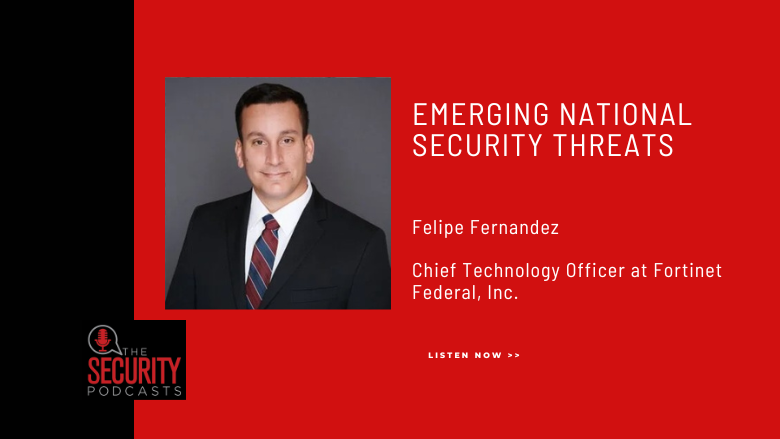
Emerging national security threats

.pod { width: 100%; border: solid 3px #C72026; padding: 7px; margin: 20px 0; justify-content: center; } h3 { font-weight: bold; font-size: 18px; color: #C72026; }

In this episode of The Security Podcasts featuring Felipe Fernandez, Chief Technology Officer at Fortinet Federal, we discuss the challenges and opportunities for enterprise security professionals in the scope of national security. 

“I think that the landscape just really has grown quite a bit — because you know, digital transformation, right? I think that’s something that’s changed almost the acquisition of anything. IT, OT, all of that is prevalent in almost any capability that a government organization is acquiring for whatever the reason is, whether it be at operational efficiency, desire or a new capability they want to deploy, and so you have to look at, you know, cyber threats just in every avenue and every facet.” 

Or check it out on our Apple Podcasts or Spotify channels. Don’t forget to like, follow, and rate and review our podcasts!

https://www.securitymagazine.com/articles/100611-emerging-national-security-threats


Experts weigh in on Omni Hotel ransomware incident

Omni Hotels & Resorts was the recent target of a ransomware attack by the Daixin Team ransomware group. The incident led to disruptions across Omni Hotels & Resorts, and the Daixin Team and claimed the theft of information pertaining to visitors from 2017 onwards. 

Security leaders weigh in

Ken Dunham, Cyber Threat Director at Qualys Threat Research Unit:

“The ongoing ransomware rampage of the past few years reflects a change in tactics, techniques and procedures (TTPs) by bad actors to ensure maximum impact and payout during an incident. 

“Two notable ransomware TTP changes occurred several years ago, where one family of code and actors began going after cheap consumer-based ransomware attacks, and the other against the “big fish” of large corporations with huge assets and pocketbooks to payout. This change in tactics occurred at the same time as the global pandemic, when many organizations rushed to the cloud without proper security, configuration or backup, creating huge opportunities for ransomware actors.

“Ransomware actors today are maximizing profits by continually improving tactics to not extort payment with only one method, like traditional encryption of files, but through multiple forms of extortion, including but not limited to exfiltration of files, “dumps” of sensitive information to the Internet, destruction of files and backups (rendering data unrecoverable), DDoS attacks and more.”

Darren Guccione, CEO and Co-Founder at Keeper Security:

“The cautious approach we’re seeing from Omni Hotels & Resorts in response to a data breach is not uncommon as the organization navigates the complexities of managing reputational damage, legal obligations and customer trust, as well as securing their systems. News of a data breach or security incident spreads quickly, with the potential to impact customer loyalty and confidence in the organization — leading to loss of customers, negative publicity and long-term damage to brand image. This unfolding situation shines a light on the challenge organizations face responding to and mitigating cyberattacks, both internally and publicly. 

“Despite best efforts, no organization is truly immune to cyber threats, but no matter how a threat actor gains access, the next step is to make sure they are unable to go any further. This can ensure that the impact of a cyberattack is isolated and causes the least amount of damage possible. Organizations large and small should implement a zero-trust architecture with least-privilege access to ensure employees only have access to what they need to do their jobs. Companies should also have security event monitoring in place.” 

Narayana Pappu, CEO at Zendata:

“The attack is already pretty significant; however, considering the ransom amount has been dropped and the systems have been restored, it is likely that Omni Group has a good backup of information. Financial information is probably protected through encrypted to PCI requirements.

“This is a new target vertical for the Daixin ransomware group. In the past, they have mainly gone after healthcare providers. And they are known to publish the user data to dark web when ransom is not paid, and it is likely that the attack was through vulnerabilities in VPN servers which has been their primary target attack vector in the past.” 

https://www.securitymagazine.com/articles/100605-experts-weigh-in-on-omni-hotel-ransomware-incident


Security leaders respond to disruption of LabHost, a fraud website

LabHost, a notable phishing-as-a-service platform, was disrupted by international investigations. LabHost is considered one of the world’s largest fraud websites, offering phishing kits, hosting page infrastructure, campaign overview services and functionality for interacting with targets. Now, the website has been seized and shut down. The investigation has uncovered at least 40,000 phishing domains associated with LabHost and around 10,000 users globally. 

Security leaders weigh in 

Dr. Martin J. Kraemer, Security Awareness Advocate at KnowBe4:

“News like this is important when they hit the national media. These stories are timely reminders that cybercrime is omnipresent, and it would be foolish to assume that one could not be a target. Cybercrime gangs are becoming more common. Law enforcement must reduce the accessibility and attractiveness of online fraud schemes. We must put a stop to the increasing trend of cybercrime turning into an opportunity business for aspiring cyber criminals. Sending out videos to all 800 users of the illegal services to scare them off is therefore a good step by law enforcement.

“Taking down cybercrime networks is the way to go. Shutting down websites alone will obviously not stop people, but seizing their services, and resources, and arresting key people will have an effect.

“Phishing-as-a-service offerings like LabHost contribute to the massive growth of phishing scams worldwide. The quality of these offerings is remarkable. They include entire tool sets to harvest a range of private information including credit card information, multi-factor authentication, or address information. The platform also offered features such as email phishing, SMS phishing, and even management of stolen credentials. Criminals use such service offerings to target businesses and private individuals. Organizations must assume responsibility for empowering their workforce by educating them to make smarter security decisions.

“It is great to see international law enforcement collaborations in taking down cybercrime groups. This is another important step. The first big takedown that tackles phishing after the lockbit ransomware takedown earlier this year. Phishing is the most used attack vector and ransomware as the most common monetization scheme are two important areas to tackle. Law enforcement is clearly stepping up the game and rightly so.”

Malachi Walker, Security Advisor at DomainTools:

“The LabHost platform disruption is the latest in a series of efforts carried out by law enforcement to remove opportunities for and disincentivize malicious activity. In this case, the LabHost phishing-as-a-service platform was being used by malicious actors mainly to target banks and other organizations within the finance sector. Finance is commonly targeted with online sites and domains that spoof legitimate holdings, usually for credential harvesting or spear phishing. Malicious actors targeting the financial services sector range from low-capability crimeware affiliates to the most sophisticated state-sponsored groups.

“This takedown likely impacts the low-capability crimeware affiliates the most so while organizations in the financial sector should be encouraged, they should still be vigilant and engage in standard best practices to protect their organization. The 37 arrests including the original developer can likely be attributed to the law enforcement operation being cited as taking place over the year. The longer history a threat actor has, the more likely their operational security has failed or will fail at some point. Those footholds can shut entire cybercrime organizations down–and they’re often based on seemingly innocuous domain registration and hosting decisions. Both of which are incredibly common among those launching phishing campaigns.”

Dr. Ilia Kolochenko, CEO at ImmuniWeb and Adjunct Professor of Cybersecurity at Capital Technology University:

“Modern cybercrime is an incredibly profitable business, while risks of being apprehended — for experienced and well-organized gangs — verge on zero. Eventually, cyber gangs are actively recruiting the youth, namely IT and cybersecurity students, who are happy to make some extra money without much effort.

Most of the newbies do not even realize that they break the law, as their tasks may be pretty innocent, such as designing websites or mobile applications. Some gangs go as far as hiring students on behalf of non-existent penetration testing companies and asking their new “employees” to find vulnerabilities on “client’s” websites.

Worst, duped students are arrested and prosecuted, while cybercrime moguls remain unpunished and continue multiplying their fortunes and hiring new instrumental evildoers. Law enforcement agencies and government should urgently consider investing in educational and awareness campaigns among all students to prevent cybercrime: arrests and criminal prosecution merely treat the symptom, while the disease is swiftly proliferating making more and more victims.”

https://www.securitymagazine.com/articles/100606-security-leaders-respond-to-disruption-of-labhost-a-fraud-website


72% of CISOs believe AI solutions may lead to security breaches

A report by Metomic surveyed more than 400 CISOs from the United States and the United Kingdom to gauge their challenges, priorities and initiatives. The intent of the survey was to gain insight into the current state of data security and includes findings on a range of cybersecurity issues and concerns, such as generative AI. 

CISOs in the U.S. and U.K. rank data breaches as their highest security concern. In the U.S., artificial intelligence (AI) and other emerging technologies follow data breaches as a notable concern. In the U.K., phishing and compromised accounts are the next ranked concerns. When it comes to deploying generative AI within an organization, CISOs in both the U.S. (72%) and the U.K. (61%) list security breaches as a top concern. Yet, four out of five CISOs intend to implement AI-driven tools to defend against emerging AI threats. 

Key findings from the report include: 

  • A top challenge is establishing and maintaining a solid organizational culture and awareness around security, according to 41% of U.S. CISOs and 34% of U.K. CISOs. 
  • 93% are confident that employees possess a high level of awareness when it comes to managing sensitive or confidential data. 
  • 80% believe that their organization runs a sufficient amount of security training programs for employees.  

https://www.securitymagazine.com/articles/100615-72-of-cisos-believe-ai-solutions-may-lead-to-security-breaches


CERT-AGID 20 – 26 aprile 2024: otto famiglie di malware generano 305 indicatori di compromissione


Nel periodo compreso tra il 20 e il 26 aprile, il CERT-AGID ha affrontato e analizzato 27 campagne malevole. Di queste, ventuno erano dirette specificatamente contro obiettivi italiani, mentre le restanti sei hanno comunque coinvolto il nostro Paese.

In risposta a questa minaccia, il CERT-AGID ha distribuito 305 indicatori di compromissione (IOC) agli enti accreditati, ottenuti mediante attività di monitoraggio.

Andamento settimanale

Questa settimana sono stati identificati nove temi utilizzati per veicolare campagne malevole in Italia. Tra questi, il Banking si distingue come il tema più ricorrente nelle attività di phishing e smishing rivolte principalmente ai clienti di banche italiane. Tali attività hanno lo scopo di diffondere malware come AgentTesla e Formbook, nonché di compromettere i dispositivi Android con il malware Irata.

Il tema dei Pagamenti è stato sfruttato per diffondere malware quali AgentTesla, StrRat, Formbook e Guloader. Inoltre, il tema delle Erogazioni è stato impiegato in campagne di smishing relative all’INPS. Gli altri temi trattati durante la settimana hanno riguardato varie campagne di malware e di phishing.

Tra gli eventi di particolare rilievo si segnalano l’anomalia riscontrata nel ransomware LockBit dopo il suo smantellamento, le campagne di smishing INPS mirate al furto di documenti di identità e una campagna di phishing focalizzata su Agenzia delle Entrate e Riscossione.

Fonte: CERT-AGID

Malware della settimana

Per quanto riguarda il malware, nello scenario italiano sono state osservate otto famiglie di malware. Di particolare rilievo sono state tre campagne di AgentTesla, tra cui due specificamente italiane e una generica, veicolate tramite email con allegati RAR, 7Z e Z e incentrate sui temi “Ordine”, “Banking” e “Delivery”.

Tre campagne di Formbook, una delle quali specificamente mirata all’Italia, si sono diffuse tramite email con allegati RAR e riguardavano i temi “Ordine”, “Pagamenti” e “Banking”. Due campagne generiche di RemcosRAT a tema “Preventivo” sono state diffuse in Italia tramite email con allegati LZH e GZ.

Una campagna massiva di LockBit a tema “Documenti” è stata indirizzata indiscriminatamente a enti pubblici e privati tramite email con allegati ZIP contenenti un eseguibile SCR.

Guloader è stata rilevata in una campagna italiana a tema “Pagamenti”, veicolata tramite email con allegati GZ. Una campagna di StrRat a tema “Pagamenti” è stata osservata in Italia, diffusa tramite email con allegati JAR.

Irata è stata contrastata in una campagna italiana a tema “Banking”, veicolata tramite SMS con link al download di un APK malevolo. Infine, jRAT è stata rilevata in una campagna a tema “Documenti”, diffusa tramite email con allegati XZ, focalizzata sulla diffusione del malware jRAT in Italia.

Fonte: CERT-AGID

Phishing della settimana

Questa settimana, sono stati coinvolti sette brand in campagne di phishing e smishing. Tra questi, spiccano la campagna di phishing indirizzata all’Agenzia delle Entrate e Riscossione e le continue campagne relative all’INPS, oggetto di ampie discussioni negli ultimi due anni.

Fonte: CERT-AGID

Modalità e canali di diffusione

L’ultima settimana ha visto l’utilizzo di 11 diverse tipologie di file per veicolare gli attacchi. I file ZIP sono stati i più utilizzati (3 volte), seguiti da GZ (2 volte). A quota 1 seguono i file HTML, Z, 7Z, LZH, JAR, APK, R00, XZ e RAR.

Per quanto riguarda i canali di diffusione, l’email è stata utilizzata in 21 occasioni, mentre gli SMS sono stati impiegati 5 volte. La chat è invece è stata utilizzata in 1 occasione.

Condividi l’articolo


Articoli correlati

Altro in questa categoria


https://www.securityinfo.it/2024/04/29/cert-agid-20-26-aprile-2024-malware-305-indicatori-compromissione/?utm_source=rss&utm_medium=rss&utm_campaign=cert-agid-20-26-aprile-2024-malware-305-indicatori-compromissione


Hackers try to exploit WordPress plugin vulnerability that’s as severe as it gets

Hackers try to exploit WordPress plugin vulnerability that’s as severe as it gets
Getty Images

Hackers are assailing websites using a prominent WordPress plugin with millions of attempts to exploit a high-severity vulnerability that allows complete takeover, researchers said.

The vulnerability resides in WordPress Automatic, a plugin with more than 38,000 paying customers. Websites running the WordPress content management system use it to incorporate content from other sites. Researchers from security firm Patchstack disclosed last month that WP Automatic versions 3.92.0 and below had a vulnerability with a severity rating of 9.9 out of a possible 10. The plugin developer, ValvePress, silently published a patch, which is available in versions 3.92.1 and beyond.

Researchers have classified the flaw, tracked as CVE-2024-27956, as a SQL injection, a class of vulnerability that stems from a failure by a web application to query backend databases properly. SQL syntax uses apostrophes to indicate the beginning and end of a data string. By entering strings with specially positioned apostrophes into vulnerable website fields, attackers can execute code that performs various sensitive actions, including returning confidential data, giving administrative system privileges, or subverting how the web app works.

“This vulnerability is highly dangerous and expected to become mass exploited,” Patchstack researchers wrote on March 13.

Fellow web security firm WPScan said Thursday that it has logged more than 5.5 million attempts to exploit the vulnerability since the March 13 disclosure by Patchstack. The attempts, WPScan said, started slowly and peaked on March 31. The firm didn’t say how many of those attempts succeeded.

WPScan said that CVE-2024-27596 allows unauthenticated website visitors to create admin‑level user accounts, upload malicious files, and take full control of affected sites. The vulnerability, which resides in how the plugin handles user authentication, allows attackers to bypass the normal authentication process and inject SQL code that grants them elevated system privileges. From there, they can upload and execute malicious payloads that rename sensitive files to prevent the site owner or fellow hackers from controlling the hijacked site.

Successful attacks typically follow this process:

  • SQL Injection (SQLi): Attackers leverage the SQLi vulnerability in the WP‑Automatic plugin to execute unauthorized database queries.
  • Admin User Creation: With the ability to execute arbitrary SQL queries, attackers can create new admin‑level user accounts within WordPress.
  • Malware Upload: Once an admin‑level account is created, attackers can upload malicious files, typically web shells or backdoors, to the compromised website’s server.
  • File Renaming: Attacker may rename the vulnerable WP‑Automatic file, to ensure only he can exploit it.

WPScan researchers explained:

Once a WordPress site is compromised, attackers ensure the longevity of their access by creating backdoors and obfuscating the code. To evade detection and maintain access, attackers may also rename the vulnerable WP‑Automatic file, making it difficult for website owners or security tools to identify or block the issue. It’s worth mentioning that it may also be a way attackers find to avoid other bad actors to successfully exploit their already compromised sites. Also, since the attacker can use their acquired high privileges to install plugins and themes to the site, we noticed that, in most of the compromised sites, the bad actors installed plugins that allowed them to upload files or edit code.

The attacks began shortly after March 13, 15 days after ValvePress released version 3.92.1 without mentioning the critical patch in the release notes. ValvePress representatives didn’t immediately respond to a message seeking an explanation.

While researchers at Patchstack and WPScan are classifying CVE-2024-27956 as SQL injection, an experienced developer said his reading of the vulnerability is that it’s either improper authorization (CWE-285) or a subcategory of improper access control (CWE-284).

“According to Patchstack.com, the program is supposed to receive and execute an SQL query, but only from an authorized user,” the developer, who didn’t want to use his name, wrote in an online interview. “The vulnerability is in how it checks the user’s credentials before executing the query, allowing an attacker to bypass the authorization. SQL injection is when the attacker embeds SQL code in what was supposed to be only data, and that’s not the case here.”

Whatever the classification, the vulnerability is about as severe as it gets. Users should patch the plugin immediately. They should also carefully analyze their servers for signs of exploitation using the indicators of compromise data provided in the WPScan post linked above.

https://arstechnica.com/?p=2020304