Cyber Crime Conference 2024, una splendida 12a Edizione

I numeri dell’evento

Oltre 1000 ospiti, 42 relatori, 20 interventi tematici e 5 Tavole Rotonde: questi i numeri della Cyber Crime Conference 2024, svoltasi il 17 e 18 aprile presso l’Auditorium della Tecnica di Roma.

Un vero successo per la dodicesima edizione del principale evento B2B italiano dedicato al crimine informatico.

Incentrata su tre macrotemi di grande attualità – Artificial Intelligence/Machine Learning, Cloud Computing, Digital Forensics – la Conferenza ha saputo come sempre animare un fruttuoso dialogo tra industria della sicurezza, pubbliche autorità e ricercatori di settore.

Il programma ha infatti incluso nomi di spicco nel panorama della cybersecurity oltre a rappresentanti delle istituzioni italiane ed europee, favorendo il sempre più necessario confronto tra tutti gli stakeholder coinvolti nel contrasto alla criminalità digitale.

Le Tavole Rotonde e gli interventi degli esperti

A conferma della validità di tale formula, molti relatori hanno invocato una maggiore cooperazione tra aziende private, fornitori di servizi, autorità di regolamentazione e forze dell’ordine.

In particolare, la Tavola Rotonda di apertura – intitolata “Sicurezza cibernetica della società digitale: approcci integrati per la prevenzione e il contrasto delle minacce informatiche” – ha evidenziato la necessità di procedere sulla strada dello scambio di informazioni e dell’aggiornamento continuo al fine di tenere il passo con la costante evoluzione dello scenario di rischio, poiché “in un mondo in cui la tecnologia avanza rapidamente […] la condivisione del sapere e la collaborazione tra esperti sono essenziali per contrastare gli attacchi informatici”.

Considerazioni condivise anche dal panel conclusivo – “L’impatto dell’Intelligenza Artificiale su Forze dell’Ordine e Giustizia” – dove è emerso come la digital evidence sia ormai una protagonista assoluta nella maggioranza dei procedimenti penali, derivandone l’urgenza di un importante cambio di paradigma nell’approccio politico, investigativo e giudiziario in tema di reati informatici (e non solo).

Tra i numerosi temi affrontati nelle due giornate hanno trovato spazio anche le ultime tendenze in ambito di malware e i nuovi target prediletti dai criminali informatici, dalle identità digitali alle criptovalute; sempre tenendo ben presente il ruolo centrale dell’AI generativa, sia sul fronte degli attacchi sia nelle strategie di difesa dagli stessi.

In considerazione dell’instabilità geopolitica che caratterizza il mondo contemporaneo si è parlato anche di Cyber Warfare e attori Nation-State, nonché dell’importanza di utilizzare la tecnologia per promuovere pratiche di pace: come ben sintetizzato nell’intervento del Prof. Romano (Università Federico II), “Declare variables, not war. Execute program, not people”.

Nelle prossime settimane tutti gli iscritti alla Cyber Crime Conference avranno accesso ai materiali delle relazioni, alle foto e ai video registrati nel corso dell’evento.

Il prossimo appuntamento per la comunità della sicurezza informatica è il 23 e 24 ottobre, quando si terrà la 22a edizione del Forum ICT Security.

Condividi sui Social Network:

https://www.ictsecuritymagazine.com/notizie/cyber-crime-conference-2024-una-splendida-12a-edizione/


È stato creato un worm gestito dall’IA capace di propagarsi tra i sistemi informatici


Un team di ricercatori ha sviluppato quello che ritengono essere uno dei primi worm informatici basati sull’intelligenza artificiale generativa, capace di passare da un sistema all’altro per sottrarre dati o diffondere malware. Questo innovativo attacco, battezzato Morris II in onore del primo worm che nel 1988 mise in crisi Internet, è opera di Ben Nassi, Stav Cohen e Ron Bitton della Cornell Tech.

Il loro lavoro, svelato per la prima volta a Wired, rivela come tale worm possa prendere di mira assistenti email basati su AI per trafugare informazioni e inviare spam, eludendo le difese di sistemi come ChatGPT e Gemini. “Significa sostanzialmente che ora è possibile condurre o eseguire un nuovo tipo di cyberattacco che non è mai stato visto prima”.

La ricerca sottolinea la vulnerabilità a questa tipologia di attacchi dei sistemi di intelligenza artificiale, che sono sempre più versatili in quanto capaci di produrre testi, immagini e video. Essendo programmabili attraverso comandi diretti, possono essere indotti a comportamenti nocivi, incluso il rilascio di contenuti dannosi o l’attuazione di attacchi specifici.

I ricercatori hanno spiegato come sia possibile manipolare questi sistemi tramite comandi che si auto-replicano, causando la diffusione del worm attraverso le banche dati degli assistenti email. Questi ultimi, da non confondersi coi client email, sono servizi spesso basati sull’intelligenza artificiale, che assistono l’utente nella gestione della posta elettronica. Le funzionalità possono includere suggerimenti per la scrittura di risposte automatiche o semi-automatiche, organizzazione delle email in base alla priorità, al mittente o all’argomento, programmazione di email da inviare in momenti specifici e riepilogo delle email importanti o non lette.

Nel corso dell’esperimento, i ricercatori hanno allestito un sistema email gestito da AI, interagendo con ChatGPT, Gemini e un modello aperto, LLaVA. E hanno scoperto come sfruttare le vulnerabilità tramite testo e immagini per diffondere il worm. Per la sua creazione hanno utilizzato un “prompt auto-replicante avversario“, un comando che induce l’AI a generare nella sua risposta un altro prompt. In breve, al sistema AI viene detto di produrre un insieme di ulteriori istruzioni nelle sue risposte. Ciò, dicono i ricercatori, è ampiamente simile agli attacchi tradizionali di iniezione SQL e buffer overflow.

Il video che vede qui sotto mostra un sistema di posta elettronica che inoltra ripetutamente un messaggio, dimostrando la potenzialità di estrazione di dati sensibili come nomi, numeri di telefono e dati bancari. Quello che hanno fatto i ricercatori, però, è a fin di bene. Nonostante abbiano evidenziato le lacune nei sistemi di ChatGPT e Gemini, il loro obiettivo è sensibilizzare in merito a questa problematica.

[embedded content]

Non a caso, hanno informato Google e OpenAI delle loro scoperte. “Sembra che abbiano trovato un modo per sfruttare le vulnerabilità di tipo iniezione di prompt facendo affidamento su input dell’utente che non sono stati controllati o filtrati”, ha dichiarato un portavoce di OpenAI.

Che poi ha aggiunto che l’azienda sta lavorando per rendere i suoi sistemi “più resilienti” e che gli sviluppatori dovrebbero “utilizzare metodi che assicurino che non stiano lavorando con input dannosi”. Google ha rifiutato di commentare ufficialmente la ricerca ma, stando ai messaggi che Nassi ha condiviso con WIRED, i ricercatori dell’azienda avrebbero chiesto un incontro per parlare dell’argomento.

Gli specialisti di sicurezza informatica concordano sul reale rischio futuro rappresentato dai worm AI generativi, soprattutto in scenari dove le applicazioni di intelligenza artificiale operano autonomamente per conto dell’utente. Sahar Abdelnabi, del CISPA Helmholtz Center for Information Security in Germania, avverte che la diffusione di tali attacchi è realistica, specie con modelli AI che interagiscono con dati esterni o che operano in autonomia: “Penso che l’idea di diffondere iniezioni sia molto plausibile”.

Tuttavia, per mitigare questi rischi esistono strategie difensive come il design sicuro delle applicazioni e un controllo costante. “È qualcosa che potrebbe in parte essere affrontata da una corretta progettazione delle applicazioni e dal monitoraggio umano”, afferma Adam Swanda, ricercatore di minacce informatiche presso Robust Intelligence. “In genere, è meglio non fidarsi ciecamente dell’output degli LLM in nessuna parte delle proprie applicazioni”.

In conclusione, sebbene gli attacchi dimostrati siano stati condotti in un ambiente controllato, l’integrazione crescente dell’AI richiede una maggiore consapevolezza dei rischi e lo sviluppo di appropriate strategie di mitigazione.

Condividi l’articolo


Articoli correlati

Altro in questa categoria


https://www.securityinfo.it/2024/04/23/creato-worm-gestito-da-ia-propaga-tra-sistemi-informatici/?utm_source=rss&utm_medium=rss&utm_campaign=creato-worm-gestito-da-ia-propaga-tra-sistemi-informatici


Windows vulnerability reported by the NSA exploited to install Russian malware

Windows vulnerability reported by the NSA exploited to install Russian malware
Getty Images

Kremlin-backed hackers have been exploiting a critical Microsoft vulnerability for four years in attacks that targeted a vast array of organizations with a previously undocumented tool, the software maker disclosed Monday.

When Microsoft patched the vulnerability in October 2022—at least two years after it came under attack by the Russian hackers—the company made no mention that it was under active exploitation. As of publication, the company’s advisory still made no mention of the in-the-wild targeting. Windows users frequently prioritize the installation of patches based on whether a vulnerability is likely to be exploited in real-world attacks.

Exploiting CVE-2022-38028, as the vulnerability is tracked, allows attackers to gain system privileges, the highest available in Windows, when combined with a separate exploit. Exploiting the flaw, which carries a 7.8 severity rating out of a possible 10, requires low existing privileges and little complexity. It resides in the Windows print spooler, a printer-management component that has harbored previous critical zero-days. Microsoft said at the time that it learned of the vulnerability from the US National Security Agency.

On Monday, Microsoft revealed that a hacking group tracked under the name Forest Blizzard has been exploiting CVE-2022-38028 since at least June 2020—and possibly as early as April 2019. The threat group—which is also tracked under names including APT28, Sednit, Sofacy, GRU Unit 26165, and Fancy Bear—has been linked by the US and the UK governments to Unit 26165 of the Main Intelligence Directorate, a Russian military intelligence arm better known as the GRU. Forest Blizzard focuses on intelligence gathering through the hacking of a wide array of organizations, mainly in the US, Europe, and the Middle East.

Since as early as April 2019, Forest Blizzard has been exploiting CVE-2022-38028 in attacks that, once system privileges are acquired, use a previously undocumented tool that Microsoft calls GooseEgg. The post-exploitation malware elevates privileges within a compromised system and goes on to provide a simple interface for installing additional pieces of malware that also run with system privileges. This additional malware, which includes credential stealers and tools for moving laterally through a compromised network, can be customized for each target.

“While a simple launcher application, GooseEgg is capable of spawning other applications specified at the command line with elevated permissions, allowing threat actors to support any follow-on objectives such as remote code execution, installing a backdoor, and moving laterally through compromised networks,” Microsoft officials wrote.

GooseEgg is typically installed using a simple batch script, which is executed following the successful exploitation of CVE-2022-38028 or another vulnerability, such as CVE-2023-23397, which Monday’s advisory said has also been exploited by Forest Blizzard. The script is responsible for installing the GooseEgg binary, often named justice.exe or DefragmentSrv.exe, then ensuring that they run each time the infected machine is rebooted.

https://arstechnica.com/?p=2019186


CERT-AGID 13 – 19 aprile 2024: ben 29 campagne malevole e 285 IOC!


Nel periodo compreso tra il 13 e il 19 aprile, il CERT-AGID ha identificato e analizzato, nell’ambito del panorama italiano, un totale di 29 campagne malevole. Di queste, 22 erano dirette specificamente verso obiettivi italiani, mentre le restanti 7, pur essendo generiche, hanno avuto impatti anche in Italia. In virtù di quanto accaduto, il CERT-AGID ha fornito ai suoi enti accreditati 285 indicatori di compromissione (IOC) rilevati durante le suddette analisi.

Andamento settimanale

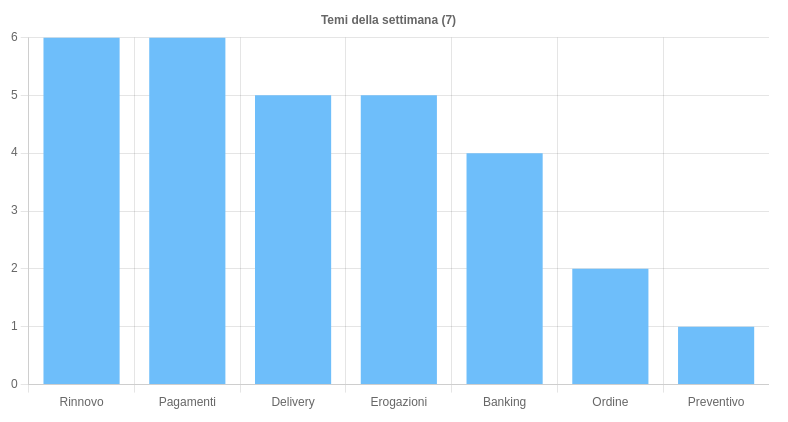
Questa settimana sono stati identificati 7 temi principali utilizzati per diffondere campagne malevole in Italia. Tra questi, il tema Rinnovo emerge nelle campagne di phishing di Aruba, che sollecitano le vittime a rinnovare i loro domini.

Il tema Pagamenti è stato impiegato nelle campagne malware di AgentTesla, StrRat, Formbook e Remcos. Il tema Erogazioni ha caratterizzato le campagne di smishing legate all’INPS. Altri temi sono stati utilizzati per promuovere varie campagne di malware e phishing.

Tra gli eventi di rilievo di questa settimana, si segnala un incremento delle campagne di phishing legate ad Aruba e dello smishing associato all’INPS.

Fonte: CERT-AGID

Malware della settimana

Nel panorama italiano sono state identificate sei famiglie di malware. Questa settimana, in particolare, si è distinto AgentTesla con cinque campagne, quattro delle quali italiane e una generica, focalizzate sui temi Ordine, Delivery e Pagamenti, veicolate tramite email con allegati RAR, ZIP e Z.

RemcosRAT è emerso in cinque campagne, due italiane e tre generiche, che trattano di Pagamenti, Consegne, Ordini e Preventivi, trasmesse mediante email con allegati nei formati 7Z o ISO contenenti file Office DOCX o XLS, o in alcuni casi, script VBS.

Irata è stato contrato in una campagna italiana legata al settore bancario, diffusa via SMS con link per scaricare un APK malevolo. StrRat è stato rilevato in una campagna generica sul tema Pagamenti, diffusa attraverso email che contengono link a file JAR.

Wikiloader è stato osservato in una campagna generica sul tema Delivery, diffusa mediante email con allegati PDF che includono link a file ZIP contenenti JS malevoli. Formbook è emerso in una campagna generica, incentrata su Pagamenti, diffusa in Italia tramite email con allegati ZIP.

Fonte: CERT-AGID

Phishing della settimana

Questa settimana, 7 brand sono stati coinvolti in campagne di phishing e smishing. Tra gli aspetti più rilevanti si segnala l’incremento delle campagne di phishing legate ad Aruba e dello smishing associato all’INPS.

Fonte: CERT-AGID

Modalità e canali di diffusione

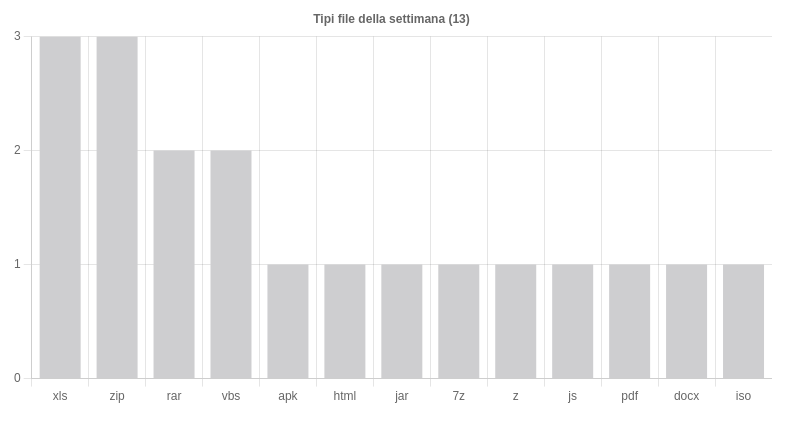
Nell’ultima settimana, sono state impiegate 13 diverse tipologie di file per diffondere attacchi informatici. I file XLS e ZIP sono emersi come i più utilizzati, impiegati in tre occasioni ciascuno, seguiti da RAR e VBS, usati due volte. I tipi di file APK, HTML, JAR, 7Z, Z, JS, PDF, DOCX e ISO sono stati utilizzati una volta ciascuno.

Fonte: CERT-AGID

Per quanto riguarda i metodi di distribuzione, l‘email è stata la modalità predominante, utilizzata in 22 occasioni, mentre gli SMS sono stati impiegati 7 volte.

Condividi l’articolo


Articoli correlati

Altro in questa categoria


https://www.securityinfo.it/2024/04/22/cert-agid-13-19-aprile-2024-29-campagne-malevole-285-ioc/?utm_source=rss&utm_medium=rss&utm_campaign=cert-agid-13-19-aprile-2024-29-campagne-malevole-285-ioc


MITRE colpita da un breach a opera di gruppo nation-state


I cyber attacchi moderni riescono a colpire anche le entità più preparate: la MITRE Corporation ha reso noto di essere stata colpita da un data breach lo scorso gennaio a opera di un gruppo di attaccanti finanziato da un governo estero.

La compagnia ha individuato una serie di attività sospette nel NERVE (Networked Experimentation, Research, and Virtualization Environment), una rete collaborativa utilizzata per la ricerca, lo sviluppo e la prototipazione.

Dopo aver scoperto il breach, MITRE ha messo offline la rete e ha subito dato il via a un’attenta analisi supportata da esperti interni e provenienti da agenzia di terze parti. Al momento le analisi per determinare l’impatto effettivo dell’attacco e quali informazioni siano state coinvolte sono ancora in corso.

“Nessuna organizzazione è immune da questo tipo di cyber attacchi, neanche chi si sforza di mantenere il maggior livello possibile di cybersecurity” ha affermato Jason Providakes, presidente e CEO di MITRE.

Pixabay

Lex Crumpton, principal cybersecurity engineer della compagnia, ha spiegato che il gruppo ha sfruttato due vulnerabilità zero-day di Ivanti Connect Secure per usare la VPN e superare l’autenticazione multi-fattore usando il session hijacking; a quel punto, gli attaccanti si sono mossi lateralmente e sempre più in profondità nell’infrastruttura di rete VMware utilizzando un account di amministratore compromesso. Il gruppo ha usato poi una serie di backdoor sofisticate e webshell per mantenere la persistenza e raccogliere credenziali di diversi account. 

“MITRE ha seguito le best practice, le istruzioni del fornitore e i consigli del governo per aggiornare, sostituire e rendere più resistente il nostro sistema Ivanti, ma non ha rilevato il movimento laterale nella nostra infrastruttura VMware. All’epoca credevamo di aver intrapreso tutte le azioni necessarie per mitigare la vulnerabilità, ma queste azioni erano chiaramente insufficienti” ha affermato Crumpton.

MITRE è riuscita a segmentare la rete per evitare che l’attacco si diffondesse ulteriormente, interrompendo l’accesso all’infrastruttura e isolando diversi sistemi edge in numerosi laboratori. La compagnia ha inoltre identificato velocemente piattaforme alternative per continuare a supportare i progetti in corso, offrendo fin da subito la disponibilità dei servizi.

“MITRE è impegnato nella sua missione di interesse pubblico di rafforzare la sicurezza informatica per l’intero settore” ha spiegato Crumpton, affermando che la compagnia condividerà ogni aggiornamento sull’attacco e continuerò a collaborare con gli stakeholder e il governo statunitense per rendere le infrastrutture ancora più robuste.

Condividi l’articolo


Articoli correlati

Altro in questa categoria


https://www.securityinfo.it/2024/04/22/mitre-colpita-da-un-breach-a-opera-di-gruppo-nation-state/?utm_source=rss&utm_medium=rss&utm_campaign=mitre-colpita-da-un-breach-a-opera-di-gruppo-nation-state


Lotta al Crimine Informatico Con Group-IB

Group-IB è un fornitore, con sede a Singapore, di sistemi ad elevata attendibilità per il tracciamento degli avversari e il rilevamento delle minacce, delle migliori soluzioni anti-APT e di prevenzione delle frodi online. La lotta alla criminalità informatica è nel DNA dell’azienda, che ha plasmato le sue capacità tecnologiche per difendere le imprese, i cittadini e supportare le operazioni delle forze dell’ordine.

La leadership tecnologica di Group-IB si basa su 20 anni di esperienza nelle indagini sulla criminalità informatica in tutto il mondo e su oltre 70.000 ore di Incident Response accumulate nel nostro laboratorio forense e nel CERT-GIB attivo 24 ore al giorno e 7 giorni su 7. Group-IB è partner di INTERPOL ed Europol.

La missione di Group-IB è combattere la criminalità informatica.

PIATTAFORMA DI RISCHIO UNIFICATA DI GROUP-IB

La Unified Risk Platform raccoglie ed elabora diverse fonti di intelligence in tempo reale per fornire le migliori difese possibili contro violazioni, frodi o abusi del brand. Il nostro portafoglio di soluzioni basate sulla Unified Risk Platform dimostra perfettamente il nostro approccio orientato al business nell’ideazione di strategie di cybersecurity.

Threat Intelligence

Sconfiggete le minacce in modo efficiente e identificate gli aggressori in modo proattivo con la rivoluzionaria piattaforma di cyber intelligence di Group-IB.
Per saperne di più

Fraud Protection

Eliminate le frodi su tutti i canali digitali in tempo reale.
Per saperne di più

Digital Risk Protection

Difendete i vostri beni digitali. La migliore soluzione di protezione del brand basata sull’intelligenza artificiale.
Per saperne di più

Managed XDR

Rilevate e neutralizzate le minacce informatiche con una velocità e una precisione senza precedenti per ridurre il rischio tecnologico.
Per saperne di più

Attack Surface Management

Scoprite la vostra superficie di attacco esterna e ricavate informazioni utili per migliorare la sicurezza.
Per saperne di più

Business E-mail Protection

Bloccate le minacce avanzate che arrivano via e-mail. Proteggete le e-mail aziendali on-prem e nel cloud anche dagli attacchi più sofisticati.
Per saperne di più

Come partner attivo nelle indagini globali, Group-IB collabora con le organizzazioni internazionali di contrasto al crimine informatico, come INTERPOL ed EUROPOL, per creare un cyberspazio più sicuro. Group-IB è anche membro del gruppo consultivo sulla sicurezza di Internet dell’European Cybercrime Centre (EC3) di Europol, creato per promuovere una più stretta collaborazione tra Europol e i suoi principali partner non appartenenti alle forze dell’ordine.

  • Digital-skimming action: Group-IB contribuisce alla campagna condotta da Europol che porta alla luce 443 commercianti online compromessi.
    Leggi il comunicato stampa
  • Group-IB sostiene l’INTERPOL nelle operazioni di smantellamento della gang malware Grandoreiro che ha colpito Brasile e Spagna.
    Leggi il comunicato stampa
Condividi sui Social Network:

https://www.ictsecuritymagazine.com/notizie/lotta-al-crimine-informatico-con-group-ib/


Security isn’t convenient, and that’s a big problem in the age of AI

Security isn’t convenient. For most of us, traditional cybersecurity protocols like CAPTCHAs, two-factor authentication and passwords can feel like barriers that stand in the way of productivity. Whether that’s making a purchase, accessing workplace data or trying to log into an app that you were inadvertently kicked out of — we want what we want, we want it now and we often want it at the expense of our own data security and privacy. In fact, a surprising 29% of consumers have abandoned creating an online account due to too many security steps. 

At the same time, our digital world isn’t getting safer. While the rise of generative AI promises a transformation in productivity at work and at home, these tools are also enabling the evolution of the global threat landscape at a pace we never could have imagined. Without strong guardrails and stringent regulation, AI will facilitate increasingly advanced cyber threats that could have lasting societal implications across our economy, democracy and within our daily lives. Just recently, a Joe Biden deep fake told Democrats to stay home during the New Hampshire primary, and a finance employee in Hong Kong wired $25M to a fraudster that created a deep fake of their company’s CFO. 

With threats looming, here are three considerations for consumers and businesses to protect data privacy in the age of AI.

Data is a prized possession

A recent study from Pew Research Center found that 67% of U.S. adults don’t understand what companies are doing with their personal data. This is not acceptable. As individuals, we must be in the driver’s seat and take ownership of our data as it’s our most prized possession. That will likely require not only training and awareness, but also education and empowerment. The United States has historically lagged behind Europe when it comes to data privacy regulation, but individuals and organizations alike must push for federal standards surrounding trust and transparency in the coming years. With strong data privacy protections and a clear understanding of who owns and uses our data, we can develop trust in AI and work towards productive, powerful and ethical use of these tools.

Trust is the new currency

However, when it comes to AI, trust is difficult to assess. Do we trust the systems that we’re using when we turn over our data? Do we trust that AI systems are being used ethically and producing factual outputs? Are companies and governments responsible for negative consequences of AI deployment? These are questions that must be answered to establish true public trust in AI and to reap the many rewards this technology can deliver. Trust cannot be developed in a silo and will require collaboration from global leaders in intellectual property, data privacy, cybersecurity and antitrust law and policy, along with technologists in computer science, engineering and machine learning. 

AI will exploit every crack in the system 

AI is a powerful tool for society — and that includes the hackers that will use it to exploit every weakness and flaw in our global cybersecurity infrastructure. For example, AI models can be trained on malware to create code that can evade detection. As businesses rush AI deployment to power competitive strategy and productivity for employees and customers, the guardrails around data security and privacy must be strengthened. This means securing and encrypting data used to train AI and monitoring and auditing data quality regularly. We protect what we treasure and improve what we measure. Trustworthy AI-powered solutions must be built on a foundation of accurate, complete and consistent data.  Every business using or developing AI must be held to this standard, to ensure critical data is safeguarded from threat.

Although we’re still in the early innings of AI adoption, organizations (as well as employees, citizens and world leaders alike) must pay very close attention to the development and proliferation of this technology. In the coming years, AI has the potential to usher in a period of great transformation and convenience across every facet of our lives. With this, strict data security protocols and encryption, and establishing guardrails for trust in the technology, will be crucial to safe adoption and to protecting our privacy.   

Dana Simberkoff is the Chief Risk, Privacy and Information Security Officer for AvePoint, Inc. She is responsible for executive level consulting, research and analytical support on current and upcoming industry trends, technology, standards, best practices, concepts and solutions for risk management and compliance. (e.g. Privacy, Information Security and Information Assurance, Data Governance, and Compliance).

https://www.securitymagazine.com/blogs/14-security-blog/post/100597-security-isnt-convenient-and-thats-a-big-problem-in-the-age-of-ai


Harnessing AI to bolster public sector cybersecurity

The landmark Executive Order on the Safe, Secure, and Trustworthy Development and Use of Artificial Intelligence, released in October 2023, encourages federal agencies to use their existing authorities to leverage AI and effectively deploy it to defend against cyber threats. 

At the same time, the Executive Order directs agencies to address AI systems’ pressing security risks. Given the transformational potential of AI, it is undoubtedly essential to carefully deploy and evaluate all AI systems to ensure they are ethically operated and resilient against cyberattacks. 

It’s evident that AI is both a security concern and a powerful cybersecurity tool. If agencies take the necessary steps to rigorously test and monitor their AI systems, and base them on accurate, secure data sets, AI models can be utilized to meet urgent cybersecurity needs and zero-trust goals. 

Securing AI — turning a potential risk into a powerful asset

The latest National Cybersecurity Strategy identifies AI as a “revolutionary change in the technology landscape.” To optimize AI’s value as a cybersecurity tool while also taking steps to strengthen the security of AI systems themselves, the NCS recommends strategic investments in research and development, education and private-sector partnerships.

In addition to thorough collaboration and R&D, rigorous pre-deployment testing and continual evaluations to monitor post-deployment performance are essential to shore up defenses for AI systems. Developers can also equip AI models with systems to proactively alert users to any unexpected shifts that occur, allowing them to quickly detect misuse. These safeguards help ensure that the AI system is functioning as intended and is well-defended against adversaries. 

Data security and governance are also key to defending AI systems and ensuring that any information generated by the system is accurate. Each data set should be carefully selected and vetted for the given use case. Considerations to enhance data quality include accuracy, completion, consistency, timeliness and originality. Moreover, holistic data governance should consider all roles, responsibilities and regulations that impact an organization’s data usage. 

As federal laws and policies evolve to account for emerging AI and machine learning (ML) models, it’s paramount that any applicable system is compliant with such regulations. Moreover, it’s critical that the public, private and academic sectors work in close coordination to develop stringent security policies without inhibiting innovation. 

If the necessary security precautions are taken, emerging cyber technologies driven by advanced analytics, AI and machine learning can automate threat detection, mitigation and response while providing greater visibility across the enterprise. These practices can dramatically strengthen an agency’s security posture and be used to successfully combat the ever-evolving threat landscape. 

AI’s cybersecurity applications and advantages

AI-powered systems can use machine learning algorithms to learn from previous attacks and continuously adapt their defenses. To effectively deploy AI against cyber threats, agencies should look to machine learning operations (MLOps) and model operations (ModelOps). 

ModelOps is a framework to help data scientists manage, govern, and secure machine learning, predictive analytics and AI models. MLOps, a subset of ModelOps, is a set of practices that automate and simplify ML workflows and deployments. Its integration with cybersecurity can enable agencies to respond to threats in real-time and gain key insights from troves of data to improve their overall security posture. In addition to faster detection and response times, MLOps and ModelOps tools can help agencies manage and maintain machine learning models at scale.

AI can also drive anomaly detection in ways that traditional security methods cannot. By analyzing network traffic to identify abnormal patterns and activity via statistical and behavioral analytics, AI systems can identify potential threats and anomalies. Once alerted to the anomaly, agencies can take swift, decisive action and mitigate the consequences of a harmful cyberattack. With continuous monitoring and real-time reporting, advanced AI algorithms can ensure agencies remain informed of their cyber status. 

While bolstering cyber defenses is essential, federal and defense agencies should also prioritize proactive threat hunting and intelligence to increase visibility into threats, improve decision-making abilities and identify effective counteroffensive measures. 

Using AI for zero trust

2024 will be a pivotal year for the federal cybersecurity landscape. Notably, a memorandum issued in response to the Executive Order on Improving the Nation’s Cybersecurity requires federal agencies to achieve specific zero trust security goals by the end of fiscal year 2024. 

While considerable progress has been made in the past few years to move toward a zero-trust architecture, there is a long way yet to go to achieve the memo’s goals. Harnessing the power of AI-powered cybersecurity tools can help federal agencies meet current zero-trust objectives and fortify the nation’s digital infrastructure.

As agencies strive to achieve a mature zero-trust security architecture, attack surface management (ASM) will be an essential component. ASM provides a comprehensive understanding of an agency’s attack surface, encompassing all assets, including physical and virtual devices, networks, applications and data. Through ASM, agencies can quickly identify, classify and evaluate their assets, enabling them to prioritize their security efforts and more efficiently mitigate risks. 

AI-driven automation can dramatically shorten the time it takes for cybersecurity personnel to understand and act on surface risks. Automation empowers security teams to rapidly sort through vast databases of information, and make proactive, data-driven decisions to mitigate their organization’s attack surface and identify threats before they can carry out any malicious activity. 

Amid the shift to zero-trust principles, ASM, anomaly detection and ModelOps will play critical roles in securing the federal government’s digital ecosystem.

Key considerations for effective and responsible AI deployment

In many instances, the training of an AI model is iterative and requires close oversight, testing and validation to ensure the model is producing the desired outcome. Notably, it’s unlikely that every potential variable will be completely known and accounted for prior to deploying the AI into an operational environment. As such, it’s imperative to have mechanisms in place to monitor the AI system after deployment as new and unique scenarios arise. 

As AI continues to evolve at an exponential rate, collaboration, education and transparency will be crucial. For federal agencies seeking to extract the maximum value from AI-powered technology without opening themselves up to security threats, partnerships with organizations that not only possess an in-depth understanding of AI systems, but also have intimate knowledge of public sector processes and requirements will be invaluable. 

As noted in the National Cybersecurity Strategy, strategic investments in research and development for revolutionary technologies such as AI are necessary to “drive outcomes that are economically sustainable and serve the national interest.”

Federal agencies, industry partners, and leading academics must work together to shore up AI security and utilize AI as an unprecedented cybersecurity tool. In doing so, AI can become the foundation for a future where agencies can proactively identify, understand, and address cyber threats before it’s too late. 

https://www.securitymagazine.com/articles/100598-harnessing-ai-to-bolster-public-sector-cybersecurity


Roku forcing 2-factor authentication after 2 breaches of 600K accounts

Roku logo on TV with remote in foreground
Getty Images

Everyone with a Roku TV or streaming device will eventually be forced to enable two-factor authentication after the company disclosed two separate incidents in which roughly 600,000 customers had their accounts accessed through credential stuffing.

Credential stuffing is an attack in which usernames and passwords exposed in one leak are tried out against other accounts, typically using automated scripts. When people reuse usernames and passwords across services or make small, easily intuited changes between them, actors can gain access to accounts with even more identifying information and access.

In the case of the Roku attacks, that meant access to stored payment methods, which could then be used to buy streaming subscriptions and Roku hardware. Roku wrote on its blog, and in a mandated data breach report, that purchases occurred in “less than 400 cases” and that full credit card numbers and other “sensitive information” was not revealed.

The first incident, “earlier this year,” involved roughly 15,000 user accounts, Roku stated. By monitoring these accounts, Roku identified a second incident, one that touched 576,000 accounts. These were collectively “a small fraction of Roku’s more than 80M active accounts,” the post states, but the streaming giant will work to prevent future such stuffing attacks.

The affected accounts will have their passwords reset and will be notified, along with having charges reversed. Every Roku account, when next requiring a login, will now need to verify their account through a link sent to their email address. Alternatively, one can use the device ID of any linked Roku device, according to Roku’s support page. (Forcing this upgrade yourself is probably a good idea for past or present Roku owners.)

Security blog BleepingComputer reported around the time of the incident that breached Roku accounts were sold for as little as 50 cents each and likely obtained using commonly available stuffing tools that bypass brute-force protections through proxies and other means. BleepingComputer reported that “a source” tied Roku’s recent updates to its Dispute Resolution Terms, which all but locked Roku devices until a customer agreed, to the fraudulent activity. Roku told BleepingComputer that the two were not related. https://arstechnica.com/?p=2018661


66% of IT leaders doubt the government can defend against cyberwarfare

Armis has released a report that sheds light on the global election cybersecurity landscape. Among surveyed IT leaders, 66% express a lack of confidence in the United States government’s ability to defend citizens and enterprises from cyberwarfare. With election season upcoming, IT leaders believe cyberwarfare could be a notable concern. 39% of IT leaders report that cyberwarfare could influence the electoral process’s integrity, and 42% believe the media could be impacted. 

At the same time, a majority of IT leaders report confidence in their organizations’ abilities to manage cyberwarfare incidents, with 95% expressing preparedness to respond to these threats. However, the report suggests that many U.S. organizations are unprepared for such a reality. 

  • 54% have a contingency plan in the event that a cyberwarfare threat is detected. 
  • 18% report prioritizing nation-state attacks. 
  • 31% devote 10% or less of IT budgets to cybersecurity. 

Meanwhile, the threat of cyberwarfare persists. 30% of organizations in the U.S. have reported two cyber breaches in the last year. The report found that among organizations that have reported cyberwarfare incidents, many fell into the following sectors: 

  • Healthcare, medical or pharmaceutical, which accounts for 60%. 
  • Utilities, energy and water, which accounts for 43%. 
  • Manufacturing and engineering, which accounts for 41%. 
  • Government or public sector agencies, which accounts for 37%. 

https://www.securitymagazine.com/articles/100593-66-of-it-leaders-doubt-the-government-can-defend-against-cyberwarfare