Virginia public school district deploys AI gun detection platform
Appomattox County Public Schools has announced the adoption of ZeroEyes, an artificial intelligence (AI) situational awareness system for gun detection. This gun detection platform is a proactive and intelligent solution, holding the U.S. Department of Homeland Security SAFETY Act Designation.
Appomattox County Public Schools contain four schools: a primary school, an elementary school, a middle school and a high school. In total, these schools educate around 2,500 students each year. To protect the students, teachers and faculty, Appomattox County Public Schools has implemented several security measures. These measures include establishing school resource officers to each building, improving after-hours surveillance, installing door alarms, monitoring student computer software and hosting walkthroughs of the campus for local and state law enforcement. The AI gun detection platform will be the district’s latest addition to its continued security efforts.
The system layers over pre-existing digital cameras to provide image-sharing capabilities to alert staffed operation centers in the event of a potential gun detection. If the operation center determines the threat to be valid, then prompt alerts and action are taken to dispatch the threat.
OSHA cites Alabama manufacturing company for unsafe working conditions
The Occupational Safety and Health Administration (OSHA) found that an Alabama manufacturing plant exposed workers to safety hazards.
OSHA investigators determined that the employer repeatedly exposed workers to safety hazards by failing to de-energize and lockout the automated molding machine while workers were performing maintenance and cleaning. Investigators found the company exposed workers to caught-in hazards by failing to do the following:
Develop and utilize written lockout/tagout procedures.
Conduct periodic inspections of lockout/tagout procedures.
Ensure that employees are trained on lockout/tagout procedures.
Ensure that employees are placing locks when conducting lockout/tagout procedures.
Ensure machine guarding was in place for employees working in the pit.
OSHA cited the employer with six serious violations and proposed $95,981 in penalties, an amount set by federal statute.
Roma, 17 e 18 Aprile 2024 – Cyber Crime Conference: Evoluzione delle Minacce Informatiche e delle Strategie di Difesa
ICT Security Magazine è lieta di annunciare la 12ª edizione della Cyber Crime Conference, che avrà luogo a Roma nei giorni 17 e 18 aprile 2024 presso l’Auditorium della Tecnica. Questo evento annuale si è affermato come un punto di riferimento essenziale per i professionisti del settore della sicurezza informatica, offrendo un’occasione di dialogo e confronto sulle tematiche più pressanti in ambito cybercrime.
Un’Indagine Approfondita sul Rischio Informatico e sui sistemi di Sicurezza Digitale
La conferenza si aprirà con il saluto di benvenuto di MATTIA SICILIANO, Presidente Commissione Studi Cyber Threat Intelligence e Cyber Warfare, SOCINT e MATTEO LUCCHETTI, Direttore, Cyber 4.0 – National Cyber Security Competence Center e prevede il susseguirsi di keynote di approfondimento e di cinque Tavole Rotonde, distribuite nell’arco delle due giornate, finalizzate a esplorare in profondità gli argomenti più pertinenti in materia di crimine informatico. Tra questi, si annoverano le strategie integrate per la prevenzione e il contrasto delle minacce informatiche, l’impiego strategico dell’intelligenza artificiale e del machine learning nella difesa cibernetica. Gli argomenti trattati rifletteranno l’ampio spettro delle problematiche attuali e future nel campo della cyber sicurezza.
Un Confronto tra Esperti di Rilevanza Internazionale
La conferenza vedrà la partecipazione di eminenti figure nel panorama della sicurezza informatica come JÁNOS DRIENYOVSZKI, European Commission; KRISTIAN BARTHOLIN, Council of Europe; EMMANUEL KESSLER, Europol che condivideranno le loro competenze per delineare il panorama attuale delle minacce emergenti e per discutere di soluzioni proattive di difesa e prevenzione.
La Cyber Crime Conference 2024 include sessioni di alto livello, tra cui le tavole rotonde:
“Sicurezza Cibernetica della Società Digitale: Approcci Integrati per la Prevenzione e il Contrasto delle Minacce Informatiche” moderata da PIERLUIGI PAGANINI, Member ENISA Ad-Hoc Working Group on Cyber Threat Landscapes, vedrà l’intervento di:
NUNZIA CIARDI, Vice Direttore Generale dell’Agenzia per la cybersicurezza nazionale
D. PAOLO ACETO, Capo del III° Reparto del Comando Generale dell’Arma dei Carabinieri
IVANO GABRIELLI, Direttore della Polizia Postale e delle Comunicazioni
AGOSTINO GHIGLIA, Componente Autorità Garante per la Protezione dei Dati Personali
“Sistemi di Intelligenza Artificiale e Machine Learning: Rischi, Vulnerabilità e Strategie di Difesa” panel moderato da VALERIA LAZZAROLI, Chief Risk Officer e Chairperson dell’Enia, Ente nazionale per l’intelligenza artificiale, dove si confronteranno:
STEFANO BISTARELLI, Professor of Computer Science at the Department of Mathematics and Computer Science at the University of Perugia
GIAN LUCA FORESTI, Professore di Cybersecurity e Computer Vision, Direttore del Master in Intelligence and Emerging Technologies, Università di Udine
MARCO MELLIA, Professore presso il Dipartimento di Automatica e Informatica, Politecnico di Torino (DAUIN)
ANGELO SPOGNARDI, Professore associato presso il Dipartimento di Informatica dell’Università Sapienza di Roma
“International Cooperation on Cybercrime and Electronic Evidence: Tools and Good Practices” moderata da MATTEO LUCCHETTI, Direttore di Cyber 4.0 – National Cyber Security Competence Center, dove si alterneranno:
E. CLAUDIO PEGUERO CASTILLO, Cyber Ambassador of the Dominican Republic and Vice Chair of the UN Ad-Hoc Committee on Cybercrime
CLAUDIA PINA, European Judicial Cybercrime Network Support Team Coordinator, EuroJust
VINCENT DANJEAN, Head of the Cyberspace and New Technologies Laboratory – INTERPOL Innovation Centre
“Affrontare i Rischi Informatici nel Pubblico: Normative, Rivoluzioni e Strategie di Mitigazione” moderato da CLAUDIO DE PAOLI, Head of BIP CyberSec e che vedrà la partecipazione di:
GIOVANNI CIMINARI, Head of Cyber Defense in Sogei
THOMAS MASCIOLI COLAVECCHI, Chief Information Security Officer presso Polo Strategico Nazionale
ALBERTO MANFREDI, Country Leader e Presidente Cloud Security Alliance (CSA) Italy
“L’impatto dell’Intelligenza Artificiale su Forze dell’Ordine e Giustizia” moderato da ARIJE ANTINORI, Professore di Criminology nel Corso di Laurea Magistrale internazionale in Cognitive Forensic Sciences del Dipartimento di Psicologia – Sapienza Università di Roma, che ospiterà gli interventi di:
B. ANTONIO MANCAZZO, Comandante del Nucleo Speciale Tutela Privacy e Frodi Tecnologiche, Guardia di Finanza
SEBASTIANO BATTIATO, Professore presso il Dipartimento di Matematica e Informatica dell’Università di Catania
DONATELLA CURTOTTI, Direttore del Dipartimento di Giurisprudenza e Professore ordinario di Diritto processuale penale presso l’Università di Foggia
RANIERI RAZZANTE, Componente del Comitato strategico per l’AI presso la Presidenza del Consiglio
Nel corso delle due giornate, numerose voci autorevoli si succederanno, contribuendo ad un’agenda densa di contenuti significativi: FRANCESCO ARRUZZOLI, Sr. Cyber Security Threat Intelligence Architect; LUCAS BALACLAV, Product Specialist, NinjaOne; VINCENZO CALABRÒ, Funzionario alla Sicurezza CIS (Ministero dell’Interno) e Digital Forensics Analyst; CLAUDIO DE PAOLI, Head of BIP CyberSec; NICOLAS FASOLO, Security Researcher | Incident Responder; STEFANO FRATEPIETRO, Cyber Security Strategic Consultant; CRISTIANO GUERRIERI, Solution’s Engineer at Threatlocker; DAVIDE MAIORCA, Assistant Professor Pattern Recognition and Applications Lab Department of Electrical and Electronic Engineering University of Cagliari; RAFFAELE OLIVIERI, Esperto in Digital Forensics, ex appartenente dei Carabinieri; VALERIO PASTORE, CEO e fondatore di Cyber Grant; LAURA RICCI, Professor at Department of Computer Science, University of Pisa, Italy; SIMON PIETRO ROMANO, Professore Ordinario di Network Security alla Federico II; ANTONIO TETI, Responsabile del Settore Sistemi Informativi di Ateneo, Innovazione Tecnologica e Sicurezza Informatica e docente di Cyber Intelligence, IT Governance e Big Data dell’Università di Chieti-Pescara. Componente del Comitato di Coordinamento per la Strategia Nazionale sull’Intelligenza Artificiale; GIULIO VADA, Regional Sales Director – Italy & Iberia, Group-IB; ROBERTO VINCENZO VECA, Head of Cybersecurity presso CYBEROO S.p.A.
La partecipazione alla Cyber Crime Conference, oltre a rappresentare un’occasione di aggiornamento professionale, costituisce un vero e proprio impegno verso la costruzione di un futuro digitale più sicuro e resiliente. Attraverso l’impegno collettivo e l’innovazione tecnologica è possibile affrontare e superare le sfide poste dal crimine informatico.
Invitiamo esperti del settore, rappresentanti istituzionali, accademici e professionisti aziendali a partecipare a questo evento esclusivo, per contribuire insieme allo sviluppo di strategie di difesa efficaci.
La manifestazione è organizzata da ICT Security Magazine con il contributo di Cyber 4.0 e della Società Italiana di Intelligence (SOCINT).
Contatti per la stampa e i media: Per richieste di interviste o per ulteriori dettagli relativi agli speaker e al programma dell’evento, contattare: redazione@ictsecuritymagazine.com
Stando al Rapporto Annuale sulle Minacce Informatiche di THALES, gli attacchi informatici continuano ad aumentare, soprattutto i ransomware che sono incrementati del 27% nell’ultimo anno; nonostante ciò, meno della metà delle imprese ha adottato dei sistemi specifici di protezione e l’8% di esse paga ancora il riscatto.
Il malware è la minaccia più rapida crescita: il 41% di aziende che ha subito un attacco malware nell’ultimo anno, seguito da phishing e ransomware. Gli obiettivi principali di questi attacchi rimangono i dati sul cloud e la gestione dell’infrastruttura cloud.
Per il secondo anno consecutivo l’errore umano rimane la causa principale di violazione dati, con il 31% delle imprese che lo individua come tale.
Il rapporto rileva inoltre che più del 40% delle aziende non ha superato un audit di conformità negli ultimi dodici mesi. Tra coloro che non l’hanno superato, il 31% ha subito una violazione, rispetto al 3% delle aziende che ha superato gli audit.
Pixabay
La complessità operativa complica la gestione dati
La crescente complessità delle minacce informatiche, unita ai cambiamenti normativi, rendono più complicato il lavoro dei professionisti IT, i quali faticano a comprendere a fondo in che modo i propri dati sono a rischio. Solo un terzo (33%) delle aziende, infatti, è in grado di classificare completamente tutti i propri dati, e il 16% afferma di classificarne pochissimi o nessuno.
La diffusione del multicloud e le normative in evoluzione sulla privacy dei dati indicano che la sovranità dei dati è una priorità assoluta per le aziende, e il 28% di esse vede la gestione obbligatoria delle chiavi esterne come il modo principale per raggiungere la sovranità. Il 39% degli intervistati afferma che la residenza dei dati non sarebbe più un problema, a condizione però che venissero implementate la crittografia esterna, la gestione delle chiavi e la separazione dei compiti.
“Le aziende devono sapere esattamente cosa proteggere. Con le normative globali sulla privacy dei dati in continua evoluzione, hanno bisogno di avere una buona visibilità di tutta l’organizzazione per rimanere conformi” afferma Sebastien Cano, Senior Vice President di Thales Cloud Protection and Licensing.
“Un fattore importante che emerge dallo Studio di quest’anno, è che la conformità è fondamentale. In effetti, le aziende che superano i loro audit di conformità hanno meno probabilità di subire una violazione dei dati. Abbiamo rilevato che compliance e sicurezza viaggiano insieme, questo binomio rappresenta un enorme passo in avanti per rafforzare le difese contro i cyber attacchi” conclude Cano.
Pixabay
Nuove tecnologie: opportunità o minaccia?
Guardando agli sviluppi futuri, dal report di THALES emerge che il 57% delle imprese identifica l’intelligenza artificiale come una grande fonte di preoccupazione, seguita dall’IoT (55%) e dalla crittografia post-quantistica (45%).
Le aziende stanno comunque esaminando tutte le opportunità offerte dalle tecnologie emergenti: oltre un quinto (22%) prevede di integrare l’IA generativa nei propri prodotti e servizi di sicurezza nei prossimi 12 mesi e un terzo (33%) ha in programma di sperimentare l’integrazione di questa tecnologia.
Breaking down DE&I barriers: Practical tips for security leaders
March is Women’s History Month — an important time to acknowledge the women who are paving the way for innovation within organizations across all industries, specifically within science, technology engineering and math (STEM) fields such as cybersecurity, computer sciences and beyond. The crossroads of diversity, equity and inclusion (DE&I) and cybersecurity is a powerful reminder that diversity is at the heart of innovation. The more varied the experiences and thinking of employees, the better the outcomes for the business overall.
However, the cybersecurity skills gap widened by nearly 75% over the past year, and Gartner forecasts that by 2025, a lack of talent will be responsible for more than half of all significant cyberattacks. It has never been more critical to double down on diversity in tech to increase innovation and business success through varied strengths and experiences. By implementing a holistic DE&I strategy that is interwoven throughout the organization — including but not limited to, policies, processes, goals and metrics, learning and development and more — leaders can increase diversity in the cybersecurity field and beyond. Prioritizing a holistic approach to DE&I will not only better employee morale but the overall credibility of the organization both internally and externally. By embedding policies and processes into the organizational foundation, businesses model their commitment to, and expectation of, a diverse and inclusive workplace.
Women empowering women
Despite the continued focus and push for DE&I initiatives in tech and public commitments from tech companies to do better, great uncertainty still exists among leaders on the best ways to achieve real progress. Cyber leaders and their organizations should be investing in mutually beneficial mentorship programs to help female innovators succeed. It’s imperative that employees surround themselves with influential leaders who they admire in the field — of all genders and other diverse dimensions of difference — and proactively build relationships both inside and outside of their team and lines of business. Actively taking the time to learn how best to navigate the organization will help their career trajectory tenfold.
Additionally, women in the industry should give back to other women in the business as their own career advances. Recognize and support developing inclusive leadership competencies and extend resources to those practicing inclusive behaviors, such as employee resource group (ERG) leadership, leaders of inclusive/belonging conversations and beyond.
The impact of community
Companies that address social issues will continue to increase as they begin to realize the significance ESG and DEI has on corporate reputation and ability to attract and retain customers and employees. Individuals can inspire a more inclusive workplace through modeling and regular, ongoing demonstrations of inclusivity. Ensure that each team member is heard and take steps that enable them to “speak up” in ways that work best for them. Keep in mind diverse points of view, understanding that each team member is coming to the table with a different perspective and experience. Make sure to give — and share — credit for the individual and/or team’s success. The multiplier effect is real, and it is mission critical to take the opportunities to build cohesion among a team. Through these ongoing interactions, businesses will ultimately shift their culture to one that people want to be part of for the long run.
Be an advocate for all dimensions of identity
It’s important that cyber leaders and their organizations actively advocate for employees of all dimensions of identity. This can be done by thinking through a broader lens that includes all genders, races, ethnicities, sexual orientation, ages or generations, experiences, backgrounds, languages, geographies, etc. Employers can inspire a more inclusive workplace by visibly committing to DE&I practices and making them a priority within the business, including regular learning and development opportunities, not only for leaders and individual contributors, but also middle managers.
Diversity is about getting the mix of people with different backgrounds and experiences in the door, while inclusion is about ensuring that “the mix” is working well together. Successful inclusion ultimately makes one feel like they belong — where they feel welcomed and safe, respected, accepted and heard by those around them. This is a model that business leaders should strive to achieve.
The time is now for senior leadership to champion DE&I efforts, noting that executive support is essential for creating a culture where DE&I and gender inclusivity is not just an initiative or program but a core value of the organization. Employees at any level can contribute to the change they wish to see in their organization through simple everyday actions — expanding their networks by joining an ERG or participating in events, committing to ongoing learning and by modeling an inclusive culture that attracts and supports all talent, including diverse talent.
Thousands of servers hacked in ongoing attack targeting Ray AI framework
Getty Images
Thousands of servers storing AI workloads and network credentials have been hacked in an ongoing attack campaign targeting a reported vulnerability in Ray, a computing framework used by OpenAI, Uber, and Amazon.
The attacks, which have been active for at least seven months, have led to the tampering of AI models. They have also resulted in the compromise of network credentials, allowing access to internal networks and databases and tokens for accessing accounts on platforms including OpenAI, Hugging Face, Stripe, and Azure. Besides corrupting models and stealing credentials, attackers behind the campaign have installed cryptocurrency miners on compromised infrastructure, which typically provides massive amounts of computing power. Attackers have also installed reverse shells, which are text-based interfaces for remotely controlling servers.
Hitting the jackpot
“When attackers get their hands on a Ray production cluster, it is a jackpot,” researchers from Oligo, the security firm that spotted the attacks, wrote in a post. “Valuable company data plus remote code execution makes it easy to monetize attacks—all while remaining in the shadows, totally undetected (and, with static security tools, undetectable).”
Among the compromised sensitive information are AI production workloads, which allow the attackers to control or tamper with models during the training phase and, from there, corrupt the models’ integrity. Vulnerable clusters expose a central dashboard to the Internet, a configuration that allows anyone who looks for it to see a history of all commands entered to date. This history allows an intruder to quickly learn how a model works and what sensitive data it has access to.
Oligo captured screenshots that exposed sensitive private data and displayed histories indicating the clusters had been actively hacked. Compromised resources included cryptographic password hashes and credentials to internal databases and to accounts on OpenAI, Stripe, and Slack.
Kuberay Operator running with Administrator permissions on the Kubernetes API.
Password hashes accessed
Production database credentials
AI model in action: handling a query submitted by a user in real time. The model could be abused by the attacker, who could potentially modify customer requests or responses.
Tokens for OpenAI, Stripe, Slack, and database credentials.
Cluster Dashboard with Production workloads and active tasks
Ray is an open source framework for scaling AI apps, meaning allowing huge numbers of them to run at once in an efficient manner. Typically, these apps run on huge clusters of servers. Key to making all of this work is a central dashboard that provides an interface for displaying and controlling running tasks and apps. One of the programming interfaces available through the dashboard, known as the Jobs API, allows users to send a list of commands to the cluster. The commands are issued using a simple HTTP request requiring no authentication.
Last year, researchers from security firm Bishop Fox flagged the behavior as a high-severity code-execution vulnerability tracked as CVE-2023-48022.
A distributed execution framework
“In the default configuration, Ray does not enforce authentication,” wrote Berenice Flores Garcia, a senior security consultant at Bishop Fox. “As a result, attackers may freely submit jobs, delete existing jobs, retrieve sensitive information, and exploit the other vulnerabilities described in this advisory.”
Anyscale, the developer and maintainer of Ray, responded by disputing the vulnerability. Anyscale officials said they have always held out Ray as framework for remotely executing code and as a result, have long advised it should be properly segmented inside a properly secured network.
“Due to Ray’s nature as a distributed execution framework, Ray’s security boundary is outside of the Ray cluster,” Anyscale officials wrote. “That is why we emphasize that you must prevent access to your Ray cluster from untrusted machines (e.g., the public Internet).”
The Anyscale response said the reported behavior in the jobs API wasn’t a vulnerability and wouldn’t be addressed in a near-term update. The company went on to say it would eventually introduce a change that would enforce authentication in the API. It explained:
We have considered very seriously whether or not something like that would be a good idea, and to date have not implemented it for fear that our users would put too much trust into a mechanism that might end up providing the facade of security without properly securing their clusters in the way they imagined.
That said, we recognize that reasonable minds can differ on this issue, and consequently have decided that, while we still do not believe that an organization should rely on isolation controls within Ray like authentication, there can be value in certain contexts in furtherance of a defense-in-depth strategy, and so we will implement this as a new feature in a future release.
Critics of the Anyscale response have noted that repositories for streamlining the deployment of Ray in cloud environments bind the dashboard to 0.0.0.0, an address used to designate all network interfaces and to designate port forwarding on the same address. One such beginner boilerplate is available on the Anyscale website itself. Another example of a publicly available vulnerable setup is here.
Critics also note Anyscale’s contention that the reported behavior isn’t a vulnerability has prevented many security tools from flagging attacks.
An Anyscale representative said in an email the company plans to publish a script that will allow users to easily verify whether their Ray instances are exposed to the Internet or not.
The ongoing attacks underscore the importance of properly configuring Ray. In the links provided above, Oligo and Anyscale list practices that are essential to locking down clusters. Oligo also provided a list of indicators Ray users can use to determine if their instances have been compromised.
https://arstechnica.com/?p=2013046
92% of IT leaders report cyberattacks are more frequent than last year
A report by Keeper Security contains a survey of more than 800 global IT professionals and security executives, revealing key trends in the cybersecurity landscape. Notably, 92% of IT leaders surveyed state that cyberattacks have grown in frequency since 2023. As a result, cybersecurity may prove to become increasingly complex in 2024. Security leaders are advised to note the key trends the report reveals in order to navigate the emerging threat landscape.
Key trends discussed
The report found that cyberattacks are increasing in sophistication. 95% of those surveyed report that cyberattacks are so sophisticated that they feel unprepared for the emerging threat vectors. These threat vectors include:
The volume of cyberattacks has also increased, and 40% of respondents report that their organizations have experienced a cyberattack via insider threats. Among the threats increasing in frequency, the report noted:
Due in part to the rise of AI, 84% respondents report that phishing and smishing have become increasingly difficult to detect. As cyberattacks continue to grow in frequency and complexity, security leaders are encouraged to remain vigilant against evolving threats.
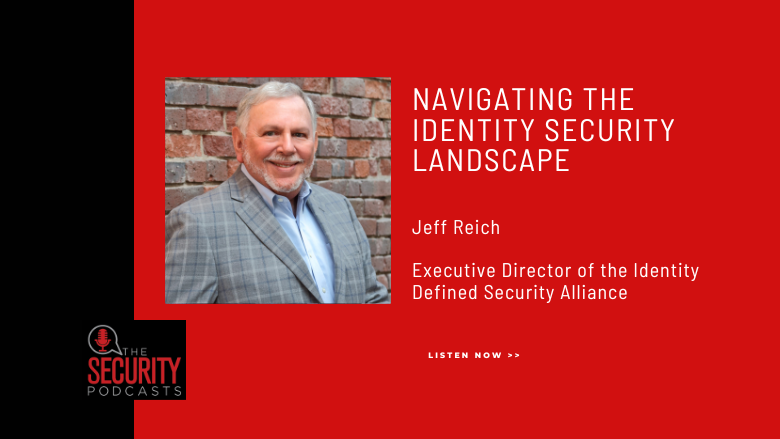
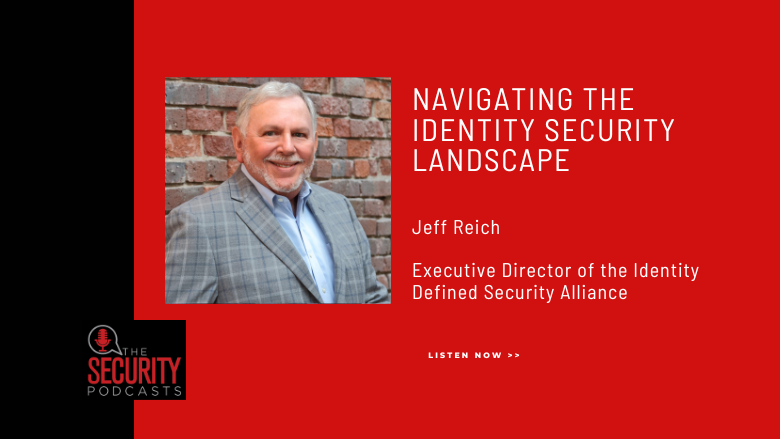
In this episode of The Security Podcasts featuring Jeff Reich, Executive Director of the Identity Defined Security Alliance, we discuss the challenges security professionals are facing in the evolving landscape of identity security threats.
“Something we see often is when we were asking the question, ‘how long do account stay active or in your system after someone leaves your organization?’ And certainly there are a number of organizations that say within two days it’s been disabled and turned off and maybe even deleted. There are a number that say within a quarter, but, surprisingly, there is a measurable double-digit percentage number of organizations that say ‘we never really delete accounts, because we don’t know what’s going to happen if we do.’ So abandoned accounts, every time you have an abandoned count, that’s not being watched. That means someone else could be doing something to it, and no one will notice.”
Or check it out on our Apple Podcasts or Spotify channels. Don’t forget to like, follow, and rate and review our podcasts!
Critical infrastructure may be the subject of disruptive cyberattacks
A recent letter from the White House states that critical infrastructure, specifically water and wastewater systems, is a major target for foreign state-sponsored threat actors. In this letter, the White House requested the cooperation of governors and invited state environmental, homeland security and health agencies to a meeting to discuss the cybersecurity of the nation’s critical infrastructure. This meeting sought to detail federal government cybersecurity improvement plans in the water sector. It also aimed to determine the security gaps in the water sector and encourage prompt action from the states.
Security leaders weigh in
Ken Dunham, Cyber Threat Director at Qualys Threat Research Unit:
“Nation-state actors have been targeting critical infrastructure for years to posture and prepare cyber weapons and capabilities for escalation and capabilities for a time and place when it is strategically advantageous for them to utilize in an attack. For example, this was seen with attacks by Russian with their attack into Georgia, attacking critical infrastructure week prior to conventional armed forces attacking, facing little to no resistance, with sickness and dysentery set in for many.
“US water and wastewater systems are at risk with various forms of governance and authority behind state, local, federal, and commercial entities responsible for management of facilities, where some have largely ignored security practices. This is in sharp contrast to adversaries that are organized and managed by a government, rather than commercial and government cooperatives. This results in a cyber information warfare comparative where adversaries are attempting to compromise each, with one attempting to gain more of a foothold and have more command and control over the other than what is lost within their own infrastructure. How this dangerous game plays out in convention war, should things escalate, is where real risk is revealed, yet to be unveiled.
“Water shortages are significant, especially based upon geolocation, time of year, and supply chain realities. Take for example, middle of the summer, southern states, with no drinking water or supplies to the home. It’s obvious a rush to stores for drinking water follows with various forms of fallout and/or mayhem. If wastewater is manipulated to create sickness and pollution in local waterways you then introduce large scale sickness and impact in major areas. Very quickly entire regions can be tossed into dangerous life-threatening situations where critical infrastructure is threatened and lives are at risk just by not having drinkable water, shortages of care facilities for the scale of support needed, possible power outages, and more, dependent upon the scale and swatch of critical infrastructure attacks imposed by adversaries at the time of attack.”
Casey Ellis, Founder and Chief Strategy Officer at Bugcrowd:
“Means, opportunity, and motive are driving these attacks. The opportunity comes from the generally poor state of critical infrastructure cybersecurity, and the difficulty involved in getting these types of systems modernized, and the means comes from the relative ease with which this type of attack can often be performed. Motive-wise, it varies by threat actor – and this can be seen in the White House advisory. The IRGC are actively engaged in disruptive attacks, while the PRC are more focused on establishing persistence for potential future use.
“In general, these systems rely on old software and operating systems, which often contain known and unpatched vulnerabilities. This isn’t unique to water and wastewater, it’s a systemic challenge in OT/ICS/CI cybersecurity. For these types of systems, the traditional “apply patches, implement MFA, use strong passwords” guidance doesn’t necessarily work due to their age. In general, operators should be ensuring proper segmentation of control systems from corporate systems and from the Internet, and should be speaking to their middle-ware providers to get product-specific guidance.
“In the Oldsmer attack, all that was required was a phished username and password for a TeamViewer account, and I’ve personally seen these types of systems sitting on the open Internet. In these situations, the knowledge level needed is quite low. If a system is better secured at the fundamentals level, that’s when an understanding of the control software, PLC exploitation (as mentioned in the CISA advisory), etc…becomes a requirement.”
Chad Graham, CIRT Manager at Critical Start:
“The drivers behind the attacks on U.S. water and wastewater systems are multifaceted, encompassing state-sponsored agendas and financial motivations. State-sponsored actors, like those from Iran and China, may target these infrastructures to disrupt essential services or as a form of geopolitical leverage. Simultaneously, ransomware operators attack these facilities for monetary gain, exploiting vulnerabilities to extort large sums.
“In comparison to other critical infrastructures, such as financial services and energy, the US water and wastewater systems often lag behind. This is partly due to these sectors having historically received less focus and investment in cybersecurity, making them potentially more vulnerable to attacks. The severe implications of a successful cyberattack on water and wastewater systems cannot be overstated. An attack of this nature has the potential to disrupt the supply of clean and safe drinking water or impair wastewater treatment processes, posing significant public health and environmental risks. The disruption of these essential services could lead to immediate public health crises and long-term environmental damage.
“One promising approach that water and wastewater systems are adopting involves distinctly separating their information technology (IT) and operational technology (OT) environments. This approach is critical for mitigating the risk of a comprehensive system compromise. If an IT system is breached, the OT system—which directly manages the physical components of the water infrastructure—remains protected, and vice versa.
“To defend against these multifaceted threats, water and wastewater facilities should implement rigorous cybersecurity measures. This involves segregating their networks through network segmentation, as well as the principle of least privilege, ensuring that users have only the access necessary for their roles. Additionally, it is crucial for facilities to regularly update all devices and systems while also changing default credentials to prevent unauthorized access.”
Cyber 4.0: Polo della sicurezza informatica già per oltre 800 imprese
Centinaia di realtà imprenditoriali si sono rivolte al Centro di Competenza nazionale per progetti, servizi e corsi di formazione ad alta specializzazione sulla sicurezza informatica
“Le Pmi sono il 76% delle aziende che ottengono gli incentivi Mimit per i nostri servizi; cresce la richiesta di formazione per cybersecurity manager”, spiega Matteo Lucchetti, direttore Cyber 4.0
Roma, 27 marzo 2024 – Un punto di riferimento per la cybersecurity delle Pmi a livello nazionale e un canale di accesso semplificato ai fondi del Pnrr per le aziende con obiettivi di sviluppo in questo ambito: sono circa 800 le imprese ingaggiate daCyber 4.0 dall’inizio della sua attività, attraverso il finanziamento di progetti di innovazione, lo sviluppo di iniziative di info/ formazione, l’erogazione di servizi co-finanziati a valere sul Piano nazionale di ripresa e resilienza. Oltre 140 i corsi erogati dal centro.
Numeri che rendono la dimensione del lavoro fin qui svolto dal Competence Center con sede a Roma e che prefigurano un cambiamento culturale all’orizzonte: “La natura delle domande che riceviamo ci rivela che le piccole e le medie imprese italiane cominciano a comprendere che la cybersecurity non è soltanto una tecnologia o l’ennesimo software da aggiungere agli altri, ma un processo continuativo che entra nell’organizzazione aziendale, soprattutto con l’emergere di nuove figure manageriali”, spiega Matteo Lucchetti, direttore di Cyber 4.0.
“Le Pmi sono il 76% delle aziende che ottengono gli incentivi del Ministero dell’Innovazione e Made in Italy per accedere ai nostri servizi – prosegue Lucchetti –. Fra questi i più richiesti sono di quattro tipi: assessment tecnico e organizzativo, formazione, test before invest e consulenza sull’innovazione. Significa che da un lato c’è l’intenzione di rivedere gli assetti organizzativi interni, per dare maggiore forza alla protezione dei dati e delle informazioni sensibili; dall’altro c’è la volontà di farsi trovare pronti a rispondere a eventuali criticità, sia con una valutazione dello stato attuale delle difese cyber, sia con un aggiornamento attivo delle competenze interne”.
In Italia oltre il 99% delle aziende ha dimensione micro, piccola o media e il 97% di esse ha adottato uno o più sistemi digitali gestiti internamente. Oltre un quarto di esse ha subito attacchi di tipo cyber nel 2022, che ne hanno compromesso l’operatività per periodi di tempo più o meno lunghi.
Nel 2023, l’11% degli attacchi gravi globali è avvenuto in Italia (rispetto al 7,6% del 2022), gli attacchi nel nostro paese sono cresciuti del 65% rispetto all’anno precedente e un quarto del totale di quelli rivolti al manufacturing a livello globale riguarda realtà manifatturiere italiane (dati Rapporto Clusit 2024 sulla sicurezza Ict in Italia).
Secondo uno studio ENISA su base EU, nella grande maggioranza dei casi (più dell’80%) il canale primario attraverso cui è veicolato l’attacco verso le Pmi è quello del social engineering.
Non a caso, Cyber 4.0 raccomanda come primo dei 12 punti del Vademecum sulla Cybersecurity per le piccole e medie imprese, la necessità di sviluppare una solida cultura sulla cybersecurity, assumendo diverse misure: istituire una figura interna responsabile della sicurezza informatica, coinvolgere il personale, pubblicare le politiche ed eseguire audit per la cybersicurezza.
“La tipologia delle richieste di formazione che riceviamo ultimamente rappresenta una novità, in quanto descrive una necessità di lunga durata: sempre più aziende prendono coscienza della necessità di una revisione dell’organizzazione interna, investono nell’aggiornamento del proprio personale e programmano una crescita del proprio organigramma sul tema della cybersecurity – spiega Lucchetti –. Questo si realizza principalmente attraverso la modalità del master dedicato allo sviluppo di competenze per profili manageriali, come quelli realizzati da Campus biomedico e Luiss, soci del partenariato Cyber 4.0 che, oltre a essere nella faculty e a definire il programma, può co-finanziare l’accesso delle aziende a questa tipologia di corsi fino al 70%, attraverso fondi PNRR”.
Lo scenario tuttavia non è dei migliori, in tema di prevenzione: negli ultimi 12 mesi mediamente appenail 15% delle aziende ha organizzato per i propri dipendenti corsi di formazione o eventi di sensibilizzazione in merito ai rischi della criminalità informatica (19% in Ue, dati Eurobarometro Pmi e criminalità informatica).
La mancanza di competenze in questo settore è ben più vasta che nella sola Italia. Nell’Unione europea mancano 300mila profili cyber, un gap che non può essere colmato con l’attuale numero di laureati nel settore, quindi sono necessari ulteriori investimenti nel re-skilling e nell’upskilling.
“Ed è quanto Cyber 4.0 permette di fare alle aziende italiane con i suoi corsi di formazione, cofinanziati dal Pnrr– afferma Lucchetti –. Mantenere le competenze è vitale in ambito cyber, attraversato da evoluzioni tecnologiche rapidissime e costanti, anche nell’arco di un solo anno. Tra gli altri corsi che il Centro può erogare, ci sono l’alfabetizzazione di base per imprese di qualunque settore; gli aggiornamenti tecnici avanzati per la formazione del personale su certificazioni professionali (standard Iso, normative di settore, privacy…) delle aziende che producono software o servizi digitali; piani di awareness del personale attraverso corsi e attività più ampie per le grandi aziende”.
Cyber 4.0, va ricordato, è soggetto attuatore Pnrr per conto del Ministero delle Imprese e del Made in Italy, i cui fondi sono erogabili in forma di incentivi alle imprese e di co-finanziamento di progetti di ricerca e innovazione. Tra le altre attività in vista nei prossimi mesi, vi sono il lancio di una piattaforma di servizi per aziende attraverso la sottoscrizione di un abbonamento e i nuovi bandi di progetto, da sempre attività istituzionale del Centro di Competenza.
Matteo Lucchetti, direttore di Cyber 4.0
“I numeri a livello nazionale offrono un quadro non incoraggiante ma le opportunità di crescita non mancano e ci sono diverse condizioni che favoriscono una ripresa della cybersecurity – conclude Lucchetti -. Ci sono in particolare tre fattori molto attuali in ambito normativo: la direttiva NIS2, per un livello comune elevato di cybersicurezza in tutta l’Unione, che dovrà essere recepita entro il prossimo ottobre; il Cyber Resilience Act, appena approvato dal Parlamento europeo, sui requisiti di security dei prodotti con componenti digitali immessi sul mercato conformi a marchio CE, che lascia 36 mesi di tempo ai produttori per adeguarsi; infine l’Artificial Intelligence Act, appena approvato, che introduce un ulteriore livello di analisi del rischio per le tecnologie che utilizzano l’Intelligenza artificiale. In questo scenario, Cyber 4.0 continuerà a essere un punto di riferimento affidabile per accompagnare policy maker, imprese e PA in un percorso di crescita verso una digitalizzazione sicura, grazie a soluzioni concrete, strategiche e sostenibili”.