47% of cloud storage billing is allocated to data and usage fees

Cloud storage was analyzed in a recent report by Wasabi Technologies.

According to the report, 93% of organizations plan to grow their public cloud storage capacity in 2024. This rate of capacity increase is up 9 points from last year’s survey (which indicated 84% expected an increase). 

More than half of respondents say they exceeded their budgeted spend on public cloud storage. The main reasons for budget excess include using more storage than they planned (42%) and migrating more apps and data to the cloud than planned (45%). Ninety-percent of respondents expect their cloud storage budgets to increase in 2024, up from 84% in 2023, in part due to new data security, backup and recovery requirements, with 95% of C-level respondents saying they expect cloud storage budgets to increase in 2024.

On average, 47% of cloud storage billing is allocated to data and usage fees (including API calls, operations, egress, retrieval, etc.), this finding aligns with last year’s results, indicating that organizations continue to struggle with complex and material fee charges. Fifty-three percent of respondents exceeded budgeted spend for cloud object storage in 2023, 2 points higher than the previous year’s average (52%).

The number of respondents self-identifying as “cloud-first” in 2024 (42%) – increased from 2023, illustrating a continued shift towards cloud IT services adoption when it comes to infrastructure solutions, including storage.

Read the full report here.

https://www.securitymagazine.com/articles/100463-47-of-cloud-storage-billing-is-allocated-to-data-and-usage-fees


Third-party attack vectors are responsible for 29% of breaches

A recent report by SecurityScorecard reveals that the exploitation of trusted third parties continues to be a prevalent security concern. According to the research, 98% of organizations are affiliated with a third party that has experienced a breach. Furthermore, third-party attacks have led to 29% of breaches. 

The sectors with the leading volume of third-party breaches are healthcare and finance, which make up the highest and second-highest amounts, respectively. As for the internal percentage of third-party breaches, technology and telecommunications saw the highest amount at 43%.

The report suggests that healthcare has the highest volume in part due to its large ecosystem of third-party connections. Many third parties are associated with different aspects of healthcare, thus making this sector a common target. The more third parties an organization is associated with, the greater its risk for third-party attack vectors.

Software or other related technological products and services were responsible for 75% of the external relationships that led to third-party breaches. 25% of third-party breaches entailed non-technological products or services instead. When software or related technologies are compromised via a third party, malicious actors can often exploit vulnerabilities with minimal effort. The report advises security leaders to have third-party risk management plans in place to prevent and recover from these security breaches. 

https://www.securitymagazine.com/articles/100447-third-party-attack-vectors-are-responsible-for-29-of-breaches


L’Italia è il quarto Paese più colpito dai ransomware in Europa


Nel 2023 i ransomware hanno colpito migliaia di organizzazioni in tutta Europa: secondo il rapporto annuale “Hi-Tech Crime Trends” di Group-IB, nella regione il numero di attacchi ransomware è cresciuto del 52%, con l’Italia al quarto posto tra i Paesi più colpiti da queste campagne, dopo il Regno Unito, la Francia e la Germania. Nel nostro Paese sono state 128 le aziende colpite dai ransomware nel 2023, circa l’11% del totale.

L’Europa è stata la seconda regione più colpita a livello globale dopo il Nord America, con 1.186 aziende che hanno visto i propri dati pubblicati sui forum del dark web, una crescita significativa rispetto alle 782 del 2022.

Il settore manifatturiero è stato il più bersagliato dai ransomware, seguito dal settore immobiliare e al terzo posto dalla logistica. I gruppi ransomware più attivi sono stati LockBit, responsabile del 26% degli attacchi in Europea, Play (9%) e Black Basta (7%).
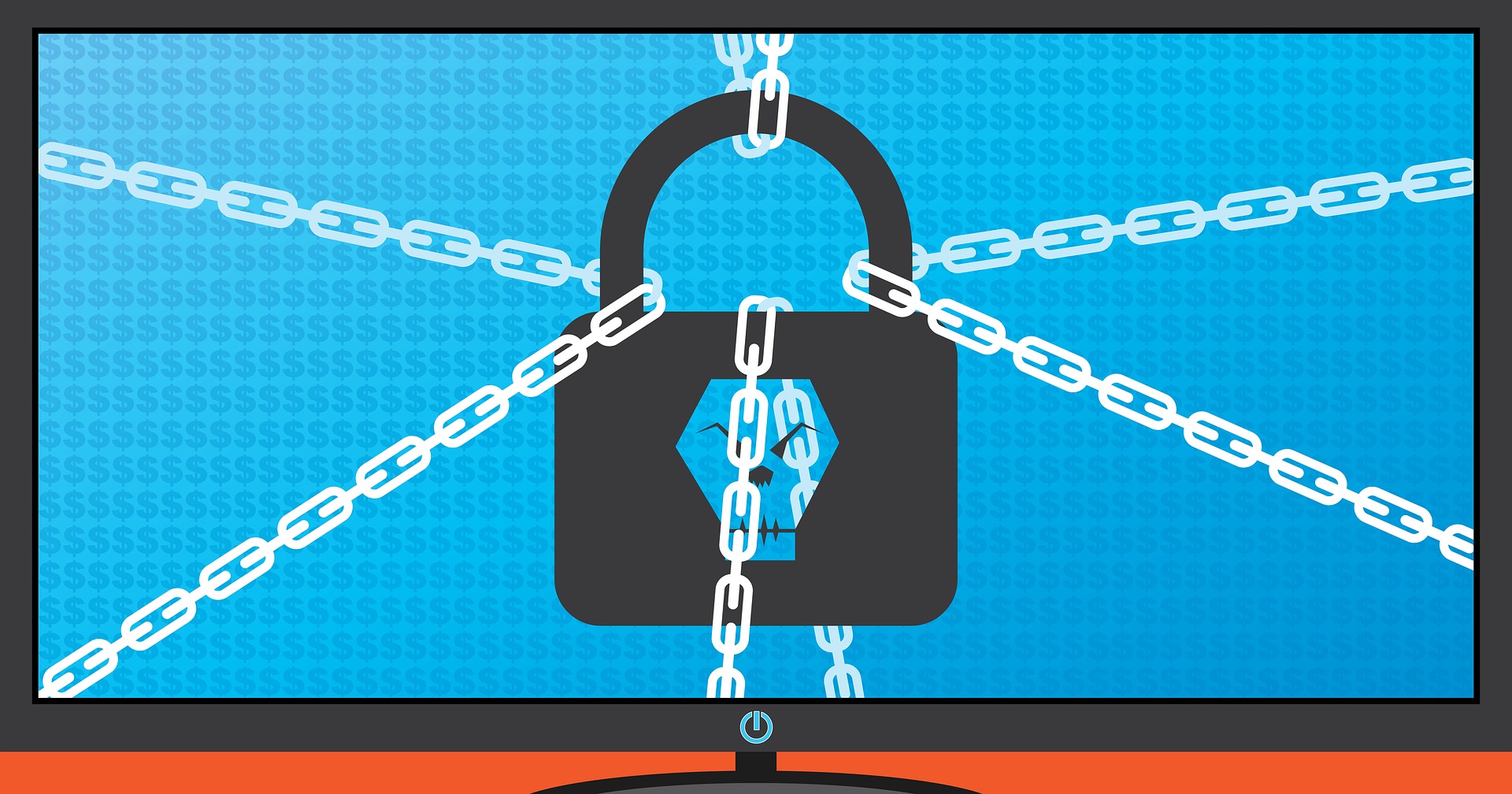
ransomware

Pixabay

Non solo ransomware: Europa minacciata dagli APT

Nel 2023 l’Europa è stata presa di mira anche da gruppi APT: Group-IB ha attribuito 523 attacchi ad attori APT sponsorizzati da Stati terzi provenienti da tutto il mondo. Gli Stati europei hanno subito in totale 108 attacchi informatici da gruppi finanziati dai governi, in particolare da Lazarus, Mustang Panda, APT41 e Sandman, tutti provenienti dall’Asia orientale, ma anche da APT28, BlackEnergy, Gamarend, Turla e Callisto, gruppi della regione della Comunità degli Stati Indipendenti.

Non stupisce che l’Ucraina sia al primo posto nella lista delle vittime di attacchi di gruppi APT con 31 incidenti censiti. A seguire troviamo la Polonia con 11 attacchi, e la Germania, la Francia e l’Italia con 6 attacchi ciascuno.

I gruppi hanno colpito per lo più organizzazioni governative e militari; ciò, sottolinea GROUP-IB, riflette l’interesse dei gruppi verso le aree che influenzano la sicurezza nazionale e la politica estera.

Ransomware e IAB: cala l’attività dei broker

Nonostante i ransomware siano stati la minaccia principale in Europa, il report ha evidenziato una leggera flessione nelle attività degli Inital Access Broker (IAB), ovvero i gruppi che vendono accessi iniziali alle reti aziendali per eseguire questi tipi di attacchi.

Nel 2023 in Europa sono stati commercializzati 628 accessi a reti aziendali, registrando un calo del 7% rispetto al 2022 (674 offerte). I 5 Paesi europei più presi di mira dagli IAB sono stati Regno Unito (111), Francia (83), Spagna (70), Germania (63) e Italia (62).

Per quanto riguarda i settori, quello dei servizi professionali è stato il più colpito nel 2023: le offerte di accesso raddoppiate rispetto al 2022, per un totale di 52 (8% di tutte le offerte riferite alla regione). A seguire troviamo il settore manifatturiero con 44 offerte (7%), il commercio e lo shopping con 37 offerte (6%).

Le offerte di accesso VPN sono diminuite del 50%, mentre quelle di account RDP sono aumentate del 34%; le offerte di accesso con privilegi utente, invece, sono aumentate del 35%.

L’IAB più attivo nella regione è stato mazikeen, un nuovo attore attivo da gennaio 2023. Nella quasi totalità dei casi mazikeen ha venduto l’accesso alle reti aziendali tramite account RDP compromessi (98%). Un terzo delle vittime di mazikeen è costituito da aziende con sede in Europa. Quasi tutte le offerte contenevano informazioni su Paese, settore, privilegi di accesso, livello di accesso e sistemi antivirus utilizzati.

Secondo le analisi di Group-IB, makizeen sarebbe una donna russa. Il cybercriminale sul dark web dichiara di non scansionare le reti aziendali messe in vendita e di non aver ottenuto persistenza in esse.

Pixabay

Cresce l’uso di infostealer

Gli infostealer sono diventati uno degli strumenti preferiti dai cyberattaccanti per ottenere più informazioni possibili sulle vittime e sulle reti aziendali. I tool riescono a ottenere le credenziali salvate nei browser, i dettagli delle carte di credito, le informazioni dei portafogli di criptovalute, i cookie, la cronologia di navigazione e altre informazioni dai browser installati sui computer infetti.

Molti cybercriminali fanno usi degli Underground Clouds of Logs (UCL), servizi speciali che forniscono accesso a informazioni riservate compromesse, per la maggior parte ottenute da infostealer. Nell’ultimo anno, il numero di host infetti in Europa i cui log sono stati pubblicati su UCL è aumentato del 23%, superando le 250.000 unità.

La Spagna è in testa con un’impennata del numero di host su UCL del 48% (31.665), mentre al secondo posto c’è la Francia, con 25.873 host. La Polonia conclude la top tre dei Paesi più colpiti in Europa con un aumento del 6% (23.393). L’Italia figura al quinto posto della classifica con 22.309 host su UCL.

Nel 2023 i tre principali infostealer che hanno attaccato gli utenti in Europa sono stati RedLine, META e Raccoon. Vidar, l’infostealer più diffuso del 2022, è sceso alla quarta posizione.

In crescita anche la distribuzione di informazioni nei “mercati sommersi”, dove, al contrario degli UCL, i dati vengono messi in vendita. Anche in questo caso tra gli infostealer più attivi ci sono Raccoon e RedLine, insieme a LummaC2. Relativamente a questo mercato, l’Italia è al secondo posto tra i Paesi con il maggior numero di log in vendita (72.138), seconda solo alla Spagna.

Aumentano i casi di data leak

Infine, il report di Group-IB ha evidenziato 386 nuovi casi di data leak i cui contenuti risultano pubblicamente accessibili, con oltre 292.034.484 milioni di stringhe relative a dati di utenti. Francia, Spagna e Italia sono stati i Paesi più colpiti con, rispettivamente, 64, 62 e 52 casi di fughe di dati.

Gli indirizzi e-mail, i numeri di telefono e le password rappresentano le informazioni più preziose per i cybercriminali, utilizzabili in diversi tipi di attacchi. Di tutti i dati trapelati,  140.642.816 voci contenevano indirizzi e-mail; inoltre, sono state trafugate 9.784.230 password e 157.074.355 record relativi a numeri di telefono.

Condividi l’articolo


Articoli correlati

Altro in questa categoria


https://www.securityinfo.it/2024/02/28/italia-e-il-quarto-paese-piu-colpito-dai-ransomware-in-europa/?utm_source=rss&utm_medium=rss&utm_campaign=italia-e-il-quarto-paese-piu-colpito-dai-ransomware-in-europa




The rising threat of zero-day attacks

.pod { width: 100%; border: solid 3px #C72026; padding: 7px; margin: 20px 0; justify-content: center; }

Advancing technology such as artificial intelligence has created more intricate cyber threats, including zero-day attacks. How can security leaders prepare for the unexpected? Answer this question and more with Cody Aston, Solutions Consultant, Networks & Cybersecurity at Rockwell Automation.

Or check it out on our Apple Podcasts or Spotify channels. Don’t forget to like, follow, and rate and review our podcasts!

You can find all episodes of The Security Podcasts on Apple, Spotify or by visiting our podcast page here.

https://www.securitymagazine.com/articles/100451-the-rising-threat-of-zero-day-attacks


Around 50% of IT leaders believe IoT security is their weakest point

A survey done by Viakoo suggests that many IT leaders are experiencing difficulties when it comes to IoT security planning. Half of the surveyed IT leaders report feelings of concern regarding their organization’s IoT security efforts, and less than half report being confident in the IoT security measures in place.

The survey report provides key insights into how IT leaders perceive and respond to IoT threats to their organizations. It also details the impacts of these threats and how IT leaders intend to add more administration over IoT systems. 

  • According to 83% of IT leaders, their attack surface developed one application at a time. These IT leaders suggest that remediation should be done one application at a time also.
  • 71% report wishing they could return to the beginning and start IoT security planning differently, focusing on faster remediation. 
  • When managing IoT vulnerabilities, 35% of IT leaders feel their usage of an agentless network-based asset discovery has been successful.  

In the last 12 months, 22% of organizations have experienced a work-disrupting IoT event. 55% of incidents could have been impeded with better security measures. This highlights the need for greater IoT security efforts and contributes to many IT leaders’ plans to strengthen their organizations’ IoT security.

https://www.securitymagazine.com/articles/100442-around-50-of-it-leaders-believe-iot-security-is-their-weakest-point


FTC bans Avast from selling browser data

The Federal Trade Commission (FTC) has banned Avast from selling or licensing web browsing data for advertising purposes. The company will also pay a fine to settle FTC charges. 

In its complaint, the FTC says that Avast Limited, based in the United Kingdom, through its Czech subsidiary, unfairly collected consumers’ browsing information through the company’s browser extensions and antivirus software, stored it indefinitely and sold it without adequate notice and without consumer consent. The FTC also charges that Avast deceived users by claiming that the software would protect consumers’ privacy by blocking third party tracking, but failed to adequately inform consumers that it would sell their detailed, re-identifiable browsing data. The FTC alleged Avast sold that data to more than 100 third parties through its subsidiary, Jumpshot. 

Since at least 2014, the FTC says Avast has been collecting consumers’ browsing information through browser extensions, which can modify or extend the functionality of consumers’ web browsers, and through antivirus software installed on consumers’ computers and mobile devices. This browsing data included information about users’ web searches and the webpages they visited — revealing consumers’ religious beliefs, health concerns, political leanings, location, financial status, visits to child-directed content and other sensitive information.

According to the complaint, not only did Avast fail to inform consumers that it collected and sold their browsing data, the company claimed that its products would decrease tracking on the Internet. For example, when users searched for Avast’s browser extensions, they were told Avast would “block annoying tracking cookies that collect data on your browsing activities” and promised that its desktop software would “shield your privacy. Stop anyone and everyone from getting to your computer.” 

The company claimed it used a special algorithm to remove identifying information before transferring the data to its clients. The FTC, however, says the company failed to sufficiently anonymize consumers’ browsing information that it sold in non-aggregate form through various products. For example, its data feeds included a unique identifier for each web browser it collected information from and could include every website visited, precise timestamps, type of device and browser, and the city, state and country. When Avast did describe its data sharing practices, Avast falsely claimed it would only transfer consumers’ personal information in aggregate and anonymous form, according to the complaint.

The FTC says the company failed to prohibit some of its data buyers from re-identifying Avast users based on data that Jumpshot provided. And, even where Avast’s contracts included such prohibitions, the contracts were worded in a way that enabled data buyers to associate non-personally identifiable information with Avast users’ browsing information. In fact, some of the Jumpshot products were designed to allow clients to track specific users or even to associate specific users — and their browsing histories — with other information those clients had. For example, as alleged in the complaint, Jumpshot entered into a contract with Omnicom, an advertising conglomerate, which stated that Jumpshot would provide Omnicom with an “All Clicks Feed” for 50% of its customers in the United States, United Kingdom, Mexico, Australia, Canada and Germany. According to the contract, Omnicom was permitted to associate Avast’s data with data brokers’ sources of data, on an individual user basis. 

In addition to paying $16.5 million, which is expected to be used to provide redress to consumers, the proposed order, will prohibit Avast and its subsidiaries from misrepresenting how it uses the data it collects. Other provisions of the proposed order include:

  • Prohibition on Selling Browsing Data: Avast will be prohibited from selling or licensing any browsing data from Avast-branded products to third parties for advertising purposes.
  • Obtain Affirmative Express Consent: The company must obtain affirmative express consent from consumers before selling or licensing browsing data from non-Avast products to third parties for advertising purposes.
  • Data and Model Deletion: Avast must delete the web browsing information transferred to Jumpshot and any products or algorithms Jumpshot derived from that data.
  • Notify Consumers: Avast will be required to inform consumers whose browsing information was sold to third parties without their consent about the FTC’s actions against the company.
  • Implement Privacy Program: Avast will be required to implement a comprehensive privacy program that addresses the misconduct highlighted by the FTC.

https://www.securitymagazine.com/articles/100446-ftc-bans-avast-from-selling-browser-data


The average open source vulnerability is 2.5 years old

Open source software security was analyzed in a recent report by Synopsys. According to the report, nearly three-quarters of commercial codebases assessed for risk contain open source components impacted by high-risk vulnerabilities.

While codebases containing at least one open source vulnerability remained consistent year over year at 84%, significantly more codebases contained high-risk vulnerabilities in 2023. According to the data, the percentage of codebases with high-risk open source vulnerabilities — those that have been actively exploited, have documented proof-of-concept exploits or are classified as remote code execution vulnerabilities — increased from 48% in 2022 to 74% in 2023.

Ninety-one percent of codebases contained components that were 10 or more versions out-of-date, and 49% of codebases contained components that had no development activity within the past two years. The report also found that the mean age of open source vulnerabilities in the codebases was over 2.5 years old, and nearly a quarter of codebases contained vulnerabilities more than 10 years old.

High-risk open source vulnerabilities permeate across critical industries: The computer hardware and semiconductors industry had the highest percentage of codebases with high-risk open source vulnerabilities (88%), followed closely by manufacturing, industrials and robotics at 87%. Closer to the middle of the pack, the big data, AI, BI and machine learning industry had 66% of its codebases impacted by high-risk vulnerabilities. At the bottom of the list, the aerospace, aviation, automotive, transportation and logistics industry still had high-risk vulnerabilities in a third (33%) of its codebases.

The report found that over half (53%) of the codebases contained open source license conflicts, and 31% of codebases were using code with either no discernible license or a customized license. The majority of the open source vulnerabilities that were observed most frequently in this research are classified as Improper Neutralization weaknesses (CWE-707).

Read the full report here.

https://www.securitymagazine.com/articles/100445-the-average-open-source-vulnerability-is-25-years-old


VEC and BEC attacks rise in the energy and infrastructure industry

Data released by Abnormal reveals that VEC and BEC attacks are increasing in the energy and infrastructure industry. Energy and infrastructure industry customers provided the data between February 2023 and January 2024, in which 65% of reporting customers experienced a VEC attempt. Other commonly targeted industries included technology (43%), finance (46%) and healthcare (50%), yet energy and infrastructure still surpassed these industries.

BEC attacks also increased in the energy and infrastructure industry. Between February 2023 and July 2023, there was a weekly average of .53 attacks per 1,000 mailboxes. In the latter half of the year, these attacks rose to average of .63 per 1,000 mailboxes, displaying an increase of 18%. This average rose again on December 10th, 2023, at 1.2 per 1,000 mailboxes. 

The weekly attacks rose yet again at the beginning of 2024, with 1.41 per 1,000 mailboxes. It is predicted that the rate will continue to increase throughout the year. Security leaders should be prepared for more sophisticated email-based attacks in 2024. 

https://www.securitymagazine.com/articles/100440-vec-and-bec-attacks-rise-in-the-energy-and-infrastructure-industry


La Casa Bianca chiede ai programmatori di usare linguaggi memory safe


L’Office of the National Cyber Director (ONCD) della Casa Bianca, l’agenzia governativa degli Stati Uniti responsabile della consulenza al Presidente su questioni di cybersecurity, ha pubblicato un avviso in cui richiede ai programmatori di usare solo linguaggi di programmazione “memory safe”.

I linguaggi memory safe sono quelli che impediscono ai programmatori di inserire bug legati a un uso errato della memoria. Un esempio è quando si cerca di accedere all’n-esimo elemento di un array che ne contiene n-1; i linguaggi memory safe impediscono di accedervi, mentre quelli che non lo sono potrebbero permettere al programmatore di effettuare una out-of-bounds read. Linguaggi memory safe comprendono Rust,  Go, C#, Java, Swift, Python e JavaScript.

L’OCND sottolinea che i linguaggi di programmazione sono da considerare componenti costitutivi del software e in quanto tali devono essere scelti e gestiti in modo da ridurre la superficie d’attacco degli ecosistemi.

“Poiché molti problemi di sicurezza informatica iniziano con una riga di codice, uno dei modi più efficaci per affrontarli è esaminare il linguaggio di programmazione stesso” si legge nell’avviso. “Garantire che un linguaggio di programmazione includa determinate proprietà, come la sicurezza della memoria o dei tipi, significa che il software costruito su quella base eredita automaticamente la sicurezza fornita da quelle caratteristiche”.

coding

Pexels

I mancati controlli sull’accesso alla memoria permettono a un attaccante di ottenere accesso ai dati o eseguire codice malevolo e comportano quindi numerosi rischi alle aziende.

La richiesta fa parte del piano di Biden di bilanciare la responsabilità in tema cybersecurity e riallineare gli incentivi per favorire degli investimenti a lungo termine nella sicurezza. Mitigare le vulnerabilità conosciute è complesso, ma lo è ancora di più cercare di proteggere i sistemi da bug sconosciuti presenti nell’intero ecosistema software; per questo, spiega l’OCND, è necessario agire direttamente in fase di progettazione del software e scrittura del codice.

“I programmatori che scrivono linee di codice non lo fanno senza conseguenze; il modo in cui svolgono il loro lavoro è di importanza critica per gli interessi nazionali”. Il report incoraggia inoltre la community di ricercatori e programmatori a gestire il problema della misurabilità del software introducendo misure diagnostiche volte a migliorare la qualità della cybersecurity.

Condividi l’articolo


Articoli correlati

Altro in questa categoria


https://www.securityinfo.it/2024/02/27/la-casa-bianca-chiede-ai-programmatori-di-usare-linguaggi-memory-safe/?utm_source=rss&utm_medium=rss&utm_campaign=la-casa-bianca-chiede-ai-programmatori-di-usare-linguaggi-memory-safe


Plot Twist: Dynamic Weather Risks Rise as Tornadoes Shift East

h3 { font-weight: bold; font-size: 18px; color: #C72026; }

In the past few decades, nature has been changing the predictable narrative we’ve come to expect from annual weather patterns. Storm and fire seasons are expanding, weather events are becoming more complex and hotspots are shifting to unexpected locations.

Extreme weather threats in the U.S. increased by 42 percent from 2021 to 2022, according to the 2023 Global Risk Impact Report. These threats aren’t just one-time events – each hurricane, fire and tornado can set off a cascade of consequences.

Content Provided By OnSolveOne such plot twist observed recently is a change in tornado behavior. Once primarily confined to the midwestern Tornado Alley, tornadoes have migrated east to Dixie Alley. In the first half of 2023, 57 percent of all U.S. tornado reports were in southern and Gulf states, versus 24 percent in the Midwest.

Tornado season is now longer, more intense and more unpredictable than ever before, demanding a strategic rewriting of extreme weather expectations, preparedness and response. Critical event management technology is just one way risk, security and emergency response leaders can help their organizations, agencies and communities survive new twister behavior.

From Tornado Alley to Dixie Alley

Historically, the most favorable conditions for tornado formation have been in the flat terrain of the Midwest: Tornado Alley. More recently, there are several notable factors contributing to the migration of tornadoes to Dixie Alley:

  • Warmer temperatures in the Gulf of Mexico directing water vapor into the southeastern U.S.
  • A shift in the “dry line” dividing the wetter eastern states from the drier West
  • Climate change and milder winters causing tornado season to start earlier, especially in the Southeast

In addition, the mountainous topography of southeastern states means that tornado events in Dixie Alley are more concentrated and complex than they are in the open spaces of Tornado Alley. Clusters of twisters formed from a single tornado supercell are becoming more likely in the east.

Southern states are more densely populated than those in the Midwest and often lack infrastructure like sirens and tornado shelters to protect people from extreme windstorms. The consequences of Dixie Alley tornadoes can be disastrous. In 2023, 66 percent of known tornado-related fatalities occurred in Dixie Valley.

The Evolving Risk of Tornadoes

Twisters strike quickly and rip through anything in their path. But the damage they cause isn’t limited to where they touch down. Tornadoes pose a dynamic risk to communities. Organizations and government agencies need to prepare for cascading consequences.

The systems that produce tornadoes often are accompanied by heavy rain, lightning, hail and high winds. Storms and flooding compound the damage caused by tornadoes and make recovery more challenging. This is even more complicated in areas that aren’t historically prepared for tornadoes.

A deadly tornado with 200 mph winds tore through Mississippi in March 2023. In just over an hour, it destroyed or damaged more than 1,000 structures and killed 21 residents. Search and rescue teams had to contend with baseball-sized hail as they conducted their response.

Months later, the town of Rolling Fork, the epicenter of the tornado, was still managing fallout. Storms delayed cleanup, and residents and business owners struggled to rebuild. Experts estimated it would take five to 10 years to return to normal.

The damage and cost of a single tornado can be catastrophic, but a comprehensive risk management strategy can help reduce damage and strengthen organizational and agency resilience. The right technology can mean the difference between surviving and succumbing to dynamic risk.

Tornadoes Are Dynamic: Your Risk Management Should Be, Too

Tornadoes are unpredictable by nature, and their changing behavior only complicates response efforts. A critical event management platform can provide the capabilities to mitigate risk, minimize damage and promote recovery. Key capabilities of a unified platform include:

Historical Reporting: Historical risk data on tornadoes enables organizations and agencies to conduct in-depth geographical analysis and compile detailed reports for specific regions and timeframes. Examining the evolution of tornado behavior in a particular region helps to predict high-risk locations, allowing risk, security and emergency response leaders to proactively prepare for potential events.

AI-powered Risk Intelligence: Risk intelligence technology actively monitors weather data from thousands of sources, filtering out the noise and providing actionable, real-time information about tornadoes and other extreme weather events that pose a real threat your operations or community.

When it comes to monitoring a moving target like a tornado, risk intelligence software becomes a valuable tool for identifying vulnerable locations. It considers factors like geography, population density and infrastructure to provide a nuanced analysis of where, when and how communities should prioritize their efforts. When a tornado threatens to touch down, risk intelligence provides responders with the information they need to manage its impact quickly and effectively.

Mass Notification: One of the most critical elements in managing tornado-related threats is disseminating targeted, time-sensitive critical communications to everyone in the scope of impact. To ensure maximum reach, the system must deliver geo-targeted, multi-language messages via phone, voicemail, SMS and desktop alerts, seamlessly integrating with other weather alerting systems.

As a tornado begins to build, alerts can be sent to residents about shelter locations and safety guidelines. Two-way communications enable users to declare themselves safe or request assistance. Afterward, the system can be used to share information about road closures and utility outages, as well as informing residents about recovery efforts.

Incident Management: This function accelerates and simplifies crisis response by helping response teams mobilize immediately. This makes it more feasible to provide secure, immediate instructions that are easy to escalate as the incident unfolds. During the tornado and in its aftermath, overlapping risks and their cascading damages can be addressed proactively, to limit preventable secondary and tertiary fallout. For example, damaged roadways, fallen power lines or other dangerous debris is often a major hazard. Incident management technology can ensure response teams are deployed to high-traffic intersections to render aid to people and animals taken unaware by sharp objects and tangled wreckage.

Tornadoes and other extreme weather events are changing. Security, risk and emergency response leaders must adapt their strategies to keep up. With the OnSolve Platform for Critical Event Management, it’s possible to rewrite the ending for dynamic weather and protect your people and operations during a storm.

Learn more about dynamic risks associated with severe weather.  Download our infographic: Tornado Alley is Shifting Are You Prepared for Dynamic Weather Risks?

https://www.securitymagazine.com/articles/100455-plot-twist-dynamic-weather-risks-rise-as-tornadoes-shift-east