Davvero si può fare “jailbreak” a un caccia F-35?


Durante un’intervista in un podcast, il segretario di Stato olandese alla Difesa Gijs Tuinman ha sostenuto che un F-35 potrebbe essere “jailbreakato” “proprio come un iPhone”, nel contesto di una domanda molto concreta: cosa accadrebbe se, per ragioni politiche o strategiche, gli Stati Uniti smettessero di fornire supporto e aggiornamenti software agli alleati europei. Il punto non è la battuta ad effetto, ma il tema che porta con sé: il controllo del software come leva di potere operativo.

Tuinman ha continuato ricordando che l’F-35 è un programma multinazionale, con contributi industriali significativi anche fuori dagli USA, e che questa interdipendenza rende il velivolo, a suo dire, un “prodotto condiviso”. La realtà però è che, anche in un ecosistema cooperativo, l’accesso ai livelli più sensibili del software e della catena di aggiornamento resta storicamente fortemente centralizzato.

Che cosa significa davvero “jailbreak” su un sistema d’arma
Solitamente, quando parliamo di “jailbreak” ci si riferisce alla rimozione di vincoli imposti da un vendor per installare software non autorizzato o accedere ad aree riservate di un prodotto. Trasportare questa idea su un caccia di quinta generazione è tecnicamente e operativamente più complesso: non si parla solo di “installare un’app”, ma di intervenire su architetture critiche, catene di firme, procedure di validazione, sicurezza funzionale e requisiti di certificazione. Per questo diversi commentatori hanno letto la frase come una provocazione politica o un messaggio negoziale più che come un’indicazione tecnica.

Perché non è un iPhone: barriere di accesso e ricerca quasi impossibili
Un elemento sottolineato da chi fa penetration test in ambito aeronautico è la differenza strutturale tra hardware consumer e piattaforme militari. La comunità di ricerca che “stressa” i dispositivi di massa non esiste, di fatto, per i caccia: l’accesso fisico è rarissimo, rigidamente controllato e i vincoli di sicurezza e segretezza rendono improbabile che eventuali tecniche diventino pubbliche. In altre parole, anche se vulnerabilità o percorsi di aggiramento esistessero, sarebbe molto meno probabile che emergano come avviene nel mondo smartphone.

Sovranità operativa vs sicurezza: una tensione inevitabile
La discussione si intreccia con il modo in cui l’F-35 è stato gestito nel tempo: aggiornamenti, manutenzione e supporto sono stati storicamente orchestrati tramite sistemi di gestione della flotta e della logistica come ALIS (Autonomic Logistics Information System), citato anche nel dibattito mediatico che ha seguito le parole di Tuinman. Qui la posta in gioco non è solo la “patch”, ma l’intero ciclo di vita digitale del velivolo: configurazioni, diagnostica, documentazione tecnica, pacchetti di aggiornamento e dipendenze di supply chain.

Qualsiasi apertura al “software terzo” su piattaforme militari entra in collisione con esigenze opposte: da una parte la sovranità e la continuità operativa, dall’altra la riduzione del rischio di compromissione e di interferenze non autorizzate. Più autonomia per l’operatore significa anche più superficie di responsabilità: integrazioni, update e hardening diventano un problema locale, non più delegabile al prime contractor. Ed è esattamente qui che il tema “jailbreak” diventa delicato: l’autonomia tecnica può essere desiderabile in scenari geopolitici instabili, ma aumenta l’esposizione se governance, sicurezza e assurance non sono allo stesso livello.

Il precedente che tutti citano: l’eccezione israeliana
Nel dibattito torna spesso Israele, indicato come l’unico Paese ad aver negoziato margini più ampi per integrare componenti e software nazionali sulla propria variante, l’F-35I “Adir”. Le fonti descrivono questa eccezione come un equilibrio tra esigenze di personalizzazione e limiti imposti per non toccare i “cuori” più sensibili del sistema. È un precedente importante perché dimostra che spazi di autonomia possono esistere, ma come eccezione negoziata, non come default per tutti gli operatori.

Il fantasma del “kill switch” e l’effetto sulla fiducia europea
Le parole di Tuinman arrivano in un clima già carico: negli ultimi mesi/anni, a ondate, in Europa sono riemerse paure legate alla possibilità che gli USA possano limitare capacità, supporto o aggiornamenti dei sistemi avanzati venduti agli alleati. Al di là della verifica tecnica di un “interruttore remoto”, la questione cruciale è la fiducia: quanto controllo accetti di cedere quando compri una piattaforma definita dal software?

La notizia è meno relegata al mondo della difesa e dell’aviazione di quanto non sembri. L’F-35 è l’esempio estremo di una tendenza generale: prodotti sempre più complessi, vincolati a ecosistemi di aggiornamento, telemetria, autenticazione e supply chain, dove il confine tra manutenzione, sicurezza e controllo industriale si assottiglia. La provocazione del “jailbreak” rende evidente che, anche nel mondo difesa, la domanda sta cambiando: non è più solo “quanto è avanzato l’hardware”, ma chi governa il software, per quanto tempo e a quali condizioni geopolitiche.

Condividi l’articolo


Articoli correlati

Altro in questa categoria


https://www.securityinfo.it/2026/02/18/davvero-si-puo-fare-jailbreak-a-un-caccia-f-35/?utm_source=rss&utm_medium=rss&utm_campaign=davvero-si-puo-fare-jailbreak-a-un-caccia-f-35


Global Leaders, Executives Exposed in Data Leak

A financial summit accidentally exposed the passports and state identity cards of more than 700 individuals. The summit, known as Abu Dhabi Finance Week (ADFW), is a state-sponsored event that welcomed more than 35,000 attendees in December. 

Scans of more than 700 passports and identification cards were stored in an unprotected cloud server associated with the event. 

Chris Radkowski, GRC Expert at Pathlock, comments, “This incident serves as a reminder that organizations handling documents that contain sensitive PII must enforce strict least-privilege access policies and continuously monitor how those repositories are configured and who can access them.”

Some notable individuals exposed include: 

  • David Cameron, former British Prime Minister 
  • Alan Howard, hedge fund billionaire 
  • Anthony Scaramucci, United States investor and former White House communications director 

In a statement to Reuters, ADFW informed the news agency that “a vulnerability in a third-party vendor-managed storage environment relating to a limited subset of ADFW 2025 attendees.” ADFW added, “The environment was secured immediately upon identification, and our initial review indicates that access activity was limited to the researcher who identified the issue.”

According to reports from the Financial Times (FT), this data was accessible to any individual via web browser. This was discovered by freelance security researcher and consultant Roni Suchowsk, and after FT brought the matter to ADFW’s attention, the server was secured. 

“Mistakes and misconfigurations happen — to err is human,” says Trey Ford, Chief Strategy and Trust Officer at Bugcrowd. “The researcher was clearly acting in good faith, and I trust the ADFW’s security team is taking strides to stand up an RFC-compliant notification pathway for researchers to notify them of issues identified. Teams operate with time pressure to get systems and services online and functioning — and occasionally things get missed. Making it safe and efficient for the global research community to reach out and safety share observations is how we make the internet safer. This is why we encourage vulnerability disclosure programs as a baseline starting point, especially when handling truly sensitive information.” 

The Bottom Line: Protecting Personal Information for Executives

Louis Eichenbaum, Federal CTO at ColorTokens:

In today’s digital world, you can’t assume your personal information is safe. The smartest approach is to assume it may already be exposed and build protections that stop criminals from using it.

That means taking proactive steps:

  • Invest in credit monitoring and identity-protection services
  • Enable account alerts and transaction limits through your bank
  • Use multi-factor authentication (MFA) wherever possible
  • Monitor your financial and online accounts regularly

You can’t rely solely on companies that store your data to detect threats in time. Personal security now requires personal resilience. Adopt the mindset of assume breach and build the safeguards that keep your data protected even if it falls into the wrong hands.

https://www.securitymagazine.com/articles/102129-global-leaders-executives-exposed-in-data-leak


Conduent Data Breach: Overview and What to Know

Conduent experienced a data incident on that is proving to have widespread repercussions. The business services provider offers a range of support for organizations, including printing/mailroom services, payment integrity, document processing, and back-office aid, so this attack on its network affected more entities than itself. 

What Happened? 

On Jan. 13, 2025, Conduent found a cyber incident had affected part of its network. Upon this discovery, the organization secured networks and commenced an investigation alongside third-party forensic experts. 

The investigation uncovered that an unauthorized party obtained access to the organization’s environments from Oct. 21, 2024, to Jan. 13, 2025. During this time, files associated with various clients were taken. The organization states the data involved is complex in nature, and therefore, it is conducting an analysis to determine which data elements were potentially compromised for which clients. 

The ransomware group known as Safepay claimed responsibility for the attack.
Currently, there is no evidence to suggest the affected information has been misused. 

What to Know: Customers Impacted

As more information comes out, the list of affected clients in the United States continues to grow. While the full list of impacted organizations has not been disclosed, notable stories have emerged from some known affected clients. 

Blue Cross Blue Shield of Montana

Blue Cross Blue Shield of Montana (BCBSMT) contracted with Conduent and was notified it was an impacted client in January 2025. However, BCBSMT informed impacted individuals in October 2025 — nine months after learning of the incident. State regulators have initiated an investigation to determine if BCBSMT complied with state data breach notification expectations, mandating notices to be sent without unreasonable delay. 

A public administrative hearing was held Jan. 22, 2026. BCBSMT requested a temporary restraining order to prevent the hearing but was denied. 

“It is troubling that it appears [BCBS] attempted to avoid regulatory oversight and accountability by seeking to block this hearing through the courts,” said Tyler Newcomb, Montana CSI Communications Director. “Our office is committed to protecting Montanans and ensuring a fair, transparent, and very serious process when sensitive personal and health data may have been placed at risk. Our office will consider all the evidence and then issue a final order in due course.”

Volvo Group North America

Volvo Group North America (VGNA) recently revealed it experienced an indirect data breach in connection with the Conduent incident. Approximately 17,000 customers and/or staff members had data exposed. 

This follows news that VGNA experienced a separate security breach connected with another third-party supplier, IT services provider Miljödata, exposing data such as names and Social Security numbers. 

What to Keep an Eye On: Investigation Launched 

The Office of the Attorney General of Texas is launching an investigation into Conduent and Blue Cross Blue Shield of Texas (BCBSTX), one of the organization’s affected customers. Documents and pertinent information are to be turned over at the behest of Attorney General Ken Paxton to verify BCBSTX’s compliance with state law and Conduent’s communications, security measures, and compliance. 

“The Conduent data breach was likely the largest breach in U.S. history. If any insurance giant cut corners or has information that could help us prevent breaches like this in the future, I will work to uncover it,” states Attorney General Paxton. “Texans deserve to know that their private health information is being handled responsibly and in full compliance with the law. My office is committed to uncovering exactly what went wrong, taking action to protect Texas families, and ensuring there is justice for any negligence.”

The full scope of individuals affected is currently unknown, though it is likely this breach will rank among the largest. 

https://www.securitymagazine.com/articles/102128-conduent-data-breach-timeline-and-what-to-know


Security Insights Delivered Through Podcasts

h3 { font-weight: bold; font-size: 18px; color: #0a496c; }

Here at Security magazine, one of our goals are to consistently provide our readers with insightful thought-leadership focused content in as many ways as possible. One way we’ve been able to do this in through our podcast channel, Lock it Down with Security Magazine.

In addition to our monthly eMagazine and ongoing web coverage, Security magazine regularly releases podcast episodes which features many cybersecurity and physical security leaders from various industries sharing insights and stories from their experiences and careers providing leadership advice and discussions on emerging security threats and trends.

Below is just a taste of some of our past podcast episodes featuring conversations with security professionals. For more, be sure to subscribe to the podcast!

John Rodriguez

Key Signs of Mental Health Struggles in Security

In this episode of Lock It Down with Security Magazine, Managing Editor Jordyn Alger sits down with John Rodriguez to discuss the relationship between security work and mental health. Rodriguez is the Founder of Empathic Security Cultures LLC, an organization guiding security leaders to combine existing security and business practices with positive human connection.

The topic of mental health is a crucial one, as security team burnout is a top challenge for many organizations. Those in the industry know stressors can be abundant when working security roles, and without proper mental health practices in place, many professionals can burn out. And when one team member burns out, it’s possible that more will follow.

“We’re relational beings, and we depend on people since infancy to survive. The term ‘psychological safety,’ where we can we’re open to discuss and debate and agree in a professional, caring way, is one indicator of a great team.” – John Rodriguez, Founder of Empathic Security Cultures LLC

Chetrice Romero

Protecting Critical Infrastructure With Limited Funding

In this episode of Lock It Down with Security Magazine, Associate Editor Taelor Sutherland speaks with Chetrice Romero, a senior cybersecurity advisor at Ice Miller. Romero shares common threats towards critical infrastructure and advice for security leaders navigating different challenges.

Why are utilities a prime target for cyberattacks? What can security leaders do to prevent them? What happens when unexpected budget cuts slice your department in half? Listen to this episode to learn more.

Will Bernhjelm

Reinventing Security Leadership

In this episode of Lock It Down with Security Magazine, I speak with Will Bernhjelm, Mall of America Vice President of Security, about his career, the security industry as well as the 2025 SECURITY 500 Conference.

In this role, Bernhjelm focuses on keeping the Mall’s 32 million visitors a year safe. During his tenure, he has significantly evolved the security strategy, positioning Mall of America as a leader in the industry.

In this episode, Bernhjelm shares insights from his 23-year career, including lessons learned from military service, the evolution of the Mall of America’s multilayered security strategy, and the balance between safety and guest experience.

“I think that there is this odd perception out there that there’s this mythical ‘Silver Bullet’ in security that’s going to fix everything in the world and make everything okay. There is no such thing as 100% security. If there was one thing that would keep us all safe, we’d all be doing it, and we wouldn’t be sitting here having these conversations and collaborations. There is no such thing as 100% security… there is no one thing that’s going to keep us all safe. It’s multiple things working in conjunction with one another to help accomplish the mission.” – Will Bernhjelm, Mall of America Vice President of Security

Jerry Tavares

Celebrating 40 Years with OSAC

In this episode, I had a conversation with Jerry Tavares, Executive Director of OSAC to talk a bit about OSAC’s mission and trends within the industry.

“The 40th anniversary is a powerful moment for reflection. OSAC was created in 1985 in the aftermath of the Beirut embassy bombings, when there was a clear need for stronger collaboration between the U.S. government and our many American organizations overseas. What started as a small Advisory Council has evolved into a global platform and partnership of more than 7,000 member organizations. We now support over 150 overseas country chapters and offer specialized working groups in everything from faith-based security, cybersecurity to aviation. This anniversary isn’t just about looking back, it’s about reaffirming OSAC’s mission in an increasingly complex world, it’s critically important we continue to provide safety and success for all U.S. interests abroad.” – Jerry Tavares, Executive Director of OSAC

https://www.securitymagazine.com/articles/102118-security-insights-delivered-through-podcasts


Password managers’ promise that they can’t see your vaults isn’t always true

Over the past 15 years, password managers have grown from a niche security tool used by the technology savvy into an indispensable security tool for the masses, with an estimated 94 million US adults—or roughly 36 percent of them—having adopted them. They store not only passwords for pension, financial, and email accounts, but also cryptocurrency credentials, payment card numbers, and other sensitive data.

All eight of the top password managers have adopted the term “zero knowledge” to describe the complex encryption system they use to protect the data vaults that users store on their servers. The definitions vary slightly from vendor to vendor, but they generally boil down to one bold assurance: that there is no way for malicious insiders or hackers who manage to compromise the cloud infrastructure to steal vaults or data stored in them. These promises make sense, given previous breaches of LastPass and the reasonable expectation that state-level hackers have both the motive and capability to obtain password vaults belonging to high-value targets.

A bold assurance debunked

Typical of these claims are those made by Bitwarden, Dashlane, and LastPass, which together are used by roughly 60 million people. Bitwarden, for example, says that “not even the team at Bitwarden can read your data (even if we wanted to).” Dashlane, meanwhile, says that without a user’s master password, “malicious actors can’t steal the information, even if Dashlane’s servers are compromised.” LastPass says that no one can access the “data stored in your LastPass vault, except you (not even LastPass).”

New research shows that these claims aren’t true in all cases, particularly when account recovery is in place or password managers are set to share vaults or organize users into groups. The researchers reverse-engineered or closely analyzed Bitwarden, Dashlane, and LastPass and identified ways that someone with control over the server—either administrative or the result of a compromise—can, in fact, steal data and, in some cases, entire vaults. The researchers also devised other attacks that can weaken the encryption to the point that ciphertext can be converted to plaintext.

https://arstechnica.com/security/2026/02/password-managers-promise-that-they-cant-see-your-vaults-isnt-always-true/


VulnCheck Raises $25 Million in Series B Funding to Scale Vulnerability Intelligence

Vulnerability intelligence company VulnCheck announced on Tuesday that it has raised $25 million to meet demand for its solutions.

The Series B funding round, which brings the total raised by the company to $45 million, was led by Sorenson Capital, with participation from National Grid Partners, Ten Eleven Ventures, and In-Q-Tel.

The money will be used to expand product development and scale growth.

VulnCheck provides a platform for tracking the lifecycle of vulnerabilities and their active exploitation. The company’s solutions are designed to help security teams and threat intelligence analysts identify which vulnerabilities pose the most immediate risk.

The platform continuously monitors a wide range of data sources to provide intelligence on CVEs. It tracks exploit availability, proof-of-concept code, and weaponized payloads to assist organizations in prioritizing patching efforts beyond traditional scoring systems.

The company focuses on providing early-stage intelligence, often surfacing indicators of compromise or exploit development before they appear in public databases. 

Advertisement. Scroll to continue reading.

“Modern threats require more than just scans. We’ve paired VulnCheck’s intelligence with our automated AI penetration testing and elite human analysis to deliver a continuous defense that doesn’t just find vulnerabilities—it identifies the ones that are truly exploitable,” said Mark Kuhr, co-founder and CTO of security testing firm Synack. 

“This combination empowers our customers to prioritize the risks that actually matter and close the gap on exploited CVEs,” Kuhr added.

VulnCheck emerged from stealth in early 2023 with $3.2 million in seed funding. 

Related: VulnCheck Raises $12 Million for Vulnerability Intelligence Platform

Related: Nucleus Raises $20 Million for Exposure Management

Related: GitGuardian Raises $50 Million for Secrets and Non-Human Identity Security

https://www.securityweek.com/vulncheck-raises-25-million-in-series-b-funding-to-scale-vulnerability-intelligence/


Il malware che ruba password e ambienti delle IA locali


Hudson Rock è un’azienda specializzata in sicurezza informatica che si è imbattuta (probabilmente) per prima in un’interessante evoluzione nel mondo degli infostealer. Per la prima volta, infatti, è stato trovato un malware che prende di mira non soltanto l’identità “umana”, ma anche l’identità operativa di un assistente software. Il payload, infatti, ha esfiltrato l’intero ambiente di configurazione di OpenClaw (ex – Clawdbot e Moltbot), cioè la “memoria” e i parametri che definiscono come un agente AI lavora e si comporta.

Alon Gal, CTO di Hudson Rock, ha ricondotto l’infezione a una probabile variante di Vidar, un infostealer attivo dal 2018, sottolineando però che l’acquisizione dei file non sarebbe avvenuta tramite un modulo dedicato a OpenClaw. Il punto, in questa storia, è proprio che la sottrazione del materiale sensibile è stata ottenuta con un approccio più grezzo ma efficace: una routine di raccolta file generalista, capace di pescare directory e formati “interessanti” e di trasformare un furto di segreti standard in un furto della “personalità” digitale di un agente.

Un twist interessante perché, alla fine, l’AI è un “rapimento collaterale”

Dal punto di vista tecnico, il caso diventa rilevante perché mostra quanto sia facile, per un infostealer tradizionale, intercettare dati ad alto valore senza conoscere nel dettaglio la piattaforma. La routine di file-grabbing avrebbe raccolto openclaw.json, un file che include il gateway token e metadati come email di riferimento e percorso del workspace, aprendo la strada all’abuso dell’autenticazione verso il gateway. Nello stesso set compaiono device.json, che contiene chiavi crittografiche usate per pairing sicuro e operazioni di firma, e soul.md, un documento che descrive principi operativi, linee comportamentali e limiti etici dell’agente ovvero il perimetro entro cui il sistema prende decisioni e agisce. La sottrazione del gateway token è la leva più immediata: se la porta dell’istanza locale è esposta, un attaccante può connettersi da remoto all’OpenClaw della vittima, oppure mascherarsi come client legittimo nelle richieste autenticate verso l’AI gateway. In pratica, si passa dal furto di password al furto di “autorità”: se l’agente ha accesso a email, API, cloud e risorse interne, l’attaccante ottiene un canale già autorizzato ad agire, spesso con privilegi che superano quelli di un singolo account umano.

Le contromisure sono ancora “crude”

Il contesto che circonda OpenClaw rende questa dinamica ancora più delicata, perché la superficie d’attacco non è solo endpoint e configurazione, ma anche ecosistema e supply chain di “skill AI”. I maintainers hanno annunciato iniziative come la collaborazione con VirusTotal per esaminare skill potenzialmente malevole caricate su ClawHub, definire un threat model e introdurre audit per intercettare configurazioni errate, segno che la piattaforma sta entrando nella fase in cui la sicurezza deve diventare un requisito strutturale. Nel frattempo, ricerche indipendenti descrivono campagne che sfruttano skill come esche e spostano il payload su siti lookalike, con l’obiettivo di bypassare i controlli e trasformare i registri di skill in vettori di attacco a catena. A questo si aggiungono criticità di governance dei dati, come il problema evidenziato su Moltbook, dove un account agente non risulterebbe eliminabile, lasciando gli utenti senza un meccanismo pratico per rimuovere identità e contenuti associati. E soprattutto pesa il tema dell’esposizione: analisi threat intelligence hanno indicato la presenza di centinaia di migliaia di istanze OpenClaw esposte che in presenza di vulnerabilità possono diventare un trampolino verso scenari di remote code execution.

Condividi l’articolo


Articoli correlati

Altro in questa categoria


https://www.securityinfo.it/2026/02/17/il-malware-che-ruba-password-e-ambienti-delle-ia-locali/?utm_source=rss&utm_medium=rss&utm_campaign=il-malware-che-ruba-password-e-ambienti-delle-ia-locali


EDR killer BYOVD: il ransomware che spegne le difese endpoint

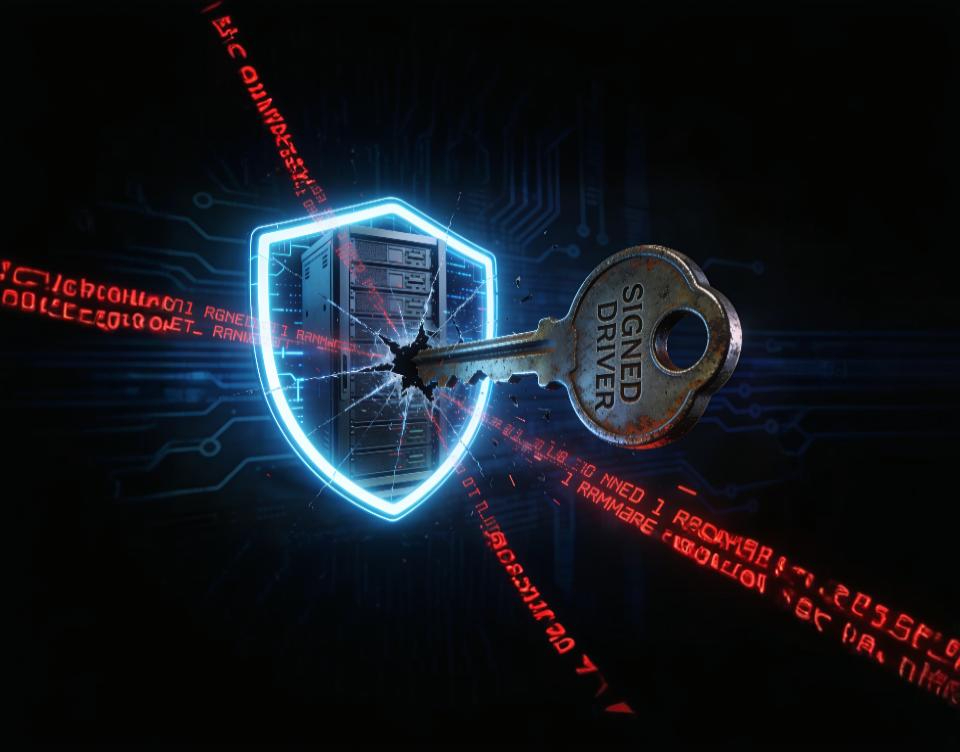
EDR killer BYOVD non è un concetto nuovo. Ma nel febbraio 2026 è diventato qualcosa di diverso: non più una tecnica di nicchia riservata ai gruppi APT più sofisticati, bensì lo strumento standard – quasi banale – con cui il ransomware acceca le difese endpoint prima ancora di cifrare il primo file.

Nelle prime due settimane di febbraio 2026 sono accaduti due eventi che, presi insieme, segnano un punto di non ritorno. Il primo: Huntress ha documentato un’intrusione in cui gli attaccanti hanno utilizzato un driver del tool forense EnCase – con certificato scaduto nel 2010 e successivamente revocato – per terminare 59 prodotti di sicurezza endpoint dalla modalità kernel. Il secondo: il Symantec and Carbon Black Threat Hunter Team ha rivelato che un ransomware emergente battezzato Reynolds ha integrato un driver vulnerabile direttamente nel proprio payload, fondendo evasione difensiva e cifratura in un unico binario.

La convergenza di questi due episodi racconta una storia che va ben oltre il singolo incidente. Racconta il fallimento strutturale di un modello di sicurezza endpoint su cui le organizzazioni hanno investito miliardi, e che gli attaccanti stanno imparando a spegnere con un driver firmato di vent’anni fa.

Che cos’è il BYOVD e perché funziona ancora nel 2026

La tecnica Bring Your Own Vulnerable Driver – BYOVD – è concettualmente disarmante nella sua semplicità. L’attaccante non scrive un driver malevolo, non cerca di aggirare la firma digitale, non sfrutta uno zero-day nel kernel. Porta con sé un driver perfettamente legittimo, firmato da un vendor riconosciuto, che contiene una vulnerabilità nota. Poiché il driver è firmato, Windows lo carica senza protestare. Una volta in esecuzione nello spazio kernel, l’attaccante sfrutta la falla del driver per terminare i processi di sicurezza con privilegi di sistema.

Il meccanismo tecnico si articola in passaggi precisi. Il malware deposita il driver vulnerabile su disco, tipicamente mascherandolo come componente OEM legittimo. Registra il driver come servizio kernel di Windows, garantendosi persistenza al riavvio. Una volta caricato, il driver espone un’interfaccia IOCTL (Input/Output Control) che consente ai processi in user-mode di inviare comandi con privilegi kernel. A quel punto, il malware compila un elenco dei processi di sicurezza da terminare – nell’incidente documentato da Huntress, l’elenco comprendeva 59 prodotti tra EDR e antivirus – e li uccide uno per uno, in un ciclo continuo con intervallo di un secondo che impedisce qualsiasi riavvio automatico del processo protettivo.

Il risultato è che l’attaccante opera “al buio”: nessun alert, nessuna telemetria, nessun rilevamento comportamentale. L’EDR non è stato aggirato; è stato spento.

Ciò che rende questa tecnica devastante nel 2026 non è la sua novità – il BYOVD è documentato da anni nel framework MITRE ATT&CK sotto T1068 e T1562.001 – ma la sua industrializzazione. Come ha osservato Broadcom/Symantec nel report sul ransomware Reynolds, il BYOVD è oggi di gran lunga la tecnica di evasione difensiva più utilizzata dagli operatori ransomware.

Il caso Huntress: un driver forense del 2006 che spegne 59 EDR nel 2026

All’inizio di febbraio 2026, i ricercatori di Huntress hanno risposto a un incidente che illustra perfettamente il paradosso del BYOVD. Gli attaccanti hanno ottenuto l’accesso iniziale tramite credenziali compromesse di una VPN SonicWall SSL priva di autenticazione multifattore. Fin qui, nulla di sorprendente: credenziali rubate e assenza di MFA sono il biglietto d’ingresso standard per il ransomware nel 2026.

La fase successiva è quella che merita attenzione. Gli attaccanti hanno distribuito un EDR killer personalizzato che conteneva, codificato al suo interno, il driver kernel EnPortv.sys – un componente dell’EnCase forensic suite sviluppato da Guidance Software. Questo driver era stato firmato con un certificato emesso il 15 dicembre 2006, scaduto il 31 gennaio 2010 e successivamente revocato.

Eppure Windows lo ha caricato. Come è possibile?

La risposta sta in una scelta architetturale che Microsoft ha fatto nel 2015 per garantire la retrocompatibilità. A partire da Windows 10 versione 1607, tutti i nuovi driver kernel devono essere firmati tramite il Hardware Dev Center di Microsoft. Tuttavia, per non rompere il software legacy, è stata introdotta un’eccezione: i driver firmati con certificati emessi prima del 29 luglio 2015, che si concatenano a un’autorità di certificazione cross-signed supportata, possono ancora essere caricati. Il driver EnCase rientra pienamente in questa eccezione.

C’è un secondo meccanismo che sigilla il problema. Come hanno spiegato i ricercatori di Huntress: quando il codice è firmato con un timestamp, Windows valida la firma rispetto al momento in cui è stata creata, non rispetto alla data corrente. Poiché il driver è stato timestampato quando il certificato era ancora valido, la firma rimane valida a tempo indeterminato. Il kernel, inoltre, non verifica le Certificate Revocation List al boot, per ragioni di performance.

Il risultato netto è che un driver con certificato scaduto da 16 anni e revocato continua a caricarsi ed eseguirsi nello spazio kernel di qualsiasi sistema Windows moderno.

Una volta caricato, il driver esponeva l’interfaccia IOCTL 0x223078 (KillProc). Il componente in user-mode apriva un handle verso il dispositivo del driver (\.\OemHwUpd) e inviava i PID dei processi target tramite DeviceIoControl. Il driver, operando in kernel-mode, invocava ZwOpenProcess con accesso PROCESS_TERMINATE seguito da ZwTerminateProcess. Quando il codice kernel-mode chiama le funzioni Zw*, il wrapper imposta PreviousMode a KernelMode, segnalando che i parametri provengono da una sorgente fidata: Windows salta interamente la validazione di sicurezza che applicherebbe ai chiamanti in user-mode.

L’EDR killer compilava un elenco interno di 59 processi di sicurezza associati ai principali vendor – tra cui Avast, CrowdStrike Falcon, Cortex XDR, Sophos, HitmanPro.Alert e Symantec – utilizzando hash dei nomi dei processi per l’identificazione. Il kill loop, eseguito con un intervallo di un secondo, terminava immediatamente qualsiasi processo di sicurezza che tentasse di riavviarsi.

Un dettaglio tecnico particolarmente ingegnoso: l’EDR killer non conservava il driver come byte grezzi. Utilizzava uno schema di codifica basato su un dizionario di 256 parole inglesi incorporate nel binario, dove ogni parola corrispondeva a un valore di byte specifico. Il payload codificato appariva come testo inglese innocuo, eludendo efficacemente gli strumenti di analisi statica. Una volta decodificato, il malware scriveva il driver su disco sotto un percorso che imitava un componente OEM legittimo, nascondeva il file e copiava i timestamp da un file di sistema reale per integrarsi con l’ambiente.

L’attacco è stato interrotto prima del deployment del ransomware, ma il messaggio è inequivocabile: con un driver di vent’anni fa, un attaccante può accecare l’intero stack di sicurezza endpoint.

Reynolds: quando il ransomware porta l’EDR killer nel proprio DNA

Se l’incidente documentato da Huntress rappresenta il modello classico – EDR killer come tool separato, dispiegato prima del ransomware – il caso Reynolds, analizzato dal Symantec and Carbon Black Threat Hunter Team e reso pubblico il 10 febbraio 2026, segna un’evoluzione tattica significativa.

Reynolds è una famiglia ransomware emergente che ha integrato il componente BYOVD direttamente all’interno del payload di cifratura. Il driver vulnerabile utilizzato è NSecKrnl di NsecSoft, affetto dalla vulnerabilità CVE-2025-68947, che consente la terminazione arbitraria dei processi senza verifica dei permessi adeguati. Lo stesso driver era stato precedentemente usato dal gruppo Silver Fox per distribuire il RAT ValleyRAT.

Al momento dell’esecuzione, Reynolds deposita il driver NSecKrnl.sys in una directory di sistema, lo carica nello spazio kernel e lo utilizza per terminare i processi di sicurezza di Avast, CrowdStrike Falcon, Palo Alto Networks Cortex XDR, Sophos e Symantec Endpoint Protection. Solo dopo aver reso cieche le difese, il ransomware avvia la routine di cifratura, aggiungendo l’estensione “.locked” ai file compromessi.

L’integrazione presenta vantaggi tattici evidenti. Come ha osservato Dick O’Brien, principal intelligence analyst di Symantec, rilasciare un unico file anziché due è più silenzioso e riduce le probabilità di rilevamento. Inoltre, eliminando l’intervallo temporale tra il dispiegamento dell’EDR killer e l’esecuzione del ransomware, si chiude la finestra in cui i difensori potrebbero intervenire.

Tuttavia, questa integrazione comporta anche un rischio per l’attaccante: consolidare evasione difensiva e cifratura in un’unica catena di esecuzione aumenta la densità comportamentale del binario, incrementando la probabilità di rilevamento da parte di soluzioni con monitoraggio comportamentale avanzato. Non a caso, nell’incidente analizzato da Symantec, il prodotto endpoint dell’azienda ha continuato a funzionare nonostante il tentativo di terminazione. Sophos, da parte sua, ha dichiarato a The Hacker News di disporre di protezioni di blocco contro questo specifico driver dal novembre 2025 e di safeguard proattivi contro il payload da diversi anni – un’indicazione che i vendor più maturi stanno evolvendo le difese, ma anche che la corsa tra attaccanti e difensori è continua.

Dopo l’iniziale attribuzione a Black Basta – basata sulla somiglianza delle TTP – un’analisi più approfondita ha portato Symantec a classificare Reynolds come famiglia ransomware distinta. Non è chiaro se rappresenti un rebrand o uno spin-off di Black Basta, ma l’evoluzione tattica che porta con sé è indipendente dall’attribuzione: il BYOVD integrato nel payload è una tendenza, non un caso isolato.

Lo stesso report di Broadcom ha osservato che la pratica di incorporare la componente di evasione difensiva direttamente nel payload ransomware non è del tutto inedita: era stata documentata in un attacco Ryuk nel 2020 e in un incidente legato a un ransomware meno noto chiamato Obscura alla fine di agosto 2025. Tuttavia, ciò che distingue Reynolds è la maturità dell’integrazione e il suo posizionamento in un ecosistema dove il BYOVD embedded potrebbe diventare requisito standard per attrarre affiliati nei programmi RaaS.

EDRKillShifter e la collaborazione cross-gang: il BYOVD come lingua franca del ransomware

Il fenomeno dell’EDR killer BYOVD non si esaurisce nei due episodi di febbraio 2026. Per comprenderne la portata sistemica, è necessario guardare a ciò che ESET ha documentato nel marzo 2025: la scoperta di EDRKillShifter, un tool EDR killer sviluppato e mantenuto da RansomHub come parte integrante del proprio programma Ransomware-as-a-Service.

EDRKillShifter è un software specializzato che utilizza la tecnica BYOVD per disabilitare i prodotti EDR sugli endpoint compromessi. Ciò che lo rende particolarmente significativo è la decisione di RansomHub di offrirlo direttamente ai propri affiliati – una scelta rara nel panorama RaaS, dove tipicamente gli affiliati devono procurarsi autonomamente gli strumenti per l’evasione difensiva.

La scoperta più rilevante di ESET, tuttavia, riguarda la diffusione cross-gang dello strumento. Tracciando l’uso di specifici campioni di EDRKillShifter, i ricercatori hanno identificato un singolo threat actor – denominato QuadSwitcher – che ha condotto attacchi per conto di quattro diverse operazioni ransomware: RansomHub, Play, Medusa e BianLian. Tutti gli attacchi coinvolgevano gli stessi campioni di EDRKillShifter e gli stessi server C2.

Il fatto che Play e BianLian – gang che operano tradizionalmente sotto modelli RaaS chiusi, basati sulla fiducia a lungo termine – utilizzino strumenti di un rivale come RansomHub suggerisce un livello di collaborazione senza precedenti nell’ecosistema ransomware. Come hanno teorizzato i ricercatori ESET, membri fidati di Play e BianLian stanno collaborando con rivali e riutilizzando gli strumenti ricevuti nelle proprie operazioni.

Questa dinamica trasforma l’EDR killer BYOVD da strumento tattico a infrastruttura condivisa dell’ecosistema ransomware. Non è più una capacità proprietaria di un singolo gruppo: è una commodity, un servizio, una lingua franca del cybercrime organizzato.

Perché Windows non può semplicemente “risolvere” il problema

Qualsiasi professionista della sicurezza, a questo punto, si pone la domanda ovvia: perché Microsoft non blocca semplicemente i driver con certificati scaduti o revocati?

La risposta è più complessa di quanto sembri e tocca uno dei trade-off più delicati dell’architettura Windows: la retrocompatibilità.

L’eccezione per i driver firmati prima del 29 luglio 2015 non è un bug – è una policy deliberata. Milioni di dispositivi hardware in produzione dipendono da driver legacy firmati con certificati di quel periodo. Revocare unilateralmente l’eccezione significherebbe potenzialmente causare crash di sistema, schermate blu e malfunzionamenti hardware su una scala difficile da quantificare.

Microsoft ha scelto un approccio alternativo: la Vulnerable Driver Blocklist, una lista di driver noti come vulnerabili o malevoli, implementata come policy Windows Defender Application Control (WDAC). A partire da Windows 11 versione 22H2, questa blocklist è abilitata di default su tutti i dispositivi. Viene aggiornata con ogni release principale di Windows, tipicamente una o due volte l’anno.

Il problema evidente di questo approccio è che è intrinsecamente reattivo: solo i driver già noti come weaponizzati finiscono nella lista. Ogni nuovo driver vulnerabile scoperto dagli attaccanti ha una finestra di esposizione fino al prossimo aggiornamento. In un ecosistema dove esistono centinaia di migliaia di driver firmati accumulati in decenni di sviluppo hardware, la superficie di attacco potenziale è virtualmente illimitata.

C’è poi un secondo problema, documentato nel CVE-2025-59033: la blocklist, implementata come policy WDAC, presenta un comportamento diverso a seconda che HVCI sia attivo o meno. Sui sistemi senza HVCI, alcune voci della blocklist che specificano il TBS hash del certificato insieme a qualificatori FileAttribRef (come nome del file o versione) possono non essere bloccate correttamente. Microsoft ha contestato l’assegnazione del CVE, affermando che la blocklist è progettata per funzionare con HVCI attivo e che i sistemi senza HVCI dovrebbero utilizzare App Control con policy personalizzate.

Ma questo sposta il problema anziché risolverlo: nella realtà operativa, HVCI non è attivo sulla maggioranza degli endpoint enterprise. Molte organizzazioni lo disabilitano per ragioni di compatibilità con driver legacy, impatto sulle performance o, più semplicemente, perché non ne conoscono l’esistenza o la funzione. Il risultato è una protezione che esiste sulla carta ma non nel data center.

L’inventario degli strumenti: gli EDR killer che stanno ridefinendo il playbook ransomware

Il panorama degli EDR killer BYOVD nel 2026 è variegato e in rapida espansione. Comprenderne la tassonomia è essenziale per chi deve costruire strategie difensive.

TrueSightKiller sfrutta il driver truesight.sys ed è uno degli strumenti pubblicamente disponibili più utilizzati nelle intrusioni ransomware recenti.

AuKill, documentato da Sophos, utilizza una versione obsoleta del driver impiegato dall’utility Microsoft Process Explorer per disabilitare i processi EDR prima del deployment del ransomware.

Poortry (noto anche come BurntCigar) è un driver malevolo frequentemente impiegato insieme al loader Stonestop. A differenza dei tool precedenti, Poortry è stato firmato con certificati rubati o ottenuti fraudolentemente, aggiungendo un ulteriore livello di sofisticazione.

GhostDriver e Warp AVKiller completano l’arsenale più frequentemente osservato, con quest’ultimo che sfrutta un driver anti-rootkit di Avira per disabilitare i prodotti di sicurezza.

Un caso particolarmente emblematico della diversificazione in atto riguarda il gruppo Interlock, che ha sviluppato un tool denominato “Hotta Killer” per sfruttare un zero-day in un driver anti-cheat gaming – GameDriverx64.sys, tracciato come CVE-2025-61155 – in attacchi BYOVD contro organizzazioni del settore educativo in UK e USA. L’intrusione, analizzata da FortiGuard, è particolarmente istruttiva perché illustra la convergenza di più tecniche offensive in un’unica campagna: l’accesso iniziale è avvenuto tramite tattiche di social engineering ClickFix per distribuire il payload MintLoader, seguito dal deployment del RAT NodeSnake per il movimento laterale, e infine dall’uso di Hotta Killer per disabilitare le difese prima della cifratura.

Il driver, rinominato UpdateCheckerX64.sys, veniva caricato come servizio kernel e comunicava tramite un link simbolico, esponendo un IOCTL (0x222040) con un magic flag (0xFA123456) per terminare i processi di sicurezza. Il caso Interlock è significativo perché dimostra che gli attaccanti non si limitano più ai driver di sicurezza o forensics: qualsiasi driver firmato con accesso kernel – inclusi quelli dei videogiochi – è un potenziale vettore BYOVD.

La portata del fenomeno ha spinto la Cyber Security Agency di Singapore (CSA) a pubblicare un advisory dedicato agli EDR killer, segnalando che almeno otto gruppi ransomware utilizzano attivamente strumenti di questo tipo. L’advisory ha evidenziato caratteristiche chiave condivise tra i tool: framework collaborativo tra gang, randomizzazione dei nomi dei driver, capacità di auto-scompattamento in memoria e uso di certificati rubati o scaduti.

La lista non è statica. Come ha evidenziato la ricerca di ESET su RansomHub, i ricercatori hanno osservato un aumento marcato nell’uso di EDR killer derivati da proof-of-concept pubblici, mentre il set di driver abusati rimane relativamente fisso. Cisco Talos ha analizzato sistematicamente le classi di vulnerabilità tipicamente sfruttate nei driver Windows, confermando che lo sfruttamento è migrato dal dominio degli attori avanzati a quello delle minacce commodity, in primis il ransomware. Questo significa che la barriera d’ingresso per sviluppare un EDR killer personalizzato è in caduta libera: chiunque abbia competenze di sviluppo Windows di livello intermedio può assemblarne uno partendo da codice disponibile su repository pubblici e proof-of-concept documentati.

Il paradosso dell’EDR e il debito del driver legacy

C’è un’ironia crudele nella situazione attuale. L’Endpoint Detection and Response è il prodotto di sicurezza su cui le organizzazioni investono di più, il pilastro su cui costruiscono la propria postura difensiva. I vendor EDR hanno sviluppato capacità sempre più sofisticate: rilevamento comportamentale, machine learning, analisi della memoria, threat hunting automatizzato.

Ma tutto questo sofisticato apparato tecnologico opera in user-mode. E un singolo driver vulnerabile caricato in kernel-mode ha il potere di spegnerlo completamente, bypassando ogni protezione, incluso Protected Process Light (PPL), il meccanismo che dovrebbe impedire la terminazione dei processi di sicurezza critici.

Il BYOVD come tecnica EDR killer sfrutta un debito architetturale che si è accumulato in decenni di sviluppo dell’ecosistema Windows. Ogni driver firmato legittimamente in vent’anni di storia informatica è un potenziale strumento nelle mani di un attaccante. E poiché questi driver erano progettati per scopi legittimi – forensics, gestione hardware, anti-rootkit, anti-cheat gaming – nessuno ha mai pensato di limitare le loro capacità kernel-mode in modo granulare.

Questo debito del driver legacy è strutturalmente analogo al debito tecnico nel software: una scelta ragionevole al momento della progettazione che diventa un rischio crescente con il passare del tempo. La differenza è che il debito tecnico nel software si paga con costi di manutenzione; il debito del driver legacy si paga con intrusioni ransomware riuscite.

Contromisure operative: cosa funziona davvero e cosa è un’illusione

Definito il problema nella sua dimensione reale, è necessario analizzare le contromisure con lo stesso rigore critico. Non tutte le difese proposte sono ugualmente efficaci, e alcune creano un falso senso di sicurezza.

HVCI (Hypervisor-Protected Code Integrity)

È la difesa più robusta attualmente disponibile. HVCI utilizza la virtualizzazione hardware per proteggere la memoria kernel, impedendo l’esecuzione di codice non firmato o non conforme alle policy. Quando HVCI è attivo, la Vulnerable Driver Blocklist di Microsoft viene effettivamente applicata. Huntress lo raccomanda esplicitamente come prima contromisura: abilitare HVCI / Memory Integrity garantisce che la blocklist dei driver vulnerabili sia effettivamente enforced.

Il problema: HVCI può causare incompatibilità con driver legacy e applicazioni che richiedono accesso diretto al kernel. Alcune organizzazioni lo disabilitano per ragioni operative, esponendosi esattamente all’attacco che dovrebbe prevenire.

WDAC (Windows Defender Application Control)

WDAC consente di definire policy granulari su quali driver e applicazioni possono essere eseguiti. Configurato correttamente in modalità allowlist, WDAC può bloccare proattivamente il caricamento di qualsiasi driver non esplicitamente autorizzato, inclusi quelli non ancora presenti nella blocklist di Microsoft.

È la contromisura più efficace in termini di copertura, ma anche la più complessa da implementare. Richiede un inventario accurato di tutti i driver legittimi necessari nell’ambiente, un processo di test rigoroso e una gestione continua delle eccezioni. In ambienti enterprise complessi, il deployment di WDAC in modalità enforced può richiedere mesi.

ASR Rules (Attack Surface Reduction)

La regola ASR “Block abuse of exploited vulnerable signed drivers” impedisce a un’applicazione di scrivere su disco un driver vulnerabile firmato. Tuttavia, come documentato da Microsoft, questa regola non blocca un driver già presente nel sistema – agisce solo sulla fase di installazione. Inoltre, le ASR rules dipendono da Microsoft Defender e possono essere disattivate da processi in user-mode, il che ne limita l’efficacia contro attaccanti che hanno già ottenuto privilegi elevati.

Monitoraggio comportamentale e telemetria

Se le difese preventive falliscono – e come abbiamo visto, in molti ambienti mancano i prerequisiti per attivarle – il rilevamento diventa l’ultima linea di difesa. I SOC dovrebbero monitorare attivamente: la creazione di servizi kernel con nomi che mimano componenti OEM o hardware; il caricamento di driver non standard, specialmente se firmati con certificati obsoleti; la terminazione anomala dei processi EDR; l’uso di sc.exe per la creazione di nuovi servizi kernel; l’attività IOCTL sospetta verso driver appena caricati.

Huntress ha evidenziato come la telemetria SIEM proveniente dal SonicWall sia stata determinante per ricostruire la timeline dell’intrusione. La lezione operativa è chiara: la visibilità a livello di rete e di autenticazione deve complementare, non sostituire, la protezione endpoint.

Il quadro strategico: dalla rincorsa delle blocklist alla riduzione strutturale del rischio

Il BYOVD come vettore EDR killer mette in discussione un assunto implicito della sicurezza endpoint degli ultimi dieci anni: che l’EDR sia sufficiente come difesa primaria.

Non lo è. Non perché l’EDR non funzioni – funziona eccellentemente nel proprio dominio. Ma perché opera a un livello di privilegio inferiore rispetto allo spazio in cui gli attaccanti possono agire quando sfruttano un driver kernel vulnerabile. È come avere una guardia armata all’ingresso che un intruso può addormentare prima di entrare.

La risposta strategica non è abbandonare l’EDR, ma costruire architetture dove la compromissione dell’EDR non equivalga alla compromissione dell’intero ambiente. Questo significa defense in depth reale, non come slogan ma come architettura: segmentazione di rete che limita il lateral movement indipendentemente dallo stato dell’endpoint; monitoraggio a livello di rete e di identità che non dipende dall’agente endpoint; policy di allowlisting dei driver che prevengono il caricamento di codice non autorizzato a livello kernel; autenticazione multifattore robusta su ogni punto di accesso remoto (l’incidente Huntress è iniziato con credenziali VPN senza MFA).

Il modello mentale deve evolvere dalla domanda “il nostro EDR rileverà l’attacco?” alla domanda “cosa succede se l’attaccante spegne il nostro EDR?”. Se la risposta alla seconda domanda è “non abbiamo visibilità e non possiamo contenere l’intrusione”, l’architettura difensiva ha un problema strutturale che nessun upgrade dell’EDR potrà risolvere.

Implicazioni per NIS2, DORA e la compliance

Il fenomeno EDR killer BYOVD ha implicazioni dirette per i framework normativi europei in fase di implementazione. NIS2 richiede alle organizzazioni essenziali e importanti di adottare misure di gestione del rischio proporzionate, inclusa la sicurezza della supply chain e la gestione delle vulnerabilità. Un ambiente in cui driver legacy vulnerabili possono essere sfruttati per disabilitare le difese endpoint rappresenta un rischio di supply chain tecnologica che deve essere esplicitamente indirizzato nel risk assessment.

Non si tratta di un rischio teorico: CISA ha aggiornato l’advisory congiunto su Akira nel novembre 2025 documentando specificamente l’uso di malware POORTRY per modificare configurazioni BYOVD su driver vulnerabili e disabilitare le protezioni endpoint, confermando che il fenomeno è monitorato dalle autorità di sicurezza a livello internazionale.

DORA, per le entità finanziarie, richiede test di resilienza operativa digitale che includano scenari di threat-led penetration testing. I TLPT dovrebbero necessariamente includere scenari BYOVD per validare la capacità dell’organizzazione di rilevare e contenere un’intrusione in cui l’EDR è stato neutralizzato.

La responsabilità ricade sull’organizzazione, non sul vendor EDR. Se un ransomware riesce a cifrare l’ambiente perché l’EDR è stato spento con un driver vulnerabile che avrebbe potuto essere bloccato da HVCI o WDAC, la domanda delle autorità di supervisione sarà: perché queste contromisure non erano abilitate?

Cosa aspettarsi: il BYOVD embedded come nuovo standard

Il caso Reynolds non è un’anomalia. È un segnale direzionale.

Come ha osservato il Symantec and Carbon Black Threat Hunter Team, l’integrazione di capacità aggiuntive direttamente nel payload ransomware potrebbe funzionare come unique selling point per gli sviluppatori che cercano di attrarre affiliati. In un mercato RaaS competitivo, offrire un payload che gestisce autonomamente l’evasione difensiva riduce la complessità per l’affiliato e rende gli attacchi più facili da eseguire.

È ragionevole prevedere che nel corso del 2026 vedremo altri gruppi ransomware adottare il modello del BYOVD embedded, e che la ricerca di driver vulnerabili ancora non presenti nella blocklist di Microsoft diventerà un’attività sistematica da parte dei threat actor. I numeri supportano questa proiezione: secondo i dati aggregati da Cyble e ReliaQuest, gli attacchi ransomware nel 2025 hanno raggiunto quota 4.737, in aumento rispetto ai 4.701 del 2024, con il riscatto medio balzato a 591.988 dollari nel Q4 2025 (+57% sul trimestre precedente, secondo Coveware).

In un ecosistema dove la competizione tra gang è feroce e le barriere d’ingresso continuano a scendere, offrire un payload con EDR killer BYOVD integrato diventa un vantaggio competitivo concreto nel reclutamento di affiliati. La corsa è già in atto: ogni driver firmato legittimamente in due decenni di storia Windows è un potenziale candidato.

Per i difensori, questo significa che la finestra per implementare contromisure strutturali – HVCI, WDAC, segmentazione, monitoraggio indipendente dall’endpoint – si sta chiudendo. Il BYOVD non è una minaccia futura: è il presente del ransomware. E il costo dell’inazione non è più un rischio teorico da inserire nel risk register. È un incidente in attesa di accadere.

Checklist operativa per SOC analyst e security architect

Per chi deve tradurre questa analisi in azioni concrete, ecco le priorità operative immediate:

  • Verificare lo stato di HVCI/Memory Integrity su tutti gli endpoint Windows. Se disabilitato, pianificare l’attivazione con test di compatibilità. Senza HVCI, la Vulnerable Driver Blocklist di Microsoft potrebbe non essere enforced correttamente.
  • Valutare il deployment di WDAC in modalità audit come primo passo, per identificare i driver caricati nell’ambiente e costruire una policy di allowlisting progressiva.
  • Abilitare la regola ASR “Block abuse of exploited vulnerable signed drivers” su tutti gli endpoint con Microsoft Defender attivo.
  • Implementare il monitoraggio SIEM per la creazione di servizi kernel anomali, il caricamento di driver non standard e la terminazione dei processi EDR. In particolare, monitorare chiamate DeviceIoControl verso device handle sconosciuti e la creazione di link simbolici (\??) verso driver appena installati.
  • Condurre un inventario dei driver kernel attualmente caricati nell’ambiente tramite PowerShell (Get-WindowsDriver o driverquery /si) e confrontarlo con la Vulnerable Driver Blocklist di Microsoft per identificare driver a rischio già presenti.
  • Verificare che l’MFA sia attiva su tutti i servizi di accesso remoto (VPN, RDP, SSH). L’incidente Huntress è iniziato con credenziali VPN senza MFA.
  • Testare lo scenario “EDR down” negli esercizi di incident response e nei TLPT previsti da DORA: cosa succede se l’attaccante spegne l’EDR? Quali controlli compensativi entrano in funzione? Se la risposta è “nessuno”, l’architettura ha un problema strutturale.
  • Aggiornare la Vulnerable Driver Blocklist manualmente se non si è su Windows 11 22H2 o successivo. Le versioni precedenti di Windows potrebbero avere una blocklist obsoleta.
  • Implementare il monitoraggio dei driver con certificati obsoleti. Configurare regole di alerting per il caricamento di driver kernel firmati con certificati emessi prima del 2015, con particolare attenzione a quelli con timestamp di firma antecedenti al 2010.
Condividi sui Social Network:

https://www.ictsecuritymagazine.com/cyber-crime/edr-killer-byovd-endpoint/


Top 20 Healthcare Data Breaches of 2025

It is no secret that cybercriminals commonly target the healthcare sector due to the valuable, sensitive data these organizations collect and store. While 2025 recorded the greatest number of data breaches to date, current statistics show healthcare-specific breaches decreased by 4.3% year-over-year, according to data from the Department of Health and Human Services’ (HHS) Office for Civil Rights (OCR). However, the HIPPA Journal’s 2025 Healthcare Data Breach Report notes that it may be too early to consider this statistic a fact set in stone. 

The report explains, “When we compiled our 2024 healthcare data breach report in January 2025, 725 large healthcare data breaches were listed on the OCR breach portal. That total increased to 742 data breaches over the following few months. While a similar number of late additions would still mean an annual decrease in data breaches, there was a 43-day shutdown of the federal government in late 2025 due to the failure of Congress to pass appropriations legislation. During that period, no data breaches were added to the OCR breach portal. The late additions in 2026 could therefore be considerably higher than in previous years.” 

Nevertheless, the report offers comprehensive look at the state of healthcare data breaches in 2025, as it is currently understood. Here, Security magazine breaks down the top 20 breaches in healthcare. 

Top 20 Healthcare Data Breaches of 2025

1. Aflac 

Aflac Incorporated (“Aflac”) experienced a hacking incident that was initially reported to have impacted 22 million individuals, but was later discovered to have affected 13 million. This makes the Aflac breach the largest healthcare breach of 2025. 

  • Breach Type: Hacking
  • Individuals Impacted: 13,924,906

2. Yale New Haven Health System

Yale New Haven Health System faced a breach of protected health information for more than 5.5 million people. The patient data within compromised records included names, patient types, birthdates, addresses, email addresses, phone numbers, race/ethnicity, medical record numbers, and Social Security numbers. 

  • Breach Type: Hacking
  • Individuals Impacted: 5,556,702

3. Episource, LLC

Medical billing entity Episource had approximately 5.4 million individuals’ records compromised, including data that varied from person to person. While the HIPPA Journal classifies this breach as a hacking incident, reporting around the time suggested it was a ransomware attack. 

  • Breach Type: Hacking
  • Individuals Impacted: 5,418,866

4. Blue Shield of California 

This incident involved an exposure of protected health information due to a misconfiguration of Google Analytics, which shared data with Google Ads for approximately three years. 

  • Breach Type: Exposure
  • Individuals Impacted: 4,700,000

5. DaVita Inc. 

Hackers exfiltrated and encrypted sensitive data on DaVita’s networks, temporarily disrupting operations and compromising the data of more than 2.5 million individuals. 

  • Breach Type: Ransomware
  • Individuals Impacted: 2,689,826
     

6. Anne Arundel Dermatology

A network intrusion was discovered on May 13, 2024. Upon investigation, the organization determined the affected data included names, dates of birth, addresses, medical/health insurance data, and other personal information. 

  • Breach Type: Hack
  • Individuals Impacted: 1,905,000

7. Radiology Associates of Richmond, Inc.

Between Apr. 2 and Apr. 6, 2024, hackers accessed and exfiltrated files from the Radiology Associates of Richmond, Inc. network. In addition to names, birthdates, and email addresses being compromised, the incident also affected account numbers, routing numbers, medical/health insurance information, and Social Security numbers.  

  • Breach Type: Hack
  • Individuals Impacted: 1,419,091

8. Southeast Series of Lockton Companies, LLC (Lockton)

A hacker accessed a singular account and computer within the Southeast Series of Lockton’s environment, but that was all that was needed to gain access to the protected health information of more than 1 million individuals. 

  • Breach Type: Hack
  • Individuals Impacted: 1,124,727

9. Community Health Center, Inc.

Unauthorized activity was discovered on Community Health Center’s systems on Jan. 2, 2025. While data was exfiltrated, it did not appear to be ransomed. Compromised data included names, birthdates, phone numbers, email addresses, test results/diagnoses, treatment/health insurance data, and Social Security numbers. 

  • Breach Type: Hack
  • Individuals Impacted: 1,060,936

10. Frederick Health

Frederick Health experienced a ransomware attack, which affected the data of more than 900,000 people. The ransomware group stole drivers’ license numbers, Social Security numbers, medical record numbers, health insurance data, and more. 

  • Breach Type: Ransomware
  • Individuals Impacted: 934,326

11. McLaren Health Care

Although unauthorized access of McLaren Health Care’s systems occurred between Jul. 17, 2024, and Aug. 2024, it wasn’t until May 5, 2025 that a forensic analysis of the incident was completed. This marked the second ransomware attack the organization experienced within a year. 

  • Breach Type: Ransomware 
  • Individuals Impacted: 743,131 

12. Medusind Inc.

This billing support vendor discovered the breach in December 2023, but began notifying affected individuals more than a year later. Initially, it was estimated around 360,000 were affected, but that number soon rose to 690,000 and then 700,000. 

  • Breach Type: Hack 
  • Individuals Impacted: 701,475 

13. Kelly & Associates Insurance Group, Inc.

The Kelly & Associates Insurance Group network was hacked between Dec. 12 and Dec. 17 2024, and files containing sensitive data were exfiltrated. 45 of the organization’s clients were impacted. 

  • Breach Type: Hack
  • Individuals Impacted: 553,332

14. Decisely Insurance Services, LLC

Initially, it was reported that around 65,000 were impacted by this incident. However, that estimate soon rose to approximately 530,000. Affected data included names, birthdates, phone numbers, digital signatures, passport numbers, and Social Security numbers.

  • Breach Type: Hack 
  • Individuals Impacted: 537,603

15. United Seating and Mobility, LLC d/b/a Numotion

The mobility equipment provider faced unauthorized access to personal and protected health information after a malicious actor accessed employee email accounts via a phishing scheme. 

  • Breach Type: Phishing 
  • Individuals Impacted: 529,004
     

16. Serviceaide, Inc.

On Nov. 15, 2024, it was discovered that data within Serviceaide’s Catholic Health Elasticsearch database was exposed and accessible without proper authentication. The database had been exposed for approximately six weeks, and while there had been no evidence to suggest the data was misused, the possibility couldn’t be ruled out. 

  • Breach Type: Exposure
  • Individuals Impacted: 483,126

17. Goshen Medical Center

Unauthorized access of the organization’s network was discovered on Mar. 4, 2025. An investigation confirmed that this unauthorized party may have viewed or taken patient data, including names, birthdates, addresses, driver’s license numbers, medical record numbers, and Social Security numbers. 

  • Breach Type: Hack 
  • Individuals Impacted: 456,385 

18. Ascension Health

Due to a security incident targeting one of its former business partners,  Ascension Health experienced a breach. While its own systems were unaffected, it was determined the organization unintentionally divulged patient data to the affected former business partner, and that data had been affected by the incident. 

  • Breach Type: Hack (against former business associate)
  • Individuals Impacted: 437,329

19. Northwest Radiologists, Inc./Mount Baker Imaging

Between Jan. 20, 2025 and Jan. 25, 2025, certain information within the organization’s network was accessed without authorization. In addition to full names, compromised data may have included one or more of the following: address, email address, phone number, birthdate, driver’s license/state identification card number, provider name, health insurance information, treatment/diagnosis information, treatment cost, medical record number/patient identification number, and Social Security number. 

  • Breach Type: Hack 
  • Individuals Impacted: 362,713 

20. Onsite Mammography

An employee’s email account experienced suspicious activity, revealing an unauthorized user had gained access to that singular account for a brief time. A review of the affected account confirmed the exposure of over 350,000 individuals’ health data. 

  • Breach Type: Email account compromise
  • Individuals Impacted: 357,265

It is important to note that this list could be subject to change, as some healthcare breaches from 2025 are still undergoing investigation and could reveal larger amounts of individuals impacted than initially suspected. 

https://www.securitymagazine.com/articles/102127-top-20-healthcare-data-breaches-of-2025


The Copilot Problem: Why Internal AI Assistants Are Becoming Accidental Data Breach Engines

The breach didn’t look like a breach.

An employee asked an internal copilot a routine question. The answer was accurate, efficient yet disturbing. It referenced emails, legacy files and internal records the user didn’t know still existed. No system was hacked. No policy was violated. No one asked the AI to do anything improper. What failed wasn’t intent or behaviour, rather it was visibility.

Internal AI assistants are now embedded across governments, banks, and enterprises as copilots, search tools, and decision aids. They promise efficiency. What they are quietly delivering instead is a new class of exposure that most organizations are unprepared to see and cannot properly control.

What Copilots Actually Do, and Why That Matters

Internal copilots are not chatbots in the consumer sense. They are interfaces layered on top of enterprise search, identity systems and permissions. They do not “think” independently. They retrieve, connect and combine information based on what the organization has already made visible.

Three mechanics matter.

  • First, permission inheritance. Copilots inherit access based on identity, role and group membership. Over-permissioned environments are not corrected by AI; they are amplified.
  • Second, indexing and retrieval. These systems rely on pre-indexed data stores. They surface relationships humans rarely search for manually, across email, file shares, SaaS platforms, collaboration tools and vendor systems.
  • Third, inference and combine. Copilots connect fragments across systems. Sensitive context can emerge even when no single document is labelled sensitive.

Once access exists, intent is irrelevant.

If a system can see data, it can surface it.

If it can surface it, it can expose it.

If exposure occurs, governance has already failed, quietly.

This is why internal copilots should be treated less like knowledgeable colleagues and more like unsupervised children. Anything not explicitly blocked should be assumed reachable. Barriers are not optional. 

Dark Data: Why Copilots Expose Problems That Already Existed

Most organizations govern the data they actively use. That data has owners, processes and compliance controls. But every organization also holds vast amounts of information without clear ownership or purpose.

This is dark data. Not unused, but unmanaged.

It includes logs from systems and applications, sensor data, unindexed emails and PDFs, legacy database exports, old backups, metadata, files from collaboration platforms like SharePoint, Teams, Slack, and Zoom, version histories, recycle bins, and personal storage on laptops and phones. Mergers, reorganizations and system migrations multiply it.

Before copilots, dark data stayed dark. It was hard to search and rarely revisited. With copilots, it becomes searchable, connectable, and summarized. AI does not create the risk, rather, it merely reveals it.

When Visibility Turns Into Exposure

These are not hypothetical concerns.

Security reporting has shown that enterprise AI assistants routinely expose large volumes of sensitive data, not through misuse, but through inherited permissions and poorly governed repositories. GenAI tools such as Microsoft Copilot have exposed around three million sensitive records per organization, in part because employees are using these tools without oversight and without governance guardrails, risking previously concealed hidden data. 

In addition, a 2025 survey of Moody’s cyber-risk research found that many organizations still have no enforced restrictions preventing employees from submitting sensitive or proprietary data into AI tools. Governance policies exist on paper, but not at the system level, so AI adoption is now faster than the development of controlling regulations.

Why Traditional AI Governance Misses This Entirely

Most AI governance efforts focus on acceptable use policies, prompt guidelines and model restrictions. These controls sit at the wrong layer. The real exposure lives below, in the uncontrolled accumulation of data and inherited access.

Legislation cannot move as fast as technology. Many existing laws were written before internal copilots could index, summarize and draw conclusions throughout entire environments. As a result, they focus on data organizations already monitor, while copilots quietly access unlabeled, unregulated information that receives no encryption, auditing, or consent controls.

Copilots can ingest manipulated web content and hidden prompts, such as comments on websites, metadata, structured markup, or non-rendered text.  While these elements may be invisible or irrelevant to a human reader, they remain fully visible to the AI system ingesting the content, with influence without any explicit prompt from the user. Malicious instructions can also be embedded in parts of web links that users rarely see or notice, when connectors are enabled, zero-click attacks become possible without user interaction.

You cannot govern what you cannot see, and you cannot control what you have never classified.

The Correct Starting Point, Before the Copilot Goes Live

Safe copilot deployment has prerequisites.

  1. Create a policy and overall protection plan.
  2. Automated discovery. Organizations must identify what information exists, where it resides, and how it moves. Scanning reveals violations whereby gaps become visible.
  3. Continuous mapping. One-off audits become useless right away and data environments change daily.
  4. Operational classification. Sensitivity, regulatory exposure, and business criticality must be classified consistently, automatically, and continuously, not simply once a year.
  5. Enforceable guardrails. Runtime controls that define what AI systems can access, retrieve, infer, and act upon. Not merely policy documents. 

This is achievable even for organizations without large security teams. But it must start before the copilot integration goes live. 

From AI Excitement to AI Readiness

Internal AI assistants will not be rolled back. Copilots are becoming default features, not optional tools. The question is no longer whether they will surface sensitive data, but when.

The organizations that succeed will not be those with the most ambitious AI strategies, but those that first learned to see, classify, and control their own information environments, before AI turned non-transparency into exposure.

https://www.securitymagazine.com/articles/102126-the-copilot-problem-why-internal-ai-assistants-are-becoming-accidental-data-breach-engines