Coke and Visa Score, Adidas and McDonald’s Fumble on Pricey World Cup Sponsorships
Now that quarterly earnings results are in for many of the brands that spent an estimated $2.8 billion to be an official sponsor of the 2026 World Cup, the question for marketers is: Did they get their money’s worth?
The answer is a mixed bag, depending who you ask.
The Winners
The world cup seemed to be a win for Coca-Cola, which saw net revenues go up by 7% in Q2 to $13.4 billion.
CEO Henrique Gnani Braun told analysts on an earnings call that Coca-Cola’s World Cup sponsorship contributed to trademark Coca-Cola volume growth of 5% for the quarter, its strongest in 17 years.
At Visa, CEO Ryan McInerney and CFO Chris Suh both also praised their FIFA investment on the financial services giant’s earnings call.
Visa ended its third quarter on July 28, reporting a 14% year-over-year net revenue increase to $11.63 billion. In some host cities, transactions rose 20%, while business from international visitors grew as much as 40%.
“As we know, the FIFA World Cup brought many visitors to the U.S.,” Suh told analysts.
The Yellow Cards
There was less to cheer about at McDonald’s, where Q2 comparable store sales rose just 1.3% overall, while U.S. comps rose an anemic 0.8%. Contrast that to Q2 last year, when those figures were 3.8% and 2.5%, respectively.
The Golden Arches showered World Cup fans with everything from team collectibles to a World Cup 26 Meal. After the campaign delivered lackluster results, CEO Chris Kempczinski told analysts that the focus is now on delivering consistent quality, not “borrowed equity” from high-profile partnerships.
“It’s tough to break through when you have that many messages out there,” Kempczinski said. “You’ve got a K-Pop Demon Hunters message, then you have a value message, then you have a beverage message, then you have a FIFA message. It’s tough to drive awareness when you’re jumping around.”
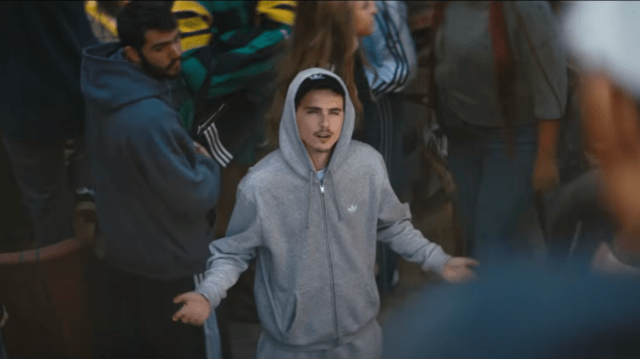
In marketing terms, Adidas did more jumping than anyone. It signed stars like Bad Bunny and Timothée Chalamet for a six-minute ad, dressed 14 national teams in Adidas attire, and even supplied the official “Trionda” ball.
And while its Q2 numbers looked good at first blush (net sales grew by 14%), its footwear revenue grew by just 1% and its profit fell short of analyst estimates—not good when marketing spending was 30% higher than last year.
Wall Street threw down the yellow card: Adidas’ stock fell 19% on the news.
The plummet surprised CEO Bjørn Gulde, who regarded the FIFA partnership as a long-term investment in visibility. “I see the share price and I don’t know what the misunderstanding is,” he said.
The Penalty Shot
It’s harder to gauge the postgame vibe over at Verizon and American Airlines, because their earnings calls contained no mentions of FIFA or the World Cup at all.
Verizon’s revenues from mobility and broadband were up by 2.8%, to $23.4 billion, and CEO Dan Schulman cited a “combination [of] higher quality net adds, better volumes, lower churn, and lower unit cost economics.”
Similarly, while American Airlines’s revenues grew 16.3% year over year to $16.7 billion, chief commercial officer Nat Pieper chalked it up to “executing our four-pillar strategy.”
Those pillars included improving customer experience and growing the global network—but not writing a check to FIFA.
![McDonald’s has assembled an all-star team of soccer players from around the globe for its biggest-ever World Cup push. Ahead of the 2026 FIFA World Cup, the global marketing push […]](https://rassegna.lbit-solution.it/wp-content/uploads/2026/08/coke-and-visa-score-adidas-and-mcdonalds-fumble-on-pricey-world-cup-sponsorships.jpg)
Still yet to report is Nike, which ripped up the script on its typical World Cup playbook to create a “universe” of content that lives around its hero film. Nike is expected to report earnings in September.
https://www.adweek.com/brand-marketing/coke-and-visa-score-adidas-and-mcdonalds-fumble-on-pricey-world-cup-sponsorships/