Cutbacks in GLP-1 Insurance Coverage Are Forcing Marketers to Pivot
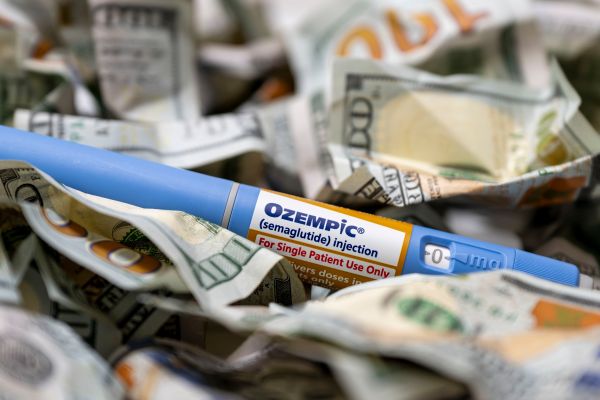
A growing number of employers have either dropped or plan to reexamine their coverage of GLP-1s for weight management by 2027, presenting a snag in what has otherwise been a soaring boon for drugmakers and marketers alike.
While most employers will continue to cover the cost of GLP-1s for diabetes, the number of those covering the drugs for weight management dropped from 72 percent in 2025 to 60 percent in 2026, according to a recent survey by Business Group on Health. That trend is projected to continue, as 10 percent of employers who currently cover GLP-1s for weight loss said they were unlikely to continue that coverage in the future. All of this means the audience for GLP-1 drugs is more segmented than ever, fracturing the consumer market into those who are eligible for coverage and those who must pay out-of-pocket.
Cigna, for example, cut coverage of GLP-1s for weight management under its own employee health plan this summer, while continuing coverage for diabetes. Sixty percent of employers now cover GLP-1s for diabetes only, while just 36% cover them for both diabetes and weight loss, according to The International Foundation of Employee Benefit Plans.
“As major insurers roll back coverage of expensive weight-loss medications, more of the cost shifts from insurers onto consumers, which will change the way weight-loss brands compete,” Sam Brough, Head of Brand at the global brand research firm Tracksuit told Adweek.
While the biggest brands still have an edge, Brough told ADWEEK, once consumers and individuals are saddled with the bills for these drugs, two factors will matter far more: “whether they trust a brand, and whether it feels made for them,” he added.
Personalized, direct-to-consumer advertising will be the arena where this battle plays out. Marketers will also have to take care to avoid cease-and-desist letters from the FDA, as the agency is taking a strict stance against unlawful advertising of compounded GLP-1 products for weight loss.
As it stands, 27 percent of employers encourage workers seeking GLP-1s to obtain the medication through direct-to-consumer platforms, according to The International Foundation of Employee Benefit Plans. Additionally, 21 percent of employers said they encourage employees to use FSA, HSA or HRA accounts to help pay for GLP-1s.
Novo Nordisk, the company that makes Ozempic and Wegovy, recently moved its US media account to Omnicom, citing a push to scale consumer-focused strategies and reach patients through emerging channels and technologies.
“The brands that treat this as a brand-building opportunity, not another awareness push, are the ones that will pull ahead in the out-of-pocket era,” Brough said.
In the meantime, Medicare has piloted the GLP-1 Bridge Program, designed to provide eligible Medicare Part D beneficiaries with access to certain GLP-1 drugs: namely, Foundayo, Wegovy, and Zepbound.
Historically, older adults are not the target audience for weight-loss drugs, Brough, told Adweek. The over-65 demographic makes up just 12 percent of the US weight loss category, according to Tracksuit — but that may soon change.
Eli Lilly’s latest campaign, created with Wieden+Kennedy Portland, could be a preview of where GLP-1 marketing is headed. The campaign, “A Life Covered,” focuses on the lifelong experience of living with obesity and introduces access via the GLP-1 Bridge Program.
The campaign is less about selling a weight-loss outcome than making the treatment feel accessible to a population that has historically been overlooked.
As acquiring GLP-1s become more difficult, winning campaigns may be less about creating demand for a miracle drug, and more about helping patients — including those traditionally overlooked or excluded from the weight-loss category — navigate the complicated path to getting one.
https://www.adweek.com/brand-marketing/cutbacks-in-glp-1-insurance-coverage-are-forcing-marketers-to-pivot/