Everyone Got the Sydney Sweeney Campaign Wrong
Mark Ritson is a former marketing professor, brand consultant and an award-winning columnist. He is also the founder of the MiniMBA in Marketing, a ten-week training program for senior managers who missed or have forgotten their marketing fundamentals. Sign up here.
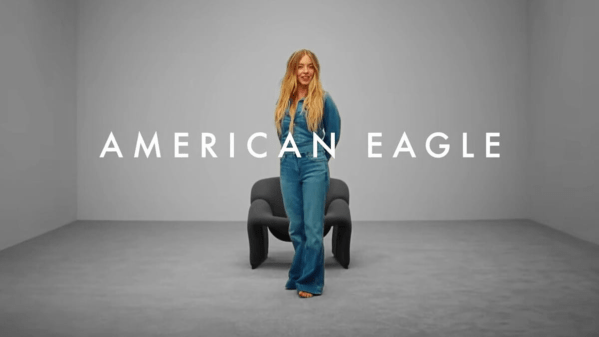
American Eagle Outfitters’ Q2 earnings added yet another contested chapter to the company’s advertising-led turnaround story.
While sales were flat and margins down, CEO Jay Schottenstein was bullish about the company’s outlook – partly because of the much-debated Sydney Sweeney campaign that launched late July.
This news and after-hours trading that saw the company’s stock soar more than 20%, will bolster those on the right, who saw the Sweeney campaign as prime evidence of a movement away from “woke” advertising.
Other equally vocal critics, who objected to perceived hints of racism and even eugenics, believed the subsequent social uproar around these negative themes proved that the ads would hurt the American Eagle brand.
But marketers actually trained in marketing held back and left the interpretations to pundits, politicians, and advertising amateurs.
Marketers are not the consumer
Market orientation translates into a simple but crucial rubric: you are not the consumer.
If you make the product or the ad, you’re the last person on the planet who can judge its quality because you aren’t the target market, and even if you are, you are literally one in a million and your views are unlikely to be representative.
Good marketers know they know nothing. That’s why they need market research.
Almost everyone who opined about American Eagle last month was too old to be part of the target market.
The real Sydney Sweeney controversy had nothing to do with genes and everything to do with marketers abandoning basic marketing principles for hot takes on a campaign designed for consumers they’d never met, shopping in stores they’d never visited, for products they’d never buy.
And the same goes for the self-fulfilling snatches of evidence used to critique or justify the campaign.
Traffic into American Eagle stores did dip the week after the campaign launched. But it dipped for most of the brand’s competitors too. H&M, Abercrombie & Fitch, and Urban Outfitters all suffered similar drops.
Similarly, the social engagement around the campaign signaled many things, but not necessarily an imminent marketing success. Despite what growth marketers tell you, there is such a thing as bad publicity. It’s called “bad publicity.”
The right measures to assess American Eagle’s campaign weren’t quarterly earnings, social debate, or foot traffic. There is no generic list of “killer metrics” that can gauge brand and advertising success. The only way to measure anything is to step back and ask what the objectives were before the tactic was executed and measure things pre and post.
Don’t mistake tactics for strategy
Unfortunately, many American marketers revel in tactics and ignore strategy. Extensive research confirms that an optimum campaign evolves from, at most, a handful of clear objectives. Some have too many, and cannot measure success.
American Eagle CMO Craig Brommers knows a lot about marketing, and was trained at UCLA with senior stints at Calvin Klein, Abercrombie & Fitch, and Gap. Brommers laid down clear objectives at the outset of the most expensive campaign in the brand’s history.
First, the ads had to cut through culture and leverage shock value to get noticed.
Second, the campaign had to reclaim American Eagle’s position among the Gen Z demographic as the denim authority.
And finally, the campaign had to re-engage with these consumers ahead of the crucial back-to-school period and get them to shop the brand again.
Was the Sydney Sweeney campaign successful?
Data from ad testing firm System1 suggests that for all the noise surrounding the campaign, the ad itself had a modest impact on target consumers. It tested average for short term sales, long term brand building, and overall fluency.
That last aspect is crucial because although this was clearly about Sydney Sweeney and her jeans, the American Eagle part was not as salient.
Interestingly, the ad performed much better with older consumers aged 35+ and men who proved significantly more receptive to the Sydney Sweeney campaign despite its focus on women’s jeans. Go figure.
And that tepid response carried through to the campaign’s impact on brand perceptions.
It’s early days but three-month rolling data from brand tracking firm Tracksuit shows American Eagle essentially flat in terms of awareness, consideration and preference among the same Gen Z target market. The campaign has neither boosted nor broken the brand.
Despite the sound and fury around American Eagle’s Rorschach test of a campaign, the only perspective that mattered was that of the market. And delightfully, given the conflicting extremities of industry assessments, consumer response was generally ‘meh’.
Market orientation often brings this kind of reality check to an industry that takes itself too seriously and attributes way too much importance to the things that it does.
As one participant in the System1 survey put it: “It’s just an ad for jeans.”
https://www.adweek.com/brand-marketing/everyone-got-the-sydney-sweeney-campaign-wrong/