Flavor Forward: How Mondelēz Keeps Oreo and Chips Ahoy Relevant
Brands don’t stay relevant because they are big. They stay relevant because they understand where culture is moving and act early.
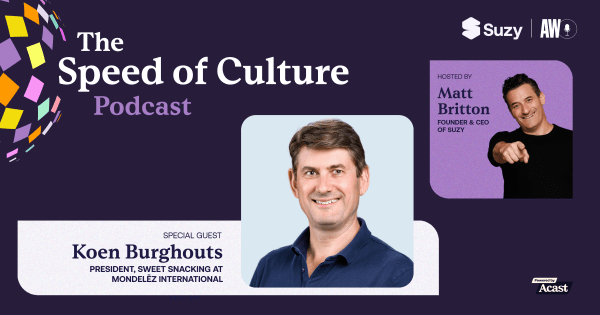
In this episode of The Speed of Culture podcast, Koen Burghouts shares how that thinking shows up inside Mondelēz brand strategy, especially as attention, taste, and behavior shift faster than annual plans can keep up.
Drawing from leadership roles across Europe and the U.S., Koen talks through how long-term direction holds steady while short-term pressure changes week by week.
From how Oreo culture marketing earns participation, to why teams must experiment across channels without losing focus, he offers a grounded look at how big brands move with culture rather than chase it.
Koen Burghouts is the president of sweet snacking at Mondelēz International, where he oversees brands that define modern snacking, including Oreo, Chips Ahoy, and Tate’s. His career spans senior leadership roles at Procter & Gamble, Danone, and PepsiCo, where he led global marketing, innovation, and new business development.
Today, Koen brings that experience to shaping Mondelēz marketing strategy, with a focus on cultural relevance, future-back thinking, and execution at scale. He also serves on the board of trustees and strategic advisory council at the National Confectioners Association, contributing to the broader conversation about the future of snack brands.
Key takeaways:
[04:08] A Clear Direction Beats Perfect Planning — Koen explains why future-back thinking sits at the heart of Mondelēz brand strategy. Rather than reacting to what is loud today, teams get clear on what success must look like years from now and work backward from there. That shared direction helps marketing, R&D, and supply chain move together, not in silos. In a world shaped by fast-shifting food and beverage brand marketing trends, clarity becomes the real accelerator, allowing teams to move with speed without losing their footing.
[07:36] Why Premium Indulgence Still Wins — Even in tighter economic conditions, Koen sees people holding onto small moments that feel good. Mondelēz leans into premium indulgence, convenience, and better-for-you options because consumers still value treats that feel intentional. These choices reinforce why emotional connection remains central to a culture-driven brand strategy. Snacks are no longer just products; they are experiences people reach for when they want comfort, joy, or familiarity.
[10:11] Channels Change, Expectations Don’t — As ecommerce, delivery, and social commerce reshape how people shop, Koen emphasizes that brands must relearn how discovery actually works in each environment. What drives impulse in a store does not translate online. Success now depends on understanding behavior channel by channel and staying open to experimentation. With attention increasingly fragmented, adapting to evolving CPG marketing trends requires constant learning, testing, and refinement.
[11:25] Oreo as a Cultural Reference Point — Koen shares how Oreo brand strategy moves beyond visibility into participation. Rituals like dunking invite people to play, remix, and share, turning the brand into something lived, not just seen. From iconic real-time moments to everyday social interaction, Oreo shows how brands can shape culture rather than borrow from it. This philosophy sits at the core of Mondelēz Oreo strategy and explains why the brand continues to feel current across generations.
[12:33] Creator Partnerships That Actually Matter — Not all collaborations are created equal. Koen explains that strong creator partnerships in brand marketing go beyond surface-level endorsements. The most effective partnerships influence product design, storytelling, and execution across the full marketing mix. When both sides bring real conviction and creative input, the result feels authentic to consumers and delivers experiences no single brand or creator could produce alone.
[16:33] Gen Z, Storytelling, and AI — Reaching younger audiences means meeting them where they already live, today that means on the small screen. Koen explains how Gen Z marketing strategy CPG depends on storytelling rather than interruption. AI in CPG marketing plays a supporting role, helping brands scale content and respond in real time without losing tone or identity. Used well, AI raises the bar for clarity and consistency instead of replacing human creativity.
[20:57] Leadership in a Fast-Moving World — Staying curious and humble matters, but speed comes from conviction. Leaders must work with assumptions, test them quickly, and act decisively. Waiting for certainty slows teams down. As AI in brand storytelling reshapes how brands communicate, those who balance learning with action stay relevant, while others fall behind.
https://www.adweek.com/brand-marketing/flavor-forward-how-mondelez-keeps-oreo-and-chips-ahoy-relevant/