For America250, Patriotic Marketing Has to Look Beyond the Cliches
Last week in Cannes, authenticity (again) emerged as the industry’s favorite answer to seemingly every question about AI. Want to preserve trust in the AI era? Need to produce quality content that isn’t AI slop? The answer to all that ails you is authenticity.
The problem is that, in reacting to AI, we’ve gradually narrowed its scope. We debate the legitimacy of AI-augmented content, whether creators will help us relate to customers in a more real way than celebrities, and whether Tagline A feels more rooted in humanity than Taglines B-ZZ.
We spend far less time asking a more foundational question: Did the business behind that campaign actually earn the right to tell a story it wants to tell?
July 4th and America250 offer marketers a useful litmus test: Is patriotic marketing too polarizing?
The right way to wave the flag
To address the elephant in the room, yes, nationalism is more politically charged than it used to be. More than half of Americans (56%) say the American flag has become more polarizing over time.
For years, the Fourth of July playbook was remarkably consistent: fireworks, military flyovers, and flags printed on the same products Americans buy every day. But today, that formula carries more risk, leaving some brands wondering if they should actually do anything for America250 at all.
Despite the politicization of, well, everything, Independence Day remains a source of national pride. About half of Americans (49%) say patriotic branding makes them view a brand more positively. Only 3% believe brands shouldn’t celebrate America at all.
Consumers want to feel patriotic, but they want it to feel meaningful rather than performative. Some of the most interesting campaigns of the year are striking that chord.
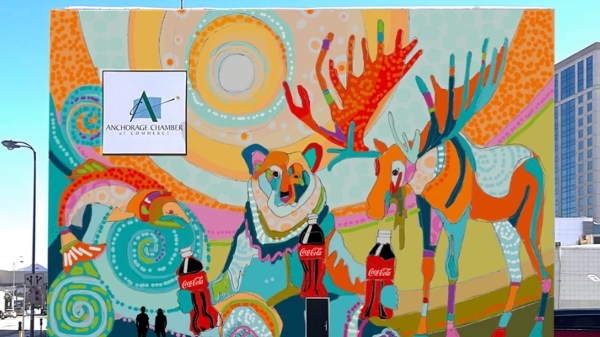
Coca-Cola, for example, is doubling down on community. Yes, they are printing flags on a limited edition run of cans. But the brand is also getting out into communities in a year-long campaign by committing to 250,000 volunteer hours focused on tackling food insecurity, sustainability, and youth empowerment. They also created a mural initiative with local artists in cities across the country.
It’s a campaign that gives consumers the ability to celebrate in small ways within their own communities.
Authenticity starts long before the campaign does
Increasingly, as consumers wonder if what they are seeing is AI-generated or if a brand really deserves their trust, authenticity no longer belongs to the creative department. It belongs to the business.
When we asked Americans which brands best represent the country, they named Ford, Walmart, and Coca-Cola, all of which are brands deeply embedded in everyday American life. They’ve earned this connection, not because they flew the biggest flag, but rather because they make everyday life possible and enjoyable to a huge percentage of the population.
But it’s not just where people shop and what they buy that helps them form opinions about a brand. Sometimes, brands show up in consumers’ lives in ways that actually put money back in their wallets. Our research found that nearly two-thirds of Americans trust companies that invest in local jobs more than companies that simply run patriotic advertising campaigns. Consumers reward brands that demonstrate patriotism through community impact.
Another way to build relevance is simply to remind consumers of how a brand helps them enjoy what they already love. Through its “Taste of America” campaign, Kraft Heinz, an official sponsor of America250, connects summer and celebrations back to the brand through depictions of cookouts that are made possible in part by its products.
Patriotism doesn’t have to look like flags and fireworks. And the conversation around authenticity shouldn’t stop at creativity—it should permeate every part of the business that ultimately connects to how consumers experience the brand.
https://www.adweek.com/brand-marketing/for-america250-patriotic-marketing-has-to-look-beyond-the-cliches/