Generational Marketing Is Dead and Rather Irrelevant
Generational marketing is dead and rather irrelevant in modern marketing. Clinging to these outdated segments is not just lazy—it’s inefficient, inaccurate, and can be dangerous.
Simple logic led to these labels: People born within a certain timeframe would share common experiences and, therefore, behaviors and preferences. However, this approach is increasingly problematic and oversimplifies the complexities of humans. Even Pew Research has distanced itself from these labels, recognizing that they do more harm than good by perpetuating stereotypes that simply don’t hold up under scrutiny.
The reality is that generational labels have never been scientific because they are actually a socially constructed shorthand used for convenience. In an era where an algorithm delivers a piece of content to a 20-year-old and a 52-year-old with equal ease, the assumptions made about underlying generational divides are obsolete.
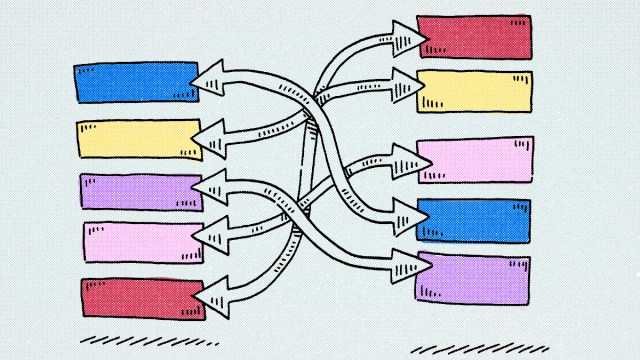
The problem with generation-based marketing
Reliance on generational labels can perpetuate stereotypes that do more harm than good. By assuming that all Gen Zers are digital natives who prefer short, snappy content, or that all baby boomers are technophobes who need everything explained in detail with large fonts, marketers risk oversimplifying their audience and missing the nuances that drive true engagement.
Targeting millennials with a campaign focused solely on their supposed love for pumpkin spice everything is not only reductive but also risks alienating the very audience you’re trying to engage. The reality is that people of all ages are engaging with a diverse range of content, interests, and behaviors that do not fit neatly into generational categories.
The algorithms are flattening age divides
Platforms like TikTok, Instagram, and YouTube place little weight on your age; they prioritize content based on your behaviors and interactions. This algorithmic focus on behavior over age is flattening the generational divide, creating shared experiences across age groups, which in my professional opinion is incredibly dope.
TikTok’s For You Page and Instagram’s Explore are prime examples of how content can transcend traditional demographic boundaries. A video about a nostalgic ’90s trend might go viral among both Gen Xers who lived through it and Gen Zers who are discovering it for the first time. This convergence of content consumption is breaking down the walls that once separated generational segments.
This also leads to further blurred lines: A teenager posts a video using a bratty sound, and suddenly, their parents are using it too. What starts with “Gen Alpha” quickly moves up the age chain, driving trends that wouldn’t be possible if generational lines were as rigid as marketers have long assumed.
Younger consumers are no longer just one segment; they’re the trendsetters influencing everyone else, including older audiences. They’re not just driving what’s popular; they’re shaping what’s seen, shared, and celebrated in a cyclical algorithm-driven machine.
Ditch the labels
So, if generational segments are no longer effective, what should marketers rely on? The answer lies in leveraging actual data with real insights to understand audiences on a deeper level. Here are a few alternative approaches.
Influence mapping
Younger consumers are cultural gatekeepers, and they don’t just influence each other—they influence everyone. Mapping how trends spread from preteens and teens to young adults to middle-agers can help you identify the key influencers within your target market. By focusing on these trendsetters, you ensure your brand is part of the conversation from the ground up.

Cultural segmentation
Focus on cultural touch points—and to be clear, cultural touch points are not just what’s popular on TikTok. Whether it’s treating your pet like a birthed child or the global obsession with K-pop, cultural trends are ageless. They tap into shared experiences and interests that bring people together, regardless of their birth year. Aligning your brand with these cultural phenomena will create a connection that transcends generalized generations.
Cross-aged moments
Rather than segmenting your audience by age, look for moments that resonate across age ranges. The rise of multigenerational households, the universal appeal of nostalgia, the resurgence of astrology, or the collective experience of a global event—these moments create opportunities for brands to connect with a wide range of consumers in a way that feels authentic and inclusive.
Embrace the collapse
The time for generational marketing has passed. We know today’s consumers demand more—more relevance, more authenticity, and more connection. The brands that understand this shift, and embrace the collapsing of generational divides, will be the ones that thrive in an increasingly fragmented and algorithmically driven world.
https://www.adweek.com/brand-marketing/generational-marketing-dead-irrelevant/