Growth Belongs to the Brands That Lean Into Tension
This post was created in partnership with Kantar
When you consider the top brands that have had staying power over the last few decades, one of the common threads between them is that they’ve all embraced tension well. They’ve found balance in battles like reinvention vs. core values, short- vs. long-term success, and experimentation vs. consistency.
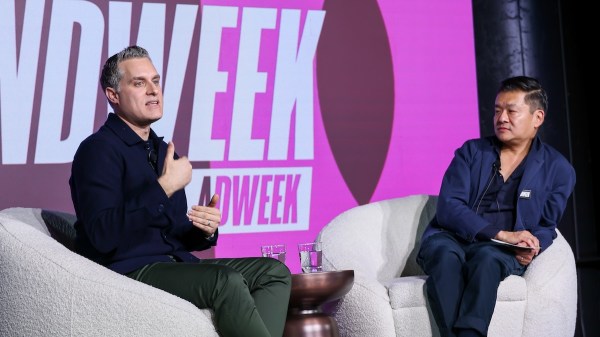
During a Brandweek 2025 session co-hosted with Kantar, ADWEEK CEO Will Lee sat down in conversation with Jeff Greenspoon, CEO, Americas of Kantar, to discuss how some brands have turned tension into transformation and the valuable lessons CMOs could learn from these endeavors.
Be meaningfully different
To start, Greenspoon defined tension as what’s created when two opposing forces pull us in different directions. And in the world of brand building, tension is a daily occurrence.
“Brand builders, specifically within the marketing ecosystem, are faced with choices that are often in conflict with one another,” he explained. “How you navigate those, both with the right evidence and the right support from your organization, will matter in how fast you can grow today, as well as how you set the stage for growth over the next 5, 10, or 15 years as an enduring brand.”
Greenspoon shared that being a trusted, consistent brand can conflict with trying to differentiate and innovate over time. “But brands that are meaningful and different are 70% more likely to grow,” he said. He then shared two examples of brands that have mastered this well.
Nespresso balances luxury brand status with sustainability
Nespresso targets a higher-spending consumer, but it also wanted to lean into a sustainability message based on a broader cultural conversation. “The brand wanted to command the premium pricing, but still have enough margin to cover the sustainability message,” Greenspoon said. However, he explained, the challenge is that making sustainability affordable requires scale. It means revamping the entire supply chain—from how farmers harvest the coffee beans to how the serving pods are ultimately recycled. But from a luxury brand perspective, you don’t want too much scale.
To find that balance, Nespresso decided to build a sustainability message into its luxury experience. “Whether it’s how you integrate into the app or how you go into their premium luxury boutiques, sustainability is part of the experience. Nespresso leaned into both sides of the tension,” shared Greenspoon.
Empowerment and reinvention collide for Mattel
Greenspoon cited Mattel’s Barbie as another case study in mastering brand tension. For Mattel, it meant balancing consistency—specifically, the message of “I can be anything I want to be”—with complete reinvention with the release of the Barbie movie in 2023.
“If you think about that film, it was at once leaning into the consistency of who Barbie was, while at the same time almost making fun of itself,” explained Greenspoon. In doing so, it created some tension and challenged the brand by reinventing who’s in the film. And it worked. Not only did it drive $1.4 billion at the box office and was the biggest movie that year, but you also saw doll sales in Barbie go up 25% in the two trailing months after release. The brand also rose 14% from a growth perspective over the course of that year.
The reason why it worked? Because Mattel stayed true to the core essence of empowerment. The brand could also take risks in every other part of the story, which goes back to being meaningful and different.
“As long as you can lean into the parts of your brand that the world or consumers trust, you can actually experiment and try new things around it,” shared Greenspoon. “But if you stray from that core message or the North Star of the brand, that’s when things start to become problems.”
Set guardrails to navigate tension and maximize budget
Great CMOs need to create rules and guardrails to ensure that the core elements that make the brand strong remain consistent, even as they tinker with tension.
Greenspoon shared a pricing example where a brand rule might be to stay a set amount above or below the average price. Having rules in place is especially important at a time when marketing spend is down. For instance, you want to stick to the fundamentals of a healthy split of brand marketing and product or performance marketing. So even if the budget is cut, split it in fewer places.
“Concentrate the investments so that you get more impact for the things that you do,” he said. “The biggest trap that people fall into is saying, ‘My budget’s down, so I’m going to cut all brand spend’… That’s a big mistake because you’re actually sacrificing more than just 2025. You’re sacrificing 2026, 2027, and 2028.”
Embrace brand tension to build future growth
According to Greenspoon, organizations with strong brand power—defined as the degree to which a brand drives penetration and growth—are 4X more likely to see future growth. As such, he sees investing in brand as an economic decision.
“You’re going to be more resilient, you’re going to command more pricing power, and ultimately, you have a higher likelihood to grow,” Greenspoon shared. “And for an investor, it’s a better dollar spent than in a company that’s just trying to harvest demand and get scale without building brand.”
https://www.adweek.com/brand-marketing/growth-belongs-to-the-brands-that-lean-into-tension/