How Brands Rewrite the Rules for the Opt-Out Generation
This post was created in partnership with Cash App
Key takeaways
- Gen Z views opting out as a form of providing feedback, rewarding brands that clearly explain the value exchange.
- Speed and AI don’t matter if the content feels inauthentic or trend-chasing.
- Brands can earn trust when they invite participation and listen more than they speak.
As Gen Z opts out of traditional paths—from careers and advertising to how they build identity and community—brands must rethink how to build trust with consumers who reject legacy models. Therefore, to stay relevant, brands are redefining their products and experiences to meet Gen Z’s behaviors.
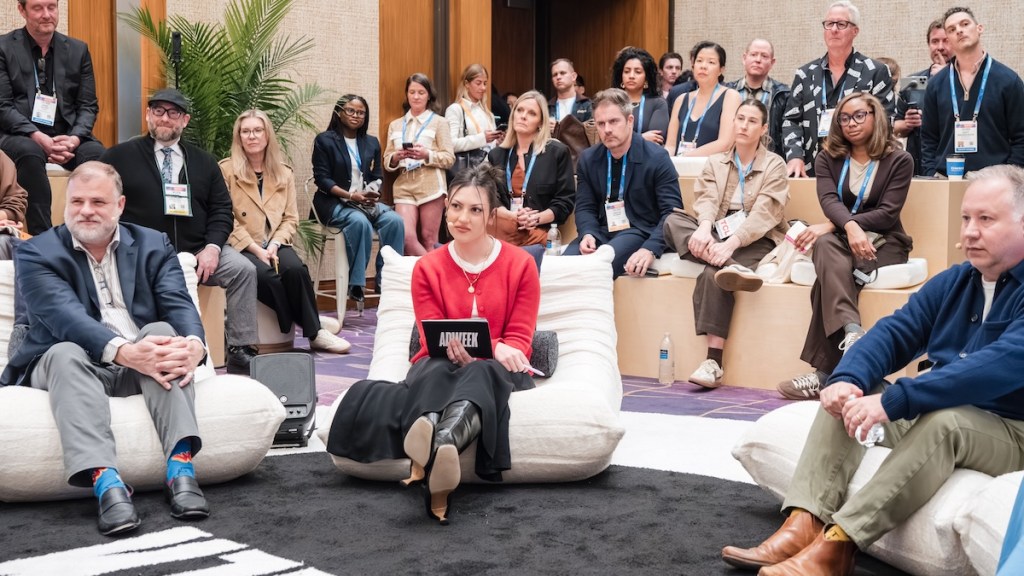
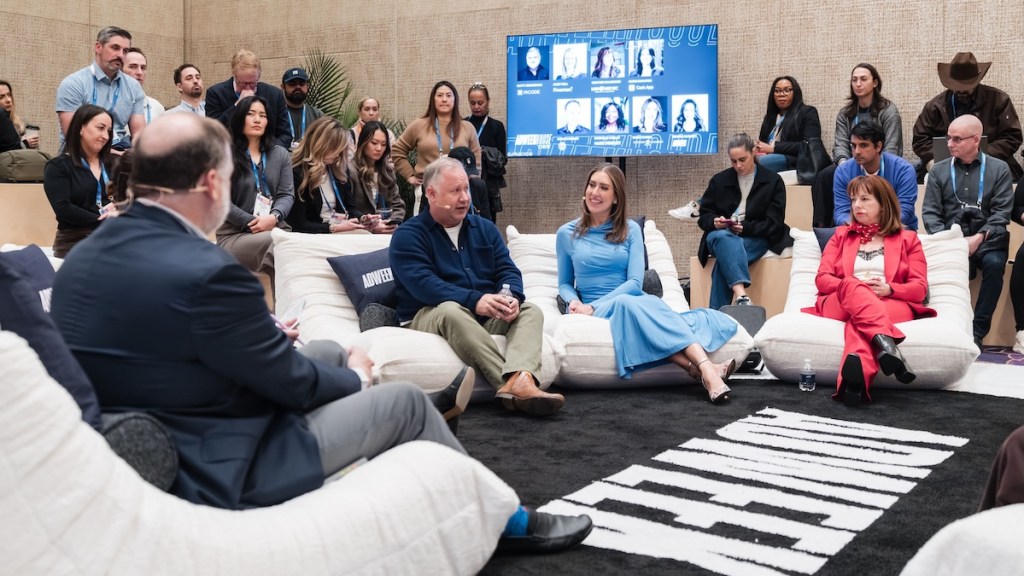
During an ADWEEK House CES Group Chat co-hosted with Cash App, industry leaders explored how this generation is creating its own systems of earning, spending, belonging, and expressing value.
Creating an effective value exchange with Gen Z
Marni Schapiro, global head of commerce sales at Cash App, said Gen Z can spot the value they are getting out of marketing in a heartbeat. She gave the example of a brand asking a Gen Z consumer for data, but not explaining what the value is. “That’s where their opt-out is going to be the fastest,” Schapiro explained.
“There is an understanding that if I know what the value exchange is, that’s OK with me. You can use my data if it’s going to bring me something in return,” said Schapiro. “And we used to hide that as marketers.” But the more open marketers can be with Gen Z, explaining the “why” behind the data and what they’ll get in return for it, the better.
Jake Schneider, SVP of marketing and brand at Gold’s Gym, agreed with Schapiro about why Gen Z opts out.
“The opt-out isn’t so much a negative that you need to be reactionary to it. It’s more feedback. They’re saying this isn’t designed for me anymore,” explained Schneider. “The question is not how do you design for a generation that opts out? It’s how do you design so it’s valuable enough that they opt in and stay?”
Delivering messaging with authenticity and transparency
Matty Beckerman, CEO at IRCODE, expressed the importance of Gen Z wanting human-generated content instead of AI-generated content.
“As a tech company, we use AI,” Beckerman said. “Our developers are doing things at lightning speed, and we’re doing creative at lightning speed.” He shared that while AI can speed up the content creation, it must be human, analog, and authentic content.
Otherwise, Beckerman warned, “The inauthenticity of AI shines through, and Gen Z spots it. They smell it.”

To Beckerman’s point about authenticity, Heather Malenshek, CMO at Land O’Lakes, said brands should focus on patterns, not hype.
“Just because you can doesn’t mean you should is the kind of mantra that we have,” said Malenshek. “Thinking about it, does it make sense for your brand to engage?” For Malenshek, that means stepping back and looking at the trend beyond the moment itself to understand the underlying behaviors driving it, using signals like search, social sentiment, and cultural listening to guide decisions.
Malenshek shared the example of how Land O’Lakes developed a campaign based on the trend of interest in rural lifestyles and backyard chickens, including workwear. The campaign told the company’s farmers’ stories through the clothes they wear and did a workwear runway show in Paris, Wis.
Tapping into Gen Z’s unique approach to community
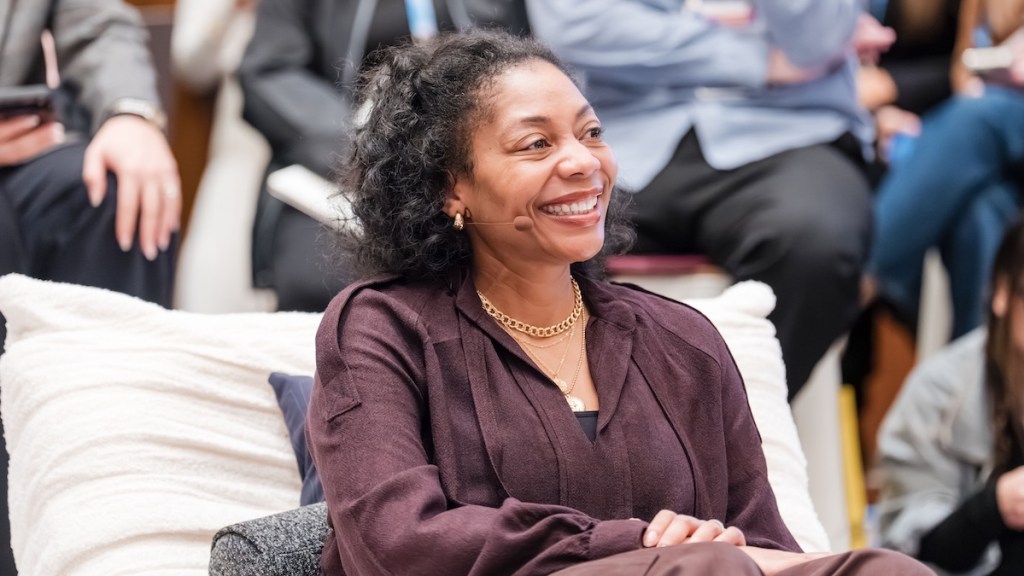
Janet Dell, CEO at Freeman, said Gen Z wants more than belonging to a community.
“They want to participate in the community,” said Dell. “With the experiential marketing or building out your brands, they want to be a part of it, touch it, learn, and then develop that trust, which really is the ultimate outcome.”
Gabrielle Wesley, CMO at Mars Wrigley, said shaping a brand with Gen Z is driven by how consumers already see it, not by what marketers want them to think. It’s not necessarily about inserting brands into Gen Z’s community.
“At Mars, we talk a lot about consumer obsession, and if you’re obsessed with something, you’re constantly looking at what they’re doing, thinking, feeling,” shared Wesley. “And I think that the challenge for marketing going forward is not so much what we want to show to the consumer, but what the consumer thinks about us.”
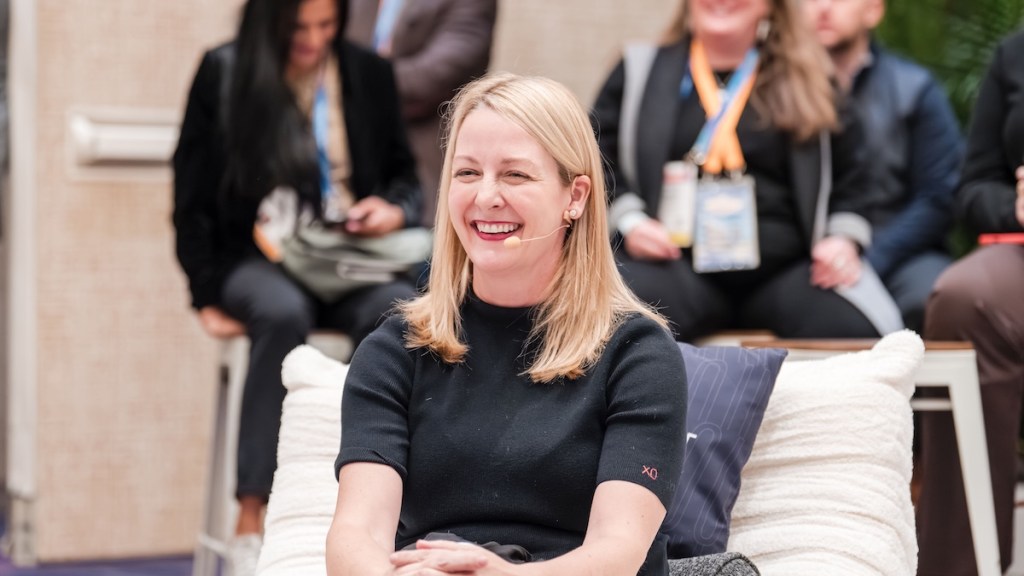
Sarah Zurell, CMO at Chinese Laundry, said that with Gen Z, there has been a shift toward being solutions-oriented and seeing problems as opportunities.
“As brands, it’s our responsibility to help make it easier for them to solve problems in their lives that will drive loyalty and keep them opted in to you as a brand, but also give them this space to solve problems creatively, because they’re thinking about it from such a different perspective,” said Zurell. “And I think that’s what’s really fun and beautiful about the time that we’re in now.”
Featured Conversation Leaders
- Kendra Barnett, Senior Tech Reporter, ADWEEK
- Matty Beckerman, CEO, IRCODE
- Janet Dell, CEO, Freeman
- Heather Malenshek, CMO, Land O’Lakes
- Marni Schapiro, Global Head of Commerce Sales, Cash App
- Jake Schneider, SVP of Marketing and Brand, Gold’s Gym
- Gabrielle Wesley, CMO, Mars Wrigley
- Sarah Zurell, CMO, Chinese Laundry
https://www.adweek.com/brand-marketing/how-brands-rewrite-the-rules-for-the-opt-out-generation/