How Target Lost the Middle Class, and Walmart Cashed In
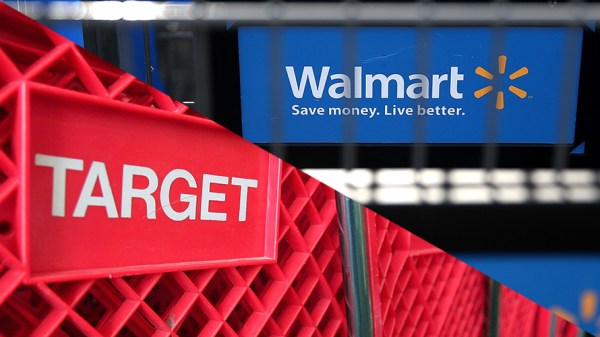
If you looked through the windows of two of America’s great retail behemoths on Friday, you saw a tale of two very different Black Fridays.
Target ran a tote bag promotion. The move ensured long lines and enthusiastic shoppers at the start of retail’s big day. But the bag’s merchandise was disappointing and the early morning crowds dispersed.
“If you’re frustrated with our recent performance, we are too,” incoming Target CEO Michael Fiddelke had told investors a week earlier. Black Friday appeared to continue that theme of disenchantment.
Meanwhile, across the parking lot, Walmart’s Black Friday wasn’t just strong; it was record-breaking. An estimated 30 million shoppers flooded its stores while Walmart.com remained the second most-visited retail site for the sixth consecutive year.
Lucrative categories like furniture, automotive, beauty, toys, and electronics drove significantly higher sales than previous years. While rivals scrambled to generate foot traffic with giveaways, Walmart simply opened its doors and watched America pour in.
These two contrasting Black Fridays are entirely representative of the yawning gap that now exists between Walmart and Target. Walmart is on track to post annual revenues of over $700 billion for the first time ever this year while Target will limp in with just over $100 billion. Walmart’s same-store sales jumped 4.5% in 2025; Target’s fell 3.8%. No wonder Walmart stock is up 8% while Target’s share price has lost more than a quarter of its value this year.
Just a decade ago, these two behemoths were in much closer competition. Both were fighting for the same middle-class shopper. Both were discount retailers with national ambitions. Both looked capable of sustained growth.
Something happened between then and now.
Over the past five years, Walmart has hammered home a single, crystalline message: “Save Money. Live Better.” It’s an astute brand position—one that moved Walmart away from the feature-based claims of low, low prices towards the dual benefits of saving money and the emotional opportunities that result. A perfect example of simple, tight, benefit-based positioning with a maniacal focus on executing it across every touchpoint.
By contrast, Target became one of corporate America’s most forceful supporters of brand purpose. The company’s marketing grew increasingly dominated by DEI initiatives, Pride collections, supplier diversity programs, and social justice commitments. In 2023, CEO Brian Cornell defended these “bold commitments,” stating that “the focus on diversity and inclusion and equity has fuelled much of our growth.”
But Target, like so many American brands, was guilty of drinking too much of the purpose Kool-Aid. The last decade has seen an army of purpose-driven thinkers, many of them selling brand purpose consulting services, arguing that purpose is the route to attracting customers, selling products, and achieving profits.
This purpose agenda was apparently supported by customer data showing consumer preference for brands with values aligned to their own. But this was naïve, wishful stuff. We have known since the days of David Ogilvy that people don’t think what they feel, say what they think, or do what they say. That’s especially true in the socially signalled, buoyant world of brand purpose.
Sure, a significant proportion of Americans said they would shop at Target because of its purpose-based initiatives. Plenty also said they would not. Meanwhile, the prosaic, benefit-led messaging of Walmart was winning each and every retail day.
Target demonstrates all the mistakes and myriad implications of positioning on purpose. First, there was the inevitable backlash and back-backlash as one socio-cultural group objected to a focus on another. Target’s sales dropped by more than 5% in the second quarter of 2023 after conservative hostility over its Pride merchandise. When the company scrambled to remove this merchandise, it appeared insincere and faced a second backlash from the very community it set out to initially support.
And all the while Target’s marketing message was lost in a confusing, contradictory mist of non-benefit-based, introspective, non-competitive fare. All this purpose stuff was incredibly generic. And most importantly, it was all about the company and its various stances while almost completely ignorant of the consumer and what was in it for them. At the heart of the purpose argument was an overstatement of the importance of brands in the lives of Americans who really did not care what their toothpaste brand thought about Covid or where their lipstick stood on inclusivity.
Marketers needed to humbly get back into their lane and worry again about marketing stuff. Price. Product. Service. Availability.
To be clear, I support DEI initiatives. I think every corporation must become more environmentally aware and treat its workers with greater respect. But the idea that these causes will always make a company money is laughable. And unimportant.
The purpose of purpose is purpose. We choose to do these things because we believe them to be right. The idea that this righteous path will also always earn us more money is laughably naïve. In fact, it will usually cost us customers, sales, and profits. A principle is not a principle, Bill Bernbach famously reminded us, until it costs you money.
We now live in a post-purpose marketing era. Brands like Target have shown the inherent fallibility of purpose, while Walmart reminds us of the profitable validity of old-school, benefit-based brand positioning.
Cannes submissions were notably devoid of much of the purpose nonsense this year. DEI language has declined 68% in filings from S&P 500 companies in 2025. Companies are retreating to safer ground. Those still committed to fairness and equality are also remembering that the best way to build brand is to focus on everyday customer-based benefits.
Target’s incoming CEO has just announced three priorities for his business: merchandising authority, guest experience, and technology. It’s a list notable for what it does not include. Perhaps someone in Minneapolis has finally picked up a marketing textbook again.
Mark Ritson will teach the ADWEEK MiniMBA in Marketing in April 2026, a ten-week MBA level program for senior managers who never received (or have completely forgotten) proper marketing training. Sign up here.
https://www.adweek.com/brand-marketing/how-target-lost-the-middle-class-and-walmart-cashed-in/