OpenAI Killed Sora. Creatives Had Already Moved On
OpenAI pulled the plug on its viral video platform Sora earlier this week, less than a year after its splashy debut—by which point much of the creative industry had already moved on.
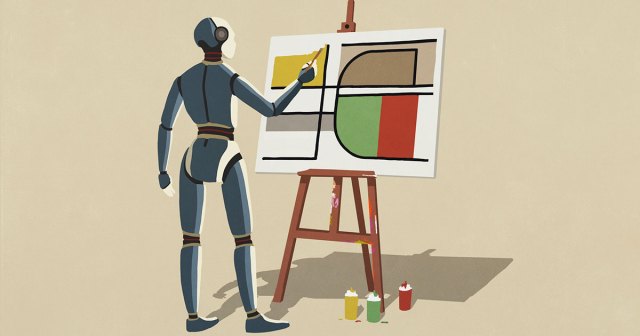
For many in the creative industry, the shift has been less about abandoning AI video and more about redefining where it actually adds value—away from pure generation and toward supporting the broader production process.
“The truth is we had already moved on to other tools that better fit the way our creative teams work,” Tim McCraken, SVP creative and AI, BarkleyOKRP told ADWEEK. According to McCraken, while Sora showed “huge promise” it didn’t really match up with the agency’s workflows. “We experimented with it and kept watching how it evolved, but consistently found ourselves gravitating toward tools that better matched the way ideas actually get developed, refined, and moved through the agency.”
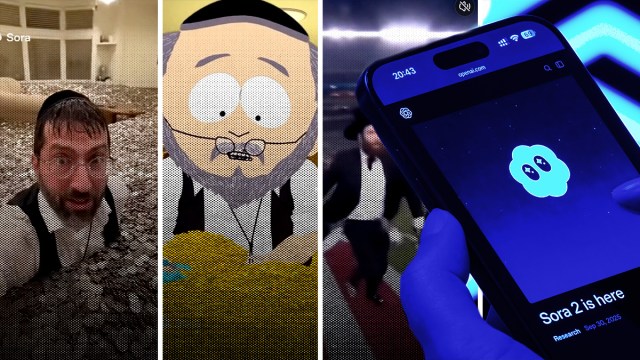
OpenAI’s release of Sora in 2024 rattled the entertainment industry, where concerns quickly mounted that its ability to generate high-quality video from text could displace human creators. The company doubled down last year with an updated version that produced more realistic footage, added audio capabilities and improved physics—intensifying backlash across Hollywood.
Alongside the model, OpenAI launched a standalone iOS app that quickly gained traction, hitting 100,000 installs on day one, climbing to the No. 1 spot on the U.S. App Store and reaching 1 million downloads faster than ChatGPT, according to Appfigures. OpenAI also rolled out a developer version of Sora, which has also been discontinued.
Disney also pledged a $1 billion stake in OpenAI and had plans to license its characters to Sora, but the deal reportedly never materialized.
OpenAI’s pullback on Sora comes as the company sharpens its broader strategy—prioritizing products with clearer utility for both enterprises and everyday users, as well as more scalable revenue streams like advertising.
In recent weeks, the company has consolidated its core offerings, folding tools like its ChatGPT desktop app, coding assistant Codex and browser capabilities into a more unified product experience. The company is also building an ads manager, ADWEEK previously reported, signaling that it’s serious about growing its ad business.
Industrywide recalibration
Usage data from Higgsfield, a video generation platform for creators and agencies, shows Sora peaking around its October 2025 launch before steadily declining, according to Taz Patel, Higgsfield’s VP of platform partnerships. By contrast, models like Kling and Nano Banana have gained traction, doubling their share of generations on Higgsfield between November 2025 and January 2026 and continuing to grow.
“Our user base is predominantly professional creators and agencies, and they need consistent quality, controllability, and reliable output for commercial work. Sora found an audience in more casual content which is a valid use case, but not core to the needs of professional creators, studios and production teams,” Patel said.
Ad agencies echo that sentiment.
At Havas, Sora was integrated into the agency’s creative and production toolkit but remained largely unused, Havas’ global chief data and technology officer, Dan Hangen told ADWEEK.
“We found other tools to be better in terms of output. Sora made a splash, but the other video models quickly surpassed them,” Hagen said. Hagen cited quality issues for the lack of uptake. All the tools included in the agency’s production toolkit, Vermeer, need to pass a usage threshold before the agency can indemnify clients’ use of finished assets. “I don’t believe Sora made it to that stage,” Hangen said.

At Code and Theory, the agency’s primary video generation tools are Runway, Google’s Veo suite, and Higgsfield. “People aren’t just looking for AI content. They are looking for compelling content,” Peter Steiner, head of the company’s creative labs told ADWEEK. While Sora showed early promise, Steiner said, rival platforms fit better into the agency’s workflow–Sora’s limited camera control and inability to extend existing shots pushed the team toward tools better suited to their needs including experimenting with Chinese models like Seedance and Qwen.
For Kathleen Barrett, former svp of Vimeo and current CEO of Backlight, that shift reflects a broader industry recalibration.
“This deprioritization is a sign that studios and companies are moving toward operationalizing workflow AI to support human work, which leaves space for more original creative output,” Barrett said.
https://www.adweek.com/media/openai-killed-sora-the-ad-industry-had-already-moved-on/