Retail Media’s Shift From Silos to Synergy
This post was created in partnership with Mirakl Ads
As shoppers on digital platforms have grown savvier—and algorithms have gotten more powerful—brands and retailers are under increased pressure to deliver ads that feel less like interruptions and more like relevant extensions of the shopping journey.
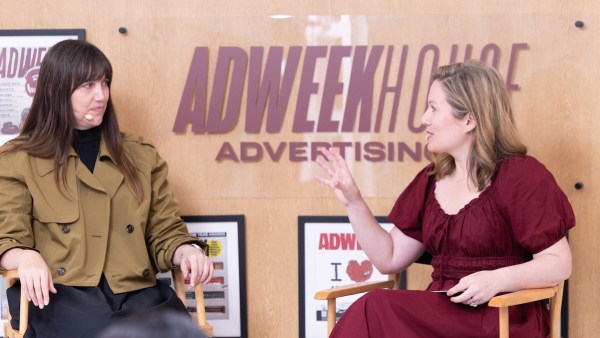
During an ADWEEK House Advertising HQ fireside chat, retail media took the spotlight as ADWEEK chief content officer Zoë Ruderman sat down with Anne Hallock, Mirakl Ads’ VP of sales, Americas, to unpack how the latest commerce-first ad technology is reshaping shopper experiences, brand budgets, and profitability.
Building commerce-specific ad experiences
The conversation opened with an honest look at the disconnect shoppers often experience between the sites they browse and the ads they see there. If you’re being shown “something inappropriate for you as the shopper, we’re actually disrupting your shopper journey,” said Hallock.
So, where are the contextual misalignments stemming from? Hallock suggests that some sites are using older media tech stacks that weren’t built specifically for commerce, which can lead to an output clash. But she added that a second wave of commerce-focused products, like Mirakl Ads, has since joined the market. Built “for the commerce motion,” they offer more flexible allocations and conversion insights, ultimately serving media that’s relevant—and even additive—to the shopper experience.
Bridging on-site and off-site
The need for greater precision in ad delivery also extends to how retailers deploy budgets. Hallock recalled a conversation a few months ago at the Cannes Lions International Festival of Creativity, where she jokingly said the biggest crime in media is underspending a budget. And in this conversation, she doubled down on her position: “If I’m running a back-to-school campaign and I decided to vote on you and give you my ad dollars and you come back to me six weeks later saying ‘Bad news, we didn’t give you all the exposure we committed to,’ that time has passed,” she said. “I don’t get that time back.”
Delivering media within relevant sales windows is crucial to influencing seasonal sales. Underspending, she continued, does a disservice to the client and encourages them to move their budgets to a place where they can make a guaranteed impact.
Building on that point, Hallock suggested that successful retail media networks aim to erase the line between on-site and off-site advertising. Traditionally, she said, they’ve lived in separate silos—different departments, different budgets. But newer ad solutions, like Mirakl Ads’ model, more actively bridge placements.
Citing work her team did with a global shopping client, she shared how when the team noticed that certain budgets couldn’t fully pace on-site, they deployed a strategy where the excess was re-allocated to off-site. “Because it’s commerce-first, we’re saying, can we influence the shopper who’s already on my website, who’s looking for that item to buy? And if we can’t catch them there, how can we catch them when they’re in their consideration process and pull them back over to the site?”
Re-architecting retail orgs
When asked about the biggest barriers she sees in evolving overall retail media strategies, Hallock shared that the number one challenge clients face might surprise people. It’s not attribution, not gross sales target, but operationalization. “The two questions that I get asked the most often are: ‘How are other people doing it?’ and then, ‘How do we do it?’”
As a result, Hallock expects the next few years to bring a bit of a reckoning for tech-stack decisions. She says the pressure is now on sales leaders to invest in systems that deliver both immediate ROI and more sustainable mid- and long-term profitability.
AI and the future of shopping
No discussion of the future of retail media would be complete without a deeper discussion about the impact of AI. Hallock was bullish on an agentic-led future—and on the importance of brands thinking about generative engine optimization just as seriously as SEO.
As a result, she continued, you need to be prepared for a new kind of user journey; instead of a shopper visiting and browsing your site, an AI agent can be deputized to do it for them.
How can CMOs prepare for such seismic changes in the marketplace? Hallock said it’s about building the right infrastructures to support digital evolution. “You can put your elbow grease into getting a program going,” she shared. “But if you haven’t made technology decisions that can truly take you to that next level, what got you here is not going to get you there.”
https://www.adweek.com/commerce/retail-medias-shift-from-silos-to-synergy/