Sports Fans Want Better Experiences, Not Better Algorithms
This post was created in partnership with EY Studio+
Key takeaways
- Sports organizations are inundated with data, which can fuel fan engagement if used properly.
- Sports and marketing leaders need to find the right balance between using data and AI tools and maintaining an emotional connection.
- AI can help personalize data for sports fans and make different sports easier for new fans to follow.
Sports organizations have more data than ever. The challenge is using it to strengthen fan connections without sacrificing the emotion at the center of sports.
During an ADWEEK House Cannes Lions group chat co-hosted with EY Studio+, leaders from sports, media, technology, and marketing discussed how AI is changing fan experiences, where personalization creates value, and why trust will shape the next phase of fan engagement.
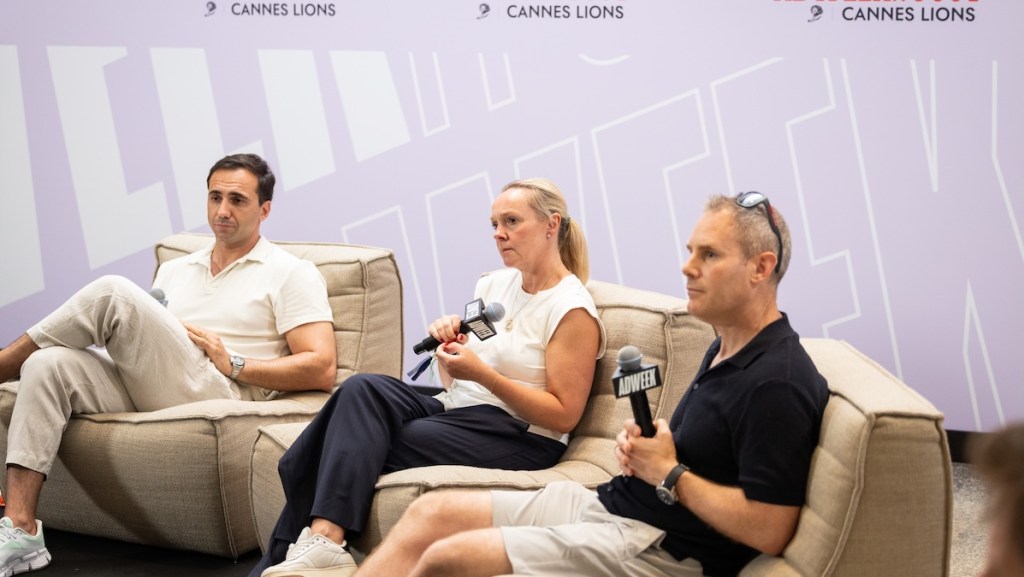
Data should deepen the experience, not distract
The discussion opened with a question about how data fuels fan engagement.
Hanne Jesca Bax, global vice chair – clients and industries at EY, noted that athletes have had access to performance data for years, but fans are now gaining access to many of the same insights. She also pointed to the broader role sports play in building community.
“I think people have even more thirst to come together, and share in the passion that sports can bring,” Bax said. “Sports bring people together.”
As the conversation continued, participants discussed how data can add context to the fan experience without taking away the emotion.
“One of the greatest things about sport is the emotion, right? Because the emotion cannot be scripted, it’s authentic, and that’s what fans love,” shared Roman Di Somma, head of international talent at CAA Sports. “The key challenge for us is to use data not to fabricate the emotion, but to remove all the filters that are in between the audience and the emotion and serve it so that it can enhance the live experience of a sport.”
Paula Radcliffe, broadcaster and former marathon world-record holder, cautioned that more information is not always better. “I think there has to be a balance there,” Radcliffe said. “There can be too much data, and it can then become confusing and take away the emotions.”
Others agreed that data has value when it provides context and explanation rather than becoming the focal point of the experience itself.
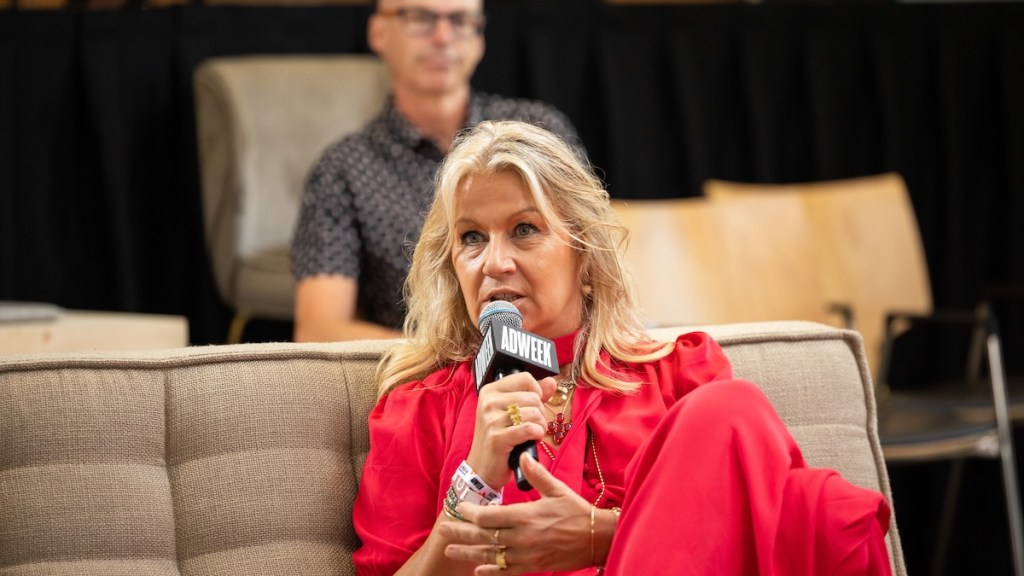
Fans care more about the experience than the technology
The conversation then turned to personalization and how AI can make sports easier to follow.
For Louise Johnson, global CEO of Fuse, the goal is to simplify the fan experience. “Fans don’t wake up and go, ‘Oh, hey, I want a sports algorithm,’” Johnson said. “They want to know more about sport.”
Johnson argued that AI is most useful when it removes friction, helping fans find content, follow teams, and engage with the sports they love.
Laurence Buchanan, global leader of EY Studio+, explained that the most effective applications of data are the ones that make stories more accessible. “It’s not the data, it’s the story that the data tells, and that’s the thing that’s driving engagement with fans,” Buchanan explained.
He pointed to younger audiences who often discover sports through gaming before they begin watching or playing. Statistics and player data can become an entry point that helps fans connect with sports.
The group also discussed how data can make sports more accessible by helping newcomers distinguish between good and great performance.
“You can now be a fan of so many different sports, because it’s very easy for you to understand as a fan the difference between good and great, and data is what provides that insight,” said Jon Gieselman, chief growth officer of connectivity and platforms at Comcast.

The fan journey is still fragmented
Participants also discussed one of the biggest challenges facing sports organizations today.
“Sport has a really unfair advantage, which is the loyalty of the customer,” shared Buchanan. “The challenge of sports and fan experience is fragmentation.”
Fans move between teams, leagues, broadcasters, sponsors, venues, retailers, and creators throughout a single experience. As those touchpoints continue to converge, organizations are working to create a more connected fan journey.
“I think the brands that will win will be able to join those dots from the live moment to the retail moment to the ecom moment, to the creator to the media to the event,” Johnson added.
Trust will shape the future of fan engagement
The conversation closed with a focus on trust and the growing role data plays in relationships.
From an athlete’s perspective, Di Somma said trust is still the foundation for everything else. “I think trust is at the core,” he said.
That same principle applies to fan experiences. Personalization can create value when it feels useful. Problems arise when fans feel their information is being used in ways they did not expect.
“Passion buys you permission,” Di Somma said. “If you try new things, if you try new tools, if you try new AI, you will immediately see if fans lean in.”
Although technology was a major topic, the group repeatedly returned to the same conclusion: Sports remain powerful because they are unpredictable, emotional, and human. AI may help organizations create better experiences around those moments, but the moments themselves are what matter most.
Featured Conversation Leaders
- Hanne Jesca Bax, Global Vice Chair – Clients and Industries, EY
- Laurence Buchanan, Global Leader, EY Studio+
- Roman Di Somma, Head of International Talent, CAA Sports
- Jon Gieselman, Chief Growth Officer of Connectivity and Platforms, Comcast
- Will Lee, CEO, ADWEEK
- Louise Johnson, Global CEO, Fuse
- Paula Radcliffe, Broadcaster
https://www.adweek.com/brand-marketing/sports-fans-want-better-experiences-not-better-algorithms/