Sports Marketing Is About Memorable Moments, Not Brand Awareness
This post was created in partnership with Zappi
Sporting events are one of the most dependable ways to reach a highly engaged live audience, but brands have to get more creative than ever if they want to stand out.
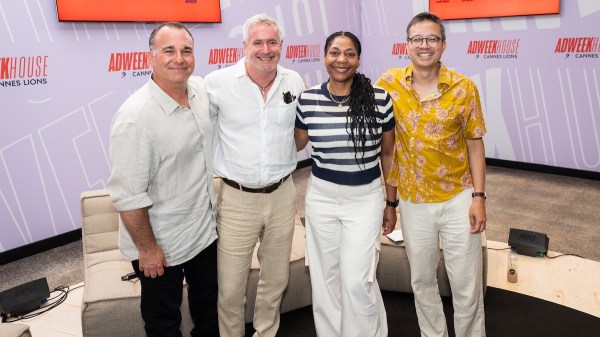
During an ADWEEK House Cannes Lions panel co-hosted with Zappi, marketing leaders sat down with Ryan Joe, editor-in-chief of ADWEEK, to discuss what it takes to break through to sporting audiences, the importance of authenticity, and how to keep up with fast-moving cultural conversations.
Thinking beyond logos
The explosion in the popularity of sports is a blessing and a curse for legacy brands. With viewership high and the market oversaturated, putting a sign in the outfield no longer moves the needle.
“Awareness is not our issue, so doing a logo slap—‘presented by X,’ ‘sponsored by Y’—that’s not success for us,” said Todd Kaplan, CMO for North America at Kraft Heinz.
Instead, the challenge is to connect with audiences on a more authentic, emotional level. Dove did just that with its limited-edition line of World Cup–branded products such as deodorant and body wash.
“It wasn’t just imposing yourself, but being inspired by the event,” said Steve Phillips, founder, chair, and chief innovation officer at Zappi, describing feedback he heard from consumers about the activation. “You really understood the fan experience and engaged with that fan experience in an interesting way.”
Gabrielle Wesley, CMO of confectionery at Mars Snacking North America, urged marketers to think about sports marketing as a relationship with audiences rather than a broadcast to them. “Consumers don’t want to be messaged; they want to engage,” she explained. “It’s a two-way conversation.”
With fans continuing to interact with clips, reaction videos, and celebrations after a game ends, brands have plenty of opportunities to keep that conversation going.
Making moments that resonate
That philosophy of maintaining an ongoing relationship with fans extends beyond official sponsorships. Kraft Heinz may not be a World Cup sponsor, but it still found a way to participate in the festivities with its “unofficial stadium ketchup” and limited-edition TSA-compliant ranch dressing packs.
Successful sports activations, the panelists argued, are about creating your own moments alongside the broader cultural ones. Kaplan’s favorite example came from the Indy 500, when Oscar Mayer raced its fleet of Wienermobiles around the Indianapolis Motor Speedway. The “Wienie 500,” as it was called, garnered billions of earned media impressions, with fans even placing bets on DraftKings.
“How you show up differently with ownable, distinctive assets—things that only your brand can do—that’s where the good stuff is,” Kaplan reflected.
Authentic brand experiences can also come from unexpected places. Wesley pointed to Alex Freeman, the previously unknown U.S. men’s national soccer team player who became a viral sensation, as exactly the type of unscripted moment that marketers should be ready to leverage.
“Those are engagements that are pure, that you can’t necessarily plan,” she stressed. “Making sure that you’re engaged in culture allows you to participate in those moments.”
For Phillips, success comes down to a simple truth: The best sports ads, such as Stella Artois’ World Cup commercial with David Beckham, capture what it feels like to be a fan. “That really deep understanding of your audience, of what’s happening—associating that with your brand, that’s the type of success I think brands are looking for,” he said.
https://www.adweek.com/brand-marketing/sports-marketing-is-about-memorable-moments-not-brand-awareness/