AI, i software di Microsoft e Palantir per la Difesa USA. I rischi per la privacy e i diritti umani

La notizia della possibile partnership tra Microsoft e Palantir getta un’ombra inquietante sul futuro della sorveglianza governativa e dei diritti civili. Un’alleanza che mira a fornire strumenti di intelligenza artificiale sempre più sofisticati alle agenzie di difesa degli Stati Uniti, e che solleva serie preoccupazioni in merito all’impiego di tecnologie invasive e alla potenziale erosione delle libertà individuali.

Palantir, fondata dal miliardario Peter Thiel, noto per le sue visioni politiche radicali e il sostegno a cause di estrema destra, è da tempo al centro di polemiche per il suo coinvolgimento in progetti governativi controversi. L’azienda è stata accusata di fornire all’ICE – United States Immigration and Customs Enforcement – strumenti per tracciare e deportare migranti, e di contribuire alla repressione del dissenso. La filosofia politica di Thiel, che esalta il potere assoluto e minimizza il valore della democrazia, si riflette nelle ambizioni di Palantir di creare software di sorveglianza sempre più potenti.

Cosa c’entra Microsoft?

Microsoft, da parte sua, ha una lunga storia di collaborazioni con il governo degli Stati Uniti. Sebbene l’azienda abbia spesso affermato di voler utilizzare la tecnologia per il bene dell’umanità, la sua partnership con Palantir dimostra che i profitti possono prevalere sui principi etici. L’integrazione di Azure OpenAI, un potente strumento di AI, nel software di Palantir rappresenta un ulteriore passo avanti verso un futuro in cui la sorveglianza di massa e la manipolazione dell’informazione diventeranno sempre più pervasive.

Implicazioni molteplici

L’integrazione dell’intelligenza artificiale nei sistemi di sorveglianza di Palantir permetterà alle agenzie governative di analizzare enormi quantità di dati in tempo reale, identificando potenziali minacce e tracciando le attività di individui e gruppi. La raccolta e l’analisi di dati personali su larga scala rappresentano una grave minaccia alla privacy degli individui. I sistemi di sorveglianza sviluppati da Palantir e Microsoft potrebbero essere utilizzati per monitorare le comunicazioni, tracciare gli spostamenti e profilare le opinioni politiche delle persone.

Rischio abusi

Nel 2020, Amnesty International ha lanciato l’allarme su Palantir: “Potremmo chiudere gli occhi e fingere che, contrariamente a tutte le prove, Palantir sia un’azienda che rispetta i diritti. Oppure possiamo chiamare la vicenda con il suo vero nome: un’altra azienda che antepone il profitto alle persone, indipendentemente dal costo umano”. Bloomberg segnala che il nuovo software AI di Palantir richiede un modello linguistico di grandi dimensioni. In ambienti governativi classificati, Palantir combinerà i suoi poteri con il già citato Azure OpenAI di Microsoft, che include GPT-4o , GPT-4 Turbo con Vision, GPT-4 e GPT-3.5.

È evidente come l’uso di tali tool per la sorveglianza accresca il rischio di abusi. Algoritmi potenzialmente discriminatori potrebbero essere utilizzati per profilare e perseguitare gruppi specifici, come minoranze etniche o attivisti politici. Governi autoritari avrebbero tutto l’interesse a usare gli strumenti per reprimere il dissenso, controllare le elezioni e consolidare il proprio potere. Con all’orizzonte le presidenziali americane, che stanno per aprire un nuovo capitolo nella storia del paese più “democratico” al mondo.

Leggi le altre notizie sull’home page di Key4biz

https://www.key4biz.it/microsoft-e-palantir-unalleanza-pericolosa-per-la-privacy-e-i-diritti-umani/501267/



Antifurto auto e smart meter a rischio cyber attacchi perché connessi con il 2G

In un’epoca dominata dalla velocità e dall’innovazione tecnologica, il 2G, la prima generazione di reti cellulari digitali, potrebbe sembrare un lontano ricordo. Eppure, questa tecnologia, nonostante la sua età, rappresenta ancora oggi una minaccia significativa per la nostra sicurezza online.

Il 2G è una tecnologia obsoleta e intrinsecamente vulnerabile. I cybercriminali sfruttano il protocollo utilizzando dispositivi relativamente economici e facili da reperire, noti come “False Base Station” o “Stingray”, che simulano una torre cellulare, inducendo smartphone e altri device a connettersi ad essi. Una volta stabilita la connessione, i malintenzionati possono intercettare le comunicazioni, compresi SMS e dati sensibili, e perpetrare una vasta gamma di attacchi, dal phishing alle frodi finanziarie.

I rischi del 2G senza crittografia

Lo ricorda anche Google, che ha pubblicato un post in cui spiega perché sarebbe meglio disattivare la connettività 2G. Gli esperti hanno evidenziato come sia ormai facile e poco costoso procurarsi sul mercato delle false stazioni base 4G o 5G, comunemente chiamate FBS o Stingray. Queste sono in grado di simulare una rete cellulare legittima, ingannando così i dispositivi mobili a connettersi ad essi.

Una volta stabilita la connessione, l’obiettivo primario delle FBS è quello di limitare la comunicazione alla sola rete 2G, sfruttando la vulnerabilità di questo protocollo, privo di crittografia. Grazie alle loro dimensioni ridotte, i dispositivi sono facilmente trasportabili e spesso nascosti in zaini dai cybercriminali. Questi i rischi concreti:

  • SMS Blaster: la tecnica permette di inviare messaggi ingannevoli, bypassando i filtri anti-spam degli operatori.
  • Intercettazione di dati: i cybercriminali possono intercettare le comunicazioni e rubare informazioni personali e finanziarie.
  • Frodi: le informazioni rubate possono essere utilizzate per effettuare acquisti non autorizzati o per sottrarre denaro dai conti bancari.

La soluzione più efficace per mitigare le problematiche è disattivare completamente la connettività 2G, a partire da quella sugli smartphone. Android 12 e versioni successive offrono questa possibilità. Sebbene le indicazioni precise possano variare a seconda del modello di smartphone, è generalmente possibile trovare l’opzione nelle impostazioni della rete mobile.

Come mai il 2G persiste

Nonostante i rischi, il 2G continua a essere utilizzato in molti settori, come l’automazione industriale, la logistica e l’IoT. Ma non solo: il protocollo viene usato anche come rete di backup del traffico voce, nel caso in cui le reti più recenti non funzionassero, per i contatori elettrici o del gas e gli antifurto delle auto. Anche le SIM Machine to Machine (M2M) fanno uso del 2G.

Tuttavia, la maggior parte dei dispositivi IoT sta gradualmente migrando verso tecnologie più moderne e sicure come il 4G e il 5G. In Italia, il 2G sarà definitivamente dismesso solo nel 2029. Un rapporto di Ericsson ha sottolineato che a oggi “il 2G e il 3G abilitano ancora la maggior parte delle applicazioni IoT”, circa il 60%. Entro il 2025 le connessioni IoT aumenteranno velocemente grazie al 4G, al 5G e al Narrowband-IoT (NB-IoT); ma il 13% resterà ancorato al 2G e al 3G.

Leggi le altre notizie sull’home page di Key4biz

https://www.key4biz.it/antifurto-auto-e-smart-meter-a-rischio-cyber-attacchi-perche-connessi-con-il-2g/501212/


The conspiracy theorists who think Biden has been replaced by AI

Joe Biden walking outside the White House, wearing sunglasses and holding a stack of index cards in his right hand.
Enlarge / Joe Biden—or is it his AI-powered hologram?
Getty Images | Bloomberg

At 1:18 pm ET on July 21, 2023, President Joe Biden stepped to the podium in the White House’s Roosevelt Room and announced, “I’m the AI.” The official transcript of the event says that this remark was followed by “laughter,” but it’s no joke to the increasing number of conspiracy theorists who claim that the real Joe Biden has been somehow replaced by artificial intelligence.

For instance, in a new story published today, The New York Times looked at conspiracy theorists who questioned whether (or even claimed that) Biden had died. Of course, if he was dead, the cabal of elites running the Biden administration, in true Weekend at Bernie’s fashion, certainly couldn’t admit that he was dead. Fortunately, they could use AI to make it look like Biden was still alive!

That sort of thinking led to one influencer’s “just asking questions” post on July 24, 2024, which was viewed 78,000 times: “What If [sic] during this supposed live broadcast to the nation the holographic AI glitches and Joe Biden dissappears [sic] for a few seconds now that we know the software they have been using in Azure has been compromised?”

Crazy, right? But it’s not a new idea. As quickly as deepfake video clips, AI-generated audio, and 3D holographic projection have gone mainstream, conspiracy theorists have rolled the new tech right into the old claims about “body doubles” and so forth. Thanks to the high quality of these technical developments, any audio or video appearance can now be claimed to be fake—and some people will believe it.

Take the eight-hour (!) Facebook video posted in 2021 with the title “Biden is computer generated.” PolitiFact actually went to the trouble of watching and then fact-checking this video (spoiler: Biden is not, in fact, computer-generated), which claims that footage of Biden walking to a helicopter waiting on the White House lawn was faked:

Focusing on a clip of the president in which the top of his head seems to disappear against the sky, the host says, “This is not Joe Biden making an appearance.”

“What you’re actually seeing here is a holographic image of Joe Biden being transmitted from behind the scenes,” he says.

It didn’t matter to the theory that this event had been held with actual journalists in attendance and that pictures of Biden had been taken from numerous angles. As Steve Herman, a Voice of America reporter, noted on social media, “I was the one holding the lighter-colored fuzzy microphone and thus literally in front of @POTUS on the South Lawn. It’s all real. Who actually believes this ‘faked moon landing’ type nonsense and more importantly who is spreading it?”

Regardless of how many people truly believe these sorts of claims, debunking them takes time. Numerous reporters at the event took to social media to rebut conspiracy theories, while PolitiFact, the BBC, and Agence France Press ran fact-check stories that took time to report, write, and edit. In the meantime, conspiracy theorists just moved on to other claims.

In 2022, the BBC ran a report on how these false claims sometimes go viral. One allegedly fake 17-second clip of Biden speaking about the January 6 attack on the US Capitol was plucked from obscurity and shared “thousands of times, including by prominent pundits from the right-wing US television channels Newsmax and One America News.” As one social media user put it: “My eye can detect the uncanny valley instantly. This is 100% deepfake technology. They pasted Biden’s face on an actor. I’d bet my career on it.”

https://arstechnica.com/?p=2041714


Major shifts at OpenAI spark skepticism about impending AGI timelines

The OpenAI logo on a red brick wall.
Benj Edwards / Getty Images

Over the past week, OpenAI experienced a significant leadership shake-up as three key figures announced major changes. Greg Brockman, the company’s president and co-founder, is taking an extended sabbatical until the end of the year, while another co-founder, John Schulman, permanently departed for rival Anthropic. Peter Deng, VP of Consumer Product, has also left the ChatGPT maker.

In a post on X, Brockman wrote, “I’m taking a sabbatical through end of year. First time to relax since co-founding OpenAI 9 years ago. The mission is far from complete; we still have a safe AGI to build.”

The moves have led some to wonder just how close OpenAI is to a long-rumored breakthrough of some kind of reasoning artificial intelligence if high-profile employees are jumping ship (or taking long breaks, in the case of Brockman) so easily. As AI developer Benjamin De Kraker put it on X, “If OpenAI is right on the verge of AGI, why do prominent people keep leaving?”

AGI refers to a hypothetical AI system that could match human-level intelligence across a wide range of tasks without specialized training. It’s the ultimate goal of OpenAI, and company CEO Sam Altman has said it could emerge in the “reasonably close-ish future.” AGI is also a concept that has sparked concerns about potential existential risks to humanity and the displacement of knowledge workers. However, the term remains somewhat vague, and there’s considerable debate in the AI community about what truly constitutes AGI or how close we are to achieving it.

The emergence of the “next big thing” in AI has been seen by critics such as Ed Zitron as a necessary step to justify ballooning investments in AI models that aren’t yet profitable. The industry is holding its breath that OpenAI, or a competitor, has some secret breakthrough waiting in the wings that will justify the massive costs associated with training and deploying LLMs.

But other AI critics, such as Gary Marcus, have postulated that major AI companies have reached a plateau of large language model (LLM) capability centered around GPT-4-level models since no AI company has yet made a major leap past the groundbreaking LLM that OpenAI released in March 2023. Microsoft CTO Kevin Scott has countered these claims, saying that LLM “scaling laws” (that suggest LLMs increase in capability proportionate to more compute power thrown at them) will continue to deliver improvements over time and that more patience is needed as the next generation (say, GPT-5) undergoes training.

In the scheme of things, Brockman’s move sounds like an extended, long overdue vacation (or perhaps a period to deal with personal issues beyond work). Regardless of the reason, the duration of the sabbatical raises questions about how the president of a major tech company can suddenly disappear for four months without affecting day-to-day operations, especially during a critical time in its history.

Unless, of course, things are fairly calm at OpenAI—and perhaps GPT-5 isn’t going to ship until at least next year when Brockman returns. But this is speculation on our part, and OpenAI (whether voluntarily or not) sometimes surprises us when we least expect it. (Just today, Altman dropped a hint on X about strawberries that some people interpret as being a hint of a potential major model undergoing testing or nearing release.)

A pattern of departures and the rise of Anthropic

Anthropic / Benj Edwards

What may sting OpenAI the most about the recent departures is that a few high-profile employees have left to join Anthropic, a San Francisco-based AI company founded in 2021 by ex-OpenAI employees Daniela and Dario Amodei.

Anthropic offers a subscription service called Claude.ai that is similar to ChatGPT. Its most recent LLM, Claude 3.5 Sonnet, along with its web-based interface, has rapidly gained favor over ChatGPT among some LLM users who are vocal on social media, though it likely does not yet match ChatGPT in terms of mainstream brand recognition.

In particular, John Schulman, an OpenAI co-founder and key figure in the company’s post-training process for LLMs, revealed in a statement on X that he’s leaving to join rival AI firm Anthropic to do more hands-on work: “This choice stems from my desire to deepen my focus on AI alignment, and to start a new chapter of my career where I can return to hands-on technical work.” Alignment is a field that hopes to guide AI models to produce helpful outputs.

In May, OpenAI alignment researcher Jan Leike left OpenAI to join Anthropic as well, criticizing OpenAI’s handling of alignment safety.

Adding to the recent employee shake-up, The Information reports that Peter Deng, a product leader who joined OpenAI last year after stints at Meta Platforms, Uber, and Airtable, has also left the company, though we do not yet know where he is headed. In May, OpenAI co-founder Ilya Sutskever left to found a rival startup, and prominent software engineer Andrej Karpathy departed in February, recently launching an educational venture.

As De Kraker noted, if OpenAI were on the verge of developing world-changing AI technology, wouldn’t these high-profile AI veterans want to stick around and be part of this historic moment in time? “Genuine question,” he wrote. “If you were pretty sure the company you’re a key part of—and have equity in—is about to crack AGI within one or two years… why would you jump ship?”

Despite the departures, Schulman expressed optimism about OpenAI’s future in his farewell note on X. “I am confident that OpenAI and the teams I was part of will continue to thrive without me,” he wrote. “I’m incredibly grateful for the opportunity to participate in such an important part of history and I’m proud of what we’ve achieved together. I’ll still be rooting for you all, even while working elsewhere.”

This article was updated on August 7, 2024 at 4:23 PM to mention Sam Altman’s tweet about strawberries.

https://arstechnica.com/?p=2041450


Apple, l’hype dell’AI ha fatto volare le azioni, ma la sua “Intelligence” è tutta da costruire

Subito dopo l’annuncio di Apple Intelligence e della partnership con OpenAI, le azioni in Borsa della Mela sono volate. All’epoca, si parla di inizio giugno, il prezzo per azione era salito a 206,3 dollari, per poi scendere e raggiungere, a inizio luglio, un nuovo picco di 207,23 dollari. E in tutto questo, Apple Intelligence nemmeno c’è.

Nel senso, non è attiva in maniera definitiva sugli iPhone, le sue opportunità sono presenti nella versione beta di iOS 18.1 che viene usata per lo più da sviluppatori e smanettoni. E anche in quella, mancano molte delle funzionalità annunciate alla WWDC 2024, tra cui proprio l’integrazione di ChatGpt tra le risposte fornite da Siri. Insomma, è bastato un annuncio per portare questa ventata di benessere (ossia di dollari) nelle casse di Cupertino.

L’UE attende

Sarà per questo che il colosso americano non ha alcuna fretta nello scendere ad accordi con i regolatori dell’Unione Europea che chiedono maggiori certezze su come Apple Intelligence utilizzi i dati degli utenti e inviti gli stessi a usare servizi della compagnia piuttosto che quelli dei concorrenti. Il Digital Markets Act parla chiaro: i servizi digitali più grandi devono dare alle persone una chiarezza di scelta e un ampio ventaglio di soluzioni a cui attingere, senza chiudere tutto entro i propri limiti, ossia interessi economici. Apple, che è la regina dell’ecosistema chiuso, anche come sinonimo di “sicuro”, si è presa il giusto tempo per capire come agire, se agire.

Ma intanto, Apple Intelligence potrebbe approdare sui Mac anche in Unione Europea, già dal prossimo autunno.

Apple Intelligence su macOS in UE

Il sito 9to5mac ha individuato delle differenze nelle note di rilascio sia di iOS 18.1 che di macOS Sequoia 15.1, ossia i due sistemi di Apple che dovrebbero abilitare su iPhone e Mac l’intelligenza artificiale. Mentre il primo esclude, sin da oggi, Unione Europea e Cina dalle zone di attuazione, il secondo cita solo il mercato cinese come zona entro cui l’AI non arriverà. Stando al sito il motivo è proprio il DMA.

A differenza di iOS e iPadOS, macOS non è soggetto ai requisiti del Digital Markets Act quindi può benissimo integrare Apple Intelligence al suo interno. L’unico limite, per adesso, è l’impostazione della lingua inglese sul computer, in previsione di futuri aggiornamenti. A settembre, l’update verrà lanciato a livello globale e dunque ne sapremo di più.

Strategia attendista

Ad ogni modo, che Apple sia in ritardo sui progetti di AI è innegabile. Lo dimostra un annuncio frettoloso, la partnership con OpenAI per colmare con ChatGpt le mancanze di un modello autoctono e anche il fatto di non attendersi un ovvio intervento di Bruxelles sulla risposta ai requisiti del DMA. Gioca tutto a sfavore di un’azienda che, e torniamo al primo punto, ha comunque guadagnato al solo annuncio di Apple Intelligence. Un hype dentro un altro hype. Per non chiamarla “bolla”.

Leggi le altre notizie sull’home page di Key4biz

https://www.key4biz.it/apple-lhype-dellai-ha-fatto-volare-le-azioni-ma-la-sua-intelligence-e-tutta-da-costruire/501090/


“Do not hallucinate”: Testers find prompts meant to keep Apple Intelligence on the rails

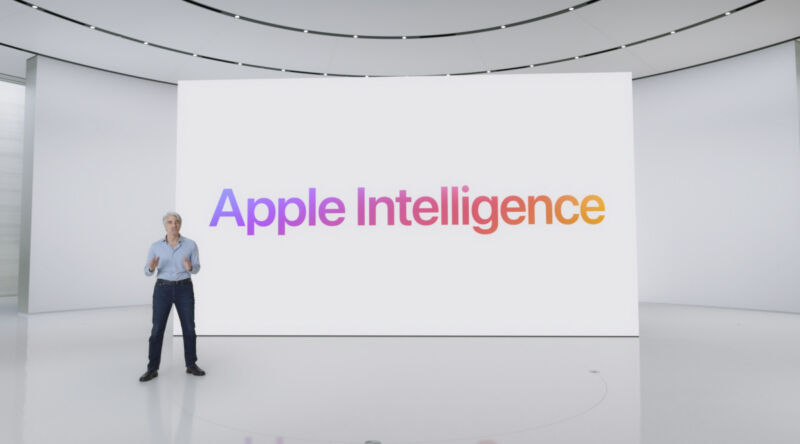
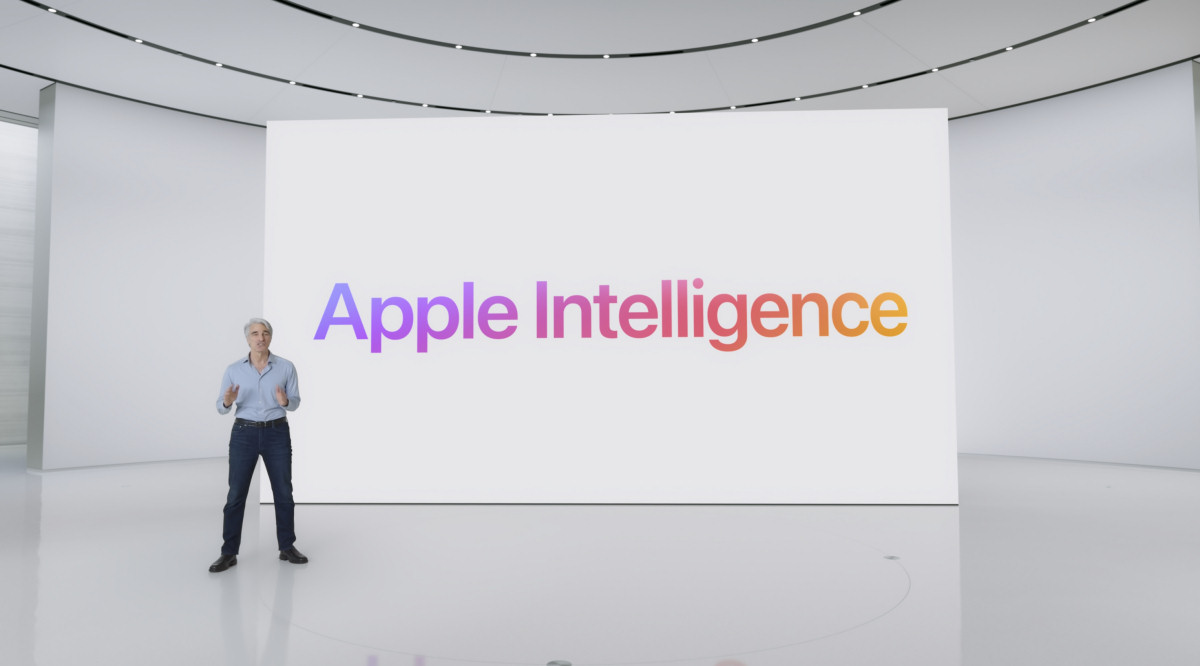
Craig Federighi stands in front of a screen with the words
Enlarge / Apple Intelligence was unveiled at WWDC 2024.

As the parent of a younger child, I can tell you that getting a kid to respond the way you want can require careful expectation-setting. Especially when we’re trying something new for the first time, I find that the more detail I can provide, the better he is able to anticipate events and roll with the punches.

I bring this up because testers of the new Apple Intelligence AI features in the recently released macOS Sequoia beta have discovered plaintext JSON files that list a whole bunch of conditions meant to keep the generative AI tech from being unhelpful or inaccurate. I don’t mean to humanize generative AI algorithms, because they don’t deserve to be, but the carefully phrased lists of instructions remind me of what it’s like to try to give basic instructions to (or explain morality to) an entity that isn’t quite prepared to understand it.

The files in question are stored in the /System/Library/AssetsV2/com_apple_MobileAsset_UAF_FM_GenerativeModels/purpose_auto folder on Macs running the macOS Sequoia 15.1 beta that have also opted into the Apple Intelligence beta. That folder contains 29 metadata.json files, several of which include a few sentences of what appear to be plain-English system prompts to set behavior for an AI chatbot powered by a large-language model (LLM).

Many of these prompts are utilitarian. “You are a helpful mail assistant which can help identify relevant questions from a given mail and a short reply snippet,” reads one prompt that seems to describe the behavior of the Apple Mail Smart Reply feature. “Please limit the reply to 50 words,” reads one that could write slightly longer draft responses to messages. “Summarize the provided text within 3 sentences, fewer than 60 words. Do not answer any question from the text,” says one that looks like it would summarize texts from Messages or Mail without interjecting any of its own information.

Some of the prompts also have minor grammatical issues that highlight what a work-in-progress all of the Apple Intelligence features still are. “In order to make the draft response nicer and complete, a set of question [sic] and its answer are provided,” reads one prompt. “Please write a concise and natural reply by modify [sic] the draft response,” it continues.

“Do not make up factual information.”

And still other prompts seem designed specifically to try to prevent the kinds of confabulations that generative AI chatbots are so prone to (hallucinations, lies, factual inaccuracies; pick the term you prefer). Phrases meant to keep Apple Intelligence on-task and factual include things like:

  • “Do not hallucinate.”
  • “Do not make up factual information.”
  • “You are an expert at summarizing posts.”
  • “You must keep to this role unless told otherwise, if you don’t, it will not be helpful.”
  • “Only output valid json and nothing else.”

Earlier forays into generative AI have demonstrated why it’s so important to have detailed, specific prompts to guide the responses of language models. When it launched as “Bing Chat” in early 2023, Microsoft’s ChatGPT-based chatbot could get belligerent, threatening, or existential based on what users asked of it. Prompt injection attacks could also put security and user data at risk. Microsoft incorporated different “personalities” into the chatbot to try to rein in its responses to make them more predictable, and Microsoft’s current Copilot assistant still uses a version of the same solution.

What makes the Apple Intelligence prompts interesting is less that they exist and more that we can actually look at the specific things Apple is attempting so that its generative AI products remain narrowly focused. If these files stay easily user-accessible in future macOS builds, it will be possible to keep an eye on exactly what Apple is doing to tweak the responses that Apple Intelligence is giving.

The Apple Intelligence features are going to launch to the public in beta this fall, but they’re going to miss the launch of iOS 18.0, iPadOS 18.0, and macOS 15.0, which is why Apple is testing them in entirely separate developer betas. Some features, like the ones that transcribe phone calls and voicemails or summarize text, will be available early on. Others, like the new Siri, may not be generally available until next year. Regardless of when it arrives, Apple Intelligence requires fairly recent hardware to work: either an iPhone 15 Pro, or an iPad or Mac with at least an Apple M1 chip installed.

https://arstechnica.com/?p=2041307


Ryzen AI 300 performance review: Impressive CPUs, even if you don’t care about AI

With or without the "AI," AMD's new laptop processors are pretty good.
Enlarge / With or without the “AI,” AMD’s new laptop processors are pretty good.
Andrew Cunningham

For all the noise about neural processing units (NPUs) and the generative AI capabilities of new and upcoming chips, NPUs don’t yet do all that much in terms of day-to-day, bread-and-butter computing.

So when I’m evaluating new processors that make a big deal about their AI processing capabilities, my unofficial rule of thumb has been to mostly ignore the AI stuff and focus on more traditional metrics: If the AI bubble popped tomorrow and the hype wave dissipated, would these still be worthwhile chips? Qualcomm’s Snapdragon X SoCs were launched alongside a pile of AI-related software announcements, but they’re impressive mostly because they’re very good at basic computer-y things: They feel fast, and they enable good battery life.

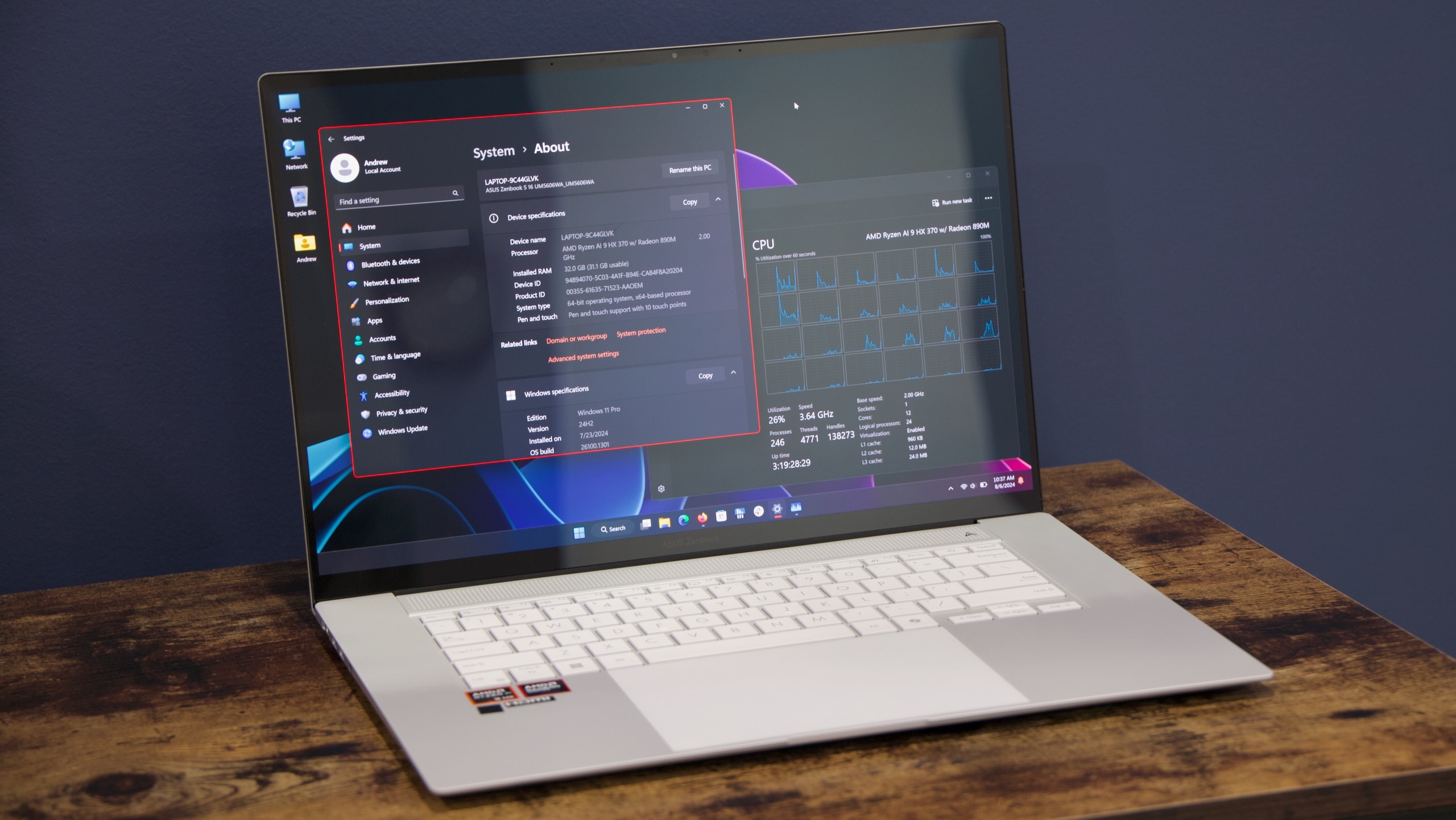
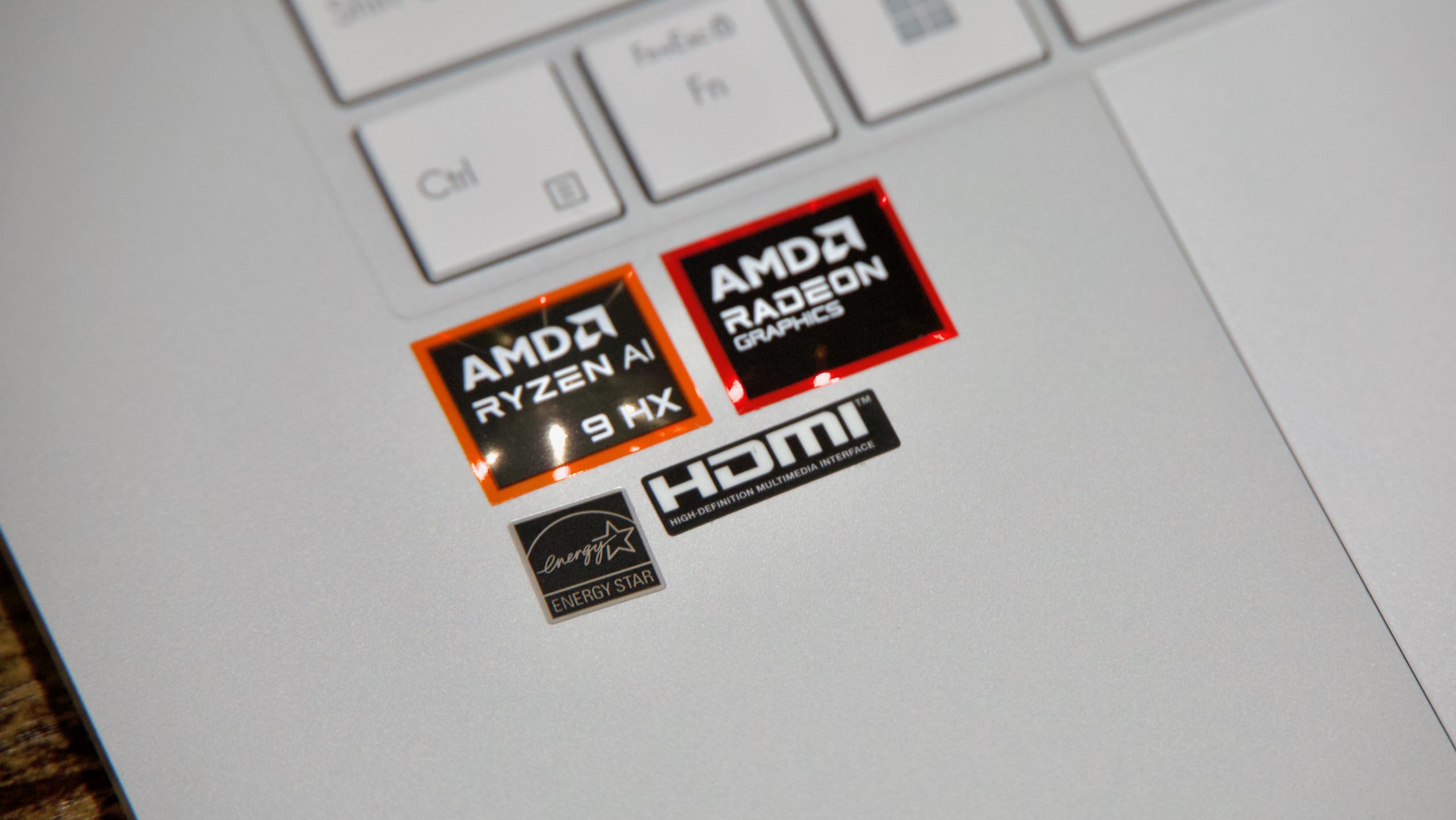
Despite the “AI” that AMD has added to the name, I’m looking at the new Ryzen AI 300-series pretty much the same way. The test system AMD provided—a 16-inch Asus ZenBook UM5606W with a Ryzen AI 9 HX 370 and an integrated Radeon 890M GPU in it—shows that the chip is a small but significant bump over the older Ryzen 7000- and 8000-series laptop CPUs. For various reasons, those chips were already a bit easier to recommend than Intel’s 13th-generation Core processors and both Ultra and non-Ultra Intel Core CPUs, and the Ryzen AI upgrade provides solid boosts to CPU performance and graphics while still maintaining good power efficiency and battery life.

This Asus ZenBook, and a brief note on AI stuff

This isn’t an in-depth review of the ZenBook UM5606W, but here’s a high-level overview if you’re curious.

I’d place this in the same “large thin-and-light” category as the Surface Laptop 15 and the 15-inch MacBook Air, a laptop that acknowledges that people sometimes want larger screens without also needing expensive power-draining dedicated GPUs or toasty desktop-class CPUs. And it’s a broadly inoffensive laptop, with no deal-breaking problems I encountered in a week or so of use.

Its worst sin is its white keyboard with a white keyboard backlight, something that has never been a great idea because it always makes the key legends harder rather than easier to read in medium to bright indoor or outdoor light. Unless the room you’re in is actually dark or nearly dark, turning it off almost always makes the keyboard nicer to look at. The glassy screen is also tremendously reflective, which doesn’t bother me much but which could be a problem if you’re frequently working outdoors.

The laptop has a decent port selection—two 40Gbps USB-C ports, a full-size HDMI port, a USB-A port, a full-size SD card slot, and a headphone jack. The OLED screen looks great and covers 100 percent of the sRGB and DCI-P3 color gamuts. Both the keyboard and trackpad work well enough that I don’t have notes, aside from the backlight thing. And obviously, since this is using a good-old x86 chip, you won’t deal with any of the lingering compatibility issues that are still part and parcel of a Snapdragon-based system.

The Asus Zenbook UM5606W, a solid showcase for the Ryzen AI chips.
Enlarge / The Asus Zenbook UM5606W, a solid showcase for the Ryzen AI chips.
Andrew Cunningham

Of course, even the Copilot+ stuff that does exist isn’t actually working on x86 PCs just yet, even though the ZenBook does ship with a version of Windows 11 24H2 installed rather than 23H2. In theory, this update is still technically a beta for most x86 PCs, though Microsoft and the PC makers are shipping and supporting it on Arm-powered Copilot+ PCs.

To ensure that it can still talk about AI stuff despite a lack of AI-driven Windows features, AMD is promoting a beta of TensorStack’s Amuse 2.0 image-generation software that runs entirely locally. The hardware recommendations are pretty steep; you need a Ryzen AI 300 system with 24GB of RAM, a computer with a Radeon 7000-series GPU, or a Ryzen 8040-series chip with 32GB of RAM (Ryzen 7000 laptop CPUs and Ryzen 8000G desktop CPUs, all chips with NPUs that were promoted heavily as being AI-capable, are not mentioned).

But those recommendations are only really requirements if you want “XDNA Super Resolution” upscaling. The funny thing about the Amuse software is that it doesn’t even touch the Ryzen AI chip’s much-talked-about NPU—it’s rendering everything on the Radeon 890M GPU, just like it uses the Radeon GPU on the desktop. And since it’s really just using the GPU, Amuse will download, install, and run on just about anything, making it less than convincing both as a selling point for Ryzen AI processors and as a showcase for chips with fancy NPUs in them.

https://arstechnica.com/?p=2040553


Nvidia, lo scraping dei dati per scalare il mercato?

Solo qualche settimana fa, Nvidia è divenuta la prima azienda per capitalizzazione di mercato. Adesso però, un’inchiesta di 404 Media svela una pratica controversa messa in atto dal colosso. Nvidia avrebbe utilizzato su larga scala tecniche di data scraping per estrarre milioni di video da piattaforme come YouTube e Netflix, impiegandoli per addestrare il suo nuovo modello di intelligenza artificiale, Cosmos. Un modus operandi con cui l’organizzazione si sarebbe assicurata un consolidamento ulteriore nel settore così sfidante dell’intelligenza artificiale.

Cosmos è presentato da Nvidia come un modello di base che integra diverse discipline, dalla fisica all’intelligenza artificiale, con l’obiettivo di alimentare una vasta gamma di applicazioni, dai mondi virtuali ai sistemi di guida autonoma. Il metodo utilizzato per far crescere l’AI pare piuttosto aggressivo: i dipendenti sono stati incaricati di scaricare massivamente video da YouTube, impiegando strumenti automatizzati e aggirando i blocchi della piattaforma.

L’obiettivo di Nvidia

L’obiettivo era ambizioso: raccogliere l’equivalente di 80 anni di video ogni giorno. Le implicazioni legali e etiche di questa pratica sono evidenti. Sia Google (proprietaria di YouTube) che Netflix hanno condannato fermamente l’operato di Nvidia, sottolineando come lo scraping dei loro contenuti violi chiaramente i termini di servizio. Nvidia, dal canto suo, si difende sostenendo di agire nel rispetto della legge sul copyright. L’azienda argomenta che l’estrazione di dati e informazioni da una fonte per creare nuove espressioni è una pratica lecita, protetta dal principio del “fair use“. Tuttavia, le dichiarazioni di alcuni dipendenti interni, che hanno espresso dubbi sull’eticità del progetto, mettono in discussione questa versione. I dirigenti di Nvidia avrebbero rassicurato i lavoratori, affermando di avere le autorizzazioni necessarie.

Un mercato da far west

Questo caso solleva importanti interrogativi: fino a che punto è lecito utilizzare dati estratti da altre fonti per addestrare modelli di intelligenza artificiale? L’uso massiccio di dati preesistenti rischia di limitare la creatività e l’originalità nell’ambito dell’intelligenza artificiale? Chi è responsabile delle conseguenze dell’uso improprio dei dati?

L’azienda avrebbe anche chiesto ai dipendenti di scaricare film, trailer, gameplay e altri contenuti, violando le licenze d’uso che limitavano il download a scopi accademici o comunque non commerciali. Per evitare di essere scoperta, Nvidia permetteva agli utenti di affidarsi a macchine virtuali, randomizzando gli indirizzi IP ad ogni accesso.

Leggi le altre notizie sull’home page di Key4biz

https://www.key4biz.it/nvidia-lo-scraping-dei-dati-per-scalare-il-mercato/501018/


Elon Musk says Tesla is an AI company now. Here’s how plausible that is.

A maze drawn on paper in the shape of a brain
Aurich Lawson | Getty Images

When Tesla recorded its first annual profit in 2020, it had done something fairly remarkable. Starting a new car company has never been easy. It’s harder still when those cars are electric and outside your average buyer’s comfort zone; more than a dozen have tried and failed since Tesla was founded in 2003. Even mighty Apple, with all its billions in the bank, thought better of it. So why, after all that hard work, would Tesla’s CEO now tell everyone that Tesla is an AI company?

The company’s greatest successes have come when it innovates, like when it realized that laptop cells were about energy-dense enough to power a sports car if you just had enough of them. Building out a reliable fast-charging network was another such innovation. But Tesla CEO Elon Musk has also never been afraid to chase a trend, and the hype du jour is artificial intelligence, a field that attracted more than $67 billion in investment last year.

“We are an AI, robotics company; if you value us otherwise, the right answer is impossible to the questions being asked,” Musk told investors and journalists in April.

The company’s profit and loss sheets back that up—Tesla was spending heavily on GPUs from Nvidia rather than on new car lines, although that was followed by news that Musk has had many of those GPUs redirected to his social media company X. And over the past few years, we’ve seen more demonstrations of humanoid robots—with varying degrees of verisimilitude—than new cars.

That lack of attention to the company’s core business is starting to become evident. Tesla’s product lineup is small and increasingly elderly, with the exception of a niche pickup truck that is only road-legal in North America. Price cuts haven’t stopped sales from declining, and the company’s profits are shrinking quarter by quarter.

In the corners of the Internet where people argue about such things, it’s common to see appeals to the investors. Surely they can rein Musk in, get him to focus. Or maybe even replace him. That makes sense if the goal is to end up with a stable automaker that ticks along at a regular cadence. But those kinds of car companies just don’t generate wild profit margins or solar system-sized valuations.

Tesla is currently valued at $661.5 billion, with a price-to-earnings ratio of 58.9. General Motors, by contrast, is valued at $47.9 billion with a price-to-earnings ratio of 4.7.

Are robotaxis really an untapped goldmine?

The company’s spike in valuation presupposes that a successful robotaxi business will generate profits with almost no overheads. But that supposition is unlikely to be correct. “Yes, you’re taking the driver out of the equation in terms of paying a driver, but you’ve added a whole bunch of new costs, especially when you look at the mid-2010s,” said Sam Abuelsamid, principal analyst of transportation and mobility at Guidehouse Insights. “We had Uber and Lyft and others saying, ‘Oh, we’re gonna replace our human drivers with robotaxis, and all of a sudden—multitrillion dollar profits.’ And that was never a viable idea.”

“Even with an asset-light model, they still couldn’t make money. And now you’ve got to build or buy hundreds of thousands or millions of vehicles,” Abuelsamid said. These vehicles need to be maintained and charged or fueled, cleaned, insured, and parked when not in use, and so on. On top of that, “you’ve also got to develop the platform. And this is why Uber, Lyft, and others pulled out and sold that stuff off to others to let them do it,” Abuelsamid told Ars.

Almost all the companies developing autonomous vehicles are going about it in a particular way. “The companies who are all claiming they’re going to design (if not build) vehicles own the platform that you have to use for the point of sale, develop the software, and often develop hardware or modify existing hardware. So that’s the most expensive way to do that,” explained Alex Roy, investor and former director of special operations at Argo AI.

That puts those companies in a race to start generating profits before their investment money is spent. “The other camp is Tesla and Mobileye. They pay for their R&D out of profits for things they sell today. That’s the roadmap there,” Roy said. “Now, Elon has made claims that the data aggregation for the vehicles has portability to other embodied AI, specifically humanoids. And undoubtedly, there is some portability. How much portability? We don’t know,” Roy said.

https://arstechnica.com/?p=2040824


Fare i compiti con ChatGPT, OpenAI cerca tool per watermarking

ChatGPT fa i compiti al posto nostro, nuovo strumento OpenAI per scoprire chi bara

L’intelligenza artificiale (AI) generativa è uno strumento che se ben usato può potenziare la nostra capacità di elaborare testi, video, immagini in qualsiasi attività lavorativa o di studio, compresi i compiti assegnati agli studenti.

Il problema è che a scuola l’AI generativa come ChatGPT (acronimo di “Chat Generative Pre-trained Transformer“, letteralmente “trasformatore generativo pre-addestrato”) va usata con cognizione di causa e seguendo delle regole ben precise, magari senza barare.

Per questo OpenAI, la società che ha sviluppato ChatGPT, ha annunciato la creazione di un nuovo tool dedicato proprio a scovare ogni tentativo da parte degli studenti di generare testi in automatico senza battere un tasto in più del proprio Pc.

Secondo il Wall Street Journal, però, lo strumento individuato da OpenAI non sarebbe efficace al 100% e andrebbe migliorato.

La filigrana di testo è efficace?

Si tratta di una soluzione di text watermarking, che prevede l’inserimento di una ‘filigrana’ di testo o di immagine che consente di riconoscere, attraverso l’impiego di un’altra AI di ricerca, se l’utente ha o meno utilizzato ChatGPT per elaborare un documento.

I dubbi di OpenAI sono legati all’efficacia reale di questa soluzione, alla possibilità di eluderne il controllo e al potenziale impatto su gruppi sociali non anglofoni, ha spiegato un portavoce al WSJ.

La presenza di filigrana in ogni parola generata consentirebbe, con apposito software di verifica, di rilevare subito l’impiego di ChatGPT, ma non di altri modelli di AI di altre aziende.

Riguardo alla possibilità di eludere la verifica, gli sviluppatori di OpenAI hanno spiegato che al momento non è possibile evitare una manomissione del testo finalizzata alla neutralizzazione della filigrana.

Ad esempio, sottolineano da San Francisco, la filigrana del testo si è dimostrata “altamente accurata e persino efficace contro la manipolazione localizzata, come la parafrasi“, ma si è dimostrata “meno robusta contro quella generalizzata; come l’uso di sistemi di traduzione, o la riformulazione del testo con un altro modello generativo”.

Il 60% degli studenti italiani usa ChatGPT per fare i compiti, ma cresce la paura del suo uso illimitato

Il punto fermo attorno cui si dovrebbe ragionare è che qualsiasi utilizzo inconsapevole dell’AI generativa alimenta solo l’ignoranza.

Un problema non da poco, quello dell’uso dell’AI generativa per fare i compiti a scuola, perché è difficile scoprire se uno studente ha davvero scritto un testo o l’ha fatto l’AI e perché sono ormai in tanti ad utilizzare questa tecnologica in classe come a casa.

In una ricerca condotta da Tgm Research per conto di NoPlagio, è emerso che nelle scuole italiane, il 71% dei ragazzi dai 16 ai 18 anni usa l’IA per cercare informazioni, il 60% per fare i compiti, il 33% per imparare, il 18% per rispondere ai test, il 21% la usa come assistente personale (per scrivere e mail per esempio), il 13% per scrivere saggi.

Rispondendo alla domanda ‘Hai mai utilizzato ChatGPT o strumenti di intelligenza artificiale simili per completare i compiti?‘, su coloro che hanno risposto sì all’uso in generale dell’IA, il 79% dei ragazzi ha risposto che li usa per fare i compiti e scrivere saggi.

Allo stesso tempo, il 64% di ragazzi ha espresso preoccupazione per l’uso illimitato che se ne possa fare sia a scuola che a lavoro.

In Europa, secondo lo studio, il 70% degli studenti spagnoli, il 65% di quelli italiani e il 63% di quelli tedeschi usa regolarmente ChatGPT per fare compiti o completare test scolastici.

Leggi le altre notizie sull’home page di Key4biz

https://www.key4biz.it/fare-i-compiti-con-chatgpt/500898/