OpenAI corre ai ripari dopo aver utilizzato senza consenso la voce di Scarlett Johansson
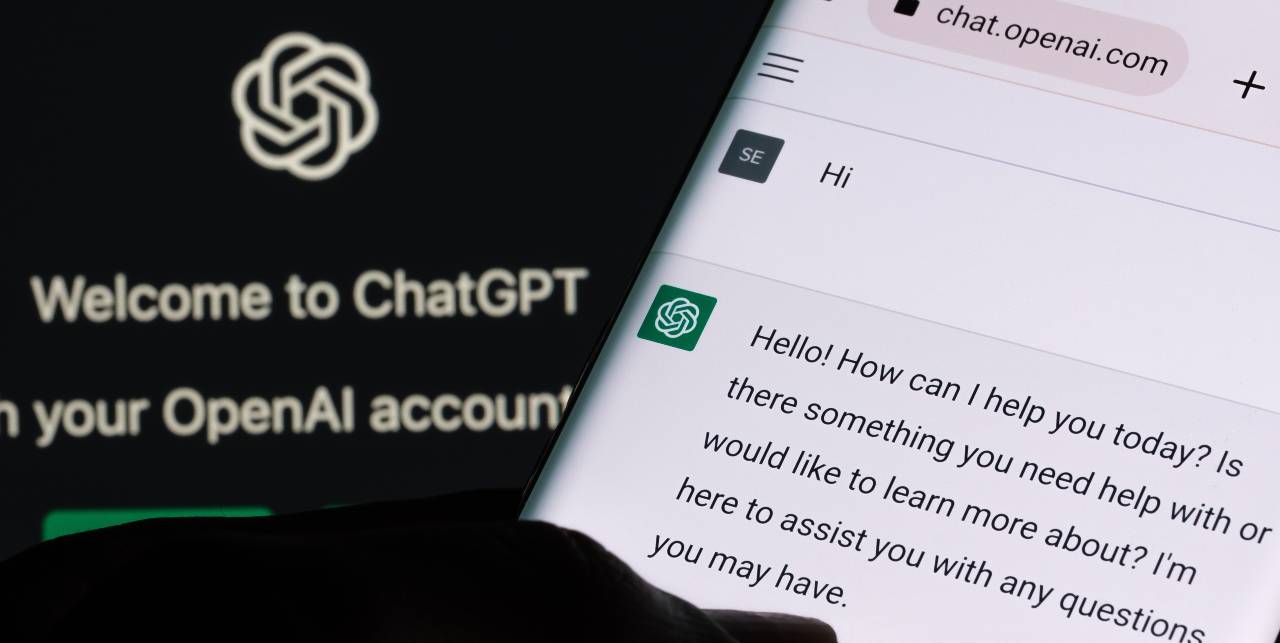
All’inizio di quest’anno, OpenAI ha svelato una modalità vocale migliorata per l’ultima versione di ChatGpt, chiamata Omnia. A differenza delle voci robotiche di assistenti digitali come Alexa o Siri, questa nuova opzione ha dimostrato di poter suonare realistica. Può rispondere in tempo reale, gestire le interruzioni, emettere suoni di risatina quando gli utenti scherzano e valutare lo stato emotivo di un oratore in base al suo tono. C’era però un problema: durante la dimostrazione iniziale, la voce è apparsa fin troppo simile a quella di Scarlett Johansson, attrice che ha interpretato un’intelligenza artificiale nel film “Her”.

Detto fatto: per evitare lunghe e costose procedure giudiziali, OpenAI ha pensato bene di eliminare quella voce dalle tonalità di “Sky“, il nome dato all’audio conversazionale, così da poter distribuire la novità a tutti gli utenti iscritti ad un piano a pagamento Plus.

Cosa cambia per OpenAI

La modalità avanzata sarà, almeno inizialmente, disponibile per un piccolo gruppo di abbonati, con l’intenzione di estenderla a tutti gli utenti Plus entro l’autunno. Sebbene ChatGpt abbia già una modalità vocale di base, questa versione rappresenta un significativo balzo in avanti. Potrebbe trasformare ChatGpt da un semplice chatbot AI in un assistente personale virtuale, consentendo agli utenti di impegnarsi in conversazioni naturali come farebbero con un amico. Da qui alla trasposizione su uno speaker domestico o uno schermo simile agli Echo con Alexa il passo è breve.

La rinnovata facilità di interazione potrebbe aumentare il coinvolgimento e presentare una sfida agli assistenti virtuali esistenti di aziende come Apple e Amazon. Tuttavia, l’introduzione solleva importanti domande: ChatGpt riuscirà a comprendere in modo coerente gli utenti, compresi quelli con difficoltà di linguaggio? Una voce simile a quella umana non porterà a fidarsi eccessivamente dell’AI, anche quando commette errori?

Supporto multilingua

OpenAI aveva inizialmente pianificato di lanciare la modalità vocale avanzata a giugno, ma l’ha posticipata per garantire la sicurezza e l’efficacia dello strumento. Negli ultimi mesi, l’azienda ha testato le capacità vocali dell’AI con oltre 100 tester di diversa provenienza linguistica e geografica, coprendo 45 lingue diverse in 29 regioni. Per garantire la sicurezza, OpenAI ha limitato la modalità vocale a quattro opzioni preimpostate create in collaborazione con doppiatori, impedendo l’utilizzo di altre cadenze e tonalità. Inoltre, la startup bloccherà le richieste di generare musica o altri audio protetti da copyright e includerà le stesse protezioni della modalità testo di ChatGpt per evitare di produrre contenuti illegali o dannosi.

Addio Scarlett

Un cambiamento importante rispetto alla demo di maggio è la rimozione della voce somigliante a quella di Scarlett Johansson. Sebbene OpenAI abbia chiarito che la voce era stata creata con un attore diverso, ha deciso di sospenderne l’uso “per rispetto” dopo che l’attrice aveva chiesto ufficialmente alla compagnia di riferire la musa ispiratrice di Sky. Il lancio della modalità vocale avanzata di ChatGPT segue il recente annuncio di OpenAI di testare un motore di ricerca basato sulla sua tecnologia. Un modo per sfidare il predominio di Google nel mercato del web, ampliando la gamma di strumenti rivolti ai consumatori.

Leggi le altre notizie sull’home page di Key4biz

https://www.key4biz.it/openai-corre-ai-ripari-dopo-aver-utilizzato-senza-consenso-la-voce-di-scarlett-johansson/500214/


AI, l’Ue accelera sul codice di condotta. Avviata la consultazione

La consultazione sui modelli di IA per finalità generali (GPAI)

Tutti gli stakeholder continentali sono invitati a partecipare alla consultazione aperta dall’Ufficio europeo sull’AI finalizzata alla stesura di un codice di condotta per l’intelligenza artificiale di uso generale (GPAI), per lo sviluppo di modelli affidabili e sicuri in conformità con l’AI Act.

C’è tempo fino al 10 settembre 2024 per definire nel dettaglio le regole a cui dovranno attenersi i provider GPAI (General-purpose artificial intelligence), tra cui Google, OpenAI e Microsoft, in base a quanto previsto dalla prima legge sull’intelligenza artificiale voluta da Bruxelles.

Il codice, che l’Unione europea prevede di finalizzare entro aprile 2025 (per poi entrare in vigore dal 2 agosto 2025), si occuperà della trasparenza, delle norme relative al copyright, dell’identificazione e della valutazione dei rischi, dell’attenuazione e della gestione interna degli stessi.

Tre le sezioni in cui è suddivisa la consultazione:

  • trasparenza e disposizioni relative al copyright dei modelli GPAI;
  • modelli GPAI con rischio sistemico: tassonomia, valutazione e mitigazione del rischio;
  • revisione e monitoraggio dei codici di condotta per i modelli GPAI.

Il modulo per partecipare

Sulla base delle osservazioni raccolte, verrà sviluppata una bozza iniziale del Codice di condotta. Sarà cura dell’AI Office, l’unità della Commissione che coordina l’implementazione dell’AI Act, guidata dall’italiana Lucilla Sioli, di pubblicare i risultati della consultazione.

La consultazione è disponibile in inglese e le risposte possono essere inviate tramite questo modulo nell’arco di sette settimane.

L’AI Act, ricorda la Commissione europea in una nota, entrerà in vigore il primo agosto (ma sarà applicato gradualmente tra il 2 febbraio 2025 e il 2 agosto 2027).

In caso di violazione della legge, l’eventuale sanzione per i fornitori di modelli IA a scopi generali prevede fino a 15 milioni di euro o fino al 3% del fatturato e si applicherà dopo 24 mesi.

L’obiettivo primario è proteggere i diritti fondamentali, la democrazia, lo Stato di diritto e la sostenibilità ambientale dai sistemi di IA ad alto rischio, promuovendo nel contempo l’innovazione e assicurando all’Europa un ruolo guida nel settore.

Leggi le altre notizie sull’home page di Key4biz

https://www.key4biz.it/ai-lue-accelera-sul-codice-di-condotta-avviata-la-consultazione/500196/


AI search engine accused of plagiarism announces publisher revenue-sharing plan

Robot caught in a flashlight vector illustration

On Tuesday, AI-powered search engine Perplexity unveiled a new revenue-sharing program for publishers, marking a significant shift in its approach to third-party content use, reports CNBC. The move comes after plagiarism allegations from major media outlets, including Forbes, Wired, and Ars parent company Condé Nast. Perplexity, valued at over $1 billion, aims to compete with search giant Google.

“To further support the vital work of media organizations and online creators, we need to ensure publishers can thrive as Perplexity grows,” writes the company in a blog post announcing the problem. “That’s why we’re excited to announce the Perplexity Publishers Program and our first batch of partners: TIME, Der Spiegel, Fortune, Entrepreneur, The Texas Tribune, and WordPress.com.”

Under the program, Perplexity will share a percentage of ad revenue with publishers when their content is cited in AI-generated answers. The revenue share applies on a per-article basis and potentially multiplies if articles from a single publisher are used in one response. Some content providers, such as WordPress.com, plan to pass some of that revenue on to content creators.

A press release from WordPress.com states that joining Perplexity’s Publishers Program allows WordPress.com content to appear in Perplexity’s “Keep Exploring” section on their Discover pages. “That means your articles will be included in their search index and your articles can be surfaced as an answer on their answer engine and Discover feed,” the blog company writes. “If your website is referenced in a Perplexity search result where the company earns advertising revenue, you’ll be eligible for revenue share.”

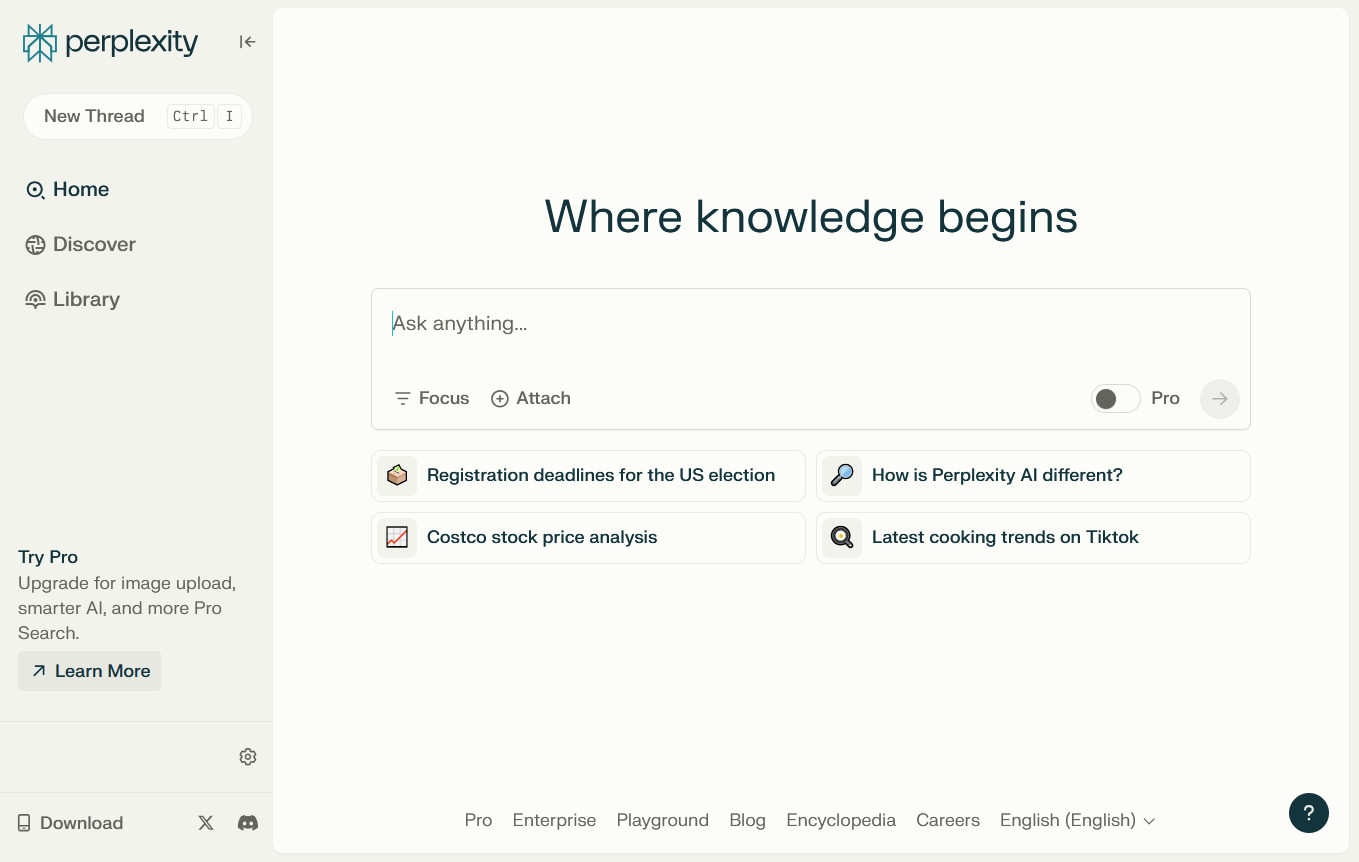
A screenshot of the Perplexity.ai website taken on July 30, 2024.
Enlarge / A screenshot of the Perplexity.ai website taken on July 30, 2024.
Benj Edwards

Dmitry Shevelenko, Perplexity’s chief business officer, told CNBC that the company began discussions with publishers in January, with program details solidified in early 2024. He reported strong initial interest, with over a dozen publishers reaching out within hours of the announcement.

As part of the program, publishers will also receive access to Perplexity APIs that can be used to create custom “answer engines” and “Enterprise Pro” accounts that provide “enhanced data privacy and security capabilities” for all employees of Publishers in the program for one year.

Accusations of plagiarism

The revenue-sharing announcement follows a rocky month for the AI startup. In mid-June, Forbes reported finding its content within Perplexity’s Pages tool with minimal attribution. Pages allows Perplexity users to curate content and share it with others. Ars Technica sister publication Wired later made similar claims, also noting suspicious traffic patterns from IP addresses likely linked to Perplexity that were ignoring robots.txt exclusions. Perplexity was also found to be manipulating its crawling bots’ ID string to get around website blocks.

As part of company policy, Ars Technica parent Condé Nast disallows AI-based content scrapers, and its CEO Roger Lynch testified in the US Senate earlier this year that generative AI has been built with “stolen goods.” Condé sent a cease-and-desist letter to Perplexity earlier this month.

But publisher trouble might not be Perplexity’s only problem. In some tests of the search we performed in February, Perplexity badly confabulated certain answers, even when citations were readily available. Since our initial tests, the accuracy of Perplexity’s results seems to have improved, but providing inaccurate answers (which also plagued Google’s AI Overviews search feature) is still a potential issue.

Compared to the free tier of service, Perplexity users who pay $20 per month can access more capable LLMs such as GPT-4o and Claude 3, so the quality and accuracy of the output can vary dramatically depending on whether a user subscribes or not. The addition of citations to every Perplexity answer allows users to check accuracy—if they take the time to do it.

The move by Perplexity occurs against a backdrop of tensions between AI companies and content creators. Some media outlets, such as The New York Times, have filed lawsuits against AI vendors like OpenAI and Microsoft, alleging copyright infringement in the training of large language models. OpenAI has struck media licensing deals with many publishers as a way to secure access to high-quality training data and avoid future lawsuits.

In this case, Perplexity is not using the licensed articles and content to train AI models but is seeking legal permission to reproduce content from publishers on its website.

https://arstechnica.com/?p=2039978


Outsourcing emotion: The horror of Google’s “Dear Sydney” AI ad

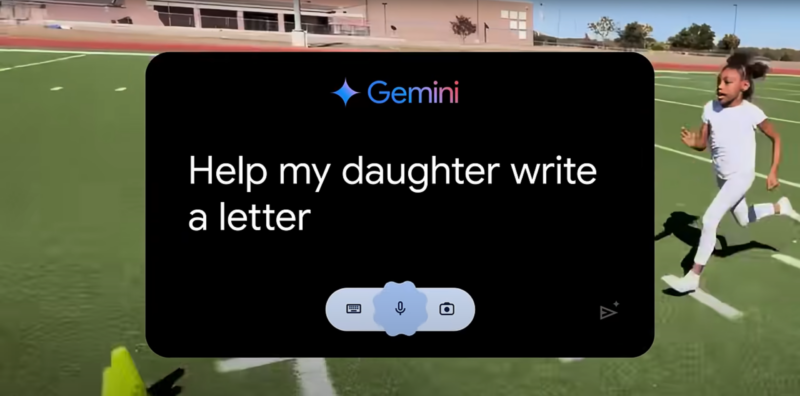
Here's an idea: Don't be a deadbeat and do it yourself!
Enlarge / Here’s an idea: Don’t be a deadbeat and do it yourself!

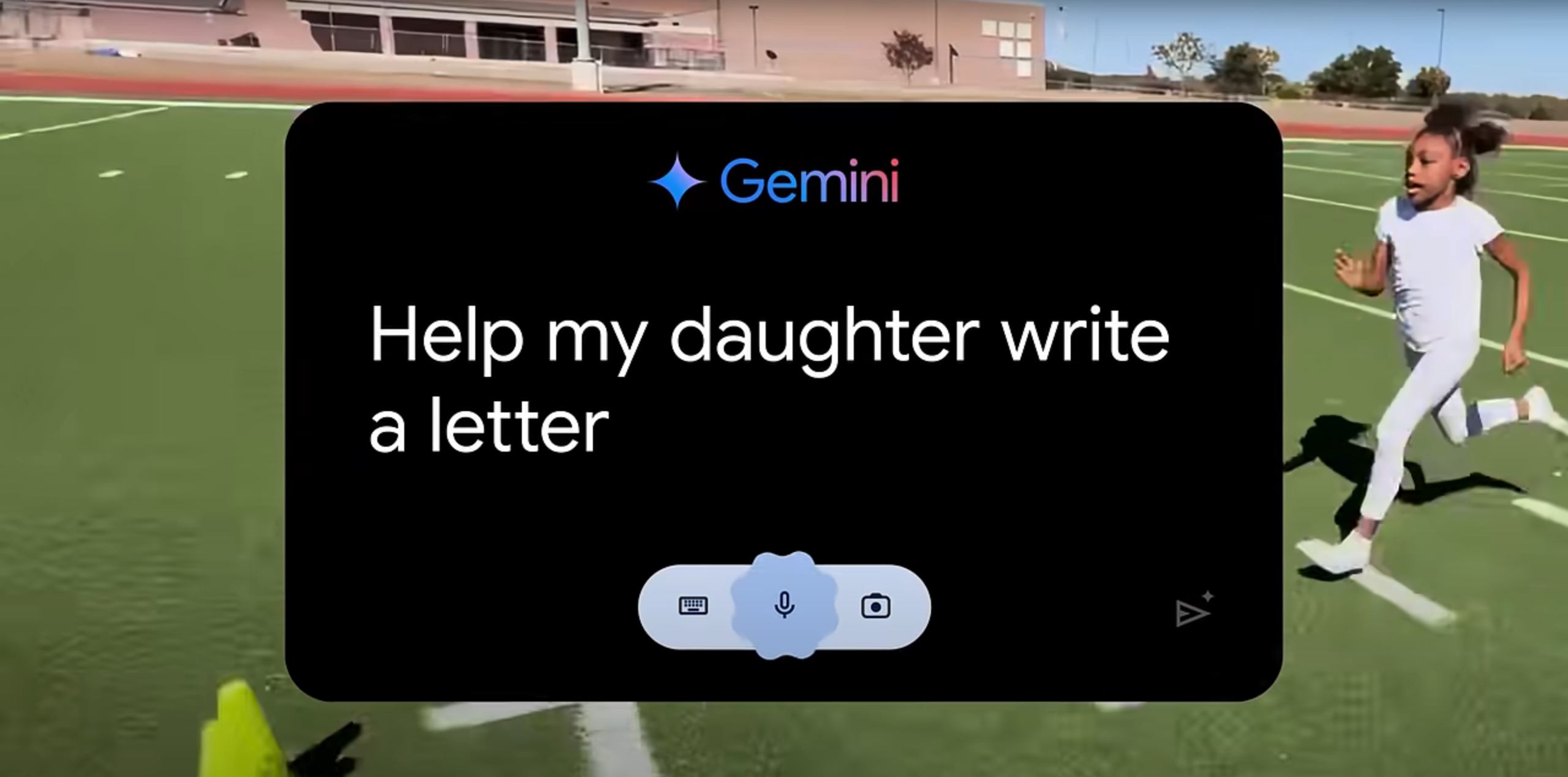
If you’ve watched any Olympics coverage this week, you’ve likely been confronted with an ad for Google’s Gemini AI called “Dear Sydney.” In it, a proud father seeks help writing a letter on behalf of his daughter, who is an aspiring runner and superfan of world-record-holding hurdler Sydney McLaughlin-Levrone.

“I’m pretty good with words, but this has to be just right,” the father intones before asking Gemini to “Help my daughter write a letter telling Sydney how inspiring she is…” Gemini dutifully responds with a draft letter in which the LLM tells the runner, on behalf of the daughter, that she wants to be “just like you.”

Every time I see this ad, it puts me on edge in a way I’ve had trouble putting into words (though Gemini itself has some helpful thoughts). As someone who writes words for a living, the idea of outsourcing a writing task to a machine brings up some vocational anxiety. And the idea of someone who’s “pretty good with words” doubting his abilities when the writing “has to be just right” sets off alarm bells regarding the superhuman framing of AI capabilities.

But I think the most offensive thing about the ad is what it implies about the kinds of human tasks Google sees AI replacing. Rather than using LLMs to automate tedious busywork or difficult research questions, “Dear Sydney” presents a world where Gemini can help us offload a heartwarming shared moment of connection with our children.

[embedded content]
The “Dear Sydney” ad.

It’s a distressing answer to what’s still an incredibly common question in the AI space: What do you actually use these things for?

Yes, I can help

Marketers have a difficult task when selling the public on their shiny new AI tools. An effective ad for an LLM has to make it seem like a superhuman do-anything machine but also an approachable, friendly helper. An LLM has to be shown as good enough to reliably do things you can’t (or don’t want to) do yourself, but not so good that it will totally replace you.

Microsoft’s 2024 Super Bowl ad for Copilot is a good example of an attempt to thread this needle, featuring a handful of examples of people struggling to follow their dreams in the face of unseen doubters. “Can you help me?” those dreamers ask Copilot with various prompts. “Yes, I can help” is the message Microsoft delivers back, whether through storyboard images, an impromptu organic chemistry quiz, or “code for a 3D open world game.”

[embedded content]
Microsoft’s Copilot marketing sells it as a helper for achieving your dreams.

The “Dear Sydney” ad tries to fit itself into this same box, technically. The prompt in the ad starts with “Help my daughter…” and the tagline at the end offers “A little help from Gemini.” If you look closely near the end, you’ll also see Gemini’s response starts with “Here’s a draft to get you started.” And to be clear, there’s nothing inherently wrong with using an LLM as a writing assistant in this way, especially if you have a disability or are writing in a non-native language.

But the subtle shift from Microsoft’s “Help me” to Google’s “Help my daughter” changes the tone of things. Inserting Gemini into a child’s heartfelt request for parental help makes it seem like the parent in question is offloading their responsibilities to a computer in the coldest, most sterile way possible. More than that, it comes across as an attempt to avoid an opportunity to bond with a child over a shared interest in a creative way.

It’s one thing to use AI to help you with the most tedious parts of your job, as people do in recent ads for Salesforce’s Einstein AI. It’s another to tell your daughter to go ask the computer for help pouring their heart out to their idol.

https://arstechnica.com/?p=2040001


La tesina di Leonardo (terza media) su Alan Turing, pioniere dell’AI: ecco perché

Perché Alan Turing è considerato uno dei padri dell’informatica per la sua ‘’macchina di Turing’’, e anche pioniere dell’Intelligenza Artificiale? E perché il logo di Apple è una mela morsicata? Per chi non lo sapesse, può trovare le risposte, scritte in modo semplice, ma esaustivo, nella tesina di terza media di Leonardo, della scuola “Silio Italico” di Napoli. Questa è la seconda tesina che Key4biz pubblica dal contest organizzato dalla Asc27, startup italiana tra i leader nel settore.

Questo è uno dei motivi per i quali Key4biz è media partner dell’iniziativa. Inoltre, sosteniamo il contest perché ha il merito di dare voce alla Generazione AI, ai giovani dagli 11 ai 19 anni che usano l’intelligenza artificiale generativa per studiare e formarsi, per comporre musica e anche per fare i compiti a casa più velocemente. Sono i protagonisti di quest’era dell’AI: siamo sicuri che le loro tesine vadano ad alimentare correttamente nel nostro Paese la cultura sull’intelligenza artificiale. Sono coloro che ne vivranno maggiormente l’impatto positivo e negativo nei prossimi anni e, allo stesso tempo, smanettando con l’AI grazie a idee e competenze andranno a plasmare il futuro. 

È bello vedere come l’intelligenza artificiale venga raccontata con gli occhi di questi ragazzi.

La macchina di Turing era il primo computer ‘’astratto’’

Ritorniamo Turing. Leonardo nella sua tesina scrive: 

A soli 24 anni pubblicò la sua opera ‘’On Computable Numbers’’ in cui presentò una macchina di calcolo logico in grado di eseguire qualunque calcolo matematico purché rappresentabile come un algoritmo. La macchina di Turing era il primo computer ‘’astratto’’.

Alan Turing è considerato uno dei padri dell’informatica per la sua ‘’macchina di Turing’’, ma anche pioniere dell’Intelligenza Artificiale. Infatti nel 1950 pubblicò sulla rivista Mind l’articolo ‘’Computing Machinery and Intelligence’’ nel quale si domandava se una macchina fosse in grado di ‘’pensare’’. Per spiegare la sua idea di ‘’Intelligenza Artificiale’’, Turing descrisse un esperimento che chiamò ‘’The Imitation Game’’: tre persone vengono isolate in stanze diverse e una (il giudice) deve indovinare il sesso delle altre due basandosi solo su risposte scritte, non necessariamente sincere, alle sue domande. Sostituendo una delle due persone con una macchina, esce fuori quello che oggi è conosciuto come Test di Turing.

Il test di Turing

La finalità del Test di Turing è quella di scoprire se una macchina è in grado di ‘’pensare’’, cioè se è ‘’intelligente’’.

Perché secondo gli storici, il lavoro di Turing accorciò la II guerra mondiale di almeno 2 anni?

Nel 1938 fu inserito dai Servizi Segreti inglesi nel gruppo di Bletchley Park per partecipare ad un progetto top-secret denominato ‘’Progetto Ultra’’. Il gruppo di Bletchley Park era composto da matematici e crittografi e il loro compito fu quello di decifrare, durante la seconda guerra mondiale, i codici tedeschi elaborati con Enigma.

Questa era una complessa macchina che trasformava le parole in sequenze di lettere senza senso. Il codice che ne risultava poteva essere decifrato solo con un’altra macchina Enigma e con un chiave di configurazione che cambiava ogni 24 ore.

Il gruppo di lavoro di Turing riuscì a decifrare il codice attraverso la progettazione e costruzione della macchina The Bombe, permettendo così agli Alleati di conoscere in anticipo le mosse dei tedeschi. Secondo gli storici, il lavoro di Turing accorciò la guerra di almeno 2 anni ma restò segreto fino agli anni ’70.

Perché il logo di Apple è una mela morsicata

Leggi la tesina completa di Leonardo, puoi anche votarla

Leggi la prima puntata la tesina di Giada

Leggi le altre notizie sull’home page di Key4biz

https://www.key4biz.it/la-tesina-di-leonardo-terza-media-su-alan-turing-pioniere-dellai-ecco-perche/500051/


C’è anche Apple nel disegno degli Usa per l’AI. Con quale credibilità?

Il 26 luglio la Casa Bianca ha confermato che Apple si è unita a 15 aziende tecnologiche impegnate a seguire misure di sicurezza volte a ridurre i rischi dell’intelligenza artificiale. Tra i colossi figurano Amazon, Google, Microsoft e OpenAI. A ottobre dello scorso anno, Joe Biden dichiarò di aver raggiunto un accordo di massima “per contribuire a progredire verso uno sviluppo sicuro, protetto e trasparente della tecnologia dell’intelligenza artificiale”.

Le misure includono la simulazione da parte delle aziende tecnologiche di attacchi ai modelli di intelligenza artificiale tramite una tecnica di test denominata “red teaming” per evidenziare difetti o vulnerabilità. Secondo il governo Usa, i test sui modelli o sui sistemi di intelligenza artificiale devono includere rischi sociali e preoccupazioni per la sicurezza nazionale, come gli attacchi informatici e lo sviluppo di armi biologiche. Le organizzazioni che hanno sottoscritto la bozza dovranno collaborare alla condivisione di informazioni, anche tra di loro notoriamente rivali, così come con gli organi statali.

L’Intelligence di Apple

A giugno Apple ha presentato “Apple Intelligence”, la sua suite di funzionalità di intelligenza artificiale per i suoi dispositivi, nel tentativo di rassicurare gli utenti sul fatto che non intende restare indietro rispetto alla frenesia della concorrenza. Alla base c’è una partnership con OpenAI che renderà disponbile sugli iPhone l’AI di ChatGPT.

Il problema è la credibilità. Aziende come Apple, nonostante l’ingresso tardivo nello scenario dell’AI generativa, devono adesso monetizzare gli sforzi. Le prestazioni dei modelli, la necessità di addestrarli continuamente, richiede non solo costi in termini di risorse computazionali ma anche di team. Pensare che una multinazionale del genere, così come il resto delle 15 imprese parte del “patto” con Washington, possano ridurre le loro ambizioni per questioni di correttezza e beneficio universale, è un dubbio legittimo.

C’è poi un’ulteriore considerazione. Lo scorso 20 marzo, lo US Justice Department, ossia il Ministero della Giustizia degli Stati Uniti, ha accusato Apple di aver violato la normativa antitrust. È stata la terza volta negli ultimi 14 anni. Nell’ultimo caso, l’accusa riguarda il “walled garden” creato da Apple intorno a iPhone, iPad, Mac, Apple Watch. In attesa del giudizio, sembra che la Mela con la sua mossa voglia riavvicinarsi alla Casa Bianca, anche in attesa del prossimo presidente.

Il precedente di Biden

Alla fine del 2023, Biden ha firmato un ordine esecutivo che stabilisce nuovi standard di sicurezza per i sistemi di intelligenza artificiale e richiede agli sviluppatori di condividere i risultati dei test con il governo degli Stati Uniti. L’ordine è stato definito dalla Casa Bianca come “l’azione più radicale mai intrapresa per proteggere gli americani dai potenziali rischi dei sistemi di intelligenza artificiale”. Poco dopo la sua pubblicazione, la vicepresidente Kamala Harris ha tenuto un importante discorso sulla politica in materia di intelligenza artificiale durante un incontro di politici, personalità del settore tecnologico e accademici. L’evento si è concentrato sui crescenti timori sulle implicazioni dei modelli di intelligenza artificiale avanzati che hanno suscitato preoccupazioni su vari temi, dalle perdite di posti di lavoro agli attacchi informatici.

Rispetto al documento di Biden, quello più recente specifica in modo molto dettagliato ciò che ci si attende dai partecipanti di questa sorta di coalizione. In seguito all’ordine esecutivo e a una serie di inviti all’azione fatti dal vicepresidente Harris come parte del suo importante discorso politico prima del Global Summit on AI Safety, le agenzie di tutto il governo hanno agito con coraggio. Hanno adottato misure per mitigare i rischi per la sicurezza e la protezione dell’IA, proteggere la privacy degli americani, promuovere l’equità e i diritti civili, difendere i consumatori e i lavoratori, promuovere l’innovazione e la competizione, far progredire la leadership americana in tutto il mondo e altro ancora. 

  • In oltre 270 giorni, l’ordine esecutivo ha ordinato alle agenzie di adottare misure radicali per affrontare i rischi per la sicurezza e la protezione dell’AI, anche rilasciando linee guida di sicurezza essenziali e rafforzando la capacità di testare e valutare i software.
  • Le nuove linee guida tecniche dell’AI Safety Institute (AISI) per i principali sviluppatori di IA nella gestione della valutazione dell’uso improprio dei modelli di fondazione a doppio uso spiegano in dettaglio come i principali sviluppatori di IA possono aiutare a impedire che sistemi sempre più capaci vengano utilizzati impropriamente per danneggiare gli individui, la sicurezza pubblica e la sicurezza nazionale, nonché come gli sviluppatori possono aumentare la trasparenza sui loro prodotti.
  • Documenti del National Institute of Standards and Technology (NIST) forniranno ulteriori linee guida che si basano sull’AI Risk Management Framework del NIST, che ha offerto a individui, organizzazioni e società un framework per gestire i rischi dell’IA ed è stato ampiamente adottato sia negli Stati Uniti che a livello globale.
  • Sono stati ampliati i test di intelligenza artificiale e strumenti di valutazione dei modelli presso il Dipartimento dell’energia (DOE). Il DOE, in coordinamento con partner interagenzia, sta utilizzando i suoi testbed per valutare la sicurezza e la protezione dei modelli di intelligenza artificiale, in particolare per i rischi che i modelli di intelligenza artificiale potrebbero rappresentare per infrastrutture critiche, sicurezza energetica e sicurezza nazionale.
  • Il Dipartimento della Difesa (DoD) e il Dipartimento della Sicurezza Interna (DHS) hanno segnalato i risultati dei loro test per affrontare le vulnerabilità nelle reti governative utilizzate, rispettivamente, per scopi di sicurezza nazionale e per il governo civile. Questi passaggi si basano sul lavoro precedente per far progredire tali piloti entro 180 giorni dall’Ordine Esecutivo.
  • Il governo ha anche lanciato un appello all’azione dal Gender Policy Council e dall’Office of Science and Technology Policy per combattere l’abuso sessuale basato sulle immagini, compresi i contenuti sintetici generati dall’AI. Questo appello è scaturito dalle osservazioni del vicepresidente Harris a Londra prima dell’AI Safety Summit, che ha sottolineato che l’abuso sessuale basato sulle immagini deepfake è una minaccia urgente che richiede un’azione globale.

Leggi le altre notizie sull’home page di Key4biz

https://www.key4biz.it/ce-anche-apple-nel-disegno-degli-usa-per-lai-con-quale-credibilita/499974/


Union game performers strike over AI voice and motion-capture training

Image of SAG-AFTRA logo next to a raised fist holding up a game controller, with
Enlarge / One day, using pixellated fonts and images to represent that something is a video game will not be a trope. Today is not that day.

SAG-AFTRA has called for a strike of all its members working in video games, with the union demanding that its next contract not allow “companies to abuse AI to the detriment of our members.”

The strike mirrors similar actions taken by SAG-AFTRA and the Writers Guild of America (WGA) last year, which, while also broader in scope than just AI, were similarly focused on concerns about AI-generated work product and the use of member work to train AI.

“Frankly, it’s stunning that these video game studios haven’t learned anything from the lessons of last year—that our members can and will stand up and demand fair and equitable treatment with respect to A.I., and the public supports us in that,” Duncan Crabtree-Ireland, chief negotiator for SAG-AFTRA, said in a statement.

During the strike, the more than 160,000 members of the union will not provide talent to games produced by Disney, Electronic Arts, Blizzard Activision, Take-Two, WB Games, and others. Not every game is affected. Some productions may have interim agreements with union workers, and others, like continually updated games that launched before the current negotiations starting September 2023, may be exempt.

The publishers and other companies issued statements to the media through a communications firm representing them. “We are disappointed the union has chosen to walk away when we are so close to a deal, and we remain prepared to resume negotiations,” a statement offered to The New York Times and other outlets read. The statement said the two sides had found common ground on 24 out of 25 proposals and that the game companies’ offer was responsive and “extends meaningful AI protections.”

The Washington Post says the biggest remaining issue involves on-camera performers, including motion capture performers. Crabtree-Ireland told the Post that while AI training protections were extended to voice performers, motion and stunt work was left out. “[A]ll of those performers deserve to have their right to have informed consent and fair compensation for the use of their image, their likeness or voice, their performance. It’s that simple,” Crabtree-Ireland said in June.

It will be difficult to know the impact of a game performer strike for some time, if ever, owing to the non-linear and secretive nature of game production. A game’s conception, development, casting, acting, announcement, and further development (and development pivots) happen on whatever timeline they happen upon.

SAG-AFTRA has a tool for searching game titles to see if they are struck for union work, but it is finicky, recognizing only specific production titles, code names, and ID numbers. Searches for Grande Theft Auto VI and 6 returned a “Game Over!” (i.e., struck), but Kotaku confirmed the game is technically unaffected, even though its parent publisher, Take-Two, is generally struck.

Video game performers in SAG-AFTRA last went on strike in 2016, that time regarding long-term royalties. The strike lasted 340 days, still the longest in that union’s history, and was settled with pay raises for actors while residuals and terms on vocal stress remained unaddressed. The impact of that strike was generally either hidden or largely blunted, as affected titles hired non-union replacements. Voice work, as noted by the original English voice for Bayonetta, remains a largely unprotected field. https://arstechnica.com/?p=2039502


X is training Grok AI on your data—here’s how to stop it

An AI-generated image released by xAI during the launch of Grok
Enlarge / An AI-generated image released by xAI during the open-weights launch of Grok-1.

Elon Musk-led social media platform X is training Grok, its AI chatbot, on users’ data, and that’s opt-out, not opt-in. If you’re an X user, that means Grok is already being trained on your posts if you haven’t explicitly told it not to.

Over the past day or so, users of the platform noticed the checkbox to opt out of this data usage in X’s privacy settings. The discovery was accompanied by outrage that user data was being used this way to begin with.

The social media posts about this sometimes seem to suggest that Grok has only just begun training on X users’ data, but users actually don’t know for sure when it started happening.

Earlier today, X’s Safety account tweeted, “All X users have the ability to control whether their public posts can be used to train Grok, the AI search assistant.” But it didn’t clarify either when the option became available or when the data collection began.

You cannot currently disable it in the mobile apps, but you can on mobile web, and X says the option is coming to the apps soon.

On the privacy settings page, X says:

To continuously improve your experience, we may utilize your X posts as well as your user interactions, inputs, and results with Grok for training and fine-tuning purposes. This also means that your interactions, inputs, and results may also be shared with our service provider xAI for these purposes.

X’s privacy policy has allowed for this since at least September 2023.

It’s increasingly common for user data to be used this way; for example, Meta has done the same with its users’ content, and there was an outcry when Adobe updated its terms of use to allow for this kind of thing. (Adobe quickly backtracked and promised to “never” train generative AI on creators’ content.)

How to opt out

You can’t opt out within the iOS or Android apps yet, but you can do so in a few quick steps on either mobile or desktop web. To do so:

  • Click or tap “More” in the nav panel
  • Click or tap “Settings and privacy”
  • Click or tap “Privacy and safety”
  • Scroll down and click or tap “Grok” under “Data sharing and personalization”
  • Uncheck the box “Allow your posts as well as your interactions, inputs, and results with Grok to be used for training and fine-tuning,” which is checked by default.

Alternatively, you can follow this link directly to the settings page and uncheck the box with just one more click. If you’d like, you can also delete your conversation history with Grok here, provided you’ve actually used the chatbot before.

https://arstechnica.com/?p=2039543


At the Olympics, AI is watching you

Police observe the Eiffel Tower from Trocadero ahead of the Paris 2024 Olympic Games.
Enlarge / Police observe the Eiffel Tower from Trocadero ahead of the Paris 2024 Olympic Games on July 22, 2024.

On the eve of the Olympics opening ceremony, Paris is a city swamped in security. Forty thousand barriers divide the French capital. Packs of police officers wearing stab vests patrol pretty, cobbled streets. The river Seine is out of bounds to anyone who has not already been vetted and issued a personal QR code. Khaki-clad soldiers, present since the 2015 terrorist attacks, linger near a canal-side boulangerie, wearing berets and clutching large guns to their chests.

French interior minister Gérald Darmanin has spent the past week justifying these measures as vigilance—not overkill. France is facing the “biggest security challenge any country has ever had to organize in a time of peace,” he told reporters on Tuesday. In an interview with weekly newspaper Le Journal du Dimanche, he explained that “potentially dangerous individuals” have been caught applying to work or volunteer at the Olympics, including 257 radical Islamists, 181 members of the far left, and 95 from the far right. Yesterday, he told French news broadcaster BFM that a Russian citizen had been arrested on suspicion of plotting “large scale” acts of “destabilization” during the Games.

Parisians are still grumbling about road closures and bike lanes that abruptly end without warning, while human rights groups are denouncing “unacceptable risks to fundamental rights.” For the Games, this is nothing new. Complaints about dystopian security are almost an Olympics tradition. Previous iterations have been characterized as Lockdown London, Fortress Tokyo, and the “arms race” in Rio. This time, it is the least-visible security measures that have emerged as some of the most controversial. Security measures in Paris have been turbocharged by a new type of AI, as the city enables controversial algorithms to crawl CCTV footage of transport stations looking for threats. The system was first tested in Paris back in March at two Depeche Mode concerts.

For critics and supporters alike, algorithmic oversight of CCTV footage offers a glimpse of the security systems of the future, where there is simply too much surveillance footage for human operators to physically watch. “The software is an extension of the police,” says Noémie Levain, a member of the activist group La Quadrature du Net, which opposes AI surveillance. “It’s the eyes of the police multiplied.”

Near the entrance of the Porte de Pantin metro station, surveillance cameras are bolted to the ceiling, encased in an easily overlooked gray metal box. A small sign is pinned to the wall above the bin, informing anyone willing to stop and read that they are part of a “video surveillance analysis experiment.” The company which runs the Paris metro RATP “is likely” to use “automated analysis in real time” of the CCTV images “in which you can appear,” the sign explains to the oblivious passengers rushing past. The experiment, it says, runs until March 2025.

Porte de Pantin is on the edge of the park La Villette, home to the Olympics’ Park of Nations, where fans can eat or drink in pavilions dedicated to 15 different countries. The Metro stop is also one of 46 train and metro stations where the CCTV algorithms will be deployed during the Olympics, according to an announcement by the Prefecture du Paris, a unit of the interior ministry. City representatives did not reply to WIRED’s questions on whether there are plans to use AI surveillance outside the transport network. Under a March 2023 law, algorithms are allowed to search CCTV footage in real-time for eight “events,” including crowd surges, abnormally large groups of people, abandoned objects, weapons, or a person falling to the ground.

“What we’re doing is transforming CCTV cameras into a powerful monitoring tool,” says Matthias Houllier, cofounder of Wintics, one of four French companies that won contracts to have their algorithms deployed at the Olympics. “With thousands of cameras, it’s impossible for police officers [to react to every camera].”

https://arstechnica.com/?p=2039514


Hang out with Ars in San Jose and DC this fall for two infrastructure events

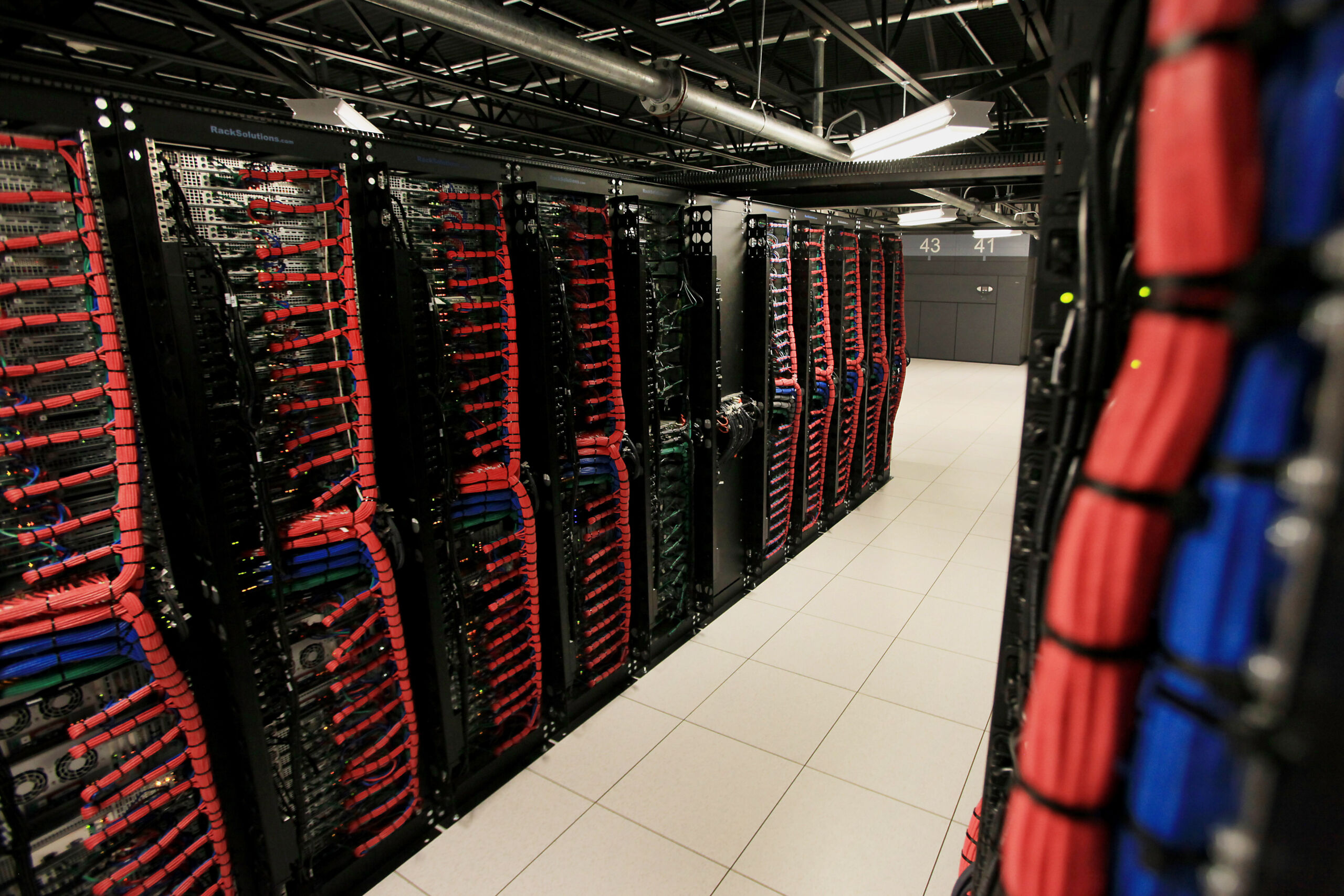
Photograph of servers and racks
Enlarge / Infrastructure!

Howdy, Arsians! Last year, we partnered with IBM to host an in-person event in the Houston area where we all gathered together, had some cocktails, and talked about resiliency and the future of IT. Location always matters for things like this, and so we hosted it at Space Center Houston and had our cocktails amidst cool space artifacts. In addition to learning a bunch of neat stuff, it was awesome to hang out with all the amazing folks who turned up at the event. Much fun was had!

This year, we’re back partnering with IBM again and we’re looking to repeat that success with not one, but two in-person gatherings—each featuring a series of panel discussions with experts and capping off with a happy hour for hanging out and mingling. Where last time we went central, this time we’re going to the coasts—both east and west. Read on for details!

September: San Jose, California

Our first event will be in San Jose on September 18, and it’s titled “Beyond the Buzz: An Infrastructure Future with GenAI and What Comes Next.” The idea will be to explore what generative AI means for the future of data management. The topics we’ll be discussing include:

  • Playing the infrastructure long game to address any kind of workload
  • Identifying infrastructure vulnerabilities with today’s AI tools
  • Infrastructure’s environmental footprint: Navigating impacts and responsibilities

We’re getting our panelists locked down right now, and while I don’t have any names to share, many will be familiar to Ars readers from past events—or from the front page.

As a neat added bonus, we’re going to host the event at the Computer History Museum, which any Bay Area Ars reader can attest is an incredibly cool venue. (Just nobody spill anything. I think they’ll kick us out if we break any exhibits!)

October: Washington, DC

Switching coasts, on October 29 we’ll set up shop in our nation’s capital for a similar show. This time, our event title will be “AI in DC: Privacy, Compliance, and Making Infrastructure Smarter.” Given that we’ll be in DC, the tone shifts a bit to some more policy-centric discussions, and the talk track looks like this:

  • The key to compliance with emerging technologies
  • Data security in the age of AI-assisted cyber-espionage
  • The best infrastructure solution for your AI/ML strategy

Same here deal with the speakers as with the September—I can’t name names yet, but the list will be familiar to Ars readers and I’m excited. We’re still considering venues, but hoping to find something that matches our previous events in terms of style and coolness.

Interested in attending?

While it’d be awesome if everyone could come, the old song and dance applies: space, as they say, will be limited at both venues. We’d like to make sure local folks in both locations get priority in being able to attend, so we’re asking anyone who wants a ticket to register for the events at the sign-up pages below. You should get an email immediately confirming we’ve received your info, and we’ll send another note in a couple of weeks with further details on timing and attendance.

On the Ars side, at minimum both our EIC Ken Fisher and I will be in attendance at both events, and we’ll likely have some other Ars staff showing up where we can—free drinks are a strong lure for the weary tech journalist, so there ought to be at least a few appearing at both. Hoping to see you all there!

https://arstechnica.com/?p=2037812