L’Intelligenza artificiale nuova frontiera del trasporto aereo

L’intelligenza artificiale non è ancora pronta a prendere in mano la cloche e a sostituire il pilota di linea alla guida di un aereo. Ma detto questo, la tecnologia è già pronta a migliorare di molto la fluidità degli aeroporti, i servizi ai clienti e la gestione della manutenzione degli aerei.

E l’assemblea annuale dell’IATA (International Air Transport Association) in corso negli Emirati Arabi è l’occasione giusta per fare il punto della situazione.

Settore aereo in ripresa dopo la crisi del Covid

Le imprese del settore aereo sono a caccia di nuove risorse e modalità di risparmio per migliorare la produttività e guadagnare competitività, e gli algoritmi di trattamento di dati massivi possono essere certamente un aiuto.

Quindi, il match fra dati e IA è un connubio alquanto ricercato nel settore aereo. Lo pensano un po’ tutti i vettori a partire da Air France-KLM, che rivendica più di 40 progetti in essere che poggiano sull’AI generativa basati su ChatGPT.

Risponditore multilingua

Fra questi, uno strumento di risposta in 85 lingue diverse alle richieste di vari clienti, installato sui tablet tattili degli agenti di Air France e che sarà presentato nel 2025 a Parigi-Charles-de-Gaulle. Il gestore di questo aeroporto, il Gruppo ADP, ha lanciato anche più iniziative che ricorrono all’AI.

Una di queste è Allobrain, un’intelligenza artificiale generativa collegata al riconoscimento vocale, ha permesso di ridurre dal 50% al 10% il numero di telefonate a cui non è stata data risposta, dice ADP.

Grazie a un altro subappaltatore, Wintics, specializzato nell’estrazione di dati da immagini di videosorveglianza in tempo reale, il gestore dell’aeroporto spera di semplificare i percorsi di riconsegna o di rotazione delle navette.

Ridurre i tempi di attesa

Ridurre i tempi di attesa rappresenta una delle sfide cruciali, dice Jérôme Bouchard, specialista del settore aereo presso Oliver Wyman.

“Siamo di fronte a sempre più passeggeri, in spazi sempre più ristretti, e viaggiamo ancora come viaggiavamo negli anni ’70, c’è ancora molto da fare”, spiega, evocando lo sviluppo di “servizi digitali” come il riconoscimento facciale quando passando attraverso i controlli.

Aerei, fabbriche di dati

“Ma tutto ciò richiede un enorme coordinamento e sincronizzazione dei dati”, che sono ancora imperfetti: “non siamo ancora all’utilizzo dell’intelligenza artificiale, siamo alla strutturazione della catena del valore”, secondo lui.

L’intelligenza artificiale rappresenta “senza dubbio una nuova frontiera, in quanto straordinaria accelerazione di tecnologie e capacità”, aggiunge Geoffrey Weston, responsabile del business aereo di Bain & Company.

“Quando le situazioni cambiano, nel caso dei voli in coincidenza, l’intelligenza artificiale è molto utile per accelerare enormemente la trasmissione delle informazioni giuste alle persone giuste”, aggiunge.

Inventario e catena di approvvigionamento

L’intelligenza artificiale può anche essere utilizzata dalle aziende per “gestire il proprio inventario o automatizzare ulteriormente le catene di approvvigionamento, il che è molto importante per il mantenimento in condizioni operative”, secondo Weston.

Air France-KLM prevede di implementare uno strumento di intelligenza artificiale generativa per i suoi tecnici, al fine di accelerare l’identificazione di una parte difettosa tra migliaia di riferimenti.

ADP, dal canto suo, con la startup WeMaintain, ha dotato i suoi ascensori e scale mobili di sensori alimentati dall’intelligenza artificiale per rilevare segnali deboli di guasti prima che si verifichino.

Aerei fabbriche di dati: come sfruttarli?

I moderni aerei, con i loro sofisticati sistemi elettronici di autodiagnosi e di pilotaggio, sono vere e proprie fabbriche di dati che, potenziati dall’intelligenza artificiale, possono essere utilizzati nella pianificazione dei viaggi futuri. Anche il produttore di apparecchiature Thales sta lavorando per integrare questa tecnologia nei suoi strumenti di gestione del traffico aereo.

Ma quando si tratta di pilotare effettivamente l’aereo, non si tratta di dare il controllo agli algoritmi, poiché la certificazione dei dispositivi e dei loro sistemi, chiave di volta dell’aeronautica, deve basarsi su elementi tracciabili e duplicabili.

In definitiva, “spetta agli esseri umani assumersi la responsabilità del processo decisionale”, ha detto Patrice Caine, CEO di Thales. “Più che artificiale parlerei di intelligenza assistita, è un’intelligenza che viene in aiuto dell’uomo”.

https://www.key4biz.it/lintelligenza-artificiale-nuova-frontiera-del-trasporto-aereo/492791/


Top news app caught sharing “entirely false” AI-generated news

Top news app caught sharing “entirely false” AI-generated news

After the most downloaded local news app in the US, NewsBreak, shared an AI-generated story about a fake New Jersey shooting last Christmas Eve, New Jersey police had to post a statement online to reassure troubled citizens that the story was “entirely false,” Reuters reported.

“Nothing even similar to this story occurred on or around Christmas, or even in recent memory for the area they described,” the cops’ Facebook post said. “It seems this ‘news’ outlet’s AI writes fiction they have no problem publishing to readers.”

It took NewsBreak—which attracts over 50 million monthly users—four days to remove the fake shooting story, and it apparently wasn’t an isolated incident. According to Reuters, NewsBreak’s AI tool, which scrapes the web and helps rewrite local news stories, has been used to publish at least 40 misleading or erroneous stories since 2021.

These misleading AI news stories have caused real harm in communities, seven former NewsBreak employees, speaking anonymously due to confidentiality agreements, told Reuters.

Sometimes, the AI gets the little details wrong. One Colorado food bank, Food to Power, had to turn people away after the app posted inaccurate food distribution times.

Other times, the AI wholly fabricates events. A Pennsylvania charity, Harvest912, told Reuters that it had to turn homeless people away when NewsBreak falsely advertised a 24-hour foot-care clinic.

“You are doing HARM by publishing this misinformation—homeless people will walk to these venues to attend a clinic that is not happening,” Harvest912 pleaded in an email requesting that NewsBreak take down the story.

NewsBreak told Reuters that all the erroneous articles affecting those two charities were removed but also blamed the charities for supposedly posting inaccurate information on their websites.

“When NewsBreak identifies any inaccurate content or any violation of our community standards, we take prompt action to remove that content,” the company told Reuters.

NewsBreak outed source of fake shooting story

Dodging accountability is not necessarily a good look, but it’s seemingly become a preferred tactic for defenders of AI tools. In defamation suits, OpenAI has repeatedly insisted that users are responsible for publishing harmful ChatGPT outputs, not the company, as one prominent example. According to Reuters, NewsBreak declined to explain why the app “added a disclaimer to its homepage in early March, warning that its content ‘may not always be error-free.'”

Reuters found that not only were NewsBreak’s articles “not always” error-free, but sometimes the app published local news stories “under fictitious bylines.” An Ars review suggests that it’s likely that the app is also scraping news stories, perhaps written by AI, that also seem to use fictitious bylines.

NewsBreak told Reuters that “the inaccurate information” in the fake shooting story “originated from” a “content source,” as opposed to being hallucinated by AI.

The content source identified by NewsBreak is an article on a news site called FindPlace.xyz. It was written by a journalist named Amelia Washington, who has contributed most of the site’s most recent content. There is no public profile for Amelia Washington outside of the news site, and a reverse image search of the photo used with her bio suggests a stock photo was used. The same photo appeared on a testimonial for a nutritional supplement on Amazon and on posts for foreign freelance sites where her name and background do not match her FindPlace.xyz bio.

FindPlace.xyz did not respond to Ars’ request to connect with Washington or provide comment.

https://arstechnica.com/?p=2029287


OpenAI e Google DeepMind, ex dipendenti lanciano l’allarme: “Nessuna delle due riuscirà a gestire i pericoli dell’AI”

13 esperti denunciano la scarsa attenzione alla sicurezza e la cultura del segreto nelle grandi aziende che si occupano di AI. Tra i firmatari della lettera aperta, pubblicata su Forbes, ci sono anche ex dipendenti di OpenAI e Google DeepMind.

Le accuse muovono su tre direttive. La prima: mancanza di attenzione alla sicurezza dei progetti di intelligenza artificiale. Le aziende mettono al primo posto la velocità di sviluppo e il profitto, trascurando i potenziali rischi per l’umanità, come la disinformazione, la manipolazione e la perdita di controllo sui sistemi di AI. Poi la scarsa trasparenza. Le imprese non condividono con governi e pubblico le informazioni cruciali sui loro sistemi, ostacolando una valutazione indipendente dei rischi. Infine la diffusa “cultura del silenzio”: ossia gli accordi di non divulgazione e il timore di ritorsioni impediscono ai dipendenti di parlare apertamente delle loro preoccupazioni.

Cosa dice la lettera sull’AI

Come si legge nella lettera, i firmatari invocano una gestione allargata dei progetti di AI: “Ci auguriamo che questi rischi possano essere adeguatamente mitigati con una guida sufficiente da parte della comunità scientifica, dei politici e del pubblico. Le aziende che sviluppano AI hanno forti incentivi finanziari per avanzare rapidamente e spesso evitano di condividere informazioni sulle misure di protezione e sui livelli di rischio”.

I dipendenti di OpenAI hanno anche espresso preoccupazione per il fatto che ai lavoratori sia stato chiesto di firmare accordi di non denigrazione legati alle loro azioni nella società, causando loro potenzialmente di perdere lucrosi accordi azionari se si esprimono contro la startup. Dopo alcune resistenze, OpenAI ha dichiarato che avrebbe liberato gli ex dipendenti dagli accordi.

In base alla lettera, i fautori chiedono la soddisfazione di quattro punti: fine degli accordi di non divulgazione che limitano le critiche; creazione di canali anonimi per segnalare i rischi ai vertici aziendali, ai regolatori e a organizzazioni indipendenti; promozione di una cultura aziendale aperta al dissenso; protezione di chi divulga informazioni sensibili per motivi di sicurezza, anche se in violazione delle regole aziendali.

Casi emblematici dell’approccio AI

Il caso appena sollevato contiene anche degli esempi emblematici. Daniel Kokotajlo, ex ricercatore di OpenAI, sostiene che l’azienda abbia ignorato i protocolli di sicurezza per accelerare lo sviluppo di un modello potenzialmente pericoloso. Proprio Kokotajlo è convinto che l’AI generativa arriverà entro il 2027 e che abbia il 70% di probabilità di distruggere o colpire in modo catastrofico l’umanità.

William Saunders, altro ex dipendente di OpenAI, descrive l’approccio aziendale come “lanciamo tutto, poi lo aggiusteremo”. Jan Leike, ex ricercatore di DeepMind, ha invece denunciato la priorità data ai “prodotti scintillanti” rispetto alla sicurezza.

https://www.key4biz.it/openai-e-google-deepmind-ex-dipendenti-lanciano-lallarme-nessuna-delle-due-riuscira-a-gestire-i-pericoli-dellai/493188/


Un’AI al posto del collega, ecco il futuro che ci aspetta nel 2030

6.500 persone hanno risposto ad una semplice domanda di Ericsson: “Cosa ti aspetti che farà l’intelligenza artificiale entro il 2030″. C’è chi pensa che l’IA diventerà un personal shopper, chi è convinto che questa renderà la fruizione multimediale più interattiva e persino un modo per sostituire i colleghi, così da ritrovarsi vicini di scrivania con un software, se andrà bene un automa dalle sembianze familiari.

La nuova ricerca “10 Hot Consumer Trends 2030s – The AI-Powered Future” realizzata da Ericsson ConsumerLab (si scarica da qui) ha coinvolto un campione di persone residenti in 13 grandi città del mondo, e ha chiesto loro di rispondere a domande volte a disegnare gli scenari che l’Intelligenza Artificiale aprirà nel decennio 2030.  

L’80% degli interpellati crede che, in questo futuro così prossimo, potremmo utilizzare simulazioni basate sull’AI per prendere decisioni di grande impatto sulla vita, come acquistare una casa o fare investimenti finanziari, e per modificare il proprio stile di vita in base ai risultati di simulazioni relative al loro stato di salute. 

Per quanta importanza possa assumere nei processi decisionali, non sono però pochi quelli che pensano che ignorare certe indicazioni ottenute dall’AI possa rivelarsi una scelta di successo. Circa il 58% del totale del campione crede che gli innovatori del prossimo decennio saranno quelli che avranno il coraggio di non ascoltare le macchine. 

Controllare i sistemi

Un elemento chiave è quello del controllo: oltre il 60% dei più ottimisti (e oltre il 70% dei timorosi)  ritiene che nel prossimo decennio non avrà la possibilità di controllare pienamente l’impatto che l’AI avrà sulla sua vita.  A partire da ciò, si delinea una possibile spaccatura per il futuro dell’AI nel prossimo decennio: se poco più della metà degli “speranzosi” afferma che proverà comunque a usare il più possibile l’AI, saranno molti meno (il 26%) i “timorosi” che faranno altrettanto. Ciò indica che i trend di utilizzo di questa tecnologia potrebbero rivelarsi frammentati. 

I 10 Hot Consumer trend dell’AI

Per stilare i dieci trend evidenziati dallo studio è stato chiesto ai partecipanti di valutare 120 ipotesi di servizi digitali relativi a 15 aree diverse, che vanno dalla moda all’intrattenimento ai comportamenti individuali.  

Faremo shopping in compagnia dell’IA – Artificial Shoppers

Stando ai dati dello studio Ericsson, per il 75% degli interpellati gli assistenti personali basati su IA potrebbero causare la fine della pubblicità come la conosciamo oggi, eliminando dalla nostra esperienza d’uso l’adv tradizionale. Altrettanti credono che le big tech useranno questi assistenti virtuali per influenzare gli acquisti degli utenti. 

La moda sarà generativa – Generative Fashion

I trend della moda saranno dettati in futuro dall’IA  – oppure tutto ciò che sarà “100% umano” sarà la nuova moda degli Anni ‘30? Il 70% dei partecipanti allo studio crede che uno scenario in cui l’IA genera nuovi stili da seguire si possa realizzare; quasi altrettanti però (il 63%) ritengono che in reazione a tutto ciò molte persone potrebbero rifiutare i trend influenzati dall’IA e preferire prodotti che possano dirsi realizzati al 100% dall’uomo. 

L’intrattenimento interagirà con il nostro mondo – Sentient Screenplays

Nel mondo dell’intrattenimento, l’Intelligenza Artificiale potrebbe causare un cambiamento profondo. Secondo il 79% degli “early adopter” interpellati dallo studio, in futuro potremo crearci film in modo interattivo, adattandoli al nostro stato d’animo del momento, ma c’è di più: per il 68%, l’IA sarà in grado di generare dei “cloni digitali” dei nostri amici e renderli protagonisti dei contenuti che fruiremo.  

Useremo il “gemello digitale” della nostra vita – Human Digital Twins 

Non lasciando nulla al caso, l’AI potrà ridurre l’incertezza attraverso una “replica” – un gemello digitale dell’esistenza. Secondo l’80% dei partecipanti le persone useranno queste simulazioni basate su IA per prendere decisioni di grande impatto sulla vita come l’acquisto di una casa o investimenti finanziari e per simulare l’impatto di cambiamenti dello stile di vita sullo stato di salute. Un buon 50% pensa che si faranno simulazioni sul proprio matrimonio.

L’AI ci aiuterà a educare i nostri figli – Programmed Progeny

La possibilità che l’IA aiuti nella cura dei bambini promette vantaggi ai genitori, ma fa emergere ampie preoccupazioni rispetto alla perdita di empatia: il 74% degli interpellati pensa che usare assistenti IA per i compiti genitoriali aiuterà ad accrescere le capacità pratiche dei bambini –  ma sarà necessario equilibrio, perché di converso diminuirà l’intelligenza creativa ed emotiva. 

L’AI potrà servire a governare meglio – Govern by AI

Secondo il report, negli Anni ‘30 l’IA potrebbe diventare parte integrante delle decisioni pubbliche. Il 72% di tutto il campione pensa che le IA sviluppate da soggetti privati saranno più potenti di quelle generate a fini sociali/pubblici. 

L’AI sarà nostra collega – Empower-less Employees

Il 67% del campione coinvolto nella ricerca crede che nel prossimo decennio l’IA sarà necessaria per ottenere un buon posto di lavoro ma potrebbe anche togliere significato al lavoro quotidiano. Sarà un collega sempre presente, e si tratterà di trovare un equilibrio per una tendenza che è inevitabile. 

Dovremo fare attenzione al “disordine” digitale – Data Disorder

Regole o far west digitale? Il futuro dei consumatori dipende dal controllo che avremo sui dati. Per il 75% degli interpellati nello studio, nuove norme nel prossimo decennio permetteranno ai cittadini di fare “opt out” rispetto all’uso dei propri dati nell’IA. 

Il rischio di Intelligenze Artificiali “senza freni”  – AI Running Wild

La presenza di Intelligenze Artificiali più interconnesse potrebbe portarle a sviluppare un proprio “programma” autonomo? Il 59% degli intervistati pensa che la futura coesistenza con le IA potrebbe diventare difficile nel prossimo decennio. Ciò nonostante il 74% crede che le persone continueranno a usare assistenti IA anche se di tanto in tanto dessero loro suggerimenti errati.  

L’AI custodirà le chiavi della nostra vita digitale – Key Keepers

Strumenti basati su AI e connessi che “custodiscono” le chiavi della nostra vita digitale aiuteranno a proteggere la privacy o aumenteranno la nostra dipendenza dalla tecnologia? Sette intervistati su dieci pensano che cliccare su bottoni, strisciare carte e ID, ricordare dati di login non sarà più necessario perché se ne occuperà l’IA al posto nostro.  

https://www.key4biz.it/un-ai-al-posto-del-collega-ecco-il-futuro-che-ci-aspetta-nel-2030/493166/


Ex-OpenAI staff call for “right to warn” about AI risks without retaliation

Illustration of businesspeople with red blank speech bubble standing in line.

On Tuesday, a group of former OpenAI and Google DeepMind employees published an open letter calling for AI companies to commit to principles allowing employees to raise concerns about AI risks without fear of retaliation. The letter, titled “A Right to Warn about Advanced Artificial Intelligence,” has so far been signed by 13 individuals, including some who chose to remain anonymous due to concerns about potential repercussions.

The signatories argue that while AI has the potential to deliver benefits to humanity, it also poses serious risks that include “further entrenchment of existing inequalities, to manipulation and misinformation, to the loss of control of autonomous AI systems potentially resulting in human extinction.”

They also assert that AI companies possess substantial non-public information about their systems’ capabilities, limitations, and risk levels, but currently have only weak obligations to share this information with governments and none with civil society.

Non-anonymous signatories to the letter include former OpenAI employees Jacob Hilton, Daniel Kokotajlo, William Saunders, Carroll Wainwright, and Daniel Ziegler, as well as former Google DeepMind employees Ramana Kumar and Neel Nanda.

The group calls upon AI companies to commit to four key principles: not enforcing agreements that prohibit criticism of the company for risk-related concerns, facilitating an anonymous process for employees to raise concerns, supporting a culture of open criticism, and not retaliating against employees who publicly share risk-related confidential information after other processes have failed.

In May, a Vox article by Kelsey Piper raised concerns about OpenAI’s use of restrictive non-disclosure agreements for departing employees, which threatened to revoke vested equity if former employees criticized the company. OpenAI CEO Sam Altman responded to the allegations, stating that the company had never clawed back vested equity and would not do so if employees declined to sign the separation agreement or non-disparagement clause.

But critics remained unsatisfied, and OpenAI soon did a public about-face on the issue, saying it would remove the non-disparagement clause and equity clawback provisions from its separation agreements, acknowledging that such terms were inappropriate and contrary to the company’s stated values of transparency and accountability. That move from OpenAI is likely what made the current open letter possible.

Dr. Margaret Mitchell, an AI ethics researcher at Hugging Face who was fired from Google in 2021 after raising concerns about diversity and censorship within the company, spoke with Ars Technica about the challenges faced by whistleblowers in the tech industry. “Theoretically, you cannot be legally retaliated against for whistleblowing. In practice, it seems that you can,” Mitchell stated. “Laws support the goals of large companies at the expense of workers. They are not in workers’ favor.”

Mitchell highlighted the psychological toll of pursuing justice against a large corporation, saying, “You essentially have to give up your career and your psychological health to pursue justice against an organization that, by virtue of being a company, does not have feelings and does have the resources to destroy you.” She added, “Remember that it is incumbent upon you, the fired person, to make the case that you were retaliated against—a single person, with no source of income after being fired—against a trillion-dollar corporation with an army of lawyers who specialize in harming workers in exactly this way.”

The open letter has garnered support from prominent figures in the AI community, including Yoshua Bengio, Geoffrey Hinton (who has warned about AI in the past), and Stuart J. Russell. It’s worth noting that AI experts like Meta’s Yann LeCun have taken issue with claims that AI poses an existential risk to humanity, and other experts feel like the “AI takeover” talking point is a distraction from current AI harms like bias and dangerous hallucinations.

Even with the disagreement over what precise harms may come from AI, Mitchell feels the concerns raised by the letter underscore the urgent need for greater transparency, oversight, and protection for employees who speak out about potential risks: “While I appreciate and agree with this letter,” she says, “There needs to be significant changes in the laws that disproportionately support unjust practices from large corporations at the expense of workers doing the right thing.”

https://arstechnica.com/?p=2028761


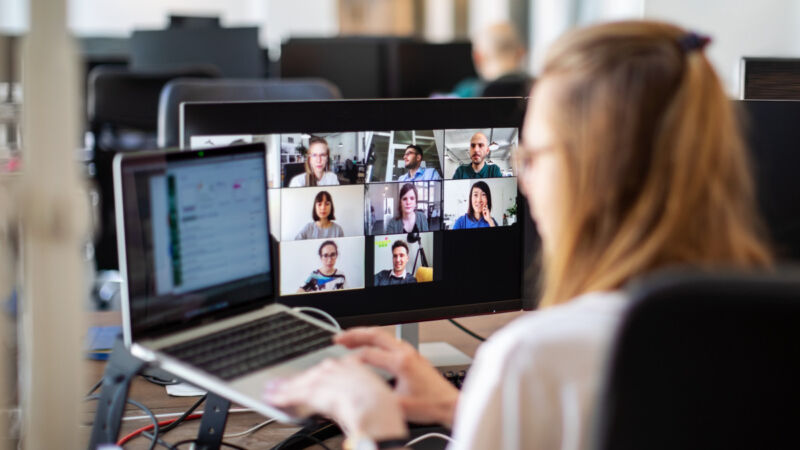
Zoom CEO envisions AI deepfakes attending meetings in your place

Woman discussing work on video call with team members at office

Zoom CEO Eric Yuan has a vision for the future of work: sending your AI-powered digital twin to attend meetings on your behalf. In an interview with The Verge’s Nilay Patel published Monday, Yuan shared his plans for Zoom to become an “AI-first company,” using AI to automate tasks and reduce the need for human involvement in day-to-day work.

“Let’s say the team is waiting for the CEO to make a decision or maybe some meaningful conversation, my digital twin really can represent me and also can be part of the decision making process,” Yuan said in the interview. “We’re not there yet, but that’s a reason why there’s limitations in today’s LLMs.”

LLMs are large language models—text-predicting AI models that power AI assistants like ChatGPT and Microsoft Copilot. They can output very convincing human-like text based on probabilities, but they are far from being able to replicate human reasoning. Still, Yuan suggests that instead of relying on a generic LLM to impersonate you, in the future, people will train custom LLMs to simulate each person.

“Everyone shares the same LLM [right now]. It doesn’t make any sense. I should have my own LLM — Eric’s LLM, Nilay’s LLM. All of us, we will have our own LLM,” he told The Verge. “Essentially, that’s the foundation for the digital twin. Then I can count on my digital twin. Sometimes I want to join, so I join. If I do not want to join, I can send a digital twin to join. That’s the future.”

Yuan thinks we’re five or six years away from this kind of future, but even the suggestion of using LLMs to make decisions on someone’s behalf is enough to have some AI experts frustrated and confused.

“I’m not a fan of that idea where people build LLM systems that attempt to simulate individuals,” wrote AI researcher Simon Willison recently on X, independently of the news from Yuan. “The idea that an LLM can usefully predict a response from an individual seems so obviously wrong to me. It’s equivalent to getting business advice from a talented impersonator/improv artist: Just because they can ‘sound like’ someone doesn’t mean they can provide genuinely useful insight.”

In the interview, Patel pushed back on Yuan’s claims, saying that LLMs hallucinate, drawing inaccurate conclusion, so they aren’t a stable foundation for the vision Yuan describes. Yuan said that he’s confident the hallucination issue will be fixed in the future, and when Patel pushed back on that point as well, Yuan said his vision would be coming further down the road.

“In that context, that’s the reason why, today, I cannot send a digital version for myself during this call,” Yuan told Patel. “I think that’s more like the future. The technology is ready. Maybe that might need some architecture change, maybe transformer 2.0, maybe the new algorithm to have that. Again, it is very similar to 1995, 1996, when the Internet was born. A lot of limitations. I can use my phone. It goes so slow. It essentially does not work. But look at it today. This is the reason why I think hallucinations, those problems, I truly believe will be fixed.”

Patel also brought up privacy and security implications of creating a convincing deepfake replica of yourself that others might be able to hack. Yuan said the solution was to make sure that the conversation is “very secure,” pointing to a recent Zoom initiative to improve end-to-end encryption (a topic, we should note, the company has lied about in the past). And he says that Zoom is working on ways to detect deepfakes as well as create them—in the form of digital twins.

https://arstechnica.com/?p=2028754


What kind of bug would make machine learning suddenly 40% worse at NetHack?

Moon rendered in ASCII text, with
Aurich Lawson

Members of the Legendary Computer Bugs Tribunal, honored guests, if I may have your attention? I would, humbly, submit a new contender for your esteemed judgment. You may or may not find it novel, you may even deign to call it a “bug,” but I assure you, you will find it entertaining.

Consider NetHack. It is one of the all-time roguelike games, and I mean that in the more strict sense of that term. The content is procedurally generated, deaths are permanent, and the only thing you keep from game to game is your skill and knowledge. I do understand that the only thing two roguelike fans can agree on is how wrong the third roguelike fan is in their definition of roguelike, but, please, let us move on.

NetHack is great for machine learning…

Being a difficult game full of consequential choices and random challenges, as well as a “single-agent” game that can be generated and played at lightning speed on modern computers, NetHack is great for those working in machine learning—or imitation learning, actually, as detailed in Jens Tuyls’ paper on how compute scaling affects single-agent game learning. Using Tuyls’ model of expert NetHack behavior, Bartłomiej Cupiał and Maciej Wołczyk trained a neural network to play and improve itself using reinforcement learning.

By mid-May of this year, the two had their model consistently scoring 5,000 points by their own metrics. Then, on one run, the model suddenly got worse, on the order of 40 percent. It scored 3,000 points. Machine learning generally, gradually, goes in one direction with these types of problems. It didn’t make sense.

Cupiał and Wołczyk tried quite a few things: reverting their code, restoring their entire software stack from a Singularity backup, and rolling back their CUDA libraries. The result? 3,000 points. They rebuild everything from scratch, and it’s still 3,000 points.

<img alt="NetHack, played by a regular human.” src=”https://rassegna.lbit-solution.it/wp-content/uploads/2024/06/what-kind-of-bug-would-make-machine-learning-suddenly-40-worse-at-nethack-1.png” width=”821″ height=”506″>
NetHack, played by a regular human.

… except on certain nights

As detailed in Cupiał’s X (formerly Twitter) thread, this was several hours of confused trial and error by him and Wołczyk. “I am starting to feel like a madman. I can’t even watch a TV show constantly thinking about the bug,” Cupiał wrote. In desperation, he asks model author Tuyls if he knows what could be wrong. He wakes up in Kraków to an answer:

“Oh yes, it’s probably a full moon today.”

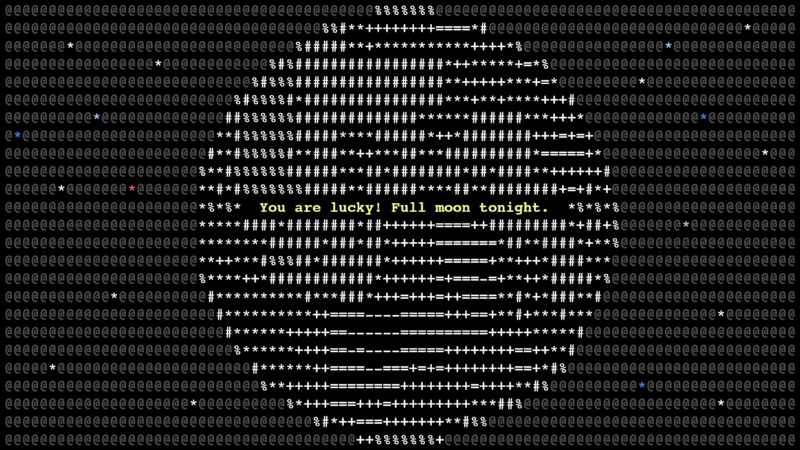
In NetHack, the game in which the DevTeam has thought of everything, if the game detects from your system clock that it should be a full moon, it will generate a message: “You are lucky! Full moon tonight.” A full moon imparts a few player benefits: a single point added to Luck, and werecreatures mostly kept to their animal forms.

It’s an easier game, all things considered, so why would the learning agent’s score be lower? It simply doesn’t have data about full moon variables in its training data, so a branching series of decisions likely leads to lesser outcomes, or just confusion. It was indeed a full moon in Kraków when the 3,000-ish scores started showing up. What a terrible night to have a learning model.

Of course, “score” is not a real metric for success in NetHack, as Cupiał himself noted. Ask a model to get the best score, and it will farm the heck out of early-stage monsters because it never gets bored. “Finding items required for [ascension] or even [just] doing a quest is too much for pure RL agent,” Cupiał wrote. Another neural network, AutoAscend, does a better job of progressing through the game, but “even it can only solve sokoban and reach mines end,” Cupiał notes.

Is it a bug?

I submit to you that, although NetHack responded to the full moon in its intended way, this quirky, very hard-to-fathom stop on a machine-learning journey was indeed a bug and a worthy one in the pantheon. It’s not a Harvard moth, nor a 500-mile email, but what is?

Because the team used Singularity to back up and restore their stack, they inadvertently carried forward the machine time and resulting bug each time they tried to solve it. The machine’s resulting behavior was so bizarre, and seemingly based on unseen forces, that it drove a coder into fits. And the story has a beginning, a climactic middle, and a denouement that teaches us something, however obscure.

The NetHack Lunar Learning Bug is, I submit, quite worth memorializing. Thank you for your time.

https://arstechnica.com/?p=2028789


Ecco i “digital human” di Nvidia, una nuova buzz word per vendere l’AI

Di Digital Human si parla da anni, probabilmente decenni. Ma quando a farlo è una realtà specializzata, il termine resta noto solo agli addetti ai lavori. Un po’ come successo con l’intelligenza artificiale, che ancora oggi molti confondono con l’AI generativa, i digital human sono pronti a invadere il mercato, almeno dal punto di vista commerciale. Merito stavolta di Nvidia, che nella prima giornata del Computex 2024 di Taipei ha svelato ACE.

L’acronimo sta per Avatar Cloud Engine, ossia nient’altro che una piattaforma dedicata alla realizzazione di chatbot non più solo testuali ma dotati di volto e voce. Il plus? ACE è un toolbox per sviluppatori partner, che potranno implementare i loro digital human dove meglio vorranno, dalle app b2b ai videogame. Qui è il primo, (unico?), elemento di interesse: la tecnologia non resta appannaggio del singolo fornitore ma diventa mezzo di innovazione democratico, solo dal punto di vista concettuale, difficilmente dei costi.

Ecosistema completo

Nvidia ACE è disponibile a livello generale per il cloud, in accesso anticipato per Pc RTX AI, utilizzato daper l’assistenza clienti, giochi e sanità, tra cui Dell Technologies, ServiceNow, Aww Inc., Inventec, Perfect World Games. All’interno del pacchetto ci sono diversi moduli. Da Riva ASR, TTSeNMT, per il riconoscimento vocale automatico, la conversione da testo a voce e la traduzione, a Nemotron LLM, per la comprensione del linguaggio e la generazione di risposte contestuali. E poi Audio2Face, per animazioni facciali realistiche basate su tracce audio e Omniverse RTX, per ricreare pelle e capelli realistici e tracciati in tempo reale.

E non è tutto: con Audio2Gesture si generano gesti del corpo basati su tracce audio, mentre Nemotron-3 4.5B è un nuovo Small Language Model (SLM) creato appositamente per l’inferenza Pc AI RTX sul dispositivo a bassa latenza. “Gli esseri umani digitali rivoluzioneranno le industrie”, ha affermato Jensen Huang, fondatore e CEO di NVIDIA. “Le scoperte rivoluzionarie nei modelli linguistici multimodali e nella grafica neurale, forniti da NVIDIA ACE al nostro ecosistema di sviluppatori, ci stanno avvicinando a un futuro di elaborazione basata sugli intenti, in cui interagire con i computer è naturale quanto interagire con gli esseri umani”.

Gli umani digitali arrivano a 100 milioni di Pc

Ad oggi, Nvidia dice di aver fornito ACE come microservizi agli sviluppatori per operare nei data center, implementando la base installata di 100 milioni di Pc e laptop con schede RTX AI. Questi includono il già citato Nemotron-3 4.5B, il primo SLM dell’azienda, che è stato creato appositamente per funzionare su dispositivi con livelli di precisione e accuratezza simili a quelli dei modelli LLM (Large Language Model) in esecuzione nel cloud.

Nvidia vuole puntare sulla potenza in ambito AI delle GeForce RTX. Ed è per perseguire tale obiettivo che sta collaborando con Microsoft per creare un’API, in arrivo entro fine anno, con cui integrare l’accelerazione GPU in Windows Copilot Runtime. Una volta raggiunto il traguardo, i modelli linguistici sviluppati per girare in locale, come quello di Copilot+, potranno utilizzare le capacità di accelerazione AI delle GeForce RTX, maggiori rispetto a quelle delle NPU.

[embedded content]
Il video della demo del videogame

Al Computex, l’azienda ha mostrato una versione aggiornata della demo del videogame Covert Protocol, sviluppato in collaborazione con Inworld AI. Utilizzando Audio2Face e Riva ASR in esecuzione localmente su Pc GeForce RTX , la demo consente ai giocatori di interagire e influenzare personaggi (NPC) digitali-umani con un linguaggio cosiddetto “colloquiale”.

https://www.key4biz.it/ecco-i-digital-human-di-nvidia-una-nuova-buzz-word-per-vendere-lai/492681/


Sony Pictures accelera sull’AI per tagliare i costi di film e programmi

Sony Pictures sta cogliendo a piene mani le nuove opportunità fornite dall’AI per tagliare i costi.

Il Ceo Tony Vinciquerra, ad una conferenza con gli investitori in Giappone, ha detto che l’azienda è molto concentrata sull’AI e si sta mobilitando per adottare la tecnologia nel processo di produzione di film per ottimizzarlo.

“Cercheremo modi per utilizzare l’intelligenza artificiale per produrre film per i cinema e la televisione in modi più efficienti, utilizzando principalmente l’intelligenza artificiale”, ha detto Vinciquerra.

Trattative con i sindacati sullo sfondo

Sullo sfondo ci sono le trattative in corso tra il principale sindacato delle troupe di Hollywood e i migliori studi cinematografici su un nuovo contratto, che scadrà il 31 luglio. Come per gli scioperi di attori e scrittori, i limiti sull’uso dell’intelligenza artificiale sono emersi come un punto chiave del negoziato.

Dopo gli scioperi dello scorso anno, gli strumenti di intelligenza artificiale come il modello di testo in video Sora di OpenAI hanno creato non poche ansie a Hollywood, perché di fatto potrebbero sostituire intere professioni. I sindacati si sono messi di traverso.

I commenti di Vinciquerra segnalano che gli studi stanno cercando di implementare ulteriormente la tecnologia e sono vincolati soltanto dai loro contratti con i sindacati.

“Gli accordi emersi dagli scioperi dello scorso anno e gli accordi che emergeranno dai negoziati IATSE e Teamster definiranno approssimativamente ciò che faremo con l’intelligenza artificiale”, ha detto.

Film d’animazione tempi e costi abbattuti con l’AI

L’anno scorso, il fondatore di DreamWorks, Jeffrey Katzenberg, aveva previsto che l’intelligenza artificiale avrebbe ridotto il costo dei film d’animazione fino al 90%, poiché la tecnologia è posizionata per rivoluzionare l’industria dei media e dell’intrattenimento. Riferendosi ai “bei vecchi tempi” in cui un film d’animazione di livello mondiale impiegava 500 artisti in cinque anni per essere creato, ha detto che con l’AI “non ci vorrà il 10% di quel tempo tra tre anni”.

Lavori più a rischio: doppiatori, concept artist e addetti a effetti speciali

Uno studio pubblicato a gennaio su 300 leader del settore dell’intrattenimento ha rilevato che l’intelligenza artificiale sta cancellando posti di lavoro a Hollywood e lo farà anche in futuro. Il rapporto afferma che tre quarti degli intervistati hanno indicato che gli strumenti di intelligenza artificiale hanno sostenuto l’eliminazione, la riduzione o il consolidamento dei posti di lavoro nelle loro aziende. I doppiatori, i concept artist e gli addetti agli effetti visivi e ad altri lavori di postproduzione sono risultati particolarmente vulnerabili.

La direttrice della fotografia Kathryn Brillhart, supervisore della produzione visiva di Fallout, Rebel Moon e Black Adam, ha sottolineato il potenziale degli strumenti di intelligenza artificiale per semplificare gli effetti visivi. “Sta facendo progressi”, ha detto a AI on the Lot, una conferenza su come gli studi cinematografici possono adottare l’intelligenza artificiale, a maggio. “Posso apprendere da solo le abilità a un ritmo veloce come non avevo mai fatto prima. Posso pensare ai flussi di lavoro in modi diversi.”

La Sony Pictures è reduce dal flop di Madame Web al botteghino, che ha spazzato via i piani per un nuovo franchise. Un altro film dell’universo di Sony Spider-Man – Morbius del 2022 – è stato altrettanto fallito, sebbene sia riuscito a guadagnare 170 milioni di dollari in tutto il mondo.

https://www.key4biz.it/sony-pictures-accelera-sullai-per-tagliare-i-costi-di-film-e-programmi/492675/


Journalists “deeply troubled” by OpenAI’s content deals with Vox, The Atlantic

A man covered in newspaper.

On Wednesday, Axios broke the news that OpenAI had signed deals with The Atlantic and Vox Media that will allow the ChatGPT maker to license their editorial content to further train its language models. But some of the publications’ writers—and the unions that represent them—were surprised by the announcements and aren’t happy about it. Already, two unions have released statements expressing “alarm” and “concern.”

“The unionized members of The Atlantic Editorial and Business and Technology units are deeply troubled by the opaque agreement The Atlantic has made with OpenAI,” reads a statement from the Atlantic union. “And especially by management’s complete lack of transparency about what the agreement entails and how it will affect our work.”

The Vox Union—which represents The Verge, SB Nation, and Vulture, among other publications—reacted in similar fashion, writing in a statement, “Today, members of the Vox Media Union … were informed without warning that Vox Media entered into a ‘strategic content and product partnership’ with OpenAI. As both journalists and workers, we have serious concerns about this partnership, which we believe could adversely impact members of our union, not to mention the well-documented ethical and environmental concerns surrounding the use of generative AI.”

OpenAI has previously admitted to using copyrighted information scraped from publications like the ones that just inked licensing deals to train AI models like GPT-4, which powers its ChatGPT AI assistant. While the company maintains the practice is fair use, it has simultaneously licensed training content from publishing groups like Axel Springer and social media sites like Reddit and Stack Overflow, sparking protests from users of those platforms.

As part of the multi-year agreements with The Atlantic and Vox, OpenAI will be able to openly and officially utilize the publishers’ archived materials—dating back to 1857 in The Atlantic’s case—as well as current articles to train responses generated by ChatGPT and other AI language models. In exchange, the publishers will receive undisclosed sums of money and be able to use OpenAI’s technology “to power new journalism products,” according to Axios.

Reporters react

News of the deals took both journalists and unions by surprise. On X, Vox reporter Kelsey Piper, who recently penned an exposé about OpenAI’s restrictive non-disclosure agreements that prompted a change in policy from the company, wrote, “I’m very frustrated they announced this without consulting their writers, but I have very strong assurances in writing from our editor in chief that they want more coverage like the last two weeks and will never interfere in it. If that’s false I’ll quit..”

Journalists also reacted to news of the deals through the publications themselves. On Wednesday, The Atlantic Senior Editor Damon Beres wrote a piece titled “A Devil’s Bargain With OpenAI,” in which he expressed skepticism about the partnership, likening it to making a deal with the devil that may backfire. He highlighted concerns about AI’s use of copyrighted material without permission and its potential to spread disinformation at a time when publications have seen a recent string of layoffs. He drew parallels to the pursuit of audiences on social media leading to clickbait and SEO tactics that degraded media quality. While acknowledging the financial benefits and potential reach, Beres cautioned against relying on inaccurate, opaque AI models and questioned the implications of journalism companies being complicit in potentially destroying the internet as we know it, even as they try to be part of the solution by partnering with OpenAI.

Similarly, over at Vox, Editorial Director Bryan Walsh penned a piece titled, “This article is OpenAI training data,” in which he expresses apprehension about the licensing deal, drawing parallels between the relentless pursuit of data by AI companies and the classic AI thought experiment of Bostrom’s “paperclip maximizer,” cautioning that the single-minded focus on market share and profits could ultimately destroy the ecosystem AI companies rely on for training data. He worries that the growth of AI chatbots and generative AI search products might lead to a significant decline in search engine traffic to publishers, potentially threatening the livelihoods of content creators and the richness of the Internet itself.

Meanwhile, OpenAI still battles over “fair use”

Not every publication is eager to step up to the licensing plate with OpenAI. The San Francisco-based company is currently in the middle of a lawsuit with The New York Times in which OpenAI claims that scraping data from publications for AI training purposes is fair use. The New York Times has tried to block AI companies from such scraping by updating its terms of service to prohibit AI training, arguing in its lawsuit that ChatGPT could easily become a substitute for NYT.

The Times has accused OpenAI of copying millions of its works to train AI models, finding 100 examples where ChatGPT regurgitated articles. In response, OpenAI accused NYT of “hacking” ChatGPT with deceptive prompts simply to set up a lawsuit. NYT’s counsel Ian Crosby previously told Ars that OpenAI’s decision “to enter into deals with news publishers only confirms that they know their unauthorized use of copyrighted work is far from ‘fair.'”

While that issue has yet to be resolved in the courts, for now, The Atlantic Union seeks transparency.

“The Atlantic has defended the values of transparency and intellectual honesty for more than 160 years. Its legacy is built on integrity, derived from the work of its writers, editors, producers, and business staff,” it wrote. “OpenAI, on the other hand, has used news articles to train AI technologies like ChatGPT without permission. The people who continue to maintain and serve The Atlantic deserve to know what precisely management has licensed to an outside firm and how, specifically, they plan to use the archive of our creative output and our work product.”

https://arstechnica.com/?p=2028010