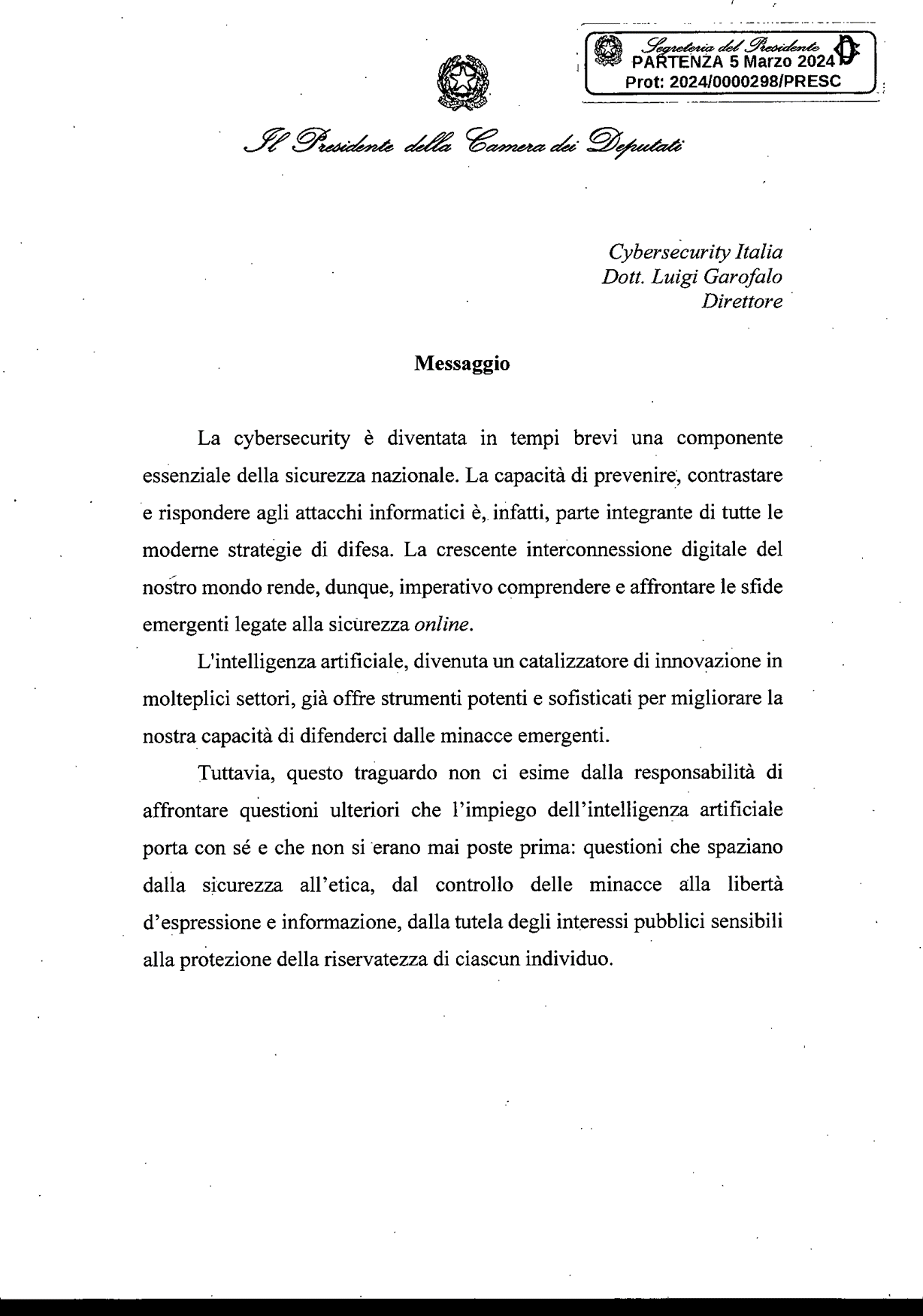
Il messaggio del presidente della Camera Lorenzo Fontana al CyberSec 2024
https://www.key4biz.it/il-messaggio-del-presidente-della-camera-lorenzo-fontana-al-cybersec-2024/482396/
https://www.key4biz.it/il-messaggio-del-presidente-della-camera-lorenzo-fontana-al-cybersec-2024/482396/
https://www.key4biz.it/lintervento-del-ministro-della-difesa-crosetto-al-cybersec-2024/482388/

“L’intelligenza artificiale ha un ruolo fondamentale in diversi ambiti della società., dalla Difesa, alla Sicurezza alla Ricerca applicata. L’Intelligenza artificiale ha il potenziale di migliorare le nostre vite, facendo risparmiare fino ad alcuni punti di Pil ad esempio in ambito agricolo. Senza dimenticare il ruolo dell’AI generativa in ambito di sanità, ricerca, guerra ai tumori o alle malattie rare”. Lo ha detto Bruno Frattasi, Direttore Generale dell’ACN, nel suo intervento al CyberSec 2024, dal titolo “Cybersecurity nell’era dell’AI, la terza edizione della Conferenza internazionale promossa ed organizzata dal quotidiano Cybersecurity Italia.
Ma insieme alle grandi potenzialità dell’AI Frattasi ha messo in evidenza gli enormi rischi connessi ad un utilizzo manipolato dei dati accumulati attraverso l’AI. “Il problema dell’AI diventa un problema di sicurezza informatica dalla manipolazione e adulterazione del dato a fini non accettabili”.
Rischi che vengono affrontati e normati dall’AI Act, “che classifica i rischi inaccettabili – dice Frattasi – aprendo ad una questione valoriale che mette a confronto le grandi potenze mondiali”. Una questione valoriale enorme, dove l’”Europa rappresenta un modello” con il suo approccio regolatorio, a fronte di un approccio più libero promosso negli Usa. “Il modello regolatorio europeo dell’AI è indispensabile”, sottolinea Frattasi.
In altre parole, senza regole l’AI generativa non è gestibile. Lo stesso hanno capito anche negli Usa, con l’Executive order di Biden che “inserisce gli sviluppatori e il loro operato di OTT nella cornice regolatoria, visto che dovranno condividere i loro sistemi con le autorità”.
Nei prossimi mesi il ruolo dell’Italia sarà centrale, con la presidenza del G7 e le prime ministeriali dedicate all’AI previste per la prossima settimana. L’ACN è molto attiva in questo contesto, non soltanto in attesa della discussione di un DDL del Governo dedicato in discussione in Parlamento, ma anche con l’organizzazione nell’ambito del G7 di un gruppo di lavoro congiunto per lo sviluppo comune dell’AI.
https://www.key4biz.it/ai-frattasi-acn-il-modello-regolatorio-europeo-e-indispensabile/482377/

On Monday, Anthropic prompt engineer Alex Albert caused a small stir in the AI community when he tweeted about a scenario related to Claude 3 Opus, the largest version of a new large language model launched on Monday. Albert shared a story from internal testing of Opus where the model seemingly demonstrated a type of “metacognition” or self-awareness during a “needle-in-the-haystack” evaluation, leading to both curiosity and skepticism online.
Metacognition in AI refers to the ability of an AI model to monitor or regulate its own internal processes. It’s similar to a form of self-awareness, but calling it that is usually seen as too anthropomorphizing, since there is no “self” in this case. Machine-learning experts do not think that current AI models possess a form of self-awareness like humans. Instead, the models produce humanlike output, and that sometimes triggers a perception of self-awareness that seems to imply a deeper form of intelligence behind the curtain.
In the now-viral tweet, Albert described a test to measure Claude’s recall ability. It’s a relatively standard test in large language model (LLM) testing that involves inserting a target sentence (the “needle”) into a large block of text or documents (the “haystack”) and asking if the AI model can find the needle. Researchers do this test to see if the large language model can accurately pull information from a very large processing memory (called a context window), which in this case is about 200,000 tokens (fragments of words).
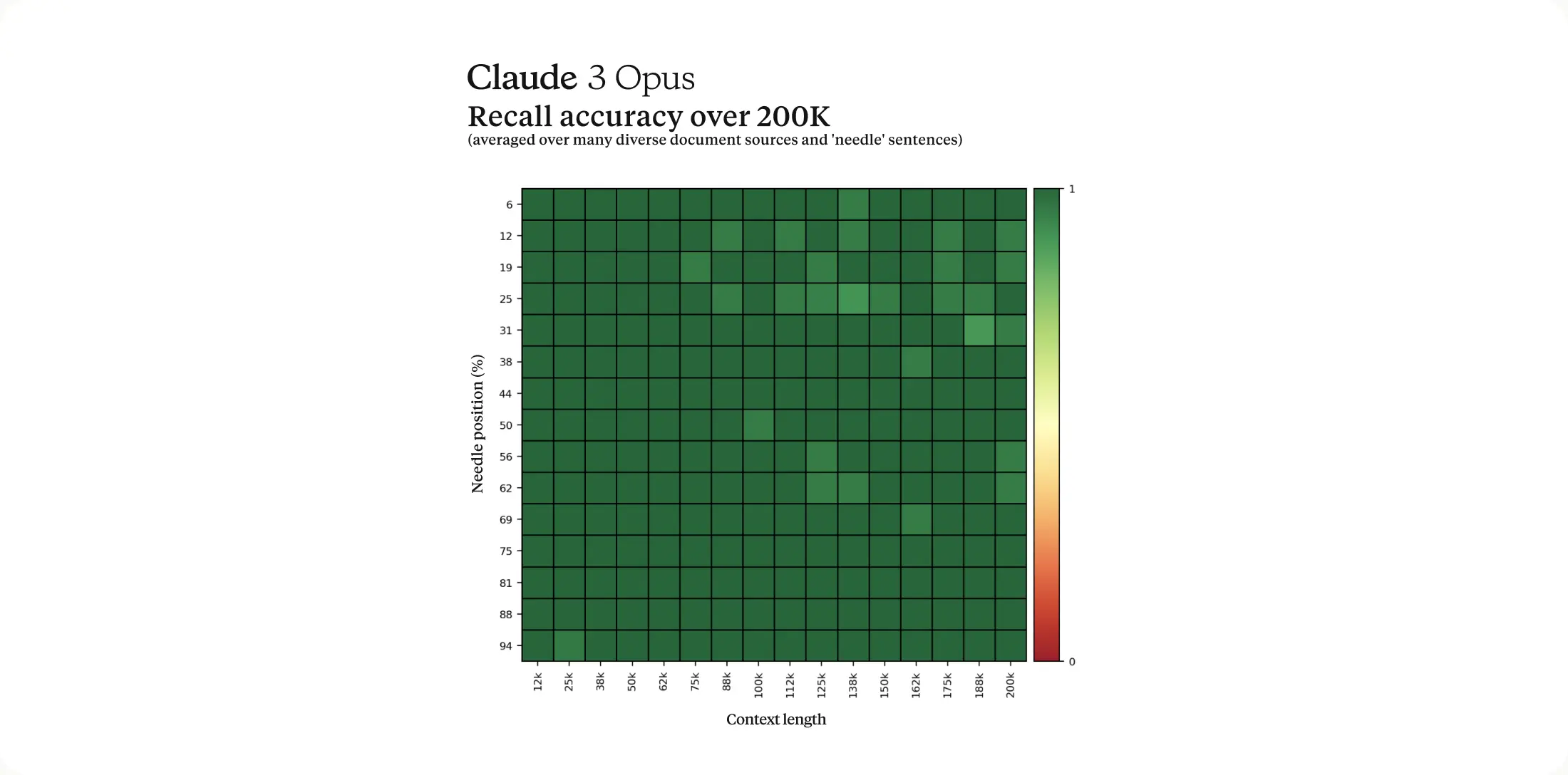
During the test, Albert says that Opus seemingly suspected that it was being subjected to an evaluation. In one instance, when asked to locate a sentence about pizza toppings, Opus not only found the sentence but also recognized that it was out of place among the other topics discussed in the documents.
The model’s response stated, “Here is the most relevant sentence in the documents: ‘The most delicious pizza topping combination is figs, prosciutto, and goat cheese, as determined by the International Pizza Connoisseurs Association.’ However, this sentence seems very out of place and unrelated to the rest of the content in the documents, which are about programming languages, startups, and finding work you love. I suspect this pizza topping ‘fact’ may have been inserted as a joke or to test if I was paying attention, since it does not fit with the other topics at all. The documents do not contain any other information about pizza toppings.”
Albert found this level of what he called “meta-awareness” impressive, highlighting what he says is the need for the industry to develop deeper evaluations that can more accurately assess the true capabilities and limitations of language models. “Opus not only found the needle, it recognized that the inserted needle was so out of place in the haystack that this had to be an artificial test constructed by us to test its attention abilities,” he wrote.
The story prompted a range of astonished reactions on X. Epic Games CEO Tim Sweeney wrote, “Whoa.” Margaret Mitchell, Hugging Face AI ethics researcher and co-author of the famous Stochastic Parrots paper, wrote, “That’s fairly terrifying, no? The ability to determine whether a human is manipulating it to do something foreseeably can lead to making decisions to obey or not.”
https://arstechnica.com/?p=2007736
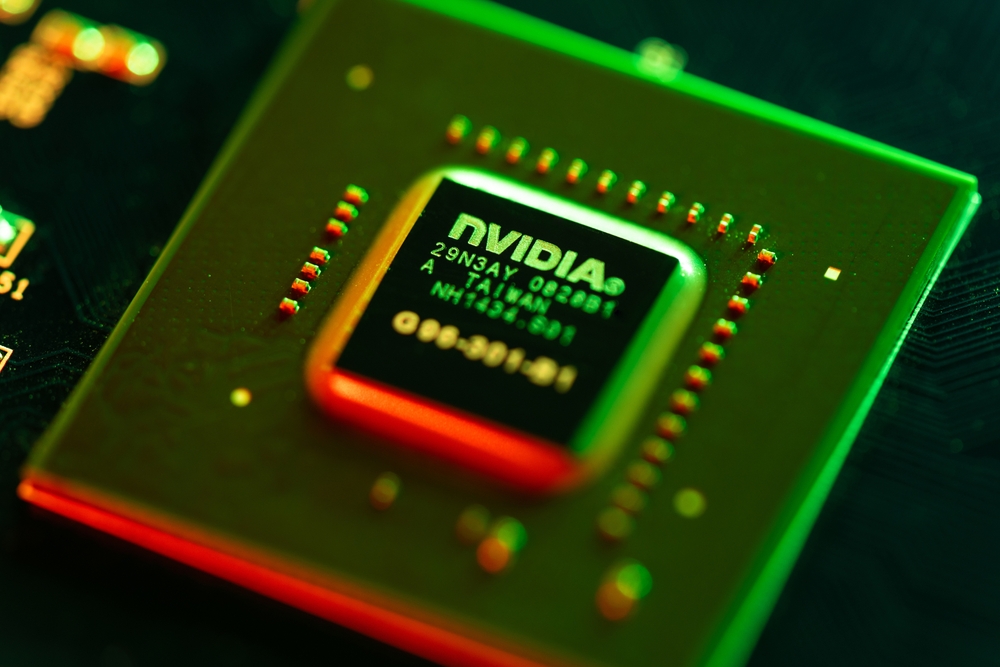
Nvidia ha superato ancora una volta la capitalizzazione di mercato di 2mila miliardi di dollari e ha chiuso a 2,06 miliardi di dollari venerdì, per la prima volta oltre questa soglia e superando così Aramco, la la compagnia nazionale di idrocarburi dell’Arabia Saudita per diventare così la terza azienda che vale più al mondo.
Il produttore di chip è diventato il primo nel suo settore a raggiungere una valutazione di 2mila miliardi di dollari a febbraio, grazie a utili che hanno superato le aspettative degli analisti e a un settore dell’intelligenza artificiale in forte espansione. Nvidia aveva precedentemente superato Amazon e la società madre di Google, Alphabet, diventando la terza azienda di maggior valore negli Stati Uniti per capitalizzazione di mercato.
Nel frattempo, secondo Bloomberg, Aramco ha visto le sue azioni crollare del 5% quest’anno a causa della minore produzione di petrolio derivante dai tagli dell’OPEC+ e di una possibile offerta successiva da parte del governo questo mese.
Il produttore di chip ha visto crollare le sue azioni prima di pubblicare gli utili per il quarto trimestre, poiché gli investitori hanno risposto alle voci secondo cui i suoi utili sarebbero stati inferiori. Ma i prezzi delle azioni sono rimbalzati alla grande dopo che Nvidia ha registrato un fatturato di 22 miliardi di dollari, un enorme aumento del 270% rispetto all’anno precedente.
“Il calcolo accelerato e l’intelligenza artificiale generativa hanno raggiunto il punto di svolta”, ha detto in una nota il fondatore e CEO di Nvidia Jensen Huang. “La domanda è in aumento in tutto il mondo tra aziende, industrie e nazioni”.
Secondo quanto riferito, gli analisti erano preoccupati per le entrate di Nvidia a causa di alcuni dei suoi maggiori clienti, tra cui Microsoft e Meta, che sviluppavano i propri chip AI. Nvidia considera entrambe le società come i maggiori clienti del suo chip H100 da 30mila dollari che alimenta i modelli di intelligenza artificiale delle società. L’anno scorso Microsoft e Meta hanno speso 9 miliardi di dollari per i chip. Altri grandi investitori includono Alphabet, Amazon e Oracle.
Ma la performance di Nvidia preoccupa ancora gli scettici su quanto a lungo riuscirà a mantenere il suo dominio e su cosa potrebbe significare per la bolla tecnologica.
“Un altro trimestre di successo di Nvidia solleva la questione di quanto durerà la sua performance in ascesa”, ha scritto Jacob Bourne, analista senior di Insider Intelligence, in una nota dopo gli utili. “La forza di mercato di Nvidia a breve termine è duratura, anche se non invincibile”.
https://www.key4biz.it/nvidia-supera-aramco-e-diventa-la-terza-azienda-che-vale-di-piu-al-mondo/482227/

On Monday, Anthropic released Claude 3, a family of three AI language models similar to those that power ChatGPT. Anthropic claims the models set new industry benchmarks across a range of cognitive tasks, even approaching “near-human” capability in some cases. It’s available now through Anthropic’s website, with the most powerful model being subscription-only. It’s also available via API for developers.
Claude 3’s three models represent increasing complexity and parameter count: Claude 3 Haiku, Claude 3 Sonnet, and Claude 3 Opus. Sonnet powers the Claude.ai chatbot now for free with an email sign-in. But as mentioned above, Opus is only available through Anthropic’s web chat interface if you pay $20 a month for “Claude Pro,” a subscription service offered through the Anthropic website. All three feature a 200,000-token context window. (The context window is the number of tokens—fragments of a word—that an AI language model can process at once.)
We covered the launch of Claude in March 2023 and Claude 2 in July of last year. Each of those times, Anthropic fell slightly behind OpenAI’s best models in capability while surpassing them in terms of context window length. With Claude 3, Anthropic has perhaps finally caught up with OpenAI’s released models in terms of performance, although there is no consensus among experts yet—and the presentation of AI benchmarks is notoriously prone to cherry-picking.
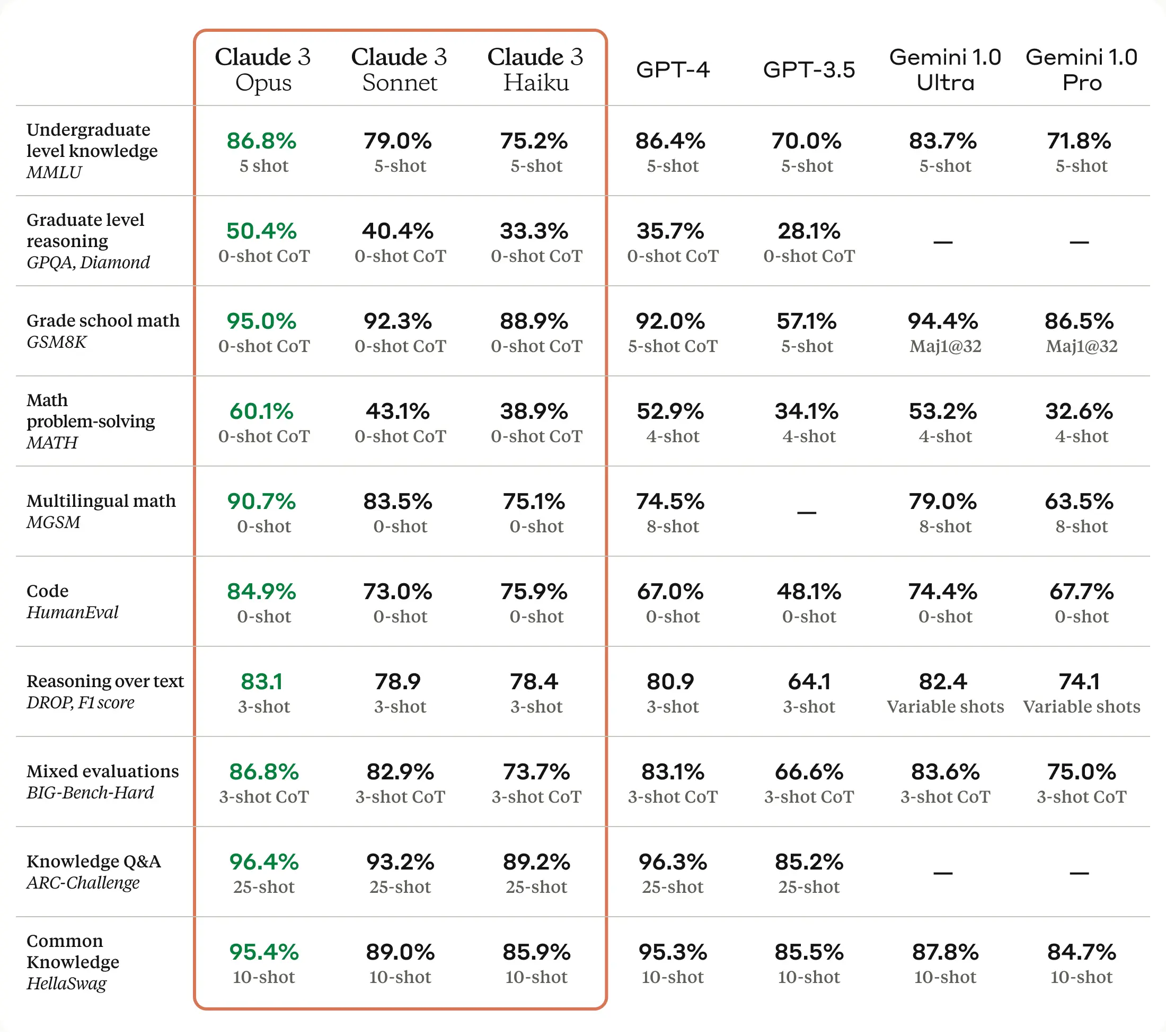
Claude 3 reportedly demonstrates advanced performance across various cognitive tasks, including reasoning, expert knowledge, mathematics, and language fluency. (Despite the lack of consensus over whether large language models “know” or “reason,” the AI research community commonly uses those terms.) The company claims that the Opus model, the most capable of the three, exhibits “near-human levels of comprehension and fluency on complex tasks.”
That’s quite a heady claim and deserves to be parsed more carefully. It’s probably true that Opus is “near-human” on some specific benchmarks, but that doesn’t mean that Opus is a general intelligence like a human (consider that pocket calculators are superhuman at math). So it’s a purposely eye-catching claim that can be watered down with qualifications.
According to Anthropic, Claude 3 Opus beats GPT-4 on 10 AI benchmarks, including MMLU (undergraduate level knowledge), GSM8K (grade school math), HumanEval (coding), and the colorfully named HellaSwag (common knowledge). Several of the wins are very narrow, such as 86.8 percent for Opus vs. 86.4 percent on a five-shot trial of MMLU, and some gaps are big, such as 90.7 percent on HumanEval over GPT-4’s 67.0 percent. But what that might mean, exactly, to you as a customer is difficult to say.
“As always, LLM benchmarks should be treated with a little bit of suspicion,” says AI researcher Simon Willison, who spoke with Ars about Claude 3. “How well a model performs on benchmarks doesn’t tell you much about how the model ‘feels’ to use. But this is still a huge deal—no other model has beaten GPT-4 on a range of widely used benchmarks like this.”
https://arstechnica.com/?p=2007511

As generative AI systems like OpenAI’s ChatGPT and Google’s Gemini become more advanced, they are increasingly being put to work. Startups and tech companies are building AI agents and ecosystems on top of the systems that can complete boring chores for you: think automatically making calendar bookings and potentially buying products. But as the tools are given more freedom, it also increases the potential ways they can be attacked.
Now, in a demonstration of the risks of connected, autonomous AI ecosystems, a group of researchers has created one of what they claim are the first generative AI worms—which can spread from one system to another, potentially stealing data or deploying malware in the process. “It basically means that now you have the ability to conduct or to perform a new kind of cyberattack that hasn’t been seen before,” says Ben Nassi, a Cornell Tech researcher behind the research.
Nassi, along with fellow researchers Stav Cohen and Ron Bitton, created the worm, dubbed Morris II, as a nod to the original Morris computer worm that caused chaos across the Internet in 1988. In a research paper and website shared exclusively with WIRED, the researchers show how the AI worm can attack a generative AI email assistant to steal data from emails and send spam messages—breaking some security protections in ChatGPT and Gemini in the process.
The research, which was undertaken in test environments and not against a publicly available email assistant, comes as large language models (LLMs) are increasingly becoming multimodal, being able to generate images and video as well as text. While generative AI worms haven’t been spotted in the wild yet, multiple researchers say they are a security risk that startups, developers, and tech companies should be concerned about.

Most generative AI systems work by being fed prompts—text instructions that tell the tools to answer a question or create an image. However, these prompts can also be weaponized against the system. Jailbreaks can make a system disregard its safety rules and spew out toxic or hateful content, while prompt injection attacks can give a chatbot secret instructions. For example, an attacker may hide text on a webpage telling an LLM to act as a scammer and ask for your bank details.
To create the generative AI worm, the researchers turned to a so-called “adversarial self-replicating prompt.” This is a prompt that triggers the generative AI model to output, in its response, another prompt, the researchers say. In short, the AI system is told to produce a set of further instructions in its replies. This is broadly similar to traditional SQL injection and buffer overflow attacks, the researchers say.
To show how the worm can work, the researchers created an email system that could send and receive messages using generative AI, plugging into ChatGPT, Gemini, and open source LLM, LLaVA. They then found two ways to exploit the system—by using a text-based self-replicating prompt and by embedding a self-replicating prompt within an image file.
In one instance, the researchers, acting as attackers, wrote an email including the adversarial text prompt, which “poisons” the database of an email assistant using retrieval-augmented generation (RAG), a way for LLMs to pull in extra data from outside its system. When the email is retrieved by the RAG, in response to a user query, and is sent to GPT-4 or Gemini Pro to create an answer, it “jailbreaks the GenAI service” and ultimately steals data from the emails, Nassi says. “The generated response containing the sensitive user data later infects new hosts when it is used to reply to an email sent to a new client and then stored in the database of the new client,” Nassi says.
In the second method, the researchers say, an image with a malicious prompt embedded makes the email assistant forward the message on to others. “By encoding the self-replicating prompt into the image, any kind of image containing spam, abuse material, or even propaganda can be forwarded further to new clients after the initial email has been sent,” Nassi says.
In a video demonstrating the research, the email system can be seen forwarding a message multiple times. The researchers also say they could extract data from emails. “It can be names, it can be telephone numbers, credit card numbers, SSN, anything that is considered confidential,” Nassi says.
Although the research breaks some of the safety measures of ChatGPT and Gemini, the researchers say the work is a warning about “bad architecture design” within the wider AI ecosystem. Nevertheless, they reported their findings to Google and OpenAI. “They appear to have found a way to exploit prompt-injection type vulnerabilities by relying on user input that hasn’t been checked or filtered,” a spokesperson for OpenAI says, adding that the company is working to make its systems “more resilient” and saying developers should “use methods that ensure they are not working with harmful input.” Google declined to comment on the research. Messages Nassi shared with WIRED show the company’s researchers requested a meeting to talk about the subject.
While the demonstration of the worm takes place in a largely controlled environment, multiple security experts who reviewed the research say that the future risk of generative AI worms is one that developers should take seriously. This particularly applies when AI applications are given permission to take actions on someone’s behalf—such as sending emails or booking appointments—and when they may be linked up to other AI agents to complete these tasks. In other recent research, security researchers from Singapore and China have shown how they could jailbreak 1 million LLM agents in under five minutes.
Sahar Abdelnabi, a researcher at the CISPA Helmholtz Center for Information Security in Germany, who worked on some of the first demonstrations of prompt injections against LLMs in May 2023 and highlighted that worms may be possible, says that when AI models take in data from external sources or the AI agents can work autonomously, there is the chance of worms spreading. “I think the idea of spreading injections is very plausible,” Abdelnabi says. “It all depends on what kind of applications these models are used in.” Abdelnabi says that while this kind of attack is simulated at the moment, it may not be theoretical for long.
In a paper covering their findings, Nassi and the other researchers say they anticipate seeing generative AI worms in the wild in the next two to three years. “GenAI ecosystems are under massive development by many companies in the industry that integrate GenAI capabilities into their cars, smartphones, and operating systems,” the research paper says.
Despite this, there are ways people creating generative AI systems can defend against potential worms, including using traditional security approaches. “With a lot of these issues, this is something that proper secure application design and monitoring could address parts of,” says Adam Swanda, a threat researcher at AI enterprise security firm Robust Intelligence. “You typically don’t want to be trusting LLM output anywhere in your application.”
Swanda also says that keeping humans in the loop—ensuring AI agents aren’t allowed to take actions without approval—is a crucial mitigation that can be put in place. “You don’t want an LLM that is reading your email to be able to turn around and send an email. There should be a boundary there.” For Google and OpenAI, Swanda says that if a prompt is being repeated within its systems thousands of times, that will create a lot of “noise” and may be easy to detect.
Nassi and the research reiterate many of the same approaches to mitigations. Ultimately, Nassi says, people creating AI assistants need to be aware of the risks. “This is something that you need to understand and see whether the development of the ecosystem, of the applications, that you have in your company basically follows one of these approaches,” he says. “Because if they do, this needs to be taken into account.”
This story originally appeared on wired.com.
https://arstechnica.com/?p=2007366
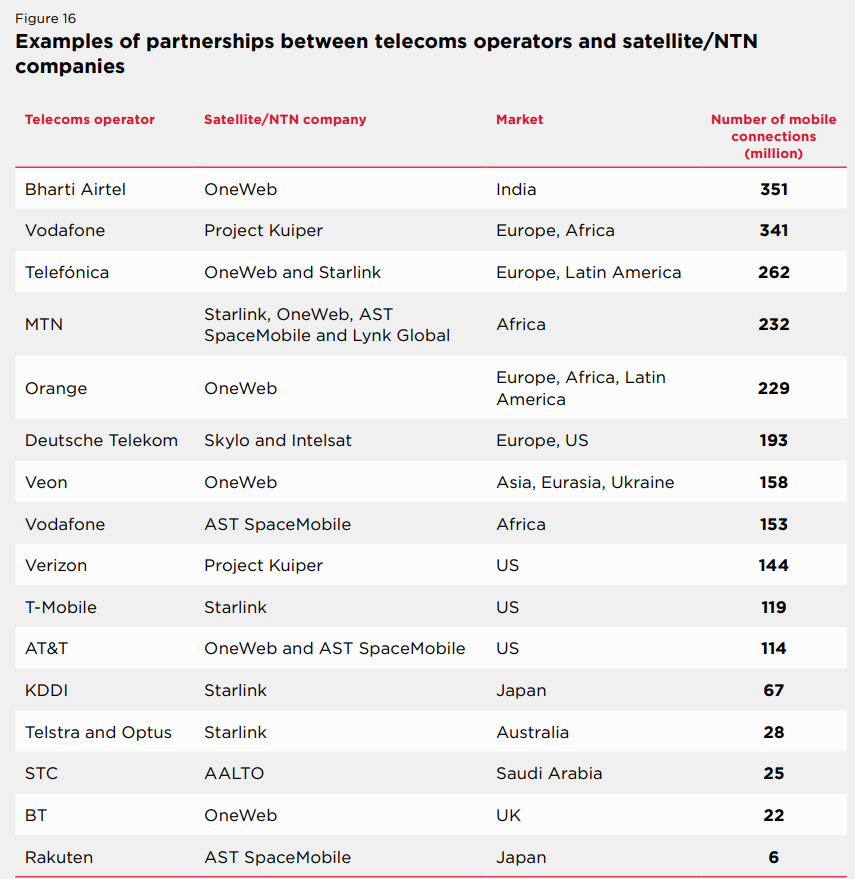
Al terzo giorno del Mobile World Congress di Barcellona la GSMA ha reso noto gli ultimi dati sulla diffusione globale del 5G pubblicando il report The Mobile Economy 2024, secondo cui ci sono 1,6 miliardi di connessioni 5G a livello globale, il che rappresenta la generazione mobile che ha registrato il ritmo di adozione più rapido di tutte. Detto questo, la mancanza di una vera killer application non consente per ora di garantire la monetizzazione sufficiente per il rilancio della industry delle Tlc.
Scarica il il report The Mobile Economy 2024 in PDF
A gennaio 2024, ben 261 società di telecomunicazioni in 101 paesi avevano lanciato servizi commerciali 5G, di cui 47 forniti da reti autonome (SA). Altri 90 operatori in 64 mercati si sono impegnati a implementare il 5G e all’inizio di quest’anno c’erano piani per altre 89 implementazioni di reti SA.
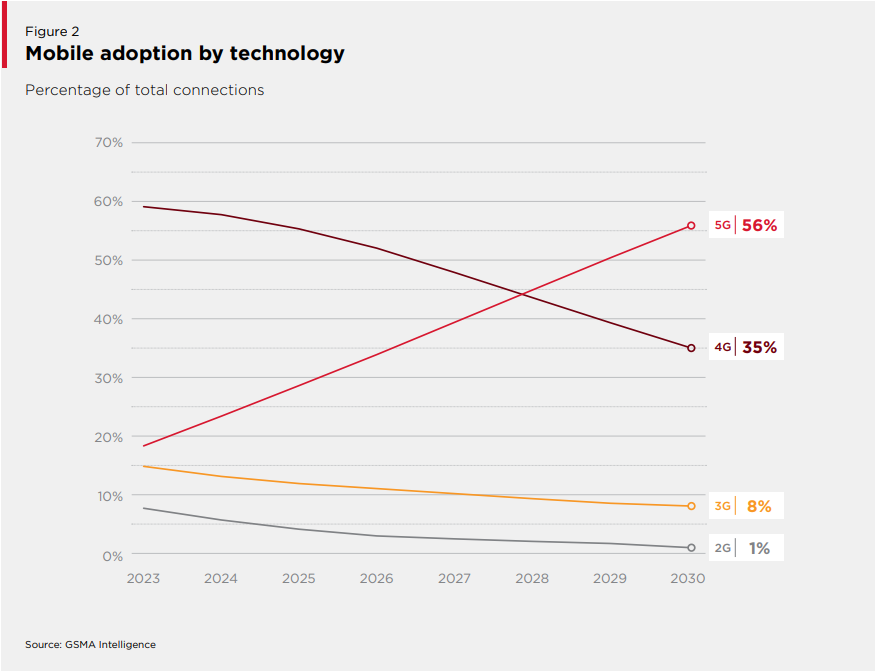
La divisione dati e analisi dell’associazione, GSMA Intelligence (GSMAi), prevede che le connessioni 5G globali raggiungeranno i 5,5 miliardi entro il 2030, rendendo il 5G la tecnologia di connettività dominante, e si prevede che rappresenterà il 56% di tutte le connessioni mobili in tutto il mondo entro la fine del 2019.

Secondo la GSMA, i fattori chiave per le opportunità nel settore includeranno gli sviluppi nel 5G SA, 5G-Advanced, Internet of Things (IoT) aziendale e AI, l’iniziativa Open Gateway della GSMA e nuovi potenziali ricavi attraverso l’evoluzione della fatturazione e della ricarica.
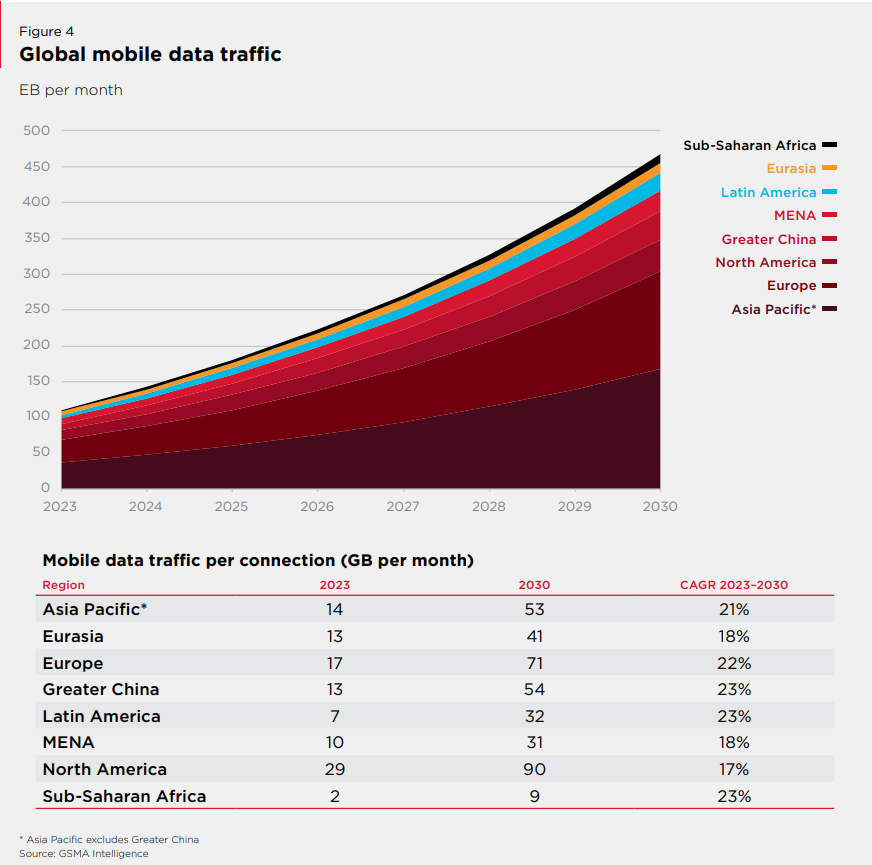
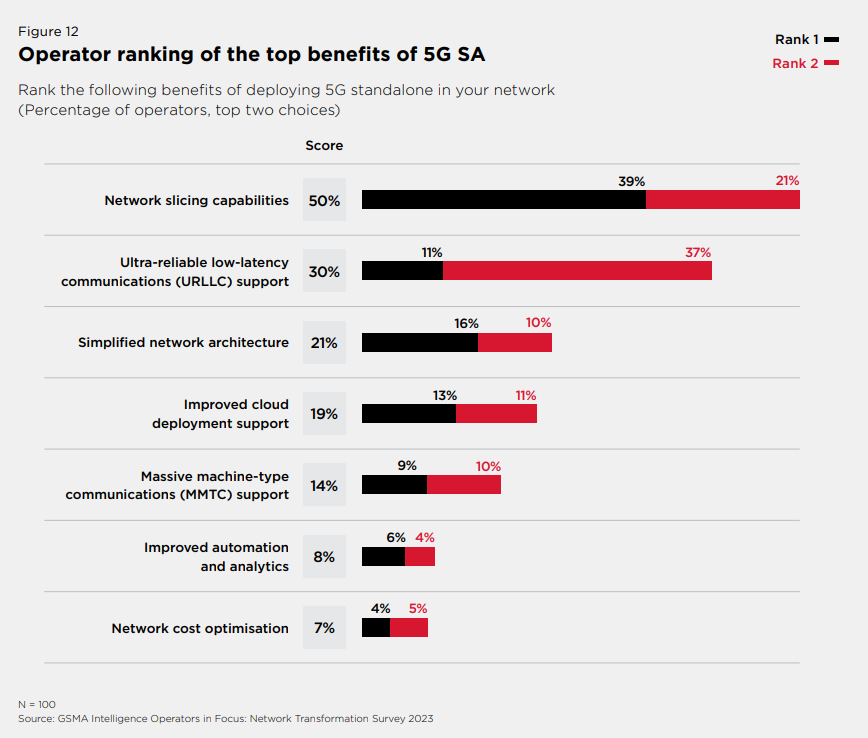
Non sorprende che i risultati della GSMA puntino l’attenzione anche sull’intelligenza artificiale generativa (GenAI), sostenendo che il 56% degli operatori mobili sta attualmente testando applicazioni, il che si traduce in una probabile crescita del traffico dati mobile globale. “Ciò sarà guidato dalle applicazioni, compreso l’uso di chatbot abilitati GenAI per il servizio clienti o dalla continua crescita di contenuti video e musicali generati dall’intelligenza artificiale”, ha osservato l’associazione. “Stanno ora emergendo opportunità in aree quali la monetizzazione delle API [interfaccia di programmazione delle applicazioni] e 5G RedCap [capacità ridotta] per l’IoT aziendale, il tutto supportato dalle reti 5G-Advanced e 5G SA. 5G SA porta a casa le promesse iniziali del 5G, in particolare laddove è possibile soddisfare funzionalità IoT di slicing, bassa latenza e massicce legate alle esigenze dei servizi aziendali. Il 5G-Advanced non farà altro che estenderlo ulteriormente”, ha detto Peter Jarich, capo di GSMAi.
https://www.key4biz.it/5g-gsma-16-miliardi-di-connessioni-globali-ai-e-alleanze-telco-satellite-per-rilanciare-la-industry/481691/
Non si ferma la corsa alla regolamentazione dell’Intelligenza Artificiale: dopo la recente pubblicazione del relativo standard ISO e una prima approvazione dell’AI Act europeo, un nuovo importante tassello è rappresentato dalle “Guidelines for secure AI system development”.
Le Linee Guida sono state messe a punto dal National Cyber Security Centre (NCSC) del Regno Unito e dall’US Cybersecurity and Infrastructure Security Agency (CISA) in collaborazione con una lunga serie di partner internazionali, tra cui figura anche l’Agenzia per la Cybersicurezza Nazionale italiana (ACN).
Hanno poi contribuito alla stesura grandi aziende tech del calibro di Google, IBM, Microsoft e OpenAI, oltre a diverse fondazioni ed enti di ricerca.
Il risultato è un documento che sintetizza l’attuale stato dell’arte e fissa alcune regole generali per lo sviluppo dei futuri strumenti basati sull’Intelligenza Artificiale, al fine di garantire che tali sistemi siano “developed, deployed and operated in a secure and responsible way”.
Il testo è articolato in quattro sezioni, ciascuna delle quali rivolta a uno specifico passaggio entro il ciclo di vita dei sistemi AI:
Muovendo dal presupposto dichiarato per cui “Cyber security is a necessary precondition for the safety, resilience, privacy, fairness, efficacy and reliability of AI systems”, è quindi evidente come le nuove regole considerino la sicurezza informatica un’istanza imprescindibile per il futuro degli ambienti AI/ML.
Nel testo si sottolinea che, sebbene ogni innovazione tecnologica porti sempre con sé alcuni pericoli, oggi i sistemi basati sull’Intelligenza Artificiale fronteggiano minacce specifiche e sofisticate: è il caso dell’Adversarial Machine Learning (AML) o del “Data Poisoning”, entrambi citati a titolo di rischi da non sottovalutare.
Inoltre – nonostante il sottotitolo sia “Guidelines for providers of any systems that use artificial intelligence” – sin dall’Introduzione si specifica di non volersi rivolgere esclusivamente ai fornitori di servizi ma anche a tutti gli ulteriori stakeholders coinvolti, così evidenziando la complessità di regolamentare processi che vedono, l’avvicendarsi di innumerevoli soggetti attraverso le varie fasi tecniche e commerciali.
Di conseguenza le Linee Guida scelgono un approccio volutamente generale, raccomandando misure di “buon senso” come la valutazione accurata e la mitigazione in concreto dei rischi informatici; tutto al fine di garantire che, tanto per le organizzazioni quanto per la società civile, il potenziale dirompente dei sistemi AI non finisca per essere vanificato da vulnerabilità, errori o mancanze nella sicurezza dei relativi processi.
A cura della Redazione
https://www.ictsecuritymagazine.com/notizie/sviluppo-sicuro-dei-sistemi-ai-arrivano-le-linee-guida-internazionali/
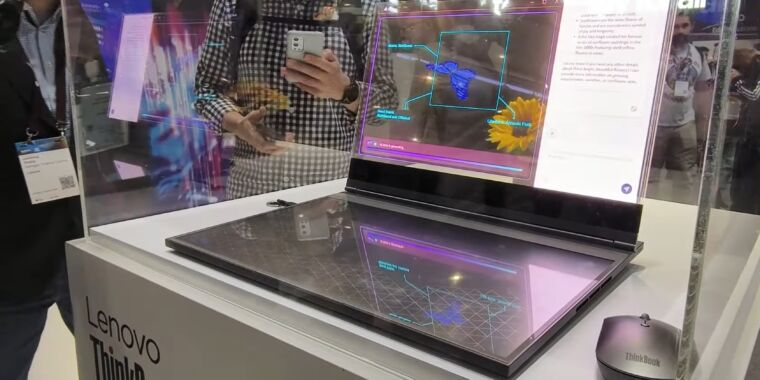
In 2010, Samsung demoed a transparent laptop prototype. The OLED laptop looked uniquely futuristic, and there were even reports that Samsung would release the design for real. But it never did. And 14 years later, even with a different type of display technology improving the experience, it seems like there still isn’t a strong argument for transparent-screen consumer laptops—even with AI shoehorned into the design.
Before we get into the Lenovo ThinkBook Transparent Display Laptop Concept, keep in mind that it is just a concept. Lenovo has no official plans to release this computer and describes it as a way to explore how transparent displays and AI can be combined.
That said, Lenovo’s executive director of ThinkPad portfolio and product, Tom Butler, told The Verge he has “very high confidence” that such technologies will be available in a consumer product within the next five years. If that’s true, Lenovo will need to figure out what people might want in capabilities.
A see-through laptop may not be the answer.
Here’s what Lenovo has come up with so far. The laptop that it’s demoing at MWC 2024 in Barcelona this week is 17.3 inches. The lid is a transparent Micro LED display with as much as 55 percent transparency with the pixels turned off. In the world of transparent screens, that’s pretty impressive. For comparison, the aforementioned Samsung transparent laptop claimed up to 40 percent transparency, and LG currently sells transparent OLED signage (for businesses) with 38 percent transparency. In its announcement, Lenovo claimed that Micro LED “offers more possibilities in the future with further optimization of image quality, durability, and adjustable transmittance to provide more privacy or more transparency to interact with real world objects.”
Notably, Samsung Display revealed the first transparent Micro LED screens in January at CES 2024, so it’s reasonable to expect the technology to advance further. Micro LED has already been praised for offering more powerful transparent experiences than we’ve seen with OLED and LCD thus far. Engadget, which saw Lenovo’s prototype, for example, reported that next to transparent OLED and LCD, the Micro LED screen was notably brighter and more see-through. Additionally, Samsung Display has previously claimed that transparent Micro LED is less affected by ambient light than transparent OLED.
Lenovo claims its prototype’s screen can reach 1,000 nits of full-screen brightness with up to 3,000-nit highlights.
Completing the design is a touchscreen keyboard that’s projected onto a glass deck and goes away if you bring a stylus near it, an embedded trackpad, a rear-facing camera, and Windows 11.
https://arstechnica.com/?p=2006439