Transparent Micro LED searches for purpose in Lenovo’s concept laptop

In 2010, Samsung demoed a transparent laptop prototype. The OLED laptop looked uniquely futuristic, and there were even reports that Samsung would release the design for real. But it never did. And 14 years later, even with a different type of display technology improving the experience, it seems like there still isn’t a strong argument for transparent-screen consumer laptops—even with AI shoehorned into the design.

Just a prototype for now

Before we get into the Lenovo ThinkBook Transparent Display Laptop Concept, keep in mind that it is just a concept. Lenovo has no official plans to release this computer and describes it as a way to explore how transparent displays and AI can be combined.

That said, Lenovo’s executive director of ThinkPad portfolio and product, Tom Butler, told The Verge he has “very high confidence” that such technologies will be available in a consumer product within the next five years. If that’s true, Lenovo will need to figure out what people might want in capabilities.

A see-through laptop may not be the answer.

The concept

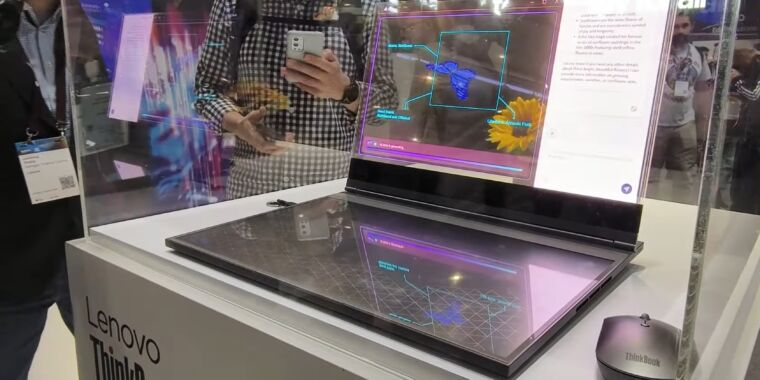
Here’s what Lenovo has come up with so far. The laptop that it’s demoing at MWC 2024 in Barcelona this week is 17.3 inches. The lid is a transparent Micro LED display with as much as 55 percent transparency with the pixels turned off. In the world of transparent screens, that’s pretty impressive. For comparison, the aforementioned Samsung transparent laptop claimed up to 40 percent transparency, and LG currently sells transparent OLED signage (for businesses) with 38 percent transparency. In its announcement, Lenovo claimed that Micro LED “offers more possibilities in the future with further optimization of image quality, durability, and adjustable transmittance to provide more privacy or more transparency to interact with real world objects.”

Notably, Samsung Display revealed the first transparent Micro LED screens in January at CES 2024, so it’s reasonable to expect the technology to advance further. Micro LED has already been praised for offering more powerful transparent experiences than we’ve seen with OLED and LCD thus far. Engadget, which saw Lenovo’s prototype, for example, reported that next to transparent OLED and LCD, the Micro LED screen was notably brighter and more see-through. Additionally, Samsung Display has previously claimed that transparent Micro LED is less affected by ambient light than transparent OLED.

Lenovo claims its prototype’s screen can reach 1,000 nits of full-screen brightness with up to 3,000-nit highlights.

Completing the design is a touchscreen keyboard that’s projected onto a glass deck and goes away if you bring a stylus near it, an embedded trackpad, a rear-facing camera, and Windows 11.

https://arstechnica.com/?p=2006439


Wendy’s clarifies plans for dynamic pricing experiment after backlash

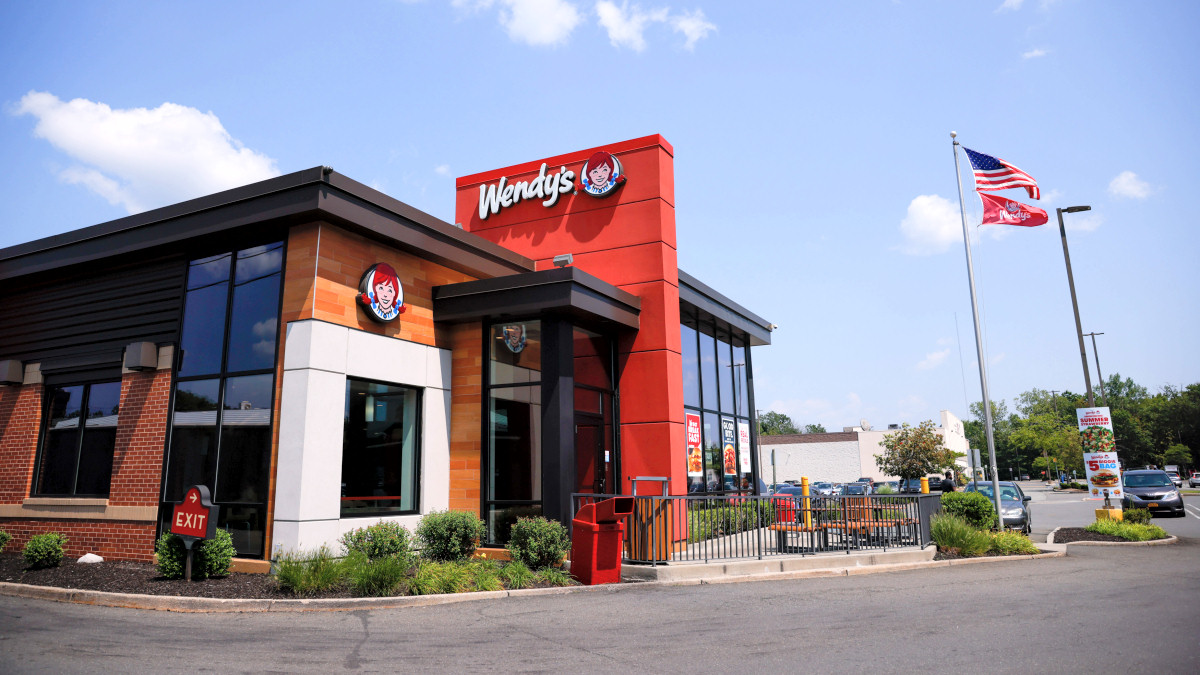
A view of a Wendy's store on August 9, 2023 in Nanuet, New York.
Enlarge / A view of a Wendy’s store on August 9, 2023, in Nanuet, New York.

A day after American fast food chain Wendy’s announced plans to test dynamic pricing and AI menu features in 2025, the company clarified its plans.

Wendy’s said it will not dynamically raise menu prices based on demand after reports about the experiment, which was set to roll out in 2025, caused a stir online. In a statement to Reuters, a Wendy’s spokesperson said it “would not raise prices when our customers are visiting us most.” Instead, the company framed experimental price changes as discounts during “slower times of day.”

“We said these menuboards would give us more flexibility to change the display of featured items. This was misconstrued in some media reports as an intent to raise prices when demand is highest,” the company told Reuters. “We have no plans to do that.”

Presuming that lowered prices during slow times will eventually rise again, it appears some sort of dynamic pricing will still be taking place.

According to the original report from Nation’s Restaurant News and Food & Wine, prices for food items would automatically change throughout the day depending on demand, similar to “surge pricing” in rideshare apps like Uber and Lyft. The initiative was disclosed by Kirk Tanner, the CEO and president of Wendy’s, in a recent discussion with analysts.

According to Tanner, Wendy’s plans to invest approximately $20 million to install digital menu boards capable of displaying these real-time variable prices across all of its company-operated locations in the United States. An additional $10 million is earmarked over two years to enhance Wendy’s global system, which aims to improve order accuracy and upsell other menu items.

In conversation with Food & Wine, a spokesperson for Wendy’s confirmed the company’s commitment to this pricing strategy, describing it as part of a broader effort to grow its digital business. “Beginning as early as 2025, we will begin testing a variety of enhanced features on these digital menuboards like dynamic pricing, different offerings in certain parts of the day, AI-enabled menu changes and suggestive selling based on factors such as weather,” they said. “Dynamic pricing can allow Wendy’s to be competitive and flexible with pricing, motivate customers to visit and provide them with the food they love at a great value. We will test a number of features that we think will provide an enhanced customer and crew experience.”

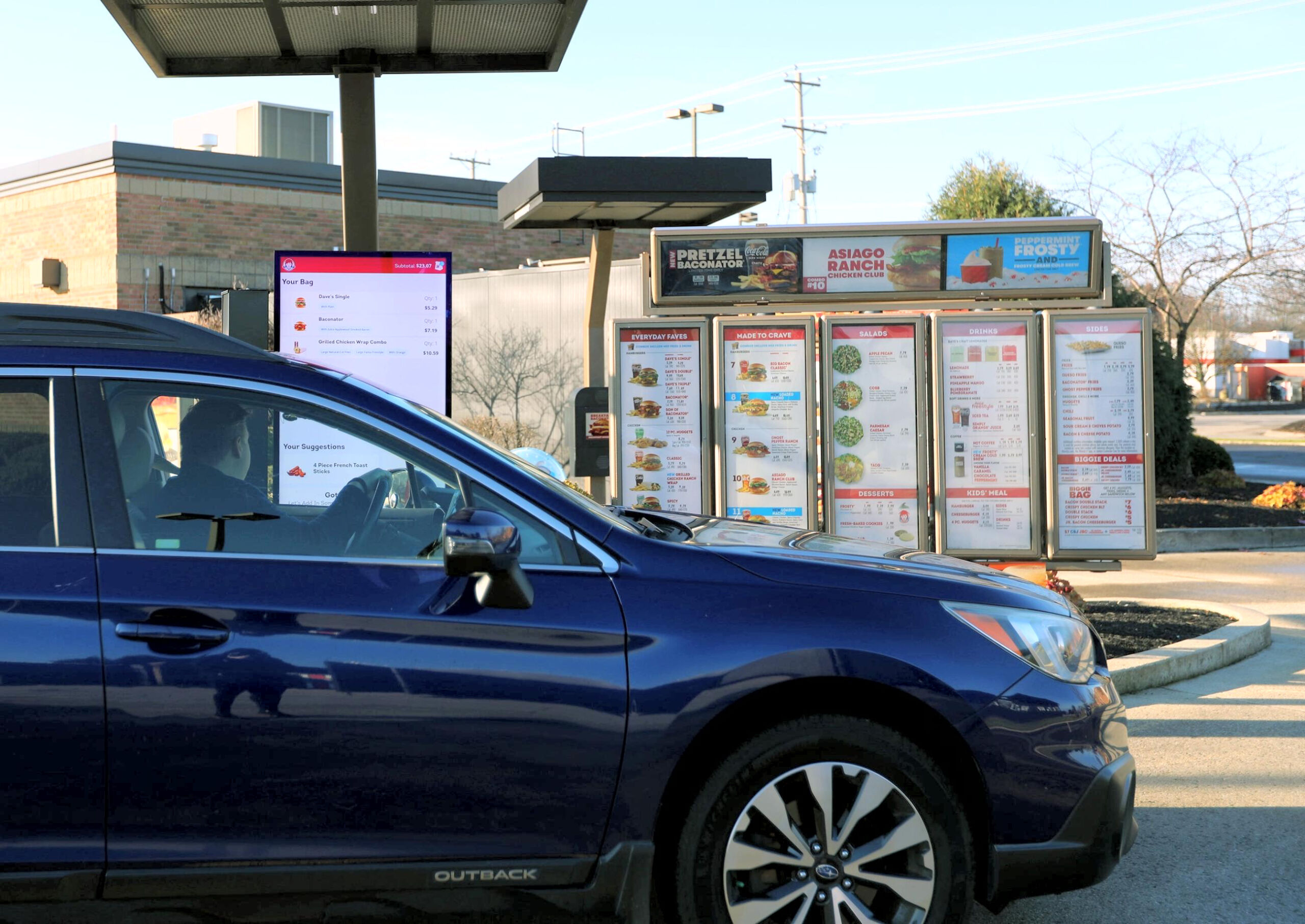
A Wendy's drive-through menu as seen in 2023 during the FreshAI rollout.
Enlarge / A Wendy’s drive-through menu as seen in 2023 during the FreshAI rollout.

Wendy’s is not the first business to explore dynamic pricing—it’s a common practice in several industries, including hospitality, retail, airline travel, and the aforementioned rideshare apps. Its application in the fast-food sector is largely untested, and it’s uncertain how customers will react. However, a few other restaurants have tested the method and have experienced favorable results. “For us, it was all about consumer reaction,” Faizan Khan, a Dog Haus franchise owner, told Food & Wine. “The concern was if you’re going to raise prices, you’re going to sell less product, and it turns out that really wasn’t the case.”

The price-change plans are the latest in a series of moves designed to modernize Wendy’s business using technology—and increase profits. In 2023, Wendy’s began testing FreshAI, a system designed to take orders with a conversational AI bot, potentially replacing human workers in the process. In his discussion, Tanner also discussed “AI-enabled menu changes” and “suggestive selling” without elaboration, though the Wendy’s spokesperson remarked that suggestive selling may automatically emphasize some items based dynamically on local weather conditions, such as trying to sell cold drinks on a hot day.

If Wendy’s goes through with its plan, it’s unclear how the dynamic pricing will affect food delivery apps such as Uber Eats or Doordash, or even the Wendy’s mobile app. Presumably, third-party apps will need a way to link into Wendy’s dynamic price system (Wendy’s API anyone?).

In other news, Wendy’s is also testing “Saucy Nuggets” in a small number of restaurants near the chain’s Ohio headquarters. Refreshingly, they have nothing to do with AI.

https://arstechnica.com/?p=2006213


Amazon to spend $1 billion on startups that combine AI with robots

Bipedal robot at Amazon
Enlarge / Digit, a bipedal robot, is being tested at an Amazon facility in the US.
Financial Times

Amazon’s $1 billion industrial innovation fund is to step up investments in companies that combine artificial intelligence and robotics, as the ecommerce giant seeks to drive efficiencies across its logistics network.

Franziska Bossart, head of the corporate venture capital arm that was set up in 2022, told the Financial Times that “generative AI holds a lot of promise for robotics and automation” and is an area “we are going to focus on this year.”

She added that the fund’s pace of investment would “absolutely” accelerate in 2024. It made its first investment in a generative AI company last year, the details of which have not been disclosed.

The Amazon industrial innovation fund has made 12 investments in total, including in Mantis Robotics, which is developing a robotic arm that uses sensors to work alongside humans.

The fund’s search for new investments in generative AI groups comes as Big Tech companies pour billions into developing the technology, which can produce humanlike text, images, and code in seconds.

Microsoft has committed up to $13 billion to OpenAI, incorporating the ChatGPT-maker’s technology into its Office suite of productivity apps and Bing search engine. On Monday, Microsoft announced it has made an investment in French AI startup Mistral. Separate from its innovation fund, Amazon has committed up to $4 billion to generative AI start-up Anthropic.

Amazon has innovated in robotics before: in 2022, the company said it had invested more than 400 million euros in technologies that include industrial robotics and sorting systems in its European warehouses. It has deployed 750,000 mobile robots across its operations network.

The industrial innovation fund is seeking to invest in start-ups that can support the ecommerce group’s aims of becoming “more efficient, safer for our associates, and increase the speed of delivery to our customers.” Bossart said.

She said the Amazon fund would expand its focus this year, including by seeking to invest in companies involved in the “last mile” of deliveries, when packages arrive with customers, as well as geographically and in later-stage companies. However, Bossart would not be drawn on how much the fund has deployed so far, declining to comment on a report it has invested $110 million as of June.

The focus on the automation of warehouses and logistics was not about cutting people out of them altogether, but would result in a “shift in jobs” as more robots and automated vehicles took on repetitive or dangerous tasks, she said. “We’re also a long way off from replacing all humans,” she added.

While Amazon’s push to use AI to increase automation may raise concerns among the company’s thousands of delivery and warehouse workers worldwide, the declaration that its investment arm will deploy more capital this year may cheer tech start-ups.

Venture capitalists have resisted new bets on fledgling companies during a recent tech downturn and have instead focused on propping up existing companies in their portfolio or groups that can demonstrate profitability.

Amazon’s desire for greater automation and efficiency across its warehouses and supply chain is also part of a broader strategy to boost margins following a period of heavy investment in the logistics network during the pandemic.

A recent effort to “regionalize” the US network—which involved restructuring the national parcel packing, sorting, and delivery hubs, as well as its transport fleet, into eight regional networks—meant goods could be stored closer to customers, making deliveries quicker and cheaper, Amazon said in February.

But there were still areas “where we believe we can lower costs while also delivering faster for customers.” said chief executive Andy Jassy.

© 2024 The Financial Times Ltd. All rights reserved. Not to be redistributed, copied, or modified in any way.

https://arstechnica.com/?p=2006569


Microsoft investe nell’unicorno francese Mistral. Doppio gioco di Parigi sull’AI Act?

Microsoft ha appena investito in Mistral, la startup francese dell’intelligenza artificiale per trarre vantaggio da “business completamente nuovi”. Si tratta di un’operazione a un po’ a sorpresa, considerata la posizione di Parigi al tavolo europeo dei negoziati sulll’AI Act, con un presidente francese Macron che, all’epoca, difendeva a spada tratta il primato tecnologico europeo dall’invadenza dei grandi player americani ed extra Ue dell’AI, Microsoft in testa.

Mistral, fondata lo scorso anno da ex ricercatori di Google e Meta, è un raro player europeo di spicco in un campo dominato da aziende statunitensi. L’azienda francese, che ha già raccolto quasi 540 milioni di dollari, ha confermato lunedì la partnership con Microsoft. A dicembre era stata valutata 2 miliardi da alcuni investitori.

Nel frattempo, Mistral lancia anche un assistente alla conversazione multilingue. Chiamato “Le Chat” (la parola francese per “gatto”), lo strumento consentirà l’interfacciamento conversazionale con i modelli di intelligenza artificiale dell’azienda. Oggi, Le Chat entra in accesso beta per i primi clienti e sarà presto disponibile per gli utenti aziendali.

Cosa è cambiato in due mesi?

Ma come? Cosa è cambiato nel giro di due mesi? Perché Parigi apre alla presenza di Microsoft nel suo campione nazionale dell’AI? C’è stato per caso un doppiogiochismo da parte della Francia, che prima ha sostenuto una posizione pro Europa per poi sposare invece una policy totalmente opposta?

Sta di fatto che la partnership con la parigina Mistral arriva poco dopo che la FTC ha annunciato un’indagine sull’investimento di 13 miliardi di dollari di Microsoft in OpenAI.

Microsoft trova alleato in Francia sull’AI

E così Microsoft ha trovato un alleato nell’intelligenza artificiale in Francia. Si tratta di una partnership pluriennale con la startup francese, il cui nuovo modello di punta per grandi linguaggi, Mistral Large, è stato aggiunto ad Azure, la piattaforma di cloud computing e sviluppo di applicazioni di Microsoft.

La mossa arriva mentre Microsoft cerca di diversificare le sue alleanze con società di intelligenza artificiale oltre OpenAI, in cui la società ha investito più di 13 miliardi di dollari. Il mese scorso, la FTC ha annunciato di aver avviato un’indagine sugli investimenti nell’intelligenza artificiale generativa da parte di grandi aziende, compreso l’investimento di Microsoft in OpenAI.

Microsoft investe un piccola somma in Mistral

Microsoft ha investito una piccola somma nella Mistral, lanciata 10 mesi fa, valutata 2 miliardi di dollari a dicembre, ma non possiede azioni nel business, ha riferito il Financial Times. Il presidente di Microsoft Brad Smith ha detto al FT che i recenti progressi nel campo dell’intelligenza artificiale hanno inaugurato “un’economia basata sull’intelligenza artificiale, che creerà business completamente nuovi e nuove categorie di business”.

La stragrande maggioranza dei modelli di intelligenza artificiale disponibili su Azure sono open source, il che significa che possono essere utilizzati da chiunque senza pagare un fornitore di servizi. Ma Mistral Large è un modello commerciale, in cui gli utenti pagano per ogni chiamata API effettuata. Mistral è solo la seconda società di intelligenza artificiale con cui Microsoft ha stretto un accordo per ospitare i propri modelli commerciali, la prima è la stessa OpenAI.

Capacità di ragionamento uniche

In un comunicato stampa, Mistral afferma che il nuovo modello ha capacità di ragionamento uniche, è esperto in codice e matematica, parla correntemente francese, inglese, tedesco, spagnolo e italiano ed è in grado di elaborare centinaia di pagine di documenti in un’unica API. Il modello è anche specializzato nel recupero della generazione aumentata (RAG), essenzialmente la capacità di acquisire conoscenza da fonti esterne oltre i dati di addestramento e può assistere nella codifica in tutti i linguaggi di codifica tradizionali.

Mistral Large sarà disponibile nella funzionalità Models as a Service (MaaS) di Azure, progettata per consentire agli sviluppatori di integrare e distribuire facilmente modelli di intelligenza artificiale ottimizzati nelle loro applicazioni senza dover impostare manualmente l’API e il processo di fatturazione. In un post sul blog, Eric Boyd, vicepresidente aziendale di Microsoft per la piattaforma Azure AI, ha scritto che Microsoft e Mistral collaboreranno “su modelli di formazione specifici per clienti selezionati, compresi i carichi di lavoro del settore pubblico europeo”.

La Commissione Ue indaga sull’operazione

Oggi la Commissione Europea (CE) ha detto a Reuters che analizzerà l’accordo tra Microsoft e Mistral AI, come parte della sua revisione in corso delle partnership AI delle grandi aziende tecnologiche. La Commissione europea aveva precedentemente avvertito che il sostegno di Microsoft all’azienda statunitense OpenAI potrebbe essere soggetto alle norme dell’UE su fusioni e acquisizioni.
“Ciò che sta accadendo dimostra ancora di più che è stato bene non allentare le nostre ambizioni sulla sicurezza dei modelli GPAI (o sistemi di intelligenza artificiale generica) che presentano rischi sistemici, a seguito della legittima ma forte lobbying di aziende come Mistral”, ha detto Brando Benefei , membro del Parlamento Europeo che ha supervisionato la stesura della legislazione sull’AI (Legge sull’AI).
“Questa questione emergente dovrà essere ulteriormente indagata”, ha aggiunto.

https://www.key4biz.it/microsoft-investe-nellunicorno-francese-mistral-doppio-gioco-di-parigi-sullai-act/481434/


7 trend tecnologici che stanno rimodellando le Tlc

La industry delle Tlc si sta rapidamente evolvendo, alla ricerca di nuovi use case che vanno dalla guida autonoma alla chirurgia robotica attraverso una serie infinita di nuove interazioni digitali. L’obiettivo è sfruttare al massimo gli ingenti investimenti per le nuove infrastrutture 5G.

Il perdurante entusiasmo per il potenziale dell’intelligenza artificiale, guidato dai progressi nell’intelligenza artificiale generativa, sta spingendo il settore a riconsiderare la portata dei suoi piani di trasformazione. Tuttavia, molte telco hanno difficoltà a gestire le implicazioni di questi cambiamenti, compresa la determinazione di quali talenti hanno bisogno e come battere la concorrenza per ottenerli.

La ricerca di McKinsey mostra che le organizzazioni più diversificate superano sempre più le loro concorrenti non diversificate. Le telco dovranno tenerne conto in futuro.

Connettività in continua espansione

L’infrastruttura di telecomunicazioni di quinta generazione (5G) si sta espandendo e migliorando notevolmente la connettività, e l’infrastruttura di sesta generazione (6G) è pronta ad amplificare questa tendenza.

La connettività quasi illimitata aprirà la strada a nuovi servizi come il monitoraggio remoto dei pazienti e esperienze cliente di prossima generazione come camerini virtuali e conferenze che si svolgeranno interamente nel metaverso.

Si prevede che la domanda di connettività aumenterà ulteriormente man mano che i clienti cercano queste soluzioni innovative e poiché il numero di dispositivi connessi crescerà fino a raggiungere i 51,9 miliardi secondo le previsioni entro il 2025, rispetto ai 43 miliardi del 2020. Anche il lavoro a distanza sta alimentando la domanda, con il 51% degli americani lavorare da casa almeno un giorno alla settimana. Inoltre, si stima che il 5G e il 6G espanderanno la connettività fino all’80% della popolazione mondiale entro il 2030.

Per soddisfare questa domanda, le società di telecomunicazioni dovranno aumentare esponenzialmente la capacità della rete, migliorare la velocità di trasmissione e lo spettro dei dati e ridurre la latenza e il consumo energetico. Oltre ad estendere la copertura ai privati, le società di telecomunicazioni potrebbero avere l’opportunità di aumentare i ricavi B2B sviluppando soluzioni di connettività premium per casi d’uso specifici.

Ciò richiederà talenti con competenze nella progettazione di reti e di spettro per lavorare su strategia e architettura; ingegneria di rete, per progettare architetture e sviluppare applicazioni; innovazione di rete, per sviluppare RAN (rete di accesso radio) emergenti, virtualizzazione delle funzioni di rete, Kubernetes, eccetera; monitoraggio della manutenzione della rete, per gestire le emergenze e rimediare alle interruzioni; e IoT, per sviluppare applicazioni, piattaforme e API.

Probabilmente non saranno più necessarie capacità ingegneristiche e operative specifiche per le tecnologie legacy, come la linea di abbonamento digitale (DSL), le reti cellulari 2G e 3G e l’infrastruttura TV via cavo tradizionale. La base dei talenti, quindi, dovrà adattarsi.

Edge computing

Man mano che i carichi di lavoro informatici vengono distribuiti su data center remoti situati più vicini agli utenti finali, la latenza diminuirà, la larghezza di banda aumenterà e le organizzazioni acquisiranno maggiore sovranità sui propri dati. L’edge computing consente l’elaborazione dei dati in tempo reale, che sbloccherà casi d’uso in tutti i settori, dal trattamento sanitario a distanza alla gestione remota delle operazioni minerarie fino a soluzioni di sostenibilità come le reti intelligenti che ottimizzano il consumo di energia. Un recente sondaggio McKinsey condotto su 75 dirigenti di società di telecomunicazioni in Nord America ed Europa occidentale ha rilevato un grande interesse per una varietà di casi d’uso dell’edge computing.

I risultati del sondaggio hanno mostrato che la maggior parte delle società di telecomunicazioni si sta impegnando con l’edge computing a un certo livello, con un quarto che lo sta già implementando o pianificando attivamente di espanderlo. Più della metà dei dirigenti intervistati (55%) ha affermato che il loro obiettivo principale è migliorare l’efficienza e le prestazioni della rete, mentre altri hanno citato la possibilità di creare nuovi casi d’uso per le aziende (21%) o per i consumatori (18%).

Man mano che le società di telecomunicazioni adottano l’edge computing, dovranno affrontare costi crescenti derivanti dal consumo di energia, dalla manutenzione della rete e dagli investimenti associati alla riconfigurazione del backhaul e del backbone della rete. Il passaggio all’edge computing richiede talenti delle telecomunicazioni con competenze nella progettazione di reti e sistemi per lavorare sulla strategia e sull’architettura dei dati; ingegneria di rete, per consentire l’installazione e l’integrazione di dispositivi, software e sistemi; innovazione della rete, per migliorare le prestazioni dei sistemi; manutenzione della rete, per rimediare alle interruzioni e gestire le emergenze; gestione del database, per gestire l’archiviazione, la distribuzione e l’analisi dei dati; e sicurezza, per ridurre al minimo le frodi, monitorare i rischi e gestire la conformità. L’aumento delle soluzioni basate sul cloud, dell’automazione e dei servizi gestiti ridurrà la domanda di ruoli di configurazione e manutenzione IT in loco.

Next-generation transportation

Le prime due tendenze tecnologiche, connettività estesa e edge computing, gettano le basi per una terza: i trasporti di prossima generazione. Lo spostamento verso tecnologie autonome, connesse, elettriche e intelligenti ha vaste implicazioni per il trasporto aereo e terrestre, con il potenziale di rendere i viaggi umani e il trasporto di merci molto più efficienti e sostenibili dal punto di vista ambientale.

L’industria dei trasporti darà sempre più priorità alla propulsione elettrica, a idrogeno e ibrida come nuove modalità per la mobilità terrestre e aerea. Un aumento previsto del traffico dati e delle applicazioni di atterraggio autonomo potrebbe consentire alle aziende di espandere i propri mercati, raggiungendo nuovi segmenti di clienti in località precedentemente inservibili.

Con l’evoluzione dei trasporti, le società di telecomunicazioni dovranno aumentare la larghezza di banda per la mobilità, in particolare nelle aree remote, e fornire una copertura di backup di emergenza impeccabile. Avranno anche l’opportunità di combinare la connettività di base con le tecnologie veicolari e i dati sulla mobilità in tempo reale per offrire soluzioni come guida a mani libere, infotainment, reti di caricabatterie intelligenti per veicoli elettrici e tecnologia “vehicle to everything” (V2X), che consente veicoli per connettersi con l’ambiente circostante, compresi altri veicoli e guidatori umani.

Le società di telecomunicazioni avranno bisogno di talenti con competenze nella progettazione di reti per sviluppare algoritmi per la connettività dei veicoli; ingegneria, innovazione e manutenzione della rete, per consentire la connettività dal veicolo all’infrastruttura; automazione, per sfruttare l’apprendimento automatico e l’intelligenza artificiale per l’infotainment; Architettura IoT, per abilitare il riconoscimento vocale e il controllo dei gesti; Progettazione UX, per migliorare l’esperienza dell’utente; e data science, per la raccolta e l’elaborazione dei dati.

​xRAN

I nuovi approcci alla RAN possono apportare flessibilità al rapporto delle società di telecomunicazioni con gli OEM e persino ridurre i requisiti di risorse fisiche come torri, antenne e cavi, tagliando così le spese di capitale e operative, accelerando l’implementazione di nuovi servizi di rete e stimolando la concorrenza tra i fornitori.

Il nostro sondaggio tra i dirigenti delle società di telecomunicazioni indica un forte interesse per ORAN in particolare, con il 76% dei dirigenti delle società di telecomunicazioni storiche e l’88% dei dirigenti dei nuovi entranti che intendono investire nel nuovo approccio. Nel complesso, il 60% dei dirigenti ha dichiarato di voler utilizzare ORAN per almeno il 20-30% delle nuove realizzazioni di rete.

Per raggiungere questo obiettivo, le società di telecomunicazioni avranno bisogno di talenti esperti nel lavoro agile per migliorare le pratiche di ingegneria e la diffusione dell’innovazione; ingegneria dei dati, per sviluppare l’architettura; cloud, per sviluppare e testare le soluzioni abilitate da xRAN; gestione del prodotto, per consentire l’evoluzione di xRAN; e DevOps, per creare soluzioni e accelerare la transizione a xRAN.

Ci sarà meno bisogno di conoscenze hardware proprietarie, competenze di integrazione di sistemi chiusi e capacità operative manuali specifiche per i sistemi RAN legacy.

Fiducia nell’architettura e nell’identità digitale

Man mano che le organizzazioni creano e scalano prodotti e servizi abilitati al digitale che dipendono dalla raccolta di vaste quantità di dati dei clienti, la fiducia e la privacy diventeranno ancora più essenziali. Per soddisfare le crescenti aspettative dei consumatori in termini di fiducia digitale, sicurezza IT e visibilità dei dati, le società di telecomunicazioni dovrebbero prendere in considerazione l’investimento in soluzioni di sicurezza informatica. Coloro che lo faranno si posizioneranno per introdurre nuove offerte costruendo servizi di identità digitale su reti e tecnologie di prossima generazione. Per realizzare questo potenziale, le società di telecomunicazioni avranno bisogno di talenti con competenze nello sviluppo dell’identità digitale per fornire soluzioni e tecnologie affidabili; architettura e ingegneria delle soluzioni di sicurezza informatica, per garantire la valutazione e l’accesso sicuro a reti e applicazioni; automazione, per creare soluzioni e strumenti di identità digitale; ingegneria della privacy, per gestire il rischio e la conformità; ingegneria di rete, per sviluppare app e architetture; manutenzione della rete, per monitorare e gestire le emergenze; e DevOps, per automatizzare la configurazione, la distribuzione continua e l’infrastruttura. La produzione manuale e la revisione della documentazione di conformità verranno gradualmente eliminate

Intelligenza Artificiale

I progressi nell’intelligenza artificiale, e in particolare nell’intelligenza artificiale generativa, stanno sbloccando opportunità per le organizzazioni in ogni punto della catena del valore. Le società di telecomunicazioni possono utilizzare l’intelligenza artificiale per ottimizzare le reti (gestendo le risorse in base al traffico in tempo reale e all’analisi dei dati); affrontare in modo proattivo i problemi di manutenzione (analizzando modelli e anomalie per identificare i problemi prima che si verifichino); e ridurre al minimo il tasso di abbandono (analizzando il comportamento dei clienti per identificare quelli che hanno maggiori probabilità di andarsene). Abbinando telecamere e sensori basati sull’intelligenza artificiale all’automazione della manutenzione della rete abilitata dall’intelligenza artificiale, le società di telecomunicazioni possono ridurre sostanzialmente i costi associati alla gestione dell’infrastruttura di rete.

L’intelligenza artificiale generativa può trasformare l’esperienza del cliente fornendo ai clienti contenuti, offerte e sensibilizzazione proattiva relativa ai servizi altamente personalizzati in base a modelli di utilizzo, cronologia degli acquisti e altre considerazioni. Analizzando le tendenze del comportamento dei clienti, l’intelligenza artificiale generativa può migliorare lo sviluppo del prodotto e accelerare l’innovazione; potrebbe suggerire nuove funzionalità per un’app mobile o nuovi piani destinati a segmenti di clienti specifici. Utilizzando l’intelligenza artificiale generativa per simulare sofisticati attacchi informatici, gli operatori possono identificare le vulnerabilità e migliorare la resilienza della rete.

Per massimizzare le opportunità dell’intelligenza artificiale, le società di telecomunicazioni avranno bisogno di talenti con competenze nella progettazione di interfacce per creare esperienze utente eccellenti; ingegneria dell’elaborazione del linguaggio naturale, per il riconoscimento vocale dell’intelligenza artificiale; ingegneria dei dati, per lavorare su architettura dei dati, software e big data; data science, per creare modelli matematici di machine learning; e sicurezza, per prevenire e gestire gli attacchi informatici.

Poiché l’infrastruttura è sempre più gestita tramite software, l’intelligenza artificiale soppianterà la necessità di una risoluzione manuale dei problemi di routine.

Quantum technology

La nostra indagine riflette un ampio consenso tra i dirigenti delle società di telecomunicazioni riguardo all’impatto della tecnologia quantistica, con il 52% che afferma di ritenere che la tecnologia quantistica rappresenterà un vantaggio differenziante per le società di telecomunicazioni nei prossimi cinque anni (e un ulteriore 32% afferma di essere in qualche modo d’accordo con questa valutazione).

I dirigenti vedono il massimo valore strategico nello sviluppo di reti di distribuzione delle chiavi quantistiche (QKD), che consentono lo scambio sicuro di chiavi crittografiche. Circa la metà dei dirigenti si sta già impegnando con la tecnologia quantistica per proteggere i dati dei clienti o migliorare le procedure per l’autenticazione dei dispositivi IoT degli utenti (55%), proteggere l’infrastruttura delle telecomunicazioni attraverso la crittografia (53%) o crittografare il traffico all’interno della rete (48%).

Allo stesso tempo, l’informatica quantistica metterà a rischio i metodi di crittografia convenzionali aprendo nuovi vettori di attacco. Le organizzazioni sono già sempre più preoccupate per gli attacchi “raccogli ora, decrittografa dopo”, in cui i malintenzionati rubano dati crittografati nella speranza di utilizzare computer quantistici per decrittografarli in futuro. Sfruttando la tecnologia quantistica, le società di telecomunicazioni possono dotarsi di strumenti per combattere queste minacce sofisticate; QKD, ad esempio, consente alle parti comunicanti di essere avvisate ogni volta che un intruso tenta di intercettare uno scambio crittografato.

https://www.key4biz.it/7-trend-tecnologici-che-stanno-rimodellando-le-tlc/481351/


Reddit cashes in on AI gold rush with $203M in LLM training license fees

"Reddit Gold" takes on a whole new meaning when AI training data is involved.
Enlarge / “Reddit Gold” takes on a whole new meaning when AI training data is involved.


The last week saw word leak that Google had agreed to license Reddit’s massive corpus of billions of posts and comments to help train its large language models. Now, in a recent Securities and Exchange Commission filing, the popular online forum has revealed that it will bring in $203 million from that and other unspecified AI data licensing contracts over the next three years.

Reddit’s Form S-1—published by the SEC late Thursday ahead of the site’s planned stock IPO—says the company expects $66.4 million of that data-derived value from LLM companies to come during the 2024 calendar year. Bloomberg previously reported the Google deal to be worth an estimated $60 million a year, suggesting that the three-year deal represents the vast majority of its AI licensing revenue so far.

Google and other AI companies that license Reddit’s data will receive “continuous access to [Reddit’s] data API as well as quarterly transfers of Reddit data over the term of the arrangement,” according to the filing. That constant, real-time access is particularly valuable, the site writes in the filing, because “Reddit data constantly grows and regenerates as users come and interact with their communities and each other.”

“Why pay for the cow…?”

While Reddit sees data licensing to AI firms as an important part of its financial future, its filing also notes that free use of its data has already been “a foundational part of how many of the leading large language models have been trained.” The filing seems almost bitter in noting that “some companies have constructed very large commercial language models using Reddit data without entering into a license agreement with us.”

That acknowledgment highlights the still-murky legal landscape over AI companies’ penchant for scraping huge swathes of the public web for training purposes, a practice those companies defend as fair use. And Reddit seems well aware that AI models may continue to hoover up its posts and comments for free, even as it tries to sell that data to others.

“Some companies may decline to license Reddit data and use such data without license given its open nature, even if in violation of the legal terms governing our services,” the company writes. “While we plan to vigorously enforce against such entities, such enforcement activities could take years to resolve, result in substantial expense, and divert management’s attention and other resources, and we may not ultimately be successful.”

Yet the mere existence of AI data licensing agreements like Reddit’s may influence how legal battles over this kind of data scraping play out. As Ars’ Timothy Lee and James Grimmelmann noted in a recent legal analysis, the establishment of a settled licensing market can have a huge impact on whether courts consider a novel use of digitized data to be “fair use” under copyright law.

“The more [AI data licensing] deals like this are signed in the coming months, the easier it will be for the plaintiffs to argue that the ‘effect on the market’ prong of fair use analysis should take this licensing market into account,” Lee and Grimmelmann wrote.

And while Reddit sees LLMs as a new revenue opportunity, the site also sees their popularity as a potential threat. The S-1 filing notes that “some users are also turning to LLMs such as ChatGPT, Gemini, and Anthropic” for seeking information, putting them in the same category of Reddit competition as “Google, Amazon, YouTube, Wikipedia, X, and other news sites.”

After filing for its IPO in late 2021, reports suggest Reddit is aiming to hit the stock market next month officially. The company will offer users and moderators with sufficient karma and/or activity on the site the opportunity to participate in that IPO through a directed share program.

Advance Publications, which owns Ars Technica parent Condé Nast, is the largest shareholder of Reddit.

https://arstechnica.com/?p=2005584


Tyler Perry puts $800 million studio expansion on hold because of OpenAI’s Sora

Tyler Perry in 2022.
Enlarge / Tyler Perry in 2022.

In an interview with The Hollywood Reporter published Thursday, filmmaker Tyler Perry spoke about his concerns related to the impact of AI video synthesis on entertainment industry jobs. In particular, he revealed that he has suspended a planned $800 million expansion of his production studio after seeing what OpenAI’s recently announced AI video generator Sora can do.

“I have been watching AI very closely,” Perry said in the interview. “I was in the middle of, and have been planning for the last four years… an $800 million expansion at the studio, which would’ve increased the backlot a tremendous size—we were adding 12 more soundstages. All of that is currently and indefinitely on hold because of Sora and what I’m seeing. I had gotten word over the last year or so that this was coming, but I had no idea until I saw recently the demonstrations of what it’s able to do. It’s shocking to me.”

OpenAI, the company behind ChatGPT, revealed a preview of Sora’s capabilities last week. Sora is a text-to-video synthesis model, and it uses a neural network—previously trained on video examples—that can take written descriptions of a scene and turn them into high-definition video clips up to 60 seconds long. Sora caused shock in the tech world because it appeared to surpass other AI video generators in capability dramatically. It seems that a similar shock also rippled into adjacent professional fields. “Being told that it can do all of these things is one thing, but actually seeing the capabilities, it was mind-blowing,” Perry said in the interview.

Tyler Perry Studios, which the actor and producer acquired in 2015, is a 330-acre lot located in Atlanta and is one of the largest film production facilities in the United States. Perry, who is perhaps best known for his series of Madea films, says that technology like Sora worries him because it could make the need for building sets or traveling to locations obsolete. He cites examples of virtual shooting in the snow of Colorado or on the Moon just by using a text prompt. “This AI can generate it like nothing.” The technology may represent a radical reduction in costs necessary to create a film, and that will likely put entertainment industry jobs in jeopardy.

“It makes me worry so much about all of the people in the business,” he told The Hollywood Reporter. “Because as I was looking at it, I immediately started thinking of everyone in the industry who would be affected by this, including actors and grip and electric and transportation and sound and editors, and looking at this, I’m thinking this will touch every corner of our industry.”

You can read the full interview at The Hollywood Reporter, which did an excellent job of covering Perry’s thoughts on a technology that may end up fundamentally disrupting Hollywood. To his mind, AI tech poses an existential risk to the entertainment industry that it can’t ignore: “There’s got to be some sort of regulations in order to protect us. If not, I just don’t see how we survive.”

Perry also looks beyond Hollywood and says that it’s not just filmmaking that needs to be on alert, and he calls for government action to help retain human employment in the age of AI. “If you look at it across the world, how it’s changing so quickly, I’m hoping that there’s a whole government approach to help everyone be able to sustain.”

https://arstechnica.com/?p=2005529


AI e AR/VR: due trend che potrebbero risollevare le Tlc

“Nel 2023, il mercato globale delle Telecomunicazioni ha subito una lieve flessione del -0,6% in termini di fatturato e per il 2024 prevediamo una crescita modesta, pari a circa il +2%. Sono necessarie delle vere innovazioni per guidare una crescita del mercato a lungo termine. Vediamo al momento due opportunità promettenti, che potrebbero stimolare la domanda se riuscissero a raggiungere il mercato di massa: l’Intelligenza Artificiale generativa per gli smartphone e la Realtà Aumentata e Virtuale”, dice Jan Lorbach, esperto di GfK per il settore delle Telecomunicazioni. “Retailer e rivenditori che si posizioneranno come early adopter beneficeranno di un vantaggio competitivo, sfruttando l’aumento previsto della domanda”.

L’IA generativa farà crescere la domanda di Smartphone

Le prestazioni degli Smartphone continuano a migliorare, ma i consumatori hanno bisogno di applicazioni pratiche per sfruttare questa potenza. Se attualmente gli Smartphone sono utilizzati principalmente per le app di messaggistica come WhatsApp e WeChat (72% degli utenti di smartphone a livello globale) o per la fotografia (64%), il prossimo grande passo avanti arriverà con l’implementazione diffusa dell’IA generativa.

L’avvento dell’Intelligenza Artificiale Generativa nella vita quotidiana darà una forte spinta alla domanda di Smartphone. I dati di GfK, derivanti dal monitoraggio continuo delle vendite e del comportamento dei consumatori, indicano già una propensione a pagare di più per ottenere funzionalità avanzate. Tuttavia, se il salto di innovazione non è percepito come veramente significativo, i consumatori preferiscono aspettare prima di acquistare un nuovo dispositivo. L’allungamento dei cicli di sostituzione degli smartphone è un fenomeno già evidente. I dati gfknewron Consumer lo confermano: nel 2023, per la prima volta, la quota maggiore (35%) di nuovi acquirenti di Smartphone possedeva un dispositivo di due o tre anni. Nel 2022, la maggioranza degli acquirenti possedeva invece uno smartphone di uno o due anni.

AR/VR e il Metaverso per il mercato di massa

Il clamore pubblico intorno al Metaverso si è un po’ attenuato. Tuttavia, il settore continua a evolvere, con una diversificazione tra consumatori interessati e non. Mentre le vendite totali di dispositivi legati al Metaverso sono diminuite del -2% a unità nel 2023, i ricavi generati sono aumentati del +15%. La tendenza alla premiumization si riflette nel fatto che i consumatori interessati a queste innovazioni hanno investito in prodotti più avanzati di Realtà Aumentata (AR), Mista (MR) o Virtuale (VR). Di conseguenza, la quota di fatturato dei visori AR e MR è cresciuta del 30%, raggiungendo 225 milioni di dollari nel 2023, rispetto al 4% del 2022.

Ci sono però notevoli differenze nel modo in cui questo trend si manifesta nelle diverse aree del Mondo. Mentre la maggior parte dei visori MR è stata acquistata in Europa occidentale (83% del fatturato globale), la maggioranza dei visori AR è stata acquistata in Cina (98%). Allo stesso tempo, in Cina è crollata la domanda di dispositivi VR tradizionali: -55% rispetto al 2022. Nel resto del mondo, invece, la VR sta ancora registrando una leggera crescita dei ricavi (+3%). Le ragioni di queste differenze geografiche non sono legate solo alle preferenze dei consumatori, ma anche alla distribuzione, in quanto alcuni dispositivi semplicemente non sono disponibili in alcuni mercati.

Il mercato delle Telecomunicazioni potrebbe ricevere un notevole impulso se i visori AR, MR o VR diventeranno adatti all’uso quotidiano per la maggioranza delle persone, invece di rimanere un prodotto di nicchia per applicazioni specializzate come il Gaming.

Un approfondimento sui trend del mercato globale degli Smartphone nel 2023

Nel corso del 2023, il mercato globale degli Smartphone è rimasto piuttosto stabile, con un leggero aumento dei ricavi dello +0,1% rispetto al 2022. Negli ultimi mesi dell’anno il mercato ha iniziato a mostrare segnali di ripresa, con un aumento del fatturato del +4,2% nella seconda metà del 2023. Anche a livello regionale, il mercato ha registrato trend molto diversi, come riassunto qui di seguito:

Andamento dei ricavi del mercato degli Smartphone per regione 2023 vs. 2022:

      + 3,9% Europa centrale e orientale              – 5,9% Asia emergente (esclusa la Cina)

      + 2,0% Europa occidentale                         – 3,7% America Latina

      + 1,1% Medio Oriente e Africa                   

 +   + 0,6% Cina          

A livello globale, nel 2023 il prezzo medio di uno smartphone nuovo è salito a 389 dollari, con un aumento di 34 dollari rispetto all’anno precedente. La crescita è trainata dalla domanda costante di dispositivi premium e con funzionalità avanzate. I modelli 5G, che già rappresentavano il 75% del fatturato nel 2022, hanno raggiunto l’81% nel 2023. In aumento anche la quota di smartphone con oltre 512 GB di memoria (+9 punti percentuali) e con ricarica rapida wireless (+5 punti percentuali).

https://www.key4biz.it/ai-e-ar-vr-due-trend-che-potrebbero-risollevare-le-tlc/481210/


Stability announces Stable Diffusion 3, a next-gen AI image generator

Stable Diffusion 3 generation with the prompt: studio photograph closeup of a chameleon over a black background.
Enlarge / Stable Diffusion 3 generation with the prompt: studio photograph closeup of a chameleon over a black background.

On Thursday, Stability AI announced Stable Diffusion 3, an open-weights next-generation image-synthesis model. It follows its predecessors by reportedly generating detailed, multi-subject images with improved quality and accuracy in text generation. The brief announcement was not accompanied by a public demo, but Stability is opening up a waitlist today for those who would like to try it.

Stability says that its Stable Diffusion 3 family of models (which takes text descriptions called “prompts” and turns them into matching images) range in size from 800 million to 8 billion parameters. The size range accommodates allowing different versions of the model to run locally on a variety of devices—from smartphones to servers. Parameter size roughly corresponds to model capability in terms of how much detail it can generate. Larger models also require more VRAM on GPU accelerators to run.

Since 2022, we’ve seen Stability launch a progression of AI image-generation models: Stable Diffusion 1.4, 1.5, 2.0, 2.1, XL, XL Turbo, and now 3. Stability has made a name for itself as providing a more open alternative to proprietary image-synthesis models like OpenAI’s DALL-E 3, though not without controversy due to the use of copyrighted training data, bias, and the potential for abuse. (This has led to lawsuits that are unresolved.) Stable Diffusion models have been open-weights and source-available, which means the models can be run locally and fine-tuned to change their outputs.

As far as tech improvements are concerned, Stability CEO Emad Mostaque wrote on X, “This uses a new type of diffusion transformer (similar to Sora) combined with flow matching and other improvements. This takes advantage of transformer improvements & can not only scale further but accept multimodal inputs.”

Like Mostaque said, the Stable Diffusion 3 family uses diffusion transformer architecture, which is a new way of creating images with AI that swaps out the usual image-building blocks (such as U-Net architecture) for a system that works on small pieces of the picture. The method was inspired by transformers, which are good at handling patterns and sequences. This approach not only scales up efficiently but also reportedly produces higher-quality images.

Stable Diffusion 3 also utilizes “flow matching,” which is a technique for creating AI models that can generate images by learning how to transition from random noise to a structured image smoothly. It does this without needing to simulate every step of the process, instead focusing on the overall direction or flow that the image creation should follow.

A comparison of outputs between OpenAI's DALL-E 3 and Stable Diffusion 3 with the prompt, "Night photo of a sports car with the text "SD3" on the side, the car is on a race track at high speed, a huge road sign with the text 'faster.'"
Enlarge / A comparison of outputs between OpenAI’s DALL-E 3 and Stable Diffusion 3 with the prompt, “Night photo of a sports car with the text “SD3″ on the side, the car is on a race track at high speed, a huge road sign with the text ‘faster.'”

We do not have access to Stable Diffusion 3 (SD3), but from samples we found posted on Stability’s website and associated social media accounts, the generations appear roughly comparable to other state-of-the-art image-synthesis models at the moment, including the aforementioned DALL-E 3, Adobe Firefly, Imagine with Meta AI, Midjourney, and Google Imagen.

SD3 appears to handle text generation very well in the examples provided by others, which are potentially cherry-picked. Text generation was a particular weakness of earlier image-synthesis models, so an improvement to that capability in a free model is a big deal. Also, prompt fidelity (how closely it follows descriptions in prompts) seems to be similar to DALL-E 3, but we haven’t tested that ourselves yet.

While Stable Diffusion 3 isn’t widely available, Stability says that once testing is complete, its weights will be free to download and run locally. “This preview phase, as with previous models,” Stability writes, “is crucial for gathering insights to improve its performance and safety ahead of an open release.”

Stability has been experimenting with a variety of image-synthesis architectures recently. Aside from SDXL and SDXL Turbo, just last week, the company announced Stable Cascade, which uses a three-stage process for text-to-image synthesis.

Listing image by Emad Mostaque (Stability AI)

https://arstechnica.com/?p=2005341


Gemini models are coming to Performance MaxGemini models are coming to Performance MaxGroup Product Manager

Expanded access and improvements to generative AI in Performance Max

AI innovation is delivering powerful results for our advertisers. It’s helping them create more effective campaigns and build creative assets at the volume, velocity and variation required to engage consumers in relevant ways. Marketers and agency partners remain at the heart of the creative process, using a deep understanding of their customers and business to guide AI with the right inputs to build meaningful creative that performs.

In Performance Max, we announced the launch of AI-powered asset generation and image editing in November. These help you generate more text and image assets for your campaign in just a few clicks. Asset generation is now rolling out globally in English with more languages to come. Image editing will finish rolling out in the U.S. in March, with global English expansion following shortly after.

We’re also improving these asset generation capabilities with Gemini, Google’s most capable AI model. Performance Max can now generate long headlines and sitelink generation is coming soon; both of these new features will use the Gemini model’s sophisticated reasoning capabilities to generate text assets.

Soon, when we upgrade our image generation models to Imagen 2, adapted for Google Ads, you’ll be able to generate lifestyle imagery using Performance Max that shows people in action. Similarly, image editing will also include the ability to generate and add backgrounds that feature people. And if you have existing images that are performing well? You’ll be able to generate new options similar to them to scale your creative ideas even further. Of course, advertisers remain in full control and will be able to review all images suggested for their campaigns. And we don’t allow the generation of images of named people, including celebrities and public figures.

In addition, advertisers cannot use Performance Max or asset generation to create content that promotes violence, misrepresentation, or any other content prohibited by our long-standing Google Ads policies and generative AI usage guidelines. We also use mechanisms such as watermarking with SynthID that allow images to be identified as AI-generated. Imagen2 and SynthID are technologies developed by Google DeepMind.

We will continue to improve these new generation capabilities for advertisers in accordance with our AI Principles and practices to continue innovating responsibly.