Valve says Steam games can’t use AI models trained on copyrighted works
Enlarge/ Are we certain this famous Valve promo image wasn’t generated by an AI?
Last week, we shared an anonymous report that Valve was blocking from Steam at least some games that make use of AI-generated artwork. Over the weekend, Valve confirmed that report, telling Ars in an e-mailed statement that the company is blocking games that use AI-generated content unless developers can prove those AI models were trained with data that does not “infringe on existing copyrights.”
“The introduction of AI can sometimes make it harder to show that a developer has sufficient rights in using AI to create assets, including images, text, and music,” Valve spokesperson Kaci Boyle told Ars. “In particular, there is some legal uncertainty relating to data used to train AI models. It is the developer’s responsibility to make sure they have the appropriate rights to ship their game.”
Boyle stressed in the statement that Valve’s “goal is not to discourage the use of [AI-generated content] on Steam” and that the company’s “priority, as always, is to try to ship as many of the titles we receive as we can.” Generative AI is “bound to create new and exciting experiences in gaming,” Valve continued.
At the same time, the company says its hands are tied by the current state of the law. “Stated plainly, our review process is a reflection of current copyright law and policies, not an added layer of our opinion. As these laws and policies evolve over time, so will our process,” Valve said.
Far from settled
Despite Valve’s glib assertion that it is not using “opinion” to interpret “current copyright law and policies,” the copyright status of most AI models is far from certain. That’s largely because current copyright laws were written long before this kind of large-scale AI modeling was technically possible.
The companies running these AI models argue that machine learning based on copyrighted works is covered under fair use, akin to human artists being influenced by the art they study, reference, and remix. But a number of high-profile lawsuits brought by artists and stock art companies are vehemently contesting that argument, saying these AI models copied their content wholesale without permission.
Until those lawsuits generate some modern case law on the subject, the position of “current copyright law” surrounding this content is far from apparent. “I’m more unsettled than I’ve ever been about whether training is fair use in cases where AIs are producing outputs that could compete with the input they were trained on,” Cornell legal scholar James Grimmelmann told Ars in April.
Given that uncertain legal environment, organizations like Getty Images, Newgrounds, and science journal Nature have explicitly banned contributors from using AI-generated art. At the same time, companies from Marvel to DeviantArt have embraced the use of the technology to one degree or another.
Valve is taking the more conservative route, avoiding what it calls “some legal uncertainty” by simply rejecting AI content trained on copyrighted material altogether. And there’s nothing wrong with that. But by doing so, the company is effectively using its own interpretation of copyright law, even as it says the decision does not have “an added layer of our opinion.”
https://arstechnica.com/?p=1951491
I settori che saranno più colpiti dalla AI nel prossimo futuro
Dopo il rilascio di strumenti come ChatGPT, l’intelligenza artificiale (AI) ha iniziato a permeare le industrie di tutto il mondo, trasformando il modo in cui lavoriamo e viviamo.
Per comprendere meglio questo panorama in rapida evoluzione, Marcus Lu e Sabrina Lam di Visual Capitalist, utilizzando i dati di MSCI, hanno stilato una classifica dei settori statunitensi in base alla quota stimata di occupazione che potrebbe essere esposta all’automazione guidata dall’IA.
Dati e punti salienti Questa analisi proviene da un rapporto del marzo 2023 pubblicato da Goldman Sachs Global Investment Research.
Gli autori hanno stimato l’esposizione all’automazione per oltre 900 posti di lavoro statunitensi utilizzando il database occupazionale O*NET, che fornisce dettagli sui tipi di mansioni svolte da ciascuna occupazione. Le stime dell’esposizione sono state poi ponderate in base alla quota di occupazione di ciascuna occupazione e aggregate a livello di settore.
Industria Quota stimata dell’occupazione statunitense esposta all’IA (%):
Supporto amministrativo e d’ufficio 46%
Settore legale 44%
Architettura e ingegneria 37%
Scienze della vita, fisiche e sociali 36%
Operazioni commerciali e finanziarie 35%
Servizi sociali e comunitari 33%
Gestione aziendale32%
Vendite e affini 31%
Informatica e matematica 29%
Agricoltura, pesca e silvicoltura 28%
Servizi di protezione 28%
Operatori sanitari e tecnici 28%
Istruzione e biblioteca 27%
Assistenza sanitaria 26%
Arte, design, intrattenimento, sport e media 26%
Media di tutti i settori 25%
Assistenza e servizi alla persona 19%
Preparazione e somministrazione di alimenti 12%
Trasporti e movimentazione di materiali 11%
Produzione 9%
Costruzione ed estrazione 6%
Installazione, manutenzione e riparazione 4%
Pulizia e manutenzione di edifici e terreni 1%
Secondo questi risultati, il 46% delle attività di “supporto amministrativo e d’ufficio” sarà probabilmente il più colpito dall’automazione guidata dall’intelligenza artificiale. Questa trasformazione potrebbe avere un forte impatto su attività comuni come l’inserimento di dati, la programmazione di riunioni e la gestione dei documenti.
Il secondo settore in ordine di grandezza, quello “legale”, si colloca a ridosso con il 44%. Si prevede che l’intelligenza artificiale automatizzerà i processi legali, come l’analisi dei contratti, e potrebbe persino essere utilizzata per anticipare gli esiti dei processi. A questo punto a che servono i giudici?
Come previsto, i settori che non subiranno un forte impatto sono quelli che si affidano in larga misura al lavoro manuale, come “costruzioni ed estrazioni”.
Analisi comparativa del futuro automatizzato
L’IA è ancora una tecnologia molto nuova e in via di sviluppo. L’impatto che avrà sulla produttività del lavoro in futuro dipende dalla sua capacità (la velocità con cui migliorerà) e dall’adozione (la velocità con cui le persone e le aziende inizieranno a utilizzarla).
È improbabile che i tassi di adozione siano uguali in tutto il mondo, poiché i risultati delle indagini hanno dimostrato che alcuni Paesi sono più ottimisti nei confronti dell’IA rispetto ad altri.
Nello scenario più aggressivo, Goldman Sachs ritiene che l’automazione dell’IA potrebbe avere un impatto fino a 300 milioni di posti di lavoro a livello globale e potenzialmente portare a un aumento del 7% del PIL annuale (pari a circa 7.000 miliardi di dollari).
Considerato l’enorme potenziale di sconvolgimento dell’IA, per gli investitori è più che mai importante essere all’avanguardia. Per questo MSCI ha creato l’indice MSCI ACWI IMI Robotics & AI, che analizza un universo investibile di società associate all’adozione dell’IA, della robotica e dell’automazione.
Grazie al nostro canale Telegram potete rimanere aggiornati sulla pubblicazione di nuovi articoli di Scenari Economici.
The huge power and potential danger of AI-generated code
In June 2021, GitHub announced Copilot, a kind of auto-complete for computer code powered by OpenAI’s text-generation technology. It provided an early glimpse of the impressive potential of generative artificial intelligence to automate valuable work. Two years on, Copilot is one of the most mature examples of how the technology can take on tasks that previously had to be done by hand.
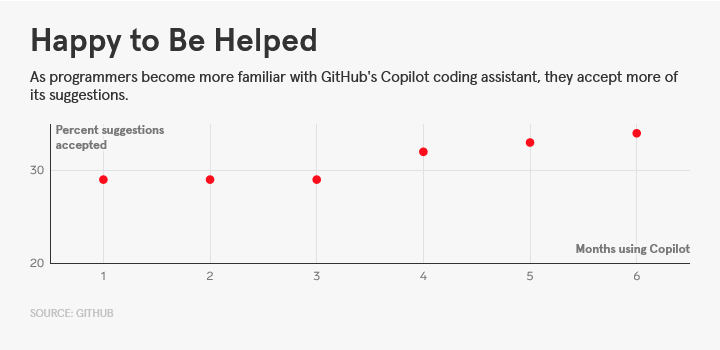
This week GitHub released a report, based on data from almost a million programmers paying to use Copilot, that shows how transformational generative AI coding has become. On average, they accepted the AI assistant’s suggestions about 30 percent of the time, suggesting that the system is remarkably good at predicting useful code.
The striking chart above shows how users tend to accept more of Copilot’s suggestions as they spend more months using the tool. The report also concludes that AI-enhanced coders see their productivity increase over time, based on the fact that a previous Copilot study reported a link between the number of suggestions accepted and a programmer’s productivity. GitHub’s new report says that the greatest productivity gains were seen among less experienced developers.
On the face of it, that’s an impressive picture of a novel technology quickly proving its value. Any technology that enhances productivity and boosts the abilities of less skilled workers could be a boon for both individuals and the wider economy. GitHub goes on to offer some back-of-the-envelope speculation, estimating that AI coding could boost global GDP by $1.5 trillion by 2030.
But GitHub’s chart showing programmers bonding with Copilot reminded me of another study I heard about recently while chatting with Talia Ringer, a professor at the University of Illinois at Urbana-Champaign, about coders’ relationship with tools like Copilot.
Late last year, a team at Stanford University posted a research paper that looked at how using a code-generating AI assistant they built affects the quality of code that people produce. The researchers found that programmers getting AI suggestions tended to include more bugs in their final code—yet those with access to the tool tended to believe that their code was more secure. “There are probably both benefits and risks involved” with coding in tandem with AI, says Ringer. “More code isn’t better code.”
When you consider the nature of programming, that finding is hardly surprising. As Clive Thompson wrote in a 2022 WIRED feature, Copilot can seem miraculous, but its suggestions are based on patterns in other programmers’ work, which may be flawed. These guesses can create bugs that are devilishly difficult to spot, especially when you are bewitched by how good the tool often is.
We know from other areas of engineering that humans can be lulled into overreliance on automation. The US Federal Aviation Authority has repeatedly warned that some pilots are becoming so dependent on autopilot that their flying skills are atrophying. A similar phenomenon is familiar from self-driving cars, where extraordinary vigilance is required to guard against rare yet potentially deadly glitches.
This paradox may be central to the developing story of generative AI—and where it will take us. The technology already appears to be driving a downward spiral in the quality of web content, as reputable sites are flooded with AI-generated dross, spam websites proliferate, and chatbots try to artificially juice engagement.
None of this is to say that generative AI is a bust. There is a growing body of research that shows how generative AI tools can boost the performance and happiness of some workers, such as those who handle customer support calls. Some other studies have also found no increase in security bugs when developers use an AI assistant. And to its credit, GitHub is researching the question of how to safely code with AI assistance. In February, it announced a new Copilot feature that tries to catch vulnerabilities generated by the underlying model.
But the complex effects of code generation provide a cautionary tale for companies working to deploy generative algorithms for other use cases.
Regulators and lawmakers showing more concern about AI should also take note. With so much excitement about the technology’s potential—and wild speculation about how it could take over the world—subtler and yet more substantive evidence of how AI deployments are working out could be overlooked. Just about everything in our future will be underpinned by software—and if we’re not careful, it might also be riddled with AI-generated bugs.
Windows 11’s AI-powered Copilot (and its Bing-powered ads) enters public preview
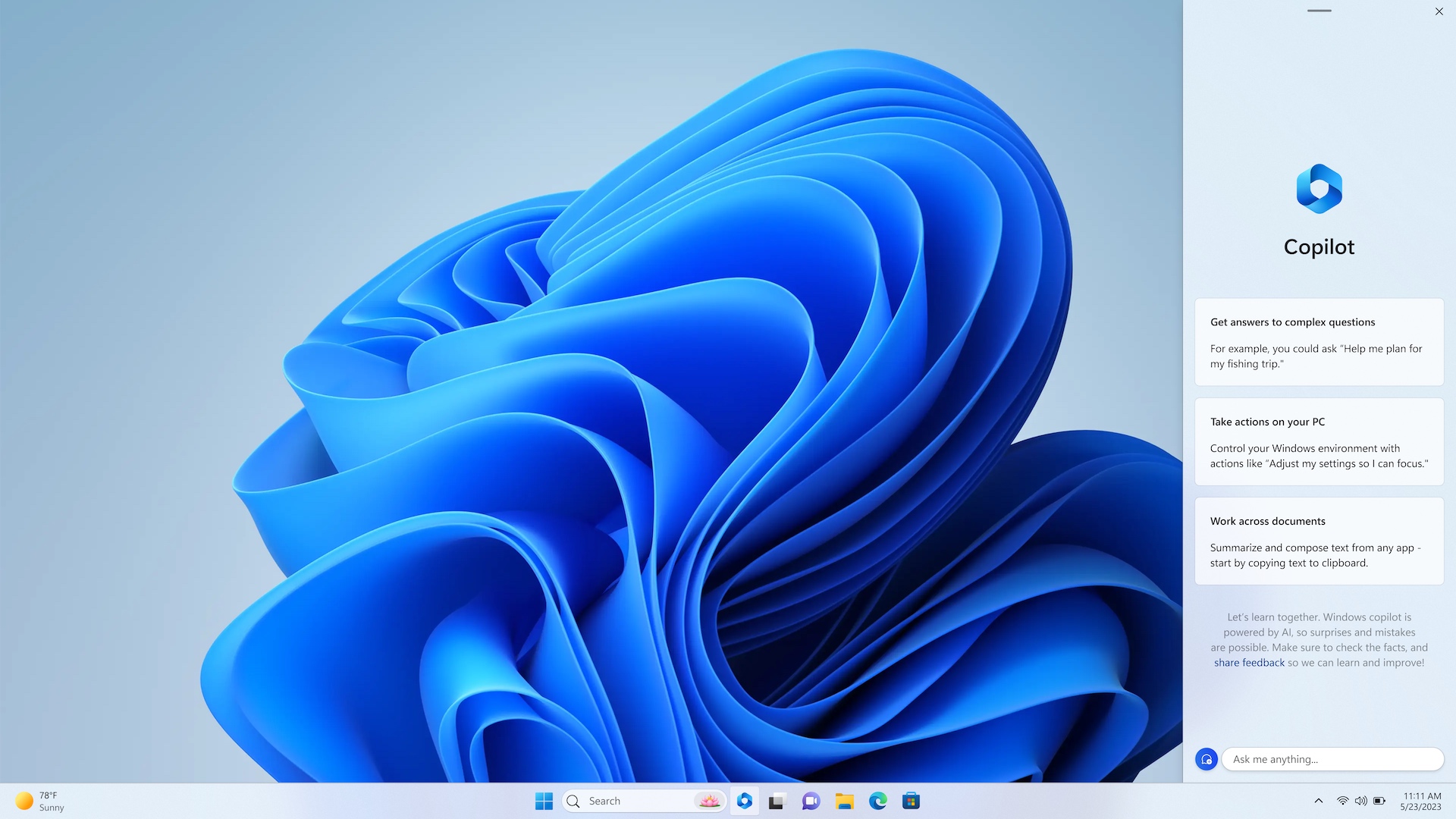
Enlarge/ Windows Copilot is an AI-assisted feature coming to Windows 11 preview builds.
Last month, Microsoft announced that it would continue its put-ChatGPT-in-everything adventure with a new Windows 11 feature called Copilot. The company added generative AI to Edge and to the Bing-powered taskbar Search field months ago, but Copilot promises to be the most visible and hard-to-ignore version of Microsoft’s big AI push in its most visible and hard-to-ignore product.
This week’s Windows Insider Preview build for Dev channel users, build 23493, will be the first to enable Copilot for public testers. After installing the update, preview users can press Windows + C to open a Copilot column on the right side of the screen. It will use the same Microsoft account you use for the rest of the OS (it’s unclear whether it will work without a Microsoft account, though, to date, the preview has required sign-up and sign-in). And like the other Bing Chat implementations, it has three different “conversation style” settings that either try to rein the chatbot in and keep its answers straightforward and factual or allow it to get “more creative” but more prone to confabulations.
In addition to chatting, Copilot will also support creating AI images using OpenAI’s DALL-E 2 model, the same technology used for the Bing Image Creator. Some features announced last month, including third-party plugin support, aren’t included in this initial preview, and later versions will also be able to adjust a wider range of Windows settings.
“Over time, features will be added as we refine the Windows Copilot experience with Windows Insiders,” reads the company’s blog post.
Integrating Copilot at the operating system level will also allow it to change some Windows settings and execute some commands, which might save less-technical users the effort of digging through the Settings app or learning keyboard shortcuts. Microsoft’s examples include turning on dark mode or Do Not Disturb or taking a screenshot.
Copilot will also launch with Bing ads right out of the gate. Microsoft will serve you ads that the company “think[s] is relevant.” Copilot is governed by the same privacy statement that applies to the rest of Bing.
As usual, the new Insider Preview build also comes with various other fixes, features, and changes. The Settings app is getting a redesigned “homepage” with “cards” that give you information about different things or let you quickly change common settings—though of the seven cards Microsoft is introducing today, four are related to Microsoft account services like Microsoft 365, OneDrive, Xbox subscription settings, and account recovery. The others will show you your connected Bluetooth devices, let you quickly change your desktop theme, and make recommendations for tweaking your settings.
This will also be the first Windows 11 build to add native support for compressed archives other than the longstanding .zip format, thanks to the open source libarchive library. Windows 11 will now support reading all kinds of .tar files, plus RAR, 7-zip files, and other formats.
The Settings app homepage and some other features are being rolled out gradually and may not be available to everyone who installs the new preview, at least not immediately. For a full list of changes and known issues, read the blog post here.
Listing image by Microsoft
https://arstechnica.com/?p=1950992
How to Collaborate with AI to Get the Best Out of Your Content
Welcome back to Creators Unlocked, a series where we interview creators about their best practices. Today, we’ve got Stew Fortier, a more unconventional creator, as his day job is CEO of Type.ai, an AI content writing tool.
The rapid advancement of AI has spurred debates among creators of all types. Some see AI as a threat, primed to replace human creators and automate creativity. Others, like Stew, see it quite differently.
Stew started his content creation journey inspired by the works of writers who eloquently expressed ideas he deeply resonated with and a desire to share his knowledge of cutting-edge technologies like AI. Now, Stew’s creative and technical knowledge have combined and evolved into a writing product that is a true content partner.
In this article, Stew shares how he views and uses AI to augment his creativity, practical advice for creators navigating the digital world, and his approach to building an audience.
💡
Power your writing with Type.ai – new users get 30 credits to play around with! Try it out today →
Get your inspiration for content creation outside AI
Many creators struggle to maintain a steady stream of inspiration. It’s even more challenging to produce engaging content that resonates with an audience consistently. As a seasoned content creator, Stew’s approach to sourcing inspiration combines keen observation with curiosity and a desire to explore the less traveled paths.
Stew acknowledges that while he writes primarily for himself, he publishes with the intent to connect with others. He shares, “I tweet with the intention of reaching readers and sparking interesting conversations.” To achieve this, he has learned to appreciate the kind of writing that draws him in, which often means writers who offer a fresh perspective or articulate old ideas in a new light.
Stew’s unique strategy for gathering inspiration is fishing where others aren’t. He suggests that reading old books or repurposing ideas from forgotten classics can lend the aura of novelty to your work. By exploring non-mainstream sources, he believes he can offer a richer tapestry of understanding in his writing. Stew explains, “If everyone is absorbed in the Twitter-verse, reading old books can be an amazing source of inspiration.”
In addition to exploring forgotten literature, Stew emphasizes engaging with diverse perspectives. Stepping outside one’s usual bubble and conversing with individuals who see the world differently can offer a fresh viewpoint. Stew elaborates, “It could be as simple as chatting with a neighbor or a stranger while traveling.”
In practice, apply Stew’s approach to finding inspiration by:
Writing for personal exploration but publishing to connect with others
Seeking out fresh perspectives or innovative ways of sharing information
Venturing beyond mainstream trends and deeper into dedicated communities
Engaging in conversations outside of your usual circles to broaden your understanding and infuse fresh ideas into your work
As a creator, the goal should be to bring something new and unique to your audience. And this requires stepping out of your comfort zone to seek inspiration.
For many creators, the emergence of AI has been a contentious issue. Some perceive it as a tool designed to replace human writers, but Stew disagrees. While he acknowledges its polarizing nature, Stew’s perspective on AI in content creation is clear: AI is a tool, not a replacement.
“A common misunderstanding, specifically regarding AI, is the assumption that it’s a tool designed to replace humans,” says Stew. In his experience, AI is a “semi-conscious brainstorming partner,” a second brain that helps articulate thoughts more effectively. With Type, Stew aims to change the narrative around AI, shifting from the fear of replacement to the excitement of augmentation.
Stew emphasizes that the struggle in writing often comes from trying to figure out what you believe in. But sometimes, the struggle may simply stem from being out of ideas or not being in the optimal mental or physical state. This is where AI can significantly augment the process, offering a tool to help articulate creators’ thoughts more effectively.
He suggests considering AI as sitting in a room with your most creative acquaintance. This interaction could fill you with ideas, making your initial idea grow into a much more fleshed-out vision, a process difficult to achieve if you were to spend the same amount of time at your desk alone. Stew believes AI has the potential to replicate this experience.
Using AI doesn’t invalidate the role of human creators. Instead, it can augment their abilities, producing richer, more compelling content.
Maximize the benefits of AI by using it with a clear vision and intention
Stew acknowledges the hesitation towards AI, explaining that, like any new technology, AI integration is still in its nascent stage. He likens where we are to the transitional period when cars were first introduced among horse-drawn carriages. There’s always a learning curve and a degree of clumsiness as we learn and adapt.
However, he encourages a shift in perspective to harness AI’s capabilities. “In my experience, a helpful approach with AI, such as ChatGPT or similar tools, is to switch the roles and have the AI ask me questions,” he says. He emphasizes that humans bring context, creative vision, and editorial input that give AI the material to work with.
“The AI’s true power is only unleashed when you have a general sense of what you want to write.”
Understanding this, he offers specific advice to users of AI tools like Type. While AI capabilities are often highlighted for the purpose of marketing, Stew highlights the importance of approaching the blank page with a clear vision. He states, “The AI’s true power is only unleashed when you have a general sense of what you want to write.”
The newness of AI technologies, especially as a creative tool, also means that it’s nowhere close to perfect. So even if your vision is a bit vague, it’s important to know what you want to write about. This provides the necessary direction for AI to assist you effectively. Use it to help when you’re stuck or unsure about the sequence of your arguments. It’s designed to aid your creativity, not hinder it.
Use AI to enhance your creative process
Stew’s creative process hinges largely on his excitement about a specific topic. He admits that he struggles to maintain a content calendar or backlog, stating that whatever inspires him now dictates when and what he writes about. While not as structured, this approach allows him to harness his passion, resulting in more genuine and compelling content.
Introducing AI into this equation changes and elevates the dynamic. AI tools can lower the ‘activation energy’ required to kick off the creative process. “The initial effort required can be a bit less demanding [with AI]. You don’t need to arrive with a fully-formed idea or unwavering conviction about a topic. You can begin with a vague direction, and the tool, due to its generative and additive capabilities, can help you get to something intriguing and viable more quickly. That, to me, is the primary advantage of AI in the creative process.”
AI serves as an assistant in Stew’s creative process, helping to shape vague ideas into viable content. This method does not replace traditional creative processes but rather complements them, offering a distinct advantage in generating content more quickly and efficiently.
After you publish with AI, expand your reach and build an engaged audience
Stew’s built an engaged following of nearly 12,000 on Twitter and offers some advice for those looking to expand their reach and engagement through the “three pillars of audience building.”
Stew Fortier’s pillars of audience building
The first pillar is a dedication to creating unique, valuable content. The question every creator must ask themselves, according to Stew, is: “Am I saying something useful and interesting?”
Slow growth, he suggests, often indicates a need to enhance the freshness or novelty of the content being shared. “While it’s challenging to always be novel and insightful, dedication to the craft and a desire to offer something others find useful are the first pillars of audience building,” he shares.
Understanding the basics of copywriting forms the second pillar. This means learning how to communicate ideas in a way that
incites action
inspires others, and
keeps them engaged.
Courses or free resources on effectively using social media platforms can provide crucial insights for creators looking to broaden their reach. According to Stew, “Learn how to communicate ideas that excite you effectively, and you can inspire similar reactions in others.”
With the final pillar, Stew advocates for strategic collaborations with creators with a larger audience. Offering valuable content, like interviews or podcast episodes, can provide a win-win situation for both parties. This tactic can significantly boost a creator’s growth, especially when larger accounts mention and share their work. As he attests, “These strategies ended up being incredibly beneficial, and I believe they can be accessible to everyone.”
One of the coolest things about YouTube:
Our interview with @PaddyG96 blew up and as a result, other videos started to get Recommended more.
Stay up to date with other changes to the digital landscape
AI isn’t the only change creators need to be aware of – social media platforms are also evolving quicker than ever. Creators must also consistently adjust their strategies to maintain and grow their audiences.
Stew shares some advice on what to keep an eye on in this dynamic landscape. In a nutshell, he suggests that new creators:
Use email as the channel you own: Despite the shifting sands of social media, building an email list allows for consistent and direct communication with a dedicated audience
Adapt to algorithm-driven platforms: With social media platforms focusing more on user interests, creators have the opportunity to gain significant exposure even without a large, established audience.
Be prepared for decreased audience loyalty: Social media algorithms can often lead to decreased audience loyalty due to the abundance of available content. Be ready to seize opportunities whenever your content gets significant traction.
Be ready for increased competition: With new opportunities come increased competition. It’s crucial to have a strategy in place to capitalize on success when it arises.
https://buffer.com/resources/collaborate-with-ai/
Patented.ai Raises $4 Million for AI Data Privacy Solution
Data protection company Patented.ai today announced it has raised $4 million in a pre-seed funding round led by Cooley LLP and several angel investors.
On a mission to protect intellectual property from leaking to artificial intelligence, the San Francisco-based startup provides an on-device solution for data privacy and data loss prevention.
Called LLM Shield, the solution is meant to prevent the leakage of sensitive company data and personally identifiable information (PII) to large language models (LLMs).
The tool scans the device for the LLM’s input box text to filter PII, trade secrets, and other sensitive data before it can be intercepted, analyzed, or stored by LLMs. The solution also encrypts data to secure it while in transit or at rest.
LLM Shield, Patented.ai says, can be easily installed using existing endpoint management solutions and is compatible with both Windows and macOS. The company also offers a Chrome plugin to help Chrome Enterprise users deploy the protection on their devices.
Patented.ai will use the new investment to expand LLM Shield’s capabilities for the enterprise segment.
Today, the company also announced a personal version of LLM Shield, free for up to three devices, but with the same on-device data checks and protections as the enterprise version, to help individuals shield their personal information from LLMs.
Advertisement. Scroll to continue reading.
“AI is revolutionizing productivity across industries, but there’s a silent crisis quietly threatening its potential. Data privacy and confidentiality are hanging by a thread,” says Patented.ai Founder Wayne Chang.
“Stunning”—Midjourney update wows AI artists with camera-like feature
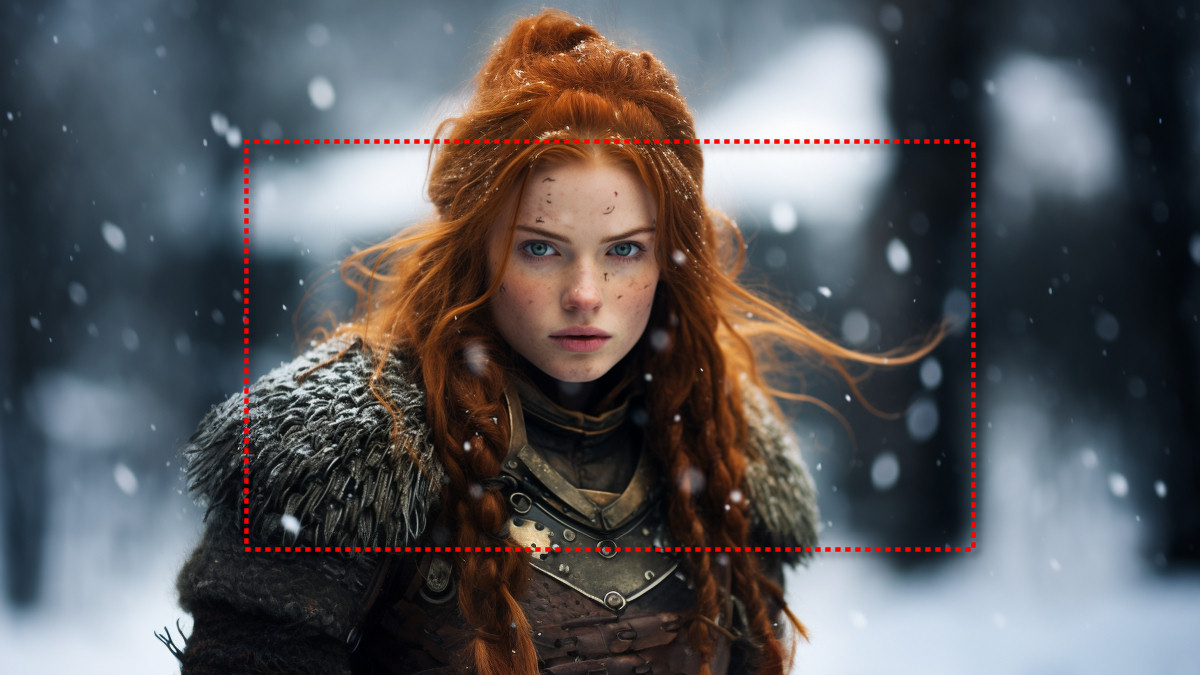
Enlarge/ Midjourney 5.2 allows “zooming out” on synthesized images. The original synthetic image is shown in the red dotted box here.
Midjourney
On Thursday, Midjourney unveiled version 5.2 of its AI-powered image synthesis model, which includes a new “zoom out” feature that allows maintaining a central synthesized image while automatically building out a larger scene around it, simulating zooming out with a camera lens.
Similar to outpainting—an AI imagery technique introduced by OpenAI’s DALL-E 2 in August 2022—Midjourney’s zoom-out feature can take an existing AI-generated image and expand its borders while keeping its original subject centered in the new image. But unlike DALL-E and Photoshop’s Generative Fill feature, you can’t select a custom image to expand. At the moment, v5.2’s zoom-out only works on images generated within Midjourney, a subscription AI image-generator service.
On the Midjourney Discord server (still the official interface for Midjourney, although plans are underway to change that), users can experiment with zooming out by generating any v5.2 image (now the default) and upscaling a result. After that, special “Zoom” buttons appear below the output. You can zoom out by a factor of 1.5x, 2x, or a custom value between 1 and 2. Another button, called “Make Square,” will generate material around the existing image in a way that creates a 1:1 square aspect ratio.
An initial image of a “female warrior” generated by Midjourney 5.2.
Midjourney
The image has been “zoomed-out” 2x by Midjourney 5.2.
Midjourney
The image has been “zoomed-out” 2x by Midjourney 5.2 again.
Midjourney
The image has been “zoomed-out” 2x by Midjourney 5.2 yet again.
Midjourney
The image has been “zoomed-out” 2x by Midjourney 5.2 even more!
Midjourney
David Holz, the creator of Midjourney, announced the new v5.2 features and improvements on the Discord server Thursday night. Aside from “zoom out,” the most significant additions include an overhauled aesthetic system, promising better image quality and a stronger “–stylize” command that effectively influences how non-realistic an image looks. There’s also a new “high variation mode,” activated by default, that increases compositional variety among image generations. Additionally, a new “/shorten” command enables users to assess prompts in an attempt to trim out non-essential words.
Despite the immediate rollout of v5.2, Holz emphasized in his announcement that changes might occur without notice. Older versions of the Midjourney model are still available by using the “/settings” command or the “–v 5.1” in-line command argument.
Enlarge/ A comparison between output from Midjourney v3 (left), v4 (center-left), v5 (center-right), and v5.2 (right) with the prompt “a muscular barbarian with weapons beside a CRT television set, cinematic, 8K, studio lighting.”
Midjourney
For fans of this new image synthesis art form that is sometimes called “synthography” by proponents such as Julie Wieland, the changes in v5.2 are welcome ones, with some Midjourney users calling them “stunning” and “mindblowing,” which are not unusual superlatives in the hype-friendly world of AI at the moment. But fans would likely argue that Midjourney’s visual improvements do justify the astonished reactions among themselves.
The latest update is part of a series of quality improvements since March 2022, when the model generated relatively ill-defined imagery that lacked detail. Most recently, Midjourney introduced v5.0 in March and v5.1 in May of this year, both of which improved realism and image detail. The v5 model series introduction allowed the creation of realistic images of Pope Francis and Donald Trump that sparked concerns about deepfakes on social media.
Let’s zoom out on one of the “a muscular barbarian with weapons beside a CRT television set, cinematic, 8K, studio lighting” images shown above.
Midjourney
At 2x zoom-out, the Barbarian’s man cave gains more occult detail.
Midjourney
At 2x zoom-out again, we can now see a stylish crystal chandelier. Could this actually be the formal living room?
Midjourney
Despite the excitement over the new features among Midjourney enthusiasts, image synthesis remains highly controversial among some artists due to how these AI systems are trained, utilizing millions of scraped images from the web without artist consultation, credit, or permission. Midjourney has never officially revealed the exact contents of its training data. Adobe is attempting a more ethical path forward with Firefly, but Venture Beat recently reported that active artist consent is still marginal.
For now, it’s hard not to appreciate Midjourney’s eye-opening technical advancements while still wondering if there is a more ethical path forward for this technology—one that pleases artists, both traditional and synthographer alike.
https://arstechnica.com/?p=1949715
Lawyers have real bad day in court after citing fake cases made up by ChatGPT
Getty Images | style-photography
A federal judge tossed a lawsuit and issued a $5,000 fine to the plaintiff’s lawyers after they used ChatGPT to research court filings that cited six fake cases invented by the artificial intelligence tool made by OpenAI.
Lawyers Steven Schwartz and Peter LoDuca of the firm Levidow, Levidow, & Oberman “abandoned their responsibilities when they submitted non-existent judicial opinions with fake quotes and citations created by the artificial intelligence tool ChatGPT, then continued to stand by the fake opinions after judicial orders called their existence into question,” US District Judge Kevin Castel wrote in an order yesterday. The lawyers, Castel wrote, “advocated for the fake cases and legal arguments” even “after being informed by their adversary’s submission that their citations were non-existent and could not be found.”
The judge issued one fine of $5,000 to be paid by the two lawyers and their firm under joint and several liability. More embarrassingly for the lawyers, they are required to send letters to six real judges who were “falsely identified as the author of the fake” opinions cited in their legal filings. Castel described the legal analysis in one of the fake cases as “gibberish.”
“The Court will require Respondents to inform their client and the judges whose names were wrongfully invoked of the sanctions imposed,” Castel wrote. “The Court will not require an apology from Respondents because a compelled apology is not a sincere apology. Any decision to apologize is left to Respondents.”
Submitting fake opinions to a court harms the lawyers’ client, wastes the court’s time, forces the opposing party to waste “time and money in exposing the deception,” and causes “potential harm to the reputation of judges and courts whose names are falsely invoked as authors of the bogus opinions and to the reputation of a party attributed with fictional conduct,” Castel wrote. “It promotes cynicism about the legal profession and the American judicial system. And a future litigant may be tempted to defy a judicial ruling by disingenuously claiming doubt about its authenticity.”
Case dismissed
As we wrote last month, Schwartz admitted using ChatGPT for research and did not verify whether the “legal opinions” provided by the AI chatbot were accurate. Schwartz wrote in an affidavit that he had “never utilized ChatGPT as a source for conducting legal research prior to this occurrence and therefore was unaware of the possibility that its content could be false.”
The real case, Roberto Mata vs. Avianca, was originally filed in a New York state court but was moved to US District Court for the Southern District of New York. Schwartz was representing Mata in state court but wasn’t admitted to practice in the federal court. Schwartz continued to write the legal briefs and LoDuca filed them under his own name.
Mata sought damages for injuries suffered during an Avianca flight from El Salvador to New York in August 2019 when a metal snack and drink cart struck his knee. Mata’s lawyers used the phony citations from ChatGPT to argue that the case should be moved back to the New York state court where a three-year statute of limitations would apply.
Unsurprisingly, their argument citing phony cases wasn’t persuasive to the judge. In addition to punishing the lawyers, Castel yesterday granted Avianca’s motion to dismiss the case. The judge agreed with the defendant that a two-year statute of limitations under the Montreal Convention applies and that the plaintiff’s lawsuit was filed too late.
“I just never thought it could be made up”
The dispute over fake precedents played out over a few months. On March 1, Mata’s lawyers cited the fake cases in a brief that opposed Avianca’s motion to dismiss the case.
“But if the matter had ended with Respondents coming clean about their actions shortly after they received the defendant’s March 15 brief questioning the existence of the cases, or after they reviewed the Court’s Orders of April 11 and 12 requiring production of the cases, the record now would look quite different,” Castel wrote. “Instead, the individual Respondents doubled down and did not begin to dribble out the truth until May 25, after the Court issued an Order to Show Cause why one of the individual Respondents ought not be sanctioned.”
Castel found that the lawyers were guilty of “bad faith” and “acts of conscious avoidance and false and misleading statements to the Court.” While Schwartz wrote the bogus legal filings, LoDuca didn’t check them for accuracy.
“Mr. LoDuca simply relied on a belief that work produced by Mr. Schwartz, a colleague of more than twenty-five years, would be reliable,” Castel wrote. But Schwartz’s practice was exclusively in state court. The lawyers admitted in a memorandum of law that Schwartz attempted “to research a federal bankruptcy issue with which he was completely unfamiliar.”
At a June 8 hearing on potential sanctions, Schwartz testified that he was “operating under the false perception that this website [ChatGPT] could not possibly be fabricating cases on its own.” Schwartz stated, “I just was not thinking that the case could be fabricated, so I was not looking at it from that point of view… My reaction was, ChatGPT is finding that case somewhere. Maybe it’s unpublished. Maybe it was appealed. Maybe access is difficult to get. I just never thought it could be made up.”
The Levidow firm did not have Westlaw or LexisNexis accounts, instead using a Fastcase account that had limited access to federal cases. Schwartz testified that he “heard about this new site which I assumed—I falsely assumed was like a super search engine called ChatGPT, and that’s what I used.”
https://arstechnica.com/?p=1949734
Noi, le aziende, l’Intelligenza Artificiale e il panino in Autostrada
La rubrica CONSUMER FIRST ospita interventi di rappresentanti del mondo del consumerismo afferenti ad Euroconsumers, principale gruppo internazionale di Organizzazioni di consumatori che unisce Test-Aankoop/Test-Achats (Belgio), DECOProteste (Portogallo), OCU (Spagna), Proteste (Brasile) e Altroconsumo (Italia). La rubrica è curata da un Comitato Editoriale di Euroconsumers composto da Marco Pierani (Director Public Affairs and Media Relations), Els Bruggeman (Head of Policy and Enforcement), Luisa Crisigiovanni (Head of Fundraising Program & EU Projects Development) e Marco Scialdone (Head of Litigation & Academic Outreach). L’obiettivo è la presentazione di contenuti originali sui principali temi del mondo del consumerismo in ambito europeo e mondiale. Per leggere tutti gli articoli clicca qui.
Qualche settimana fa ho partecipato ad un evento nel quale una delle più note aziende multinazionale di software CRM (e affini) in modalità SaaS ha presentato, insieme ad alcuni suoi grandi clienti Italiani, una demo utile a far capire le potenzialità dei propri prodotti. E’ la storia di due colleghe che organizzano un weekend insieme e, nel corso dell’organizzazione del viaggio, hanno modo di interagire digitalmente con aziende di pneumatici, catene che gestiscono ristoranti localizzati nel percorso che le due ragazze dovranno effettuare, etc. Il tutto proponendo servizi contestualizzati sia alle ragazze (le clienti finali) sia al personale delle due aziende o dei loro dealers.
Marketing relazionale
Ci sono diversi elementi che mi hanno colpito in questa storia: innanzitutto la filosofia di marketing relazionale delle due società: real time, contestualizzato, personalizzato. E, inoltre, il “come” questa filosofia venga “scaricata a terra” attraverso l’analisi dei dati e gli algoritmi di intelligenza artificiale. Provo però a guardare la cosa da una diversa prospettiva: di fatto, dal punto di vista delle due ragazze, la cosa importante è vivere un’esperienza (un weekend in relax passato con un’amica), della quale il trasferimento da A a B è semplicemente un di cui che, però, diventa causa scatenante di opportunità di business per le due società di prodotti/servizi che entrano in questa storia. Va da sé, ovviamente, che le stesse opportunità di business si sarebbero aperte per le due società nel caso in cui lo spostamento da A a B fosse relativo a due colleghi in partenza per una trasferta di lavoro.
Questi esempi ci permettono a mio parere di ragionare su alcune questioni che saranno centrali nei prossimi anni.
Essere consumatore nel 2023 e nel 2030
Partiamo da una domanda: cosa significa essere consumatore nel 2023? Cosa significherà nel 2030 e negli anni a venire? L’idea di consumatore alla quale siamo abituati, che sintetizzo con la frase “colui o colei che acquista beni e servizi”, nasce contemporaneamente al fenomeno del “consumismo” legato al (anzi, elemento abilitante del) modello liberal-capitalistico: il marketing delle aziende produttrici e del retail bombardava le persone di pubblicità (sui canali off-line disponibili in un dato momento storico) principalmente volte alla vendita di prodotti specifici, magnificandone qualità o prezzi, facendo diventare i desideri dei veri e propri bisogni per le persone, che tendevano ad acquistare sempre più prodotti e servizi alimentando produzione, lavoro e crescita economica. Si noti bene: la categoria “consumatore” è totalmente distinta qui dalla categoria “lavoratore” (giusto per fare un esempio), a tal punto da considerare la prima esclusivamente come categoria economica e la seconda come categoria economica e sociale.
Il marketing definisce cosa sia il consumatore
Inoltre, cosa sia un “consumatore” discende da come le aziende fanno marketing (non viceversa). Si può ragionevolmente supporre che quest’ultimo assioma (il marketing definisce cosa sia il consumatore) continuerà ad essere vero, semplicemente perché le aziende hanno mezzi ed energie per generare desideri e trasformarli in bisogni. La potenza dell’intelligenza artificiale (poco importa se sia cognitiva o generativa) in questi due ambiti chiave del marketing è evidente: il monitoraggio continuo delle attività della persona (più o meno consapevole e consenziente), abilitato dagli oggetti connessi – a cominciare dallo smartphone – che l’individuo utilizza per svolgere queste attività – siano esse lavorative, ricreative, etc.- permette, in ottica predittiva, ad una AI evoluta di “scovare” pattern di dati da cui costruire funzioni obiettivo, che forniscono come output proposte di “desideri” potenziali alla persona oggetto di monitoraggio.
L’obiettivo è la relazione personalizzata
Sia chiaro: tale proposta non si deve concludere necessariamente con una transazione; l’interesse di chi fa marketing infatti in questo modello è quello di arricchire continuamente una relazione personalizzata, essa stessa fonte di valore per l’azienda, perché generatrice di fedeltà alla marca: una fedeltà che scaturisce da un desiderio diventato bisogno. La scommessa è che da tale fedeltà scaturiscano molte transazioni in un tempo mediamente lungo: acquisti di beni o servizi, che oltre al valore del bene/servizio in sé generano per l’utente un valore aggiunto percepito dato dal contesto spaziale, temporale, situazionale nel quale usufruire del bene/servizio oggetto di transazione.
In questa prospettiva, dal punto di vista della persona l’atto dell’acquisto è in effetti un evento marginale: quello che conta è la godibilità/utilità della relazione specifica nelle esperienze di vita: una relazione che si basa su una sorta di “patto” non scritto tra chi compra e chi vende. E’ dunque ragionevole supporre che la dinamica degli scambi sarà sempre più centrata sull’individuo – del quale abitudini e comportamenti, lungi dall’essere osservati con l’ottica delle categorie funzionali classiche (consumatore, lavoratore, cittadino, etc..) saranno analizzati e valorizzati con un approccio “olistico”, in definitiva abilitato dagli strumenti tecnologici che si stanno affermando ormai da alcuni anni e che nel futuro saranno sempre più pervasivi.
Mi si permetta qui una breve digressione: Se è vero, come è abbastanza semplice verificare, che i modelli sociali che l’uomo ha costruito nei millenni copiano di fatto i processi naturali, non è del tutto azzardato effettuare un parallelo tra le più recenti teorie della fisica moderna (in particolare la fisica quantistica, dove di fatto gli elementi “relazionali” arrivano ad essere quasi costitutivi della realtà fattuale – per approfondire si rimanda a “ Helgoland” di C. Rovelli – Adelphi Editore) e i modelli microecomomici che qui vengono disegnati. Questo parallelo ha indotto ad esempio Raja Rajamannar a definire “Marketing Quantistico” il modello di marketing relazionale che si è qui tentato di descrivere (R. Rajammanar – “Quantum Marketing. La nuova mentalità del marketing per comprendere i consumatori di domani”, Ed. Egea).
Il valore aggiunto ha un prezzo?
Rimane ancora una domanda aperta: il valore aggiunto immateriale percepito dall’utente nella relazione economica sopra descritta ha un prezzo? La risposta è sì. Il prezzo per l’utente è l’informazione che è stata generata nel corso di questa relazione, che ha creato conoscenza per l’azienda in relazione con la persona e in linea di principio per tutto l’ecosistema in cui tale azienda opera. E’ interessante notare che le persone stanno velocemente assorbendo questo modello: una recente ricerca di Forbes condotta su 2.000 Americani occupati (https://www.forbes.com/advisor/business/artificial-intelligence-consumer-sentiment/) mostra che più della metà degli intervistati non ha alcun problema a mettere a disposizione dell’Intelligenza Artificiale alcune informazioni sui propri comportamenti.
Intelligenza Artificiale driver di offerta e domanda
Il ruolo di chi si pone oggi come missione quella di rappresentare interessi di categorie funzionali predefinite non può non evolvere verso una prospettiva che superi tali categorie, diventando pivot di ecosistemi sicuri che mettano al centro le persone e consentano loro di usufruire di esperienze di valore, fornendo strumenti operativi per interagire con il sistema (altri individui, aziende, istituzioni). Mi piace pensare che l’Intelligenza Artificiale, se governata in modo intelligente e non ideologico, sarà uno dei driver di sviluppo non solo lato offerta, ma anche lato domanda: il suo utilizzo consentirà di far evolvere i mercati, ancora basati sulla ricerca del punto ottimale di incrocio tra domanda e offerta nelle transazioni e sulla netta distinzione nei diritti tra consumo, lavoro, cittadinanza in ambienti logicamente circolari con le persone e le loro esperienze al centro.
AI-generated Secret Invasion intro angers Marvel artists and fans alike
Enlarge/ A still image taken from the AI-generated Secret Invasion TV show intro on Disney+.
On Wednesday, Marvel’s latest comic book TV show, Secret Invasion, premiered on Disney+ to controversy: It features AI-generated motion graphics during its title sequence, and some fans and creators aren’t happy about it. “For Marvel, whose whole empire is built on the work of artists to do this is disgusting and I for one shan’t be watching,” tweetedMarvel comic artist Christian Ward, who worked on Black Bolt.
For those unfamiliar, Secret Invasion is a Marvel Cinematic Universe (MCU) series featuring Samuel L. Jackson as Nick Fury. The storyline centers on a faction of shapeshifting aliens called “Skrulls” that have infiltrated Earth, prompting Fury and his former Skrull ally, Talos, to respond. The plot explores the tension and distrust caused by the Skrulls’ shapeshifting abilities, which raises doubts about everyone’s real identities.
As reported by Polygon, the show’s producers think the melty, flowing, somewhat abstract AI-generated aesthetic (prompted as “Skrull cubism” to the AI model) in the title sequence is appropriate because the show features shapeshifting aliens that are hiding as humans in plain sight.
“When we reached out to the AI vendors, that was part of it—it just came right out of the shape-shifting, Skrull world identity, you know?” said Secret Invasion Executive Producer Ali Selim in an interview with Polygon. Selim told the outlet that they hired the visual effects group Method Studios to create the intro.
Some artists take AI-generated imagery very seriously because of how it is usually made. Image synthesis models, such as Stable Diffusion and Midjourney, use neural networks that have been trained on millions of pieces of artwork scraped from websites without artist permission. Additionally, these models can learn styles of human artists and output facsimiles, which some artists feel will threaten their livelihoods if they are someday replaced by machines.
Over the past nine months, we’ve reported frequently about protests, lawsuits, controversial contest wins, and severalbans inspired by the onset of image synthesis. In that sense, seeing complaints and threats of canceling Disney+ subscriptions on social media aren’t that surprising. But this time, even people associated with Marvel are speaking up.
Jeff Simpson, a concept artist who directly worked on the Secret Invasion TV series for Marvel, tweeted, “Secret Invasion intro is AI generated. I’m devastated, I believe AI to be unethical, dangerous, and designed solely to eliminate artists’ careers. Spent almost half a year working on this show and had a fantastic experience working with the most amazing people I ever met.” In a following tweet, he clarified that he had nothing to do with the AI-generated intro.
A still image from Marvel’s AI-generated Secret Invasion introduction sequence.
A still image from Marvel’s AI-generated Secret Invasion introduction sequence.
A still image from Marvel’s AI-generated Secret Invasion introduction sequence.
A still image from Marvel’s AI-generated Secret Invasion introduction sequence.
A still image from Marvel’s AI-generated Secret Invasion introduction sequence.
A still image from Marvel’s AI-generated Secret Invasion introduction sequence.
Since the intro’s imagery seems primitive compared to the latest in image-synthesis developments, several observers have noted that Marvel’s AI technique looks a lot like “early” (meaning roughly from before late 2022) era image-synthesis models, such as DeepDream, an early version of Midjourney, or VQGAN-CLIP, but morphed and animated using another tool that blended individually generated frames together. It’s worth noting that Method Studios declined to comment to Polygon about what tech the company used to create the sequence .
While some creators are upset, other people feel that using AI art in this scenario feels eerily appropriate—while still taking a dig at AI-generated artwork. “It should not come as a surprise that the project called SECRET INVASION, which is entirely based on deceit and espionage, has an intro using AI, which has developed a reputation for also being deceitful,” observed Ray Anderson.
As a counterpoint to this common argument that has been surfacing all day on social media, voice actor LittleKuriboh quipped, “Look, if skrulls were as easy to detect as AI art is, the secret invasion would’ve lasted until suppertime on day zero.”