Fearing leaks, Apple restricts ChatGPT use among employees

An AI-generated cartoon depiction of a chatbot being crossed-out.
Enlarge / An AI-generated cartoon depiction of a chatbot being crossed out.
Benj Edwards / Stable Diffusion

According to internal sources and company documents reviewed by The Wall Street Journal, Apple has restricted its employees’ use of ChatGPT and AI coding tools such as GitHub Copilot for fear of leaking confidential data to outside sources. Meanwhile, Apple is also reportedly developing similar AI technology.

ChatGPT is a conversational large language model (LLM) developed by Microsoft-backed OpenAI that is capable of tasks ranging from answering questions and writing essays to assisting with programming chores. Currently, the ChatGPT AI model only runs on OpenAI or Microsoft servers and is accessible through the Internet.

Apple’s decision to limit the use of external AI tools stems from a concern that confidential data could be exposed due to the nature of these AI models, which send user data back to developers for cloud processing and assistance in future AI model improvements.

OpenAI previously faced privacy issues with ChatGPT when a bug permitted some users to access information from other users’ chat history. In response to criticism from Italy, OpenAI implemented an option for users to turn off their chat history, which also prevents OpenAI from training future AI models using their chat history data.

An ongoing trend

Apple is well-known for its rigorous security measures, and its decision to ban external AI tool use reflects a growing trend among companies such as Samsung and JPMorgan Chase. The Wall Street Journal reports that Amazon encouraged its engineers to utilize its proprietary AI tools (like CodeWhisperer) for coding assistance instead of external tools.

To address privacy concerns among businesses, Microsoft recently announced plans to launch a privacy-focused version of ChatGPT that would target banks, health care providers, and other large organizations with heightened concerns about data leaks and regulatory compliance.

This more expensive business version of ChatGPT is set to run on dedicated servers, separate from those used by other companies or individual users, which is expected to help prevent inadvertent data leaks and prevent sensitive data from being used to train the AI language model. Even so, it’s doubtful a high-profile competitor like Apple would trust Microsoft with its confidential data under these circumstances.

Apple’s internal AI developments

The Wall Street Journal also says that Apple is working on its own LLMs under the leadership of John Giannandrea, a former Google employee who is now Apple’s senior vice president of Machine Learning and AI Strategy.

Recently, we covered an internal report from The Information that questioned the conservatism of Apple’s AI strategy amid criticism of drawbacks in its now seemingly outdated Siri voice assistant. Siri, which launched in 2011, briefly inspired a miniature version of the AI hype we’re seeing now.

It’s important to note that while Apple has restricted ChatGPT use for its employees, that ban does not extend to Apple users. Just yesterday, OpenAI released an official ChatGPT client for iPhone users in the US, who can now easily access the tool on the go with an OpenAI account.

https://arstechnica.com/?p=1940472


IA, per 3 italiani su 5 la politica deve intervenire per regolarla. Per il 51% porterà la perdita di posti di lavoro

Intelligenza artificiale e regole. Tre italiani su cinque pensano che la politica e le leggi dello Stato dovrebbero intervenire il più possibile, anche vietandone l’uso se fosse il caso, o comunque regolamentando la maggior parte dei casi di utilizzo.

Lo rivela un sondaggio condotto da YouTrend per la Fondazione Pensiero Solido, disponibile qui.

IA, Italiani sfiduciosi. Per il 51% porterà la perdita di posti di lavoro

Sul fronte occupazionale, secondo l’indagine, tra gli italiani prevale in generale la percezione che questa tecnologia porterà ad un calo complessivo dei posti di lavoro: la pensa così il 51% degli intervistati, mentre per il 10% l’occupazione aumenterà e per il 26% i posti di lavoro resteranno più o meno gli stessi anche se cambieranno le mansioni.

La maggioranza degli occupati (55%) non sarebbe inoltre disposta a farsi dare volentieri istruzioni dall’intelligenza artificiale sul lavoro (mentre il 37% sì), sebbene il controllo e la valutazione automatica siano comunque percepiti più come un vantaggio (47%) che come uno svantaggio (30%), e questa percezione di vantaggio aumenta soprattutto tra i giovani e i laureati.

I lavori percepiti come più sostituibili da un’intelligenza artificiale sono quelli svolti da impiegati (56%), operai (51%) e commessi (43%), ossia mansioni che non richiedono titoli di studio elevati, mentre all’opposto quelli che vengono percepiti come meno sostituibili da un’intelligenza artificiale sono l’artista (24%), l’imprenditore (26%) e il medico (27%). Solo una minoranza degli occupati si sente aiutata (23%) o all’opposto minacciata (21%) dai cambiamenti portati da queste nuove tecnologie, mentre la maggioranza (50%) non si sente né aiutata né minacciata.

Il fondatore di ChatGPT: “L’IA va regolamentata, se non controllate è un rischio per l’umanità’

Anche Sam Altman, fondatore di OpenAI, chiede esplicitamente regole severissime per l’intelligenza artificiale generativa. “La mia più grande paura è che il campo dell’IA possa fare davvero del male al mondo. Se questa tecnologia prende la direzione sbagliata, diventa veramente sbagliata”, ha dichiarato Altman due giorni fa al Senato americano dove è stato ascoltato per quasi tre ore.

L’impatto sulle elezioni, a cominciare dalle presidenziali americane del 2024, ha ammesso, “è un’area di grande preoccupazione. Il rischio, ha aggiunto, è che possano essere prodotte notizie false per avvelenare il dibattito, influenzare le masse, ma su questo ha detto che stanno lavorando per limitare il rischio. È cruciale che l’Intelligenza artificiale venga sviluppata con valori democratici. Penso, ha insistito, che abbiamo anche bisogno di regole, linee guida. Questa cosa mi toglie serenità”.

Altman ha detto di voler lavorare con il governo per prevenire un uso distorto, pensa a organismi esterni ma non ha promesso di rallentare il processo di ricerca, come chiedevano molti scienziati.

“Gli Stati Uniti, ha sottolineato, dovrebbero considerare la possibilità di dare licenze per sviluppare modelli di Intelligenza artificiale, ma anche di ritirarle per evitare che finiscano in mano alle persone sbagliate”. Il Ceo ha invocato una regolamentazione a livello mondiale, suggerito che sarebbe utile immaginare una gestione come è stato fatto con gli armamenti nucleari. Servirebbe, ha fatto capire, un organismo tipo l’International Atomic Energy Agency, ma applicato ai robot.

Per approfondire

https://www.key4biz.it/ia-per-3-italiani-su-5-la-politica-deve-intervenire-per-regolarne-lo-sviluppo-per-il-51-portera-la-perdita-di-posti-di-lavoro/446680/


Poll: 61% of Americans say AI threatens humanity’s future

An AI-generated image of
Enlarge / An AI-generated image of “real space invaders” threatening the earth.
Midjourney

A majority of Americans believe that the rise of artificial intelligence technology could put humanity’s future in jeopardy, according to a Reuters/Ipsos poll published on Wednesday. The poll found that over two-thirds of respondents are anxious about the adverse effects of AI, while 61 percent consider it a potential threat to civilization.

The online poll, conducted from May 9 to May 15, sampled the opinions of 4,415 US adults. It has a credibility interval (a measure of accuracy) of plus or minus two percentage points.

The poll results come amid the expansion of generative AI use in education, government, medicine, and business, triggered in part by the explosive growth of OpenAI’s ChatGPT, which is reportedly the fastest-growing software application of all time. The application’s success has set off a technology hype race among tech giants such as Microsoft and Google, which stand to benefit from having something new and buzzy to potentially increase their share prices.

Fears about AI, justified or not, have been rumbling through the public discourse lately due to high-profile events such as the “AI pause” letter and Geoffery Hinton resigning from Google. In a recent high-profile case of AI apprehension, OpenAI CEO Sam Altman testified before US Congress on Tuesday, expressing his concerns about the potential misuse of AI technology and calling for regulation that, according to critics, may help his firm retain its technological lead and suppress competition.

Lawmakers seem to share some of these concerns, with Sen. Cory Booker (D-NJ) observing, “There’s no way to put this genie in the bottle. Globally, this is exploding,” Reuters reported.

This negative scare messaging seems to be having an impact. Americans’ fears over AI’s potential for harm far outweigh optimism about its benefits, with those predicting adverse outcomes outnumbering those who don’t by three to one. “According to the data, 61% of respondents believe that AI poses risks to humanity, while only 22% disagreed, and 17% remained unsure,” wrote Reuters.

The poll also revealed a political divide in perceptions of AI, with 70 percent of Donald Trump voters expressing greater concern about AI versus 60 percent of Joe Biden voters. Regarding religious beliefs, evangelical Christians were more likely to “strongly agree” that AI poses risks to human civilization, at 32 percent, compared to 24 percent of non-evangelical Christians.

Reuters reached out to Landon Klein, director of US policy of the Future of Life Institute, which authored the open letter that asked for a six-month pause in AI research of systems “more powerful” than GPT-4. “It’s telling such a broad swatch of Americans worry about the negative effects of AI,” Klein said. “We view the current moment similar to the beginning of the nuclear era, and we have the benefit of public perception that is consistent with the need to take action.”

Meanwhile, another group of AI researchers led by Timnit Gebru, Emily M. Bender, and Margaret Mitchell (three authors of a widely cited critical paper on large language models) say that while AI systems are indeed potentially harmful, the prevalent worry about AI-powered apocalypse is misguided. They prefer to focus instead on “transparency, accountability, and preventing exploitative labor practices.”

Another issue with the poll is that AI is a nebulous term that often means different things to different people. Almost all Americans now use “AI” (and software tools once considered “AI”) in our everyday lives without much notice or fanfare, and it’s unclear if the Reuters/Ipsos poll made any attempt to make that type of distinction for its respondents. We did not have access to the poll methodology or raw poll results at press time.

Along those lines, Reuters quoted Ion Stoica, a UC Berkeley professor and co-founder of AI company Anyscale, pointing out this potential contradiction. “Americans may not realize how pervasive AI already is in their daily lives, both at home and at work,” he said.

https://arstechnica.com/?p=1939791


Il padre di ChatGPT ‘supplica’ il Senato Usa di varare regole stringenti sull’IA. “Leggi forti come con le armi nucleari” (Video)

“L’IA è uno strumento e non una creatura che va tenuto a bada, limitato per legge, controllato da un’agenzia internazionale che fissi regole per tutti, come è stato fatto con gli armamenti nucleari. Perché potrebbe manipolare le menti, inondare i social di contenuti pensati dai robot, intossicare le elezioni con informazioni false”.

La tocca piano il fondatore di OpenAI, Sam Altman, dove ieri nelle quasi tre ore di audizione al Senato Usa, ha chiesto esplicitamente regole severissime per l’intelligenza artificiale generativa. Altman ha affermato di accogliere favorevolmente una legislazione in questo settore e ha esortato il Congresso a collaborare con OpenAI e altre aziende del settore per definire regole e linee guida.

L’Ia può fare male al mondo

“La mia più grande paura è che il campo dell’IA possa fare davvero del male al mondo. Se questa tecnologia prende la direzione sbagliata, diventa veramente sbagliata”, ha dichiarato Altman.

L’impatto sulle elezioni, a cominciare dalle presidenziali americane del 2024, ha ammesso, “è un’area di grande preoccupazione. Il rischio, ha aggiunto, è che possano essere prodotte notizie false per avvelenare il dibattito, influenzare le masse, ma su questo ha detto che stanno lavorando per limitare il rischio. È cruciale che l’Intelligenza artificiale venga sviluppata con valori democratici. Penso, ha insistito, che abbiamo anche bisogno di regole, linee guida. Questa cosa mi toglie serenità”.

Altman ha detto di voler lavorare con il governo per prevenire un uso distorto, pensa a organismi esterni ma non ha promesso di rallentare il processo di ricerca, come chiedevano molti scienziati. Gli Stati Uniti, ha sottolineato, dovrebbero considerare la possibilità di dare licenze per sviluppare modelli di Intelligenza artificiale, ma anche di ritirarle per evitare che finiscano in mano alle persone sbagliate. Il Ceo ha invocato una regolamentazione a livello mondiale, suggerito che sarebbe utile immaginare una gestione come è stato fatto con gli armamenti nucleari. Servirebbe, ha fatto capire, un organismo tipo l’International Atomic Energy Agency, ma applicato ai robot.

[embedded content]

Intanto l’Europa prepara il regolamento

Intanto l’Unione europea è sul punto di mettere in atto una legislazione storica e la prima al mondo sul governare l’intelligenza artificiale. Con specifici casi in cui vietare l’IA. L’11 maggio è stato dato il via libera – con 84 voti a favore, 7 contrari e 12 astensioni – dalle commissioni per il Mercato interno (Libe) e Giustizia (Libe) del Parlamento Ue al mandato negoziale sul regolamento sull’Intelligenza artificiale, il cosiddetto Artificial Intelligence Act, proposto dalla Commissione Ue ad aprile 2021. 

Prima che possano iniziare i negoziati con il Consiglio Ue sulla forma finale della legge, il mandato negoziale deve ora essere approvato dall’intero Parlamento, con il voto previsto durante la sessione del 12-15 giugno. Mentre l’approvazione finale del Regolamento è prevista per i primi mesi del 2024, ma la sua piena applicazione in tutti gli Stati dell’Ue richiederà tempo. Solo allora avremo nell’Unione Europea le prime regole al mondo per governare l’Intelligenza artificiale generativa.

https://www.key4biz.it/il-padre-di-chatgpt-supplica-il-senato-usa-di-varare-regole-stringenti-sullia-leggi-forti-come-con-le-armi-nucleari/446592/


As AI-generated fakes proliferate, Google plans to fight back

Photorealistic AI-generated images like this one may distort our sense of history. Google wants to fix that.
Enlarge / Photorealistic AI-generated images like this one may distort our sense of history. Google wants to fix that.
Midjourney

On Wednesday at Google I/O 2023, Google announced three new features designed to help people spot AI-generated fake images in search results, reports Bloomberg. The features will identify the known origins of an image, add metadata to Google-generated AI images, and label other AI-generated images in search results.

Thanks to AI image synthesis models like Midjourney and Stable Diffusion, it has become trivial to create massive quantities of photorealistic fakes, and that may affect not only misinformation and political propaganda, but also our conception of the historical record as large amounts of fake media artifacts enter circulation.

In an attempt to counteract some of these trends, the search giant will introduce new features to its image search product “in coming months,” according to Google:

Sixty-two percent of people believe they come across misinformation daily or weekly, according to a 2022 Poynter study. That’s why we continue to build easy-to-use tools and features on Google Search to help you spot misinformation online, quickly evaluate content, and better understand the context of what you’re seeing. But we also know that it’s equally important to evaluate visual content that you come across.

The first feature, “About this image,” will allow users to click three dots on an image in Google Images results, search with an image or screenshot in Google Lens, or swipe up in the Google app to discover more about an image’s history, including when the image (or similar images) was first indexed by Google, where the image may have first appeared, and where else the image has been seen online (i.e., news, social, or fact-checking sites).

Later this year, Google says it will also allow users to access this tool by right-clicking or long-pressing on an image in Chrome on desktop and mobile.

This additional context about an image can aid in determining its reliability or indicate if it warrants further scrutiny. For instance, using the “About this image” feature, users could discover that a picture illustrating a fabricated Moon landing was flagged by news outlets as being generated by AI. It could also place it in historical context: Did this image exist in the search record before the impetus to fake it arose?

An example of someone using "About this image" to gain context about an image through Google search.
Enlarge / An example of someone using “About this image” to gain context about an image through Google search.

The second feature addresses the increasing use of AI tools in image creation. As Google begins to roll out image synthesis tools, it plans to label all images generated by its AI tools with special “markup,” or metadata, stored in each file that clearly indicates its AI origins.

And third, Google says it is also collaborating with other platforms and services to encourage them to add similar labels to their AI-generated images. Midjourney and Shutterstock have signed on to the initiative; each will embed metadata in their AI-generated images that Google Image Search will read and display to users within search results.

An example of how markups of images generated with AI will look, according to Google.
Enlarge / An example of how markups of images generated with AI will look, according to Google.

These efforts may not be perfect since metadata can later be removed or potentially altered, but they represent a notable high-profile attempt at confronting the issue of deepfakes online.

As more images become AI-generated or AI-augmented over time, we might find that the line between “real” and “fake” begins to blur, influenced by shifting cultural norms. At that point, our decision about what information to trust as an accurate reflection of reality (regardless of how it was created) may hinge, as it always has, on our faith in the source. So even amid rapid technological evolution, a source’s credibility remains paramount. In the meantime, technological solutions like Google’s may provide assistance in helping us assess that credibility.

https://arstechnica.com/?p=1939223


AI truffaldina: società di produzione stava per essere truffata da un Benedict Cumberbacht ricreato dalla AI

La AI rischia di facilitare le truffe. Una società di produzione cinematografica è stata presa di mira da truffatori che hanno utilizzato un “clone” vocale di Benedict Cumberbatch creato dall’intelligenza artificiale, ha rivelato la società al Daily Mail.

Un Benedict Cumberbatch (Sherlock, Dottor Strange)  inquietantemente convincente ha telefonato alla società per discutere di un contratto cinematografico, ha dichiarato Bob William, sceneggiatore e regista della Peabody Films, una società di produzione cinematografica con sede a Malaga, in Spagna.

L’intelligenza artificiale ha ricreato “Al 100% la voce ” dell’attore inglese afferma William, aggiungendo che all’inizio la società era convinta che si trattasse del vero attore.

Quando “Cumberbatch” e il suo agente si sono rifiutati di incontrarsi di persona, hanno capito lo stratagemma, riuscendo così ad evitare di perdere dei fondi finanziari. Inoltre il personale della Peabody si era reso conto che la telefonata proveniva dalla città statunitense di Philadelphia, che non corrispondeva al luogo in cui si trovava Cumberbacht.

All’inizio, l’e-mail sembrava un sogno che si realizzava. Benedict Cumberbatch aveva apparentemente letto la sceneggiatura del nostro prossimo film ed era interessato a discutere di un potenziale ruolo”, ha detto il signor William.

“Quando abbiamo continuato a leggere, non potevamo credere alla nostra fortuna. Era uno degli attori più talentuosi del nostro tempo che ci contattava e mostrava interesse per il nostro progetto”. Infatti era troppo bello per essere vero.

Purtroppo molti altri sono caduti in truffe simili perchè la Ai è stata in grado di ricreare voci e immagini con una precisione tale da truffare le controparti.

All’inizio di quest’anno, i ricercatori di Microsoft hanno dimostrato un modello di intelligenza artificiale text-to-speech in grado di sintetizzare la voce di chiunque a partire da un campione audio di tre secondi.

Il modello, VALL-E, è in grado di preservare il tono emotivo dell’interlocutore e di fargli dire qualsiasi cosa, e i suoi creatori suggeriscono che può essere utilizzato per creare contenuti audio sceneggiati da altri modelli AI.

A questo punto non ci si può fidare neanche della voce di una persona, neppure quando famosa e conosciuta. Meglio tornare al vecchio sistema secondo il quale per concludere un accordo bisogna incontrarsi di persona e stringere delle mani. 


Telegram

Telegram
Grazie al nostro canale Telegram potete rimanere aggiornati sulla pubblicazione di nuovi articoli di Scenari Economici.

⇒ Iscrivetevi subito ⇐


MindsMinds

https://scenarieconomici.it/ai-truffaldina-societa-di-produzione-stava-per-essere-truffata-da-un-benedict-cumberbacht-ricreato-dalla-ai/


Anthropic’s Claude AI can now digest an entire book like The Great Gatsby in seconds

An AI-generated image of a robot reading a book.
Enlarge / An AI-generated image of a robot reading a book.
Benj Edwards / Stable Diffusion

On Thursday, AI company Anthropic announced it has given its ChatGPT-like Claude AI language model the ability to analyze an entire book’s worth of material in under a minute. This new ability comes from expanding Claude’s context window to 100,000 tokens, or about 75,000 words.

Like OpenAI’s GPT-4, Claude is a large language model (LLM) that works by predicting the next token in a sequence when given a certain input. Tokens are fragments of words used to simplify AI data processing, and a “context window” is similar to short-term memory—how much human-provided input data an LLM can process at once.

A larger context window means an LLM can consider larger works like books or participate in very long interactive conversations that span “hours or even days,” according to Anthropic:

The average person can read 100,000 tokens of text in ~5+ hours, and then they might need substantially longer to digest, remember, and analyze that information. Claude can now do this in less than a minute. For example, we loaded the entire text of The Great Gatsby into Claude-Instant (72K tokens) and modified one line to say Mr. Carraway was “a software engineer that works on machine learning tooling at Anthropic.” When we asked the model to spot what was different, it responded with the correct answer in 22 seconds.

While it may not sound impressive to pick out changes in a text (Microsoft Word can do that, but only if it has two documents to compare), consider that after feeding Claude the text of The Great Gatsby, the AI model can then interactively answer questions about it or analyze its meaning. 100,000 tokens is a big upgrade for LLMs. By comparison, OpenAI’s GPT-4 LLM boasts context window lengths of 4,096 tokens (about 3,000 words) when used as part of ChatGPT and 8,192 or 32,768 tokens via the GPT-4 API (which is currently only available via waitlist).

To understand how a larger context window leads to a longer conversation with a chatbot like ChatGPT or Claude, we made a diagram for an earlier article that shows how the size of the prompt (which is held in the context window) enlarges to contain the entire text of the conversation. That means a conversation can an last longer before the chatbot loses its “memory” of the conversation.

A diagram showing how conversational language model prompting works.
Enlarge / A diagram showing how conversational language model prompting works.
Benj Edwards / Ars Technica

According to Anthropic, Claude’s enhanced capabilities extend past processing books. The enlarged context window could potentially help businesses extract important information from multiple documents through a conversational interaction. The company suggests that this approach may outperform vector search-based methods when dealing with complicated queries.

[embedded content]
A demo of using Claude as a business analyst, provided by Anthropic.

While not as big of a name in AI as Microsoft and Google, Anthropic has emerged as a notable rival to OpenAI in terms of competitive offerings in LLMs and API access. Former OpenAI VP of Research Dario Amodei and his sister Daniela founded Anthropic in 2021 after a disagreement over OpenAI’s commercial direction. Notably, Anthropic received a $300 million investment from Google in late 2022, with Google acquiring a 10 percent stake in the firm.

Anthropic says that 100K context windows are available now for users of the Claude API, which is currently restricted by a waitlist.

https://arstechnica.com/?p=1938873


Intelligenza artificiale, i sì e i no in due report. I rischi? Non solo la disoccupazione

Rubrica settimanale SosTech, frutto della collaborazione tra Key4biz e SosTariffe. Per consultare gli articoli precedenti, clicca qui.

Per liquidare tutto con un battuta, si potrebbe dire che l’intelligenza artificiale per ora non ha bruciato troppi posti di lavoro ma ne ha creati parecchi, visto che si tratta del contenuto di ambito digitale più richiesto per report, analisi, studi che si concentrano su diversi aspetti per cercare di dare un quadro il più possibile chiaro della vera tecnologia disruptive dei nostri tempi dai tempi della nascita di Internet. Su questo argomento è anche la parte del Work Trend Index 2023 di Microsoft che si concentra sulla possibilità di delega di diverse (ma quante?) attività lavorative proprio all’intelligenza artificiale. Secondo il CEO Satya Nadella, «c’è un’enorme opportunità affinché gli strumenti basati sull’AI siano in grado di contribuire ad alleviare il cosiddetto “debito digitale”».

La premessa del report di Microsoft rispetta in pieno lo spirito del tempo, e sicuramente più di una ragione ce l’ha, ma è allo stesso tempo trendy: si lavora troppo, non si riesce più a bilanciare l’equilibrio tra casa e ufficio, sempre più persone preferiscono rinunciare a una parte del loro stipendio in cambio di una maggiore quantità di tempo libero, tutto ciò che porta fino al fenomeno della great resignation di cui tanto si è parlato (a proposito degli Stati Uniti, meglio chiarirlo) negli ultimi tempi. È ovvio che per supplire a questa richiesta di produttività che gli uomini sembrano sempre meno propensi a garantire l’AI potrà giocare un ruolo cruciale, e il risultato delle 31.000 interviste in 31 diversi Paesi da parte di Microsoft sembra confermarlo: con l’ovvio disclaimer che il colosso di Redmond ha investito in OpenAI solo quest’anno dieci miliardi di dollari (e la piattaforma gira su una supermacchina cloud Microsoft Azure).

I meeting: a che servono davvero?

Due persone su tre, per cominciare, dicono di fare fatica a trovare il tempo per concentrarsi sul proprio lavoro, sommersi come sono di email, meeting, chat e tutto ciò che ha a che fare più con il lato organizzativo (quando non è del tutto inutile) rispetto alla vera produttività: è questo il debito digitale, che secondo il report ha un costo molto elevato in termini di creatività e di apporto di ciò che solo l’essere umano può dare a un’azienda. I dati a supportare questa affermazione in effetti ci sono, perché – come del resto può testimoniare più o meno chiunque lavori in un ufficio privato o nell’amministrazione pubblica – negli ultimi anni c’è stato un notevole incremento delle ore lavorate in totale e ogni giorno, oltre che del tempo passato nelle riunioni: un’eredità anche del Covid, che è certamente indispensabile per un’implementazione corretta dello smart working lontano dal luogo abituale del lavoro ma che in qualche caso ha un po’ preso la meno, costringendo a lunghe ore passate su Teams o su Zoom per non concludere poi molto, a parte i saluti e gli addii. Il 25% degli utenti che fanno più ricorso alle email dedica alla posta elettronica addirittura 8,8 ore a settimana, mentre lo stesso percentile in materia di meeting passa sette ore e mezzo nelle riunioni digitali. Queste, tra l’altro, presentano diversi problemi intrinseci: per il 58% il brainstorming è molto difficile da fare durante un meeting di questo tipo, per il 57% arrivare in ritardo rende molto difficile recuperare il terreno perduto e capire di che si sta parlando, per il 55% i prossimi passi da fare decisi durante la riunione non sono chiari e per il 56% è difficile riassumere esattamente che è successo.

Gli stanchi sono più numerosi degli spaventati

Poi il report tocca il cuore del problema e l’interrogativo che ci facciamo tutti: l’intelligenza artificiale prenderà il nostro posto sul lavoro? Secondo Microsoft, è più corretto parlare di un’«alleanza tra IA e lavoratori»; se è vero che, stando alle risposte degli intervistati, il 49% di loro è preoccupato di perdere il posto in favore dell’intelligenza artificiale, la percentuale di chi vorrebbe delegare più lavoro possibile alla IA stessa per alleggerire il proprio carico è più alta, il 70%. Per la precisione, il 76% non avrebbe problemi a sfruttare l’intelligenza artificiale per compiti amministrativi, il 79% per lavoro analitico e, nel 73% dei casi, addirittura quello creativo. Tra i servizi più desiderati, la possibilità di trovare al volo le informazioni richieste, con molta più flessibilità rispetto a un normale motore di ricerca (e proprio per questo Bing è stato di recente potenziato proprio grazie a ChatGPT), riassumere il contenuto delle riunioni (80%) e aiutare a organizzare la giornata lavorativa (77%). Il tutto anche utilizzando gli assistenti in versione mobile, raggiungibili ovunque e in ogni momento della giornata (su SOStariffe.it intanto si possono confrontare le tariffe più interessanti per la telefonia mobile e Internet mobile).

I rischi? Non solo la disoccupazione

L’altro lato della medaglia, e della rosea visione di Microsoft, è quello dei rischi e dei pericoli che sono legati all’uso dell’intelligenza artificiale, anche non considerando il terremoto che nei prossimi anni sconvolgerà, nel bene o nel male, il mercato del lavoro. Da poche settimane è infatti stato pubblicato anche l’AI Index Report dell’Università di Stanford, che oltre a evidenziare la crescita esponenziale degli investimenti, degli usi e più in genere dell’interesse verso questa tecnologia, mette in guardia sui suoi inevitabili rischi. Per cominciare, l’impatto ambientale, visto che secondo alcuni studi addestrare un modello per l’intelligenza artificiale produce emissioni di carbonio 25 volte superiori a quelle di un singolo passeggero in volo da New York a San Francisco. Aumentano anche gli incidenti legati alla IA: di 26 volte, rispetto al 2012, e se non si ha l’idea di quanto possano essere impattanti questi guasti o volontarie truffe, basti pensare al video deepfake con il presidente dell’Ucraina Zelensky che in una conferenza stampa dichiara la resa alla Russia: conferenza stampa ovviamente mai esistita. A tutto questo si aggiungono i problemi di etica della macchina, come i pregiudizi e i bias nei dataset utilizzati dai motori di intelligenza artificiale (l’esempio più classico sono le fake news che ChatGPT e i vari epigoni prendono dal web, tutt’altro che un’autorità universale su ogni argomento, senza un’adeguata distinzione tra le fonti atttendibili e quelle che proprio non lo sono). E anche il fact-checking automatizzato è ancora decisamente da rivedere.

Per approfondire

  • Per scaricare il report di Microsoft clicca qui.
  • Per scaricare il report dell’Università di Stanford clicca qui.

https://www.key4biz.it/intelligenza-artificiale-i-si-e-i-no-in-due-report-i-rischi-non-solo-la-disoccupazione/445924/


Google jumps into the AI coding assistant fray with Codey and Studio Bot

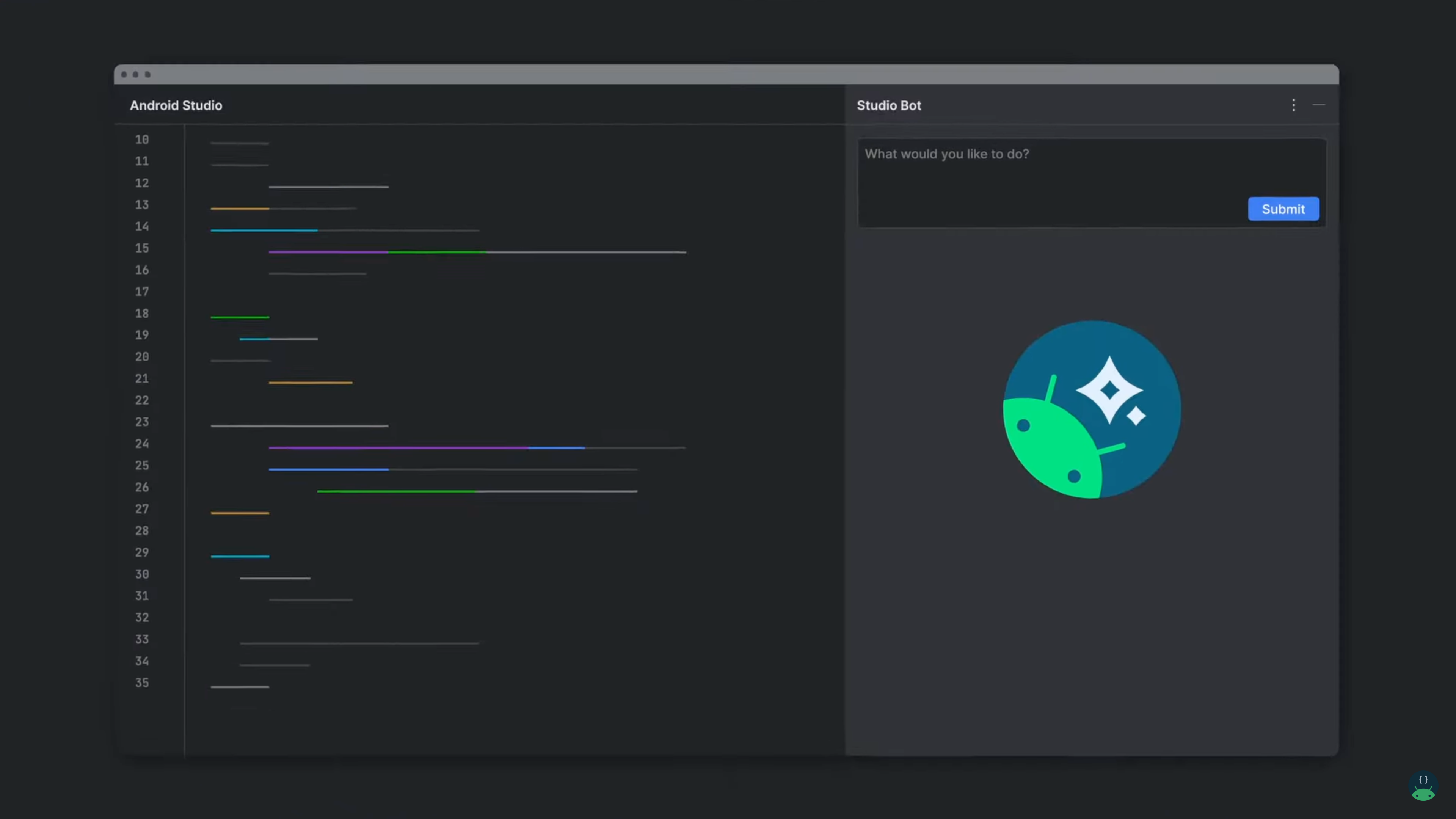
A mock-up made by Google depicting an AI assistant inside Android Studio
Enlarge / Android Studio will get a dedicated helper chatbot called Studio Bot.

During today’s I/O presentation, Google announced Studio Bot, an AI assistant that Android developers can use to help write and debug code.

Built on Codey and the revised PaLM 2 large language model, Studio Bot is only available to US developers for now and is in its “very early days,” Google said. It’s part of Android Studio, Google’s official integrated development environment (IDE) for Android devs.

This is distinct from another Codey-based project that is meant to compete directly with GitHub’s Copilot at completing and generating in-line code.

Whereas Copilot is focused on directly analyzing the user’s code and making in-line suggestions, Studio Bot behaves similarly to Bard or ChatGPT in that it is a “conversational experience” that interacts with you as a sort of adviser. A promotional video announcing Studio Bot depicted a developer asking it, “What is dark theme” (as if any self-respecting developer wouldn’t know that) and then doing follow-up queries to get code snippets to implement dark theme in the developer’s app.

You don’t have to give Studio Bot any of your code to ask it things. In fact, Google’s positioning suggests that, at least for now, it’s better suited for answering general API questions and the like than digging in and helping you build stuff directly.

Google warns in its developer-facing documentation that “Studio Bot is still an early experiment, and might sometimes provide inaccurate, misleading or false information while presenting it confidently. Studio Bot might give you working code that doesn’t produce the expected output, or provide you with code that is not optimal or incomplete.”

[embedded content]
A brief video Google made to demonstrate an AI bot inside Android Studio.

This wasn’t the only I/O announcement relevant to developers. As noted briefly above, Google also announced plans to launch a Codey-based code-generation tool that is more akin to Copilot. Codey-based tools like these work with JavaScript, Java, Python, SQL, and Go. This is part of a larger initiative to AI-ify virtually all of Google Cloud and Google’s other development tools and services over time.

Google also launched ML Hub, a repository of guidance for developers who are seeking to train and use machine-learning models in their work. And a new experimental AI feature on the Play Store will allow developers to generate copy for app listings, analyze and summarize user reviews of apps, and more.

https://arstechnica.com/?p=1938356


Google’s answer to ChatGPT is now open to everyone in US, packing new features

The Google Bard logo at Google I/O

At Wednesday’s Google I/O conference, Google announced wide availability of its ChatGPT-like AI assistant, Bard, in over 180 countries with no waitlist. It also announced updates such as support for Japanese and Korean, visual responses to queries, integration with Google services, and add-ons that will extend Bard’s capabilities.

Similar to how OpenAI upgraded ChatGPT with GPT-4 after its launch, Bard is getting an upgrade under the hood. Google says that some of Bard’s recent enhancements are powered by Google’s new PaLM 2, a family of foundational large language models (LLMs) that have enabled “advanced math and reasoning skills” and better coding capabilities. Previously, Bard used Google’s LaMDA AI model.

Google plans to add Google Lens integration to Bard, which will allow users to include photos and images in their prompts. On the Bard demo page, Google shows an example of uploading a photo of dogs and asking Bard to “write a funny caption about these two.” Reportedly, Bard will analyze the photo, detect the dog breeds, and draft some amusing captions on demand.

Google Bard image-recognition demo.
Enlarge / Google Bard image-recognition demo.

Google thinks that software developers may appreciate several improvements in Bard, including an export button for code execution in either Colab or Replit. And from now on, when Bard provides code, it will include citations. “If Bard brings in a block of code or cites other content, just click the annotation and Bard will underline those parts of the response and link to the source,” writes Google.

Bard will also support a dark theme for the first time, a feature that elicited the biggest cheer from the Google employee audience at the I/O keynote.

Similar to ChatGPT plugins, announced in March, Google plans to add extensions to Bard that will allow the chatbot to access external resources. In the I/O presentation, Google showed an example of generating images within Bard of unicorns for a birthday party using an extension for Adobe Firefly, which is an AI image synthesis model similar to Stable Diffusion.

Google Bard image-generation demo.
Enlarge / Google Bard image-generation demo.

Google says it is partnering with other service providers such as Kayak, OpenTable, ZipRecruiter, Instacart, Wolfram, and Khan Academy to build extensions for Bard, which should expand the capabilities of the chatbot. Beyond that, Google also says it will integrate features of its existing apps like Docs, Drive, Gmail, and Maps into Bard’s user experience over time.

It’s all part of Google’s plan to bake generative AI into everything. Along those lines, users can export Bard’s responses directly to Gmail or Docs, saving copy-and-paste time and giving people “a head start drafting emails and documents,” according to Google. Let’s just hope it doesn’t make things up along the way.

Google Bard is available today in English for anyone in the 180 supported countries with a Google account at bard.google.com. Notably, Canada and much of Europe are excluded for now. Google plans to expand access to more countries soon.

https://arstechnica.com/?p=1938256