At a Ford Transmission Plant in Livonia, Mich., the station where robots help assemble torque converters now includes a system that uses AI to learn from previous attempts how to wiggle the pieces into place most efficiently. Inside a large safety cage, robot arms wheel around grasping circular pieces of metal, each about the diameter of a dinner plate, from a conveyor and slot them together.
Ford uses technology from a startup called Symbio Robotics that looks at the past few hundred attempts to determine which approaches and motions appeared to work best. A computer sitting just outside the cage shows Symbio’s technology sensing and controlling the arms. Toyota and Nissan are using the same tech to improve the efficiency of their production lines.
The technology allows this part of the assembly line to run 15 percent faster, a significant improvement in automotive manufacturing where thin profit margins depend heavily on manufacturing efficiencies.
“I personally think it is going to be something of the future,” says Lon Van Geloven, production manager at the Livonia plant. He says Ford plans to explore whether to use the technology in other factories. Van Geloven says the technology can be used anywhere it’s possible for a computer to learn from feeling how things fit together. “There are plenty of those applications,” he says.
AI is often viewed as a disruptive and transformative technology, but the Livonia torque setup illustrates how AI may creep into industrial processes in gradual and often imperceptible ways.
Automotive manufacturing is already heavily automated, but the robots that help assemble, weld, and paint vehicles are essentially powerful, precise automatons that endlessly repeat the same task but lack any ability to understand or react to their surroundings.
Adding more automation is challenging. The jobs that remain out of reach for machines include tasks like feeding flexible wiring through a car’s dashboard and body. In 2018, Elon Musk blamed Tesla Model 3 production delays on the decision to rely more heavily on automation in manufacturing.
Researchers and startups are exploring ways for AI to give robots more capabilities, for example enabling them to perceive and grasp even unfamiliar objects moving along conveyor belts. The Ford example shows how existing machinery can often be improved by introducing simple sensing and learning capabilities.
“This is very valuable,” says Cheryl Xu, a professor at North Carolina State University who works on manufacturing technologies. She adds that her students are exploring ways that machine learning can improve the efficiency of automated systems.
One key challenge, Xu says, is that each manufacturing process is unique and will require automation to be used in specific ways. Some machine learning methods can be unpredictable, she notes, and increased use of AI introduces new cybersecurity challenges.
The potential for AI to fine-tune industrial processes is huge, says Timothy Chan, a professor of mechanical and industrial engineering at the University of Toronto. He says AI is increasingly being used for quality control in manufacturing, since computer vision algorithms can be trained to spot defects in products or problems on production lines. Similar technology can help enforce safety rules, spotting when someone is not wearing the correct safety gear, for instance.
Chan says the key challenge for manufacturers is integrating new technology into a workflow without disrupting productivity. He also says it can be difficult if the workforce is not used to working with advanced computerized systems.
This doesn’t seem to be a problem in Livonia. Van Geloven, the Ford production manager, believes that consumer gadgets such as smartphones and game consoles have made workers more tech savvy. And for all the talk about AI taking blue collar jobs, he notes that this isn’t an issue when AI is used to improve the performance of existing automation. “Manpower is actually very important,” he says.
Microsoft acquires Nuance—makers of Dragon speech rec—for $16 billion
Enlarge/ In this 2011 photo, Dr. Michael A. Lee uses Dragon Medical voice-recognition software to enter his notes after seeing a patient.
Earlier today, Microsoft announced its plans to purchase Nuance for $56 per share—23 percent above Nuance’s closing price last Friday. The deal adds up to a $16 billion cash outlay and a total valuation for Nuance of about $19.7 billion, including that company’s assumed debt.
Who is Nuance?
Enlarge/ In this 2006 photo, Rollie Berg—who has extremely limited use of his hands due to multiple sclerosis—uses Dragon NaturallySpeaking 8 to interact directly with his PC.
Nuance is a well-known player in the field of natural language recognition. The company’s technology is the core of Apple’s Siri personal assistant. Nuance also sells well-known personal speech-recognition software Dragon NaturallySpeaking, which is invaluable to many people with a wide range of physical disabilities.
Dragon NaturallySpeaking, originally released in 1997, was one of the first commercially continuous dictation products—meaning software that did not require the user to pause briefly between words. In 2000, Dragon Systems was acquired by ScanSoft, which acquired Nuance Communications in 2005 and rebranded itself as Nuance.
Earlier versions of Dragon software used hidden Markov models to puzzle out the meaning of human speech, but this method had serious limitations compared to modern AI algorithms. In 2009, Stanford researcher Fei-Fei Li created ImageNet—a massive training data set that spawned a boom in deep-learning algorithms used for modern, core AI tech.
After Microsoft researchers Dong Yu and Frank Seide successfully applied deep-learning techniques to real-time automatic speech recognition in 2010, Dragon—now Nuance—applied the same techniques to its own speech-recognition software.
Fast forward to today, and according to both Microsoft and Nuance, medically targeted versions of Dragon are in use by 77 percent of hospitals, 75 percent of radiologists, and 55 percent of physicians in the United States.
Microsoft’s acquisition play
Microsoft and Nuance began a partnership in 2019 to deliver ambient clinical intelligence (ACI) technologies to health care providers. ACI technology is intended to reduce physician burnout and increase efficiency by offloading administrative tasks onto computers. (A 2017 study published in the Annals of Family Medicine documented physicians typically spending two hours of record-keeping for every single hour of actual patient care.)
Acquiring Nuance gives Microsoft direct access to the company’s entire health care customer list. It also gives Microsoft the opportunity to push Nuance technology—currently, mostly used in the US—to Microsoft’s own large international market. Nuance chief executive Mark Benjamin—who will continue to run Nuance as a Microsoft division after the acquisition—describes it as an opportunity to “superscale how we change an industry.”
The move doubles Microsoft’s total addressable market in the health care vertical to nearly $500 billion. It also marries what Microsoft CEO Satya Nadella describes as “the AI layer at the healthcare point of delivery” with Microsoft’s own massive cloud infrastructure, including Azure, Teams, and Dynamics 365.
The acquisition has been unanimously approved by the boards of directors of both Nuance and Microsoft and it is expected to close by the end of 2021.
https://arstechnica.com/?p=1756326
L. Paganetto: ‘Dibattito su Rete Unica datato, serve concorrenza e il giusto mix di tecnologie’
Le infrastrutture di rete di cui ha bisogno il nostro Paese devono essere realizzate nel minor tempo possibile e nel rispetto dei principi della concorrenza. Ce lo impone il cambiamento tecnologico in cui viviamo e con esso l’esigenza di utilizzare al meglio le risorse del NextGeEu.
Ma occorre aggiungere che se vogliamo utilizzare al meglio queste risorse, la scelta in materia di reti deve nascere da una precisa definizione degli obbiettivi che si vogliono perseguire e dall’esigenza di rispettare le condizionalità previste dall’Europa per l’uso dei fondi. Non dobbiamo infatti dimenticare che per l’approvazione dei progetti del PNRR contano gli obbiettivi, i risultati attesi, i tempi di realizzazione ed i vantaggi conseguiti con la realizzazione degli investimenti da realizzare.
<!-- LARGE RECTANGLE POST - CORPO TESTO
-->
Orientare gli investimenti: obiettivi, risultati, tempi e vantaggi
Cominciamo allora dalla definizione degli obbiettivi.
Il primo obbiettivo, quello più generale, è certamente quello di ottenere la massima copertura di connettività a 1 Gigabit come sollecitato dal Digital Compass della Commissione EU.
Ma si tratta di un obbiettivo che, a sua volta, deve tener conto di come sta evolvendo la domanda di servizi di connessione perché la massima copertura deve essere accompagnata dalla soddisfazione dei diversi segmenti della domanda che non è solo quella delle famiglie, ma anche del sistema produttivo.
Non c’è dubbio che accanto alla domanda di connessione delle famiglie per la Dad e gli spettacoli, c’è quella, assai importante, legata all’effetto di trasformazione del digitale su economia, società e PA. In quest’ottica dobbiamo pensare ad investimenti che consentano domani la gestione a distanza dei flussi di traffico e in generale della mobilità, nonché quella legata all’utilizzo dell’internet delle cose, dell’intelligenza artificiale e dei Big data, nonché dell’automazione industriale, della rivoluzione elettrica dell’automotive e della gestione delle energie rinnovabili, infine della sanità a distanza.
Sono esigenze che si impongono, e sempre più si imporranno, nel funzionamento dell’economia e a cui dobbiamo far fronte se non vogliamo perdere il treno dell’innovazione e della crescita.
I progetti che presenteremo dovranno essere necessariamente espressione di queste priorità se vogliamo partecipare con successo al quadro competitivo del prossimo futuro.
Ed è indubbio che se si adottasse questa scelta, risultati attesi e vantaggi conseguiti si potrebbero esprimere in termini di aumenti di produttività e crescita.
Esaurito il progetto di Rete Unica, quali modelli di business e quali tecnologie?
Circa la tipologia degli investimenti da realizzare, ciò che sta accadendo nell’evoluzione delle infrastrutture di rete mostra la presenza di un mix di tecnologie, assieme ad una forte competizione infrastrutturale.
La realtà vede reti fisse e reti mobili sempre più integrate ed un quadro in cui reti in fibra e investimenti in FWA viaggiano assieme a quelle per il 5G con l’FWA che è efficace nel completare la fibra sino alla connessione in casa, in particolare nelle aree grigie. Senza contare che la tecnologia satellitare sta decisamente avanzando.
In quest’ottica il dibattito sulla rete unica appare datato ed in particolare lo è quello di una “rete unica verticalmente integrata” che si scontra, tra l’altro, con le esigenze di concorrenza previste in sede europea.
Non è da escludere quindi un modello con pluralità di operatori sulla rete fissa.
L’idea che la gestione della rete tragga beneficio dalla presenza di operatori “Wholesale-only” è sostenuta in un recente studio della società di analisi tedesca WIK. Operatori Wholesale-only sono presenti in Irlanda, Francia, Portogallo, Spagna e Svezia. E la concorrenza ha un effetto positivo soprattutto, se accompagnata da un’attività di coordinamento centrale.
Va detto però che, se vogliamo rispondere alla domanda di cambiamento tecnologico in atto, dobbiamo tener conto che, in ogni caso, un ruolo determinante lo gioca e lo giocherà il 5G, non solo per la sua velocità, ma soprattutto per i suoi vantaggi in termini di affidabilità e latenza.
Ed è questa la constatazione da cui occorre partire.
Non va peraltro dimenticato che ci sono ostacoli allo sviluppo del 5G rappresentati dall’elevato costo degli investimenti necessari. Secondo uno studio Bei dei 384 miliardi dieuro investimenti necessari in Europa, i privati sarebbero disponibili a sostenerne non più di un terzo.
È per questa ragione che serve l’intervento pubblico, anche a ragione delle difficoltà che hanno le maggiori Telco europee a intraprendere impegnative attività d’investimento, sia per lo stato dei loro conti che per il grande impegno sostenuto per le aste delle frequenze del 5G.
Quel che conta, in ogni caso, è che dovendo stabilire delle priorità per gli investimenti si deve procedere alla soddisfazione della domanda di servizi di connessione, partendo dal processo di cambiamento ed innovazione in atto, piuttosto che da un’esigenza di principio come è quella della rete unica.
È perciò che il modello cui occorre puntare è quello di progetti infrastrutturali integrati perché è ormai chiaro che reti in fibra, FWA e 5G si integrano a vicenda.
Grande Fratello: dall’estate 2021 la Polizia greca farà il riconoscimento facciale in tempo reale delle persone per strada
Entro l’estate del 2021, la polizia greca dovrebbe ricevere migliaia di dispositivi chele consentiranno il riconoscimento facciale in tempo reale e l’identificazione delle impronte digitali. I dispositivi dovrebbero essere utilizzati nel lavoro quotidiano della polizia.
Il progetto si chiama “Smart Policing”. Mira alla “identificazione e verifica dell’identità dei cittadini quando fermati dalla polizia”, come dettagliato nelle specifiche tecniche ufficiali di 177 pagine dell’aprile 2018.
L’uso dell’attrezzatura dovrebbe rendere più rapida la verifica dell’identità, consentendo ai cittadini di essere riconosciuti senza essere trasferiti alla stazione di polizia più vicina quando mancano dei documenti di identità.
Nelle specifiche tecniche, la polizia riconosce che l’uso dell’attrezzatura aumenterà “il numero medio di fermi di polizia giornalieri” nonché “l’efficienza nell’individuazione di cittadini di paesi terzi che hanno superato il periodo della loro residenza legale nel nazione”. Quindi è previsto che lo strumento sarà utilizzato anche nella lotta all’immigrazione clandestina.
“Il nostro obiettivo è verificare persone, veicoli e oggetti in tempo reale. In questo modo miglioriamo la sicurezza degli agenti di polizia, riduciamo il disagio dei civili e risparmiamo risorse umane e materiali “.
In un primo momento, la polizia greca riceverà almeno mille dispositivi mobili, con la possibilità di schierarne altri 9.000 in futuro, secondo le specifiche tecniche.
I dispositivi simili a smartphone saranno collegati a 20 database detenuti da autorità nazionali e internazionali. Includono i ministeri greci dei trasporti, degli interni e degli affari esteri, Europol, Interpol e FBI, anche se non è chiaro esattamente quali database siano inclusi. Anche Teiresias, un ufficio di credito di proprietà di banche greche, è tra i database elencati nel documento.
Da un lato potremo dire che si tratti di un passo avanti, che saremo tutti più sicuri, ma dall’altro dovremmo chiederci se sia un bene che la polizia possa istantaneamente riconoscere ciascuno di noi, potenzialmente anche senza richiedere i documenti. Siamo sicuri che i database analizzati contengano solo informazioni di carattere penale? chi gestisce i dati? Con chi vengono condivisi? Perchè il progetto è finanziato al 70% dalla Commissione Europea?
Forse è il tempo di farci qualche domanda in più sui limiti dell’impiego della AI .
Grazie al nostro canale Telegram potete rimanere aggiornati sulla pubblicazione di nuovi articoli di Scenari Economici.
Fra Mass Media ormai completamente uniformati ai bollettini di informazione del Potere, Scenari Economici rimane una voce che presenta opinioni libere ed indipendenti. Aiutaci a crescere ed a farci conoscere, sia condividendo i nostri contenuti, sia, se vuoi, con una donazione. Grazie!
Digitalizzazione dei processi operativi e logistici al Porto di Livorno
La rubrica CNIT TALK è curata dai Professori del CNIT (Consorzio Nazionale Interuniversitario per le Telecomunicazioni), il Consorzio formato da 37 università pubbliche italiane diretto dal Professor Nicola Blefari Melazzi, che organizza l’evento di riferimento per il settore 5G Italy. L’obiettivo è la divulgazione di contenuti originali sui temi principali del mondo digitale dal 5G, alla Blockchain, dall’IoT all’elettromagnetismo, di carattere scientifico, ma divulgativo, con l’obiettivo di disseminare l’attività del Consorzio via web. Per consultare tutti gli articoli clicca qui.
Articolo a cura di Alexandr Tardo, Domenico Lattuca, Paolo Pagano del CNIT – National Laboratory of Photonic Networks and Technologies (PNTLab)
1) Cosa si intende con Smart Port, quali sono le attuali sfide nei porti marittimi e quale ruolo giocano le tecnologie emergenti come il 5G?
I porti marittimi giocano un ruolo fondamentale nel commercio internazionale, considerato che il 90% del traffico merci globale viene movimentato via mare. Per questo motivo, il trasporto marittimo è ormai diventato sempre più espressione di una Supply Chain globale. D’altro canto, i porti sono ecosistemi molto complessi i quali necessitano di una collaborazione efficiente e costruttiva tra i diversi attori della Port Community (ad es. Terminalisti, Agenzie Marittime e Navigazione, Spedizionieri, Agenzie delle Dogane, Autotrasportatori, etc.).
<!-- LARGE RECTANGLE POST - CORPO TESTO
-->
La Commissione Europea, così come gli Stati Membri, hanno finanziato molti progetti di innovazione a sostegno di iniziative orientate allo sviluppo sia di tecnologie abilitanti che di applicazioni industriali.
“Recentemente, gli sviluppi portuali sono stati presi in considerazione sia dal programma di finanziamento europeo Horizon 2020 (programma di lavoro denominato Mobility for Growth) sul tema Port of the Future che da iniziative come Connecting Europe Facility (CEF) che rappresentano la naturale evoluzione di programmi meno recenti quali Trans-European Transport Network (TEN-T) e Trans-European Networks for Energy (TEN-E)”. L’obbiettivo principale di questi programmi riguarda infatti aspetti di interoperabilità e condivisione dei dati, al fine di armonizzare e semplificare i processi della logistica transfrontaliera.
Temi come la congestione ai varchi d’accesso, la sostenibilità ambientale, l’espansione infrastrutturale, la digitalizzazione e l’automazione dei processi logistici ed operativi, rappresentano alcune delle sfide affrontate ogni giorno dai porti di tutto il mondo. L’esito di tali sfide impatta significativamente la competitività e la produttività di ogni nodo portuale.
Sistemi e tecnologie come Global Navigation Satellite System (GNSS), Electronic Data Interchange for Administration, Commerce and Transport (EDIFACT), Radio Frequency IDentification (RFID), Optical Character Recognition (OCR) e reti wireless (incluso Vehicular ad Hoc Network – VANET) sono già in uso nella realtà portuale: essi ricoprono infatti un ruolo importante nella digitalizzazione dei sistemi informativi come le National Single Windows, i Port Community Systems, i Vessel Traffic Services, i Terminal Operating Systems, i Gate Appointment Systems, gli Automated Gate Systems, gli Automated Yard Systems, il Port e il Road Traffic Information System ed infine i Port-hinterland intermodal Information Systems [1].
Rispetto al suddetto stato dell’arte, l’adozione di tecnologie emergenti come l’Intelligenza Artificiale, il MachineLearning, la Blockchain, la RealtàVirtuale ed Aumentata, l’Internet-of-Things, l’Edge Computing, il DigitalTwin ed i SistemiRobotizzati, conducono a benefici significativi in termini di efficienza complessiva lungo la catena logistica, supportando il processo di digitalizzazione nei porti, intesi come nodi di smistamento e gestione della merce. Come mostrato nell’immagine sottostante (Figura 1), le tecnologie sopra elencate trovano un’ampia applicazione nei processi operativi e logistici sia lato mare/porto (es. trasporto marittimo, operazioni di carico, scarico e stoccaggio della merce) che lato terra (es. trasporto intermodale e tracciamento della merce) [2].
Figura 1 – Trend tecnologico nei porti marittimi moderni ed il contesto applicativo
Il concetto di Smart Port (o Port of The Future) nasce dunque allo scopo di affrontare le nuove sfide e venire incontro alle esigenze dei nodi portuali, avvalendosi di tecnologie all’avanguardia. Il porto smart è un porto intelligente, capace di percepire e monitorare l’ambiente operativo grazie alla presenza di sensori IoT opportunamente distribuiti nell’area portuale. Attraverso interazioni machine-to-machine, i dati vengono raccolti in maniera automatizzata, processati in Cloud, aggregati ed analizzati con algoritmi di Artificial Intelligence – Machine Learning e resi infine disponibili allo sviluppo di servizi innovativi erogati verso la Port Community (ad es. tracciamento real-time dei veicoli e della merce). In aggiunta, i sistemi di controllo remoto dell’equipaggiamento di piazzale (ad esempio gru Rubber Tired Gantry – RTG per le operazioni di carico e scarico della merce containerizzata oppure stackers/forklifts per le movimentazioni della merce sul piazzale) permettono di abilitare una gestione più efficiente degli asset portuali, producendo un impatto positivo sulle operazioni dei Container Terminal operanti nell’area portuale.
In questo contesto il 5G può essere considerato come una tecnologia abilitante che funge da collante, a livello di connettività, tra i vari elementi hardware e software dell’infrastruttura ICT portuale. Bassissime latenze, elevati bit rate, una maggiore quantità di dispositivi connessi per unità di superficie, una riduzione significativa del consumo energetico, ottimizzazione dell’uso delle risorse di rete e della gestione della mobilità sono alcune delle peculiarità che rendono la tecnologia 5G un candidato ideale a supportare le attuali, così come le future, operazioni nel dominio marittimo. Da non dimenticare, poi, la flessibilità della tecnologia grazie a paradigmi quali lo Slicing, Network Function Virtualization (NFV), Software Defined Network (SDN). Tale flessibilità consentirà di soddisfare pienamente i variegati requisiti della molteplicità di utenti.
2) Perché il 5G è così importante per l’industria e quali sono i settori che beneficeranno maggiormente dall’introduzione del 5G?
Grazie ad una connessione affidabile, a bassa latenza ed estremamente veloce (rispetto ai suoi predecessori come il 3G/4G), il 5G si prefigura come un elemento fondamentale per realizzare scenari e casi d’uso innovativi in qualsiasi ambito industriale.
Le specifiche 3GPP definiscono infatti tre macro-categorie di casi d’uso in relazione a questa tecnologia [3]:
Enhanced Mobile Broadband (eMBB): servizi a larghezza di banda elevata per la connettività wireless.
Ultra-Reliable Low Latency Communication (URLLC): comunicazione affidabile e a bassa latenza per servizi mission-critical.
Massive Machine Type Communication (mMTC): supporto di un numero elevato di sensori e dispositivi connessi per unità di superficie.
Le applicazioni del 5G si estendono ben oltre i prodotti e servizi commerciali come gli smartphones e l’intrattenimento, coinvolgendo soprattutto realtà industriali che gestiscono grosse moli di dati, a loro volta prodotte da dispositivi differenti ed applicazioni in tempo reale.
Alcuni settori verticali come Smart Healthcare, Smart Manufacturing, Smart City, Smart Supply Chain, Smart Agricolture, Smart Education, Automotive e Smart Mobility, stanno iniziando a considerare il 5G non solo come una tecnologia dirompente, ma anche come una parte centrale delle proprie strategie ed attività di business. I principali fattori strategici da considerare nella strada che conduce all’adozione su larga scala della tecnologia 5G, riguardano la capacità di posizionarsi come innovatori all’interno del proprio settore, facendo leva sulle soluzioni che facilitano la trasformazione, costruendo una solida base per l’Internet-of-Things.
3) In che modo il Porto di Livorno sta affrontando la digitalizzazione dei servizi ICT?
Da diversi anni, il CNIT collabora con l’Autorità di Sistema Portuale del Mar Tirreno Settentrionale (AdSP-MTS) al fine di supportare le attività di Ricerca & Sviluppo all’interno del Porto di Livorno. Tale collaborazione ha portato alla fondazione del Laboratorio Congiunto, il JLab [4].
AdSP-MTS ha delineato nel corso del tempo una strategia di lungo periodo (riportata anche all’interno del Piano Operativo Triennale [5]) per la digitalizzazione, la sensorizzazione e la connettività degli scali: l’obiettivo è quello di costruire una vera e propria Smart Community in grado di cogliere appieno le opportunità di sviluppo generate dalla Logistica 4.0. Questo fenomeno investe direttamente i nodi portuali, condiziona profondamente le scelte infrastrutturali pubbliche e gli investimenti privati, trasforma in profondità il volto dei porti passeggeri e merci, seguendo la direzione definita in sede europea come Smart Port o Port of the Future.
La strategia di lungo periodo si focalizza su tre parole chiave, utili alla definizione di una strategia nazionale, orientata verso l’Industria 4.0,nell’ambito delle catene di trasporto e dei servizi logistici:
Testbed: il porto è un testbed naturale per la sperimentazione e l’industrializzazione di soluzioni tecnologiche innovative che attualmente si trovano ad un livello di sviluppo pre-competitivo. Stakeholders di livello internazionale e locale, operatori portuali ed enti di ricerca, possono incontrarsi e validare, tramite test sul campo, soluzioni tecnologiche avanzate (es. PlugTest ETSI ITS 2016 [6], AUTOPILOT [7], COREALIS [8]). Grazie al processo di digitalizzazione, il Porto di Livorno è il primo porto in Italia all’interno del quale è immediatamente applicabile una gestione integrata del trasporto e della logistica.
Enabler: partendo dalle piattaforme digitali originariamente pensate per l’ambito portuale (es. Port Community System – TPCS e Port Monitoring & Control Application – Moni.C.A. [9]) è possibile attivare processi d’innovazione e servizi che si irradiano verso il mare (e.s. Autonomous & Connected Vessel), verso il sistema città-porto (e.s. smart mobility, infomobilità, servizi dedicati ai passeggeri, applicazioni e soluzioni di controllo del traffico, etc.) e verso i grandi assi di comunicazione, generando e ricevendo informazioni utili ai sistemi informativi regionali, nazionali ed europei.
Smart: la Port Community è già oggi un esempio concreto di Smart Community diffusa e al contempo geograficamente individuabile (nodo portuale come punto di convergenza di una molteplicità di attori, azioni ed informazioni). L’idea di sviluppo e innovazione si promuove facendo leva sul porto come dimensione fisica ed informativa, sufficientemente grande da essere considerata attendibile come testbed ed abbastanza piccola da permettere di testare ed implementare soluzioni smart altamente trasferibili in contesti sempre più complessi.
Per realizzare questa agenda strategica di innovazione, AdSP-MTS si è dotata di un modello di governance dei processi d’innovazione, ed ha stretto una serie di accordi strategici che hanno coinvolto eccellenze del territorio e grandi player internazionali, strutturando partenariati a diversi livelli: istituzionale, tecnologico ed industriale [10].
4) Quali sono gli asset a disposizione del Laboratorio Congiunto?
Le attività di ricerca e sviluppo condotte secondo il cronoprogramma definito dall’agenda digitale, hanno portato il Laboratorio Congiunto alla progettazione ed implementazione di un nuovo stack ICT standardizzato e distribuito sui livelli tipici dell’infrastruttura basata sul Cloud: Infrastructure-as-a-Service (IaaS), Platform-as-a-Service (PaaS) e Software-as-a-Service (SaaS). IaaS, PaaS e SaaS possono essere considerati come tre livelli di astrazione della stessa infrastruttura ICT, diversificati per tipo di servizio e risorse offerte. Più precisamente:
Il livello IaaS permette di accedere sia alle risorse fisiche di calcolo presenti nell’ambiente di staging sia alle risorse di rete al fine di supportare la raccolta, la memorizzazione e l’inoltro dei dati generati dalla sensoristica IoT distribuita nel porto;
Il livello PaaS fornisce strumenti adeguati per la gestione ed il mantenimento del DataLake includendo il processamento, l’aggregazione e la strutturazione dei dati raccolti nonché la conseguente condivisione con la logica applicativa;
Il livello SaaS infine, mette a disposizione un ambiente adeguato per lo sviluppo, l’integrazione e l’erogazione di nuovi servizi verso la comunità portuale.
Come mostrato nella Figura 2, il nuovo stack ICT permette di disaccoppiare il livello dati dal livello di logica applicativa, introducendo elementi architetturali come l’Enterprise Service Bus (per lo sviluppo e la gestione dei servizi) e il Data Virtualization Layer (per la gestione centralizzata dei dati) al fine di rendere l’intera architettura resiliente, flessibile e scalabile [11].
Figura 2 – Nuovo Stack ICT del Porto di Livorno.
Grazie a diverse attività nell’ambito di progetti EU (H2020), è stato possibile sfruttare il Porto di Livorno come testbed per la sperimentazione sul campo di nuove tecnologie (es. Blockchain e 5G) applicate sia a processi operativi (es. movimentazione della merce sul piazzale) che logistici (es. tracciamento della merce lungo la Supply Chain).
Nell’ambito del progetto denominato COREALIS (Capacity with a pOsitive enviRonmEntal and societAL footprInt: portS in the future era), il Porto di Livorno è stato il primo porto Italiano a sfruttare una rete 5G prototipale, mostrata in Figura 3, a supporto delle operazioni intra-terminal, come la gestione e movimentazione del General Cargo. Attraverso la connettività 5G, è stato possibile testare uno scenario massive-IoT raccogliendo dati provenienti da dispositivi come LIDARs, camere WideDynamicRange (WDR) e dispositivi intelligenti (e.s. tablet e smart glasses) sia a bordo dei muletti che in mano agli operatori di piazzale.
La figura seguente fornisce una schematizzazione delle interazioni tra i vari componenti coinvolti nella sperimentazione:
Figura 3 – Schema funzionale dei componenti coinvolti per la gestione del General Cargo (12)
Sulla base dei dati raccolti, un sistema centralizzato basato sull’Intelligenza Artificiale è in grado di determinare la corretta sequenza delle attività e delle operazioni logistiche da svolgere.
Queste attività includono la fase di scarico della merce dal camion, il relativo posizionamento (ottimale) presso l’area di stoccaggio e la successiva movimentazione per le operazioni di carico della merce sulla nave in banchina. Di seguito sono brevemente descritte le fasi operative del processo di gestione della merce sul piazzale:
La merce viene scaricata dal camion in entrata al terminal merci, identificata e registrata dal sistema di controllo centrale. Un muletto tra quelli disponibili viene identificato e selezionato per il trasferimento del carico presso l’area di stoccaggio;
La merce viene tracciata dalle telecamere WDR fino alla sua destinazione. Utilizzando un servizio basato sulla RealtàAumentata, il conducente del muletto viene assistito durante la fase di trasporto presso l’area di stoccaggio. Quando il carico viene posizionato, le telecamere WDR vengono utilizzate per un controllo incrociato sulla sua posizione finale, memorizzandola di conseguenza nel sistema di controllo centrale;
Durante la fase di carico sulla nave, il sistema di controllo fornisce informazioni in RealtàAumentata al conducente del muletto sul carico da prelevare (dove si trova e quale merce va spostata per prelevare quella d’interesse). L’operazione viene monitorata e controllata automaticamente utilizzando le informazioni fornite dalle telecamere WDR.
Come mostrato nella Figura 4, l’integrazione con il Port Monitoring System del Porto di Livorno (Moni.C.A.) consente infine di monitorare e visualizzare in tempo reale lo stato dei muletti sul piazzale, nonché le corrispondenti attività di movimentazione della merce.
Figura 4 – Monitoraggio dei Muletti tramite il Port Monitornig System del Porto di Livorno (Moni C.A.)Foto 5 – Nodo 5G NR al Porto di Livorno
La sperimentazione di servizi innovativi basata sull’utilizzo della connettività 5G presso il Porto di Livorno (Figura 5), ha permesso da un lato di erogare applicazioni a valore aggiuntoverso la Port Community e dall’altro di quantificare i benefici in termini di efficienza operazionale:
riduzione dei tempi necessari ad acquisire le informazioni sulla merce;
riduzione dei tempi complessivi per movimentare il carico all’interno del piazzale;
riduzione dello spazio necessario per lo stoccaggio della merce;
riduzione dei tempi delle operazioni di carico/scarico e conseguente riduzione del tempo di permanenza delle navi in banchina.
Il risparmio di tempo si traduce immediatamente in una riduzione dei costi sostenuta dagli armatori e dai terminalisti: più navi possono infatti essere servite nel corso dell’anno, aumentando di conseguenza la capacità complessiva del porto senza la necessità di estendere, a livello infrastrutturale, i terminal esistenti. D’altro canto, l’incremento dell’efficienza operazionale, si traduce anche nella riduzione di consumo del carburante da parte dei veicoli di piazzale, nonché delle relative emissioni di CO2 nell’area portuale, come mostrato nella Figura 6 [13].
Figura 6 – Benefici misurati nel processo di gestione del General Cargo abilitato dal 5G
5) Quali conclusioni si possono trarre?
La digitalizzazione sta offrendo al settore marittimo nuove opportunità per incrementare la propria produttività, migliorandone l’efficienza e la sostenibilità all’interno dei processi logistici. Questo spinge i porti ad investire su nuove tecnologie come la Blockchain ed il 5G al fine di supportare una condivisione veloce e sicura delle informazioni tra gli attori di un ecosistema così complesso. Al momento, le tipiche operazioni portuali tendono ad essere limitate a causa della mole sempre più crescente di dati e quindi di traffico prodotti dalla sensoristica distribuita. Le tecnologie attuali come collegamenti in fibra ottica o reti mobili basate su standard 3G/4G non riescono a soddisfare appieno gli attuali requisiti nell’automatizzazione dei processi operativi e logistici. Da questo punto di vista, il 5G si prefigura come una tecnologia indispensabile per lo sviluppo e l’implementazione del concetto di Smart Port. Nel contesto italiano, il Porto di Livorno rappresenta uno dei porti marittimi che hanno già iniziato ad esplorare e a sfruttare le tecnologie fin qui descritte. Ciò al fine di comprendere come l’introduzione di tecnologie innovative nell’ambito ICT possa supportare l’ottimizzazione delle operazioni portuali e come possono essere usate per valutare quali modelli sia più logico adottare per quantificare i relativi benefici economici, sociali ed ambientali.
Bibliografia
[1] L. Heilig and S. Voß, “Information systems in seaports: a categorization and overview,” Information Technology and Management, Springer, vol. 18(3), pages 179-201, September 2017.
Going beyond keywords: how conversational insights take the guesswork out of marketing
30-second summary:
Keywords represent the tip of the iceberg when it comes to understanding consumer intent
Using AI-powered chatbots, conversational data that occurs over messaging channels like Facebook Messenger and Instagram Messaging can give businesses a deeper understanding of what consumers want
Below, we’ll discuss how conversational marketing platforms like Spectrm use natural language processing (NLP) and artificial intelligence (AI) to guide customers through the buying funnel
A robust conversational marketing platform makes it possible for companies to build chatbots that engage and convert customers on the websites, apps, and social platforms where people spend their time
For more than two decades, Google and other search engines have attempted to crack the consumer intent code. The entry point for a search marketing campaign is the keyword list. Yet keywords—whether spoken or typed—represent the tip of the iceberg when it comes to understanding what a user wants. There’s no way to clearly measure (or identify) user intent, but Google is getting better at figuring out what a user wants with technologies like Google Hummingbird, an algorithm update they rolled out in 2013. Google introduced Hummingbird in response to the increasingly conversational nature of search queries.
Per a 2013 article in Wired, “Google is now examining the searcher’s query as a whole and processing the meaning behind it.” In January 2020, Statista reported roughly 40 percent of US search queries contained four or more terms.
Asking a search engine or virtual assistant a question is the beginning of a conversational journey that carries the searcher across channels until they ultimately find what they want (or not). Keywords pull the curtain of intent back, but they only provide a glimpse of the customer journey, labeling the searcher’s thoughts without revealing the “why” of what they’re searching for.
Once a user clicks on a search result, the conversation—from the search engine’s perspective—is over.
But thanks to advances in natural language processing (NLP), machine learning (ML), and artificial intelligence (AI), businesses have access to a much deeper understanding of what consumers want across the entire buying journey.
AI-powered chatbots that “speak” to consumers can collect customer intent data and take the conversation beyond an initial keyword query. They enable businesses to leverage that customer intent data instantly to scale one-to-one personalization in direct chat.
Below, we discuss how conversational marketing platforms employ NLP and AI in chatbots to guide customers through the buying funnel, using conversational analysis to gain an understanding of customer intent that goes far beyond keywords.
Content created in partnership with Spectrm.
The customer conversation is online
According to Hootsuite’s Digital In 2020 report, 60 percent of the world’s population is online. The report found that, globally, users spend an average of 6 hours and 43 minutes online each day—40 percent of their waking life using the internet. A large chunk of that time, more than two hours, is spent using social media.
Consumers were using mobile messaging and chat an average of 20 minutes per day in 2020, with Business Insider predicting that the average would grow to 24 minutes by 2021. Interacting with chatbots is a natural extension of consumers’ comfort with messaging in social media apps like Facebook and Instagram.
Increasingly, messaging is how we connect with each other. Facebook and Instagram are at the center of this trend. Businesses have the potential to reach and engage with over two billion people on Facebook and Instagram using their respective messengers. This level of engagement gets to the root of consumer intent, diving beneath surface keywords to the conversational data that can help companies understand what’s motivating the consumer to conduct their search in the first place.
Leveraging conversations to drive results
Conversational marketing platforms use messaging apps to engage with consumers and determine intent. This is next-level chatbot technology that uses AI to create a two-way exchange with every customer, asking them questions throughout the buying process and capable of operating on multiple messaging channels.
Spectrm is an example of a conversational marketing platform that goes beyond simple, generic approaches to conversational AI by using domain-specific NLP to guide consumers through the customer journey. Generic conversational AI uses general NLP that can be used for simple tasks like autosuggestions and basic keyword matching. Domain-specific NLP is trained for the individual business. Spectrm’s approach to conversational AI combines domain-specific NLP with the use of generative adversarial networks, a type of machine learning that enables enterprises with little or no customer intent data to quickly generate their own data sets to train the algorithm.
“Marketing chatbots that use domain-specific NLP learn how your individual customers speak. The customer intent data specific to your business, customers, and goals are used to continuously improve your chatbot. It’s about understanding how your customers engage naturally with your brand, and training your bot to respond to that to drive outcomes valuable to your business. Even if you don’t have a lot of conversational data to train your bot.” – Writes Spectrm
Chatbots are only part of what makes conversational marketing platforms work. Platforms like Spectrm operate across multiple messaging channels where consumers spend all their time including Facebook Messenger, Instagram Messaging, Google Business Messages, and even at the display level via conversational display ads using AdLingo and Google DV360.
Consumers like chatting with businesses. They’re already moving through the buying cycle using one-on-one conversations that provide much more in-depth intent data than a simple keyword search. Consider the follow statistics:
75 percent of consumers prefer to engage with brands in private messaging channels versus traditional channels
65 percent of people are more likely to shop with a business they can reach via chat
Conversational data = More targeted campaigns
Conversational data can be used to create marketing campaigns that are more targeted than traditional search and display campaigns. They enable businesses to design targeted messaging around the customer journey, learning what customers want/need in the context of how they’re interacting with the chatbot.
Conversational data also enables businesses to create customer profiles using the answers people provide in chat. Personalization and segmentation become easier based on the granularity and specificity of conversational data. This information can be used to personalize marketing messages at a one-to-one level directly in chat.
None of this is possible without the right platform. Some factors to strongly consider while evaluating an enterprise-level conversational marketing platform would be:
An easy to implement, no-coding setup
Customizations for your specific company and customer needs
Easy integrations with your tech stack
Enforcement of the highest privacy standards (GDPR, CCPA, and the others)
Connection to your product feed (for ecommerce websites) and ability to serve product recommendations/content in real-time based on user input
Flexible role management with the ability to set user access roles
Tools like Spectrm are at the heart of marketing automation, enabling companies to acquire new customers at scale. A robust conversational marketing platform makes it possible for companies to build chatbots that engage and convert customers on the websites, apps, and social platforms where people spend their time—no engineering resources needed.
Just like search engines, conversational intelligence tools effectively use language to get to the heart of consumer intent. They go beyond keywords to make every datapoint actionable, using chatbot analytics to optimize funnels and segment customers.
In Spectrm’s words, “Reaching the right audience is getting harder every day. Consumers are more curious, demanding, and impatient than ever. They expect their digital experiences to be personalized, instant, and effortless. Chatbots enable brands to connect with their audience personally and offer seamless customer experiences from the start.”
Pandemic-driven lockdowns have driven a lot of businesses online pushing the competition and increasing demand for more conversion optimization solutions
One of the most effective ways to increase your sales is to revamp your cross-selling tactics
To get more people down the sales funnel, you need to include off-site activities into consideration, that is, when your customer interrupts their buying process and how to return them to your site
To better understand (and meet) your customer journey, use semantic research of your target search query
Finally, keep analyzing your site’s sales funnel using Google Analytics
As more and more small businesses are going through digital transformation, there’s an emerging demand for new ways to attract and engage customers.
As online shopping is becoming a norm, both the competition and customers’ expectations are quickly growing.
How to create a more effective ecommerce sales funnel? Here are few fresh ideas:
1. Revamp your product recommendations
Cross-selling (that is, showing related products on all stages of the sales funnel) is one the most important – yet often neglected – components of the sales funnel.
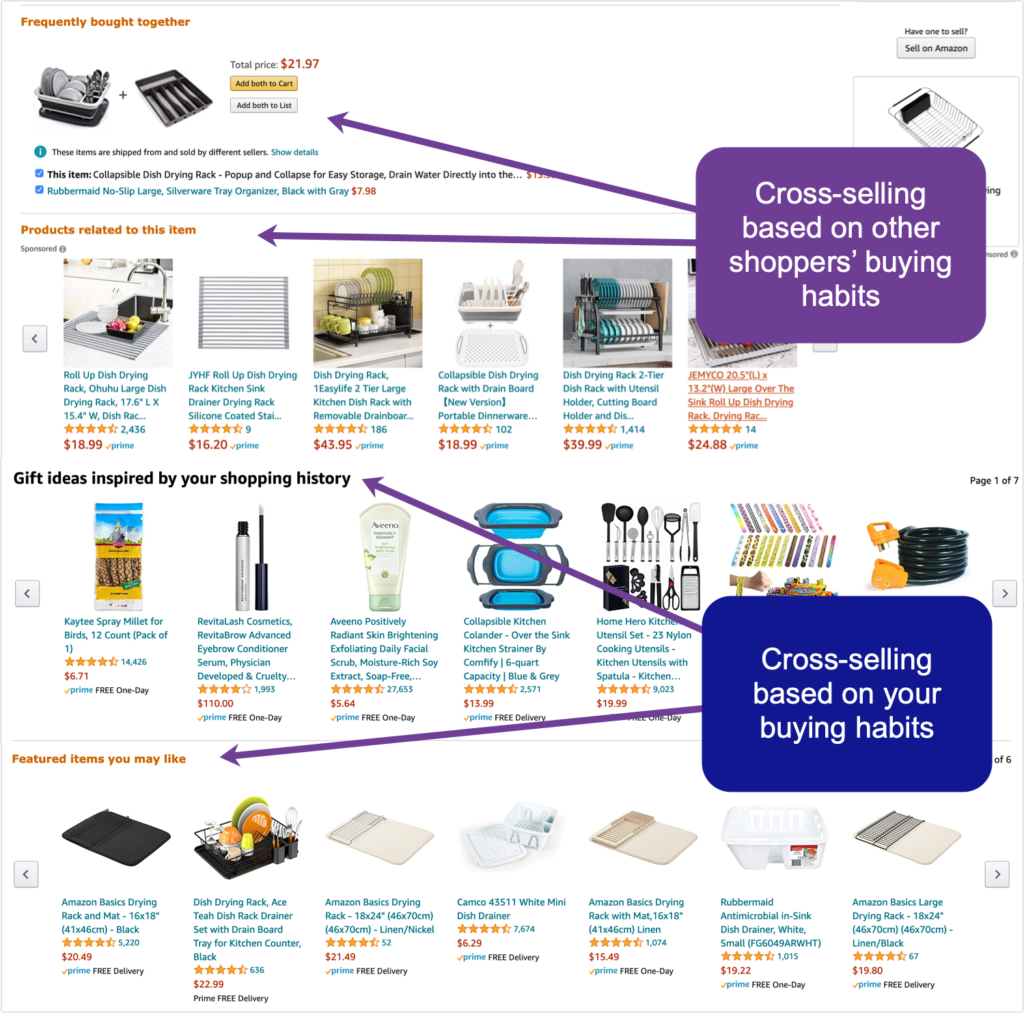
Did you know that cross-selling accounts for more than a third of Amazon’s revenue? Based on the public company’s data, 35 percent of what people buy on Amazon comes from product recommendations based on AI-driven algorithms.
No wonder Amazon is using cross-selling all over the site – from product pages…
All of these cross-selling blocks are included on a single product page.
Personalized upsells: These usually show up on product pages to urge the customer to buy something they didn’t initially intend. These can be driven by the customer’s prior buying habits or the buying habits of other customers who have bought the current product
Product bumps: Showing matching products right on the checkout page
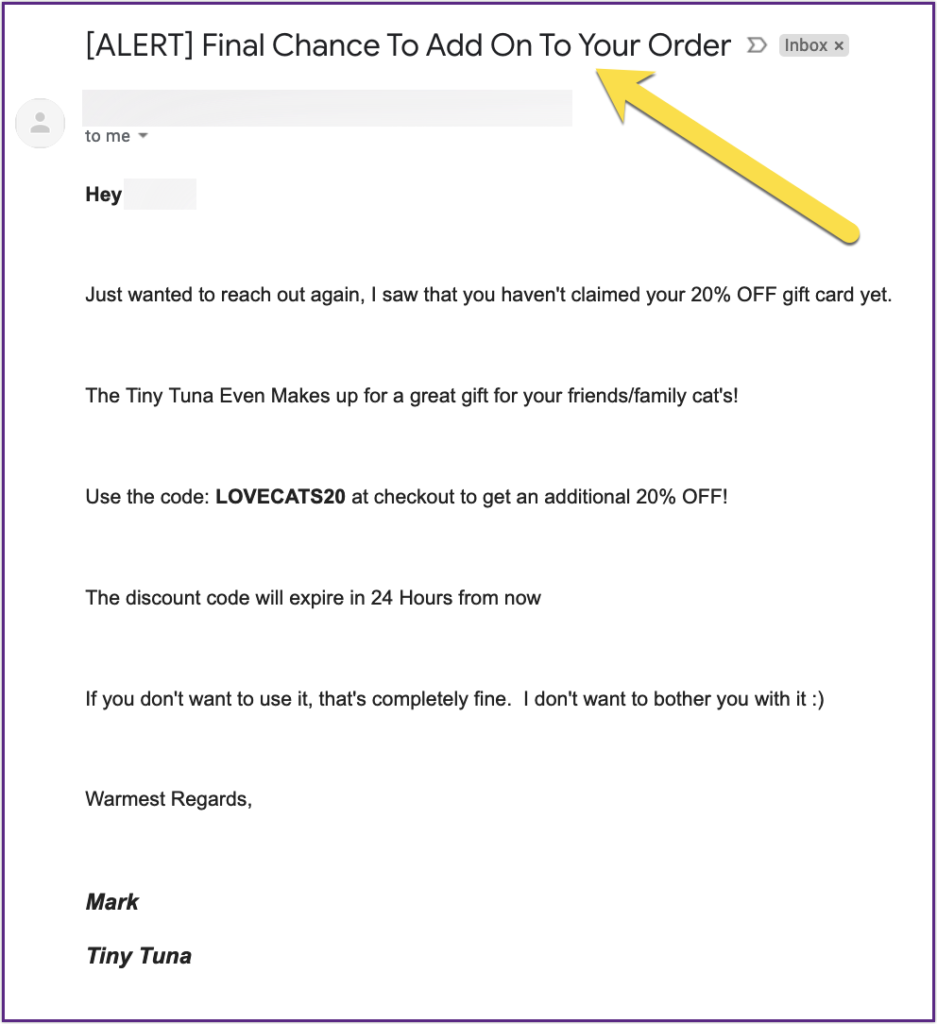
Email-driven upsells: Automated emails sent immediately after you pay encouraging you to buy more to add to the same delivery
Source: Screenshot by author, March 2021
While cross-selling is a great way to increase your average order value, it’s getting harder and harder to convince customers to fall for it. To innovate your cross-selling strategy, you may try to:
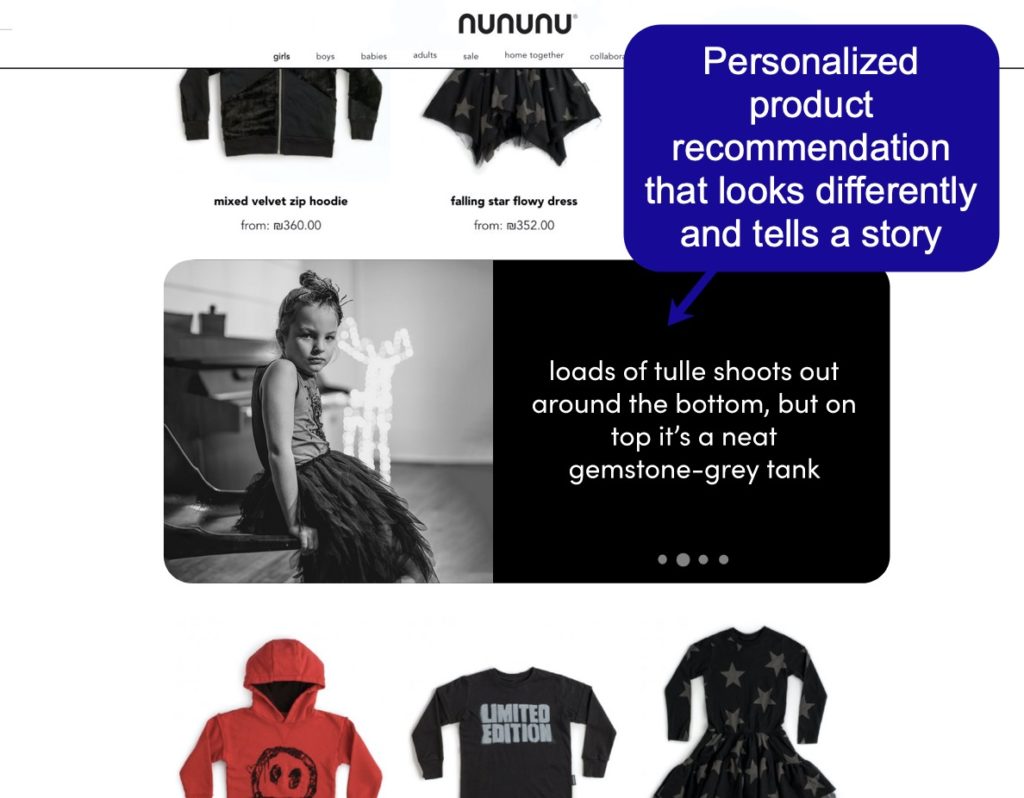
Personalize your product recommendations
Try new formats (for example, testimonials, Instagram carousels, stories)
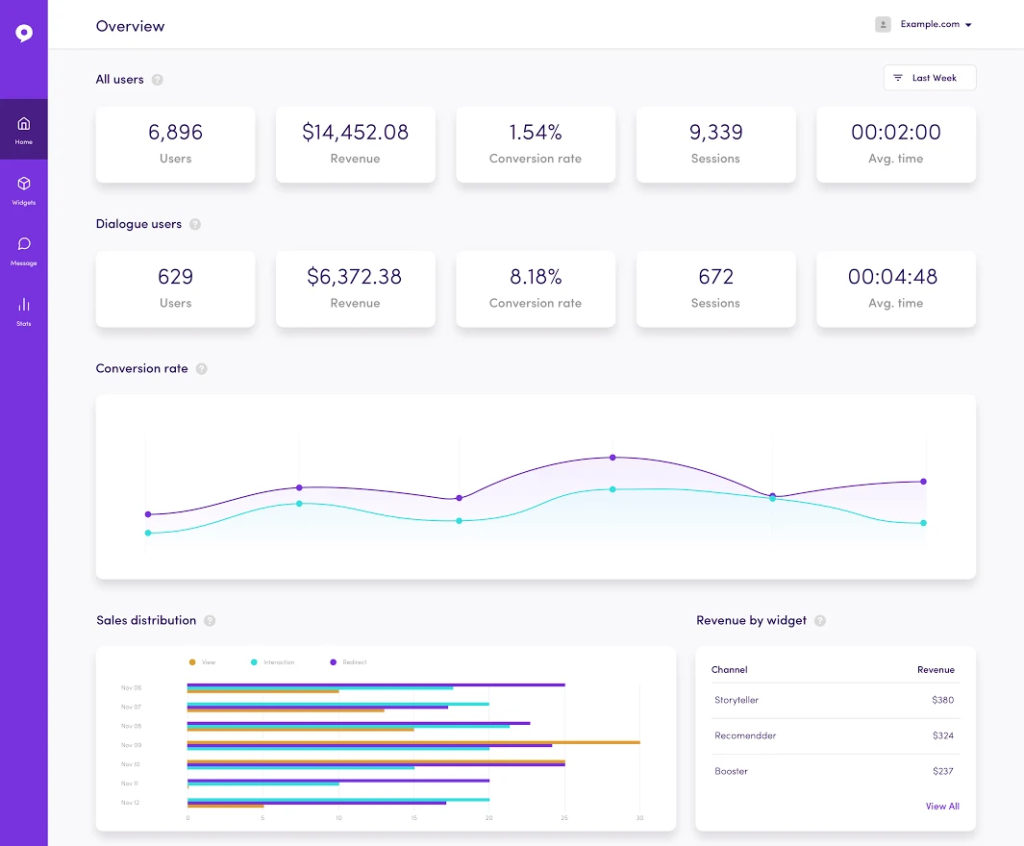
Dialogue AI is an ecommerce solution that implements both of the above by showing product recommendations based on individual browsing data as well as turns them into captivating stories.
Dialogue combines cross-selling with AI-powered personalization and story-telling. It is also a fully-scaled solution that requires minimum work. The platform keeps you informed on key marketing metrics through a handy dashboard:
Source: Screenshot by author, March 2021
2. Make your customer support part of the sales funnel
The ideal buyer’s journey looks like this: They land on a product page, add it to a shopping cart, submit their payment details and wait for the product to arrive.
Obviously, it doesn’t always look like that. Customers’ journeys are often interrupted, and in many cases, they are interrupted by customers themselves who get distracted or come up with questions they need answers to before completing the purchase.
The truth is, no matter how well you set up your knowledge base, many people will still want to contact your customer support team before buying. This is where lots of buying journeys may be interrupted unless you set things up properly.
Set up email follow-ups
Any customer interactions should be recorded and there always need to be personalized follow-up based on the customer’s action (i.e. whether they ended up completing the purchase or not).
Depending on your current CMS platform, you may already have access to email automation that would allow personalized follow-ups.
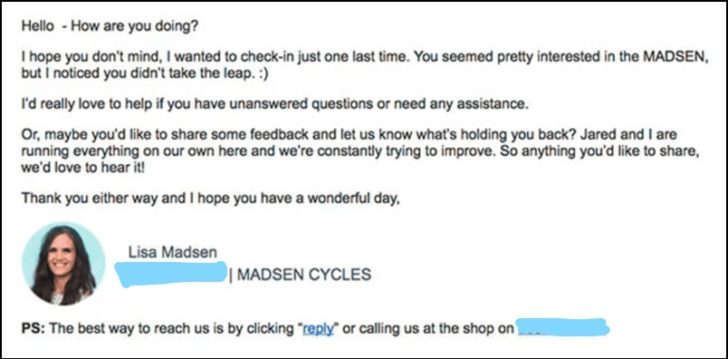
This is something that is actually missing in the screenshot above. It is important to both personalize and brand your email follow-ups to gradually grow brand recognizability and ultimately generate more repeat sales.
Remember – Your emails mean to bring your customer back to your site. It needs to revive the interrupted buying journey, so links to your site are essential. At the bare minimum, add a clickable logo and a detailed email signature prompting your customer to take an action.
3. Mind your brand-driven search query
What is it that tends to interrupt your buyers’ journey? If it’s not reaching out to your customer support, it is usually:
Checking your product reviews
Looking for your coupon codes or special deals
To better understand your customers’ journeys outside of your site, research your branded keywords (i.e. those keywords that contain your or your product name). Google Suggest is a good place to start:
These are all as-you-type search suggestions that may impact your customers’ journey. Make sure your pages and off-site assets rank #1 for all of these.
Start viewing all of these queries as part of your sales funnel. Do you have a landing page (or landing pages) that would do a good job getting people to continue their journey on your site? Or do you rely on third-party sites to do that?
The latter is not the wisest decision.
Remember that these queries are often used in the middle of the funnel (right before your customer completes their purchase), so this should also be reflected in the copy.
3. Create search intent-driven copy
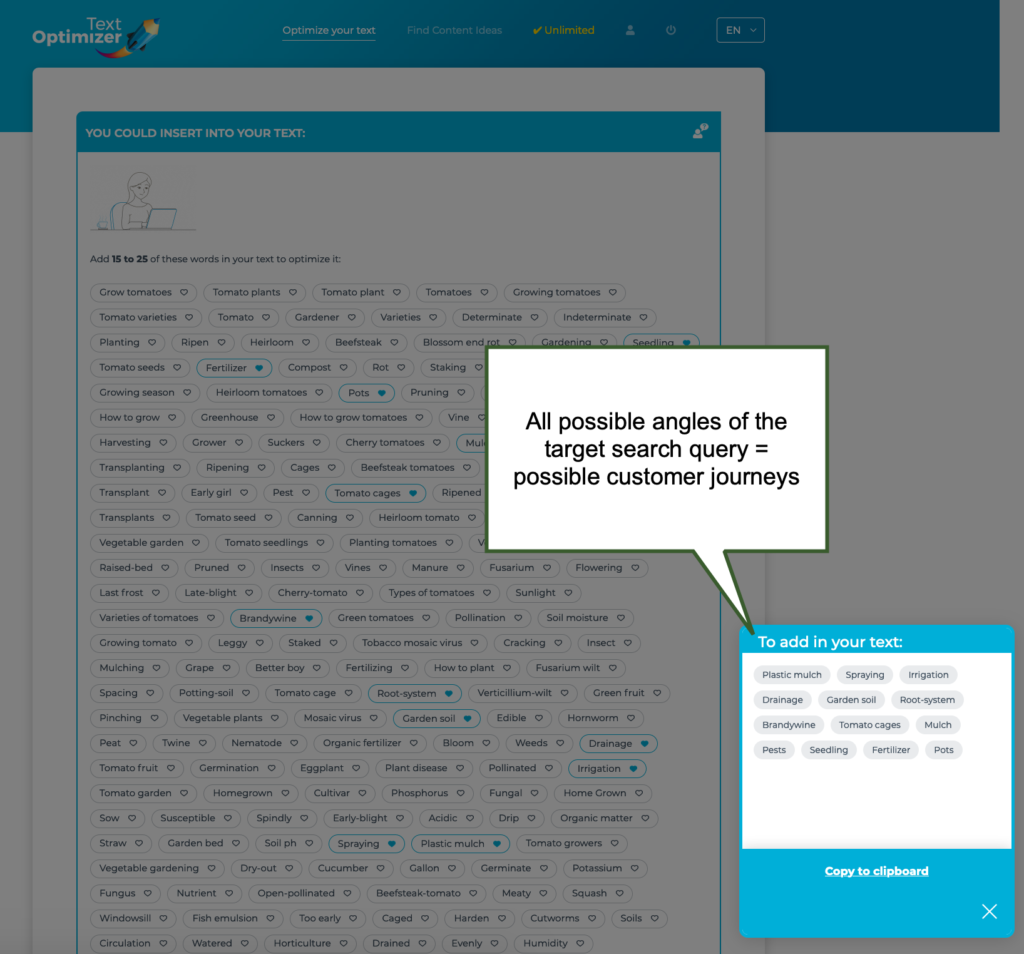
Whether your landing (i.e. product) page relies on organic traffic or not, using search intent to drive your copy creation is a good idea. Semantic-analysis-driven search intent analysis is the only method we have to predict customers’ expectations prior to being able to analyze the actual user on-site behavior.
Semantic analysis will help you understand your customers’ journeys better:
What is it they may be looking for and where may their research take them?
Which products may they also be interested in?
How to catch their attention better?
All of these questions can be answered by semantic research. Text Optimizer is the easiest tool to use here: It will grab Google’s search snippets returned for your target search query and return underlying concepts that will help you create a better-targeted copy or copies:
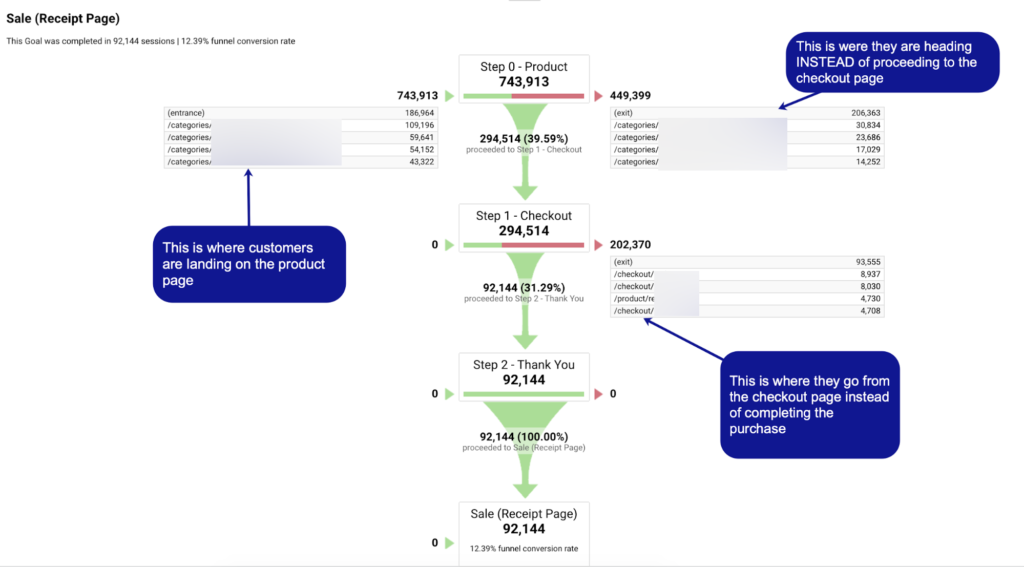
Finally, monitoring your sales funnel is a must, obviously. While conversion monitoring is not usually included in SEO metrics, most SEO analytics platforms can provide sales funnel analysis. As such, Google Analytics provides a comprehensive conversion tracking that includes sales funnel visualization.
To start, use this guide to set up conversion tracking in your Google Analytics
Then, proceed to Conversions -> Goals -> Funnel Visualizations to analyze your sales funnel:
Source: Screenshot from Google Analytics, March 2021
Google Analytics will show where your customers are heading instead of completing their buying journeys.
Don’t forget the basics!
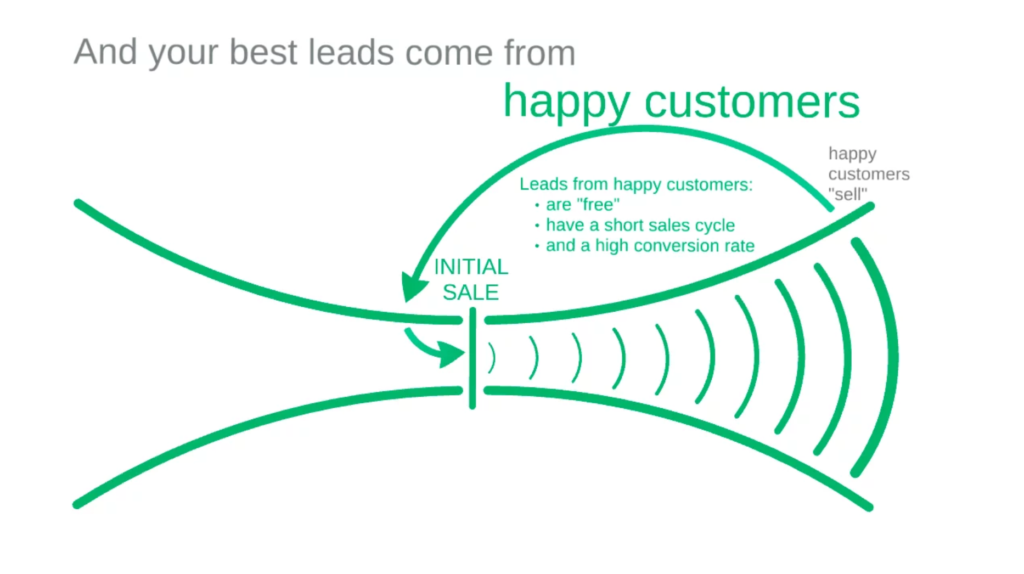
Fundamentally, it all comes to providing a user experience that customers want to return to. That being said, the more happy customers, the better!
Innovation is an integral part of digital marketing. Global lockdowns have changed shopping behaviors dramatically and increased demand for digital transformation and innovation. Hopefully, the five steps above will help you make your ecommerce sales funnel more effective.
Ann Smarty is the Brand and Community manager at InternetMarketingNinjas.com. She can be found on Twitter @seosmarty.
Google is reportedly promising that it will change its research review procedures this year in its AI division in an apparent bid to restore employee confidence in the wake of two high-profile firings of prominent women from the division.
Reuters obtained a recording from an internal meeting this month in which Google Research executives promised to better address “sensitive topics” and research critical of Google’s own business operations.
By the end of the second quarter, the approvals process for research papers will be more smooth and consistent, division Chief Operating Officer Maggie Johnson reportedly told employees in the meeting. Research teams will have access to a questionnaire that allows them to assess their projects for risk and navigate review, and Johnson predicted that a majority of papers would not require additional vetting by Google.
Johnson also said the division is bringing in a third-party firm to help it conduct a racial-equity impact assessment, Reuters reports, and she expects the assessment’s recommendations “to be pretty hard.”
Departures
Google landed in hot water in December over its abrupt firing of Timnit Gebru, a widely respected researcher who had been co-head of Google’s AI ethics team. Gebru co-authored a research paper that looked at the potential risks for bias in large-scale natural language modeling. The paper analyzed not only the social risks of such work—including unintentionally perpetuating racism and bias—but also some physical risks, such as increased energy usage that could exacerbate the climate crisis.
People above Gebru in the chain at Google blocked her from publishing the paper, instead asking her to retract it or remove her name. She declined, and she sent an internal email to the team describing the decision as part of a pervasive attitude inside Google to silence marginalized voices, including women and people of color. (Gebru is Black.)
Co-author Emily Bender told the Financial Times at the time, “From the outside, it looks like someone at Google decided this was harmful to their interests.” Gebru was gone from the company within days.
Gebru’s firing was contentious among Google employees from the moment it happened. Many of the workers who launched a union drive inside the company in January cited its handling of Gebru and her firing as a last straw.
On top of that, Google last week abruptly fired Margaret Mitchell, who jointly led the ethics team with Gebru for about two years. Mitchell was also a co-author with Gebru on the paper that led to Gebru’s firing, and she published an open letter in support of Gebru at the time.
The paper (PDF) that prompted the departures has since been made public with both Gebru and “Shmargaret Shmitchell” listed among the authors.
https://arstechnica.com/?p=1745099
The Panda anniversary and what we desperately must remember about search
30-second summary:
This week marks the 10 year anniversary of Google’s landmark web quality algorithm Panda
It was a seminal moment for the SEO industry with 12% of US sites being targeted for poor quality and manipulative optimization practices
Despite removing much of the worst black-hat tactics SEO is still hasn’t lived up to its experiential potential ten years on
Many clients and practitioners still use outdated language and practices to position the value of Search in this vastly more mature marketing landscape
To escape this pre-Panda legacy SEO needs to take the best of its constituent parts and shape a new customer-centric Search future once and for all
I was recently notified of a significant work anniversary which transported me back in time to the turbulent start of my SEO career just over 10 years ago. I was prompted to reflect on the industry I love, where it continues to fall short, and ultimately where I see it going. This professional milestone closely corresponded with what was a seminal event for the immature SEO business. On February 24th, 2011 the ‘Death Star’ took aim, and with a typically understated Tweet from the Head of Google’s Web Spam team, Matt Cutts confirmed it. Google had launched its landmark web quality algorithm that would forever be known as Panda.
Google just launched a new algorithmic ranking change. Here’s the blog post: http://goo.gl/J1e0a
The day of reckoning had arrived for an industry that tied their client’s lucrative search fortunes to a house of cards built on the spammy and manipulative best practices that had become SEO’s calling card. Thin, duplicate and often stolen content was accompanied by on-site keyword stuffing and obvious over-optimization. This might have gamed the rankings for a time but provided little value to the users who bounced en masse giving Google a solid signal that many sites deserved an algorithmic slapdown.
What exactly happened in 2011 with Panda?
In what was a relatively short rollout, around 12% of US search queries were affected and the target of the rollout was poor quality sites relying way too heavily on content farms and directories to fabricate their popularity in search.
Shell-shocked webmasters stared at their Analytics dashboards like Wall Street traders on Black Monday, watching in disbelief as their search share plummeted and asked, “What do we do now?”
At the time, I was simply a fledgling Search Executive with a mere nine months’ industry experience under my belt, with the only thing protecting me from this fallout being the founders of our agency. As a start-up, luckily we were free and clear of this mess as they had seen the writing on the wall long before.
SEO was dead, or so we thought, and a new age of experience was dawning. We looked on as Rome burned.
But, despite its obituary being cynically written every year since SEO refused to die. At the time, practitioners paid lip service to profound change but were far too invested in their ways of operating, and clients, although badly burned, were addicted to the quick wins the hackers of the algorithm had peddled. And so, the dance went on.
Was Panda a missed opportunity for the industry?
Yes Panda, and its sister link-spam algorithm Penguin, had a profound effect and removed the absolute worst of the worst black-hat practices but a significant proportion of the industry simply did their best to clean up the mess they’d created – often charging clients to take out their own trash so to speak – and so the probing began for what was the new acceptable minimum you needed to meet in order to get your site ranking once again.
“Is 300 words enough now?”
“How many keywords can I get away with using without angering Google?”
“How much content do I need to change for it to be considered unique, will 60% do it?”
This mentality of chasing the ever-evolving algorithmic goalposts is the continued failure of many in the industry who still largely prefer to please bots ahead of delivering real value for users.
I’m not meaning to preach, my hands aren’t squeaky clean and these tactics do have a use but it’s a belief gaining momentum that they should not be allowed to ride roughshod over both brand and UX. I was lucky enough to have been scared straight from the start, firmly putting my focus on how to drive real value to the consumer, building great experiences, authority, and trust.
Panda’s pain is still real
This is the Jackal and Hyde reputation the industry has suffered through ever since. The straightest of strait-laced operators – who see search as a powerful and useful customer touchpoint, are tarnished with the same brush as the sketchiest of spammers and scammers who are still alive and well within the industry.
Their presence diminishes the overall value of search and can create a race to the bottom kind of mentality. Clients who are still sore with the industry ten years on sometimes expect “old-school” results without being willing to invest in long-term value – ironically because they’re terrified of being burned again by another update.
It’s crazy but it’s true, I’m still having these conversations on a basis that is more than is reasonable and it is because the discipline is haunted by the original sins of its birth.
It goes without saying that I want to scream every time I hear the words:
“Can you do some quickSEO for me?”
“I’d love it if you could build us some cheap links?”
“Can you just get rid of this negative article from Google for me?”
“Just tell me what keywords I should use!”
All with the retort of,
“… it will cost what?! I found a guy online who’ll do it for peanuts”.
The damage has been done and this is the cross that SEO has to bear, but is there a way to move out of the long shadow cast by a decade-old catastrophe?
The answer is resounding, “yes!” but we need to meet the revolutionary promise we made in 2011 and we desperately need to stop talking just about SEO and reposition the value of search.
What does our SEO past mean for our search future?
First let’s start with the term itself, what it means to clients and how it needs to be repositioned. SEO is a collection of data-driven tactics which are often seen as a cure-all by clients, a channel unto itself, this it is not.
Despite sitting at the critical crossroads of web development, content, and PR, SEO is far too often a siloed activity that does not play nicely with other marketing disciplines, even separated in mind and budget from its closest counterpart SEM.
Instead, we need to be evaluating search, not SEO, as a valuable driver in a customer’s path to purchase and how it can facilitate discovery, consideration, and purchase, driving an overall brand experience.
The reason SEO too often operates in a vacuum is that historically it’s far less complicated to manage and measure in isolation. But the impact and delivery of search should be more dynamic and incorporated across marketing departments as you can see above or agencies with the constituent tactics of SEO being greater as part of the search.
It’s fair to say that the Panda SEO ripples from 10 years ago have not yet matured nearly as quickly as the dynamic marketing ecosystem that’s grown up around it. 10 years ago, rich media, mobile and social media weren’t yet huge drivers or mediums, also with the arrival of personalized email and marketing automation being relatively new on the scene too.
Google has evolved well beyond its blue link roots providing a valuable blended search experience featuring products, local results, answers, reviews, news, video and is powered by advanced AI which actually understands user intent and voice searches.
Search is no longer the one-dimensional digital bottleneck it once was and consumers hold the power to choose how they interact with brands and follow the path that’s most convenient for them, not one that’s engineered by SEO alone.
Remember, people will always do what’s right for them.
Three considerations for how search should learn from SEO’s past
1. Put the customer first
A customer-centric approach is a given in most marketing disciplines but a lot of people in the SEO community did not seem to get the memo.
Instead of talking about search share and obsessing about the ranking opportunities we need to focus on, try to refocus the lens on what the customer feels, wants, and needs as the foundation of an experiential strategy from which, not only search will be the tactic it delivers on.
Beyond the implied minimum of a technically sound site, we need to put a greater emphasis on analyzing search behavior, not just keywords, to provide the customer with the right information at the moments that matter in their journey.
Marketing teams need to be asking themselves, “why?” more often and for search the answer needs to be, “because it’s what’s best for the customer”.
2. Change the tone and vocabulary
These points all have one thing in common in that we need to try and move away from the acronyms, verbiage, and lingo that was coined in a non-customer-centric world and based on optimization rather than value.
This will be one of the hardest things to move away from as so many veterans wear SEO as a badge of honor and clients will more than struggle to learn a new way of referring to a discipline they still don’t fully understand.
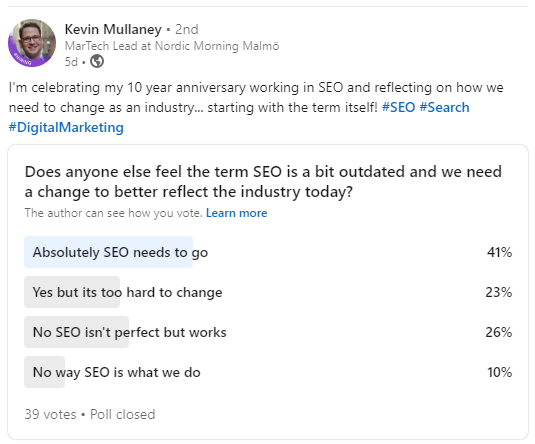
Obviously, I don’t have all the answers here, so from a quick poll I ran on LinkedIn, I wanted to gauge other industry opinions on this divisive topic.
As you can see, even from this small pool of 39 people in my marketing network, there are almost half of them who also sense that there is a problem but either feel that the hill is too high to climb or that the problem is there but can continue to be ignored. The conversation continues.
3. Create don’t build
Just showing up in the right search simply isn’t good enough and we know that we need to move away from the mentality of building SEO-optimized content and links as simply a means to an end.
Search data should inform what kind of content people are looking for and also what they like to consume but owned branded content should not be the playground of optimization. There aren’t any shortcuts to creating great user experiences or content that is genuinely useful and deserving of press but you can use search data to make valuable decisions.
Search as a collaborative marketing discipline will win the day.
The final conclusion to all of this is that search holds extreme value but the industry still is not living up to its full potential because of the ghosts of its pre-Panda past.
The long-term beneficiaries of SEO will be those who can effectively rip it apart and piece it back together in everything marketing teams do, which is no easy feat.
If we educate the experience makers, everyone from the copywriter to the PR director, the developer to UX designer on the beneficial insights that search teams can provide then a new paradigm can be born.
Then, and only then, can SEO finally be put out to stud and enjoy the retirement it so desperately deserves.
Kevin Mullaney is MarTech Lead at Nordic Morning’s Malmö office. Kevin has over 12 years’ experience working with large global brands at established digital consultancies. A veteran of the SEO industry Kevin has been a speaker at BrightonSEO and other industry events and now leads the MarTech and Media team at Nordic Morning’s Malmö office in Sweden.
The AI research paper was real. The “co-author” wasn’t
Getty Images
David Cox, the co-director of a prestigious artificial intelligence lab in Cambridge, Massachusetts, was scanning an online computer science bibliography in December when he noticed something odd—his name listed as an author alongside three researchers in China whom he didn’t know on two papers he didn’t recognize.
At first, he didn’t think much of it. The name Cox isn’t uncommon, so he figured there must be another David Cox doing AI research. “Then I opened up the PDF and saw my own picture looking back at me,” Cox says. “It was unbelievable.”
It isn’t clear how prevalent this kind of academic fraud may be or why someone would list as a co-author someone not involved in the research. By checking other papers written by the same Chinese authors, WIRED found a third example, where the photo and biography of an MIT researcher were listed under a fictitious name.
It may be an effort to increase the chances of publication or gain academic prestige, Cox says. He says he has heard rumors of academics in China being offered a financial reward for publishing with researchers from prestigious Western institutions.
Whatever the reason, it highlights weaknesses in academic publishing, according to Cox and others. It also reflects a broader lack of rules around the publishing of papers in AI and computer science especially, where many papers are posted online without review beforehand.
“This stuff wouldn’t be so harmful if it didn’t undermine public trust in peer review,” Cox says. “It really shouldn’t be able to happen.”
Cox, who directs the MIT-IBM Watson AI Lab, a collaboration that explores fundamental challenges in AI, was credited as a co-author on two papers in the niche journal Cluster Computing. One paper concerned a machine-learning method for protecting mobile networks from cyberattack; another outlined a networking scheme for a smart transportation system in Macau.
The paper identified by WIRED, about another smart transportation project, listed as one author “Bill Franks,” allegedly a professor in MIT’s electrical engineering department. There is no Bill Franks in MIT’s electrical engineering department. The paper, which appeared in IEEE Transactions on Industrial Informatics, showed a bio and photograph for a real MIT professor, Saman Amarasinghe, alongside the bogus name. Amarasinghe did not respond to requests for comment via email and an MIT spokesperson.
“The article in question has been retracted”
All three papers have since been retracted, and the publishers say they are investigating. But Cox was angered that the journals would publish something so obviously fake in the first place. He says IEEE quickly retracted the paper listing Bill Franks.
“Our investigation found evidence of a violation of IEEE’s policies, and, in accordance with our editorial procedures, the article in question has been retracted,” says Monika Stickel, director of corporate communications and brand marketing at IEEE.
But Cox says it wasn’t until he threatened legal action that Springer Nature, the publisher of Cluster Computing, removed his name from the two papers and issued a retraction. He was told that the journal had received an email confirming him as an author, although that came through a Hotmail address.
“The fundamental challenge that we face is that publishing has, for decades, functioned based on trust,” says Suzanne Farley, research integrity director at Springer Nature. “Unfortunately, it has become clear that there are some individuals and groups who are intent to deceive and abuse this trust, as well as cases in which there are honest mistakes and misunderstanding.”
Farley says sometimes academics do not use an institutional email address, in which case efforts are made to confirm that the address and the author are legitimate.
According to Retraction Watch, a website that tracks cases of academic fraud, one of the Chinese authors, Daming Li, a researcher affiliated with the City University of Macau, blamed the situation on a junior author, Xiang Yao, who is affiliated with a company Zhuhai Da Hengqin Science and Technology Development. Li told the publication that Yao added Cox’s name after “listening to his good ideas” and said the researcher had been fired. Li and Yao did not respond to emailed requests for comment.
Ruixue Jia, a professor at UC San Diego who has studied Chinese academia, says the authors may have wanted to “fake some international collaboration, which is often encouraged by universities.”
“Fabricating the appearance of scholarly dialog”
In an earlier example of academic fraud, more than 1,000 papers were retracted between 2012 and 2015 because one or more of the peer reviewers turned out to be fake, according to Retraction Watch.
Cox says the incident shows how poor the quality of some published academic work is. “In some sense, I think what happened to me was the system working ‘as it should,’” he says. “The whole thing is about fabricating the appearance of scholarly dialog.”
Brent Hecht, a researcher at Microsoft and Northwestern University who focuses on ethical issues around computer science, says the lax approach is broader. Many papers are first published without peer review on arXiv, a server where researchers can read the latest work. He notes that without peer review the affiliations of authors on these papers can serve as a proxy for legitimacy and quality. “Science works on an economy of credit, so when credit is improperly assigned or gained, everyone loses,” Hecht says.