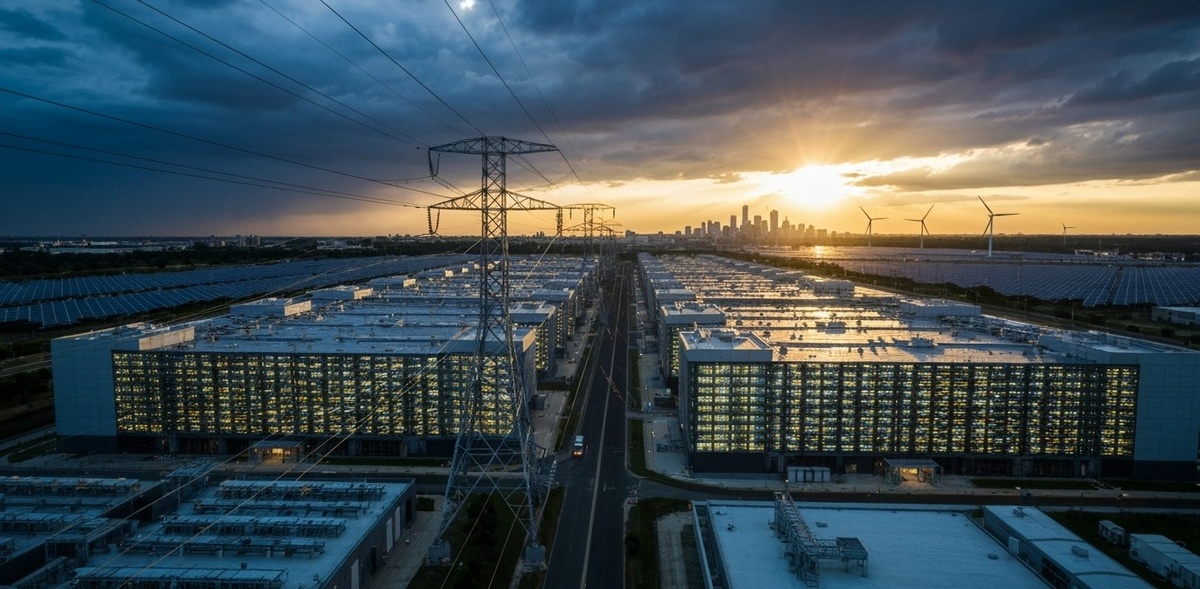
With new plugins feature, OpenAI officially takes Codex beyond coding

OpenAI has added plugin support to its agentic coding app Codex in an apparent attempt to match similar features offered by competitors Anthropic (in Claude Code) and Google (in Gemini’s command line interface).

What OpenAI calls “plugins” are actually bundles that may include skills (“prompts that describe workflows to Codex”—a standard feature in tools like this these days), app integrations, and MCP (Model Context Protocol) servers.

The idea is that they make it possible to configure Codex in certain ways for specific tasks to be easier for the user and replicable across multiple users in an organization.

By and large, they don’t enable anything that wasn’t possible before. Power users could already introduce custom instructions, use MCP servers, and so on to create much of this functionality. But in this case, it’s basically a one-click installation.

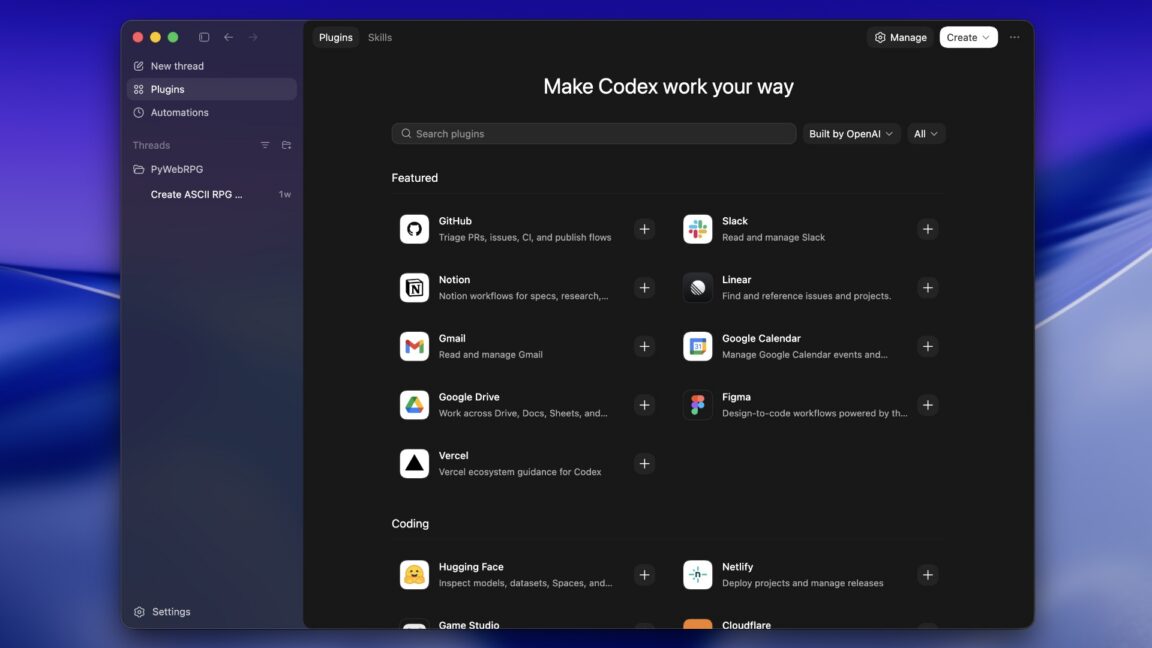
There’s now a Plugins section in the Codex app that takes users to a searchable library of plugins meant to allow Codex to integrate tightly with some external service or application—examples include GitHub, Gmail, Box, Cloudflare, and Vercel.

https://arstechnica.com/ai/2026/03/openai-brings-plugins-to-codex-closing-some-of-the-gap-with-claude-code/


Hegseth, Trump had no authority to order Anthropic to be blacklisted, judge says

They accused Anthropic of trying to use the DoW dispute to spin up positive press, and Trump joined the chorus. On Truth Social, he labeled Anthropic a “radical left, woke company,” allegedly putting their “selfishness” above national security. Following Trump’s post, Hegseth took to X, writing that “Anthropic delivered a master class in arrogance and betrayal as well as a textbook case of how not to do business with the United States Government or the Pentagon.”

In both posts, officials claimed that orders to blacklist Anthropic were effective immediately, but neither cited what authority they had to do so.

During oral arguments, a government lawyer later admitted that “he was not aware of any statute that gave Secretary Hegseth the authority to issue such a prohibition and agreed that the statement had ‘absolutely no legal effect at all,’” Lin wrote. Further, “when asked why Hegseth made a public statement that had no legal effect and that did not reflect the immediate intent of DoW, counsel stated, ‘I don’t know.’”

Perhaps most glaringly, Hegseth seemed to contradict himself when arguing that Anthropic at once “presented a grave threat to national security” requiring a supply-chain risk designation and also “Anthropic was essential to national security” and could be compelled to provide services under the Defense Production Act.

The only reason that the government gave for labeling Anthropic a national security risk was that the company could supposedly update their products and compromise systems. They claimed that Anthropic would be motivated to sabotage the military as retaliation for the directives.

But Lin didn’t find that likely, either, since any other IT provider could potentially introduce the same risks. More importantly, Anthropic showed unrebutted evidence that it would be impossible to force updates or otherwise control the government’s systems. To the judge, any national security risk could be foreclosed by simply ending the military’s contract with Anthropic, which Anthropic had already agreed would be understandable.

https://arstechnica.com/tech-policy/2026/03/hegseth-trump-had-no-authority-to-order-anthropic-to-be-blacklisted-judge-says/


“Contro Anthropic un caso di ritorsione”, la sentenza di un giudice federale nel caso Amodei-Trump

“Orwelliano” e privo di fondamento il tentativo del Pentagono di mettere al bando Anthropic, la sentenza di San Francisco

Gli Stati Uniti dimostrano sempre di essere un grande Paese, sento dire da più parti. Ci sono numerosi motivi per non crederci fino in fondo, basta seguire l’attualità, ma certo non possiamo dire che non sorprendono a volte. Un giudice federale della California ha sospeso le sanzioni imposte dall’amministrazione Trump ad Anthropic, affermando che i provvedimenti governativi probabilmente erano illegali, in quanto avevano inserito la società proprietaria del chatbot di AI Claude nella lista nera solo per aver espresso preoccupazione per l’utilizzo della sua tecnologia da parte del Pentagono.

“Nessuna disposizione di legge in materia avvalora l’idea orwelliana che un’azienda americana possa essere etichettata come potenziale avversaria e sabotatrice degli Stati Uniti per aver espresso dissenso nei confronti del governo”, ha scritto il giudice di San Francisco Rita F. Lin, nel provvedimento di 43 pagine in cui di fatto accoglieva la richiesta di Anthropic di un’ingiunzione preliminare nella sua causa contro il governo, congelando un ordine presidenziale che vietava a tutte le agenzie federali e in particolare al Dipartimento della Guerra di utilizzare la tecnologia di Anthropic.

La sentenza, infatti, sospende anche la designazione da parte del Pentagono di Anthropic come azienda a rischio per la catena di approvvigionamento della sicurezza nazionale, un’etichetta solitamente riservata alle organizzazioni provenienti da paesi stranieri ostili.

“Siamo grati al tribunale per la rapidità con cui ha agito e siamo lieti che concordi sul fatto che Anthropic abbia buone probabilità di successo nel merito“, ha dichiarato un portavoce dell’azienda.

Trump ha violato il Primo emendamento, la sua è ritorsione

La corte ha quindi “temporaneamente” bloccato il bando imposto dall’amministrazione Trump, che impediva alle agenzie federali di utilizzare la tecnologia di Anthropic (inclusa l’AI Claude), evidenziando che tale misura sembra essere una ritorsione per le critiche pubbliche mosse dall’azienda e una palese violazione del diritto di libertà di espressione tutelato dal Primo Emendamento.

I documenti del tribunale indicano inoltre che la mossa era principalmente una risposta alla riluttanza dell’azienda a collaborare su specifici usi militari dell’AI, piuttosto che una reazione a minacce concrete di sabotaggio.

La sentenza non obbliga certo il Dipartimento della Guerra ad usare Claude o altre soluzioni AI di Anthropic, ma sospende l’etichetta di entità ostile per la supply chain, che è un giudizio pesantissimo per una società di questo livello.

Insomma, si è trattato di pura ritorsione da parte dell’amministrazione Trump con la società di Dario Amodei. Il giudice ha scritto nero su bianco che “queste misure sembrano concepite per punire Anthropic”.

Si sancisce che se il governo può scegliere di non utilizzare una determinata tecnologia, allo stesso tempo non può abusare dei propri poteri per penalizzare un’azienda statunitense solo per il suo dissenso.

Lo stesso CEO di Anthropic, Amodei, aveva definito la decisione di Trump “ritorsione e punizione” ingiustificata, mentre il rifiuto di dare seguito alle richieste del segretario del Dipartimento della Guerra, Pete Helseth, di rendere l’AI disponibile senza restrizioni per sorveglianza di massa e applicazioni di guerra, rientrano nel diritto di critica al proprio Governo.

Violato il Primo emendamento

“Questo provvedimento cautelare preliminare affronta in modo approfondito alcune questioni classiche, ovvero garantire che non vi siano ritorsioni contro un’azienda o un individuo per aver esercitato i propri diritti sanciti dal Primo Emendamento, e assicurare che, quando vengono prese decisioni così importanti, potenzialmente in grado di paralizzare un’attività commerciale, vengano rispettate le procedure previste“, ha spiegato a npr.org Jennifer Huddleston, ricercatrice senior in politica tecnologica presso il Cato Institute, un think tank libertario.

Il Governo americano ha una settimana di tempo per impugnare la sentenza di San Francisco davanti alla Corte d’Appello del Ninth Circuit, una delle 12 corti d’appello federali statunitensi, posizionata subito sotto la Corte Suprema. È la più grande e geograficamente estesa tra le corti d’appello federali coprendo California, Arizona, Nevada, Oregon, Washington, Idaho, Montana, Alaska, Hawaii, e i territori di Guam e Isole Marianne Settentrionali.

Leggi le altre notizie sull’home page di Key4biz

https://www.key4biz.it/contro-anthropic-un-caso-di-ritorsione-la-sentenza-di-un-giudice-federale-nel-caso-amodei-trump/560692/


Cloud sovrano è corsa globale: capacità oltre 16.000 MW entro il 2035

Cloud infrastrutture strategica, cresce la capacità ma anche l’esigenza della governance

La domanda globale di soluzioni di sovereign cloud è destinata a crescere in modo esponenziale nel prossimo decennio, riflettendo un cambio di paradigma nelle strategie digitali di governi e grandi organizzazioni. Secondo le ultime stime di ABI Research, la capacità IT attiva nei data center sovrani passerà dai 3.127 MW del 2025 a oltre 16.000 MW nel 2035. Ancora più marcata la crescita della capacità disponibile, che salirà da 4.455 MW a più di 24.000 MW, mentre la capacità complessiva installata (“under the roof”) raggiungerà i 34.212 MW, rispetto ai 6.400 MW attuali.

Numeri che raccontano una trasformazione profonda: il cloud, da semplice leva di efficienza tecnologica, diventa sempre più un’infrastruttura critica, al centro delle politiche industriali e di sicurezza nazionale. Il concetto di sovereign cloud si inserisce esattamente in questo contesto. Non si tratta soltanto di localizzare i dati entro confini geografici, ma di garantire che l’intero ciclo di vita delle informazioni — dalla conservazione all’elaborazione — resti sotto il controllo giuridico, normativo e operativo di uno Stato o di un’area regolatoria.

In termini concreti, significa assicurare che dati sensibili, applicazioni strategiche e sistemi digitali fondamentali non siano esposti a normative extraterritoriali, accessi non autorizzati o pressioni geopolitiche. Una questione che riguarda direttamente settori chiave come sanità, finanza, energia e pubblica amministrazione, sempre più dipendenti da infrastrutture cloud per il loro funzionamento quotidiano.

Il controllo dei dati, centrale ridurre le dipendenze dai fornitori esteri

La spinta verso il cloud sovrano è alimentata da un contesto internazionale caratterizzato da crescenti tensioni geopolitiche, dall’uso sempre più frequente di strumenti economici e tecnologici come leve di pressione e da un aumento significativo delle minacce cyber. In questo scenario, il controllo dei dati si configura come un elemento essenziale della sovranità nazionale, al pari delle infrastrutture fisiche o delle risorse energetiche.

Un altro fattore determinante è la forte concentrazione del mercato del cloud nelle mani di pochi grandi operatori globali. Se da un lato questi garantiscono scalabilità e innovazione, dall’altro pongono interrogativi rilevanti in termini di dipendenza tecnologica e di esposizione a normative straniere. Da qui la crescente attenzione, soprattutto in Europa e nell’area Asia-Pacifico, verso modelli di cloud che combinino le capacità industriali degli hyperscaler con requisiti stringenti di sovranità e controllo locale.

L’evoluzione del mercato seguirà, secondo ABI Research, una traiettoria articolata. Nel breve periodo (2025-2026) saranno soprattutto l’aumento dei rischi cyber e le tensioni internazionali a spingere investimenti nella capacità disponibile e nelle infrastrutture necessarie a sostenere carichi ad alte prestazioni, in particolare per l’intelligenza artificiale e l’addestramento dei modelli linguistici. In questa fase, la crescita della capacità attiva sarà più contenuta, mentre governi e imprese lavoreranno alla definizione di requisiti e standard di sovranità.

Tra il 2027 e il 2031 si assisterà a una fase di accelerazione, favorita da un quadro normativo più chiaro e da una maggiore maturità operativa. I progetti sovereign entreranno pienamente in produzione e il divario tra capacità installata e utilizzata tenderà a ridursi, pur mantenendo gli hyperscaler un ruolo dominante, seppur in configurazioni più regolamentate e integrate con le esigenze locali.

Più attenzione a efficienza energetica e ottimizzazione delle risorse

Dopo il 2033, la crescita è destinata a rallentare, non tanto per una diminuzione della domanda quanto per vincoli strutturali legati alla disponibilità energetica, ai limiti fisici dei siti e all’aumento dei costi. In questa fase, l’attenzione si sposterà sull’efficienza, sull’ottimizzazione delle risorse e su infrastrutture sempre più specializzate.

Nel complesso, la traiettoria delineata evidenzia come il sovereign cloud sia destinato a diventare un elemento cardine delle politiche di autonomia strategica. In un contesto segnato da incertezza e competizione tra sistemi tecnologici, la capacità di controllare e proteggere i propri dati rappresenta non solo un vantaggio competitivo, ma una condizione necessaria per garantire sicurezza, resilienza e continuità operativa nel lungo periodo.

Leggi le altre notizie sull’home page di Key4biz

https://www.key4biz.it/cloud-sovrano-e-corsa-globale-capacita-oltre-16-000-mw-entro-il-2035/560685/


Senators want US energy information agency to monitor data center electricity usage

Utilities are privy to information about energy use from data centers in their region; they use that information to forecast growth. But data centers will often shop around to different utilities, which, experts say, causes utilities to double-count projects and forecast “phantom” growth—data centers that will never be built in their region. The CEO of Vistra, a retail electricity company, said during its first quarter earnings call last year that utilities may be inflating electricity demand anywhere from three to five times beyond what is actually needed.

In December, EIA Administrator Tristan Abbey said at a roundtable that he expects the EIA “is going to be an essential player in providing objective data and analysis to policymakers” with respect to data centers. The agency announced on Wednesday that it would be conducting a voluntary pilot program to collect energy consumption information from nearly 200 companies operating data centers in Texas, Washington, and Virginia, which will cover “energy sources, electricity consumption, site characteristics, server metrics, and cooling systems.”

While the senators praise the EIA pilot program, their letter includes several questions about how the agency plans to move forward with more data collection, such as whether or not the energy surveys will be mandatory and whether or not the EIA will collect information on behind-the-meter power. This information will be especially crucial, the senators say, to make sure that Big Tech companies that signed the agreement at the White House earlier this month pledging that consumers won’t bear the costs of data center electricity use will stick to their promises.

“Without this data, policymakers, utility companies, and local communities are operating in the dark,” the senators write.

The EIA mandates that other industries, including oil and gas and manufacturing, provide regular data to the agency; Hawley and Warren assert that the EIA should be able to collect similar information from data centers under the same provision. The provision is broad enough, Peskoe says, that it could absolutely be interpreted to encompass data centers.

The letter comes amid widespread concern in Washington and around the country over data center development. On Wednesday, Senator Bernie Sanders introduced a bill that would introduce a national moratorium on data center construction and development until AI safety laws were passed. The same day, Democratic Senator Dick Durbin introduced a bill to mandate data centers disclose their energy and water use. And state legislatures have brought forth hundreds of data center bills, with at least a dozen states considering a moratorium on construction altogether.

This story originally appeared on wired.com.

https://arstechnica.com/tech-policy/2026/03/senators-want-us-energy-information-agency-to-monitor-data-center-electricity-usage/


Cloud. Spesa globale in infrastrutture stimata a +30% nel 2026, ma cresce l’opposizione politica ai data center negli USA

Gli investimenti in infrastrutture cloud su scala mondiale aumentati del 30% nel 2025 e rimarranno sostenuti anche per il 2026. Guida l’AI

Il mercato globale delle infrastrutture cloud continua a correre senza freni, trainato da una nuova ondata di domanda legata all’intelligenza artificiale (AI). Ma mentre i grandi operatori accelerano gli investimenti per sostenere questa crescita, negli Stati Uniti, da sempre il cuore pulsante dell’industria, emergono tensioni politiche e sociali sempre più evidenti, legate all’impatto ambientale ed energetico dei data center.

Secondo le ultime stime di Omdia, la spesa globale per i servizi di cloud infrastructure ha raggiunto i 110,9 miliardi di dollari nel quarto trimestre del 2025, con una crescita annua del 29%. Un dato che non solo conferma la solidità del settore, ma segna anche il sesto trimestre consecutivo con un’espansione superiore al 20%. La previsione per il 2026 resta altrettanto sostenuta: +27/30% su base annua.

A guidare questa dinamica è il passaggio dell’intelligenza artificiale dalla fase sperimentale alla piena adozione operativa. Non si tratta più soltanto di addestrare modelli, ma di integrarli nei processi aziendali, nei flussi di lavoro e nei sistemi informativi. Questo richiede infrastrutture cloud sempre più scalabili, orchestrabili e governabili.

Accelerano Google e Microsoft sul mercato mondiale, Amazon spinge sugli investimenti: è sempre l’AI a guidare la corsa della spesa

I numeri dei principali hyperscaler raccontano bene questa trasformazione. Amazon Web Services mantiene la leadership con una quota di mercato del 32% e una crescita del 24%. Microsoft Azure accelera al 39%, mentre Google Cloud segna un impressionante +50%, consolidando la propria posizione come terzo player globale. Tutti e tre registrano backlog in forte aumento, segnale di una domanda che non accenna a rallentare.

Parallelamente, gli investimenti stanno crescendo a ritmi senza precedenti. AWS prevede una spesa in conto capitale di 200 miliardi di dollari nel 2026, oltre il 50% in più rispetto al 2025. Microsoft ha già toccato i 37,5 miliardi in un solo trimestre, mentre Google punta a un range compreso tra 175 e 185 miliardi, più del doppio rispetto all’anno precedente.

Questa corsa agli investimenti è alimentata da un cambiamento strutturale: l’AI non richiede più solo GPU, ma un ecosistema completo di calcolo, storage e networking. In altre parole, ogni applicazione intelligente diventa un moltiplicatore di domanda infrastrutturale.

Cresce negli USA l’opposizione politica ai data center AI, infrastrutture spesso riconosciute come “estrattive”

È proprio negli Stati Uniti, dove questa espansione è più intensa, che emergono le contraddizioni più forti. La costruzione di nuovi data center, spesso giganteschi e ad alta intensità energetica, con un non trascurabile impatto ambientale e sociale, sta incontrando una crescente resistenza da parte delle comunità locali.

Il tema non è solo ambientale, ma anche economico e sociale: consumo di acqua, pressione sulle reti elettriche, impatto sul territorio e benefici percepiti spesso limitati per le popolazioni residenti. In molti casi, i data center vengono percepiti come infrastrutture “estrattive”, che utilizzano risorse locali per alimentare servizi globali.

Queste tensioni sono state raccolte anche a livello politico. Il senatore Bernie Sanders e la deputata Alexandria Ocasio-Cortez hanno annunciato una proposta di legge (l’Artificial Intelligence Data Center Moratorium Act) che punta a sospendere a livello nazionale la costruzione di nuovi data center dedicati all’AI, almeno fino all’introduzione di solide normative federali.

La proposta prevede che ogni nuova infrastruttura venga bloccata finché non saranno garantite tutele per lavoratori e consumatori, salvaguardie ambientali e protezioni dei diritti civili. Un’iniziativa che rappresenta una delle posizioni più radicali emerse finora nel dibattito statunitense sull’intelligenza artificiale.

Una frattura politica e industriale

Il confronto è destinato a intensificarsi. Da un lato, le Big Tech sostengono che senza un’espansione rapida delle infrastrutture sarà impossibile sostenere la competitività americana nell’AI. Dall’altro, cresce la pressione per regolamentare un settore che consuma quantità crescenti di energia in un contesto già critico per la transizione climatica.

La questione energetica, in particolare, sta ridisegnando gli equilibri politici. Il fabbisogno dei data center per l’AI è tale da mettere sotto stress le reti elettriche regionali, spingendo alcuni Stati a rivedere piani di sviluppo e autorizzazioni. Non a caso, il tema sta diventando trasversale agli schieramenti, con preoccupazioni che vanno oltre le tradizionali divisioni ideologiche.

Nel 2024 i data center USA hanno consumato circa 180–200 TWh di elettricità, pari a circa il 4–4,5% del consumo nazionale totale, più di quanto serva a un paese come il Pakistan o la Thailandia, ma entro il 2030 questo consumo potrebbe salire a tra 400 e 500 TWh, ossia fino a 8–11% dell’elettricità USA.
In questo scenario, i data center assorbirebbero circa metà della crescita della domanda elettrica dell’intero Paese a fine decennio.

Nel frattempo, anche la competizione tra cloud provider si sposta sempre più verso il livello applicativo. Non basta più offrire capacità computazionale: la vera differenza si gioca sulle piattaforme per agenti AI, sulla governance degli strumenti e sulla capacità di integrare modelli e dati nei processi aziendali. È qui che AWS, Microsoft e Google stanno concentrando i nuovi sviluppi, con soluzioni sempre più orientate alla produzione su larga scala.

Leggi le altre notizie sull’home page di Key4biz

https://www.key4biz.it/cloud-spesa-globale-in-infrastrutture-stimata-a-30-nel-2026-ma-cresce-lopposizione-politica-ai-data-center-negli-usa/560730/




Reddit will require “fishy” accounts to verify they are run by a human

Reddit will require accounts that exhibit “automated or otherwise fishy behavior” to verify that a human runs them, Reddit CEO Steve Huffman said in a Reddit post today. The verification process aims to combat unwanted bots from flooding Reddit at a time when AI bots are poised to take over the Internet.

“As AI becomes a bigger part of the Internet, we want to make sure that when you’re on Reddit, you know when you’re talking to a person and when you’re not,” Huffman said.

Human verification will only occur if Reddit suspects that an account is a bot. This is “rare” and won’t apply to “most users,” Huffman emphasized. If the account cannot prove that it’s human, it “may be restricted,” he said.

Reddit will check if an account is run by a human by using third-party tools that Huffman said won’t expose users’ true identity, Reddit username, or Reddit activity. Current methods that Reddit is exploring include passkeys, which Huffman said are a great starting point but don’t provide any “proof of individuality or anything other than ‘a human probably did something.’”

Reddit is also looking into third-party biometric services, like World ID, which uses iris-scanning tech.

“I think the Internet needs verification solutions like this, where your account information, usage data, and identity never mix,” Huffman said.

A last resort may be third-party government ID services, which Reddit is already required to use in some geographies, like the UK. Huffman said this is “the least secure, least private, and least preferred” method for human verification on Reddit.

“When we are forced to do this, we design the integrations so that we never actually see your ID information, so your Reddit data cannot be tied to you,” he added.

https://arstechnica.com/gadgets/2026/03/reddit-will-require-fishy-accounts-to-verify-they-are-run-by-a-human/


Disney cancels $1 billion OpenAI partnership amid Sora shutdown plans

That said, Reuters’ source also suggested that Disney and OpenAI were still discussing whether there was another way the companies could partner with or invest in each other.

No more shockwaves

The December announcement of the planned Disney/OpenAI partnership sent shockwaves through Hollywood, with many publicly worrying about what it meant for the future of physical actors and human-created cinematic content. By January, Disney CEO Bob Iger was talking about Sora-generated content appearing on Disney+ as part of an effort to make the service a destination for daily short form video.

“The demand for Disney characters in particular from our users is sort of off the charts,” OpenAI CEO Sam Altman told CNBC in December.

In the months since, though, Hollywood’s worries and attention have largely shifted from Sora to upstart AI video apps like SeeDance 2.0, which went viral with detailed videos of familiar characters in Hollywood-style scenes, complete with realistic cuts and camera angles. Disney was among the companies that sent a cease-and-desist letter to SeeDance-maker ByteDance last month, calling the app a “virtual smash-and-grab of Disney’s IP [that] is willful, pervasive, and totally unacceptable.” Disney has also made legal threats to Google and other companies it says trained on its copyrighted works without permission.

When the Sora 2 model launched in October, OpenAI initially asked copyright holders to actively opt out of having their works used as the basis for generated videos. Following a public outcry, OpenAI quickly changed direction and instead asked IP owners to opt in to work with Sora, with vague promises of future profit-sharing.

Sora quickly became a hit on mobile platforms following its October launch as a standalone app. But the outsize attention from users was short-lived—estimates from Appfigures Intelligence provided to Ars Technica suggest the app peaked at about 3.3 million downloads across iOS and Google Play in November before falling to just 1.1 million downloads in February.

Across those months, Appfigures Intelligence estimates Sora grossed just $2.14 million in revenue from 11.7 million downloads. That’s a drop in the bucket for a company the size of OpenAI, especially when you consider the massive costs associated with generating AI video.

https://arstechnica.com/ai/2026/03/the-end-of-sora-also-means-the-end-of-disneys-1-billion-openai-investment/


AI is beginning to change the business of law

In spring 2024, two days after undergoing complex cardiac surgery in the Midlands, a man in his mid-70s unexpectedly deteriorated and died.

The hospital referred the death to the coroner’s service, as is protocol when a cause is unknown, and clinical negligence barrister Anthony Searle was instructed by the man’s devastated family to represent them.

To try to get to the bottom of what had happened, Searle knew he would need to ask the surgeons some probing questions. So when the coroner declined his request for an independent expert report, Searle was frustrated.

Instead, he turned to another resource that is proving increasingly useful in the chronically underfunded coroners’ courts: AI.

“Deaths that go to inquests are there because they are a shock. What families want is to increase their understanding as to how their loved one has died,” says Searle. “My use of ChatGPT allowed my questions to be more focused on the technical aspects of the surgery and help fill the gaps left by not having experts to call upon.”

Searle, 35, is at pains to emphasize that he does not put any client data or information into the AI tools he uses, and vets all of the information and citations the bot spits out.

Yet his caution belies his status as an early adopter tentatively putting AI to use at the centuries-old Bar, work that could push the institution at least partially into the modern era.

Potential uses for the technology may eventually include assisting barristers’ clerks, who negotiate fees and arrange their diaries, so they can make better use of advocates’ time. The possibility of AI helping to draft skeleton arguments, the case summaries presented in court, has also been mooted.

In addition to research, Searle is using the technology to create bespoke AI tools, including an app for calculating damages in clinical negligence claims. The app analyzes data from the actuarial tables English courts use to work out a person’s future losses as a result of injury, and calculates more precise estimates taking into account factors such as age and lost pension contributions.

https://arstechnica.com/ai/2026/03/ai-is-beginning-to-change-the-business-of-law/


Writer denies it, but publisher pulls horror novel after multiple allegations of AI use

Even AI detection companies like Pangram got in on the action, claiming that the book had the hallmarks of being largely AI-generated.

Still, Hachette appeared to be moving forward with plans for a US release later this year.

Yesterday, The New York Times published its own investigation, in which it “analyzed passages from the novel using several AI detection tools and found recurring patterns characteristic of AI generated text, like gaps in logic, excessive use of melodramatic adjectives and an overreliance on the rule of three.”

That did it. Hachette pulled the book in the UK and canceled its upcoming US debut. Late last night, the Times received a comment from Ballard, the author, denying that she had used AI to write the novel. And yet, Ballard added, it was possible that a friend who helped edit the book did use AI.

“This controversy has changed my life in many ways and my mental health is at an all-time low and my name is ruined for something I didn’t even personally do,” Ballard added and claimed that she was pursuing legal action.

But what if it’s “good enough”?

This is one of the first major AI controversies to hit the world of traditional trade publishers, where the old-school gatekeepers still largely ban AI—at least for drafting. (Outlining, edit feedback, plot suggestions… all of these are far murkier.)

Whatever actually happened in this situation, publishing is likely to see similar disruptive patterns to those roiling the music industry right now, where tools like Suno are increasingly used to crank out songwriting demos and even (at least on places like Spotify) fully AI-produced music. Many artists and even distributors such as LANDR resist such AI use, but plenty of ordinary people don’t care. Their view seems to be: If the music sounds good—or good enough—what difference does it make where it came from? And, frankly, how different is super-glossy pop from the kind of thing Suno turns out?

In the case of Shy Girl, despite numerous claims that AI writing sucks and that it can be easily identified, plenty of readers enjoyed the book and even promoted it online. That may both terrify and horrify actual writers, but it remains a reality they’ll need to face.

https://arstechnica.com/ai/2026/03/hachette-pulls-shy-girl-horror-novel-after-concerns-about-ai-use/