Banshee macOS sfrutta XProtect di Apple per eludere i controlli di sicurezza


I ricercatori di Check Point Research hanno studiato una nuova versione dello stealer Banshee macOS che include nuove feature per eludere i controlli di sicurezza standard.

Il malware, scoperto a metà 2024, è in grado di sottrarre credenziali salvate nel browser, portafogli di criptovalute e altri dati sensibili. La nuova versione, rimasta inosservata per più di due mesi, usa la funzionalità di cifratura delle stringhe di XProtect di Apple per superare i controlli degli antivirus. 

“Questo malware furtivo non si limita a infiltrarsi, ma opera senza essere rilevato, mescolandosi perfettamente con i normali processi di sistema e rubando le credenziali del browser, i portafogli di criptovalute, le password degli utenti e i dati sensibili dei file. Ciò che rende Banshee davvero allarmante è la sua capacità di eludere il rilevamento“ hanno sottolineato i ricercatori.

Banshee macOS

Gli attaccanti dietro Banshee macOS sono riusciti a sottrarre l’algoritmo per la cifratura delle stringhe dal motore antivirus di Apple, XProtect, permettendo così allo stealer di operare indisturbato per più di due mesi.

Il malware, nato come stealer-as-a-service, è stato distribuito tramite siti di phishing e repository GitHub che si fingevano software popolari come Chrome, Telegram e TradingView.

Una volta scaricato e installato, il malware è in grado di ottenere credenziali e altri dati sensibili da browser quali Chrome, Brave, Edge e Vivaldi, oltre che sfruttare le estensioni installate per sottrarre i fondi dei portafogli di criptovalute; inoltre, lo stealer mostra dei pop-up agli utenti che appaiono come prompt legittimi di sistema per indurli a inserire la propria password macOS. 

Lo scorso novembre il codice sorgente dello stealer è stato pubblicato sui forum del dark web, permettendo così ai ricercatori di comprendere il suo meccanismo e rafforzare le difese. Nonostante il progetto originale sia stato chiuso dopo il leak, il team di Check Point Research ha scoperto numerose campagne che continuano a distribuire il malware. Non è chiaro se dietro queste operazioni ci sia il vecchio team di attaccanti o i clienti del gruppo.

I ricercatori di Check Point evidenziano anche che l’ultima versione del malware aveva rimosso il controllo sulla lingua russa: inizialmente lo stealer si fermava se individuava l’uso del russo sul dispositivo target, mentre nelle ultime campagne questo check è stato eliminato del tutto, ampliando di conseguenza il raggio di possibili vittime.

“Il successo di Banshee evidenzia la natura in evoluzione delle cyberminacce e la necessità di adottare difese robuste“ spiegano i ricercatori. Anche se il progetto principale non è più attivo, la minaccia di Banshee non si arresta e potrebbe ripresentarsi in futuro in altre forme, sotto altri nomi.

Condividi l’articolo


Articoli correlati

Altro in questa categoria


https://www.securityinfo.it/2025/01/13/banshee-macos-sfrutta-xprotect-di-apple-per-eludere-i-controlli-di-sicurezza/?utm_source=rss&utm_medium=rss&utm_campaign=banshee-macos-sfrutta-xprotect-di-apple-per-eludere-i-controlli-di-sicurezza


Meta e Amazon sempre più ‘Trumpizzate’: addio ai programmi DEI (diversità, equità e inclusione). Solo Apple dice no

La trumpizzazione di Meta è conclusa. Dopo l’addio al fact-checking, la società di Mark Zuckerberg ha annunciato l’addio ai programmi DEI, importanti iniziative legate alla diversità, equità e inclusione. È la sigla con cui vengono chiamati quei programmi aziendali che hanno lo scopo di creare una cultura e un ambiente all’interno di un’organizzazione che sia giusto e rispetti i diritti di tutti. 

La notizia è stata diffusa dal sito web Axios che è entrato in possesso del memorandum che Janelle Gale, vicepresidente delle risorse umane, ha pubblicato su Workplace, lo strumento di comunicazione interna di Meta.

“Il panorama legale e politico riguardante gli sforzi di diversità, equità e inclusione negli Stati Uniti sta cambiando,” ha scritto Gale. “La Corte Suprema degli Stati Uniti ha recentemente preso decisioni che segnalano un cambiamento nel modo in cui i tribunali affronteranno il DEI. … Anche il termine ‘DEI’ è diventato controverso, in parte perché viene percepito da alcuni come una pratica che suggerisce un trattamento preferenziale per alcuni gruppi rispetto ad altri.”

Dettaglio delle modifiche annunciate

Citando il “cambiamento del panorama legale e politico,” il memorandum di Meta ha annunciato cinque importanti riduzioni delle iniziative DEI:

  1. Eliminazione del team DEI: Meta non avrà più un team dedicato al DEI. Maxine Williams, responsabile della diversità dell’azienda, assumerà un nuovo ruolo incentrato su accessibilità e coinvolgimento, ha scritto Gale.
  2. Fine dei programmi per l’equità e l’inclusione: Meta costruirà invece programmi “che si concentrino su pratiche giuste e coerenti per ridurre i pregiudizi per tutti, indipendentemente dal loro background,” ha detto Gale.
  3. Conclusione degli sforzi per la diversità dei fornitori: Meta porrà fine agli sforzi per selezionare fornitori provenienti da aziende di proprietà di minoranze. D’ora in poi, l’azienda si concentrerà sul supporto a piccole e medie imprese.
  4. Fine dell’approccio “Diverse Slate” per le assunzioni: Pur continuando a selezionare candidati da background diversi, Meta non utilizzerà più l’approccio che garantisce un pool diversificato di candidati per ogni posizione aperta.
  5. Eliminazione degli obiettivi di rappresentanza: Gli obiettivi di rappresentanza “possono creare l’impressione che le decisioni siano prese in base alla razza o al genere,” ha scritto Gale.

La scelta controcorrente di Apple

Mosse simili sono state intraprese di recente da altre grandi aziende, tra cui Microsoft e Zoom, Anche Amazon ha dichiarato di voler interrompere alcuni dei suoi programmi “Dei”, senza però specificare quali. In una nota del 16 dicembre ai dipendenti, che Amazon ha condiviso venerdì, Candi Castleberry – dirigente delle risorse umane – ha dichiarato che l’azienda sta “smaltendo i programmi e i materiali obsoleti“.

Tra i colossi tecnologici Apple è l’unica che invece non li abolirà. Il consiglio di amministrazione dell’azienda di Cupertino ha ribadito che le iniziative DEI sono fondamentali per la strategia aziendale e che Apple dispone di “un programma di conformità consolidato, capace di gestire al meglio le sue operazioni e politiche interne. Con 80.000 dipendenti, Apple ha oltre 50.000 persone che potrebbero subire discriminazioni se questi programmi venissero aboliti.”

Tutti sul carro di Trump

Questo cambiamento di paradigma nelle politiche aziendali si inserisce in un contesto politico sempre più polarizzato. Il ritorno di Donald Trump e la sua influenza sulla cultura politica americana stanno spingendo molte aziende tech verso un approccio più conservatore come sta facendo Meta.

La scorsa settimana, Meta ha sostituito il suo presidente per gli affari globali, Nick Clegg, con Joel Kaplan, un importante esponente repubblicano ora a capo degli affari globali. Meta ha inoltre promesso una donazione di 1 milione di dollari per l’inaugurazione di Trump e ha aggiunto Dana White, presidente e CEO della Ultimate Fighting Championship (UFC) e stretto alleato di Trump, al suo consiglio di amministrazione.

Leggi le altre notizie sull’home page di Key4biz

https://www.key4biz.it/meta-e-amazon-sempre-piu-trumpizzate-addio-ai-programmi-dei-diversita-equita-e-inclusione-solo-apple-dice-no/517437/


Apple will update iOS notification summaries after BBC headline mistake

Apple plans to release a software update that is meant to help users understand better that its notification summaries are AI-generated and may contain errors, according to a recent BBC news story. The update is a response to reports that the summaries gave users misleading information about world events.

For example, one false summary suggested to at least one user that Luigi Mangione, the alleged murderer of UnitedHealthcare CEO Brian Thompson, had committed suicide. The notification in question was meant to summarize the most important tidbits from 22 BBC news app notifications, according to a widely circulated screenshot.

Apple hasn’t publicly specified exactly what will be changed to better inform users—only that it will be a software change that will “further clarify” when the notifications have been generated via the feature that resides under the Apple Intelligence umbrella.

The notification summaries, which are generated for individual users and devices via a custom large language model (LLM) Apple has trained, already had a small icon on them to indicate that they were not normal, unaltered notifications from the apps in question.

However, that icon’s meaning may not be immediately apparent to most users.

Users can disable the Apple Intelligence notification summaries by accessing the Settings app on their mobile devices.

When contacted for a statement, an Apple spokesperson told Ars:

Apple Intelligence is designed to help users get everyday tasks done faster and more easily. This includes optional notification summaries, which provide users who choose to opt in a way to briefly view information from apps and tap into the full details whenever they choose. These are identified by a summarization icon, and the original content is a quick tap away. Apple Intelligence features are in beta and we are continuously making improvements with the help of user feedback. A software update in the coming weeks will further clarify when the text being displayed is summarization provided by Apple Intelligence. We encourage users to report a concern if they view an unexpected notification summary.

This issue can’t just be fixed entirely

The BBC stories about the error-prone AI have often seemed to lack understanding of how the Apple Intelligence notification summaries work—for example, in suggesting that all users received the offending notification about Mangione. The wording of the summaries varies on individual devices depending on what other notifications were received around the same time.

https://arstechnica.com/gadgets/2025/01/apple-plans-software-update-after-ai-summaries-get-news-headlines-wrong/


You can love or hate AI, but it’s killed crappy 8GB versions of pricey PCs and Macs

I’d describe myself as a skeptic of the generative AI revolution—I think the technology as it currently exists is situationally impressive and useful for specific kinds of tasks, but broadly oversold. I’m not sure it will vanish from relevance to quite the extent that other tech fads like the metaverse or NFTs did, but my suspicion is that companies like Nvidia and OpenAI are riding a bubble that will pop or deflate over time as more companies and individuals run up against the technology’s limitations, and as it fails to advance as quickly or as impressively as its most ardent boosters are predicting.

Maybe you agree with me and maybe you don’t! I’m not necessarily trying to convince you one way or the other. But I am here to say that even if you agree with me, we can all celebrate the one unambiguously positive thing that the generative AI hype cycle has done for computers this year: the RAM floor for many PCs and all Macs is now finally 16GB instead of 8GB.

Companies like Apple and Microsoft have, for years, created attractive, high-powered hardware with 8GB of memory in it, most egregiously in $1,000-and-up putative “pro” computers like last year’s $1,599 M3 MacBook Pro or the Surface Pro 9.

This meant that, for the kinds of power users and professionals drawn to these machines, that their starting prices were effectively mirages; “pay for 16GB if you can” has been my blanket advice to MacBook buyers for years now, since there’s basically no workload (including Just Browsing The Web) that won’t benefit at least a little. It also leaves more headroom for future software bloat and future hobby discovery. Did you buy an 8GB Mac, and then decide you wanted to try software development, photo or video editing, CAD design, or Logic Pro? Good luck!

https://arstechnica.com/gadgets/2024/12/generative-ai-has-done-one-unambiguously-good-thing-for-pcs-and-macs-16gb-of-ram/


La Repubblica Democratica del Congo denuncia Apple per sfruttamento di minerali da conflitto

La Repubblica Democratica del Congo ha presentato una denuncia penale contro Apple, nello specifico le filiali in Francia e in Belgio, accusando l’azienda tecnologica di utilizzare minerali provenienti da conflitti nella sua catena di approvvigionamento, come hanno dichiarato a Reuters gli avvocati del governo congolese.

Apple contesta fermamente le accuse e afferma di aver detto ai suoi fornitori di non utilizzare i minerali in questione provenienti dal Congo o dal Ruanda.

Il Congo è una delle principali fonti di stagno, tantalio e tungsteno, i cosiddetti minerali 3T (Stagno è “Tin” in inglese) utilizzati nei computer e nei telefoni cellulari. Ma alcune miniere artigianali sono gestite da gruppi armati coinvolti in massacri di civili, stupri di massa, saccheggi e altri crimini, secondo gli esperti delle Nazioni Unite e i gruppi per i diritti umani.

Apple non si rifornisce direttamente di minerali primari e afferma di controllare i fornitori, di pubblicare i risultati e di finanziare organismi che cercano di migliorare la tracciabilità dei minerali.

Il suo dossier 2023 sui minerali dei conflitti, che apre una nuova scheda alla Securities and Exchange Commission statunitense, ha dichiarato che nessuna delle fonderie o dei raffinatori di minerali 3T o di oro presenti nella sua catena di fornitura ha finanziato o beneficiato gruppi armati in Congo o nei Paesi limitrofi.

Dopo la presentazione delle cause martedì, Apple ha dichiarato in un comunicato di contestare fermamente le affermazioni.

“All’inizio di quest’anno, con l’intensificarsi del conflitto nella regione, abbiamo notificato ai nostri fornitori che le loro fonderie e raffinerie dovevano sospendere l’approvvigionamento di stagno, tantalio, tungsteno e oro dalla RDC e dal Ruanda”, ha dichiarato Apple, utilizzando un’abbreviazione per il nome completo del Congo.

“Abbiamo intrapreso questa azione perché temevamo che non fosse più possibile per i revisori indipendenti o i meccanismi di certificazione del settore eseguire la due diligence necessaria per soddisfare i nostri elevati standard”.

Apple ha dichiarato che la maggior parte dei minerali in questione nei suoi prodotti sono riciclati.
“Riconosciamo che la situazione nella regione è molto difficile e abbiamo aumentato il nostro sostegno alle organizzazioni che svolgono un lavoro vitale per aiutare le comunità”, ha dichiarato Apple.

Gli avvocati internazionali che rappresentano il Congo sostengono che Apple utilizza minerali saccheggiati dal Congo e riciclati attraverso catene di approvvigionamento internazionali, il che rende l’azienda complice dei crimini che avvengono in Congo.

In denunce parallele presentate lunedì all’ufficio del procuratore di Parigi e a un magistrato inquirente belga, il Congo ha accusato le filiali locali Apple France, Apple Retail France e Apple Retail Belgium di una serie di reati.

Tra questi, la copertura di crimini di guerra e il riciclaggio di minerali contaminati, la gestione di merci rubate e l’attuazione di pratiche commerciali ingannevoli per assicurare ai consumatori che le catene di approvvigionamento sono pulite. “È chiaro che il gruppo Apple, Apple France e Apple Retail France sanno benissimo che la loro catena di approvvigionamento di minerali si basa su illeciti sistemici”, si legge nella denuncia francese, dopo aver citato i rapporti delle Nazioni Unite e dei diritti sul conflitto nel Congo orientale.

La Francia e il Belgio sono stati scelti per la loro forte enfasi sulla responsabilità aziendale. Le autorità giudiziarie di entrambi i Paesi decideranno se indagare ulteriormente sulle denunce e se presentare accuse penali.

Nel marzo di quest’anno, in un caso non correlato, una corte federale statunitense ha respinto il tentativo di alcuni querelanti privati di ritenere Apple, Google, Tesla, Dell e Microsoft responsabili di ciò che i querelanti hanno descritto come la loro dipendenza dal lavoro minorile nelle miniere di cobalto congolesi.

I MINERALI ALIMENTANO LA VIOLENZA

Dagli anni ’90, le zone minerarie del Congo orientale sono state devastate da ondate di combattimenti tra gruppi armati,
Le denunce del Congo si concentrano sull’ITSCI, un sistema di monitoraggio e certificazione finanziato dall’industria metallurgica e progettato per aiutare le aziende a svolgere la due diligence sui fornitori di minerali 3T esportati da Congo, Ruanda, Burundi e Uganda.

Gli avvocati del Congo sostengono che l’ITSCI è stato screditato, anche dalla Responsible Minerals Initiative (RMI) di cui Apple è membro, e che Apple utilizza comunque l’ITSCI come foglia di fico per presentare falsamente la propria catena di approvvigionamento come pulita.

L’RMI, i cui membri comprendono più di 500 aziende, ha annunciato nel 2022 che avrebbe rimosso l’ITSCI dall’elenco dei sistemi di tracciabilità approvati.
A luglio di quest’anno, ha dichiarato di voler prolungare la sospensione, apre una nuova scheda, almeno fino al 2026, affermando che ITSCI non aveva fornito osservazioni sul campo da siti ad alto rischio o spiegato come stava rispondendo all’escalation di violenza nella provincia del Nord Kivu, che confina con il Ruanda ed è un’area chiave per l’estrazione di 3T.
L’ITSCI ha criticato i processi dell’RMI e ha difeso il suo lavoro, in Congo, come affidabile. Ha anche respinto le accuse contenute in un rapporto del 2022 del gruppo di attivisti Global Witness intitolato “The ITSCI Laundromat” (La lavanderia ITSCI), citato nella denuncia legale del Congo in Francia, secondo cui l’ITSCI sarebbe complice della falsa etichettatura di minerali provenienti da zone di conflitto come se provenissero da miniere situate in aree pacifiche.

Apple ha citato l’ITSCI cinque volte nel suo dossier 2023 sui minerali dei conflitti. Il documento menziona anche più volte l’RMI, al quale Apple ha dichiarato di aver continuato a partecipare attivamente e a svolgere un ruolo di leadership, ma non menziona l’abbandono dell’ITSCI da parte dell’RMI.

Alla fine la guerra della Repubblica Democratica del Congo ad Apple sembra la filiale di una guerra fra enti e associazioni di certificazione per chi è quella più seria. Un po’ una fiera dell’ipocrisia nella quale la cosa meno importante sono i minatori congolesi.


Telegram

Telegram
Grazie al nostro canale Telegram potete rimanere aggiornati sulla pubblicazione di nuovi articoli di Scenari Economici.

⇒ Iscrivetevi subito ⇐


MindsMinds

https://scenarieconomici.it/la-repubblica-democratica-del-congo-denuncia-apple-per-sfruttamento-di-minerali-da-conflitto/

New AA-powered AirTag case promises 10-year lifespan

On Wednesday, Elevation Lab announced TimeCapsule, a new $20 battery case purported to extend Apple AirTag battery life from one year to 10 years. The product replaces the standard CR2032 coin cell battery in the Bluetooth-based location tracker with two AA batteries to provide extended power capacity.

The TimeCapsule case requires users to remove their AirTag’s original back plate and battery, then place the Apple device onto contact points inside the waterproof enclosure. The company recommends using Energizer Ultimate Lithium AA batteries, which it claims provide 14 times more power capacity than the stock coin cell battery configuration.

The CNC-machined aluminum case is aimed at users who place AirTags in vehicles, boats, or other applications where regular battery changes prove impractical. The company sells the TimeCapsule through its website and Amazon.

A photo of the TimeCapsule, which purportedly extends AirTag battery life with AA batteries.
A photo of the TimeCapsule, which purportedly extends AirTag battery life with AA batteries. Credit: Elevation Lab

As related on the TimeCapsule’s product page, the add-on case reportedly emerged after its inventor lost camera equipment to theft, discovering their AirTag had died months earlier due to a depleted battery. This experience led to the development of a longer-lasting power solution for the tracking devices.

https://arstechnica.com/gadgets/2024/12/10-year-airtag-battery-case-may-solve-annual-replacement-hassle/


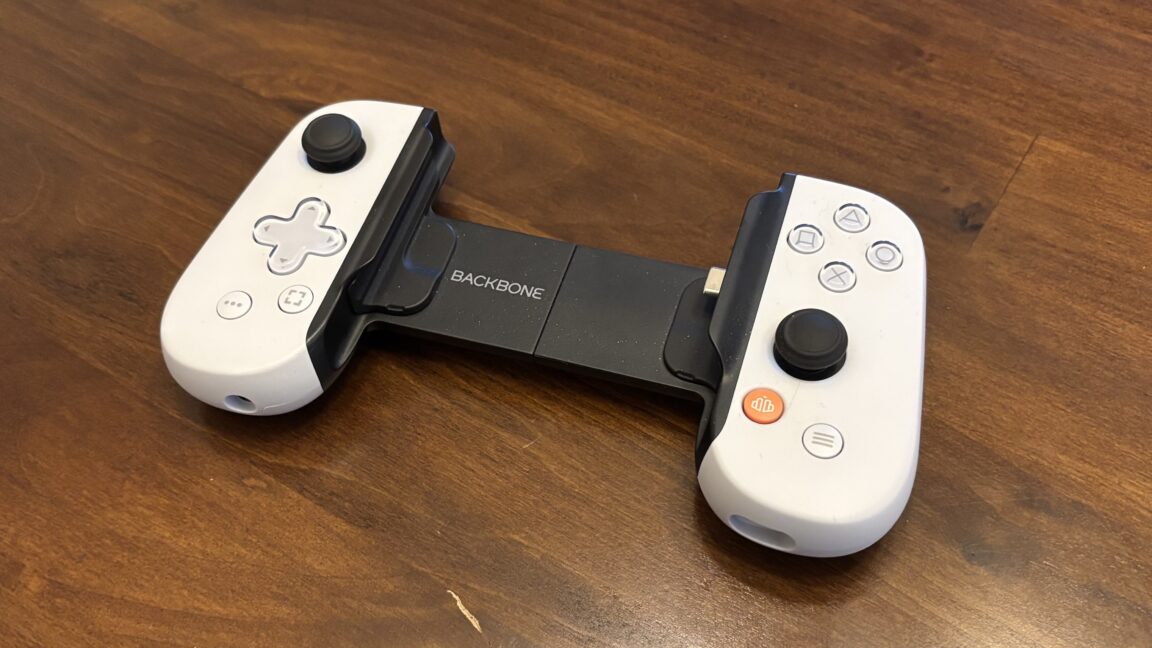
The Backbone One would be an ideal game controller—if the iPhone had more games

In theory, it ought to be as good a time as ever to be a gamer on the iPhone.

Classic console emulators have rolled out to the platform for the first time, and they work great. There are strong libraries of non-skeezy mobile games on Apple Arcade and Netflix Games, streaming via Xbox and PlayStation services is continuing apace, and there are even a few AAA console games now running natively on the platform, like Assassin’s Creed and Resident Evil titles.

Some of those games need a traditional, dual-stick game controller to work well, though, and Apple bafflingly offers no first-party solution for this.

Yes, you can sync popular Bluetooth controllers from Sony, Microsoft, Nintendo, and 8bitdo with your iPhone, but that’s not really the ideal answer—your iPhone isn’t a big TV sitting across the room or a computer monitor propped up on your desk.

A few companies have jumped in to solve this with attachable controllers that give the iPhone a Nintendo Switch or Steam Deck-like form factor (albeit a lot smaller). There’s a wide range of quality, though, and some of the ones you’ll see advertised aren’t very well made.

There’s some debate out there, but there’s one that just about anyone will at least put up for consideration: the Backbone One. That’s the one I picked for my new iPhone 16 Pro Max, which I have loaded with emulators and tons of games.

Since many folks are about to get iPhone 16s for the holidays and might be in the market for something similar, I figured it’d be a good time to write some quick impressions, including pros and cons. Is this thing worth a $99 price tag? What about its subscription-based app?

Switching from the Razer Kishi

Here’s some background, real quick: I previously owned an iPhone 13 Pro, and I played a lot of Diablo Immortal. I wanted to try the controller experience with that game, so I bought a first-generation Razer Kishi—which I liked for the most part. It had excellent thumbsticks that felt similar to those you’d find on an Xbox controller, if a little bit softer.

https://arstechnica.com/gadgets/2024/12/iphone-gaming-controller/


Google steps into “extended reality” once again with Android XR

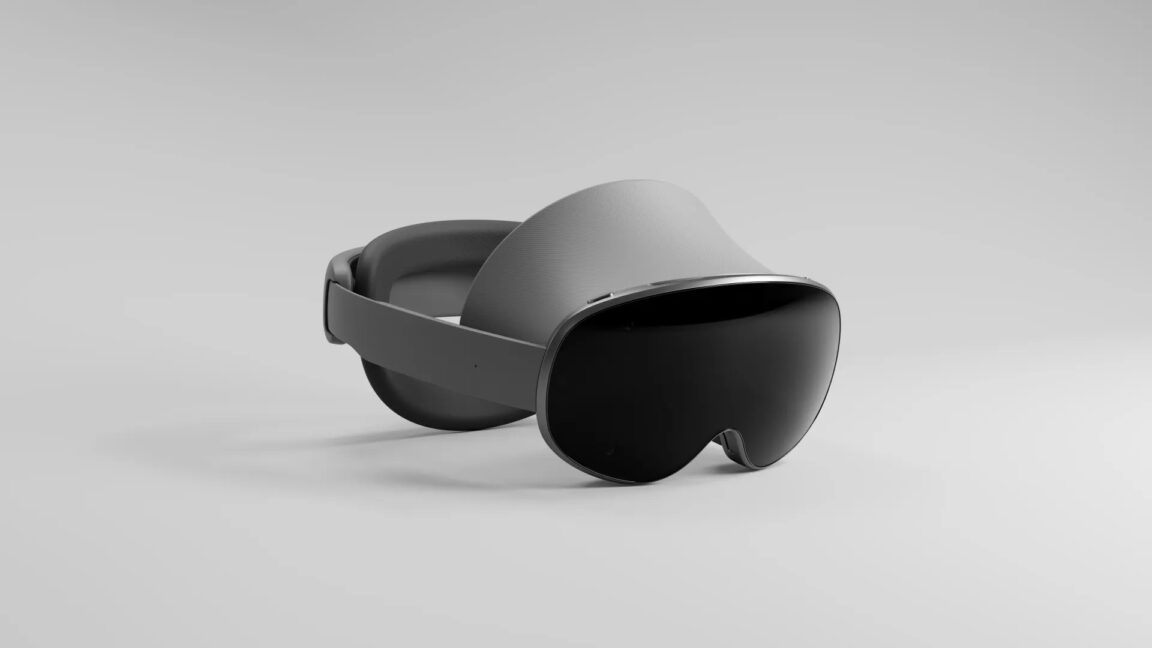
Citing “years of investment in AI, AR, and VR,” Google is stepping into the augmented reality market once more with Android XR. It’s an operating system that Google says will power future headsets and glasses that “transform how you watch, work, and explore.”

The first version you’ll see is Project Moohan, a mixed-reality headset built by Samsung. It will be available for purchase next year, and not much more is known about it. Developers have access to the new XR version of Android now.

“We’ve been in this space since Google Glass, and we have not stopped,” said Juston Payne, director of product at Google for XR in Android XR’s launch video. Citing established projects like Google Lens, Live View for Maps, instant camera translation, and, of course, Google’s general-purpose Gemini AI, XR promises to offer such overlays in both dedicated headsets and casual glasses.

[embedded content]

Android XR announcement video.

There are few additional details right now beyond a headset rendering, examples in Google’s video labeled as “visualization for concept purposes.” Google’s list of things that will likely be on board includes Gemini, Maps, Photos, Translate, Chrome, Circle to Search, and Messages. And existing Android apps, or at least those updated to do so, should make the jump, too.

https://arstechnica.com/gadgets/2024/12/google-steps-into-extended-reality-once-again-with-android-xr/


Errant reference in macOS 15.2 seems to confirm M4 MacBook Airs for 2025

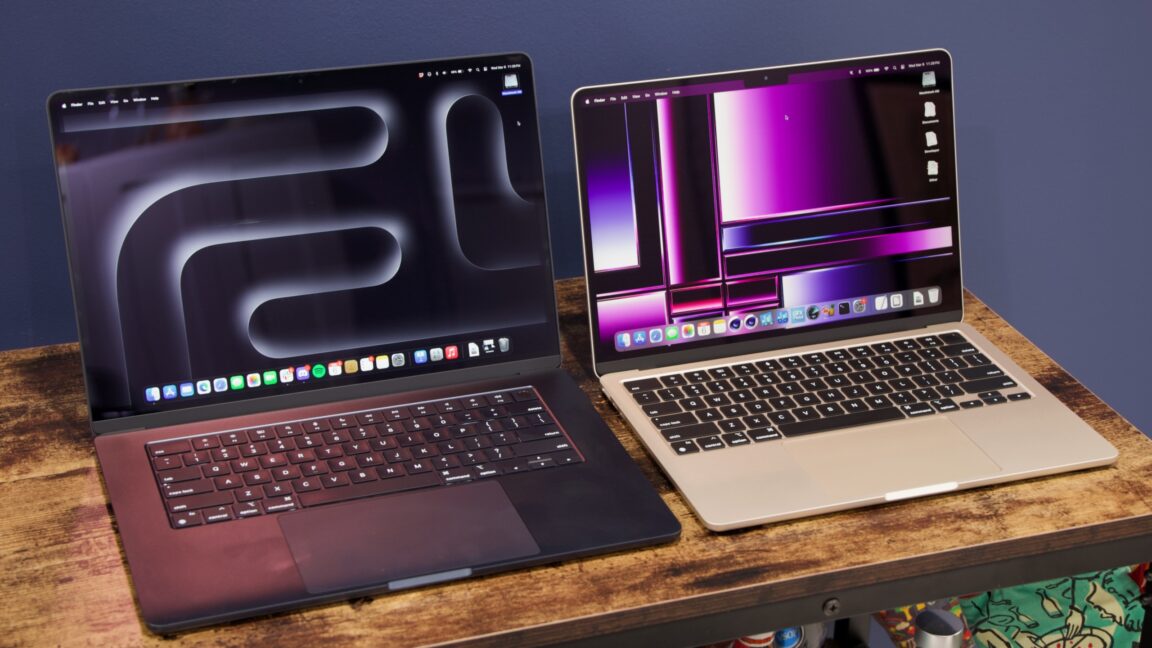
The macOS 15.2 update that was released earlier today came with a handful of new features, plus something unexpected: an apparently accidental reference to the upcoming M4 MacBook Airs. MacRumors reports that the “Mac16,12” and “Mac16,13” model identifiers reference 13- and 15-inch models of the M4 Air and that both are coming in 2025.

That a MacBook Air refresh is planned for next year isn’t much of a surprise at this point—in reporting that pretty much nailed the details of the first M4 Macs, Bloomberg’s Mark Gurman has said that the Air, the Mac Studio, and the Mac Pro are all slated for updates throughout 2025.

But a reference in the current release of macOS could point to a launch sooner rather than later; the M4 Mac mini was referenced in a macOS update in mid-September around a month and a half before it was released. The M3 Airs came out in March this year, but Apple has been known to put out new Macs as early as January in recent years.

The M4 isn’t a gigantic update over the M3—we tested its performance in the M4 iMac, though a passively cooled MacBook Air version would likely be a bit slower at heavier workloads—but the fully enabled version does come with two extra CPU cores and some nice quality-of-life updates. Those updates include Thunderbolt 5 ports and support for a total of three displays (two external and the built-in screen), up from a total of two for the M1, M2, and M3 MacBook Airs.

We didn’t get M4 MacBook Airs in November, but Apple did “update” the M2 and M3 versions from 8GB to 16GB of RAM without increasing their prices. The RAM increase will be useful for all kinds of things, though it could be a harbinger of increased memory requirements for upcoming Apple Intelligence features.

https://arstechnica.com/gadgets/2024/12/errant-reference-in-macos-15-2-seems-to-confirm-m4-macbook-airs-for-2025/


iOS 18.2, macOS 15.2 updates arrive today with image and emoji generation

Apple has announced that it will be releasing the iOS 18.2, iPadOS 18.2, and macOS Sequoia 15.2 updates to the public later this afternoon, following weeks of beta testing for developers and users. As with iOS 18.1, the headlining features are new additions to Apple Intelligence, mainly the image-generation capabilities: Image Playground for general images, and “Genmoji” for making custom images in the style of Apple’s built-in Unicode-based emoji characters.

Other AI features include “Image Wand,” which will take sketched images from the Notes app and turn them into a “polished image” using context clues from other notes; and ChatGPT integration for the Writing Tools feature.

The updates also include a long list of bug fixes and security updates, for those who don’t care about Apple Intelligence. Safari gets better data importing and exporting support, an HTTPS Priority feature that “upgrades URLs to HTTPS whenever possible,” and a download status indicator for iPhones with a Dynamic Island. Mail in iOS offers to automatically sort messages to bring important ones to the top of your inbox. There are also various tweaks and improvements for the Photos, Podcasts, Voice Memos, and Stocks apps, while the Weather app in macOS can optionally display the weather in your menu bar.

https://arstechnica.com/gadgets/2024/12/ios-18-2-macos-15-2-updates-arrive-today-with-image-and-emoji-generation/