Man learns he’s being dumped via “dystopian” AI summary of texts

On Wednesday, NYC-based software developer Nick Spreen received a surprising alert on his iPhone 15 Pro, delivered through an early test version of Apple’s upcoming Apple Intelligence text message summary feature. “No longer in a relationship; wants belongings from the apartment,” the AI-penned message reads, summing up the content of several separate breakup texts from his girlfriend—that arrived on his birthday, no less.

Spreen shared a screenshot of the AI-generated message in a now-viral tweet on the X social network, writing, “for anyone who’s wondered what an apple intelligence summary of a breakup text looks like.” Spreen told Ars Technica that the screenshot does not show his ex-girlfriend’s full real name, just a nickname.

Screenshots of Nick Spreen's tweets on the Apple Intelligence break-up, captured October 10, 2024.

Screenshots of Nick Spreen’s tweets on the Apple Intelligence break-up, captured October 10, 2024.

Credit: X

Screenshots of Nick Spreen’s tweets on the Apple Intelligence break-up, captured October 10, 2024. Credit: X

This summary feature of Apple Intelligence, announced by the iPhone maker in June, isn’t expected to fully ship until an iOS 18.1 update in the fall. However, it has been available in a public beta test of iOS 18 since July, which is what Spreen is running on his iPhone. It works akin to something like a stripped-down ChatGPT, reading your incoming text messages and delivering its own simplified version of their content.

On X, Spreen replied to skepticism over whether the message was real in a follow-up post. “Yes this was real / yes it happened yesterday / yes it was my birthday,” Spreen wrote. In response to a question about it being a fair summary of his girlfriend’s messages, he wrote, “it is.”

We reached out to Spreen directly via email and he delivered his own summary of his girlfriend’s messages. “It was something along the lines of i can’t believe you just did that, we’re done, i want my stuff. we had an argument in a bar and I got up and left, then she sent the text,” he wrote.

How did he feel about getting the news via AI summary? “I do feel like it added a level of distance to it that wasn’t a bad thing,” he told Ars Technica. “Maybe a bit like a personal assistant who stays professional and has your back even in the most awful situations, but yeah, more than anything it felt unreal and dystopian.”

https://arstechnica.com/ai/2024/10/man-learns-hes-being-dumped-via-dystopian-ai-summary-of-texts/


Apple brings years-old features to iCloud web interface

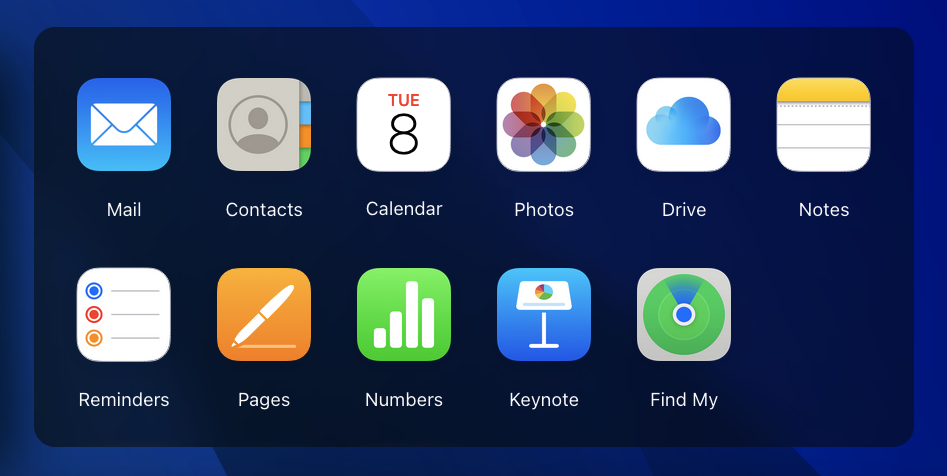
In a rare event, Apple has rolled out substantial updates to the web-based iCloud interface meant to allow users to access Apple services like Mail and Photos when they’re away from a Mac, iPad, or iPhone.

The flagship addition is dark mode; it “will automatically match your device settings with a Light Mode or Dark Mode color scheme,” Apple explains as part of the update.

There is also now a way to customize the background for the iCloud web interface—specifically, you can choose between several colors.

A few apps received features that have been available on iOS and macOS for a while. For example, the Notes web app now supports pinned notes, and iCloud Drive supports shared views.

If you think all that seems like it’s pretty basic and late to the game, you’re not wrong.

The iCloud web interface has long seemed like an afterthought for Apple, and it has always been far behind Apple’s native software platforms in terms of features. How far behind? Well, consider this: dark mode was previously added to iOS way back in iOS 13.

Apple’s narrative to investors has long said that its services like iCloud are key to making up for slowed hardware sales in the mature smartphone market. To that end, the company has made this web interface available and has brought some of its services like Music and TV+ to other platforms like Windows and Android.

However, there seem to be limits to that. As noted, iCloud for web has historically been a subpar experience, and other key services like Messages have not been made available on other platforms at all, possibly to avoid losing the social lock-in advantage of Messages for iOS. (Messages is notably absent in the web app.)

Still, it’s nice to see any movement at all here. While iCloud.com gets infrequent and small updates, it remains actively supported at a basic level.

https://arstechnica.com/gadgets/2024/10/apple-adds-dark-mode-and-other-features-to-icloud-com/


Apple kicked Musi out of the App Store based on YouTube lie, lawsuit says

Musi is hoping a jury will agree that Apple breached its developer agreement and the covenant of good faith and fair dealing by removing Musi from the App Store. The music-streaming app has asked for a permanent injunction immediately reinstating Musi in the App Store and stopping Apple from responding to third-party complaints by removing apps without any evidence of infringement.

An injunction is urgently needed, Musi claimed, since the app only exists in Apple’s App Store, and Musi and its users face “irreparable damage” if the app is not restored. Additionally, Musi is seeking damages to be determined at trial to make up for “lost profits and other consequential damages.”

“The Musi app did not and does not infringe any intellectual property rights held by Complainant, and a reasonable inquiry into the matter would have led Apple to conclude the same,” Musi’s complaint said.

On Reddit, Musi has continued to support users reporting issues with the app since its removal from the App Store. One longtime user lamented, “my heart is broken,” after buying a new iPhone and losing access to the app.

It’s unclear if YouTube intends to take Musi down forever with this tactic. In May, Wired noted that Musi isn’t the only music-streaming app taking advantage of publicly available content, predicting that if “Musi were to shut down, a bevy of replacements would likely sprout up.” Meanwhile, some users on Reddit reported that fake Musi apps keep popping up in its absence.

For Musi, getting back online is as much about retaining old users as it is about attracting new downloads. In its complaint, Musi said that “Apple’s decision has caused immediate and ongoing financial and reputational harm to Musi.” On Reddit, one Musi user asked what many fans are likely wondering: “Will Musi ever come back,” or is it time to “just move to a different app”?

Ars could not immediately reach Musi’s lawyers, Apple, or YouTube for comment.

https://arstechnica.com/tech-policy/2024/10/controversial-spotify-rival-musi-sues-apple-over-shady-youtube-takedown/


Report: First wave of M4 Macs, including smaller Mac mini, coming November 1

Reliable rumors have suggested that M4 Macs are right around the corner, and now Bloomberg’s Mark Gurman is forecasting a specific launch date: November 1, following a late-October announcement that mirrors last year’s Halloween-themed reveal for the first M3 Macs.

This date could be subject to change, and not all the products announced in October would necessarily launch on November 1—lower-end Macs are more likely to launch early, and higher-end models would be more likely to ship a bit later in the month.

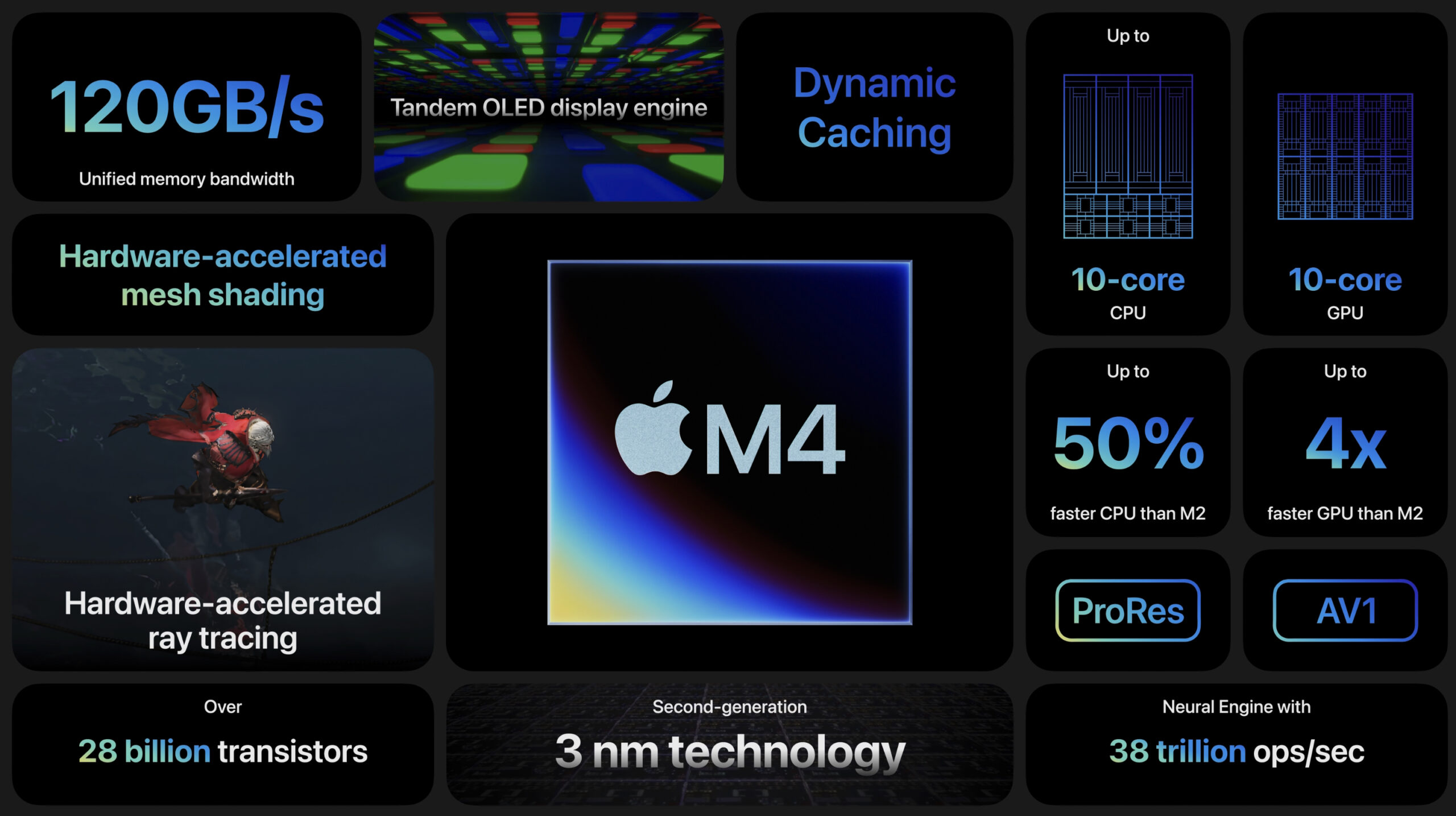
The list of what to expect is the same as it has been for a while: refreshed 14- and 16-inch MacBook Pros with M4, M4 Pro, and M4 Max chips, a new M4 version of the 24-inch iMac, and an M4 update to the Mac mini that leapfrogs the M3 entirely. These will all be the first Macs to get the M4, following its unexpected introduction in the iPad Pro earlier this year.

The refreshed Mac mini is the most interesting of the new models—it’s said to come with a fully revamped design for the first time since the aluminum unibody version was released in 2010. The new Mac mini is said to be closer in size to an Apple TV box, but it will retain an internal power supply that doesn’t require a bulky external brick. The Mac mini lineup should still be split between two slightly different machines: one entry-level model with a basic M4 chip, and a higher-end M4 Pro version that bridges the gap between the Mac mini and the Mac Studio.

https://arstechnica.com/gadgets/2024/10/report-first-wave-of-m4-macs-including-smaller-mac-mini-coming-november-1/


No more bricked iPads: Apple fixes several bugs in iOS, iPadOS, macOS updates

On Thursday, Apple released the first software updates for its devices since last month’s rollout of iOS 18 and macOS Sequoia.

Those who’ve been following along know that several key features that didn’t make it into the initial release of iOS 18 are expected in iOS 18.1, but that’s not the update we got on Thursday.

Rather, Apple pushed out a series of smaller updates that fixed several bugs but did not add new features. The updates are labeled iOS 18.0.1, iPadOS 18.0.1, visionOS 2.0.1, macOS Sequoia 15.0.1, and watchOS 11.0.1.

Arguably, the two most important fixes come in iPadOS 18.0.1 and iOS 18.0.1. The iPad update fixes an issue that bricked a small number of recently released iPads (those running Apple’s M4 chip). That problem caused Apple to quickly pull iPadOS 18 for those devices, so Thursday’s iPadOS 18.0.1 release is actually the first time most users of those devices will be able to run iPadOS 18.

On the iPhone side, Apple says it has addressed a bug that could sometimes cause the touchscreen to fail to register users’ fingers.

https://arstechnica.com/gadgets/2024/10/no-more-bricked-ipads-apple-fixes-several-bugs-in-ios-ipados-macos-updates/


Apple backs out of backing OpenAI, report claims

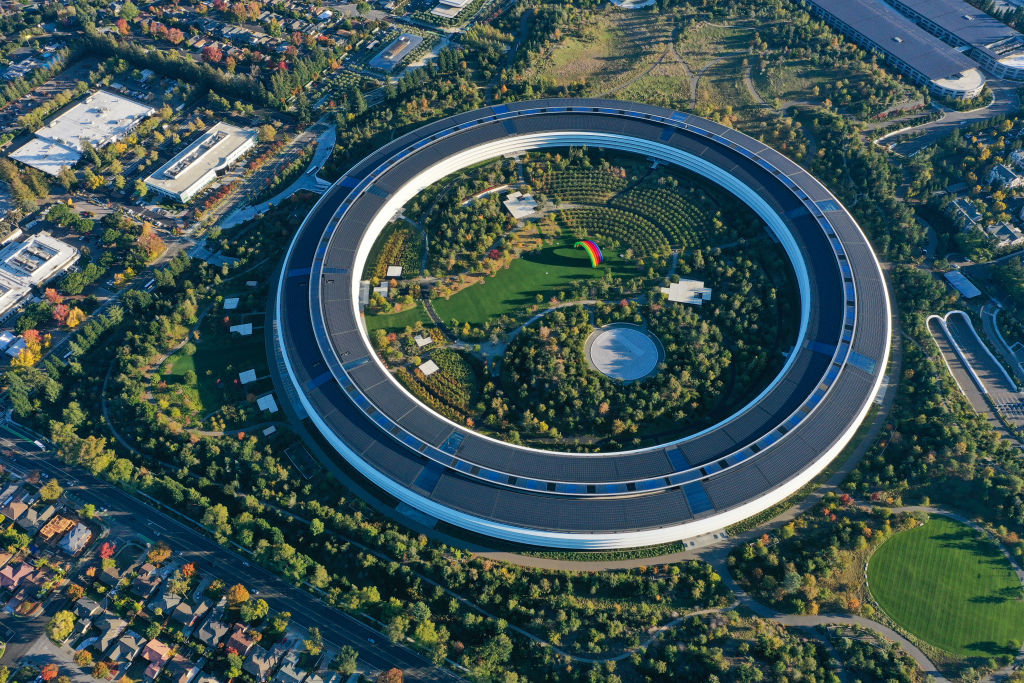
The Apple Park campus in Cupertino, California.
Enlarge / The Apple Park campus in Cupertino, California.

A few weeks back, it was reported that Apple was exploring investing in OpenAI, the company that makes ChatGPT, the GPT model, and other popular generative AI products. Now, a new report from The Wall Street Journal claims that Apple has abandoned those plans.

The article simply says Apple “fell out of the talks to join the round.” The round is expected to close in a week or so and may raise as much as $6.5 billion for the growing Silicon Valley company. Had Apple gone through with the move, it would have been a rare event—though not completely unprecedented—for Apple to invest in another company that size.

OpenAI is still expected to raise the funds it seeks from other sources. The report claims Microsoft is expected to invest around $1 billion in this round. Microsoft has already invested substantial sums in OpenAI, whose GPT models power Microsoft AI tools like Copilot and Bing chat.

Nvidia is also a likely major investor in this round.

Apple will soon offer limited ChatGPT integration in an upcoming iOS update, though it plans to support additional models like Google’s Gemini further down the line, offering users a choice similar to how they pick a default search engine or web browser.

OpenAI has been on a successful tear with its products and models, establishing itself as a leader in the rapidly growing industry. However, it has also been beset by drama and controversy—most recently, some key leaders at OpenAI departed the company abruptly, and it shifted its focus from a research-focused organization that was beholden to a nonprofit, to a for-profit company under CEO Sam Altman. Also, former Apple design lead Jony Ive is confirmed to be working on a new AI product of some kind.

But The Wall Street Journal did not specify which (if any) of these facts are reasons why Apple chose to back out of the investment.

https://arstechnica.com/?p=2053378


Report: Apple changes film strategy, will rarely do wide theatrical releases

George Clooney and Brad Pitt stand in a doorway
Enlarge / A still from Wolfs, an Apple-produced film starring George Clooney and Brad Pitt.

For the past few years, Apple has been making big-budget movies meant to compete with the best traditional Hollywood studios have to offer, and it has been releasing them in theaters to drive ticket sales and awards buzz.

Much of that is about to change, according to a report from Bloomberg. The article claims that Apple is “rethinking its movie strategy” after several box office misfires, like Argylle and Napoleon.

It has already canceled the wide theatrical release of one of its tent pole movies, the George Clooney and Brad Pitt-led Wolfs. Most other upcoming big-budget movies from Apple will be released in just a few theaters, suggesting the plan is simple to ensure continued awards eligibility but not to put butts in seats.

Further, Apple plans to move away from super-budget films and to focus its portfolio on a dozen films a year at lower budgets. Just one major big-budget film is planned to get a wide theatrical release: F1. How that one performs could inform future changes to Apple’s strategy.

The report notes that Apple is not the only streamer changing its strategy. Netflix is reducing costs and bringing more movie production in-house, while Amazon is trying (so far unsuccessfully) to produce a higher volume of movies annually, but with a mixture of online-only and in-theater releases. It also points out that movie theater chains are feeling ever more financial pressure, as overall ticket sales haven’t matched their pre-pandemic levels despite occasional hits like Inside Out 2 and Deadpool & Wolverine.

Cinemas have been counting on streamers like Netflix and Apple to crank out films, but those hopes may be dashed if the media companies continue to pull back. For the most part, tech companies like Apple and Amazon have had better luck gaining buzz with television series than with feature films.

https://arstechnica.com/?p=2053273


iFixit’s iPhone 16 teardown finds a greatly improved battery removal process

[embedded content]
iFixit’s iPhone 16 and 16 Plus teardown.

iFixit has published teardown views for the iPhone 16 and iPhone 16 Pro, along with their larger cousins, the Plus and Pro Max.

The videos are really marketing for iFixit’s various repair kits and other tools and products that you can buy—and sometimes these videos now have lengthy plugs for some new product or another—but nonetheless, the videos almost always include interesting insights about devices’ components.

Tearing down the iPhone 16, iFixit confirmed one thing we already suspected: One of the mmWave antennas was removed and replaced in that same spot by the Camera Control button. It also found that the camera systems in the 16 Pro and 16 Pro Max are almost interchangeable, but sadly aren’t because of the placement of a single screw and the length of a single cable. Too bad.

The disassembly process for the Pro phones is mostly the same as before, but thankfully, there’s been a redesign that reduces the risk of damaging the OLED panel when tearing the phone down.

The biggest discovery was that the iPhone 16 and iPhone 16 Plus have a superior battery replacement process compared to earlier phones. Instead of pull tabs, they use an adhesive that lets go when affected by an electric current.

iFixit says this is one of the easiest battery removal processes in the industry, which is high praise, especially when it’s directed toward a company with a difficult record on that front.

[embedded content]
iFixit’s iPhone 16 Pro and 16 Pro Max teardown.

Unfortunately, the 16 Pro and 16 Pro Max haven’t moved to the new battery replacement process found in the 16 and 16 Plus. On the bright side, it’s much easier to service the USB-C port than before, though Apple doesn’t sell that part separately.

iFixit gave all the new iPhones a 7 out of 10 repairability score, which is historically high for an iPhone.

The videos go into much more detail, so check them out.

Listing image by iFixit

https://arstechnica.com/?p=2053264


Meta svela gli occhiali di realtà aumentata ‘Orion’: può diventare la nuova Apple?

Ieri sera, Meta ha presentato Orion, i suoi primi occhiali di realtà aumentata. Niente a che vedere con i Ray-Ban, le cui due generazioni permettono semplicemente di scattare foto e girare video dalle lenti, qualcosa già in giro da anni (ad esempio sugli Snap Spectacles). Orion è il diretto discendente dei Google Glass ma costruito con maggior criterio ed, evidentemente, giunto in un’epoca maggiormente pronta ad accettare un dispositivo del genere.

Meta, la nuova Apple

Di fatto, quello che oltre venti anni fa ha rappresentato Apple per la rivoluzione del mobile, potrebbe oggi essere Meta con la nuova era di internet, fortemente impregnata di AI e contenuti 3D. Pensiamo alla sua ambiziosa scommessa sul metaverso. Se questo mondo virtuale immersivo dovesse davvero prendere piede, Meta, grazie ai suoi investimenti in hardware e software dedicati, potrebbe conquistare una posizione dominante simile a quella di Apple con l’iPhone. Inoltre, l’enorme base di utenti di Meta su piattaforme come Facebook, Instagram e WhatsApp rappresenta un vantaggio strategico per lanciare nuovi prodotti e servizi, raggiungendo un pubblico vastissimo.

Tuttavia, è importante sottolineare che Meta e Apple presentano differenze significative. Il modello di business di Meta si basa principalmente sulla pubblicità, rendendola più vulnerabile alle fluttuazioni del mercato, mentre Apple trae profitto dalla vendita di hardware e servizi. Inoltre, la reputazione di Meta è stata offuscata da critiche sulla gestione della privacy e la diffusione di disinformazione (basti ricordare il caso Cambridge Analytica), il che potrebbe ostacolare la sua capacità di attrarre utenti e sviluppatori. Sebbene abbia il potenziale per diventare un player di primo piano nel panorama tecnologico, Meta è ancora troppo immersa in progetti prototipali e sperimentali. La scalata dipenderà dalla capacità di superare le sfide attuali e trasformare la visione in realtà, qualcosa in cui Apple è maestra.

Orion, come sono fatti

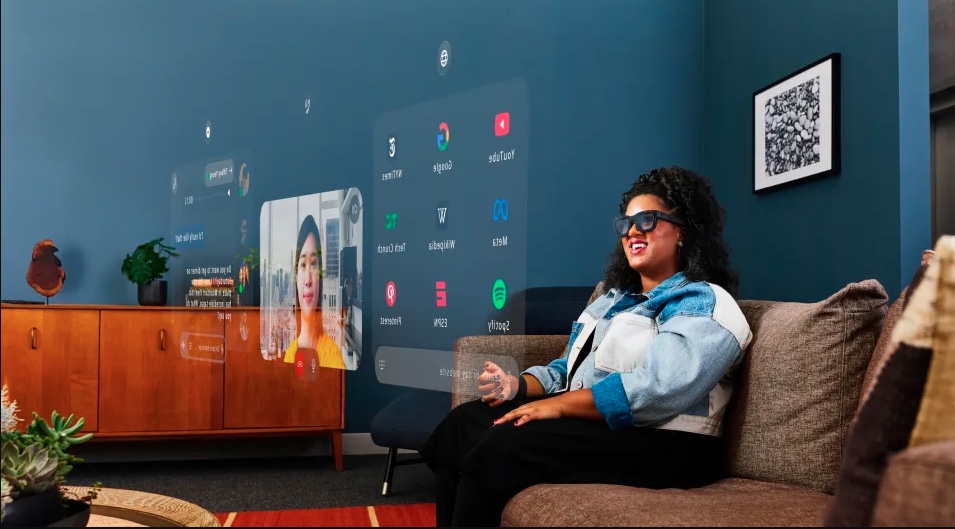
Meta ha rivelato per la prima volta cinque anni fa di star sviluppando occhiali intelligenti olografici, ma in realtà ci sta lavorando da un decennio. Secondo Zuckerberg, Orion è “il paio di occhiali AR più avanzato mai realizzato” che deriva da “invenzioni rivoluzionarie in praticamente ogni campo dell’informatica moderna”. Per prima cosa, utilizza dei piccoli proiettori per visualizzare gli ologrammi sugli occhiali, che sembrano molto meno scomodi da indossare rispetto ai precedenti prodotti AR mainstream come Magic Leap, Hololens di Microsoft e i già menzionati Google Glass. Inoltre, non isolano dal resto del mondo come un visore per realtà virtuale (anche se i visori di Meta ti consentono di vedere cosa ti circonda tramite le telecamere integrate). Di conseguenza, è possibile vedere i volti completi, gli occhi e le espressioni di chi li indossa senza dover ricorrere a una strana e inquietante soluzione alternativa come sta facendo Apple con EyeSight su Vision Pro.

Meta sottolinea che Orion è leggero e funziona sia all’interno che all’esterno. L’azienda sostiene che gli occhiali consentono “esperienze digitali che non sono vincolate dai limiti dello schermo di uno smartphone” poiché sovrappongono elementi olografici al mondo reale. Inoltre, le lenti integrano l’intelligenza artificiale contestuale per aiutare a comprendere meglio il contesto. Un esempio? Basterà guardare dentro un frigorifero con gli occhiali e far sì che Meta AI elabori una ricetta in base a ciò che contiene. In base alle immagini condivise da Meta, ci saranno anche versioni olografiche di varie altre app, come Spotify, YouTube e Pinterest.

Prototipo, ancora per poco

Meta sostiene che Orion non è solo un prototipo di ricerca, ma è “uno dei prototipi di prodotto più raffinati che abbiamo mai sviluppato, ed è veramente rappresentativo di qualcosa che potrebbe essere spedito ai consumatori”. Continuando a lavorare sul prodotto internamente, “possiamo continuare a costruire rapidamente e continuare a spingere i confini della tecnologia, aiutandoci ad arrivare a un prodotto di consumo velocemente”. Parte di questa iterazione include l’abbassamento del prezzo degli occhiali per renderli più accessibili.

Una tabella trapelata l’anno scorso indicava che Meta aveva pianificato di lanciare i suoi primi occhiali AR per i consumatori nel 2027, anche se l’azienda afferma che intende farlo “nel prossimo futuro”. I rivali non stanno a guardare: Snap ha recentemente lanciato i suoi occhiali AR di quinta generazione, disponibili solo per gli sviluppatori e con una quota mensile di 99 dollari.

Leggi le altre notizie sull’home page di Key4biz

https://www.key4biz.it/meta-svela-gli-occhiali-di-realta-aumentata-orion-e-diventa-ufficialmente-la-nuova-apple/505561/


10 long years with—and good riddance to—Apple’s iPhone 6 design

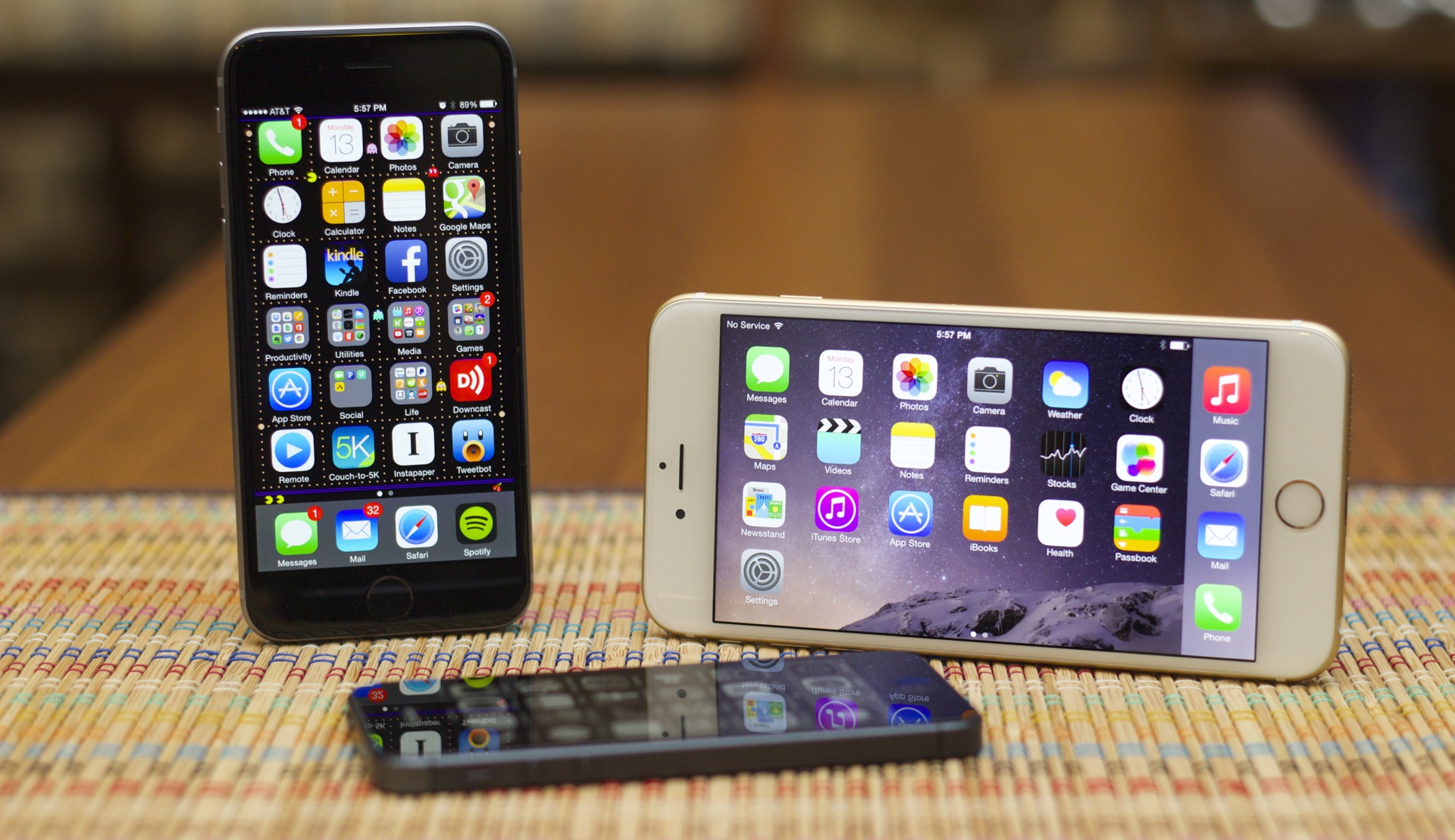
The iPhone 6 and 6 Plus, the first iteration of a very, very long-lived phone design.
Enlarge / The iPhone 6 and 6 Plus, the first iteration of a very, very long-lived phone design.
Andrew Cunningham

This past weekend, I said goodbye to Apple’s 4.7-inch iPhone 6 design after 10 long years.

It started with the iPhone 6 itself in 2014, a long-awaited screen size upgrade for the iPhone (some of the 2011-era Apple punditry insisting that 3.5 inches was the functionally perfect size for a phone screen and that Apple would never, ever change it, is an interesting time capsule). It ends with my wife’s third-generation iPhone SE, its battery capacity already collapsing, which I replaced with an iPhone 16 on Friday.

There are huge differences between those two phones—eight years’ worth of spec upgrades and water resistance being the most significant—but they look and feel almost the same, and things that were fine or forgivable in 2014 have become harder to live with now.

What follows is less a celebration of the iPhone 6 design’s long life and more of a good riddance. It’s not that we never had any good times together, iPhone 6 design, but after a half-dozen versions of you, I think it is time for both of us to move on. Consider it catharsis—and maybe if someone in your life is still rocking an iPhone 8 or iPhone SE, it will be cathartic for you, too.

Battery capacity

Battery life was always an Achilles heel of this phone’s design—the battery had to fight with every other component in the phone for relatively little space, and as a result, it was always exceptionally hard to make it through a full day on a single charge. A portable battery pack or some kind of midday charge was almost always necessary, especially if I had deigned to use a power-hungry feature like Personal Hotspot.

And more charging means putting more cycles on the battery, which over a couple years of ownership makes the mediocre battery life even worse. The battery life in my first “modern”-style iPhone—an iPhone XR, in 2018—was a revelation after years with the 6, 6S, and 8, and since then, I’ve found my iPhone 13 Pro and 15 Pro to be similarly capable of making it to the end of the day with some battery to spare.

Those curves—specifically, those curved edges

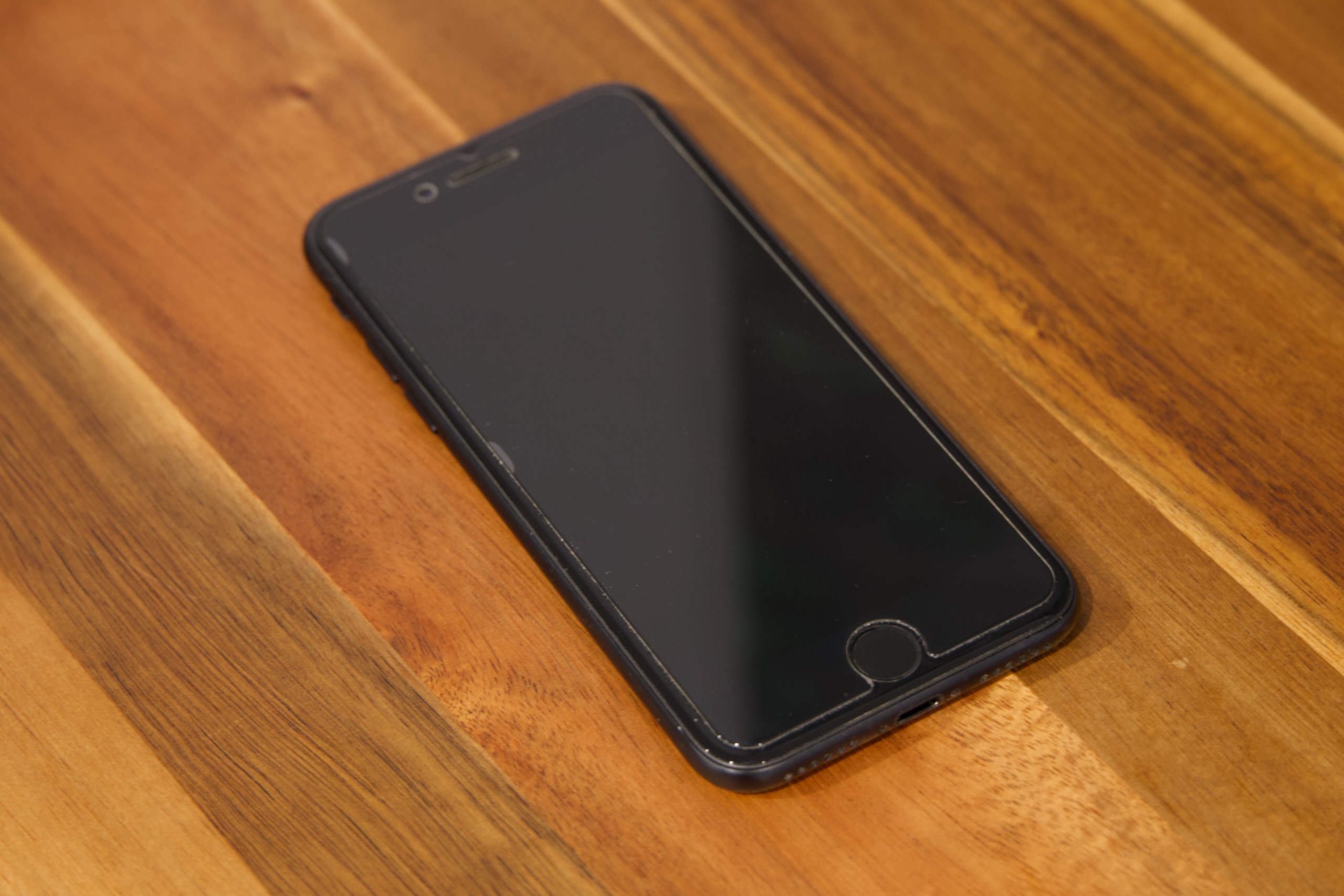
Goodbye, gap between the edge of the protector and the edge of the screen! Goodbye, little air bubbles!
Enlarge / Goodbye, gap between the edge of the protector and the edge of the screen! Goodbye, little air bubbles!
Andrew Cunningham

I put all of our phones in screen protectors and cases, despite usually also springing for AppleCare+. Especially when you’ve got a kid, it’s worth it not to have to worry about every little drop or bump, and they’re good for the resale value, too.

One thing about the iPhone 6-era design was its curved edges, including a subtle curve all the way around the edge of the screen. Over many years with this phone’s design, I have slowly come to hate this subtle curve—screen protectors either fail to make contact with the screen all the way around its perimeter, leaving annoying visible air bubbles, or they do make contact on the flat part of the screen while leaving the curved edges of the glass unprotected. The small ridge created by the screen protector ends up being a trap for dust and other little bits of detritus.

Apple returned to an all-flat-edges design with the iPhone 12 in 2020, reverting to what had been the norm with the iPhone 4 and 5 design. On a flat slab of glass, the additional layer of a thin glass screen protector is nearly invisible when you apply it right, being careful not to trap any dust between a freshly cleaned screen and the protector (my wife goes through roughly one screen protector every three or four months; I have become adept at this dance). It’s nice to be able to guard against scratches and cracks without having to look at and think about it all the time.

And if you’re not the case-and-screen-protector type? One of those “I have AppleCare so I don’t need a case” people? The curved edges of the iPhone 6-era design made the phones more slippery and harder to hold. I thought that was even more true for the iPhone 8/SE version of the design, which switched from an aluminum back to a glass back to enable wireless charging support.

https://arstechnica.com/?p=2051832