Reviewing iOS 18 for power users: Control Center, iCloud, and more
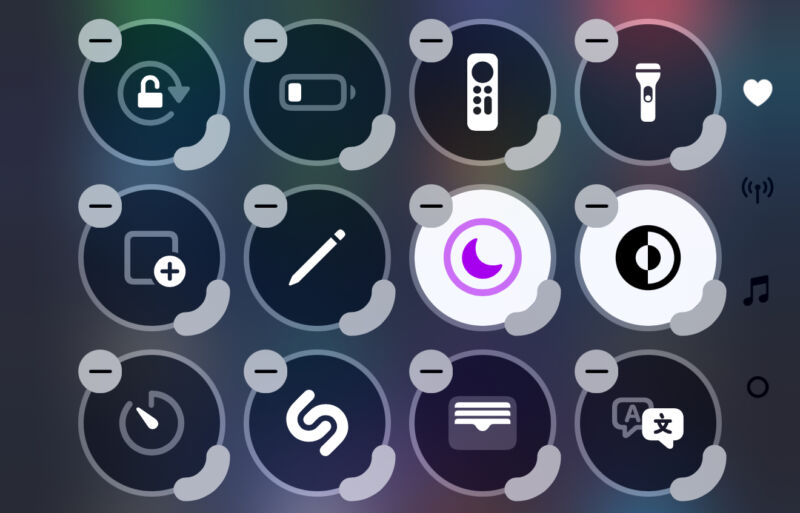
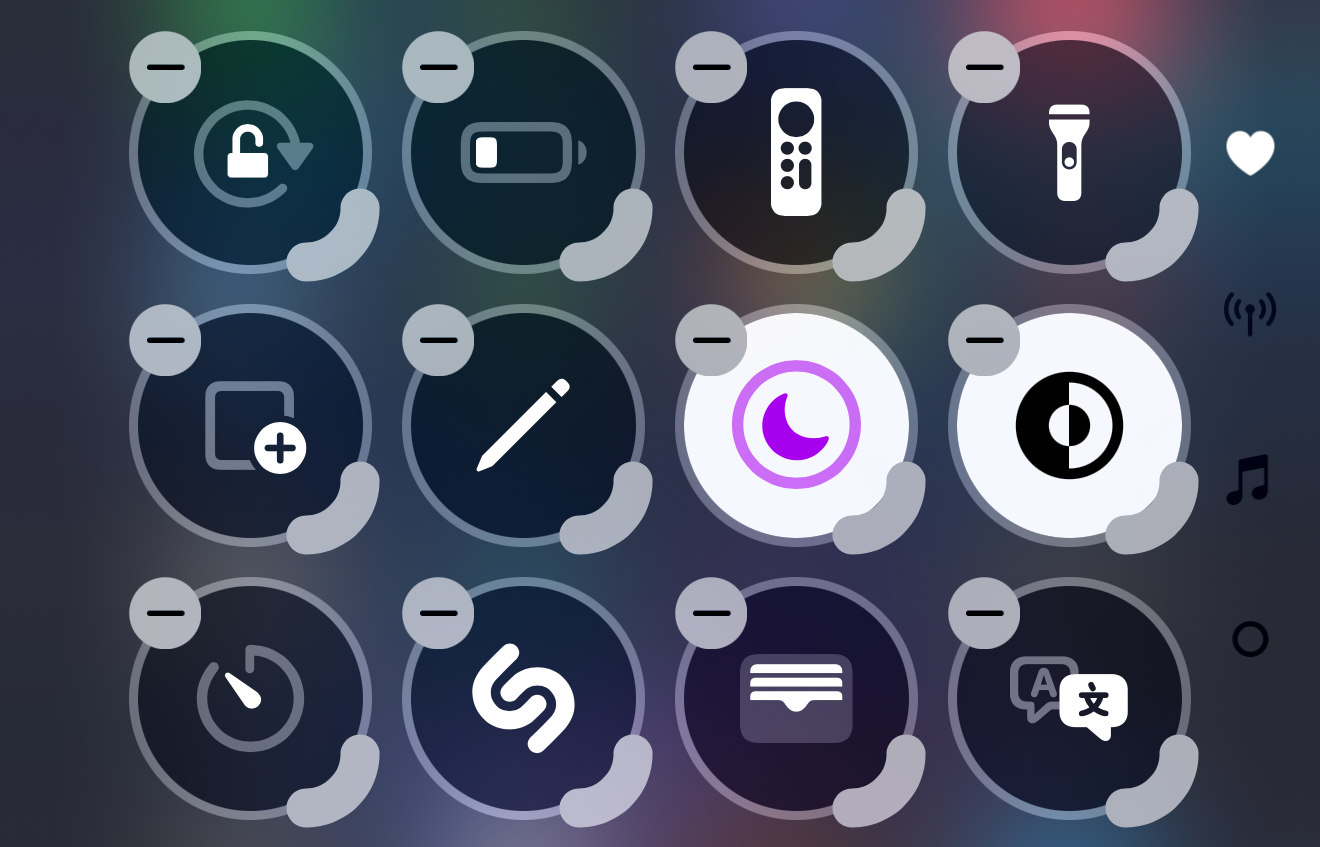
Control Center in iOS 18 in its customization view
Enlarge / Control Center has a whole new customization interface.
Samuel Axon

iOS 18 launched this week, and while its flagship feature (Apple Intelligence) is still forthcoming, the new OS included two significant new buckets of customization: the home screen and Control Center.

We talked about home screen a few days ago, so for our next step in our series on iOS 18, it’s now time to turn our attention to the new ways you can adjust the Control Center to your liking. While we’re at it, we’ll assess a few other features meant to make iOS more powerful and more efficient for power users.

This is by no means the most significant update for power users Apple has released of the iPhone operating system—there’s nothing like Shortcuts, for example, or the introduction of the Files app a few years ago. But with the increasingly expensive iPhone Pro models, Apple still seems to be trying to make the case that you’ll be able to do more with your phone than you used to.

Let’s start with Control Center, then dive into iCloud, Files, external drives, and hidden and locked apps.

A revamped Control Center

Control Center might not be the flashiest corner of iOS, but when Apple adds more functionality and flexibility to a panel that by default can be accessed with a single gesture from anywhere in the operating system—including inside third-party apps—that has the potential to be a big move for how usable and efficient the iPhone can be.

That seems to be the intention with a notable control center revamp in iOS 18. Visually, it mostly looks similar to what we had in iOS 17, but it’s now paginated and customizable, with a much wider variety of available controls. That includes the option for third-party apps to offer controls for the first time. Additionally, Apple lets you add Shortcuts to Control Center, which has the potential to be immensely powerful for those who want to get that deep into things.

When you invoke it (still by swiping down from the upper-right corner of the screen on modern iPhones and iPads), it will mostly look similar to before, but you’ll notice a few additional elements on screen, including:

  • A “+” sign in the top-left corner: This launches a customization menu for reordering and resizing the controls
  • A power icon in the top-right corner: Holding this brings up iOS’s swipe-to-power-off screen.
  • Three icons along the right side of the screen: A heart, a music symbol, and a wireless connectivity symbol

Control center is now paginated

The three icons on the right represent the three pages Control Center now starts with, and they’re just the beginning. You can add more pages if you wish.

Swiping up and down on any empty part of Control Center moves between the pages. The first page (the one represented by a heart) houses all the controls that were in the older version of Control Center. You can customize what’s here as much as you want.

The second page by default includes a large “currently playing” music and audio widget alongside AirPlay controls, and the third is a one-stop shop for toggling connectivity features like Wi-Fi, Bluetooth, cellular, AirDrop, airplane mode, and whichever VPN you’re using.

This new paginated approach might seem like it introduces an extra step to get to some controls, but it’s necessary because there are so many more controls you can add now—far more than will fit on a single page.

Customizing pages and controls

If you prefer the way things were, you can remove a page completely by removing all the controls housed in it. You can add more pages if you want, or you can tweak the existing pages to be anything you want them to be.

Whereas you previously had to go into the Settings app to change what controls are included, you can now do this directly from Control Center in one of two ways: you can either tap the aforementioned plus icon, or you can long-press on any empty space in Control Center to enter customization mode.

In this view, you’re presented with a grid of circular spots where controls can go. Each control that’s already there has a “-“ button in its corner that you can tap to remove it. To move a control, you just long press on it for a split second and drag it to whichever spot in the grid you want it to live in.

There’s also a marker on the bottom-right corner of each control that you can touch and drag to increase the size of the control. The substantial majority of these controls don’t offer anything of value when you make them bigger, though, which is both strange and a missed opportunity.

To add a new control, you tap the words “Add a control” at the bottom of the screen, which are only visible in this customization mode. This brings up a vertically scrollable list of all the controls available, with a search field at the top. The controls appear in the list just as they would in Control Center, which is great for previewing your choice.

https://arstechnica.com/?p=2050326
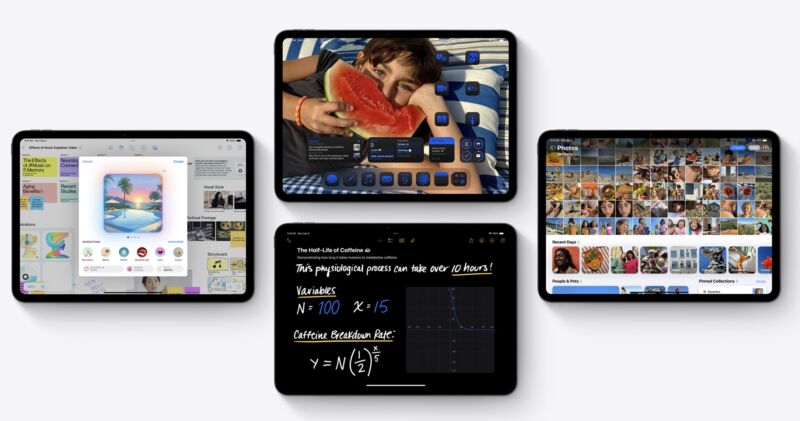


Apple pauses iPadOS 18 rollout for M4 iPad Pro after bricking complaints

iPads running iPadOS 18.
Enlarge / iPads running iPadOS 18.

Apple has temporarily paused the rollout of the iPadOS 18 update for M4 iPad Pros. The company has stopped signing the update for these iPads, meaning it will no longer be offered to users when they check, and Apple’s servers won’t activate the update if it’s installed some other way.

Apple confirmed to Ars that it had “temporarily removed” the update in order to “resolve an issue that is impacting a small number of devices.”

The update has supposedly been “bricking” devices for some M4 iPad Pro users; anecdotal reports from Reddit and MacRumors forum users suggest that some users have installed the update without issue, and others have ended up with unresponsive devices. Apple is apparently offering hardware replacements to users who have been affected, which points to a pretty serious bug—usually devices can be put into recovery (or DFU) mode as a last resort in the event of a botched software update.

Some people affected by the problem reported that they installed the iPadOS 17.7 update first and then attempted to install iPadOS 18.0. The 17.7 update is provided primarily as a security update for people who aren’t ready to upgrade to an entirely new version of iPadOS just yet, and the 17.7 to 18.0 upgrade path may not have been tested as thoroughly as the 17.6 to 18.0 upgrade.

In any case, M4 iPad Pro owners who haven’t already upgraded will need to wait—either for Apple to release a new version of the iPadOS 18 update without the problems or for Apple to determine that the bricked iPads are suffering from a hardware issue rather than a software glitch.

The iPadOS 17.7 update is still being signed for these iPads, and users should install it if they want the latest security patches while they wait for Apple to resolve the problems with iPadOS 18. Apple is also continuing to sign the iPadOS 18.0 update for other iPads, including the M2 iPad Air.

This article was updated with a statement from Apple. 

https://arstechnica.com/?p=2050551


Apple software leaks new Mac mini with five USB-C ports ahead of rumored event

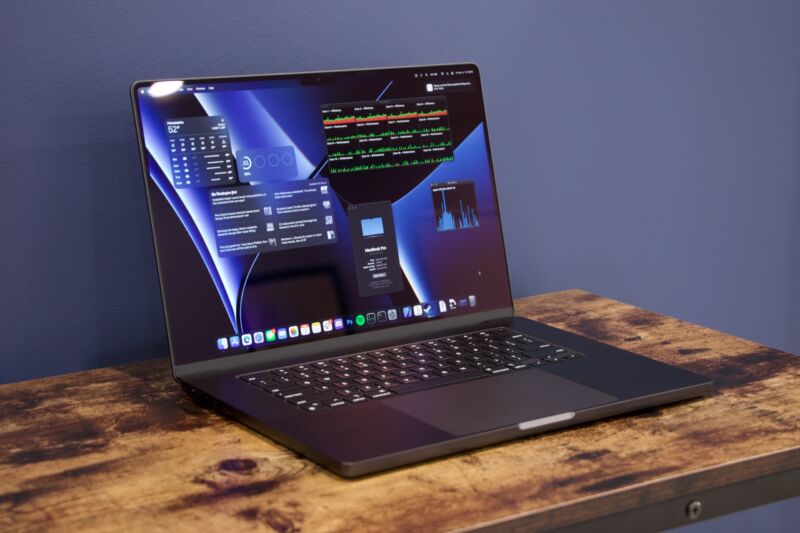
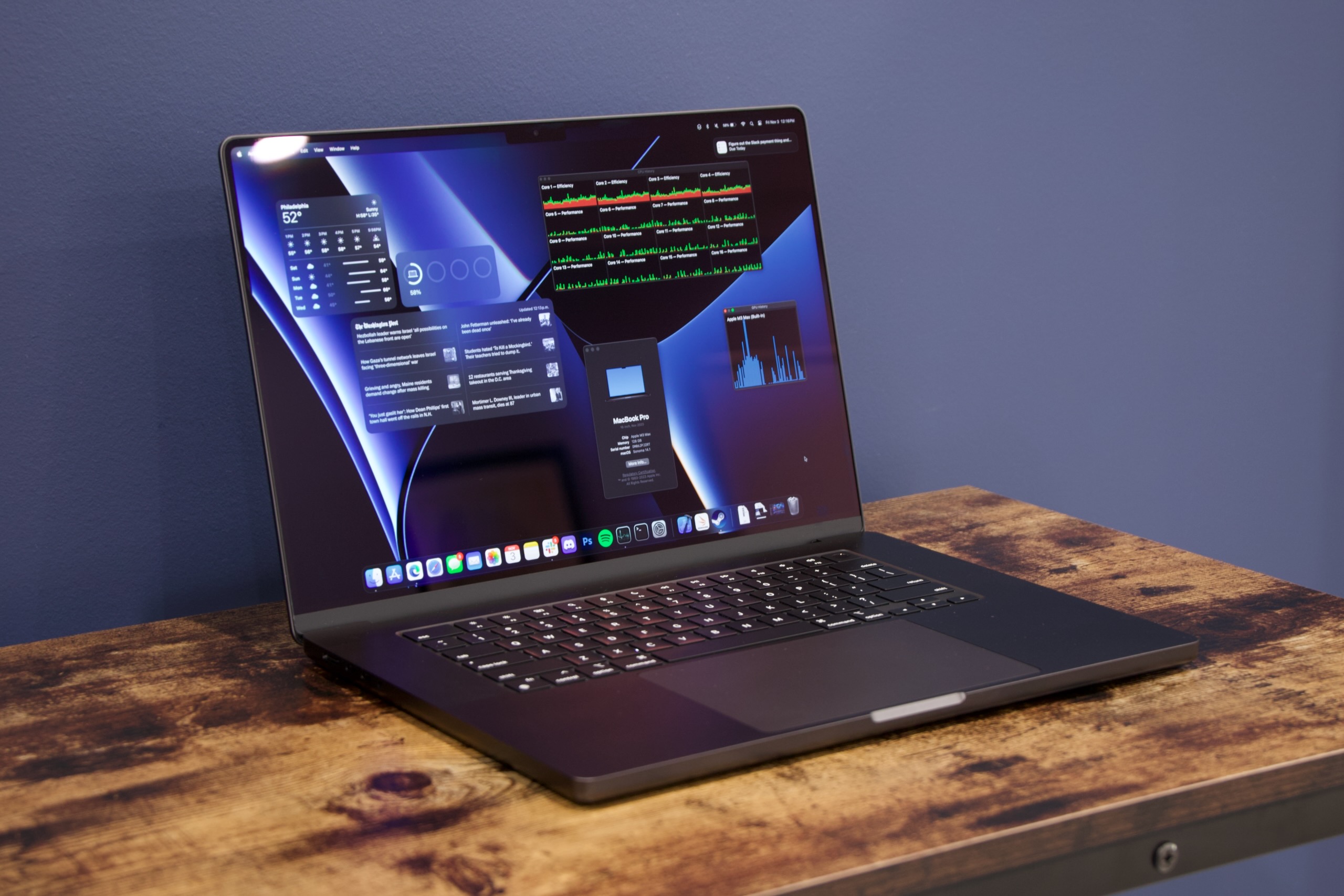
Apple's M3 Max-powered 16-inch MacBook Pro. New Pro laptops and some desktops could be on tap for later this fall.
Enlarge / Apple’s M3 Max-powered 16-inch MacBook Pro. New Pro laptops and some desktops could be on tap for later this fall.
Andrew Cunningham

Apple’s newest iPhones and Apple Watches don’t come out until later this week, but the rumor mill is already indicating that Apple is planning a product announcement for October to refresh some of the products that didn’t get a mention at the iPhone event. Apple scheduled its release calendar similarly last year, when it announced and released new iPhones in September and then launched the first wave of M3 Macs around Halloween.

Bloomberg’s Mark Gurman believes that the event will mainly focus on the first wave of Macs with M4 processors, following the standard M4’s introduction in the iPad Pro earlier this year. As he has reported previously, he expects new MacBook Pro models with the M4 and “pro-level M4 chip options,” presumably the M4 Pro and M4 Max. He also expects an M4 version of the 24-inch iMac.

But the most interesting of the new Macs will still be the redesigned Mac mini, which hasn’t gotten an M3 update at all and has been using the same basic external design since 2010. This Mac mini is said to be closer in size to the Apple TV than the current mini, but still uses an internal power supply so that owners won’t have to wrangle a power brick. At least some of the current device’s ports will be replaced by USB-C and/or Thunderbolt ports, something that MacRumors apparently confirmed earlier today when they found a reference to an “Apple silicon Mac mini (5 ports)” in an Apple software update (some of those ports are reportedly on the front of the device, a nice Mac Studio design upgrade that I’d like to see on a new Mac mini).

The “five port” descriptor does imply that there will be another model with either more or fewer ports—Apple used similar terminology to distinguish the two- and four-port versions of some MacBook Pro models in the Intel days. The current M2 Mac mini models have fewer ports than the models with the M2 Pro chip, because the more powerful processor also has more I/O capabilities—assuming we get one Mac mini with an M4 and an upgraded model with an M4 Pro, we’d expect the Pro version to have more ports.

Gurman says that other Mac models, including the Mac Studio, Mac Pro, and MacBook Air, will see M4-series updates throughout 2025. Of those, the Mac Studio and the Mac Pro have gone the longest without an update—they’re all still using M2-series chips.

Apple is also said to be planning some new lower-end iPads for the October event—not the first time that Macs and iPads have shared billing for one of these late-fall product announcements. The $349 iPad 10 and the iPad mini have both gone over a year without any kind of hardware update; it seems likely that they’ll both get newer chips, if not significantly updated designs.

https://arstechnica.com/?p=2050106


iOS 18 brings RCS to major carrier iPhones, but prepaid plans are still waiting

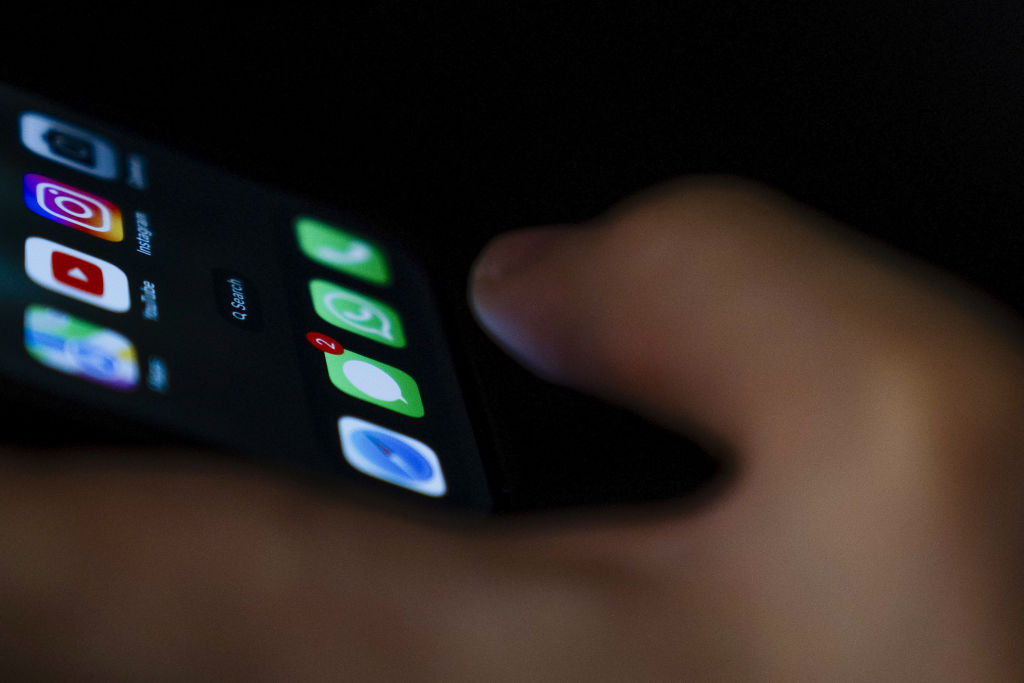
Thumb hovering over the Messages app on an iPhone
Enlarge / Illustration of a person who refuses to check their iPhone’s messages until RCS is enabled on their MVNO carrier, out of respect for their Android-toting friends and family.
Getty Images

The future of inter-OS mobile messaging is here, it’s just unevenly distributed.

With iOS 18, Apple has made it possible for non-Apple phones to message with iPhones through Rich Communication Services (RCS). This grants upgrades from standard SMS text messages, like read receipts, easier and higher-quality media sending, typing indicators, and emoji/response compatibility. More than that, it allows for messaging while on Wi-Fi without cellular services and makes group messages far less painful to navigate and leave. Notably, RCS messages between iPhones and non-iPhones will not be encrypted, like Apple’s private iMessage service available exclusively between Apple devices.

iOS 18 makes these RCS upgrades possible, but certainly not guaranteed, at least as of today. Lots of people have already been enjoying cross-platform RCS messaging when texting with iOS 18 beta users. And iPhones on the big carriers’ plans can now trade RCS with Android users. But some iPhone users, particularly on mobile virtual network operators (MVNOs)—typically pre-paid services that do not own network hardware but resell major carrier access—do not have an RCS option available to them yet.

Google, a major proponent of Apple adopting RCS, confirmed to Ars that Google Fi, its own MVNO cellular service, does not, as of this writing, offer RCS chat for iPhone users on Fi messaging with Android users. Android users on Google Fi can use RCS with iPhones on other carriers, so long as that iPhone has “RCS interoperability enabled.”

Reading between the lines, you might conclude that Google is waiting on Apple to enable RCS on a network-by-network basis, both for Fi and for Android users at large. And a Google spokesperson would suggest that is correct.

“We have been working for a long time to accelerate the adoption of RCS, and are excited that Apple is taking steps to adopt RCS with the launch of iOS 18,” a Google spokesperson said in a statement. “Only Apple has the ability to enable RCS interoperability for iPhone users on Fi, and our hope is that they will do so in the near future.”

Ars has contacted Apple, along with carriers Mint Mobile and Boost Mobile, for comment on RCS availability across carriers and will update this post with new information. Some customers of MVNOs offered by the major carriers themselves, like those on Visible from Verizon, have reported having RCS access with iOS 18 installed.

Apple got the message, kept it green

Users of other MVNOs have asked on Reddit why their upgrade from basic SMS to RCS did not occur during the iOS 18 betas. A co-founder and current CFO of Mint Mobile said on September 9 that it would “be a few months, unfortunately,” as the “backend transition is taking some time… Believe me, we want this out as soon as we can,” wrote Rizwan Kassim.

A moderator for the Mint Mobile subreddit suggested that the backend transition involves carriers setting up a relay API for messages, adding that to the “carrier bundle” they deliver to customers and then providing Apple with information it can add to a future iOS update.

If you have an iPhone that isn’t on one of the major carriers’ primary plans (AT&T, T-Mobile, or Verizon) and want to check if RCS should be available, you can do that in Settings. Head to General, choose About, and scroll down to the Carrier line under your active SIM or eSIM. Tap the “Carrier” line until you see “IMS Status.” If it reads “Voice & SMS,” you don’t have RCS yet, but if you see “Voice, SMS & RCS,” you do.

The version of RCS that iPhone and Android users might use now, or soon, is the “RCS Universal Profile,” which does not include the encryption that Google’s own messaging apps provide over RCS. Google’s “Get the Message” campaign tried to shame Apple into adopting RCS. The related site notes that “Apple is starting to #GetTheMessage” with RCS adoption but that iPhone users will have to “check with your carrier” to turn on the feature.

Apple announced RCS support in November 2023. The company’s choice of a particularly strong green color to denote messages that are not going over its own iMessage servers—but culturally associated with Android—have inspired both a notable Drake track, a wild month of efforts by messaging startup Beeper to work around its Apple-only nature, and a portion of the Department of Justice’s antitrust lawsuit against Apple. RCS support, whenever it arrives for whatever carrier, will not change the color of cross-platform messages.

https://arstechnica.com/?p=2049951


Unicode 16.0 release with new emoji brings character count to 154,998

Emojipedia sample images of the new Unicode 16.0 emoji.
Enlarge / Emojipedia sample images of the new Unicode 16.0 emoji.

The Unicode Consortium has finalized and released version 16.0 of the Unicode standard, the elaborate character set that ensures that our phones, tablets, PCs, and other devices can all communicate and interoperate with each other. The update adds 5,185 new characters to the standard, bringing the total up to a whopping 154,998.

Of those 5,185 characters, the ones that will get the most attention are the eight new emoji characters, including a shovel, a fingerprint, a leafless tree, a radish (formally classified as “root vegetable”), a harp, a purple splat that evokes the ’90s Nickelodeon logo, and a flag for the island of Sark. The standout, of course, is “face with bags under eyes,” whose long-suffering thousand-yard stare perfectly encapsulates the era it has been born into. Per usual, Emojipedia has sample images that give you some idea of what these will look like when they’re implemented by various operating systems, apps, and services.

Unicode 16.0 also adds support for seven new modern and historical scripts: the West African Garay alphabet; the Gurung Khema, Kirat Rai, Ol Onal, and Sunuwar scripts from Northeast India and Nepal; and historical Todhri and Tulu-Tigalari scripts from Albania and Southwest India, respectively.

We last got new emoji in 2023’s Unicode 15.1 update, though all of these designs were technically modifications of existing emoji rather than new characters—many emoji, most notably for skin and hair color variants, use a base emoji plus a modifier emoji, combined together with a “zero-width joiner” (ZWJ) character that makes them display as one character instead. The lime emoji in Unicode 15.1 was actually a lemon emoji combined with the color green; the phoenix was a regular bird joined to the fire emoji. This was likely because 15.1 was only intended as a minor update to 2022’s Unicode 15.0 standard.

Most of the Unicode 16.0 emoji, by contrast, are their own unique characters. The one exception is the Sark flag emoji; flag sequences are created by placing two “regional indicator letters” directly next to each other and don’t require a ZWJ character between them.

Incorporation into the Unicode standard is only the first step that new emoji and other characters take on their journey from someone’s mind to your phone or computer; software makers like Apple, Google, Microsoft, Samsung, and others need to design iterations that fit with their existing spin on the emoji characters, they need to release software updates that use the new characters, and people need to download and install them.

We’ve seen a few people share on social media that the Unicode 16.0 release includes a “greenwashing” emoji designed by Shepard Fairey, an artist best known for the 2008 Barack Obama “Hope” poster. This emoji, and an attempt to gin up controversy around it, is all an elaborate hoax: there’s a fake Unicode website announcing it, a fake lawsuit threat that purports to be from a real natural gas industry group, and a fake Cory Doctorow article about the entire “controversy” published in a fake version of Wired. These were all published to websites with convincing-looking but fake domains, all registered within a couple of weeks of each other in August 2024. The face-with-bags-under-eyes emoji feels like an appropriate response.

https://arstechnica.com/?p=2049432


Apple, per la Corte di Giustizia Ue le agevolazioni fiscali in Irlanda illegali. Dovrà versare 13 miliardi all’erario

La Corte di Giustizia dell’Unione europea ha annullato una sentenza del Tribunale Ue, che aveva a sua volta annullato una decisione dell’Antitrust europeo sulle agevolazioni fiscali ottenute da Apple tra l’inizio degli anni ’90 e la metà del decennio passato. Sulla base di questa decisione ora l’Irlanda dovrà recuperare gli aiuti di stato che erano stati elargiti al gruppo.

Aiuti di Stato, Apple dovrà pagare i mancati versamenti in Irlanda per 13 miliardi

Con un comunicato, la Corte di giustizia ricorda che nel 2016 la Commissione europea aveva deciso che alcune società appartenenti al gruppo Apple avevano beneficiato, dal 1991 al 2014, di vantaggi fiscali costitutivi di un aiuto di Stato concesso dall’Irlanda.

Secondo le stime effettuate dalla Commissione, nel periodo in esame l’Irlanda avrebbe concesso alla Apple vantaggi fiscali illegali per un totale di 13 miliardi di euro. Ora questi fondi dovranno essere restituiti da Apple.

Nel 2020 decisione annullata

Tale aiuto, si legge, riguardava il trattamento fiscale degli utili generati da attività della Apple al di fuori degli Stati Uniti. Nel 2020 il Tribunale ha annullato la decisione adottata dalla Commissione, ritenendo che quest’ultima non avesse sufficientemente dimostrato l’esistenza di un vantaggio selettivo a favore di tali società. Nel pronunciarsi sull’impugnazione, la Corte annulla la sentenza del Tribunale e statuisce definitivamente sulla controversia, confermando al contrario la decisione della Commissione.

Cosa è successo

L’indagine su Apple è partita nel settembre 2014. L’accusa per il gruppo e l’Irlanda è di trattamento fiscale di favore, che costituisce violazione delle norme Ue sulla concorrenza.

Secondo la Ue, Apple per anni ha tratto vantaggio dagli accordi fiscali siglati con Dublino nel periodo che va dal 1991 al 2007.

Gli accordi siglati con le autorità irlandesi “conferiscono un vantaggio per Apple” che viene “garantito in maniera selettiva”, ha sempre detto la Commissione Europea.

A sostegno della tesi di Bruxelles, il fatto che gli accordi fiscali fra Apple e Dublino siglati nel 1991 non siano mai stati rivisti per un periodo di 15 anni. Secondo la Commissione Ue lo stesso trattamento di favore non viene garantito ad altre aziende con sede in Irlanda, suffragando così l’accusa di trattamento anticoncorrenziale.

La tesi di Apple è che il trattamento fiscale di cui gode in Irlanda è lo stesso garantito a tutte le multinazionali che operano in quel paese, dove il prelievo per le aziende è fissato al 12,5%. Ma Apple lascerebbe in Irlanda appena il 2% degli utili.

Perché l’Irlanda, paradossalmente, non vuole incassare i 14 miliardi da Apple?

Dublino presenta ricorso con Apple

Il governo irlandese ha presentato il ricorso insieme ad Apple contro la Commissione Europea per tre motivi:

  1. Nel Paese europeo Apple ha avuto fino al 2015 il domicilio fiscale per il suo business in Europa. Da due anni, da quando l’Irlanda ha modificato la normativa sul Fisco, Apple ha spostato la residenza fiscale di due sue società a Jersey, sempre in Europa, è un’isoletta di 100mila abitanti nel canale della Manica, ma ha precisato la società “Le modifiche apportate non hanno ridotto i nostri pagamenti fiscali in nessuno Stato. Infatti, i nostri pagamenti verso l’Irlanda sono aumentati notevolmente e negli ultimi tre anni abbiamo pagato $ 1,5 miliardi di tasse”. 
  2. Inoltre in Irlanda è presente il quartier generale europeo di Apple, precisamente nella sede di Cork lavorano 6mila dipendenti e si era partiti con 60 lavoratori nel 1980, quando Steve Jobs scelta la città per espandere la società oltre oceano. “L’innovazione e gli investimenti di Apple danno lavoro a oltre 12mila persone in tutta l’Irlanda”, scrive Apple nel comunicato stampo.
  3. Per cui quei 13 miliardi di euro che spettano di diritto all’Irlanda rappresentano l’equivalente del 5% del PIL e quasi interamente il budget annuo previsto per la sanità. Ma meglio rinunciarvi piuttosto che rischiare di assistere inermi alla fuga dei capitali di Apple e al conseguente licenziamento delle migliaia di persone a cui la società garantisce un posto di lavoro, in Irlanda.

Questo spiega la particolare situazione del governo irlandese, che non ha intenzione di appesantire la posizione fiscale di Apple nell’Unione europea ma anzi, appoggia l’azienda americana nei vari ricorsi e decisioni che vengono prese nelle differenti sedi giudiziarie comunitarie.

Leggi le altre notizie sull’home page di Key4biz

https://www.key4biz.it/apple-per-la-corte-di-giustizia-ue-le-agevolazioni-fiscali-in-irlanda-illegali-dovra-versare-13-miliardi-allerario/503589/


Apple will release iOS 18, macOS 15, iPadOS 18, other updates on September 16

Apple will release iOS 18, macOS 15, iPadOS 18, other updates on September 16

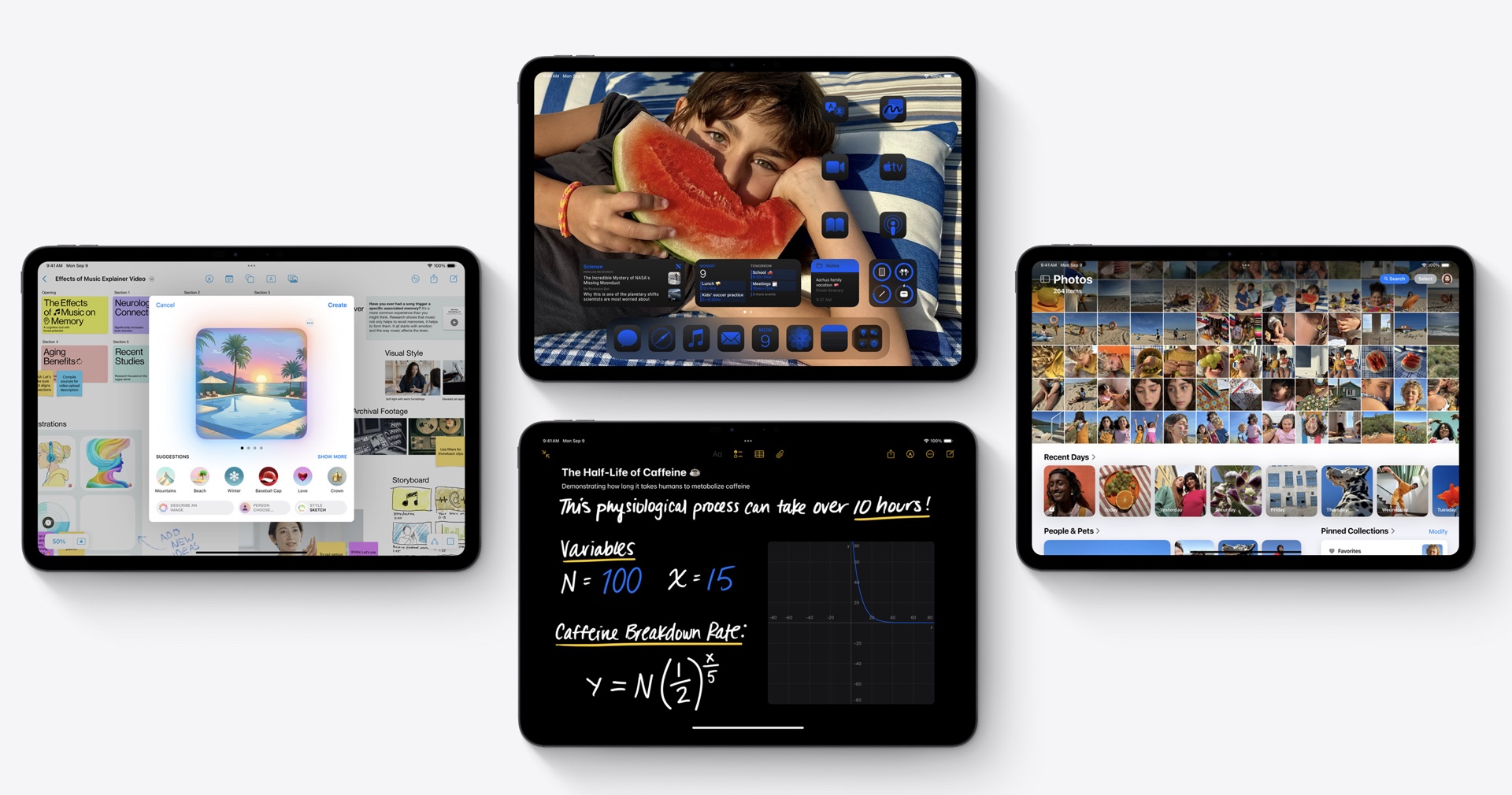
Apple plans to release the next versions of iOS, iPadOS, macOS, and watchOS to the general public on September 16, the company announced via its website following its iPhone-centric product event earlier today. We should also see updates for tvOS and the HomePod operating system on the same date.

The new releases bring a number of new features and refinements to Apple’s platforms: better texting with Android devices thanks to support for the RCS standard, iPhone Mirroring that allows you to interact with your iPhone via your Mac, more UI customization options for iPhones and iPads, and other improvements besides.

What won’t be included in these initial releases is any hint of Apple Intelligence, the batch of generative AI and machine learning features that Apple announced at its Worldwide Developers Conference in June. Apple is testing some of the Apple Intelligence features in betas of iOS 18.1, iPadOS 18.1, and macOS 15.1, updates that will be released later this fall. When Apple Intelligence does arrive, compatibility will be limited: it will require an iPhone 15 Pro or one of the just-announced iPhone 16 or 16 Pro models; an iPad Air or Pro with an M1, M2, or M4 chip; or an Apple Silicon Mac. Apple will also be withholding Apple Intelligence from devices in the EU, at least for now.

The new operating systems will run on most of the same hardware that is currently compatible with iOS 17, iPadOS 17, and macOS Sonoma, including the last few generations of Intel Macs from 2018, 2019, and 2020. But there are a handful of exceptions, like the 2018 MacBook Air and a handful of older iPads. Phones as old as 2018’s iPhone XR and XS will be able to install and run the iOS 18 update.

Apple has released multiple beta versions of each operating system since WWDC in June, and release candidate builds will likely go out to users and developers today. These will enable developers to get final versions of their apps ready for launch day. Users who want to move over to the new operating systems early can also do so—you can be relatively confident that most of the biggest bugs have been worked out over the summer betas. However, as always when installing major updates, you should ensure you have good backups of your data beforehand.

https://arstechnica.com/?p=2048328


Apple updates both of its new iPhones with A18 and A18 Pro chips

Apple updates both of its new iPhones with A18 and A18 Pro chips

For the last couple years, Apple has reserved its most significant silicon updates for its iPhone Pro models, while the less expensive non-Pro iPhones have made do with year-old chips. This year, Apple is introducing new A18-series chips for both Pro and non-Pro iPhones, chips which it says are “designed for Apple Intelligence from the ground up.”

The Apple A18 (no Pro, no Bionic, just A18) will power the new iPhone 16 and 16 Plus—the iPhone 15 used an A16 Bionic, and jumping two chip generations in one year makes for more impressive-sounding performance numbers.

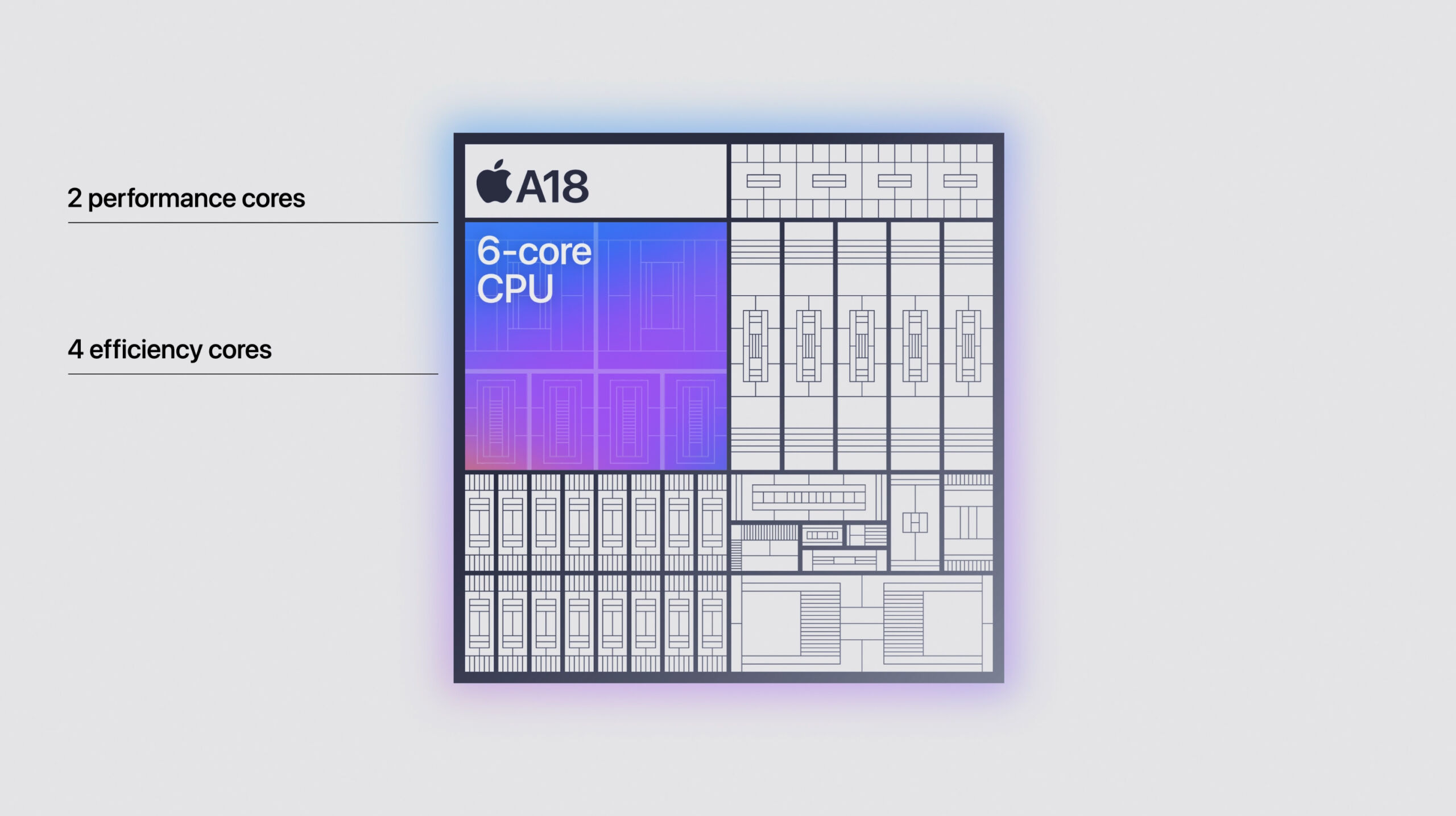
Like the last few generations of iPhone chip, the A18 includes a 6-core CPU with two high-performance processor cores and four high-efficiency cores. Apple says the CPU is 30 percent faster than the A16 chip in the iPhone 15. The A18 also includes a 5-core GPU that Apple says is 40 percent faster than the GPU in the iPhone 15—the A18 GPU also supports hardware-accelerated ray tracing, which was introduced in the A17 Pro.

The A18 includes a six-core CPU with two high-performance cores and four high-efficiency cores.
Enlarge / The A18 includes a six-core CPU with two high-performance cores and four high-efficiency cores.

A 16-core neural engine will accelerate Apple Intelligence’s AI and machine learning capabilities, and 17 percent higher memory bandwidth compared to the A16 rounds out its capabilities. The chip is built using a “second-generation 3 nm” manufacturing process, most likely from longtime Apple manufacturing partner TSMC.

Apple didn’t mention RAM specifically—it rarely does, for iPhones—but the A18 likely has at least 8GB of RAM to help it run Apple Intelligence models. The A16 in the iPhone 15 included 6GB of RAM.

The iPhone 16 Pro gets a new Pro chip; the A18 Pro’s upgrades over the A18 are mostly subtle, and it’s less of an upgrade over the iPhone 15 Pro and its A17 Pro chip.

Apple is still using a six-core CPU with two high-performance cores and four high-efficiency cores, but Apple says that “larger caches” and “next-generation ML accelerators” will boost its performance a bit beyond the cores in the regular A18. Apple says CPU performance should be around 15 percent faster than in the A17 Pro.

The GPU in the A18 Pro uses the same architecture as the A18, but it has six GPU cores instead of five, and it is 20 percent faster than the A17 Pro’s GPU. Apple said that hardware-accelerated ray tracing could be up to twice as fast as in the A17 Pro, but the regular A18 Pro should benefit from this improvement, too. The A18 Pro has the same 16-core Neural Engine as the A18, and also benefits from 17 percent more memory bandwidth.

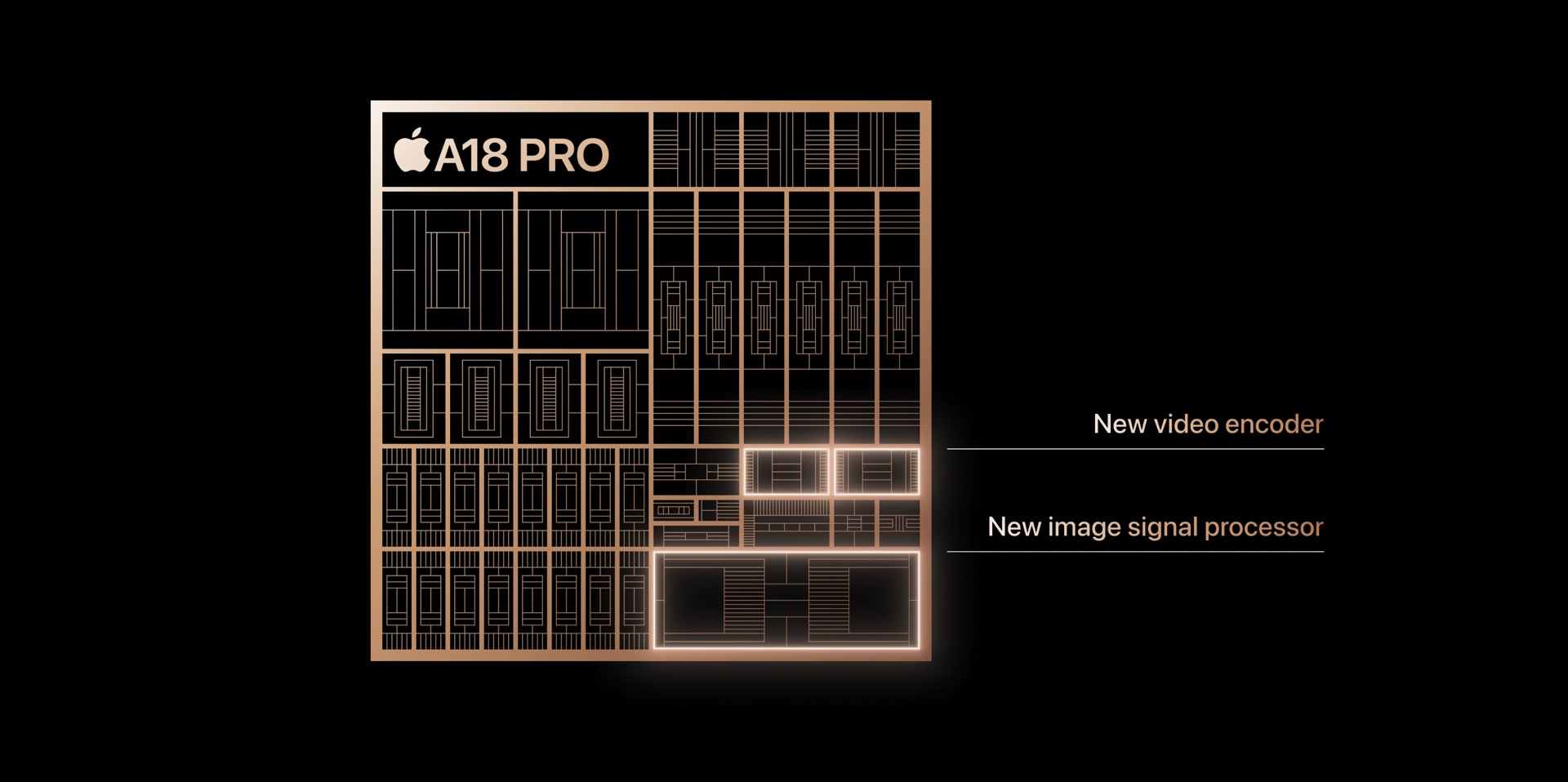
Better video and I/O capabilities help separate the A18 Pro from the regular A18.
Enlarge / Better video and I/O capabilities help separate the A18 Pro from the regular A18.

Some things that make the A18 Pro “pro” are related to its I/O, and its media encoding and decoding hardware. The A18 Pro supports ProRes video encoding, has a new image signal processor that apparently isn’t in the A18, and also supports “faster USB 3 speeds” than the A17 Pro. For those using their iPhones to shoot professional-grade video, these are small but welcome improvements over the A18 that will help shoot better video, and make it easier to offload video to a computer when it’s time to edit.

https://arstechnica.com/?p=2048465


Apple svela gli iPhone 16 ma Apple Intelligence è ancora esclusa dall’Unione Europea

Nessuna, o ben poche, novità in casa Apple. Come anticipato nelle scorse settimane, il gigante americano ha tolto il velo alla nuova gamma di iPhone 16, i primi sviluppati da zero per avere al centro l’intelligenza artificiale di Apple Intelligence. Purtroppo, la Mela ha lavorato solo sull’hardware e software e meno sui rapporti con Bruxelles per permettere anche agli utenti in Unione Europea di beneficiare delle novità introdotte dall’AI.

E brucia ancora di più sapere che l’intelligenza artificiale del gruppo arriverà, a scaglioni e a partire da fine settembre, in altri paesi oltre che gli Stati Uniti. Ad esempio nel Regno Unito, non solo in lingua inglese ma anche in spagnolo e francese. Una beffa.

Le novità dell’iPhone 16 Pro e 16 Pro Max

L’iPhone 16 Pro e Pro Max rappresentano un nuovo standard nel settore degli smartphone. Con display ProMotion più grandi, design in titanio di grado 5 e il potente chip A18 Bionic Pro, questi dispositivi offrono prestazioni senza precedenti. L’intelligenza artificiale integrata apre nuove possibilità per la fotografia e l’elaborazione delle immagini. Una delle prime cose che salta all’occhio è il nuovo design. Grazie a bordi incredibilmente sottili, Apple è riuscita a incrementare le dimensioni del display senza ingrandire eccessivamente il corpo del dispositivo. Il display, protetto dal resistente Ceramic Shield di nuova generazione, offre un’esperienza visiva ancora più immersiva. La scocca in titanio di grado 5, disponibile in quattro raffinate finiture, conferisce all’iPhone 16 Pro un look premium e una resistenza ai graffi superiore.

Al cuore dei nuovi iPhone c’è il potente chip Apple A18 Pro, una versione ancora più evoluta del chip A17 Pro. Realizzato con un processo a 3 nanometri di seconda generazione, questo processore offre prestazioni eccezionali in termini di velocità di elaborazione, efficienza energetica e capacità di eseguire complessi calcoli di intelligenza artificiale. Il Neural Engine a 16 core, in grado di eseguire 35 TOPS, garantisce un’esperienza utente fluida e reattiva in ogni situazione. Il nuovo tasto fisico Camera Control rappresenta una vera e propria rivoluzione nel modo di scattare foto e video. Personalizzabile e intuitivo, questo tasto permette di accedere rapidamente a tutte le funzioni della fotocamera, dai filtri alle impostazioni, con un semplice gesto.

Apple iPhone 16: nuovo capitolo di intelligenza e sostenibilità

Secondo Tm Cook, gli iPhone 16, sono un salto in avanti per l’esperienza utente rispetto al passato. Al centro dell’innovazione c’è Apple Intelligence, la nuova era di intelligenza artificiale integrata che promette di trasformare il modo in cui utilizziamo i nostri smartphone.

L’iPhone 16 si distingue per un design elegante e sostenibile, con un rivestimento in ceramica più resistente e l’utilizzo di materiali riciclati. Il nuovo pulsante azione, già presente nei modelli Pro, offre un modo rapido e intuitivo per accedere alle funzioni preferite. Sotto la scocca, il potente chip Apple Silicon A18, ottimizzato per l’intelligenza artificiale, garantisce prestazioni avanzate e un’esperienza utente fluida. La vera novità è l’integrazione dell’intelligenza artificiale generativa.

Apple ha sempre posto la privacy al centro della sua filosofia. Con l’iPhone 16, l’azienda consolida il concetto di “Private Cloud Computer”, un sistema che permette di eseguire i modelli di intelligenza artificiale direttamente sul dispositivo, garantendo la massima protezione dei dati personali. Inoltre, un team di esperti indipendenti verificherà periodicamente che le promesse di privacy di Apple vengano mantenute.

L’iPhone 16 sarà disponibile in due diverse dimensioni, base e Plus, e in una vasta gamma di colori. Tuttavia, alcune funzionalità basate sull’intelligenza artificiale generativa, come la creazione di immagini, potrebbero non essere disponibili in tutti i Paesi a causa delle normative sulla privacy. L’iPhone 16 rappresenta un passo avanti significativo verso un futuro in cui l’intelligenza artificiale sarà integrata in modo sempre più profondo nella nostra vita quotidiana. Con un design elegante, prestazioni potenti e un focus sulla privacy, l’iPhone 16 si conferma come uno dei dispositivi più innovativi sul mercato.

Le novità di Apple Watch Series 10

Apple ha svelato il suo ultimo gioiello tecnologico: l’Apple Watch Series 10. Questo nuovo smartwatch promette di rivoluzionare l’esperienza utente grazie a un display più grande, un design più leggero e un’intelligenza artificiale avanzata. Una delle novità più evidenti è lo schermo più grande, che facilita la lettura delle notifiche e la scrittura di messaggi. La maggiore luminosità del display, pari a circa il 40% in più rispetto ai modelli precedenti, garantisce una visibilità ottimale anche in condizioni di luce intensa.

Apple ha lavorato per rendere l’Apple Watch Series 10 ancora più resistente e leggero. L’utilizzo del titanio di grado 5, al posto dell’acciaio inossidabile, ha permesso di ridurre il peso del dispositivo di quasi il 20%. Inoltre, un nuovo rivestimento protegge il display e la cassa da graffi e urti.

L’intelligenza artificiale svolge un ruolo fondamentale nell’Apple Watch Series 10. Grazie all’IA, Siri è più veloce e reattiva, mentre l’orologio è in grado di imparare a gestire al meglio l’autonomia della batteria. Inoltre, l’IA supporta nuove funzionalità come il riconoscimento dell’apnea notturna e il miglioramento della qualità delle chiamate telefoniche.

Oltre all’intelligenza artificiale, l’Apple Watch Series 10 introduce numerose novità software. Tra queste, il riconoscimento dell’apnea notturna, una funzione particolarmente utile per chi soffre di disturbi del sonno. L’azienda ha inoltre migliorato molte delle funzionalità già presenti, come il rilevamento delle cadute e l’SOS di emergenza. Apple continua a puntare sulla sostenibilità. Il chip S10 è realizzato utilizzando materiali riciclati, e l’azienda si impegna a ridurre al minimo l’impatto ambientale della produzione. I pre-ordini per l’Apple Watch Series 10 sono già aperti, e il dispositivo sarà disponibile a partire dal 20 settembre.

Tutti i prezzi

Il prezzo dell’iPhone 16 parte dal modello base a 979 euro per la versione da 6,1 pollici e 1.129 euro per il più grande da 6,7 pollici. La scelta è, come sempre, tra i tagli di memoria di archiviazione da 128, 256 o 5125 gigabyte. I top di gamma iPhone 16 Pro partono dai 1.239 euro del modello da 6,3 pollici per arrivare ai 1.489 euro del Pro Max da 6,9 pollici. Scegliendo la versione da 1 terabyte di archiviazione il costo è di 1.989 euro.

Il nuovo Apple Watch Series 10 ha un prezzo che parte da 459 euro o 809 euro, a seconda del rivestimento in alluminio o titanio mentre l’Apple Watch Ultra 2 nel nuovo colore nero resta a 909 euro. Rivisitazione anche per cuffie e auricolari: gli AirPods Max, in cinque colori, costano 579 euro mentre le AirPods 4 hanno un cartellino di 149 euro, che sale a 199 euro nel caso del modello con tecnologia di cancellazione attiva del rumore. Il prodotto di mezzo, gli AirPods Pro 2 costano 279 euro, con nuove funzionalità di controllo della salute dell’udito.

Leggi le altre notizie sull’home page di Key4biz

https://www.key4biz.it/apple-svela-gli-iphone-16-ma-apple-intelligence-e-ancora-esclusa-dallunione-europea/503475/


Apple’s iPhone 16 Pro boasts a bigger screen and better camera zoom

As expected, Apple announced the new iPhone Pro models today during a livestream: the iPhone 16 Pro and iPhone 16 Pro Max. The iPhone 16 Pro has a 6.3-inch display, and the Max has a 6.9-inch display. That’s primarily thanks to thinner borders around the displays.

Like the iPhone 15 Pro, the 16 Pro is made of titanium but with a new texture. Apple claims the phone has improved heat management with its new chassis, which could address some of our complaints about the iPhone 15 Pro—that means up to 20 percent faster sustained performance, too.

Larger batteries and efficiency improvements have led to a promise of battery life improvements, though Apple didn’t say exactly how much longer they’ll last during the livestream.

The iPhone 16 Pro includes the new A18 Pro chip, which is distinct from the A18 found in the regular iPhone 16. Apple says it is faster and more efficient.

It has a 16-core Neural Engine with 17 percent more memory bandwidth. Apple Intelligence features are said to run up to 15 percent faster than on the previous Pro phones. The A18 Pro ships with a 6-core GPU with 20 percent faster performance, and Apple touted its capability for AAA games—and that includes ray tracing performance that’s twice as fast. The 6-core CPU (two performance cores, four efficiency) is a modest 15 percent faster. Alternatively, it can deliver the same performance as the A17 Pro but with 20 percent more efficiency, which suggests battery life and heat improvements. Finally, there’s a new video encoder and ISP, with two times the throughput for data, with a special emphasis on improving video capture.

Like the new iPhone 16, the iPhone 16 Pro includes a new button called the Capture button. You can click it to take a photo quickly, like a traditional camera. But it’s also touch-sensitive, so you can run your finger across it in gestures to tweak the image using existing built-in photography features, like adjusting the zoom.

It has the same three camera types as before: wide-angle, telephoto, and ultra-wide. But there are some hardware improvements. The 48-megapixel wide-angle camera adds a new sensor that can read data twice as fast. There’s a new 48-megapixel ultra-wide camera to enable more detail in close-ups and selfies. The 5x telephoto lens that was exclusive to the 15 Pro Max is now included in both sizes of the iPhone 16 Pro, too.

The big new camera feature is 4K video capture at 120 frames per second and in Dolby Vision, which is a first for the platform. Videos captured this way can see their playback speed adjusted between 120 fps, 60 fps, 30 fps, and 24 fps after the fact in the Photos app. All videos captured can now include spatial audio, too. That’s accompanied by Audio Mix, a feature that allows you to switch between modes that attempt to isolate individual voices or sounds according to a few specific mix styles.

iPhone 16 Pro starts at $999 (128GB) or $1,199 (256GB) for the Max size. They are available for pre-order this coming Friday, and they ship on September 20.

https://arstechnica.com/?p=2048412