iPhone 16 gets two new buttons and a new camera layout
Apple’s new iPhone 16 isn’t a revolution by any means, but it’s a solid upgrade with a handful of new features (including two new physical buttons), plus better performance and Apple Intelligence support.

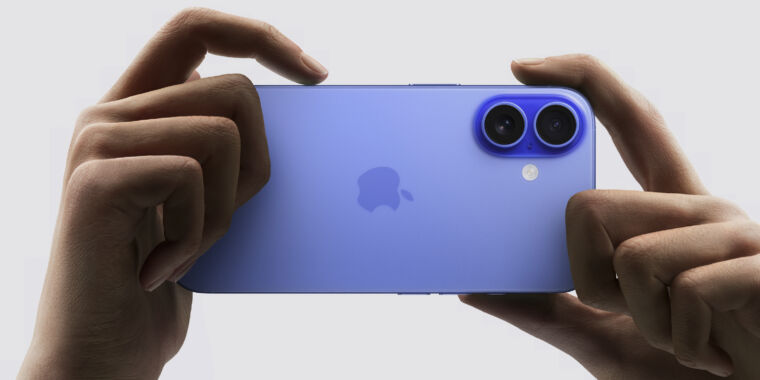
The design is similar to the iPhone 15 but with a vertical camera arrangement on the back, which helps take more efficient spatial photos and videos. A new camera control button can be clicked to take a photo, and also is touch-sensitive, allowing you to slide your finger across it to tweak the settings for the images, like zoom. It can tell the difference between a full click and a lighter press, which allows you to access customization features instead of taking a picture right away.

That’s not the only new button; the configurable Action button has arrived on the iPhone 16. It was introduced in the Pro models last year and can be used for various predetermined purposes or assigned to work with Shortcuts.

There’s a new chip, too: the A18. It has a new 16-core Neural Engine, which is up to two times faster than what we saw in the iPhone 15. The memory subsystem has 17 percent more memory bandwidth. These features allow it to support Apple’s generative models and Apple Intelligence, which was exclusive to the Pro phones last year. The 3 nm chip has a 6-core CPU with two performance cores and four efficiency cores. It’s up to 30 percent faster than the CPU iPhone 15, Apple claims.

There’s a new, ray-tracing-enabled, 5-core GPU that Apple says is is up to 40 percent faster; Apple says a new thermal design allows up to 30 percent higher sustained performance for gaming, and that the iPhone 16 can run AAA games like Assassin’s Creed Mirage that only worked on the 15 Pro last year.

Thanks to this chip, Apple says the iPhone 16 is the first non-Pro iPhone to support the upcoming suite of generative AI features the company calls Apple Intelligence. This will allow features like taking pictures of restaurants to pull up a menu or identifying dog breeds on the street by pointing the camera their way. Apple is calling those two examples “Visual Intelligence,” and it leans on the camera control feature of the iPhone 16, so that’s unique to this new model.

Speaking of the camera, there aren’t a ton of significant improvements on the hardware side over the iPhone 15. Apple talked up the 48-megapixel wide-angle camera, but most of the features applied to the previous model. There’s a new ultra-wide camera that has a larger aperture, with up to 2.6 times more light capture. It also includes macro photography and spatial video capture support, which was previously limited to the Pro phones.

The screen comes in the same sizes as before (6.1 inches for the regular iPhone 15, 6.7 for the Plus), but it can reach 2,000 nits of brightness in a sunny environment and as low as 1 nit in the dark. There’s a 50 percent tougher ceramic shield on the screen, too.

The iPhone 16 starts at $799 (128GB), and the Plus model starts at $899 (also 128GB). They are available for pre-order this coming Friday, and it ships September 20.

Listing image by Apple

https://arstechnica.com/?p=2048405


Apple announces $179 AirPods 4 with active noise cancellation

Apple announced the fourth-generation AirPods today during its It’s Glowtime event. As you can tell from the gallery above, the AirPods 4 look different from their predecessor. They also have Active Noise Cancellation (ANC) if you’re willing to pay extra.

Apple said that it mapped and analyzed “thousands” of ear shapes with 3D photogrammetry, laser topography, and other modeling tools to design the AirPods 4’s new form. Apple claims the new shape will make for a better fit. The new earbuds appear to have shorter stems. They look more similar to the AirPods Pro now but without the silicone tips. The stems also allow users to play/pause media and end or mute calls with a “quick press,” Apple claims, noting a new force sensor.

The new AirPods move from Apple’s H1 chip to the H2, which the current AirPods Pro use. Compared to the H1, Apple has said that the H2 is supposed to be up to twice as good at noise cancellation. Upgraded mics and computational audio are also supposed to aid in ANC.

The AirPods 4 inherit several AirPods Pro features. They claim personalized spatial audio, which uses head tracking, and machine learning-powered voice isolation as features. The AirPods are also supposed to be able to automatically lower the volume of whatever’s currently playing when you start talking to someone in real life. The Transparency mode lets you hear outside noises while media’s playing, and Adaptive Audio automatically blends Transparency mode with ANC.

The fourth-gen AirPods also have a new acoustic architecture that Apple claimed, without getting into much detail, delivers “richer” bass and “clearer” highs.

The new earbuds also have a redesigned case that’s 10 percent smaller by volume and is 2 inches (50 mm) long. It incorporates Apple’s slow, (European Union law-driven) shift from the proprietary Lightning charging port to USB-C. Apple said the case should last for up to 30 hours. It also supports wireless charging, including Qi.

The AirPods 4 will start at $129, which is cheaper than what the AirPods 3 have been going for ($179). But if you want ANC, they’ll cost $179. The AirPods 4 come out on September 20 but can be pre-ordered today.

Smaller updates to AirPods Pro and AirPods Max

Apple didn’t announce a new AirPods Pro or AirPods Max today but is adding some features to the current versions.

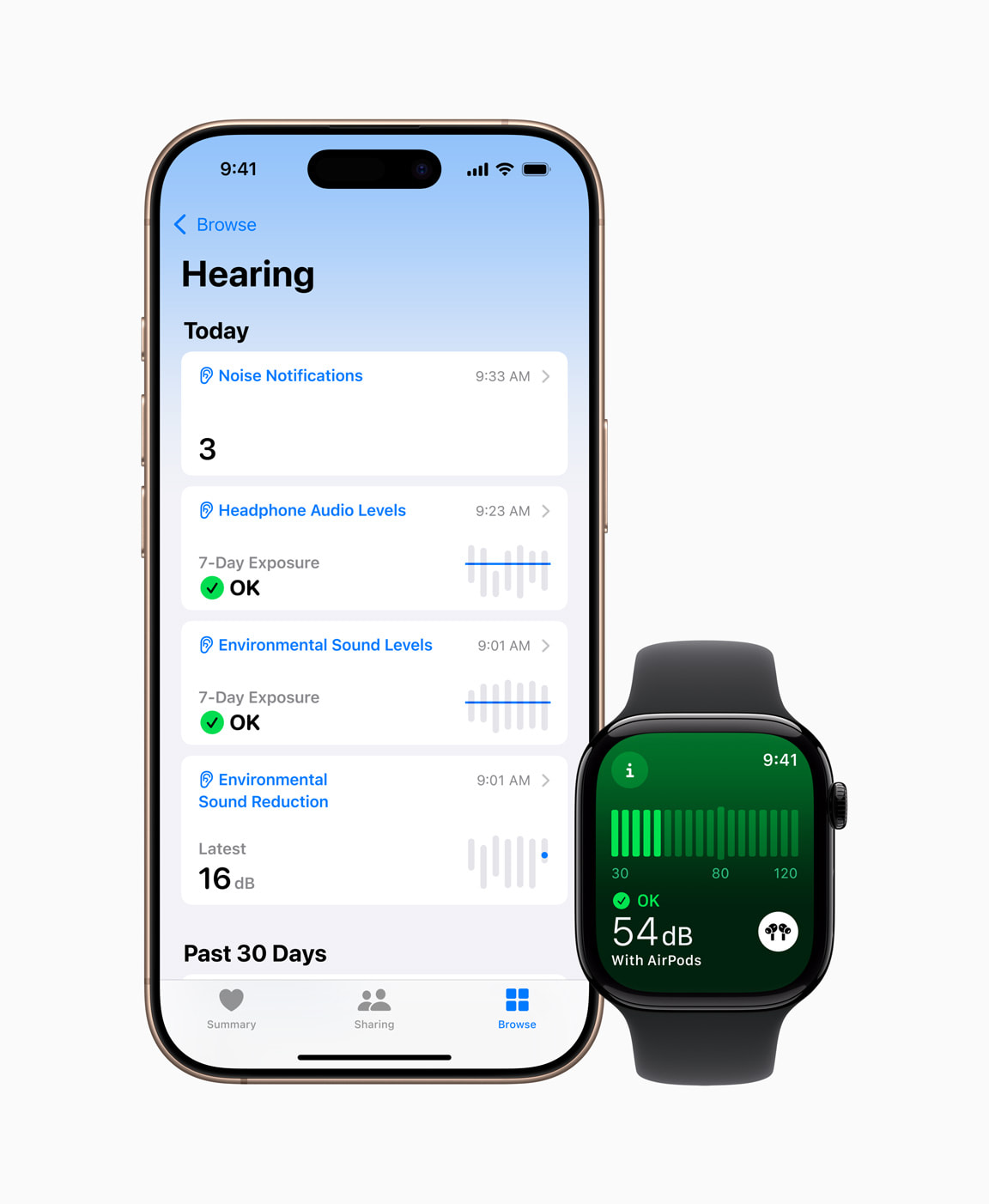
The AirPods Pro are getting a software update this fall that will allow the the earbuds to serve as a “clinical-grade hearing aid,” Apple CEO Tim Cook said. The feature is limited to people with “mild to moderate hearing loss,” Apple’s announcement said.

The fall update will also add a Hearing Protection feature to help quiet loud environmental sounds. “The ear tips help to provide passive noise reduction, while the H2 chip helps to actively reduce louder, more intermittent noise at 48,000 times per second,” per Apple’s announcement. Finally, the update will allow you to use the AirPods Pro as earplugs by use of an updated “multiband high dynamic range algorithm,” and add a hearing test.

AirPods Pro updates are all about hearing health.
Enlarge / AirPods Pro updates are all about hearing health.

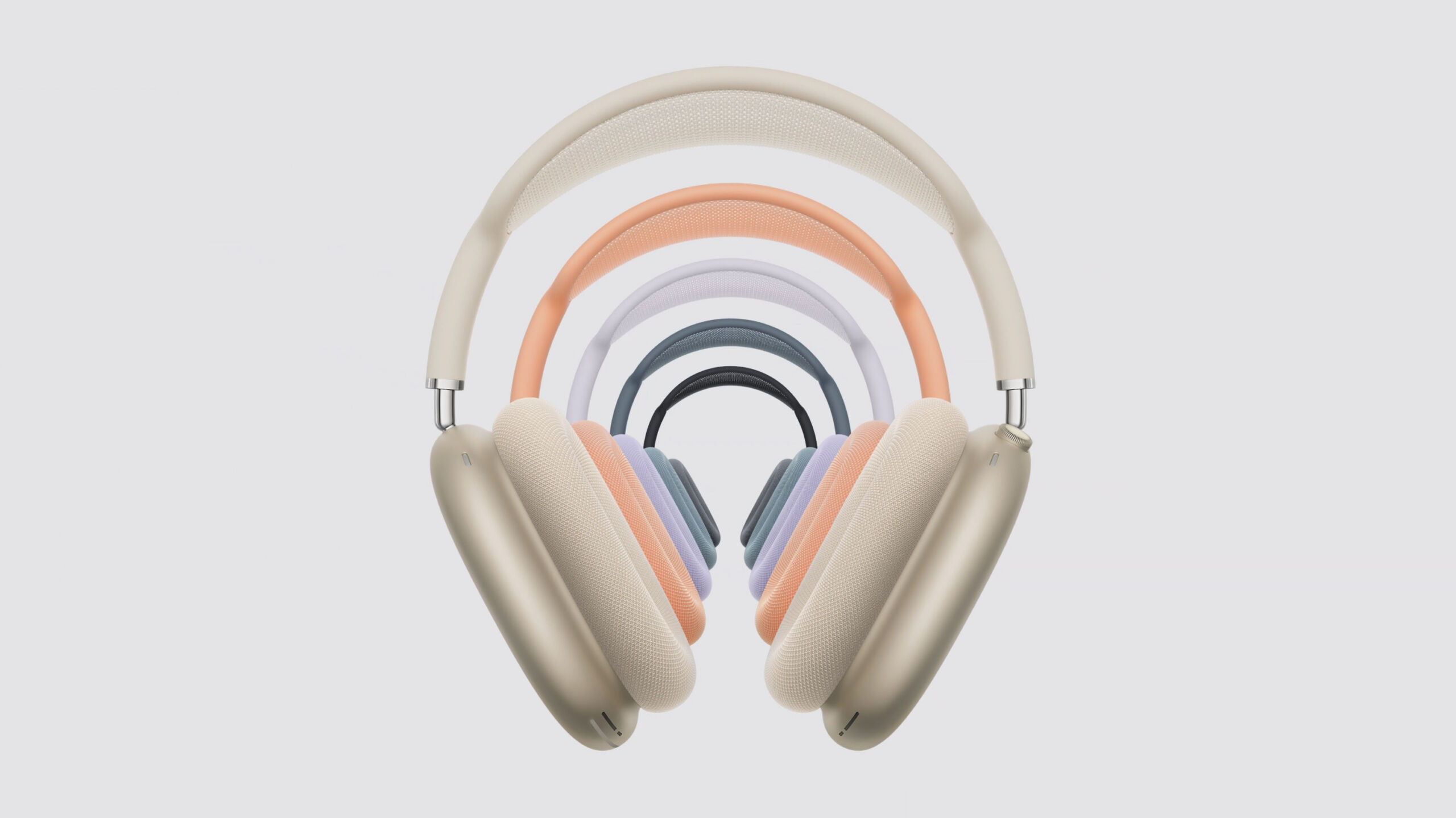
The AirPods Max, meanwhile, are joining the move to USB-C. They’re also getting personalized spatial audio and new colors: midnight, blue, purple, orange, and starlight.

This version of the AirPods Max will be available on September 20 and will cost $549. Pre-orders start today.

Listing image by Apple

https://arstechnica.com/?p=2048354


What to expect from Apple’s “It’s Glowtime” event

Apple It's Glowtime event promo image depicting a neon Apple logo
Enlarge / Apple’s event will likely discuss Apple Intelligence, though that’s not going to launch until later in the year with iOS 18.1

For years, Apple’s September event has focused almost exclusively on new flagship iPhones and new Apple Watch models. Once in a while, other second-tier products make an appearance. And in recent cycles, the Mac and high-end iPads had their shining moment later in the year—often in October or November.

We expect the same to happen this time. You can almost certainly count on new iPhones and Watches. As for what else to expect: well, no Macs, but there are a couple of interesting possibilities.

Here’s what we expect to see next week.

iPhone 16 and 16 Pro

Gone are the days of radical changes to the iPhone; the last dramatic redesign was the iPhone X in 2017. Since then, Apple has iterated a little bit each year—never enough to drive yearly upgrades, but perhaps enough to entice consumers with phones that are three years old or so.

The iPhone 16 and 16 Pro are expected to continue this pacing, with a grab bag of improvements to existing features but nothing too radical.

The only notable design change that has been rumored is the introduction of the “Capture” button on all models; this will allow taking pictures without using the touchscreen on all models. This could be done with the Action button on last year’s iPhone 15 Pro, and that Action button is expected to come to all iPhone 16 models (not just Pro) this year.

But adding a Capture button frees the Action button up for other things, and the Capture button is expected to produce different results depending on how you press it, making it more useful.

The iPhone 16 and iPhone 16 Plus rear camera arrangement will switch to two vertically aligned lenses instead of the diagonal arrangement of the previous model. Apart from that and the new buttons, there will be no noticeable design changes in the non-Pro phones this year.

The iPhone 16 Pro and iPhone 16 Pro Max will also not have noticeable design changes, but they will have slightly larger screens. The Pro is going from a 6.1-inch screen to 6.3 inches, while the larger Max version will go from 6.7 to 6.9 inches. The phones will be slightly larger, but much of the screen-size gain will come from Border Reduction Structure (BRS) implementation that will reduce the already barely there bezels a little bit.

Speaking of the screens, the Pro models will feature new panels that will provide just a bit more maximum brightness, following a trend of improvements in that area that has spanned the last few iPhones.

That’s it for changes visible on the outside. Inside, the phones are expected to get an improved thermal design—which hopefully addresses our biggest complaint when we reviewed the iPhone 15 Pro—as well as faster 5G modems in the Pros and a new A-series chip that will probably offer modest gains in performance and efficiency over the top-tier chip from last year.

All the remaining changes that are rumored from leaks, supply-chain insights, or news reports are tweaks to the camera systems. All models will get better ultra-wide cameras that handle low light better, and the iPhone 16 Pro will go to a 48-megapixel ultra-wide camera to better match the wide-angle lens’ overall performance. Additionally, the 5x zoom telephoto lens that was reserved only for the Pro Max last year will make its way to the smaller Pro this time.

That’s all we’ve heard so far. Looking back on paragraphs of text here, it sounds like a lot, but most of these things are pretty modest improvements. Those coming from an iPhone 13 Pro or earlier may be tempted by all this, but it’ll be pretty silly to upgrade from an iPhone 15 to an iPhone 16 unless Apple has managed to keep some earth-shattering new feature a secret.

https://arstechnica.com/?p=2047346


I added a ratgdo to my garage door, and I don’t know why I waited so long

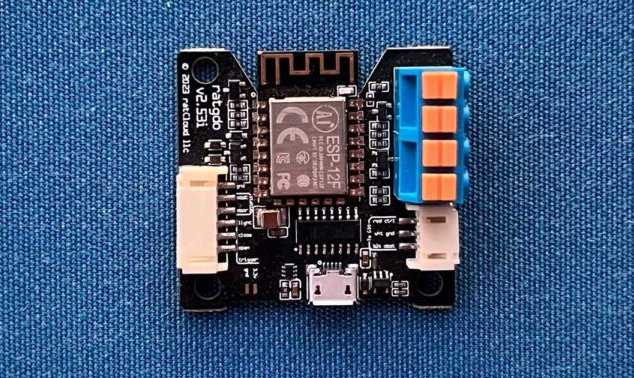
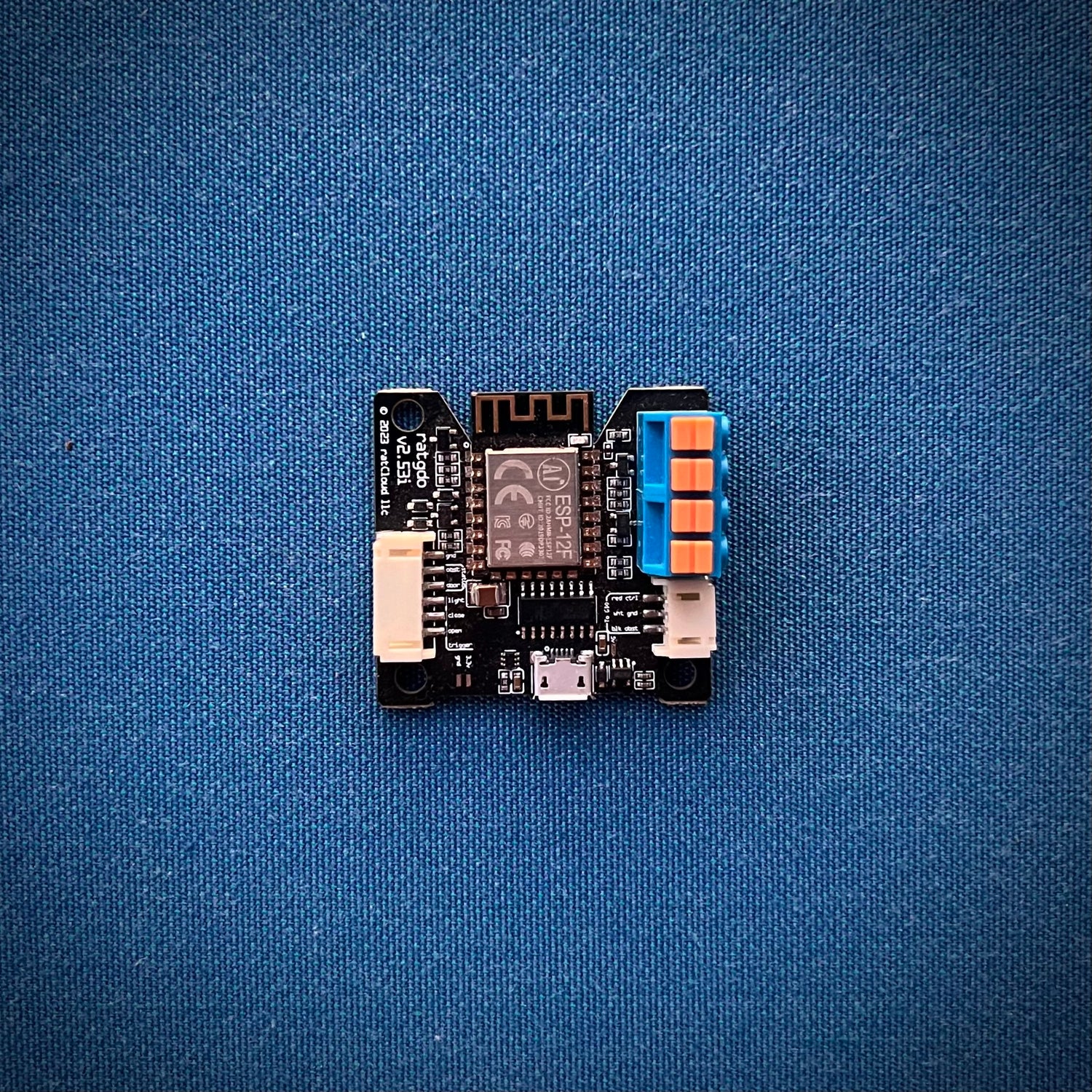
Photograph of a ratgdo
Enlarge / A ratgdo, version 2.53i.

I live in suburbia, which means I’ve got a garage (or a carhole, if you’re not so fancy). It’s a detached garage, so part of my nightly routine when I check to make sure the house is all locked up is to peek out the back window. I like to know the garage door is closed and our cars are tucked in safely.

But actually looking out a window with my stupid analog eyeballs is lame, so I figured I could make things easier by adding some smarts to my garage. The first thing I did was use this fellow’s instructions (the original site is sadly offline, but the Wayback Machine is forever) to cobble together a Raspberry Pi-based solution that would fire off an email every time the garage door opened or closed. I couldn’t remotely open or close the door from inside the house myself (well, I mean, I could with the actual garage door opener remote control), but I could just glance at my inbox to see if the garage door was open or shut in the evenings.

This worked great for a couple of years, until Texas summers murdered the poor Pi. (This was possibly my fault, too, because of the PoE hat that I’d slapped onto the Pi, which resulted in extra heat.) So, I was back to peeking out my window to check on the garage in the evenings. Like a sucker.

There had to be a better way.

Insultingly, offensively awful OEM solutions

I had just two requirements in my search for that better way. First, whatever automation solution I settled on had to be compatible with my garage door opener. Secondly, anything I looked at needed to interoperate with Apple’s HomeKit, my preferred home automation ecosystem.

The first thing I looked at—and quickly discarded—was using my garage door opener’s built-in automation functionality. My particular garage door opener is a LiftMaster, which means that it’s part of a big group of garage door opener brands under the “Chamberlain” banner. The OEM-sanctioned way to do what I want, therefore, is to use Chamberlain’s “MyQ” solution, which—and I am being generous here—is total garbage.

MyQ requires an accessory the company doesn’t sell or support anymore in order to hook into HomeKit, and Chamberlain would really, really, really like you to install their adds-nothing-of-value-to-me app in order to actually control things—likely so they can have a shot at collecting and monetizing my personal and/or behavioral data. (To be clear, I have no proof that that’s what they’d do with personal data, but monetizing and selling it would definitely be playing to type.) Given that the Chamberlain Group is owned by a big value-removing private equity firm with a history of poor stewardship over personal data, this all tracks.

<a href="https://rassegna.lbit-solution.it/wp-content/uploads/2024/09/i-added-a-ratgdo-to-my-garage-door-and-i-dont-know-why-i-waited-so-long-1.jpg" class="enlarge" data-height="1226" data-width="2560" alt="A snippet from the MyQ privacy page. It’s about as gross as you might expect.”><img alt="A snippet from the MyQ privacy page. It’s about as gross as you might expect.” src=”https://rassegna.lbit-solution.it/wp-content/uploads/2024/09/i-added-a-ratgdo-to-my-garage-door-and-i-dont-know-why-i-waited-so-long-1.jpg” width=”640″ height=”306″ srcset=”https://rassegna.lbit-solution.it/wp-content/uploads/2024/09/i-added-a-ratgdo-to-my-garage-door-and-i-dont-know-why-i-waited-so-long-1.jpg 2x”>
Enlarge / A snippet from the MyQ privacy page. It’s about as gross as you might expect.

That’s gonna be a “no” from me, dawg. I’d rather jam bamboo under my fingernails than install Chamberlain’s worthless app just for the privilege of controlling an accessory in my own home while facing the potential risk of having my personal information sold to enrich some vampire capitalists.

So what else to do?

https://arstechnica.com/?p=2047096


Harmful “nudify” websites used Google, Apple, and Discord sign-on systems

Harmful “nudify” websites used Google, Apple, and Discord sign-on systems

Major technology companies, including Google, Apple, and Discord, have been enabling people to quickly sign up to harmful “undress” websites, which use AI to remove clothes from real photos to make victims appear to be “nude” without their consent. More than a dozen of these deepfake websites have been using login buttons from the tech companies for months.

A WIRED analysis found 16 of the biggest so-called undress and “nudify” websites using the sign-in infrastructure from Google, Apple, Discord, Twitter, Patreon, and Line. This approach allows people to easily create accounts on the deepfake websites—offering them a veneer of credibility—before they pay for credits and generate images.

While bots and websites that create nonconsensual intimate images of women and girls have existed for years, the number has increased with the introduction of generative AI. This kind of “undress” abuse is alarmingly widespread, with teenage boys allegedly creating images of their classmates. Tech companies have been slow to deal with the scale of the issues, critics say, with the websites appearing highly in search results, paid advertisements promoting them on social media, and apps showing up in app stores.

“This is a continuation of a trend that normalizes sexual violence against women and girls by Big Tech,” says Adam Dodge, a lawyer and founder of EndTAB (Ending Technology-Enabled Abuse). “Sign-in APIs are tools of convenience. We should never be making sexual violence an act of convenience,” he says. “We should be putting up walls around the access to these apps, and instead we’re giving people a drawbridge.”

The sign-in tools analyzed by WIRED, which are deployed through APIs and common authentication methods, allow people to use existing accounts to join the deepfake websites. Google’s login system appeared on 16 websites, Discord’s appeared on 13, and Apple’s on six. X’s button was on three websites, with Patreon and messaging service Line’s both appearing on the same two websites.

WIRED is not naming the websites, since they enable abuse. Several are part of wider networks and owned by the same individuals or companies. The login systems have been used despite the tech companies broadly having rules that state developers cannot use their services in ways that would enable harm, harassment, or invade people’s privacy.

After being contacted by WIRED, spokespeople for Discord and Apple said they have removed the developer accounts connected to their websites. Google said it will take action against developers when it finds its terms have been violated. Patreon said it prohibits accounts that allow explicit imagery to be created, and Line confirmed it is investigating but said it could not comment on specific websites. X did not reply to a request for comment about the way its systems are being used.

In the hours after Jud Hoffman, Discord vice president of trust and safety, told WIRED it had terminated the websites’ access to its APIs for violating its developer policy, one of the undress websites posted in a Telegram channel that authorization via Discord was “temporarily unavailable” and claimed it was trying to restore access. That undress service did not respond to WIRED’s request for comment about its operations.

https://arstechnica.com/?p=2046575


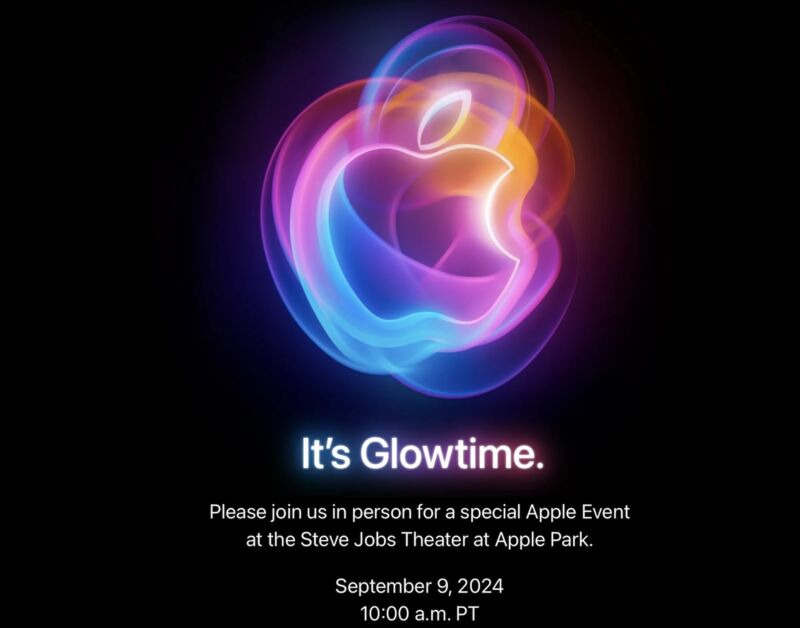
Next-gen iPhones and other Apple announcements are coming on September 9

Next-gen iPhones and other Apple announcements are coming on September 9

Apple’s next product announcement event is happening on September 9 at 1 pm ET, the company announced today. While most of Apple’s products are updated irregularly, Apple has reliably launched next-generation iPhones every September since the iPhone 5 was announced in 2012. This year, we expect new iPhone 16 and iPhone 16 Pro models.

The most reliable rumors about Apple’s next-gen iPhones (gathered here by MacRumors for your convenience) point to mostly iterative improvements to the current versions: marginally larger screens for the Pro phones, an Action Button and a rearranged camera bump for the non-Pro phones, and improved processors for each. Notably, both phones should be compatible with the first wave of Apple Intelligence AI features; as of this writing, the iPhone 15 Pro is the only iPhone that will support Apple Intelligence when it launches.

Apple also usually announces new Apple Watches at its September events. Updated Apple TV boxes are also occasionally unveiled, though Apple’s streaming box is updated more sporadically than most of its other products. We’re also due to get the first wave of M4 Macs at some point soon, including refreshed MacBook Pros and a newly redesigned Mac mini. But Apple often holds Mac launches for a separate event sometime in October or November, so don’t be surprised if the Mac goes unmentioned on September 9.

Whatever else Apple announces, the company is relatively unlikely to mention the iPad. Apple overhauled its entire iPad lineup in May, releasing new iPad Pro and iPad Air models, dropping the price of the 10th-generation iPad to $349 and totally discontinuing the aging 9th-gen iPad (also the last iPad to include a Lightning port, Home button, or headphone jack).

We’d also expect to get a release date for the public releases of all the new software versions Apple announces at WWDC in June: iOS 18, iPadOS 18, macOS 15 Sequoia, and new releases of watchOS, tvOS, and the HomePod operating system. But we already know that some of the Apple Intelligence features won’t launch until the iOS/iPadOS 18.1 and macOS 15.1 updates later in the year.

https://arstechnica.com/?p=2045240


Apple splits App Store team in two, introduces new leadership

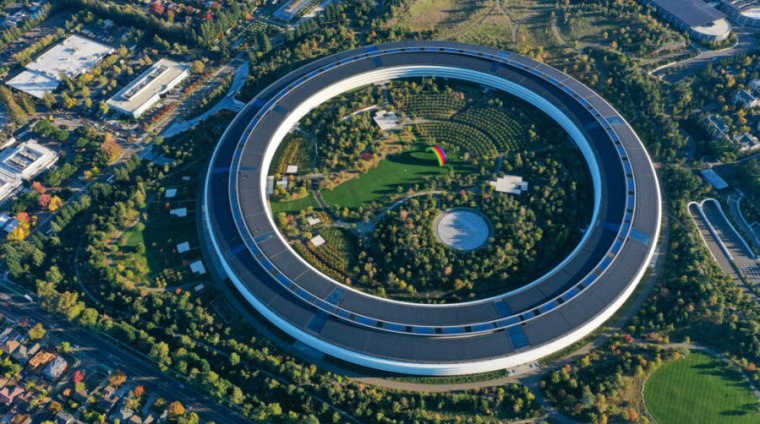
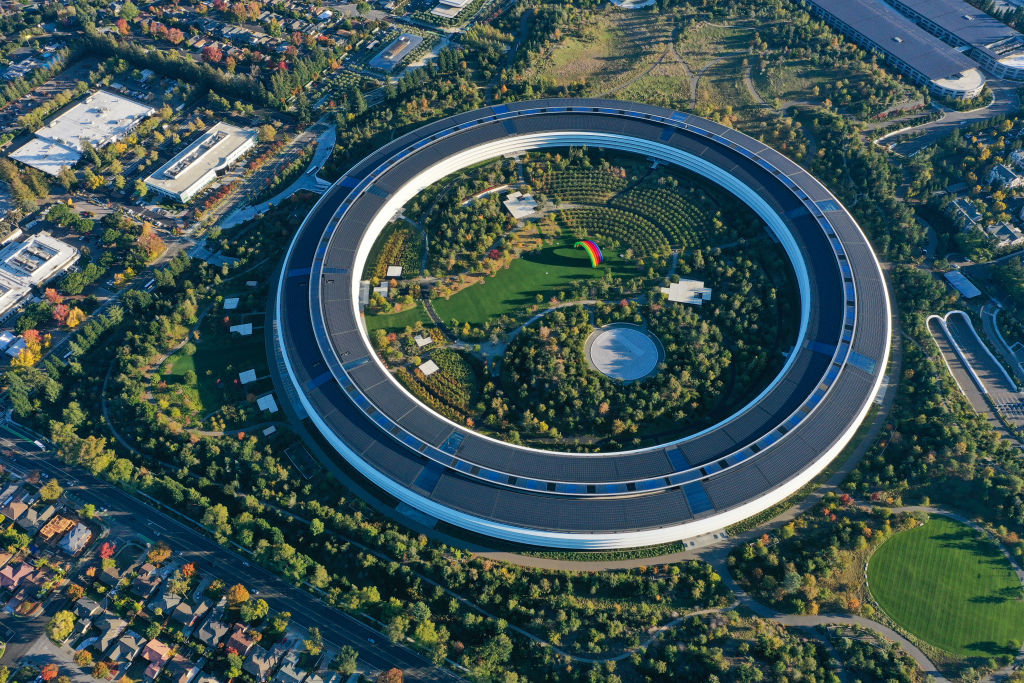
The Apple Park campus in Cupertino, California.
Enlarge / The Apple Park campus in Cupertino, California.

Apple is comprehensively restructuring its long-standing App Store team, splitting the team into two separate divisions as the executive who has run it for more than a decade says goodbye to the company.

There will now be one team for the familiar, Apple-run App Store, and another one to handle alternative app stores in the European Union. Apple recently partially opened the platform to third-party app stores in response to the Digital Markets Act, a set of European regulations meant to break up what legislators and regulators deemed to be app store monopolies.

As noted, the restructuring comes with some notable personnel changes, too. App Store Vice President Matt Fischer, who has been at the helm of the platform since 2010, will leave the company.

In a social media post and email to employees, Fischer wrote the following:

After 21 years at Apple, I’ve made the decision to step away from our incredible company. This has been on my mind for some time, and as we are also reorganizing the team to better manage new challenges and opportunities, now is the right moment to pass the baton to two outstanding leaders on my team—Carson Oliver and Ann Thai—both of whom are more than ready for this next chapter.

You can visit his LinkedIn post to see the full statement. According to Bloomberg, Carson Oliver will lead the Apple App Store division, while Ann Thai will head up the alternative app store team. Up to this point, Oliver has been a senior director of business management at Apple, while Thai has had the title of worldwide product director for the App Store and Apple Arcade.

It’s worth noting that Fischer was the overall lead for Apple Arcade, so that service will now be under new leadership.

Apple Fellow and former marketing SVP Phil Schiller will continue to oversee both of the new divisions.

It’s unclear what further changes, if any, will result from this shakeup. Apple has already made significant changes in response to EU regulations, but some developers and competitors are still critical, saying it hasn’t gone far enough.

https://arstechnica.com/?p=2044820


L’iPhone 16 sarà presentato ad inizio settembre ma senza Apple intelligence

I nuovi iPhone di Apple saranno annunciati nel corso del prossimo mese di settembre. Per la precisione sarebbe emersa la data plausibile per la loro presentazione, ovvero il 10 settembre. Le vendite dovrebbero invece partire una decina di giorni dopo, il 20 settembre.

Le caratteristiche del nuovo iPhone 16

L’iPhone 16 standard adotterà poi un nuovo layout per le fotocamere, posizionate verticalmente, riprendendo il design visto in passato sull’iPhone X ed XS, con l’aggiunta del supporto ai video spaziali. Secondo precedenti report, l’iPhone 16 Pro Max potrà fare affidamento su un ampio schermo da 6,9 pollici, con luminosità ulteriormente migliorata. Anche i bordi saranno rivisti e resi più sottili rispetto al modello attuale (da 1,55 mm a 1,15 mm). Per quanto riguarda le prestazioni, è probabile che l’iPhone 16 Pro e 16 Pro Max montino il nuovo chip A18 Pro, in grado di offrire prestazioni superiori ed un maggior supporto alle attività legate all’Intelligenza Artificiale on-device.

Parlando dei modelli non Pro, non è ancora chiaro se Apple utilizzerà lo stesso chip A18 Pro o il chipset visto quest’anno, l’A17 Pro, proprio come accaduto con le ultime due generazioni di iPhone. Tuttavia, stando alle ultime indiscrezioni, il codice backend suggerirebbe altro e non è escluso l’utilizzo di una versione leggermente depotenziata dello stesso A18 Pro.

La serie 16 di Apple arriverà puntuale, nonostante il rinvio di Apple Intelligence

Apple Intelligence rappresenta un pacchetto di funzionalità basate sull’intelligenza artificiale che l’azienda sta sviluppando per arricchire l’esperienza utente dei suoi dispositivi. Tra queste si annoverano strumenti avanzati di scrittura, una rinnovata interfaccia per Siri, miglioramenti alle app di posta elettronica e messaggistica, oltre a capacità di trascrizione audio e registrazione delle chiamate. Trovate un approfondimento sulla tecnologia a questo indirizzo.

Sebbene queste funzionalità siano considerate un elemento chiave per attrarre nuovi clienti e incoraggiare gli aggiornamenti, Apple ha deciso di non posticipare il lancio dei nuovi modelli. L’azienda ritiene che il ritardo di Apple Intelligence non giustifichi una modifica così significativa alla sua strategia di rilascio.

In altre parole, Apple non ritiene che la suite IA sia così cruciale per le vendite dei nuovi melafonini. Del resto, le caratteristiche più avanzate e interessanti di Apple Intelligence, come Image Playground, Genmoji, l’integrazione di ChatGPT con Siri e le notifiche prioritarie, saranno introdotte in un secondo momento.

Leggi le altre notizie sull’home page di Key4biz

https://www.key4biz.it/liphone-16-sara-presentato-ad-inizio-settembre-ma-senza-apple-intelligence/501004/


Epic Games Store and Fortnite arrive on EU iPhones

Artist's conception of Epic dodging harm from Apple's decisions (and perhaps its own).
Enlarge / Artist’s conception of Epic dodging harm from Apple’s decisions (and perhaps its own).

It’s been four years since Fortnite, one of the world’s most popular games, was pulled from the Apple App Store in a blaze of controversy and finger-pointing. Today, it’s returning to the iPhone—but only in the European Union.

Today marks the launch of the Epic Games Store on Android and iOS—iOS just in Europe, Android worldwide. Right now, it just has three games: Fortnite, Rocket League Sideswipe, and Fall Guys. And you’ll have to be in Europe to access it on your iPhone.

The Epic Games Store is run by Epic Games, the same company that develops and publishes Fortnite. Most folks who have been paying attention to either Epic or Apple in recent years knows the story at this point, but here’s the quick summary and analysis.

Opinion: Users are still the losers after four years

At the direction of CEO Tim Sweeney, Epic knowingly made changes to Fortnite related to digital payments that violated Apple’s terms for developers on the platform. Apple removed Fortnite accordingly, and a long, ugly PR and legal battle ensued between the two companies in multiple countries and regions.

In the US, a judge’s decision granted some small wins to Epic and other developers seeking to loosen Apple’s grip on the platform, but it kept the status quo for the most part.

Things went a little differently in Europe. EU legislators and regulators enacted the Digital Markets Act (DMA), which had far-reaching implications for how Apple and Google run their app stores. Among other things, the new law required Apple to allow third-party, alternative app stores (basically, sideloading) on the iPhone.

Apple’s compliance was far from enthusiastic (the company cited security and privacy concerns for users, which is valid, but the elephant in the room is, of course, its confident grip on app revenues on its platforms), and it was criticized for trying to put up barriers. Additionally, Apple rejected Epic’s attempts to launch its app store multiple times for a few arcane reasons amid a flurry of almost comically over-the-top tweets from Sweeney criticizing the company.

Despite Apple’s foot-dragging, Epic has finally reached the point where it could launch its app store. Epic had already launched a relatively successful App Store on PC, where Valve’s Steam holds a strong grip on users. The new iPhone app store doesn’t offer nearly as many options or perks as the PC version, but Epic says it’s working on wrangling developers onto its store.

It also says it will release its games on other alternative app stores on iOS and Android, such as AltStore PAL.

It’s been a long, winding, angry path to get to this point. In the battle between Epic and Apple, there remains some debate about who really has won up to this point. But there isn’t much dispute that, whether you want to blame Apple or Epic or both, users sure haven’t been the winners.

https://arstechnica.com/?p=2043896


Apple will let other digital wallets into Apple Pay, and even be the default

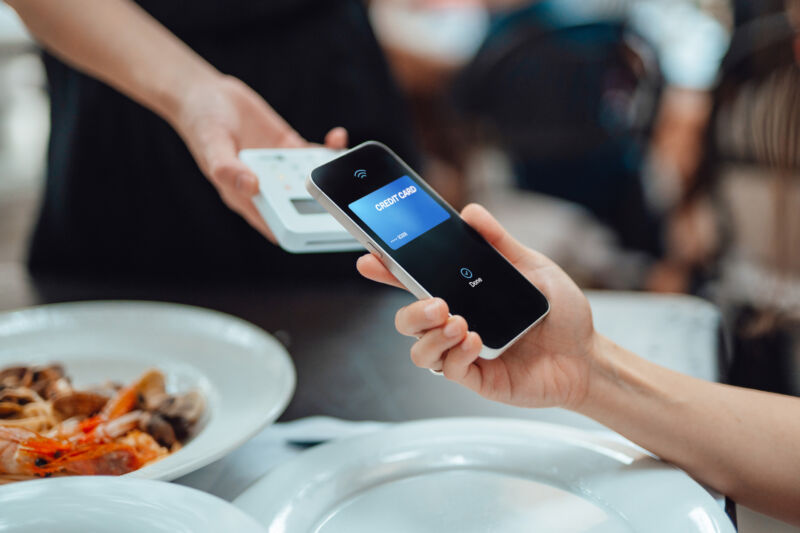
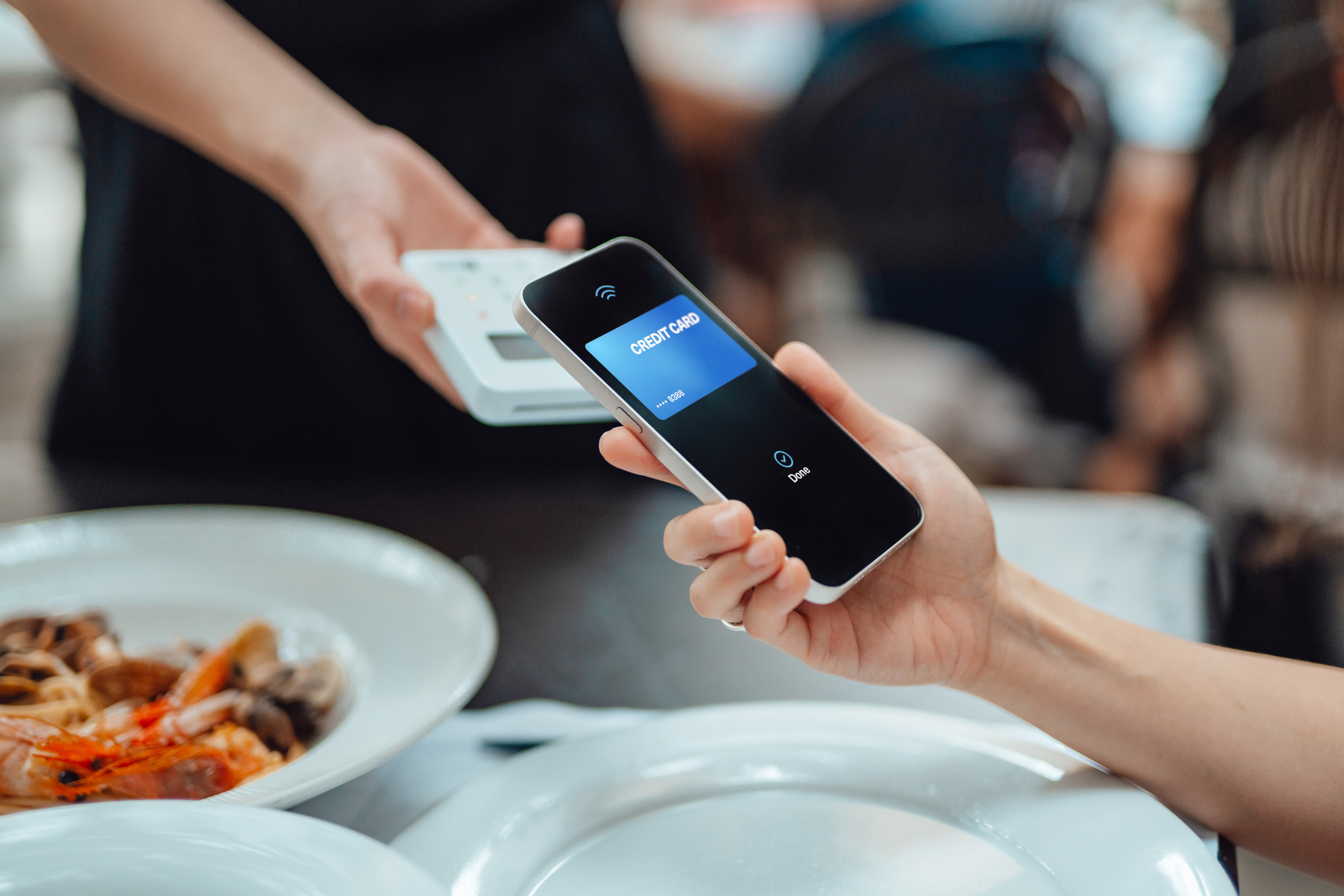
A raised iPhone-ish phone taps against a mobile payments square above restaurant dishes, including prawns.
Enlarge / Soon enough, iPhone owners will be able to use “CREDIT CARD” to pay for delicious clams and prawns at the bistro of their choice.
Getty Images

Do iPhones have NFC? Up until recently, the answer was “Kind of,” or, possibly, “It depends.”

You could use an iPhone’s near-field communication (NFC) hardware for Apple Pay transactions, tapping through a public transit gate, exchanging contacts with another iPhone user, reading basic NFC tags, and a few other things. But every option was brokered by Apple, and the only tap-to-pay option was through Apple Pay.

In a press release today, Apple says that will soon change. Starting with iOS 18.1, apps can, through the Secure Element (SE) on iOS devices, offer things like “in-store payments, car keys, closed-loop transit, corporate badges, student IDs, home keys, hotel keys, merchant loyalty and rewards cards, and event tickets, with government IDs to be supported in the future.” In addition, iPhone users will be able to set a default payment app triggered by double-clicking the side button.

Access to payments and secure transactions through more than a billion iOS devices will not be free, or freely given. Developers will need to “enter into a commercial agreement with Apple, request the NFC and SE entitlement, and pay the associated fees.” Apple says this is so developers and apps that “meet certain industry and regulatory requirements, and commit to Apple’s ongoing security and privacy standards,” have access.

Apple’s move to open up its contactless system broadly—to developers in the US, UK, Canada, Japan, and other countries—follows its settlement this summer with the European Commission as part of an antitrust action. As part of that settlement, Apple went beyond its obligations under the Digital Markets Act (DMA) to allow for monitoring of its compliance over a 10-year period.

The rollout of Apple Pay contactless phone payments in 2014 spurred renewed interest in technology already taken up by credit card companies and Google, among others. At that time, Apple was purportedly receiving a commission on transactions through Apple Pay from banks and other card issuers. Agents for the European Economic Area said at the time of Apple’s settlement that the firm’s exclusive access to payments through iPhones “may have had a negative impact on innovation.” https://arstechnica.com/?p=2043164